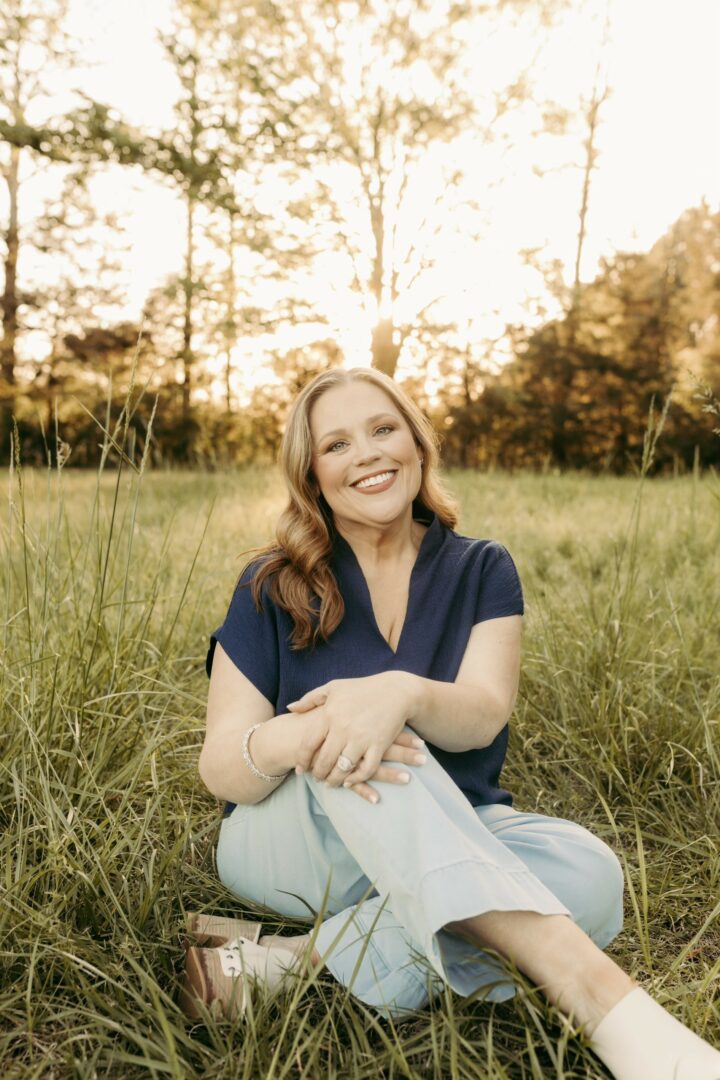
We recently connected with Mary Beth Harbin and have shared our conversation below.
Hi Mary Beth, we’re so appreciative of you taking the time to share your nuggets of wisdom with our community. One of the topics we think is most important for folks looking to level up their lives is building up their self-confidence and self-esteem. Can you share how you developed your confidence?
“My confidence didn’t come from constructing a better version of myself — it has come from healing the places that distorted how I understood my worth, my identity, and my belonging.”
For much of my life, confidence and self-esteem weren’t things I naturally carried. Like many people shaped by complex trauma and attachment wounds, my inner world was formed by messages that sounded like shame —“I’m not good enough”, “I’m too much”, “I’m a burden”, “I don’t belong”, “I have to earn my place”, “I have to perform to be accepted”. And often, that performance included compromising my own values, needs, and identity in order to be worthy of other people’s approval, rather than showing up fully known and authentically who I was.
Those messages don’t just live in our thoughts — they live in our nervous systems, our relationships, and the ways we learn to survive. They teach us that love is conditional, belonging must be earned, and connection requires self-abandonment.
My healing journey has been teaching me that confidence doesn’t grow from positive thinking alone — it grows from safety, restoration, and truth. From learning that, I’m allowed to take up space without self-betrayal, allowed to have needs without shame, allowed to rest without guilt, and allowed to be seen without performing for acceptance. Confidence, for me, has not come from becoming more impressive — and it hasn’t come from becoming prideful or self-exalting either. It has come from no longer needing to earn belonging, compete for worth, or compromise my values to be worthy of relationship. It’s quieter than arrogance and steadier than insecurity — grounded, not inflated.
As my mental and emotional healing deepened, I began to see how much of what I had internalized was actually misaligned with my Christian faith, not aligned with it. Scripture speaks often about the power of shame to distort identity and separate us from truth — not because God withdraws His presence, but because shame distorts our ability to receive it. Healing shame didn’t move me away from faith; it clarified it. It deepened my understanding of discernment — learning to tell the difference between truth and lies.
The lies said I had to earn my worth, prove my value, and perform my way into belonging. The truth is that worth was never something I could earn — it was something already given. As Scripture teaches, we are created in God’s image, and that image is not destroyed by trauma — it is distorted in how we experience it. Healing, for me, has been about restoration, not construction. I don’t create worthiness; I reflect it. My value isn’t something I manufacture — it’s something imprinted by God and restored as truth replaces distortion.
From that lens, confidence becomes less about self-esteem and more about restoration — restoring identity, restoring belonging, restoring truth, and restoring what was distorted by trauma, shame, and survival. It’s not about building myself up; it’s about uncovering what was always there beneath fear, performance, and false narratives.
That personal journey has deeply shaped my professional calling. I don’t experience counseling as just a career — I experience it as a ministry and a stewardship. My work is about holding space for people to make their own discoveries of identity, belonging, and restored truth — without pressure, without assumptions, and without imposing answers. When people begin to truly understand their worth and identity, they stop outsourcing the deepest questions of their lives to other people — Am I worthy of your love? Am I worthy of your time? Am I worthy of trust? Am I worthy of faithfulness? Am I worthy of safety? Am I worthy of presence?
Instead, those questions begin to be answered internally, and from that place, people learn to set healthy boundaries, clarify their values, and show up more authentically in relationship with themselves, with God, and with others.
So when I think about confidence and self-esteem now, I think less about self-assertion and more about alignment — alignment with truth, alignment with worth that doesn’t have to be earned, and alignment with an identity that reflects God’s imprint more accurately than fear ever could. From that place, hope grows — not as something fragile or performative, but as something steady, grounded, and life-giving.
And if there’s a reflection I would offer to anyone reading this, it’s this:
Where in your life are you still trying to earn what was already given?
Where are you seeking answers to your worth from others instead of from truth?
And what might begin to change if you believed — not just intellectually, but deeply — that your existence alone already has value?
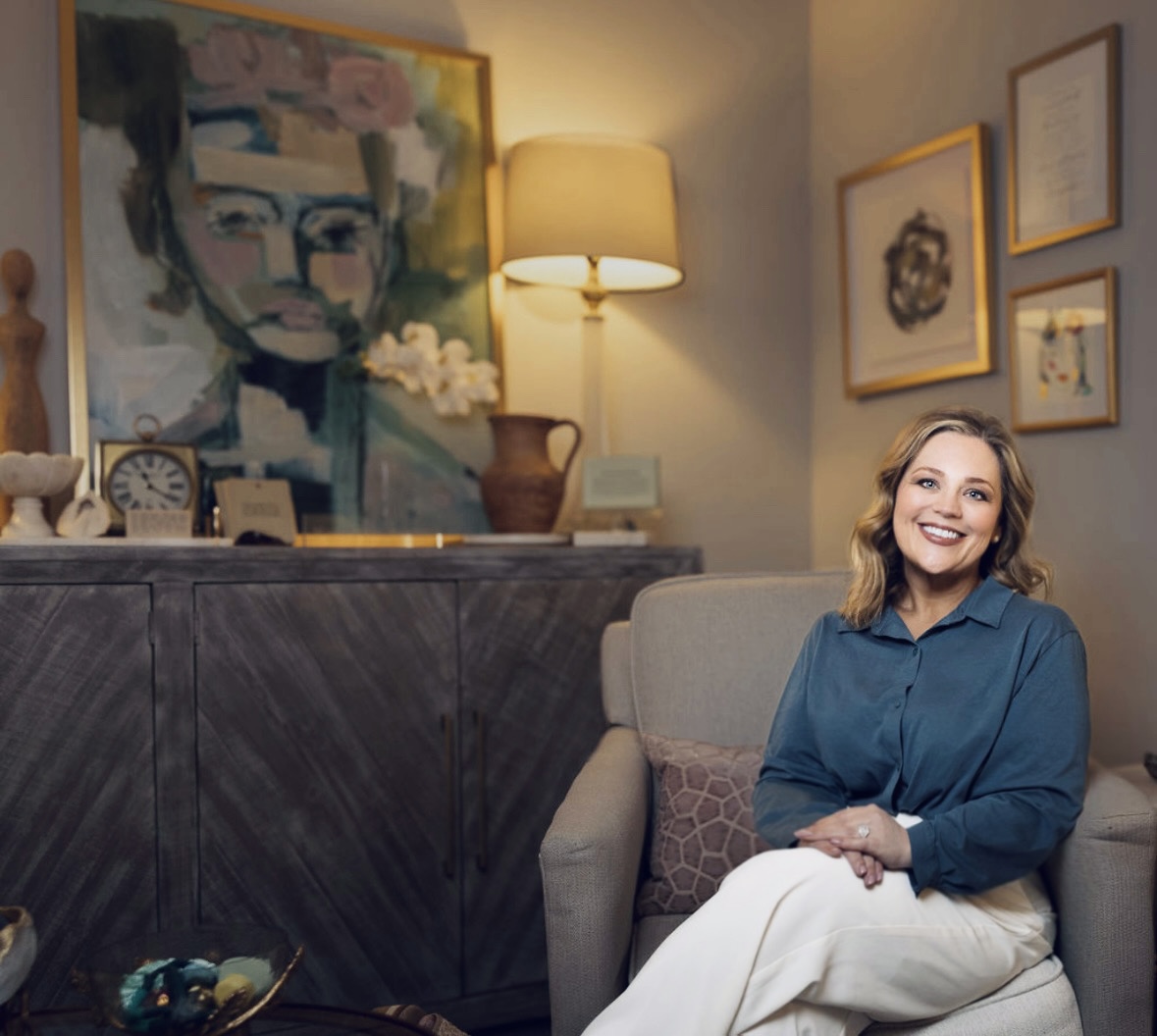
Great, so let’s take a few minutes and cover your story. What should folks know about you and what you do?
At the heart of what I do, I’m a counselor — but more than that, I’m someone deeply committed to creating spaces where people feel safe enough to heal. I am first and foremost a real person who knows real struggle and survival, failure and success, hurt and hope. As a survivor of domestic violence and other abuse, my story holds both deep wounding and ongoing healing. Becoming myself hasn’t just meant recovering from what others did to me — it’s meant reclaiming my identity, my voice, and my sense of purpose that trauma tried to take.
Survival was my beginning. Sharing hope is the story I’m living forward.
My work centers on trauma, attachment wounds, grief, and the long-term impact of experiences that shape how people relate to themselves, others, and the world. I specialize in trauma-informed care, and my clinical focus is helping people move out of survival patterns and into lives that feel more grounded, connected, and stable.
Through my private practice, Hope to Share Life, I focus on building a therapeutic space that is rooted in compassion, dignity, and depth — a place where people don’t feel rushed, reduced to symptoms, or treated like problems to be solved. The heart of Hope to Share Life is about creating a calm, relational, and emotionally safe environment where people can do meaningful inner work at their own pace, with care that honors both their story and their humanity. It’s deeply relational work — not transactional — and it’s grounded in the belief that healing happens through safety, trust, consistency, and presence.
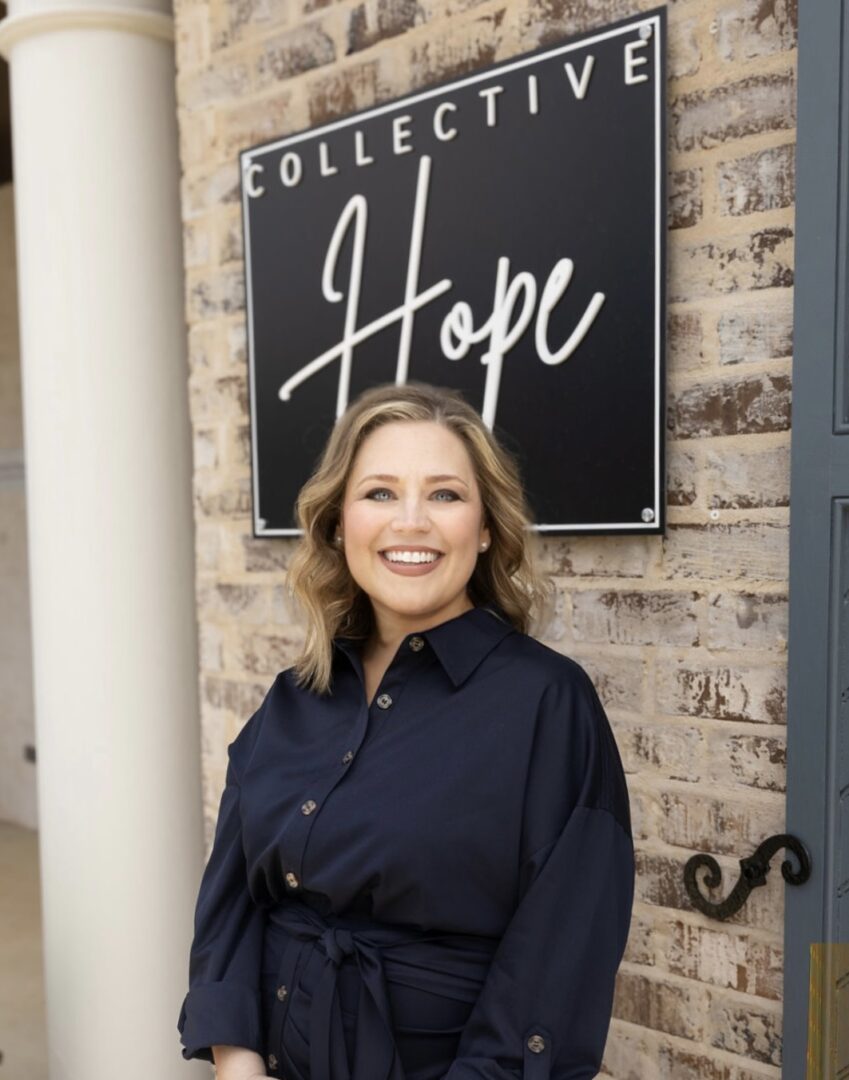
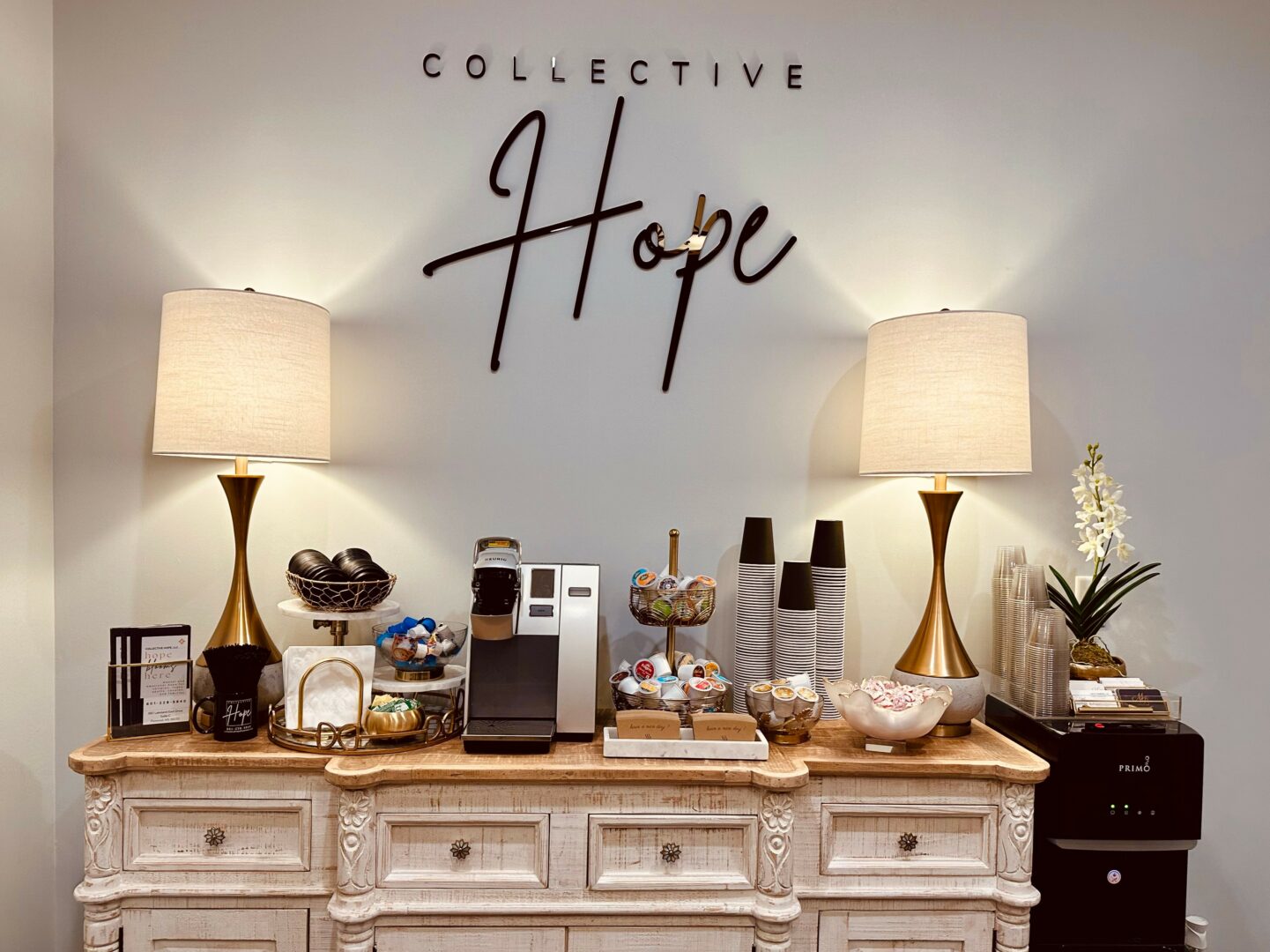
Alongside my private practice, I also founded Collective Hope, which is a counseling collective built on the idea that hope multiplies when it’s shared. Collective Hope isn’t just a collaborative space for mental health professionals — it’s a community model. It brings together clinicians with diverse training, specialties, backgrounds, and populations served, allowing us to reach far beyond what any one practice could do alone.
By working with like-minded providers who serve different communities and needs, Collective Hope expands access to care, extends hope into spaces I could never reach individually, and allows people to find support that truly fits them. It’s about shared mission, not shared branding — a collective commitment to compassionate, competent, and ethical care that strengthens the broader community.
What feels most special about this work to me is the way it blends clinical excellence with genuine humanity. It’s structured but not rigid. Professional but not impersonal. Deeply skilled and deeply relational at the same time. I believe healing happens not just through modalities and techniques, but through trust, safety, consistency, and real human connection — and that shapes everything I build.
Professionally, I’m focused on continuing to expand trauma-informed care through individual therapy, group work, and specialized healing spaces, while also growing Collective Hope as a model of community-centered mental health care. My long-term vision is to keep creating environments — both clinical and communal — where people feel seen, supported, and safe enough to heal, and where hope becomes something people experience, not just something they’re told about.
If there’s one thing I’d want readers to understand about my work and my brand, it’s this: everything I build is rooted in the belief that healing happens best in safe, honest, relational spaces — and that when people are truly seen and supported, hope naturally follows. That’s the heart of both Hope to Share Life and Collective Hope, and the work I feel called to keep growing.
Looking back, what do you think were the three qualities, skills, or areas of knowledge that were most impactful in your journey? What advice do you have for folks who are early in their journey in terms of how they can best develop or improve on these?
Looking back, there are three areas that were most impactful in my journey — and they didn’t show up as ideas first, they showed up as experiences.
The first was learning to notice my body.
Before I had language for healing or self-awareness, I had physical signals — anxiety, panic, hypervigilance, numbness, dissociation, and detachment. Those felt experiences were often the first indicators that something wasn’t okay. Learning to recognize those states in real time — noticing when I was activated, overwhelmed, or mentally absent even if I was physically present — became the doorway to awareness. That awareness created space for choice, and that choice made room for care.
For people early in their journey: start with the body, not the mind. Learn what distress feels like in you. Learn how your nervous system signals overload. Awareness is the first form of self-care — without it, change has nowhere to land.
The second was learning how to care for my nervous system in personal, sustainable ways.
Self-care for me didn’t come through big routines or rigid practices — it came through learning what actually regulates me in daily life. Simple, accessible things that fit into my real schedule, not an ideal one. What mattered wasn’t the activity itself, but the intention behind it and the outcome it produced. The same behavior can be restorative or avoidant depending on why you’re doing it. Over time, I learned to choose practices that created peace, grounding, and presence — not escape.
For people early in their journey: don’t chase other people’s self-care routines. Build care that fits your life, your rhythms, and your nervous system. Let the goal be restoration, not productivity, and presence, not performance.
The third was learning compassionate curiosity toward myself instead of internal criticism.
I didn’t need to become more “humble” — I already carried deep self-erasure and low self-worth. What I had to learn was how to relate differently to the critical voices inside me. Instead of fighting them, I learned to understand them — where they came from, what they were trying to protect me from, and how they were attempting to help me survive. Those parts weren’t trying to destroy me; they were trying to protect me, even if they were doing it in harmful ways. Meeting them with curiosity instead of combat changed everything.
For people early in their journey: don’t just try to silence your inner critic — try to understand it. Ask what it’s protecting. Ask what it learned. Healing happens through compassion, not internal war.
If I could give one piece of advice overall, it would be this:
You don’t need fixing — because you’re not broken. You’re here. You’re resilient. You’ve adapted. Healing isn’t about trying to become someone new; it’s about restoration and alignment with truth. It’s the gradual letting go of what fear, shame, and survival taught you, so what is true, whole, and God-formed can emerge. Not through pressure or performance — but through safety, intention, care, and trust.
Healing isn’t self-construction.
It’s restoration.
It’s alignment.
It’s becoming more fully who God created you to be.
Who is your ideal client or what sort of characteristics would make someone an ideal client for you?
My ideal client is someone who is ready to move from survival to living.
They’re often people who have learned how to function, cope, adapt, and endure — but are beginning to realize that surviving isn’t the same as living. They may recognize patterns of fight, flight, freeze, fawn, people-pleasing, perfectionism, overfunctioning, or emotional numbing, and they’re starting to feel the cost of living in constant self-protection.
They sense a deeper invitation — to live more grounded, more whole, more honest, and more aligned with who they truly are — even if they don’t fully believe that yet, they’re courageous enough to wonder if it could be true. They may not have all the language for it, but they know survival is no longer enough.
My ideal clients are people who understand that their patterns once kept them safe — but they’re ready for more than coping and getting through the day. They’re willing to explore not just what they do, but why they do it. Not just their behaviors, but their nervous systems. Not just their thoughts, but their stories. They’re curious about moving beyond survival-based identities and into lives shaped by truth, safety, meaning, and restoration.
At the heart of it, my ideal client is someone who is ready to exchange self-protection for connection, endurance for wholeness, and fear-based living for life-giving truth. Someone who is ready to heal, not just cope. To live, not just endure.
Those are the people I love walking with — because that transition from surviving to truly living is one of the most meaningful transformations a person can experience.
I’m grateful to Bold Journey for amplifying stories rooted in healing and purpose, and to the readers who make space for these conversations. My hope is that my story meets you where you are and reminds you that becoming is possible — not through perfection, but through courage, connection, and hope.
Mary Beth Harbin, LPC
Hope to Share Life, PLLC
Collective Hope, LLC
Contact Info:
- Website: https://hopetosharelife.com/
- Other: https://collectivehopeflowood.com/
so if you or someone you know deserves recognition please let us know here.