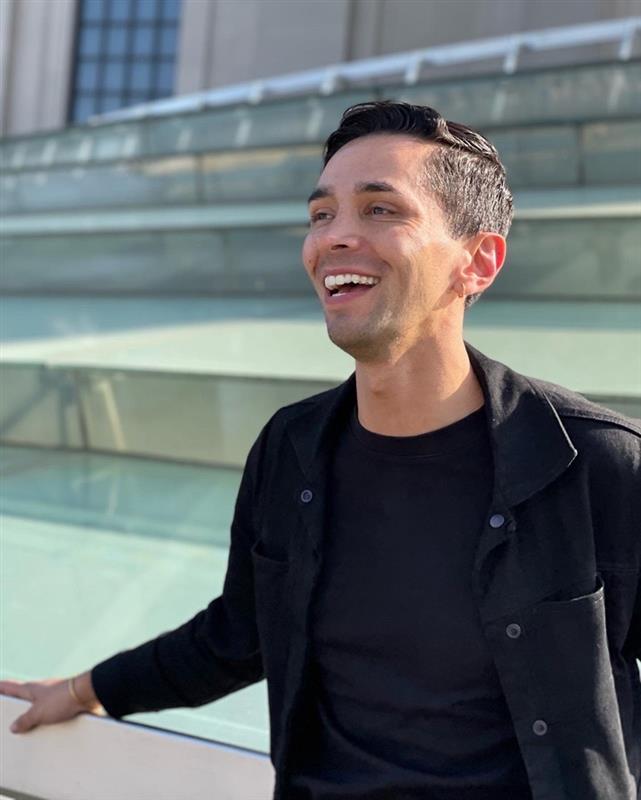
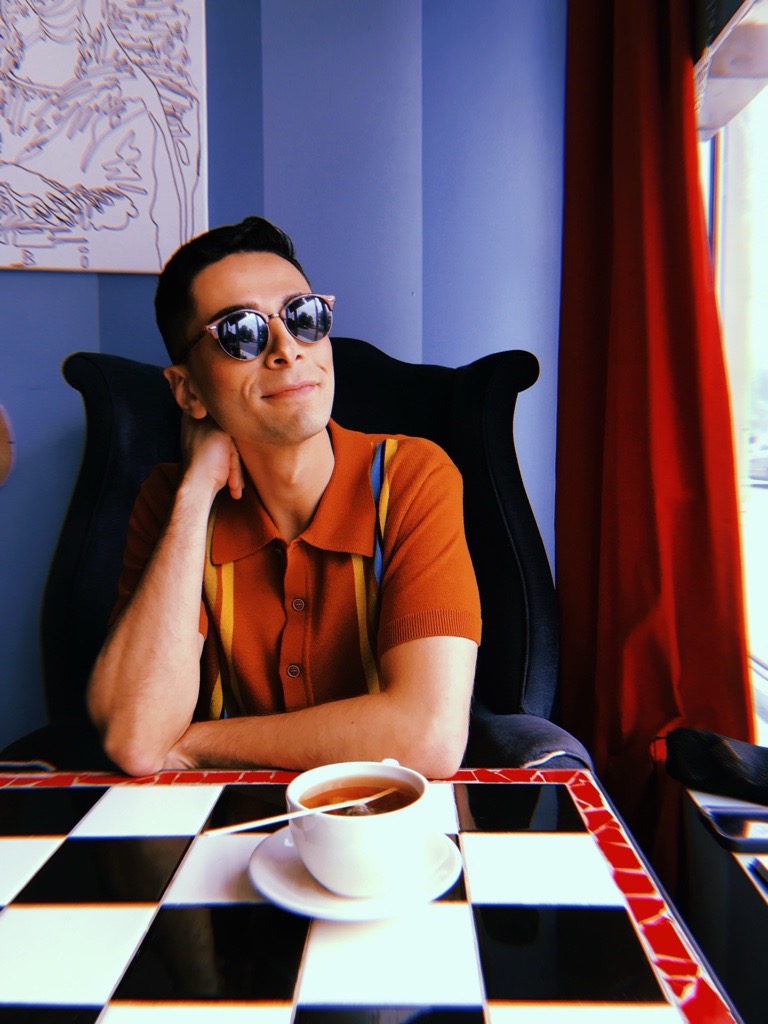
Alright – so today we’ve got the honor of introducing you to Andres Gonzalez. We think you’ll enjoy our conversation, we’ve shared it below.
Hi Andres, so happy to have you on the platform with us today and excited to chat about your lessons and insights. Our ability to make good decisions can massively impact our lives, careers and relationships and so it would be very helpful to hear about how you built your decision-making skills.
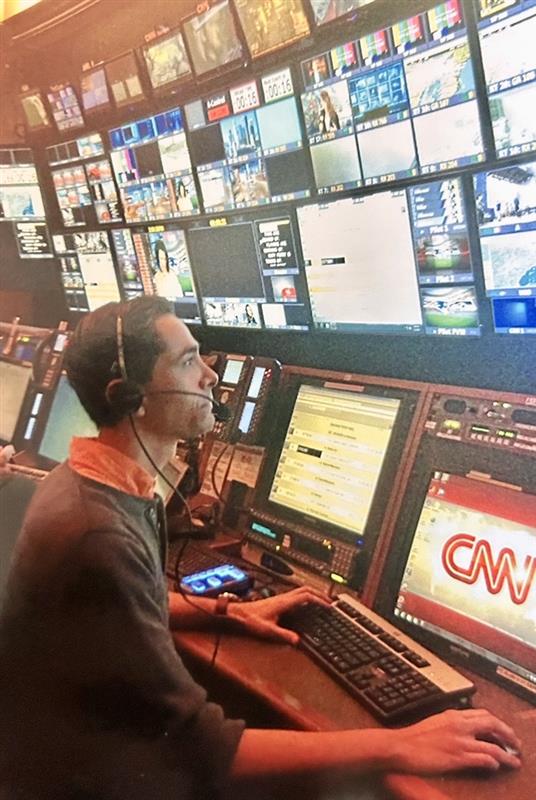
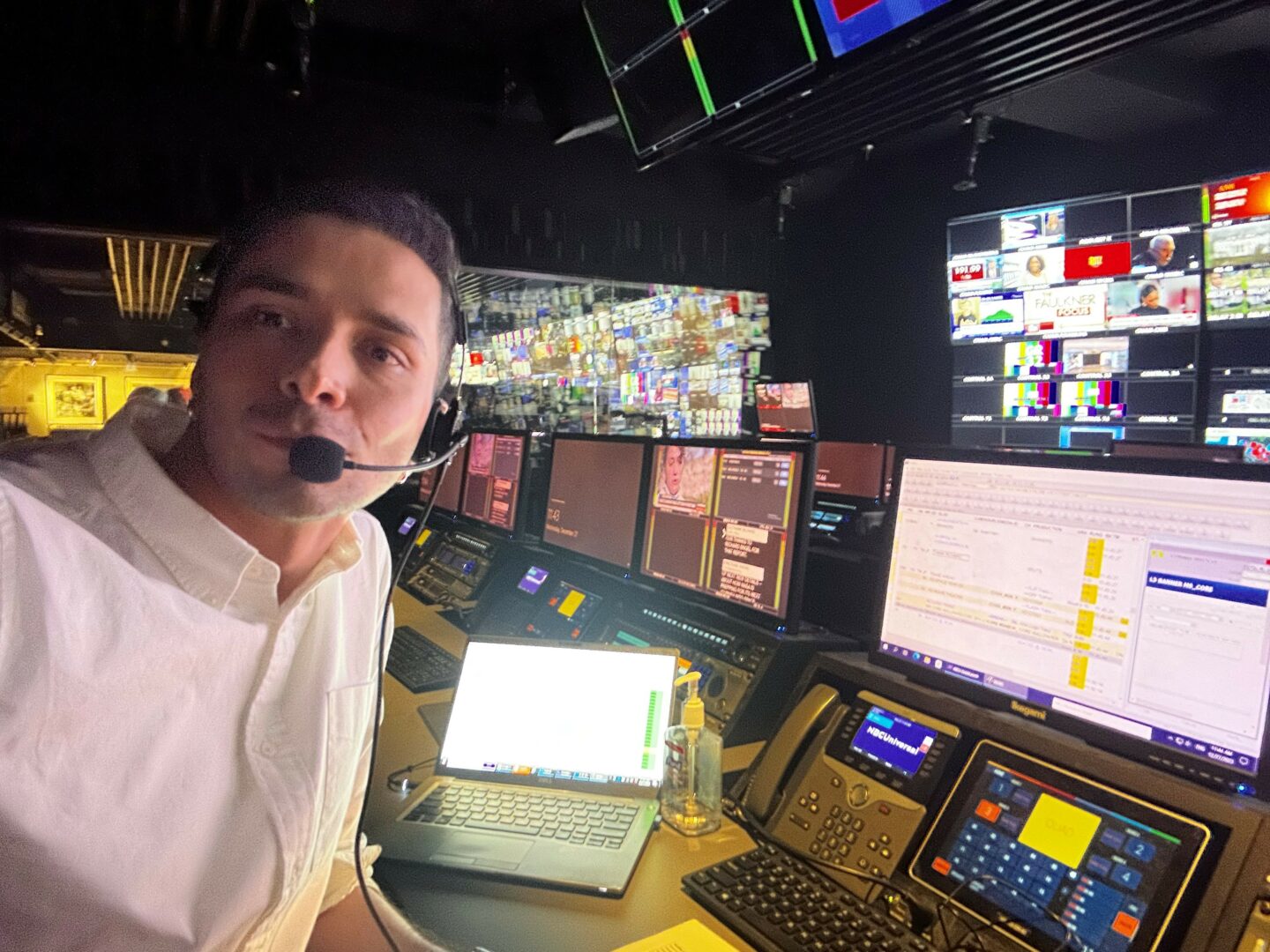
A pivotal formative moment in developing my decision-making skills came through the rapid-fire school of live news television. Producing for CNN and NBC showed me how unforgiving live television can be. It waits for no one. It highlights your successes and painfully underlines your missteps for the world to see in real time. As a producer in the midst of breaking news with massive national and international implications, I lived in a world where every second and every word made a huge difference. Early in my career, I studied and emulated the leaders I saw thriving in newsrooms and control rooms. I learned from them how to make split-second decisions, how to communicate those decisions concisely, and how to pivot when new circumstances required a different decision. Later in my career, when I was executive producing live newscasts from the control room during some of the most stressful and evolving news coverage, I made split-second decisions while staying calm and communicating with immediacy and control.
Great, so let’s take a few minutes and cover your story. What should folks know about you and what you do?
I’m the Communications and Media Relations Manager at Americans for Immigrant Justice, which is a nonprofit that provides free legal representation to low-income immigrants in dire need. Previously, I was a journalist for over 13 years, first with CNN and then with NBC. With Americans for Immigrant Justice, I shape how we communicate the realities immigrants face when they navigate the immigration legal system. What excites me most about this work is the opportunity to inform people about how vital legal representation is to protect due process and human rights. I’m also thrilled that I have the opportunity to showcase the contributions of our immigrant communities and cultivate empathy by underlining our shared humanity.
My journalism career taught me how to bring people’s stories to national and international audiences. Under exceptional mentors, I learned to craft stories that resonate, and I developed an eye for the moments that create impact. A mother clutching her children after nearly losing them to a hurricane’s fury. An immigrant’s first words upon reaching U.S. soil after swimming the Rio Grande. A transgender woman and her queer friends who fled Honduras to escape persecution for who they are. These are among the people I had the honor to meet. These are stories I was privileged to tell.
The recurring theme of my life’s work has been to be an effective communicator, which requires knowing how to tell a story in a way that makes the audience care and feel something. You want to get the audience’s buy-in. You need to make them want to know what happens next in the story. At any given point in your storytelling, you want them hungry to know more. Most compelling stories share two common characteristics: obstacle and conflict. Your character wants to achieve something, but there’s an obstacle that impedes them from reaching it. You want your audience invested in whether the character will overcome that challenge. There is also an inherent factor of conflict—without conflict, a story is dull. Conflict is what prevents the character from achieving what they want. But conflict is not necessarily a bad word. There is good conflict, like when lawyers represent unaccompanied immigrant children to ensure their legal rights are protected.
That’s the kind of storytelling I bring to my work at Americans for Immigrant Justice—stories that highlight both the challenges immigrants face and the resilience they demonstrate. I feel fortunate to create narratives that move people to care and, hopefully, to act.

There is so much advice out there about all the different skills and qualities folks need to develop in order to succeed in today’s highly competitive environment and often it can feel overwhelming. So, if we had to break it down to just the three that matter most, which three skills or qualities would you focus on?
Looking back, three qualities have been most impactful in my journey: resilience, confidence, and vulnerability.
My resilience came from growing up with resilient people. I was raised by people who did incredible things in the face of the harshest realities. I come from generations of Colombians who survived civil wars, political persecution, displacement from violence, kidnappings, bombings, and brutal economic hardship. They overcame every obstacle while maintaining their dignity. They built better and bigger lives—even when that meant leaving everything behind and starting over multiple times in different countries. That intergenerational resilience is a precious gift I was given, and it has served me well. I have internalized it by creating an internal sense of duty to build a better society. A duty to inform. A duty to lead with compassion and humanity. This gives me a higher purpose and puts my daily life in perspective. Whenever I get bogged down by the mundane complexities of my day-to-day, I try to remember that my ancestors survived much bigger challenges and sacrifices.
Confidence took longer to develop. When I was a recent college graduate entering the professional world, I was terrified of not being enough. Not being smart enough. Not being eloquent enough. Not being adaptable enough. Afraid of not having all the answers. I had developed a harsh inner critic that wasn’t serving me well—I lived in constant fear of failure. At a certain point, I came to understand that trying to be perfect at everything is counterproductive. The unattainable quest to be (or appear) flawless wastes too much precious energy. Slowly, I began shedding the layers of self-doubt built up from unrealistic expectations of never making mistakes. Slowly, I started having compassion with myself and giving myself grace. That’s when my confidence grew. I finally allowed myself to be human.
Vulnerability became the bridge between resilience and self-esteem. I spent years believing that showing my true imperfect self would undermine my credibility, but the opposite proved true. Opening up and showing my imperfections can help people find me more relatable, more trustworthy, and more confident. As a communicator, that serves me well because it brings authenticity. It helps people to open up to me. And it creates more meaningful connections with people. It has also made me better at asking questions. I love it when someone mentions a term or concept I’ve never heard of. It’s thrilling to say, “I know nothing about that. Tell me everything.” Or “I’m not really sure I understand—can you explain it to me?” It makes for much more entertaining and interesting conversations.
My advice: Draw strength from where you come from. Be patient with yourself as you build confidence—it’s a process, not a destination. And practice vulnerability early and often. It’s not weakness—it’s a strength that opens doors to deeper learning and connection.
What would you advise – going all in on your strengths or investing on areas where you aren’t as strong to be more well-rounded?
I believe the answer is both, but with a crucial distinction about where you invest the majority of your energy.
Many people fall into the trap of trying to acquire as much knowledge and as many skills as they can. The problem is that this approach diverts most of your energy away from real development in specific areas.
Here’s what I’ve learned: Be curious and develop a basic understanding of different areas—it makes you adaptable and better at collaboration. But recognize there’s a fundamental difference between what you can learn and what requires natural talent. You can improve at almost anything with effort, but the real question is not whether you can improve—it’s whether you can reach consistent excellence. You need innate talent in an area to achieve true excellence.
In my journalism career, I discovered natural talents for storytelling, making quick decisions under pressure, and connecting with people in vulnerable moments. These weren’t just skills I learned—they were patterns that revealed themselves early and consistently. I refined these talents with knowledge and skills, and that’s how they became true strengths.
My advice: Be curious enough to develop working knowledge across different domains. Understand your weaknesses and surround yourself with people who are naturally strong where you’re not. But be ruthlessly focused on where you invest your deepest energy—identify your dominant talents and refine them into powerful strengths. Since you have only finite time to invest in yourself, that’s where you’ll see the best return.
Contact Info:
- Website: https://www.andresgonzalezmedia.com/
- Instagram: https://www.instagram.com/mediaandres_/
- Facebook: https://www.facebook.com/profile.php?id=61577341505015
- Linkedin: https://www.linkedin.com/in/andresgonzalezmedia/

so if you or someone you know deserves recognition please let us know here.