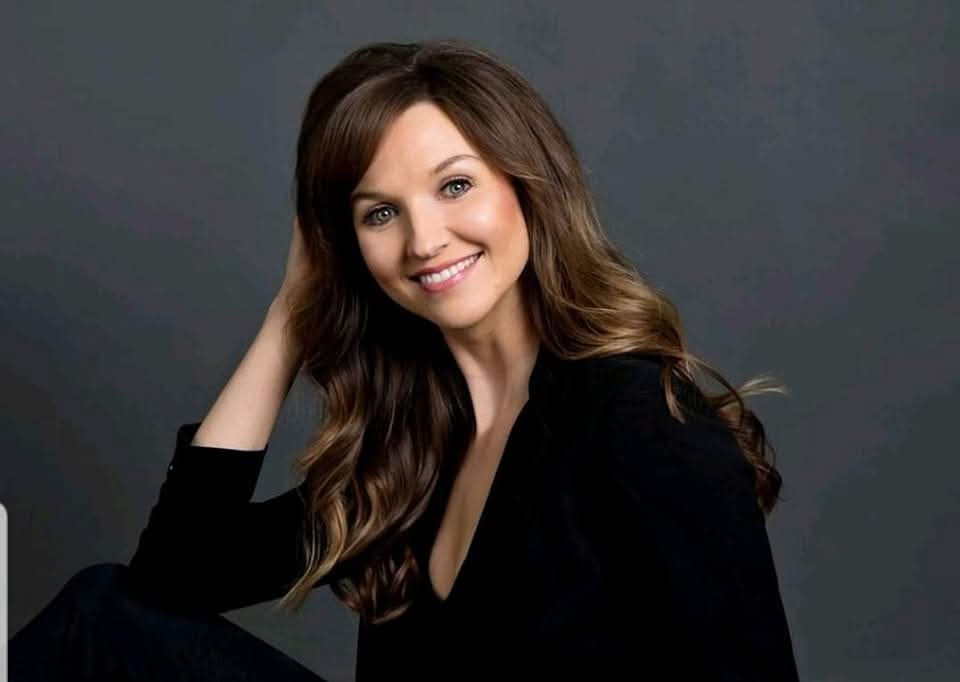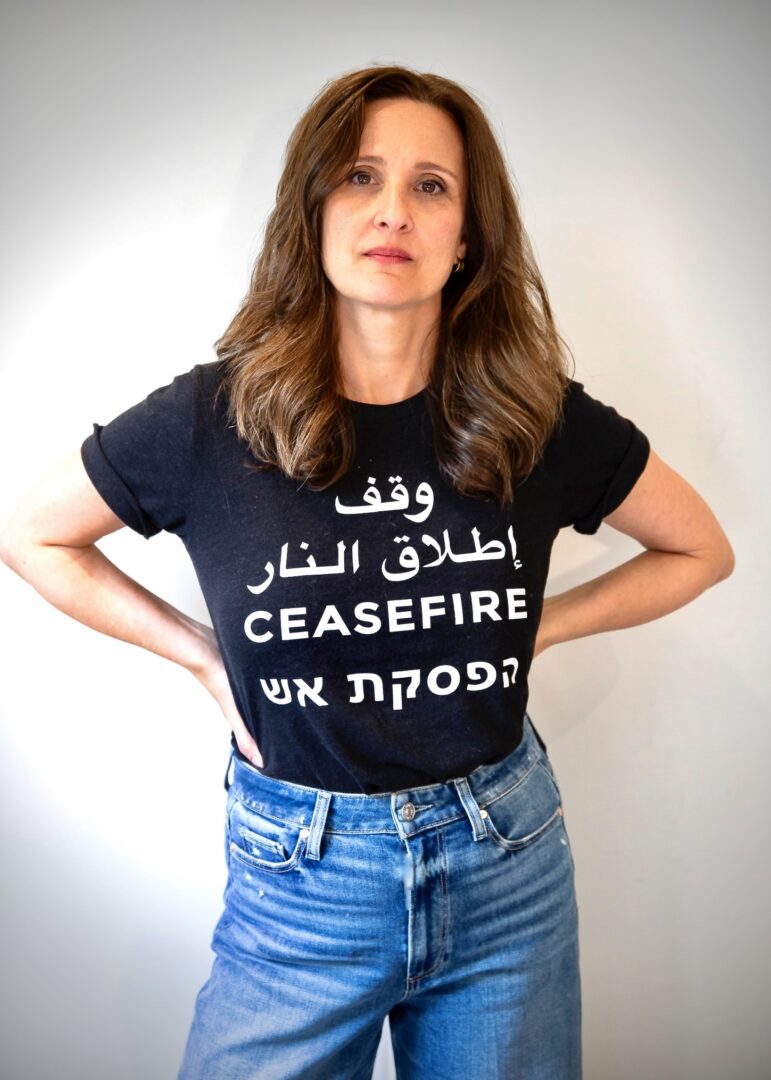
Amy Kessler shared their story and experiences with us recently and you can find our conversation below.
Can you briefly introduce yourself and share what makes you or your brand unique?
With a background in post production, documentary film and human rights, I left the film industry to become a somatic coach. I integrate somatic {body-centered} techniques, the mind body connection, stress cycle education and professional development into my work with clients.
I’ve worked with many creative professionals, activists, people with chronic illness, entrepreneurs and executives of all ages. I’m open to collaborating with all genders and backgrounds. I think that finding freedom, stability and purpose for ourselves is deeply tied to community healing and collective liberation work, and I bring that perspective into my 1-1 collaborations.
Who were you before the world told you who you had to be?
I was usually naked and upside down; running through my parents front yard sprinklers, unabashedly in the nude, hurdling towards the slip n slide until I could no longer breathe. With cars speeding by, I moved around my parent’s lawn freely, without fear or self-judgment. I was the most joyful and engaged I had ever been. I was powerful because I felt safe.
It was that empowering time before cool and smart became priorities and before high school challenges moved me into hiding. As a child under 12, I was able to move so freely because I was deeply connected to myself; my impulses, emotions, intuitions. I could be free without fear of punishment and self-expression didn’t feel like a risky chore.
My childhood freedom is something I’ve yearned to go back to, but believed it wasn’t possible – until I felt the results of my somatic education and practice. It’s not the same, but I feel lighter and freer.
When did you last change your mind about something important?
It happened over three decades— a series of moments when I was able to confront difficult truths about myself, my people, and our unending claims to victimhood.
I was raised to be a Zionist, a patriotic Jew, whose identity was partly but powerfully rooted in our history of oppression in Europe. I believed what I was told by countless adults I trusted; that Israel was our homeland established in a place, both promised and empty: ‘A land without a people for a people without a land,’ my father repeated, just as he’d heard from every adult in his life.
I remember coming home from seventh-grade English class, sitting with my Dad at our dinner table. Earlier that day, my teacher said something about Palestinians being kicked out of their homes to make way for us. I confronted him with this new information and he told me; ‘our arrival in Palestine was necessary for our survival, for self-determination—and that there weren’t many people there cultivating the land.’
What my father’s education failed to give me were the facts on the ground: the history of the Nakba, or catastrophe, and the Palestinian experience.
I was already a hyper-vigilant young person—sensitive, self-conscious, struggling with chronic illness and depression, yearning to become invisible to my classmates. The idea of a secure homeland helped me feel safe in my own precarious life. So, I grew up having hardened myself with this knowledge. However, a tiny crack in my belief appeared that day.
Decades passed. October 7th, 2023. The cracks began to multiply and break apart the whole firmament. I lost myself as I tried not to pass out in my office, because I knew in my gut something terrible was coming.
As I began to wake up and re-educate myself, I continue to witness the live-streamed, Israeli-American genocide in Gaza and continued war crimes and ethnic cleansing of Palestinians in the West Bank—carried out by zionist settlers, backed by the army, financed by imperial governments and corporations, and by my own tax dollars.
I was scared, shaken and deeply uncomfortable as my identity was being challenged, but I needed to know more about our history there.
The children in Gaza can’t move freely, let alone find warmth or clean water. The children in the West Bank, like in Masafer Yatta, are being violently, illegally pushed out of their homes —once again, to make way for us. Living under daily physical and psychological threat, I imagine these are not people who have the privilege of feeling safe.
Then, I finally began listening to Palestinians, themselves. I read Rashid Khalidi’s history. I follow poet Mosab Abu Toha (@mosab_abutoha), journalist Bisan Owda live from Gaza (@wizard_bisan1), and Samia Halaby—the ninety-year-old Palestinian American artist whose retrospective at Indiana University was canceled for “security reasons.” I watched Mo on Netflix and No Other Land, which won the Oscar last year for best documentary. As I write, there are demolition orders to displace the community living in Umm Al Khair.
As I learned about eighty years of horror committed in the name of Jewish safety—and the near-total acquiescence of the Jewish American establishment—my heart fell, my breathing constricted, a heavy, all-consuming black hole bloomed in my stomach, throat and chest. What emerged was deep shame, betrayal and so much rage. My experience became somewhat physically/emotionally painful and I’m still learning to hold it. Sometimes, I go mad.
This might be one reason why so many Jews cannot see the overwhelming evidence of Israel’s genocide and apartheid in Palestine. The internal discomfort—deeply conflicting loyalties buoyed by propaganda — may be blocking us from staying open to hearing new information.
For me, unlearning the false narratives began as a private struggle. What keeps me sane is my community activism and support. The Israeli occupation of Palestine has to end and Jewish Americans have a part to play. The first thing, is to acknowledge it exists.
Now, I’ve found politically active and healing spaces where others help hold what I cannot hold alone. I reached out first to IfNotNow L.A., then to Lumos Transforms and recently, Jewish Voice for Peace and NewGround: A Muslim-Jewish Partnership for Change.
I don’t think I would have been open to changing my mind without the somatic work I’d already done. I’ve developed a more resilient, flexible nervous system. I’ve learned to be present with what’s inside— giving myself permission to feel and express it when necessary. Rooting into my natural curiosity and using the practices in the Resilience Toolkit, for example, https://theresiliencetoolkit.
Another thing about embodiment work the powerful don’t want you to know:
When I’m embodied and building resilience through practice — I have much more access to my anger, empathy and agency. Disembodied, exhausted people are easier to control and, just like me, struggle to sense when they’re being manipulated. I see others watch people being neglected, kidnapped, bombed, starved, and present as numb, disconnected, or finding justification for the unjustifiable.
Racism permeates it all, bringing with it a kind of rigidity, fake news and false pride.
The past two years have felt overwhelming. At times, I don’t feel safe enough to feel what’s there. This is why creating spaces where we can hold emotion and conflict together—what we can’t hold alone—matters in the fight for collective liberation. My communities are vital to my continued healing, creativity and activism.
Massafer Yatta link: https://supportmasaferyatta.
Book link: https://shorturl.at/tCsKY
What’s a cultural value you protect at all cost?
Constitutional freedom of speech is one value I fight to protect.
I’ve been watching the Trump regime, universities, ICE, Border Patrol and local law enforcement become activated to crush peaceful protests on college campuses— dismantling DEI programs, silencing Palestinian human rights activists—all in the name of fighting antisemitism and “protecting Jews.”
As Dove Kent (Diaspora Alliance) put it: “People are losing their jobs. They’re losing funding for critical scientific research. They’re losing their freedoms, supposedly in our name!”
The detention of Mahmoud Khalil and Rumeysa Ozturk and deportation of many others, has done much damage —but it has also put a target on our backs. The justification is that these peaceful protesters are “antisemites.” Real antisemitism exists, but Khalil and Ozturk aren’t antisemitic, and there’s no evidence they have ties to groups like Hamas. They simply care—as I do—about the bombing, starvation, and displacement of Palestinians. For this, they’re being terrorized by our own government.
I’m sick to my stomach when I watch Republicans and many Democrats use Jewish trauma as a smokescreen to punish free speech. This strategy comes directly from the Heritage Foundation’s Project Esther, part of Project 2025. We, Jews, have become the face of Trump’s authoritarian repression. I’m not sure that’s going to work out well for us, as a people.
I’ve let go of the guilt, feel the grief and know it’s my responsibility to resist the genocidal violence being applied by Israel, Trump and both political parties—and to speak up for the rights of all people, regardless of which group they belong to. We can no longer be liberal “except for Palestine.”
I hope my Jewish friends, family and colleagues will read this and be moved to investigate for themselves – and to act on behalf of Palestinians, as well as, for themselves; because when the discomfort settles, love, wisdom and freedom lay waiting at the other end.
Here’s a small video I cut to spark interest in Project Esther and what it means for Jewish Americans:
https://www.instagram.com/p/
Understanding PE: https://shorturl.at/QgAeq
What are you doing today that won’t pay off for 7-10 years?
In May, I flew to NYC for my old boss Robert Richter’s memorial https://variety.com/2025/film/
The day before his memorial, I invited an old high school friend to the first No King’s protest because I needed the company and was worried about police and agitators. I feel the most alive, hopeful and strangely at peace when I’m at a big event like that; at the intersection of community, creativity, friendship and activism.
Our moral and spiritual compass, as Jewish Americans, is being tested in a way it hasn’t been before. I try to work consistently as an ally, let go of the urgency, ego and frustrating lack of progress, because I know that every small thing I’m doing will ripple out into a world of people doing small things – moving the needle farther away from colonialism, and build something new that we can be proud of.
Grown up activists know how to play the long game and build broad, diverse movements. We understand we may not see any positive change in the near future, or maybe in our lifetime, but we know that In order to win we need embodied allyship, belief we can win and a broad coalition of people, who may not all agree on language or strategy, but who share a common humanity that’s based on mutual safety and dignity for all of us.
Now, we need to build a majority of Jewish Americans who are brave enough to delve deeper and make some noise! In the meantime, my community and I cultivate hope, radical love and grounded rage for the revolution.
Gratitude to everyone: https://lumostransforms.com/
Contact Info:
- Website: https://www.amykesslercoaching.com/
- Instagram: https://www.instagram.com/coachingcreativepros/
- Linkedin: https://www.linkedin.com/in/amy-kessler-0500b2b/
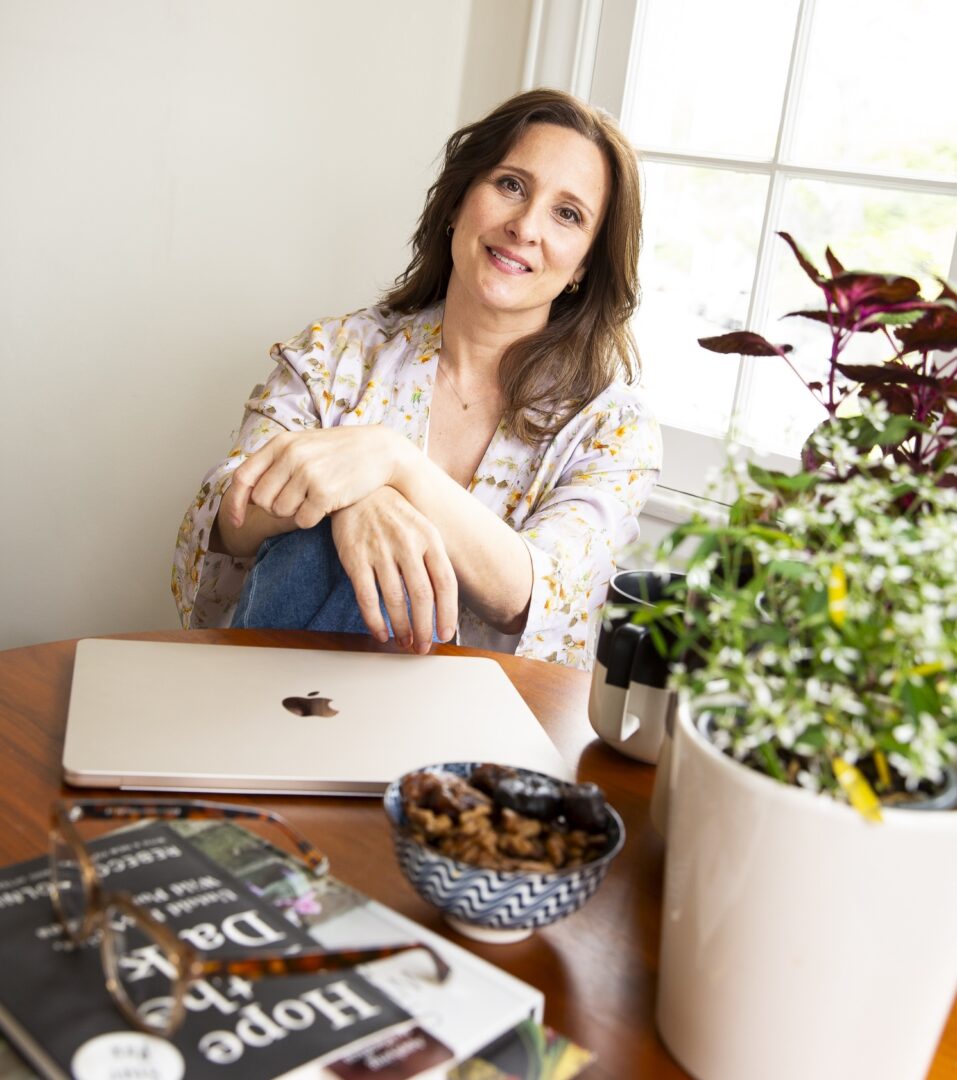
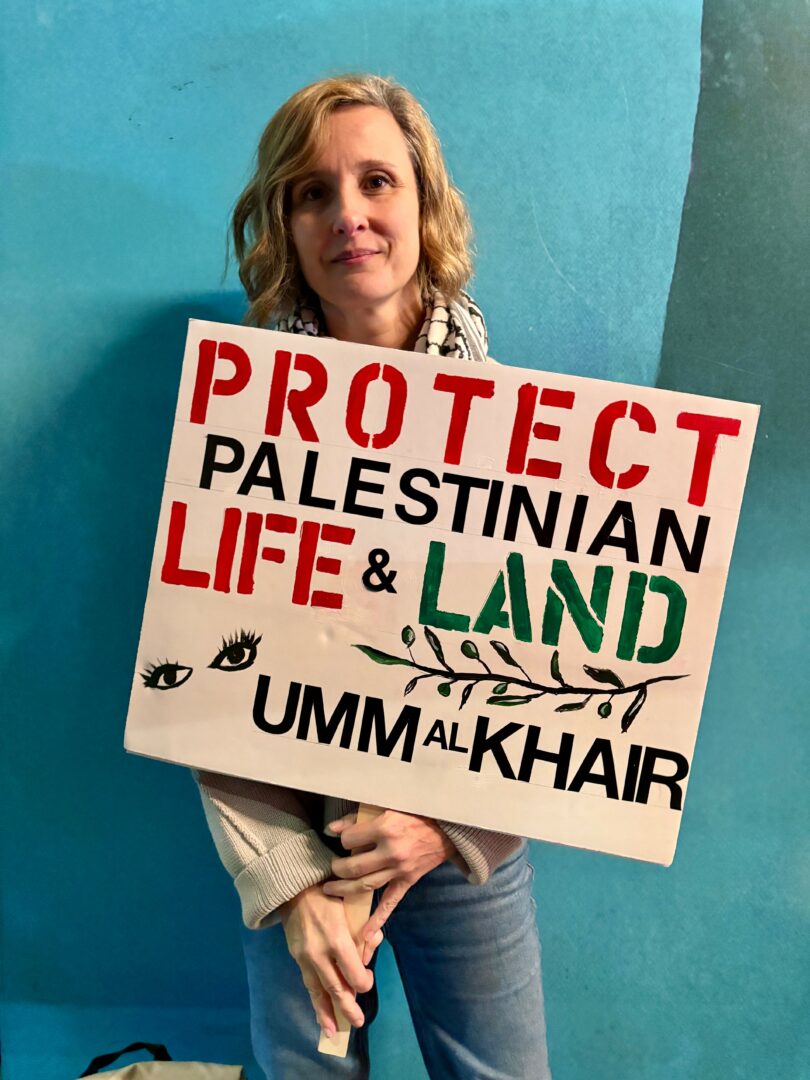
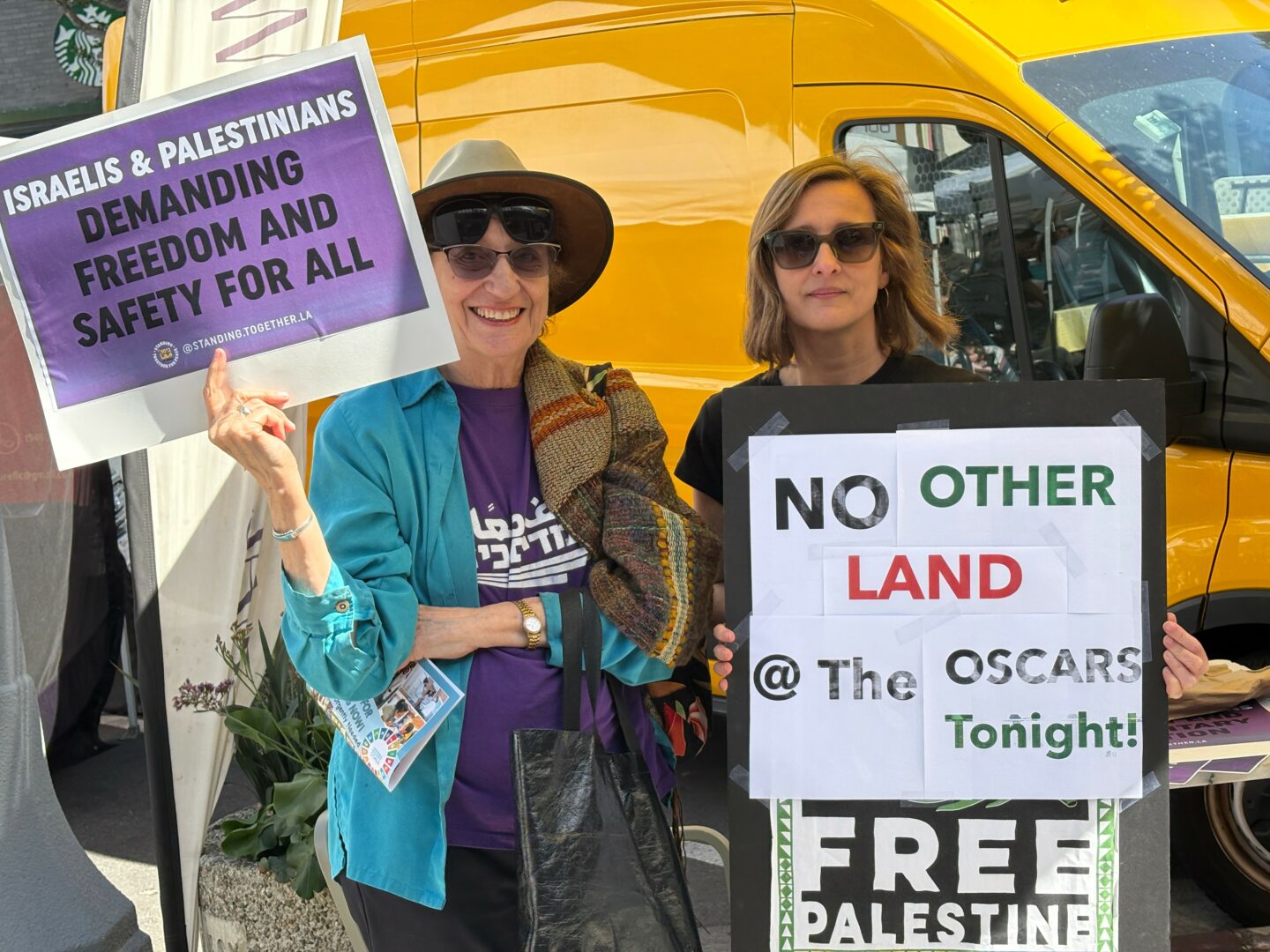
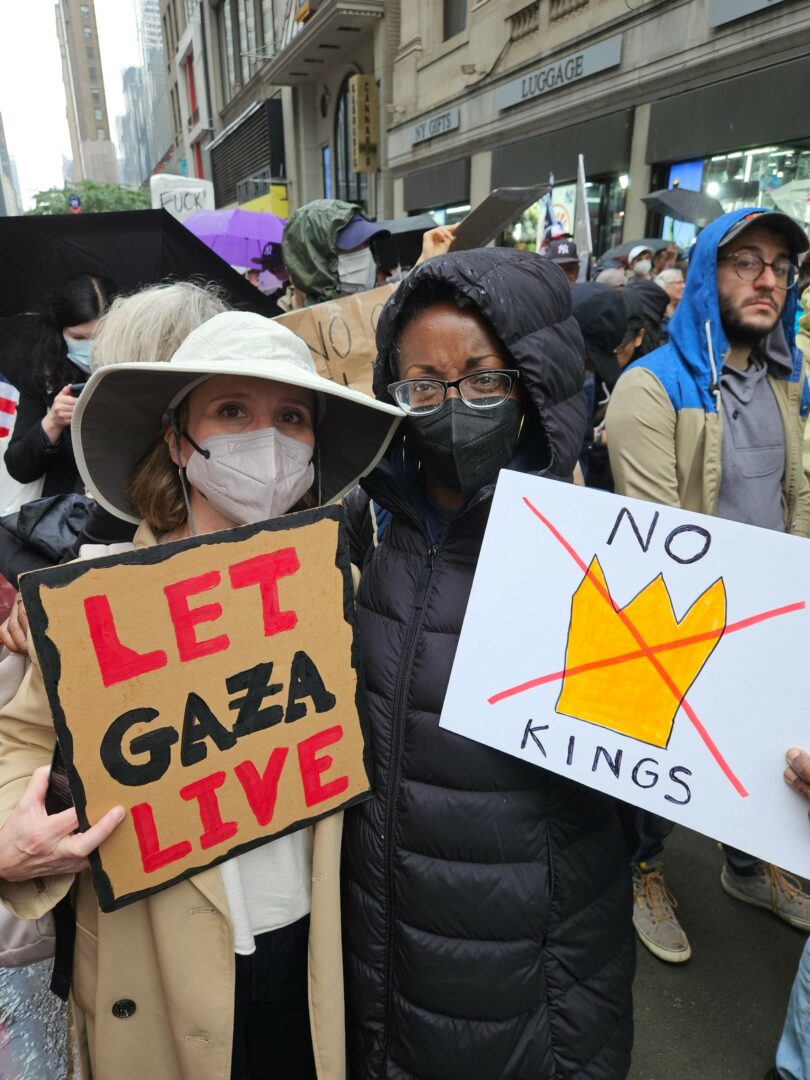
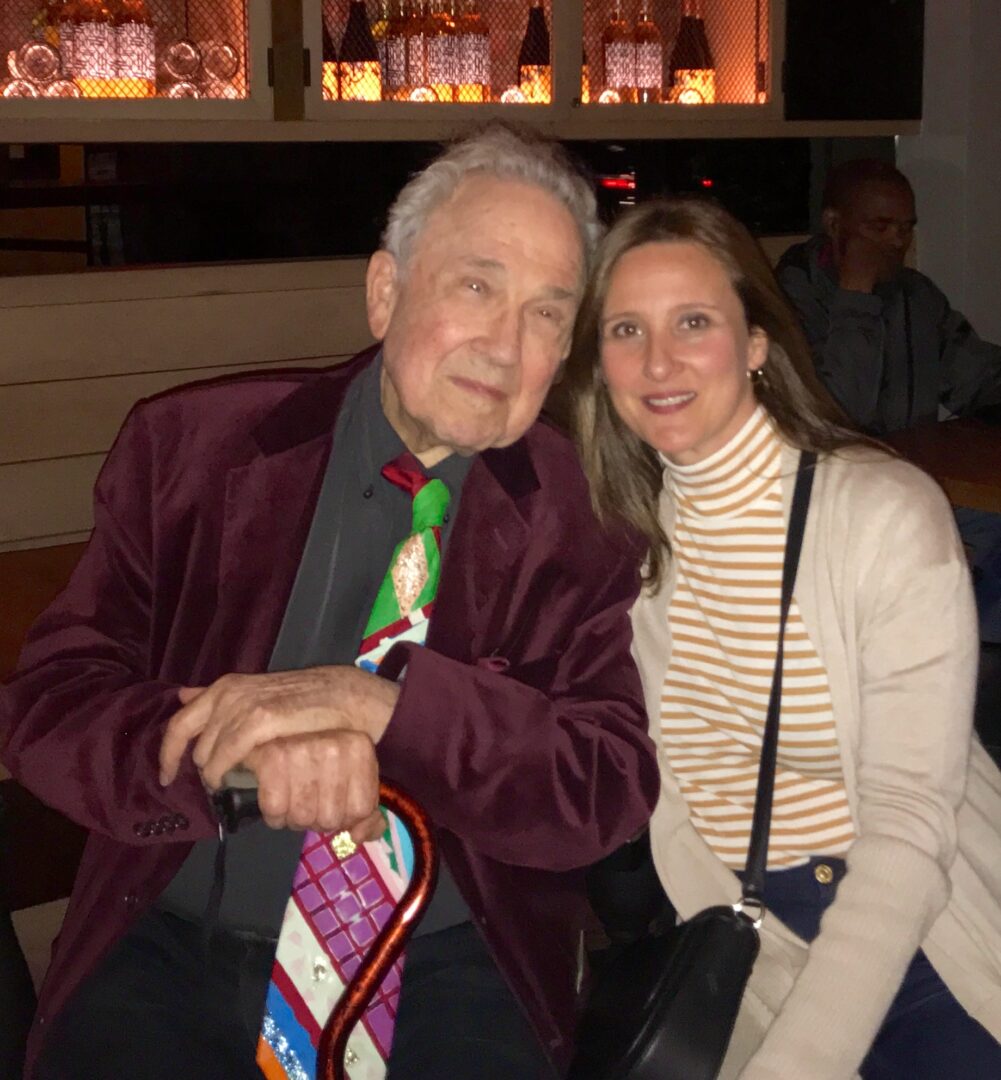
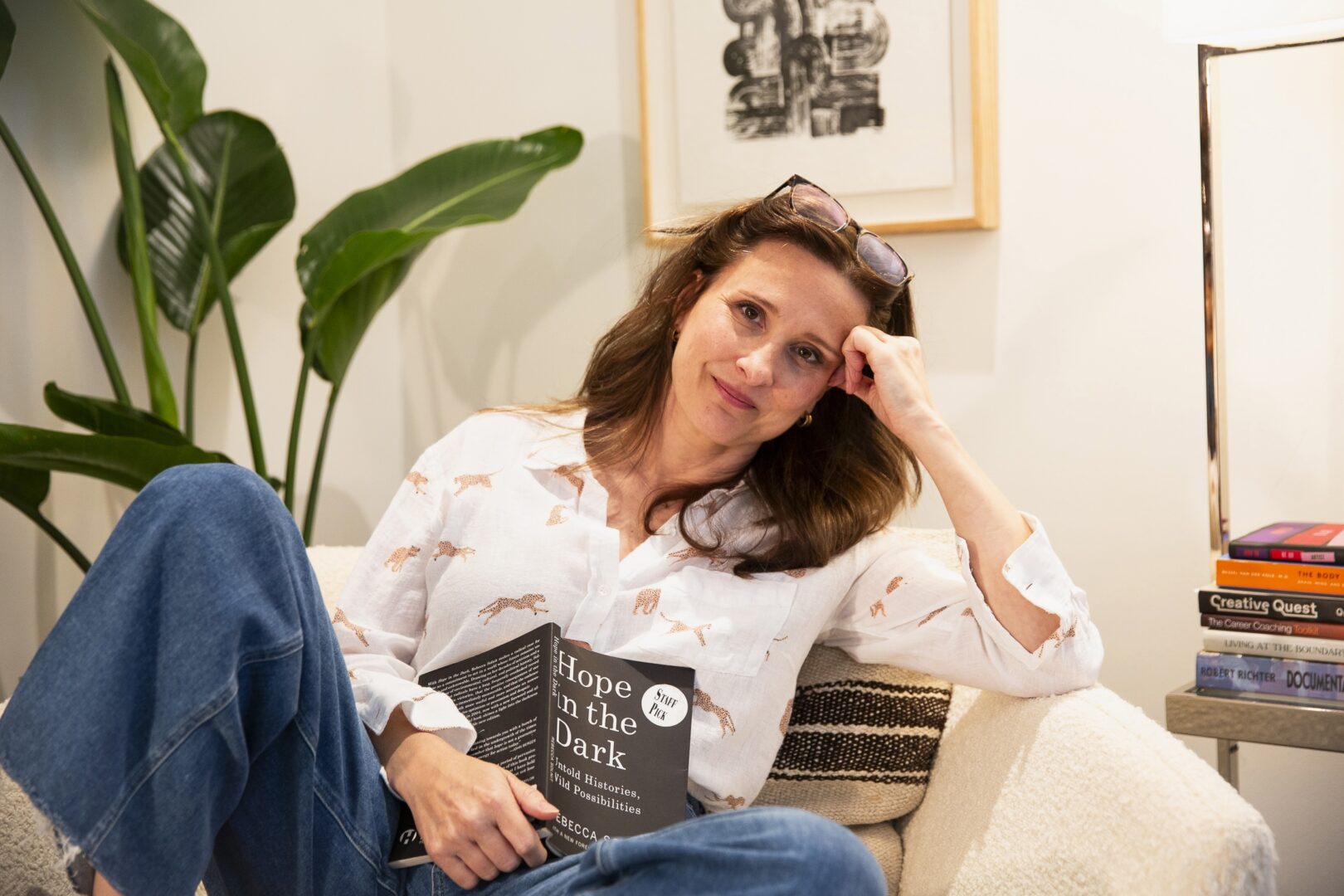
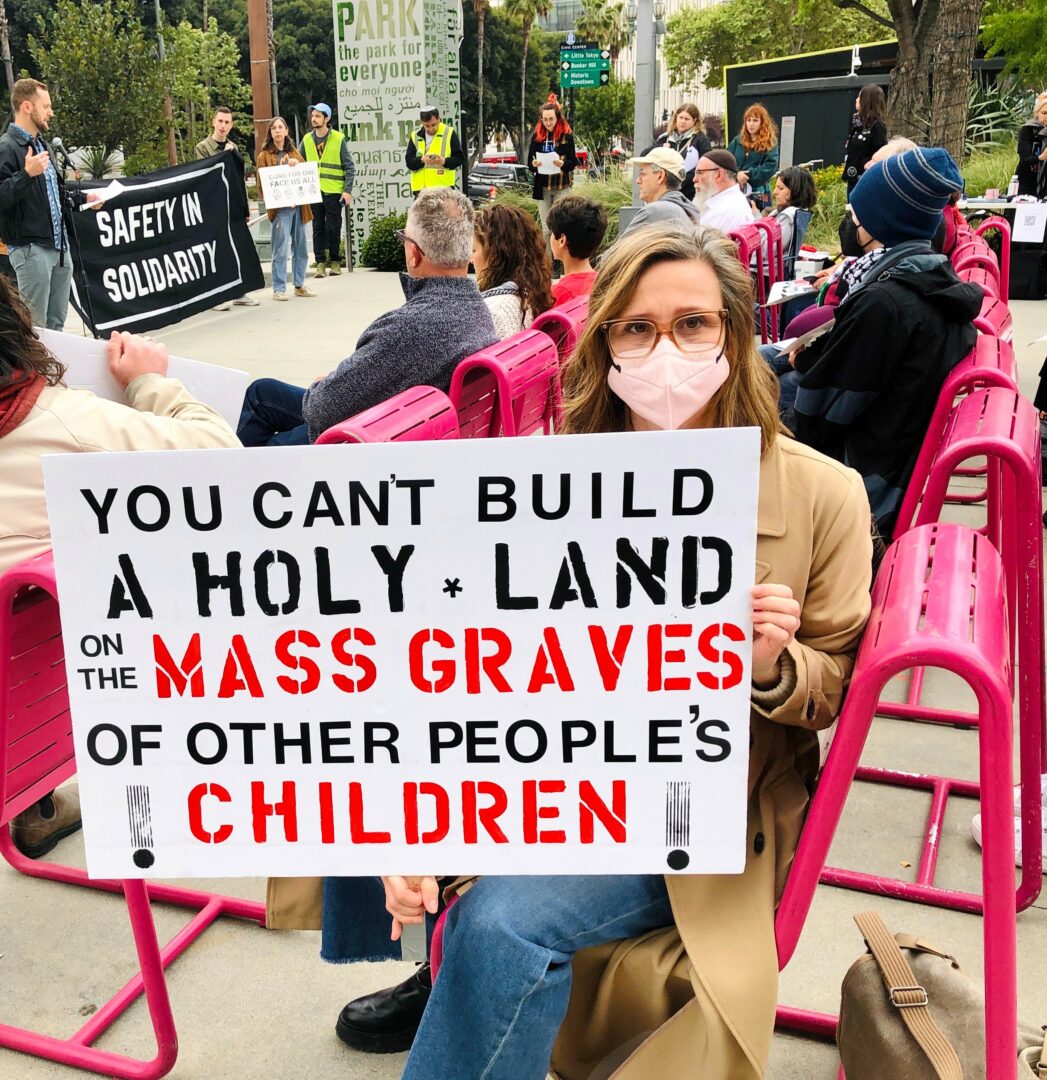
Image Credits
Melanie Reisert – https://www.instagram.com/melaniereisert/
so if you or someone you know deserves recognition please let us know here.