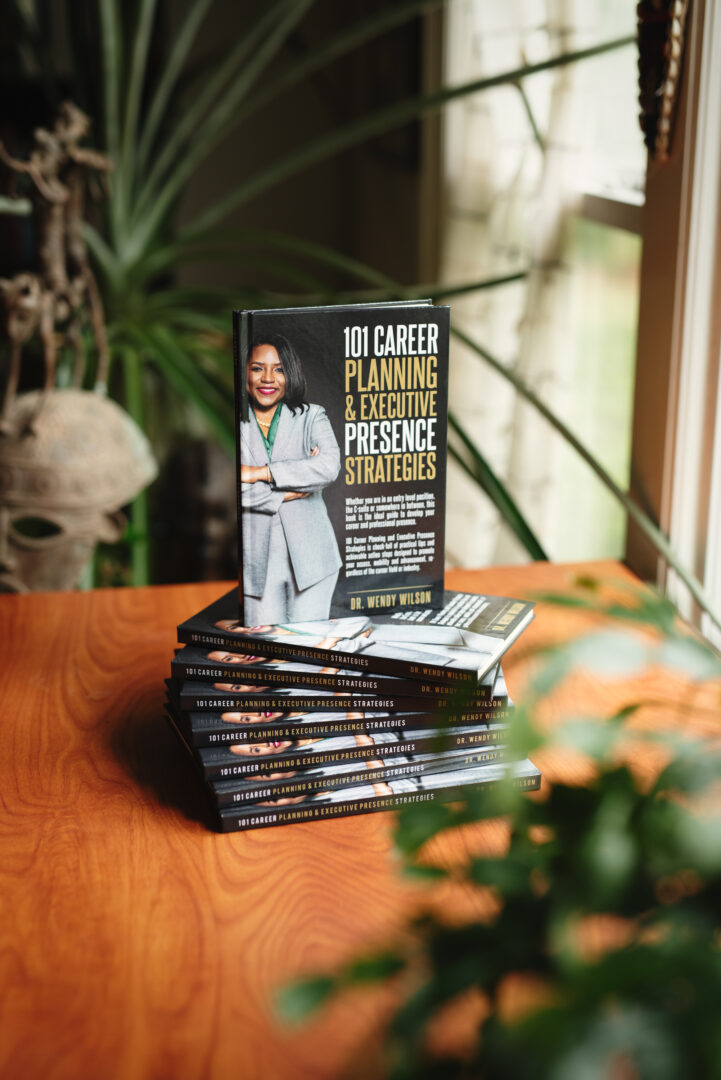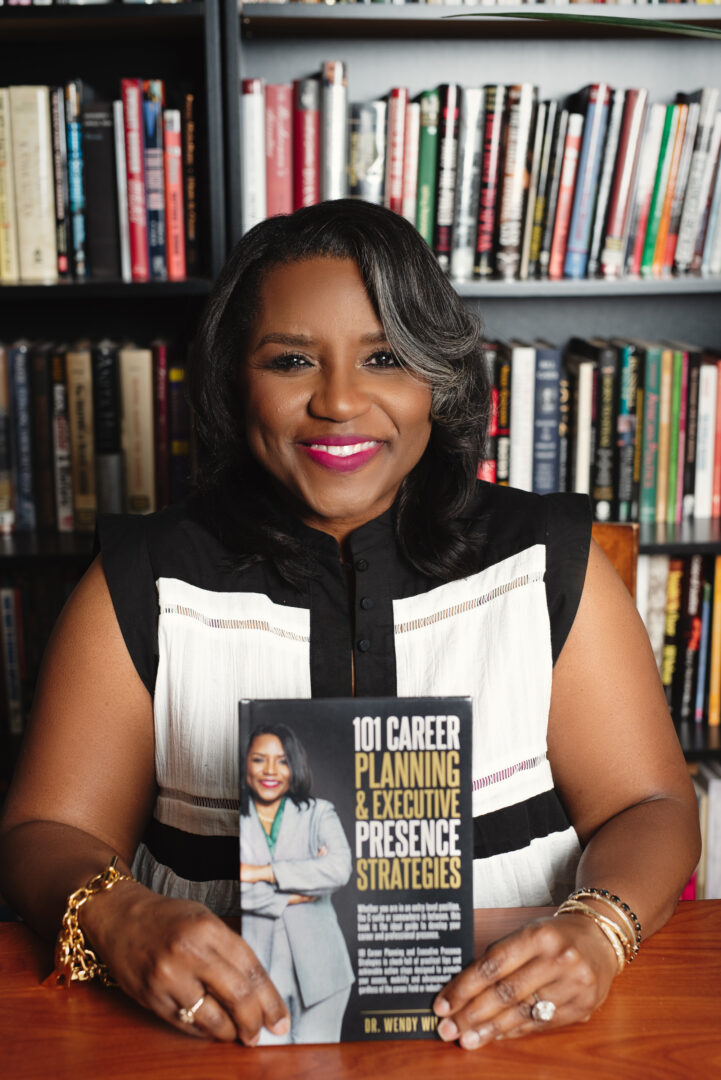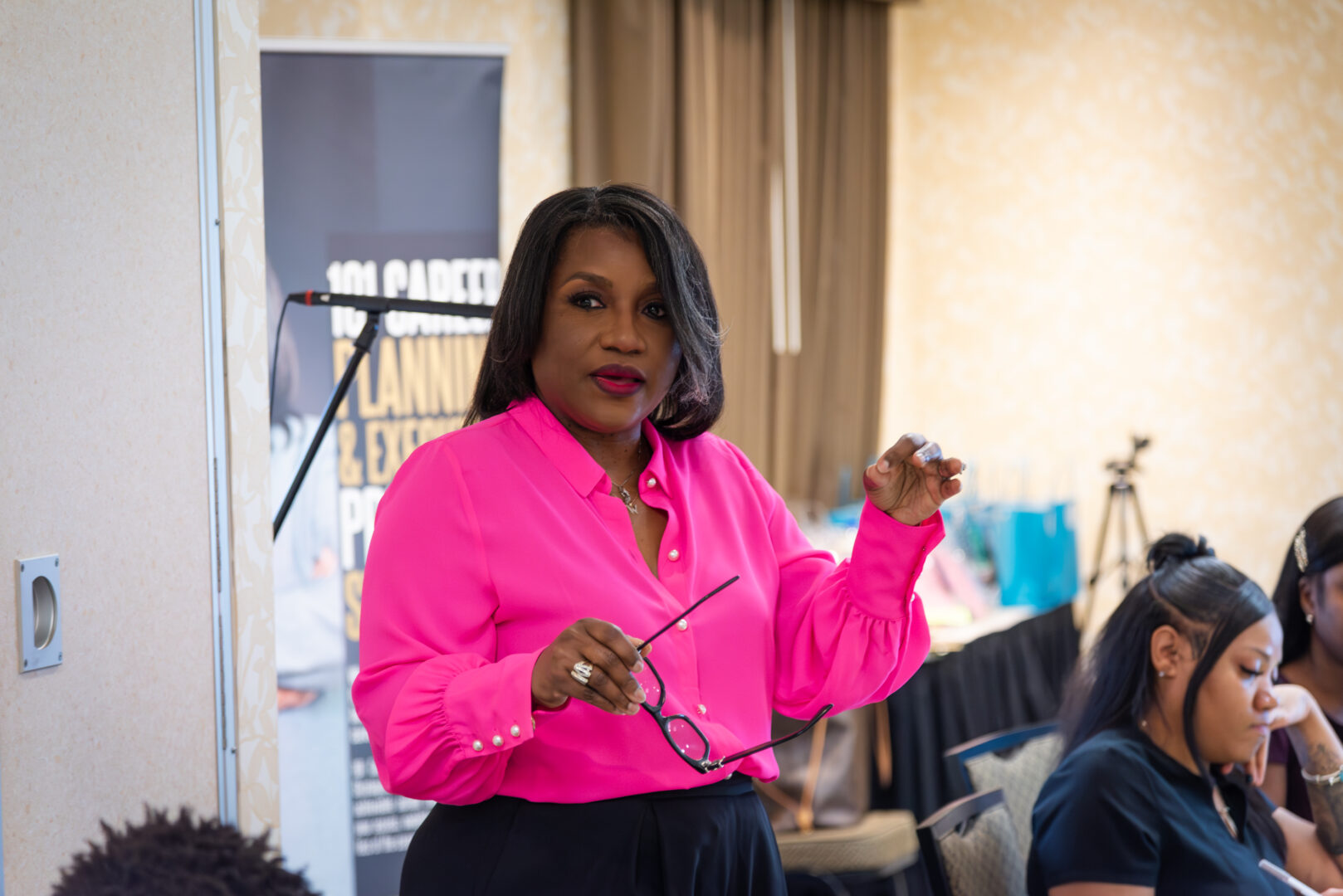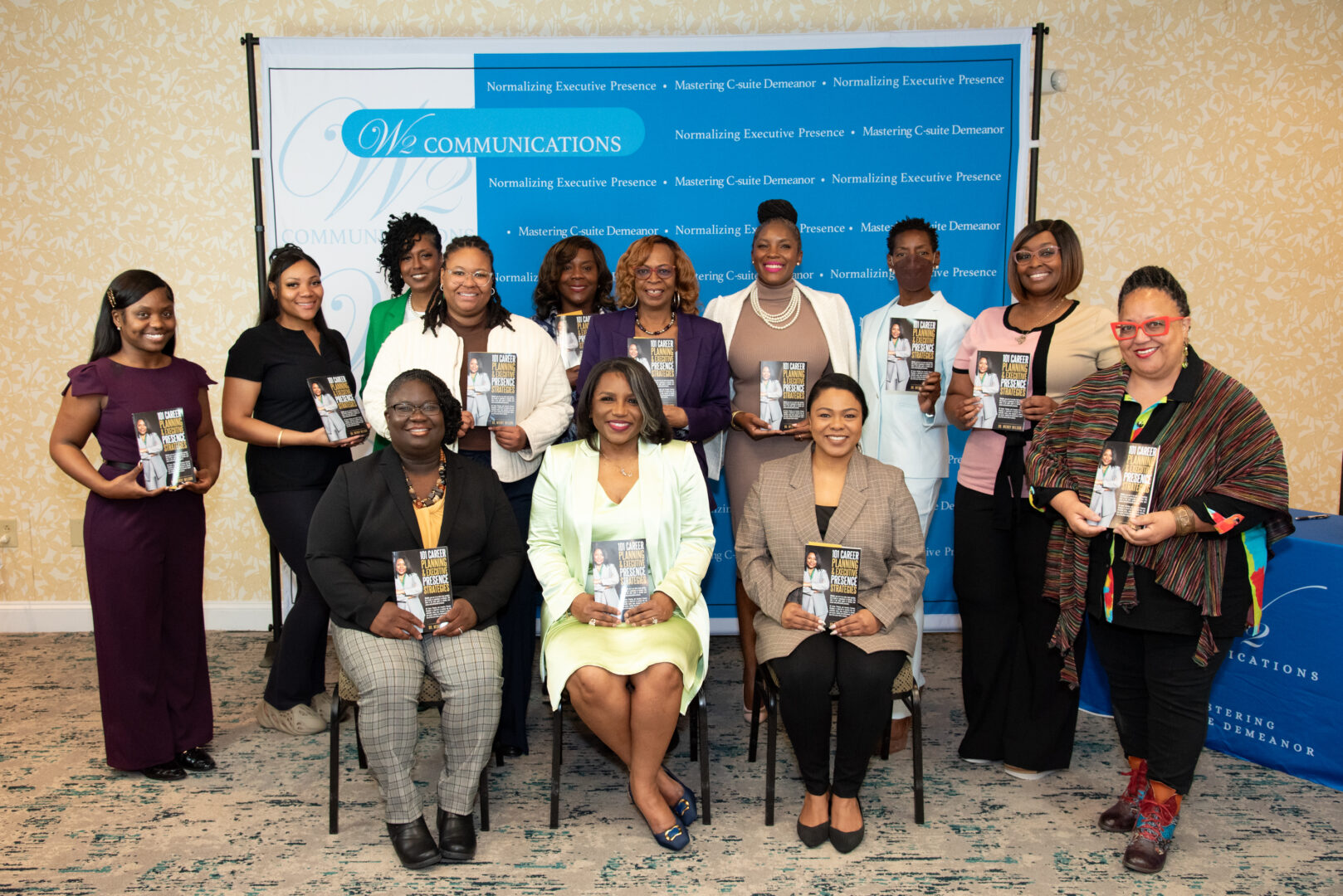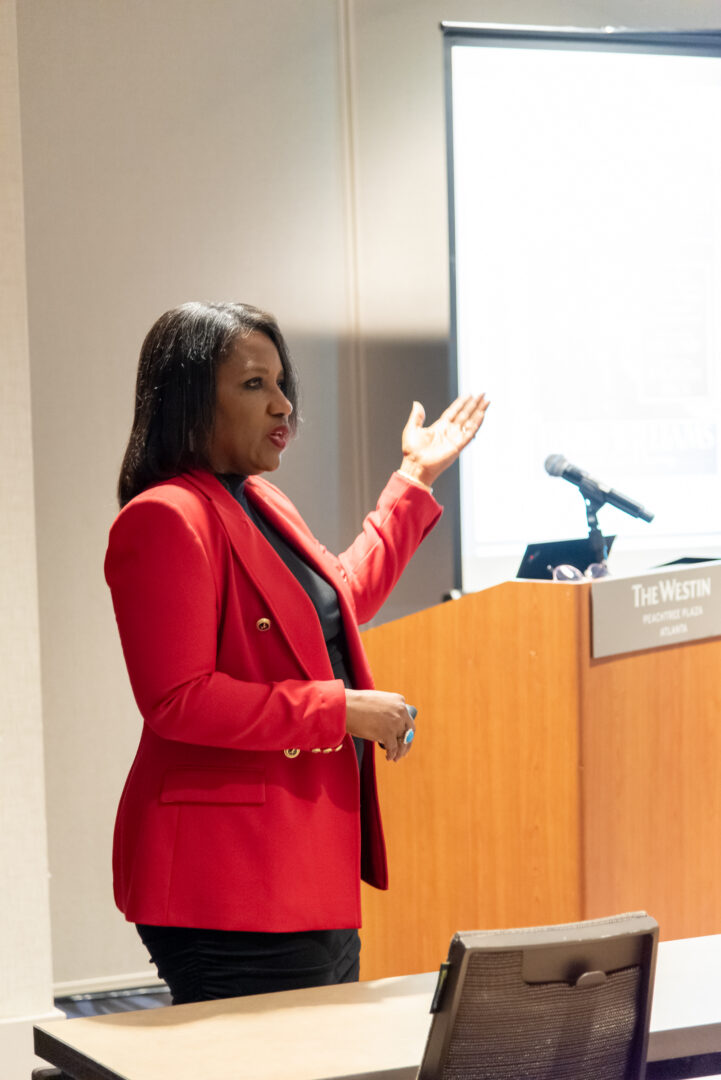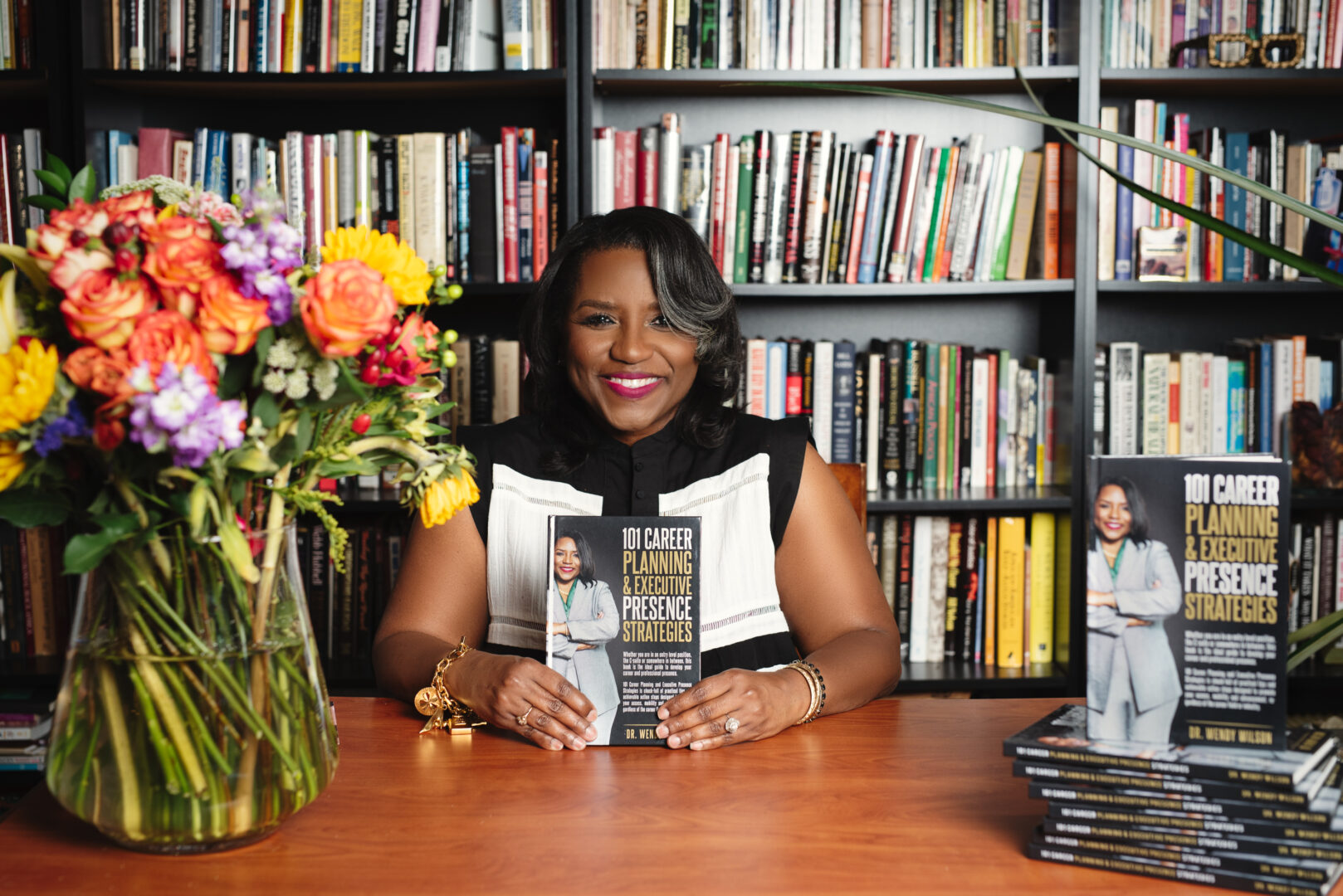
After decades of coaching professionals across industries and career stages, Dr. Wendy Wilson has built her work around a clear and urgent insight: talent alone no longer determines advancement. Through her book 101 Career Planning and Executive Presence Strategies, live masterclasses, and upcoming initiatives at W2 Communications, Dr. Wilson focuses on demystifying the unwritten rules of professional success—emotional regulation, intentional communication, and presence aligned with ambition. As she expands her work through Gen Z–focused micro-books and the forthcoming C-Suite Lab Podcast, Dr. Wilson continues to champion a more intentional, strategic approach to career planning—one that equips professionals to navigate modern workplaces with clarity, confidence, and credibility.
Hi Dr. Wilson, thank you so much for taking the time to share your work and insights with our readers. Your book 101 Career Planning and Executive Presence Strategies has resonated across generations and career stages — looking back, what core gaps in professional development did you feel most compelled to address when you first wrote it?
After years of coaching clients and engaging thousands of professionals through workshops, masterclasses, and summits, I began to see a clear pattern emerge. Entry-level professionals possessed the technical competencies required to enter the workforce, yet struggled to navigate organizational systems, politics, expectations, and the unwritten norms that determine advancement. Their focus was often limited to completing tasks or delivering services without understanding the broader organizational landscape.
Conversely, seasoned professionals faced a different challenge. They knew the system, but were often stalled or frustrated by changing dynamics, shifting leadership priorities, evolving communication styles, and new expectations for influence and collaboration.
Despite their different stages, both groups shared a common gap: a lack of understanding and normalization of the behaviors and traits associated with Executive Presence. Gravitas is not accidental. It is created and exercised through continuous emotional regulation, intentional communication, and a professional aesthetic that signals credibility. Executive Presence becomes most powerful when it is practiced consistently, not occasionally and not only in high-stakes moments.
In 2025, the book became the foundation for both virtual and in-person masterclasses. What did you learn from teaching this material live, and how did those experiences shape the way you’re thinking about your next wave of offerings?
Teaching this material live reinforced a critical insight: professionals at every level, from entry-level to C-suite, can become trapped in a cycle of activity rather than advancement. Organizations often celebrate output, task completion, and operational efficiency, but rarely create structured opportunities for employees to reflect on their contribution, assess alignment with enterprise goals, or articulate how their role is evolving. As a result, talent plateaus not because people lack capability, but because the system lacks mechanisms for developmental intelligence.
I also observed that leaders, under pressure to drive the bottom line, frequently evaluate results without interrogating the process behind those results. They overlook how employee development, communication, and strategic thinking ultimately influence culture, innovation, and organizational resilience.
Those insights shaped the way I’m thinking about the next wave of offerings at W2 Communications. We are advancing the Beneficial SWOT™ tool as a shared framework for employees and leaders to examine how an individual’s profile aligns with organizational priorities and future workforce needs. When implemented correctly, it moves far beyond traditional performance evaluations. It becomes a forward-looking employee growth and development plan, not to be confused with a performance improvement plan, which is disciplinary and reactive in nature.
Live instruction confirmed that organizations are hungry for tools that close the gap between talent and strategy, and professionals are hungry for frameworks that help them navigate and advance. That intersection is where W2 Communications sits, and where our next phase of product development, curriculum, and licensing will focus.
You’re currently developing seven micro-books specifically for Gen Z and Millennials, with a focus on workforce socialization. Why do you see this as such a critical area for younger professionals right now, and what challenges are they navigating that previous generations may not have faced in the same way?
As an avid reader with a deep interest in leadership and career readiness, I recognize that younger professionals are actively seeking context, clarity, and advancement. They want to understand not only how to perform tasks but how to navigate the workplace as a social, political, and developmental ecosystem. Previous generations often learned these dynamics through trial, error, and long tenure. Gen Z and Millennials are entering environments where those learning cycles have collapsed.
There are three primary challenges they are facing that are unique to their cohort. First, the ways individuals consume information have shifted. Many emerging professionals prefer concise, electronic, and theme-based content that can be applied immediately. Second, their styles of workplace engagement, remote, hybrid, asynchronous, and highly transparent, continue to influence how talent is recruited, evaluated, and retained. Third, they are entering organizations during a period of rapid cultural and structural change. They need literacy in norms, expectations, and applications that were previously assumed or informally taught.
The micro-book series is designed to address all three. My goal is to outline the differences in engagement styles, introduce the norms and expectations that govern professional environments, and provide actionable frameworks for how to navigate them. It is not enough to tell Gen Z and Millennials to “adapt to the workplace.” They must understand what adaptation actually looks like, what is rewarded, and how to align their strengths with organizational realities. The micro-books are a tool to support that transition.
Executive presence is often described as an “unwritten rule” of career advancement. How do you help professionals build presence authentically, without feeling like they’re performing or losing themselves in the process?
At W2 Communications, our mantra is Normalize Executive Presence. I was intentional about that language. Executive presence is often treated as an unwritten rule or an exclusive skill set reserved for a select few. In reality, it is a professional competency rooted in emotional intelligence, communication, and aesthetic clarity. It does not dilute authenticity or force individuals to perform. It builds upon who they already are and positions them for greater impact and visibility.
The expectation in any workplace, regardless of role or level, is that professionals understand their emotional intelligence and have the capacity to regulate it appropriately. Entry into the workforce also carries a communicative expectation: the ability to speak, write, engage non-verbally, listen actively, and show up effectively in virtual environments. Finally, professional aesthetic—how one visually represents themselves and their work—should accentuate the message, product, or service being delivered to peers, leadership, or customers.
When those three dimensions are normalized and integrated, individuals are not abandoning their identities. They are aligning their presence with the seriousness of their ambitions. My work helps professionals recognize that these behaviors are not extraordinary or performative. They are the standard in environments where talent is groomed, promoted, and trusted with responsibility.
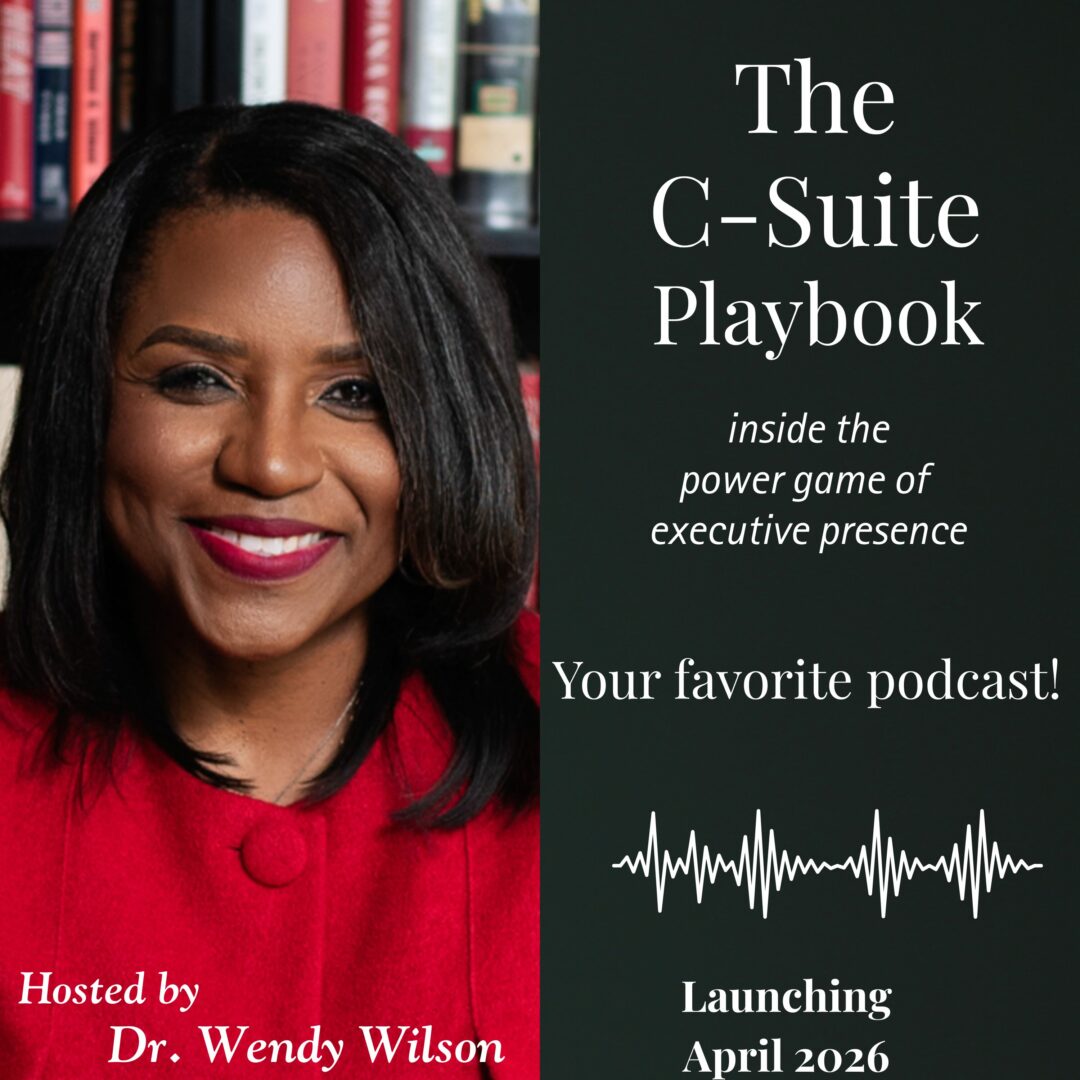
You’re also preparing to launch The C-Suite Lab Podcast in 2026, which will explore how leaders actually rise and navigate their careers. What kinds of conversations are you most excited to have on the podcast, and what do you hope listeners walk away understanding about leadership that isn’t often talked about?
To say I’m excited about the podcast is an understatement. Over the course of my career, I have had the privilege of meeting, admiring, partnering with, and coaching individuals whose professional journeys were defined not only by competence but by behaviors aligned with executive presence. Many of them never articulated their success through that lens, yet they intuitively understood that emotional intelligence, communication, and aesthetic clarity played a critical role in how they were perceived and promoted. I am eager to share those stories and lessons learned on a broader platform.
The C-Suite Lab Podcast is designed for that purpose. I want to create a space where leaders can examine the experiments, decisions, pivots, and failures that shaped their ascent. Too often, leadership narratives are told in a polished, retrospective voice. I want to deconstruct the process in real time. What frameworks did they use to navigate power structures? How did they manage visibility, perception, and influence? Who taught them? Where did they fall short? What did they learn the hard way?
I am particularly interested in conversations that reveal the parts of leadership that are rarely discussed publicly: the feedback that stings, the promotions that come too early or too late, the identity shifts that accompany larger roles, and the emotional weight of visibility and authority. The “lab” concept is intentional. I want listeners to walk away with tools they can apply—concepts, strategies, and field-tested lessons from leaders who earned both A’s and F’s in the professional classroom. Regardless of the grade, they operationalized what they learned and traversed the landscape that placed them in C-suite environments.
My goal is that listeners leave understanding that leadership is not solely about talent or credentials. It is about how one reads environments, regulates self, communicates value, and aligns presence with ambition. That is the part of leadership that is rarely taught but consistently rewarded.
As you continue to evolve your work through books, masterclasses, and now a podcast, what feels most urgent or meaningful to you in helping professionals plan their careers with intention and confidence in today’s workforce?
The urgency is that talent is being evaluated differently than it was even five years ago, but most professionals are still navigating with frameworks from twenty years ago. Technical competence is assumed. What determines mobility now is how well individuals manage perception, communication, influence, and adaptability. Those are skills that can be taught, refined, and operationalized, yet they are rarely developed on purpose.
My focus is on making that development intentional. I want to move people from passive participation in their careers to strategic ownership.