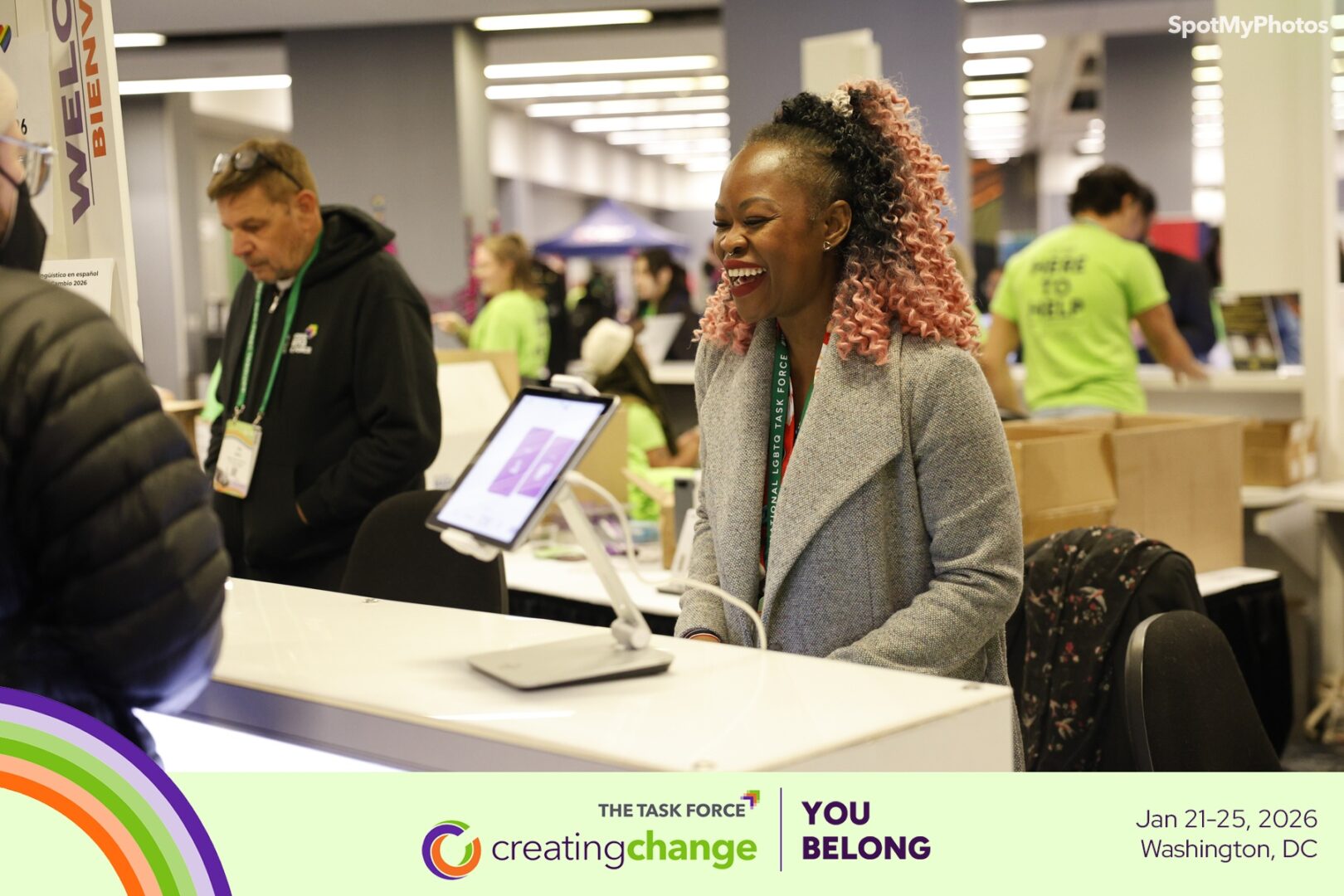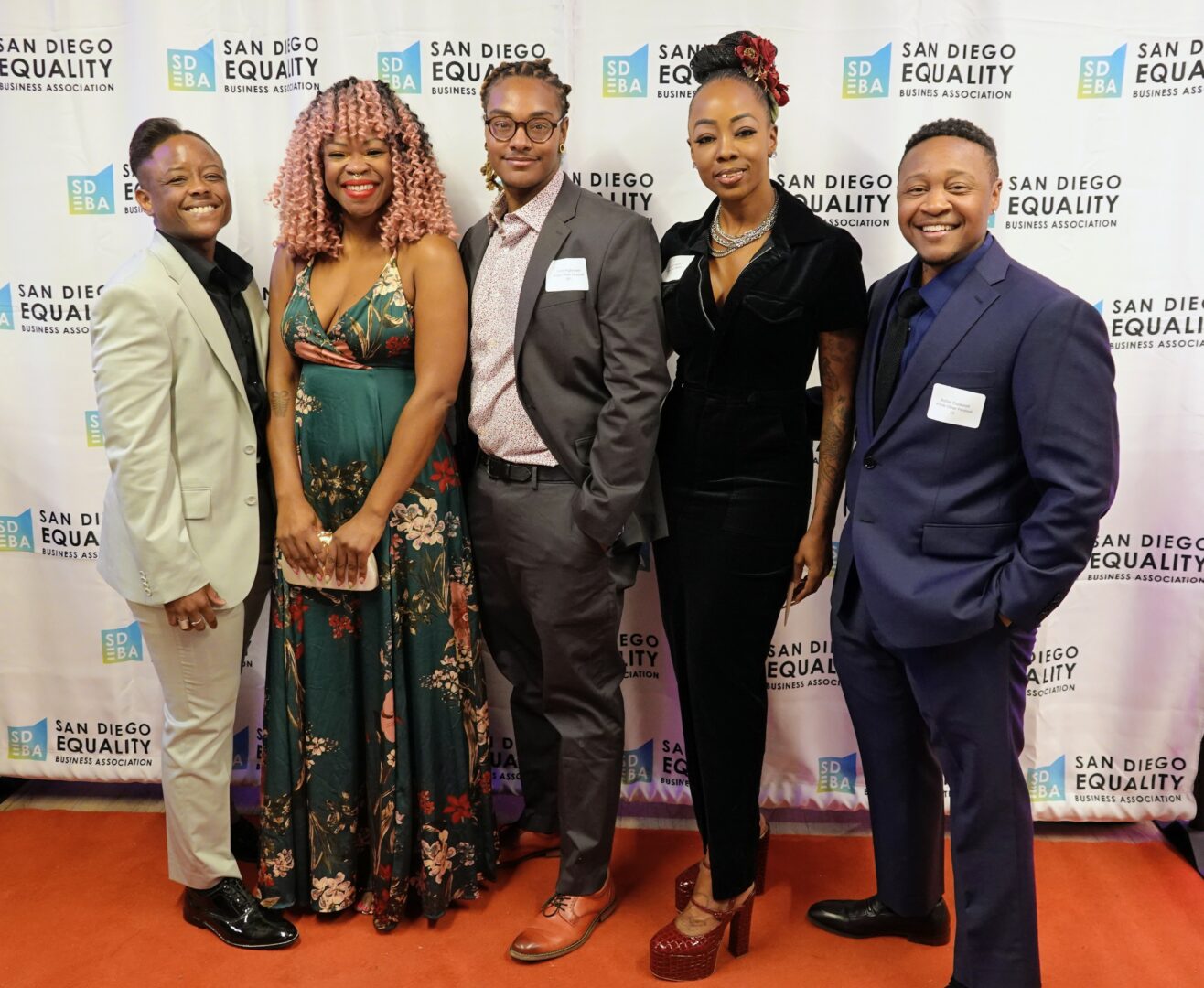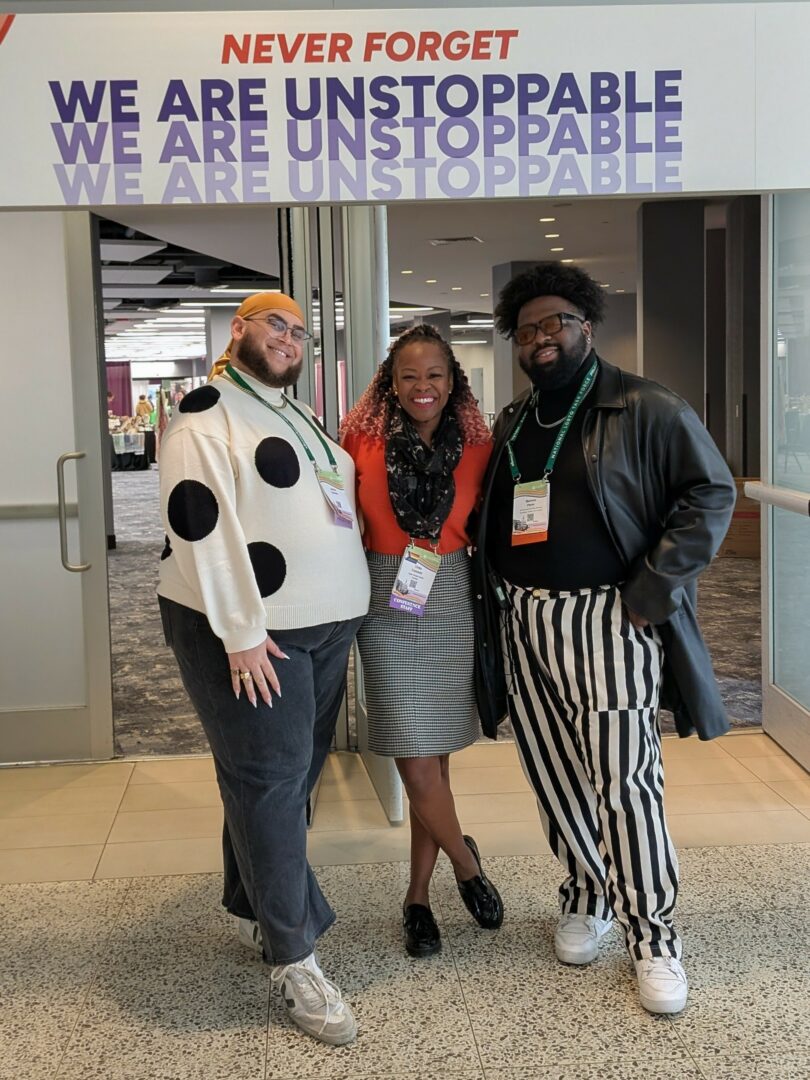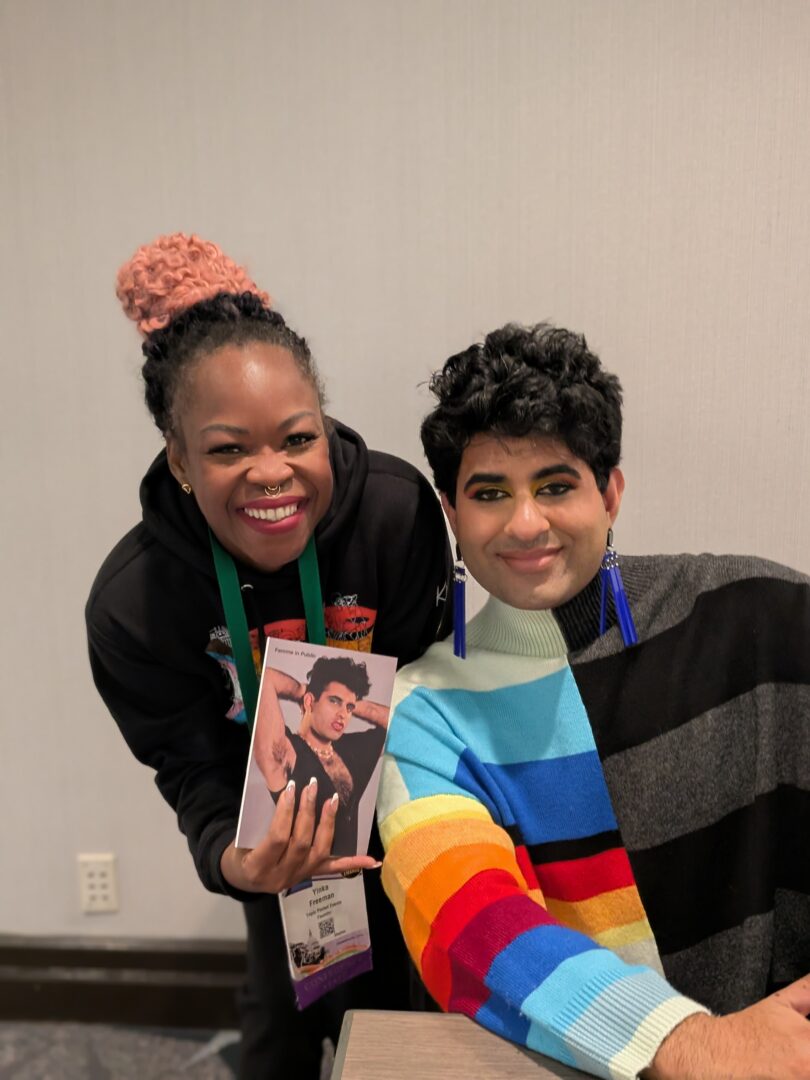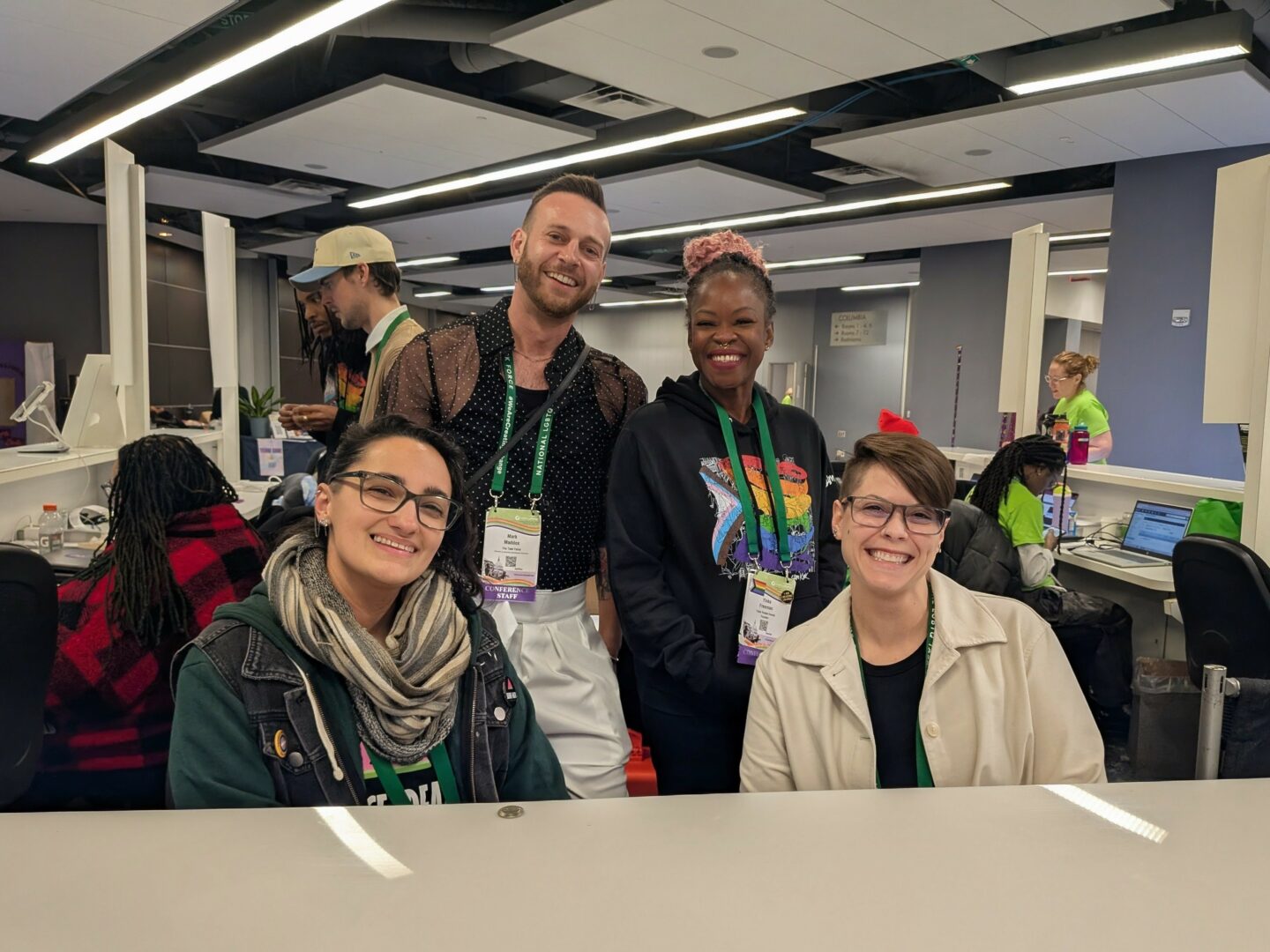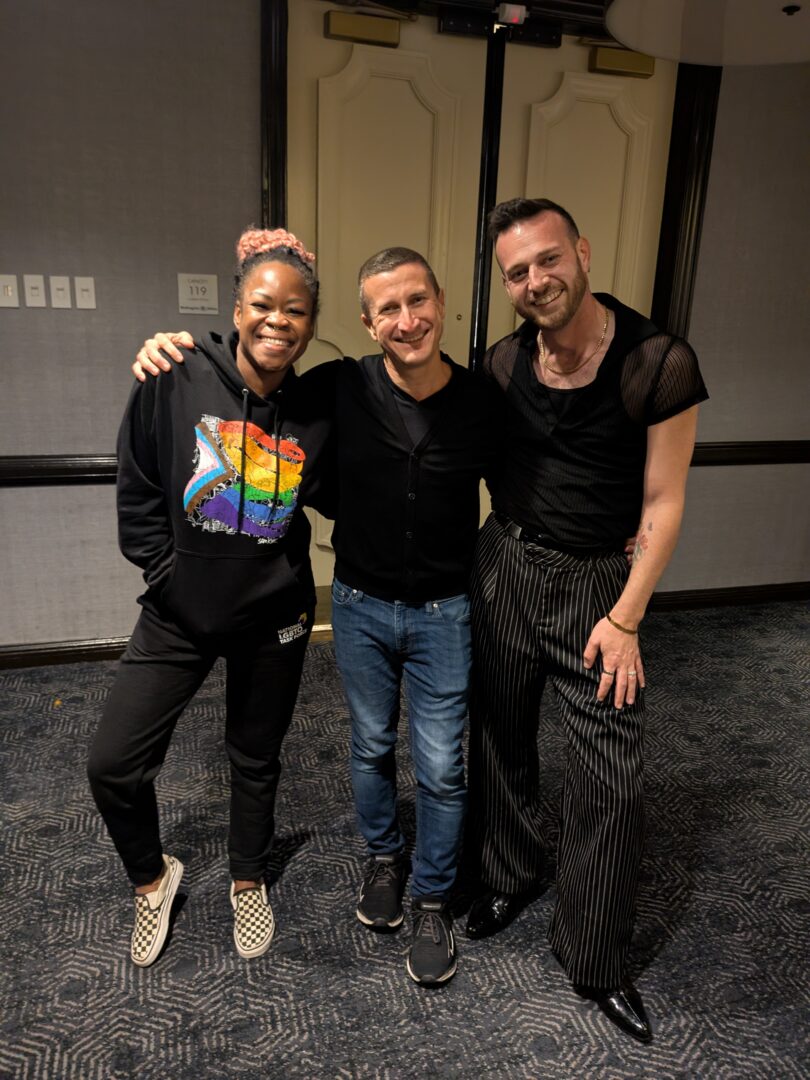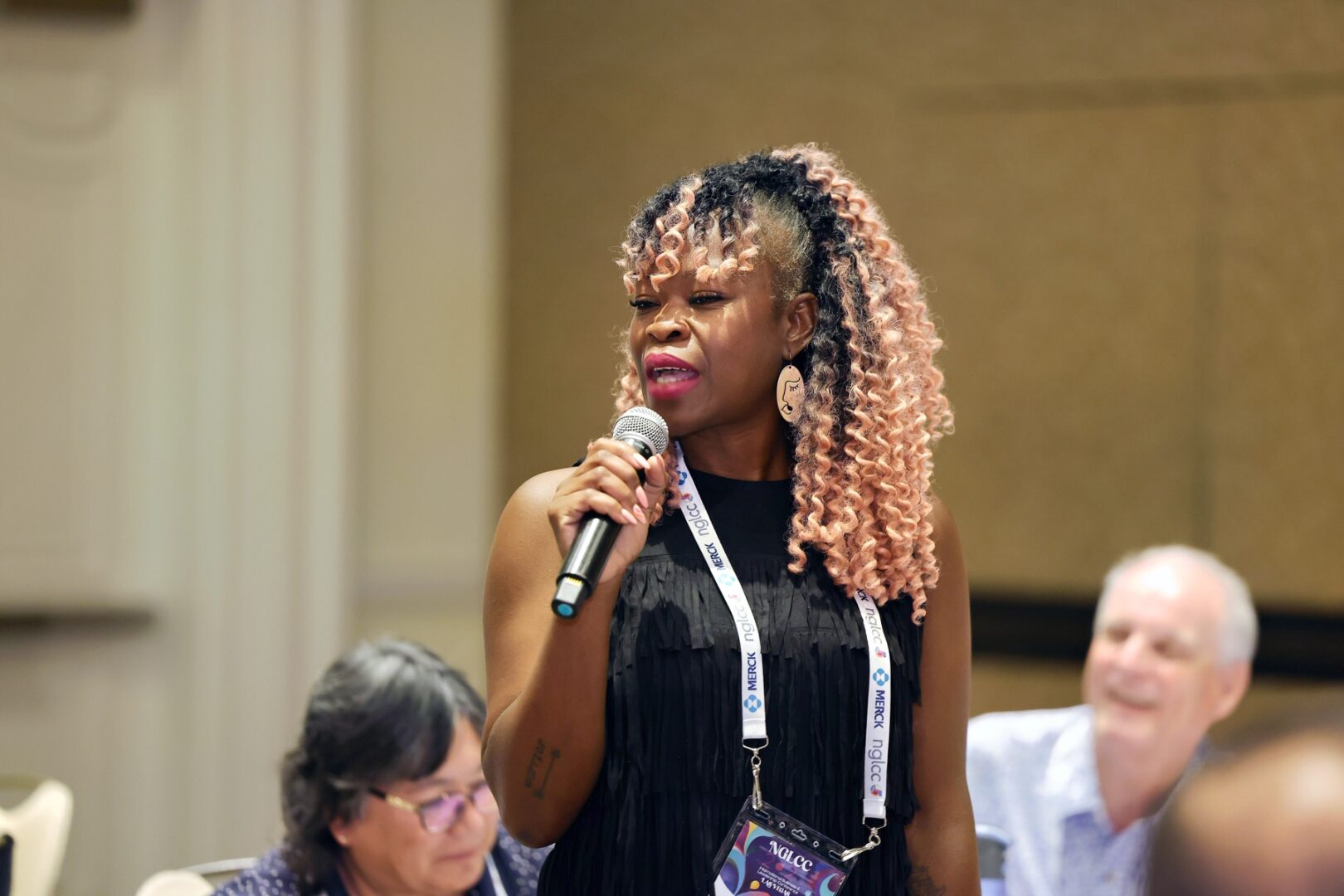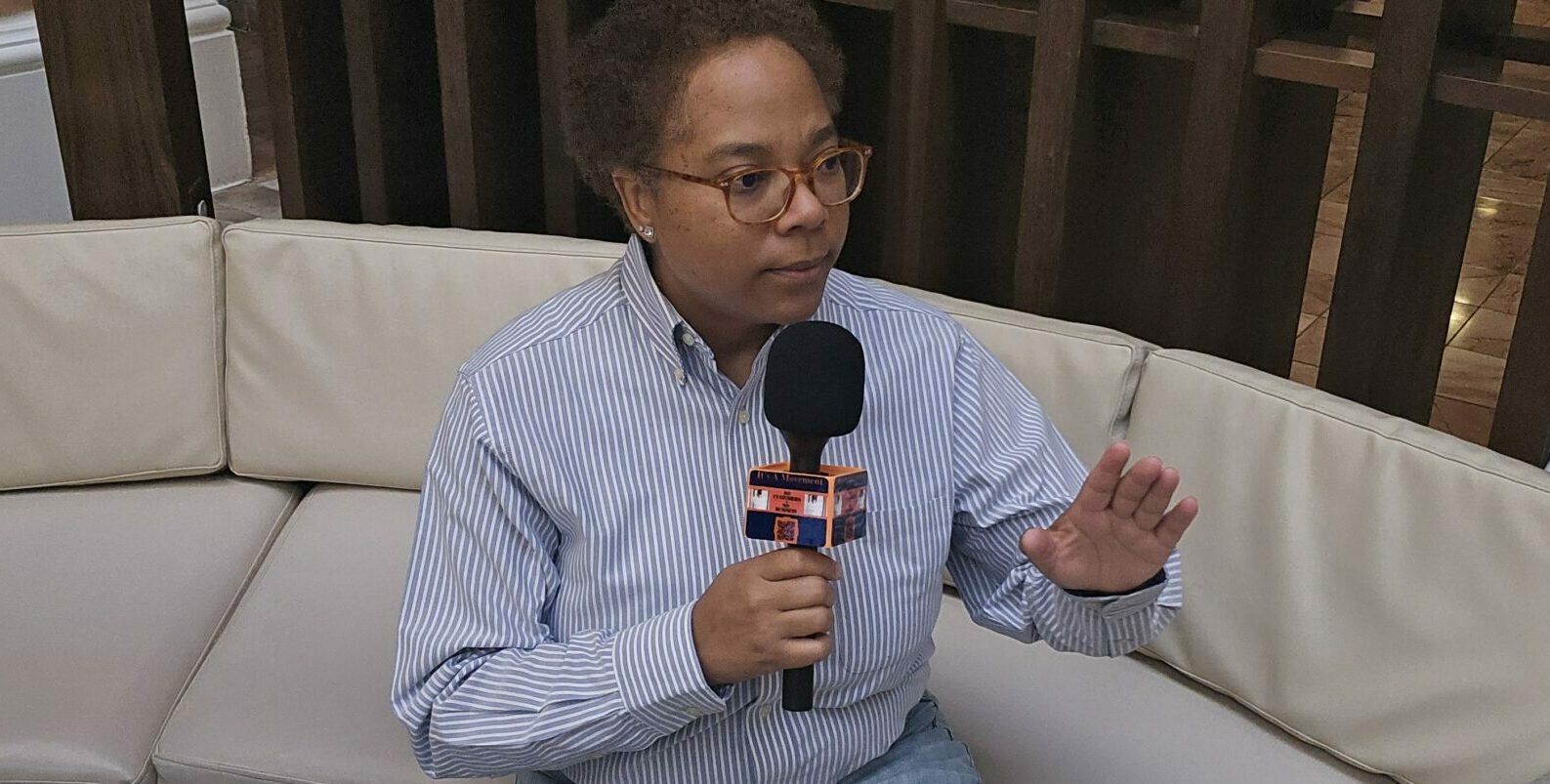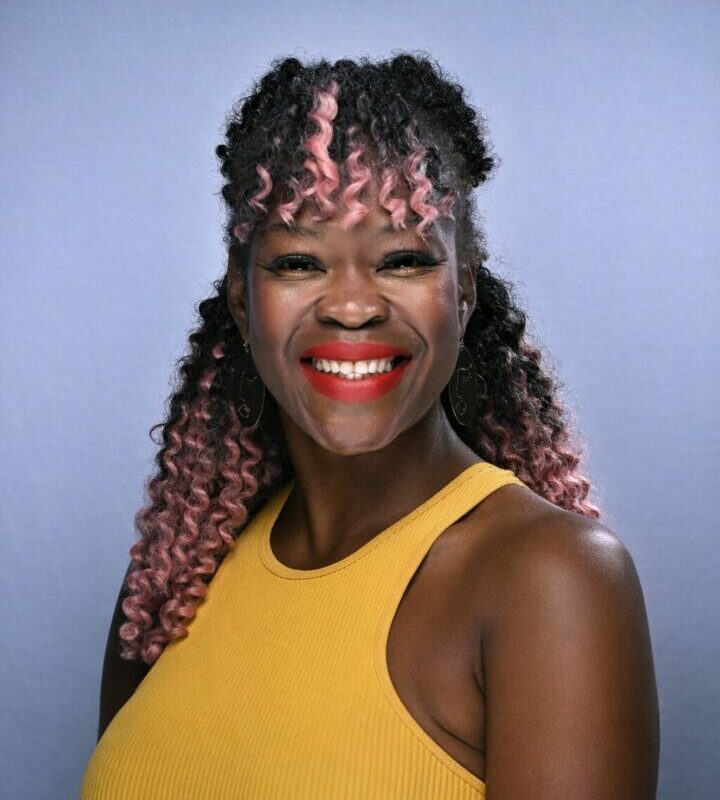
In this conversation, Yinka Freeman reflects on more than two decades of large-scale event production and the intentional decision to center her work around queer communities through Triple Pocket Events, sharing how her lived experience as a Black queer woman informs a trauma‑informed, values‑driven approach to safety, accessibility, and joy, why queer events function as vital infrastructure for visibility and collective power, and how narrowing her focus has allowed her team to deepen impact while redefining what inclusive, culturally fluent, and globally relevant event production can truly look like.
Hi Yinka, thank you so much for taking the time to share your story and insights with our readers. We’re excited to dive into this next chapter with you, so let’s jump right in. After more than two decades producing large-scale events across corporate, nonprofit, and cultural spaces, what led you to intentionally focus Triple Pocket Events primarily on queer-centered events?
After more than twenty years producing large scale events across corporate, nonprofit, and cultural spaces, I reached a moment of clarity. I had mastered the systems, the logistics, the budgets, the timelines, and the pressure that comes with producing at scale. What I had not always been afforded was the ability to work in full alignment with my values or my identity.
As a Black queer woman, I spent much of my career navigating environments that benefited from queer visibility but were not built to protect or affirm queer lives. I was constantly advocating for accessibility, safety, cultural competency, and care, often in rooms where those needs were treated as optional or inconvenient. Over time, it became clear that the most powerful work I could do was not continuing to retrofit queerness into existing systems, but instead building systems where queerness was the foundation.
Focusing Triple Pocket Events on queer centered work is both a strategic business decision and an act of activism. Queer gatherings have always been sites of resistance, healing, celebration, and organizing. By centering queer festivals, queer nonprofit convenings, and queer corporate experiences, we are using event production as a form of infrastructure for visibility, safety, and collective power. This is not niche work. This is global work. Queer communities exist everywhere, and they deserve spaces designed with intention, dignity, and care.
As a Black queer woman, you have often found yourself advocating for safety, accessibility, and cultural competency within systems that were not built with your community in mind. How have those lived experiences shaped the way you now design and lead events from the ground up?
My lived experience shapes every aspect of how I lead and produce. I approach event production with the understanding that for many queer people, especially trans people, Black and brown folks, disabled folks, and those carrying trauma, entering a public space is not neutral. It requires trust. It requires safety. It requires proof that the space was designed with them in mind.
From an event producer lens, this means safety is not just about security teams and permits. It is about psychological safety, accessibility, clear communication, harm reduction, and accountability structures. It is about how people register, how they are welcomed, how they move through a space, how conflict is addressed, and how care is resourced when something goes wrong.
I design events from a trauma informed and values driven framework. I assume complexity. I assume layered identities. I assume that joy and grief can coexist. My responsibility as a producer is to create environments where liberation feels possible, not performative. This approach comes from years of navigating spaces where my own safety and belonging were conditional. That lived experience allows me to anticipate needs that traditional production models often overlook, and to build events that feel affirming rather than extractive.
You mentioned that LGBTQ+ organizations began finding Triple Pocket Events organically, from Pride festivals to national advocacy groups and corporate DEI teams. What do you think sets your team apart as a production partner that truly understands queer spaces without needing to be “brought up to speed”?
Triple Pocket Events is rooted in lived experience. Our team is largely queer staffed, and that is not incidental, it is intentional. It means we are not learning queerness through client briefs or diversity trainings. We live it. We understand the nuance, the politics, the joy, the grief, and the responsibility that comes with producing queer spaces.
From a production standpoint, this creates fluency. We do not need to be educated on pronouns, chosen family dynamics, accessibility needs, safety planning, or the historical context behind queer gatherings. We understand that queer events are often acts of resistance and survival, not just celebration.
We hold both operational excellence and cultural integrity at the same time. We manage six figure and seven figure budgets, multi day festivals, international convenings, and complex logistics while maintaining deep respect for the communities we serve. That duality allows us to be true partners, not just vendors. Clients trust us because they know we are protecting both the experience and the people inside it.
By narrowing your focus, you’ve been able to deepen both your impact and your business. How has this clarity changed the way you approach joy, visibility, and care when producing queer festivals versus queer-centered corporate experiences?
Clarity has allowed us to be more precise and intentional in how we design different types of queer experiences. Queer festivals are often expansive, communal, and unapologetic. They are spaces of release, celebration, and visibility, and they require strong systems of care operating behind the scenes to make that joy sustainable.
Queer centered corporate experiences are different, but no less important. In those spaces, our work often involves disrupting performative inclusion and helping organizations understand that inclusion is not branding, it is infrastructure. We design environments where LGBTQ+ employees and stakeholders feel genuinely affirmed, not tokenized. That shows up in leadership visibility, programming choices, accessibility, language, and accountability.
In both contexts, care is non negotiable. What changes is how that care is operationalized. Our clarity allows us to tailor our approach while holding the same core values of dignity, safety, and belonging.
Looking ahead, what excites you most about redefining what inclusive event production can look like, and how do you hope Triple Pocket Events continues to serve and uplift queer communities in the years to come?
What excites me most is the opportunity to help redefine what event production looks like on a global scale. Inclusive event production should not be treated as niche or optional. It is essential infrastructure for communities that have been historically marginalized and harmed by public systems.
I see Triple Pocket Events as part of a global ecosystem of queer activism. We are building containers for connection, healing, organizing, and joy across cities, countries, and cultures. My goal is for Triple Pocket Events to produce queer events nationally and internationally, partnering with organizations around the world who are committed to equity, liberation, and care.
This work is about more than moments. It is about movement building. It is about creating spaces where queer people can gather, feel safe, celebrate loudly, and imagine what comes next together. If someone reads this and feels called to build that kind of space in their community, I want them to reach out. We are ready to do that work anywhere in the world.
Links: