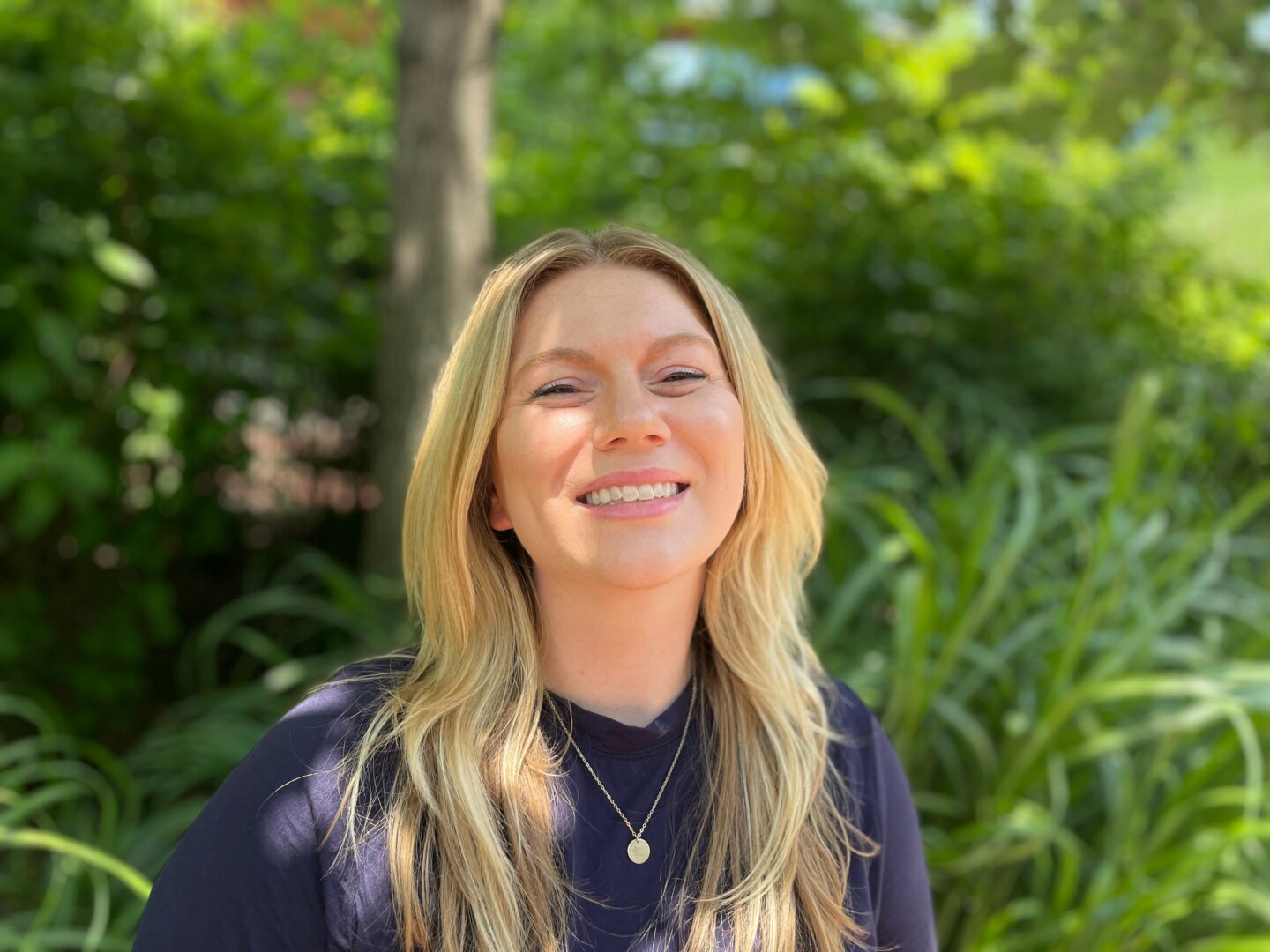
We caught up with the brilliant and insightful Brittany Webb a few weeks ago and have shared our conversation below.
Brittany, so great to be with you and I think a lot of folks are going to benefit from hearing your story and lessons and wisdom. Imposter Syndrome is something that we know how words to describe, but it’s something that has held people back forever and so we’re really interested to hear about your story and how you overcame imposter syndrome.
Overcoming imposter syndrome has been less of a one-time breakthrough and more of an ongoing practice. I’ve always been a high achiever, often juggling multiple roles, coordinating events, and taking on significant responsibility at once. For a long time, I moved the goalpost on myself again and again. As soon as I reached one milestone, I raised the bar higher. That pattern led to burnout more than once and reinforced the internal narrative that I wasn’t doing “enough,” even when I objectively was.
What’s helped me most is shifting from relying on external validation to listening inward. When I notice stress or self-doubt creeping in, I pause and reflect instead of pushing harder. I ask myself what’s actually happening, “am I stretched too thin? Am I chasing perfection? Am I comparing myself to others’ perceived success?” That internal check-in allows me to respond intentionally rather than react from pressure.
I also became much more structured with my time. Breaking larger goals into smaller, achievable steps has helped me see progress in real time instead of dismissing it. And equally important, I intentionally build in space for myself outside of work. When I feel grounded and confident personally, it carries into my professional life.
Imposter syndrome still shows up occasionally, but now I recognize it as a signal and not the truth.
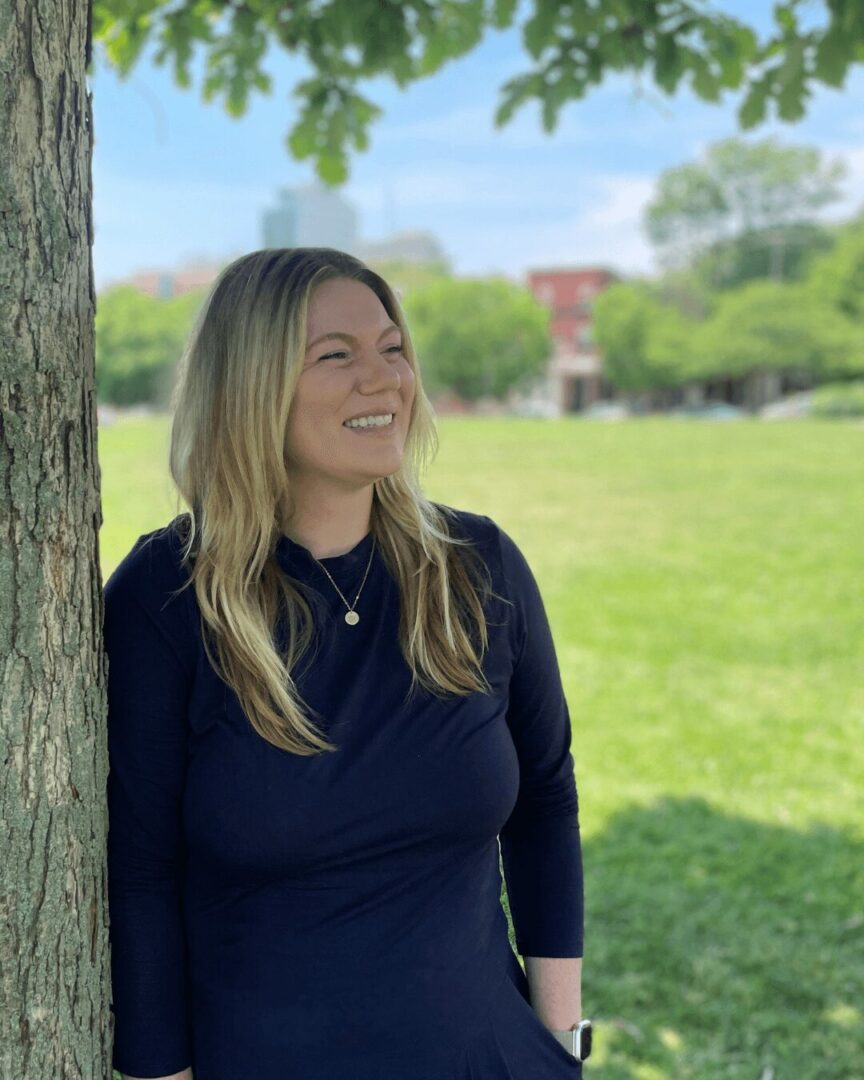
Great, so let’s take a few minutes and cover your story. What should folks know about you and what you do?
I’m the founder of Better Minds Counseling & Services, a private-pay, fully virtual group therapy practice that I launched in 2022. What started as a solo practice has grown into a carefully built team of compassionate, highly trained clinicians serving adults across multiple states. We specialize in ADHD, anxiety, chronic pain and illness, depression, OCD (including BFRBs, PAN/PANDAS), trauma (narcissistic abuse, sexual trauma), adult ADHD assessments, and group therapy, all grounded in evidence-based approaches like ERP, CBT, CPT, DBT, and expressive modalities.
What feels most special about this work is that we’re not just providing therapy; we’re intentionally building a culture. I care deeply about creating an environment where both clients and therapists feel supported. I truly believe that when clinicians are cared for, supported, and empowered, the quality of care they provide increases significantly. That philosophy shapes everything from how we hire to how we supervise to how we design our services.
I’m especially passionate about bridging gaps in care, whether that’s offering specialized OCD treatment that many people struggle to find, providing targeted adult ADHD assessments, or creating community-based workshops and educational events that normalize mental health conversations. We also offer licensure supervision and consultation, because supporting the next generation of therapists matters to me just as much as supporting clients.
What excites me most right now is our continued growth and refinement. As we expand into additional states and strengthen our therapy offerings, I’m focused on sustainability, making sure we scale with intention, quality, and integrity. We’re continuing to develop specialized group offerings, deepen our trauma-informed services, and build community partnerships that extend beyond the therapy room.
At the heart of our brand is this belief: you are human, not the problem. Therapy should feel collaborative, respectful, and grounded in real evidence, but also warm and human. We aim to create a space where growth feels possible and where both clients and clinicians can thrive.
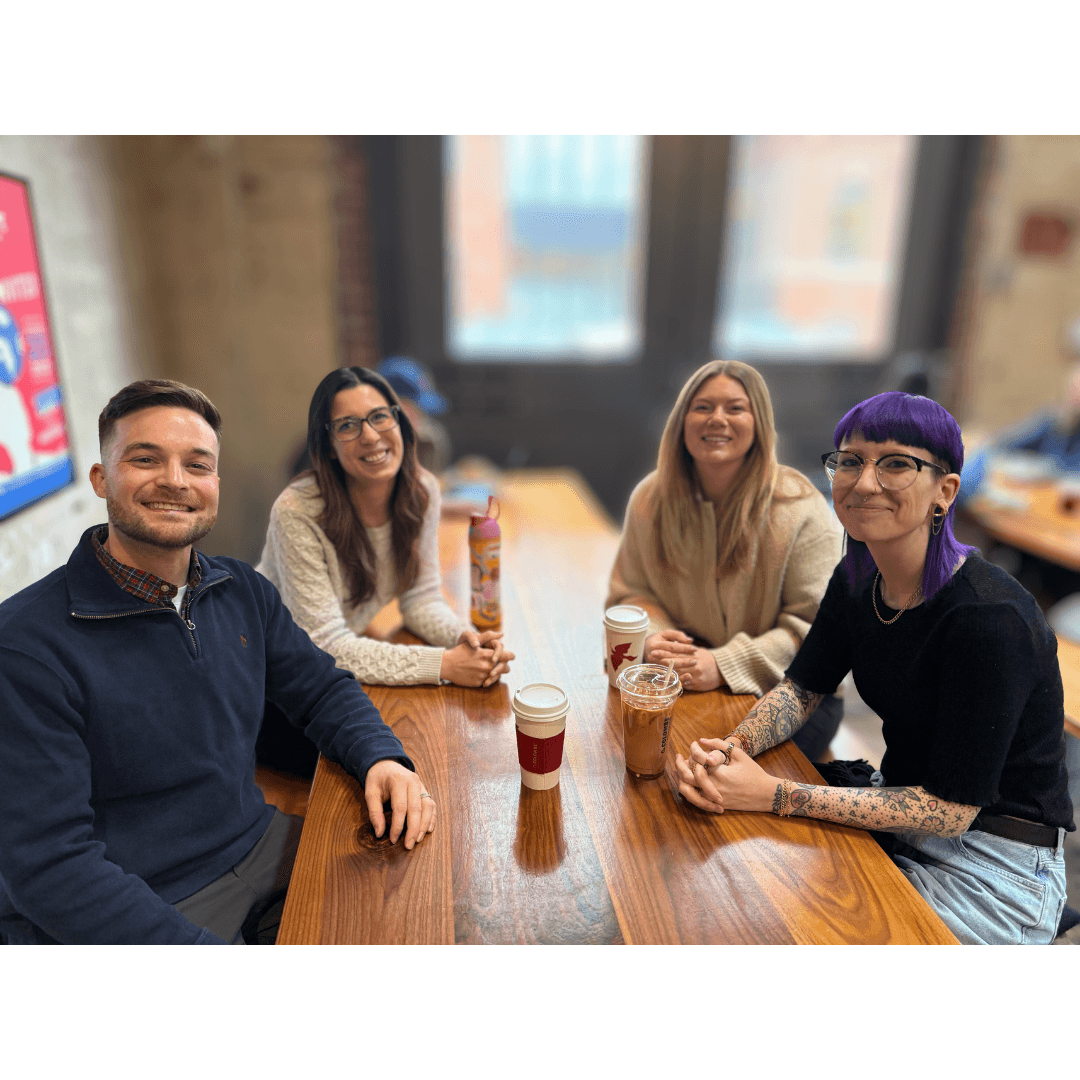
Looking back, what do you think were the three qualities, skills, or areas of knowledge that were most impactful in your journey? What advice do you have for folks who are early in their journey in terms of how they can best develop or improve on these?
Looking back, three qualities have had the biggest impact on my journey: resilience, strategic thinking, and self-awareness.
Resilience has been foundational. Building a business (especially in the therapy/healthcare space) requires the ability to tolerate uncertainty, make hard decisions, and keep moving forward even when you don’t feel fully confident. There were moments of burnout, imposter syndrome, and growing pains. Resilience didn’t mean pushing through blindly; it meant learning, adjusting, and continuing with intention.
Strategic thinking was equally important. As a therapist, we’re trained clinically, and not on how to operate and scale a practice, which requires understanding systems, leadership structures, compliance, marketing, finances, and long-term sustainability. I had to intentionally learn the business side of mental health through experience in other roles and levels of care and self-development. Thinking beyond today’s tasks and considering where I wanted the practice to be in five years changed how I made decisions.
The third is self-awareness. The more I understood my own patterns, like overextending myself or moving the goalpost, the more effectively I could lead. Self-awareness allowed me to delegate, build leadership layers, create boundaries, and design a culture that aligned with my values rather than operating from urgency or comparison.
For those early in their journey, my advice would be:
First, find your support, your cheerleaders. Surrounding yourself with positive people who align with your values is so important. By doing this, you create a place where you can go to and bounce ideas off of, challenge your perspective that grows you vs. diminishes you, and be able to call upon when you need a safe place to land. I highly value my Better Minds team, colleagues, family, and friends.
Second, treat business and leadership skills as learnable competencies, not personality traits. Take courses, ask questions, and stay curious.
And third, prioritize sustainability over speed. Growth that is rushed often leads to burnout and creates a huge risk for not just yourself, for other employees and your clients. Build thoughtfully. Reflect often. Celebrate milestones before chasing the next one.
Success rarely comes from one dramatic leap; it’s usually the result of small, consistent decisions made with clarity and integrity over time.
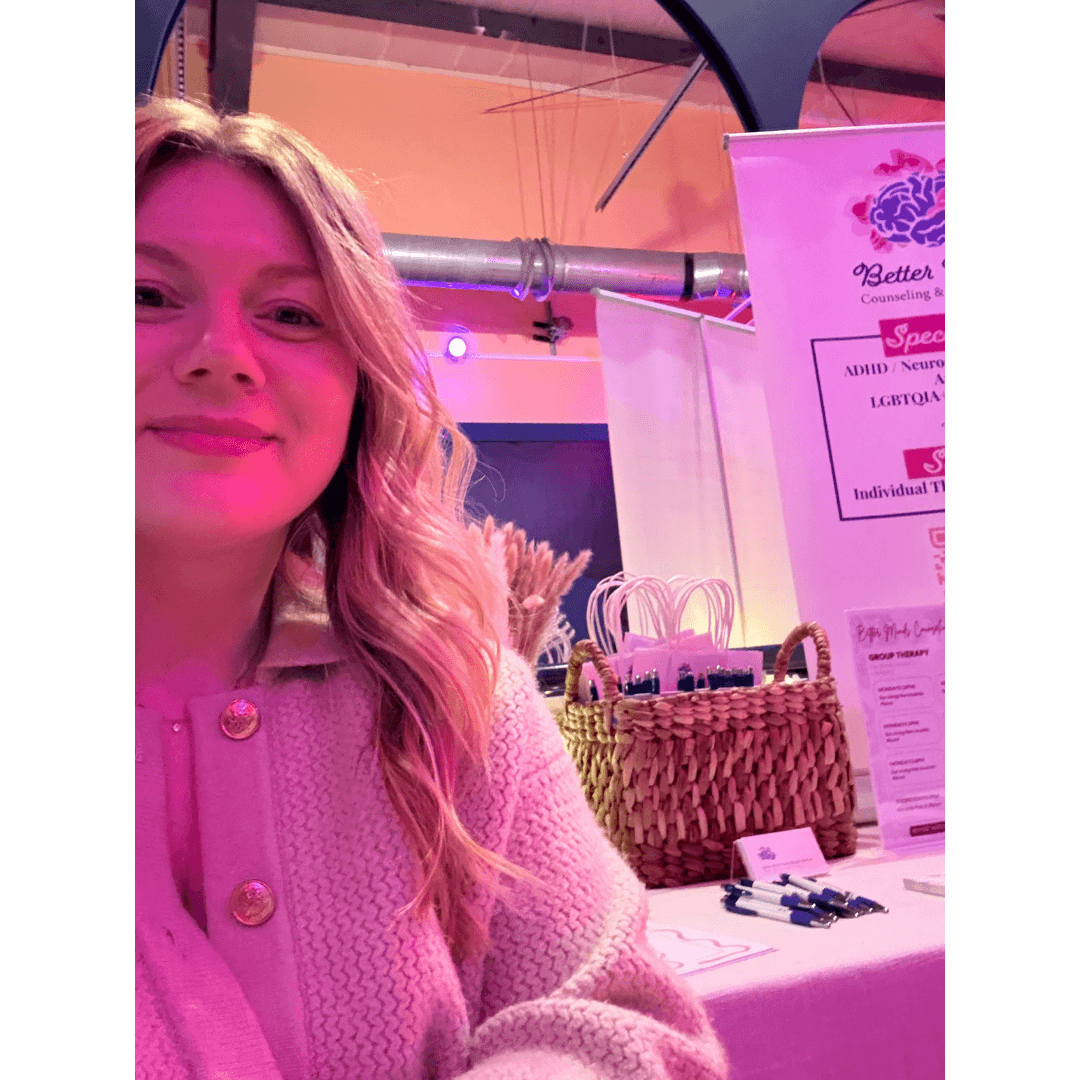
What do you do when you feel overwhelmed? Any advice or strategies?
When I feel overwhelmed, I’ve learned that my first instinct is usually to push harder… and that’s exactly what I try not to do anymore. Overwhelm, for me, is typically a signal that I’ve either overcommitted, moved the goalpost on myself, or stepped too far into urgency.
The first thing I do is pause. Even if it’s just 10–15 minutes, I step away from the screen and go on a walk or really do something to move. Most often, I feel overwhelm is when I’ve been stationary for too long, and moving really helps change my environment and clear my headspace.
I also look at my calendar. As an overachiever, I can unintentionally fill every open space. If I’m overwhelmed, it usually means I need to protect my time better, whether that’s rescheduling something, delegating, or building in a reset block. I really like to look at my next week and block off times that I will have for myself.
My advice for others would be this: treat overwhelm as information, not that you failed or have to keep pushing through it. It’s often a cue that something needs adjusting, whether that is your expectations, your boundaries, or your capacity. Slow down long enough to listen to it. Pausing isn’t going to cause you to miss that deadline. Overwhelm tends to lessen when you shift from reacting to recalibrating.
Contact Info:
- Website: https://www.bettermindscounseling-services.com
- Instagram: https://www.instagram.com/bettermindscounseling
- Facebook: https://www.facebook.com/profile.php?id=100086942240830
- Linkedin: https://www.linkedin.com/in/webbbrittany
- Youtube: https://www.youtube.com/@bettermindscounseling
- Yelp: https://www.yelp.com/biz/better-minds-counseling-and-services-philadelphia
so if you or someone you know deserves recognition please let us know here.