
We were lucky to catch up with Andy Brenits recently and have shared our conversation below.
Andy, we’re thrilled to have you on our platform and we think there is so much folks can learn from you and your story. Something that matters deeply to us is living a life and leading a career filled with purpose and so let’s start by chatting about how you found your purpose.
Honestly, it took a while. Early in my career, I thought my purpose was the work itself, branding, design, and marketing. I loved it, and I was lucky to do it at a high level.
But over time, I started to notice a pattern. The projects that really worked weren’t just well-executed; they were clear. And the ones that struggled usually weren’t missing effort or talent… they were missing direction.
That’s when it clicked for me.
Most business problems aren’t execution problems; they’re clarity problems.
So my role shifted. Less about doing the work, and more about helping people think. Helping founders and leaders step back, cut through the noise, and make better decisions, before they spend time, money, or momentum going the wrong way.
That’s where I feel most useful. And that’s what stuck.
Thanks, so before we move on maybe you can share a bit more about yourself?
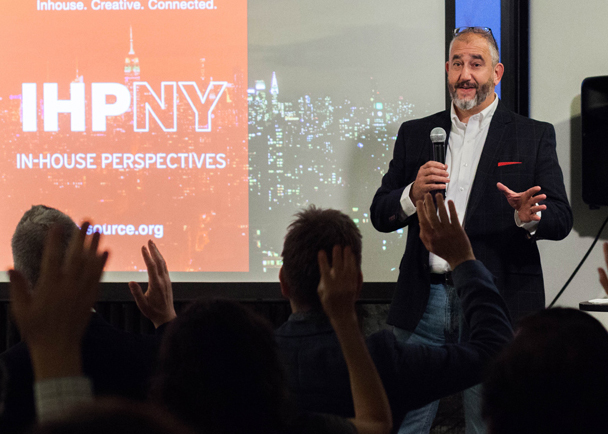
I’m a brand and business growth advisor. I work primarily with founders and leadership teams who are at a point where things are working, but not as clearly or as effectively as they could be.
Most of the time, they don’t need more marketing. They need better clarity.
So my work sits upstream of execution. I help them step back, get aligned on what the business really is, where it’s going, and how it should show up. From there, better decisions get made across everything, including brand, customer experience, hiring, and even what opportunities to say no to.
What’s most exciting to me is that moment when things click. When a founder goes from juggling a dozen ideas to having a clear point of view and direction. It changes how they lead, not just how they market.
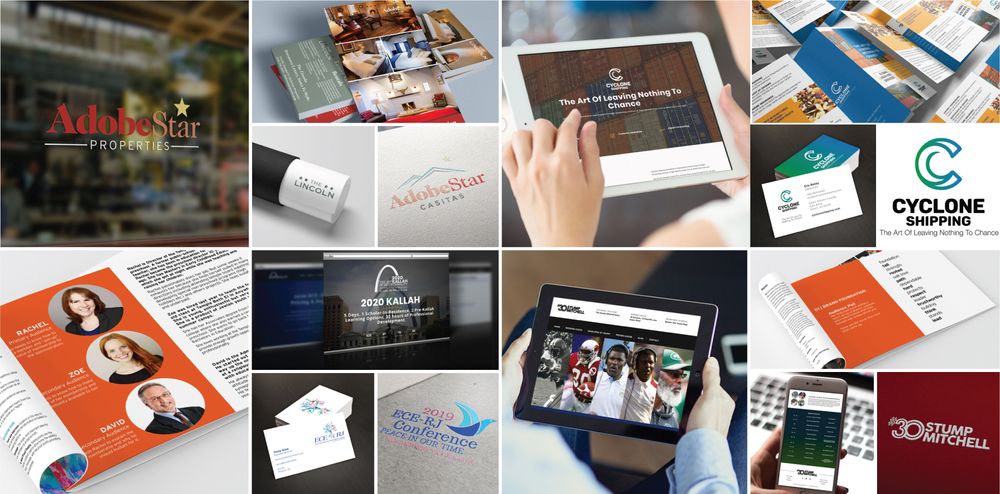
I’ve been doing some version of this work for almost 30 years across branding, marketing, and creative leadership, but over time, I’ve moved more into an advisory role. It’s a better use of my experience, and honestly, it’s where I can have the most impact.
Right now, I’m focused on building a more selective, advisory-driven practice. I do that through a structured strategy session called IdeaStorm, which is often the starting point, and then ongoing advisory work where I stay close to the business as a thought partner.
I’m also writing and sharing more through my newsletter and articles, focused on helping business owners think more clearly about brand, growth, and decision-making.
At the end of the day, my work is pretty simple. I help people see clearly so they can move forward with confidence.
If you had to pick three qualities that are most important to develop, which three would you say matter most?
That’s a good question. Looking back, a few things stand out.
First is pattern recognition. That only comes from time and exposure. Working across different industries, teams, and challenges, you start to see what actually drives results and what doesn’t. You realize that a lot of problems aren’t unique, they just show up in different ways.
Second is the ability to think clearly under complexity. Most of the situations I’m brought into now are not straightforward. There are a lot of moving parts, opinions, and pressure. Being able to slow things down, ask the right questions, and get to what actually matters is a skill that compounds over time.
Third is communication. Not just presenting ideas, but helping people understand, align, and make decisions. You can have the right answer, but if people don’t see it or believe it, it doesn’t go anywhere.
For someone early in their career, I would focus less on trying to specialize too quickly and more on building range. Get exposure to different types of work, different industries, and different ways of thinking. Pay attention to what works and what doesn’t, not just what looks good on the surface.
Also, don’t rush past the fundamentals. The ability to think, write, and communicate clearly will separate you more than most technical skills over time.
And maybe most importantly, stay curious. The people who keep getting better are the ones who keep paying attention.
Tell us what your ideal client would be like?
My ideal client is usually a founder or business owner who’s in a growth phase and starting to feel a bit of friction.
Things are working. The business is established. But something feels off. The brand hasn’t kept up with the business, the messaging isn’t as clear as it should be, or there are just too many directions to choose from.
They don’t need more activity. They need clarity.
The best clients I work with are thoughtful and open, but also decisive. They value perspective and are willing to step back and rethink things before jumping into execution. They understand that getting clear upfront saves a lot of time and money later.
There’s usually some level of complexity too. Multiple offerings, evolving positioning, or bigger decisions on the table like growth, expansion, or change.
And practically speaking, they’re at a stage where they’re willing to invest in getting it right, not just getting it done.
At the end of the day, it’s a good fit when someone is ready to slow down just enough to think clearly so they can move forward with confidence.
Contact Info:
- Website: https://brenits.com
- Instagram: https://www.linkedin.com/feed/
- Other: https://andybrenits.com
so if you or someone you know deserves recognition please let us know here.