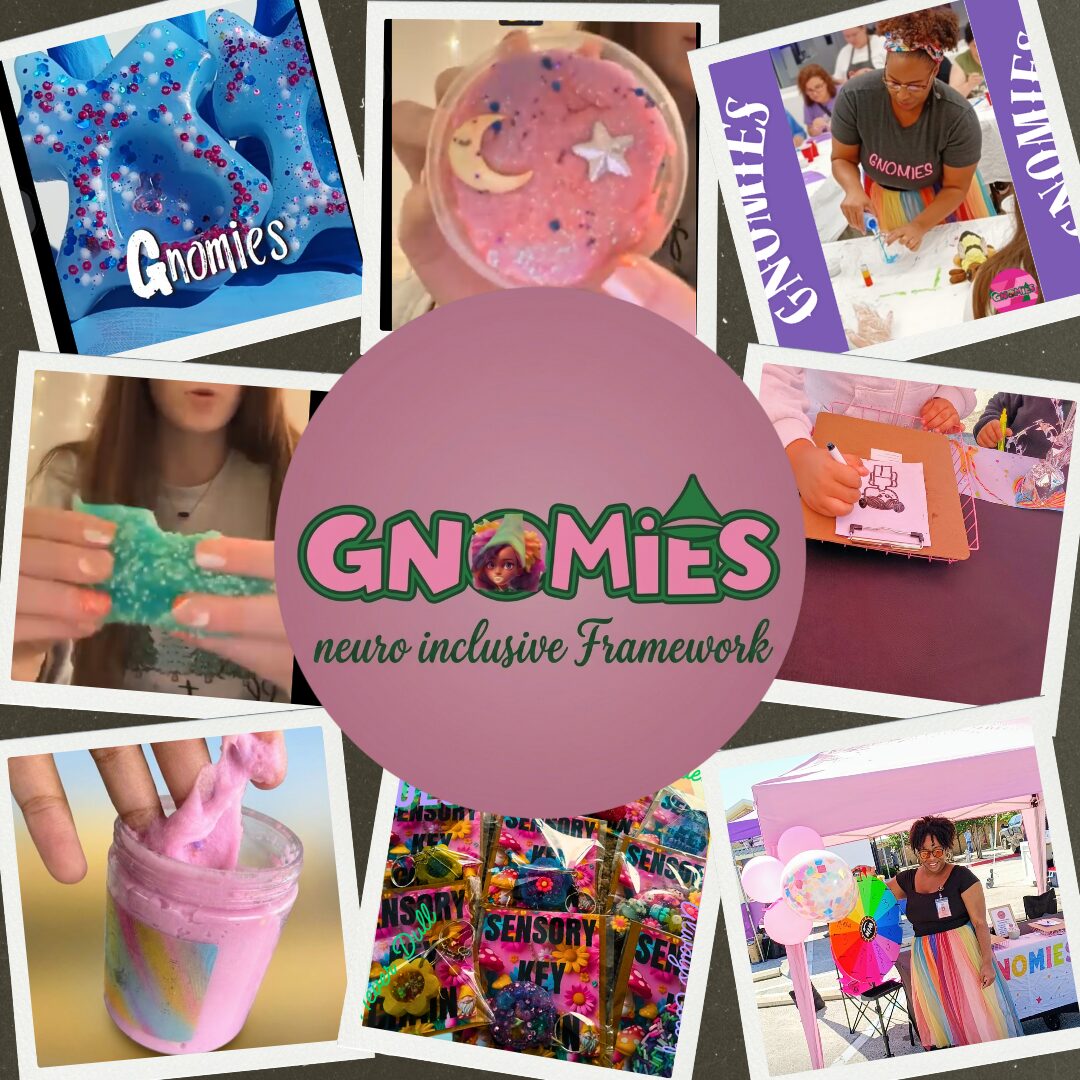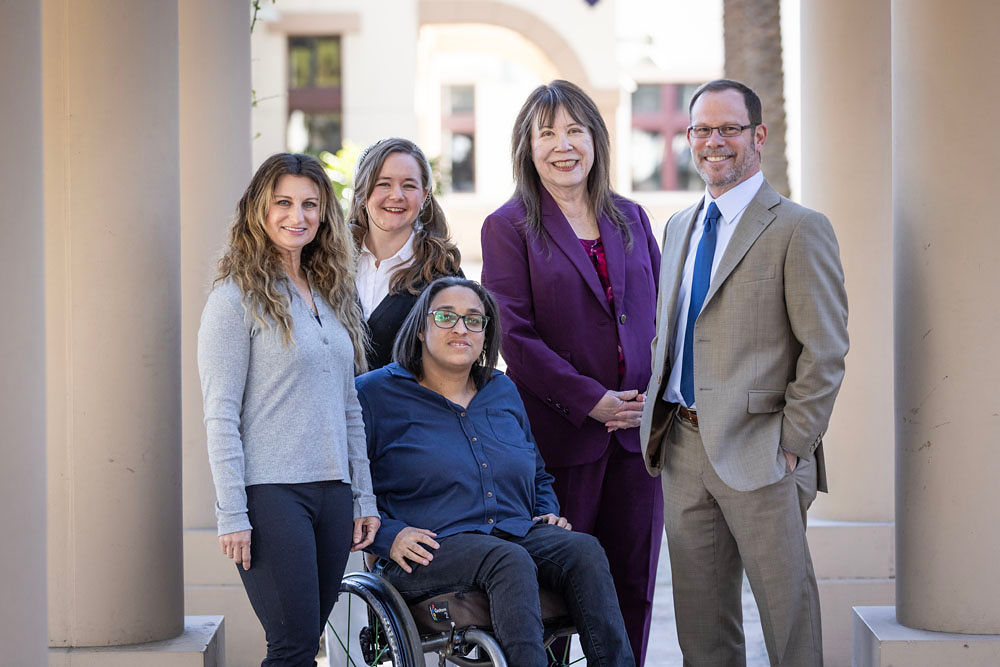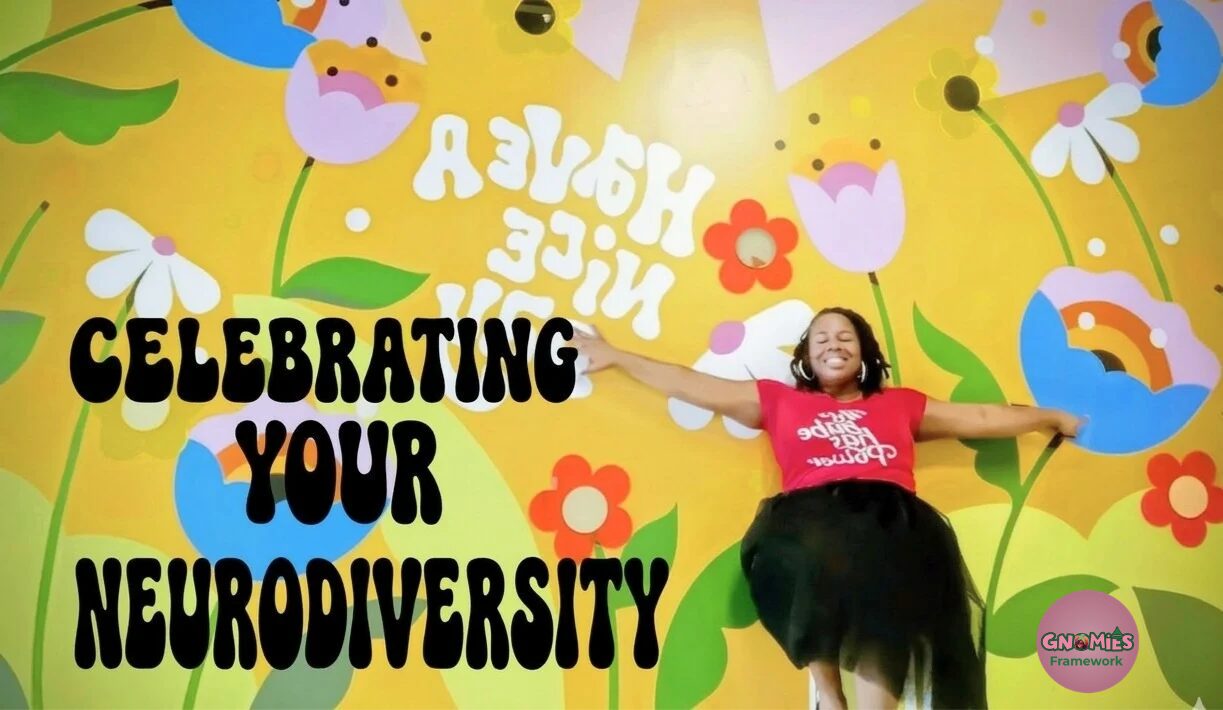
Aspen Flowers is rethinking how neurodivergent support shows up in everyday life by shifting from reactive systems to proactive, accessible care. Drawing from over a decade of clinical experience and personal insight, Aspen created The Gnomies Framework to equip families and educators with practical tools — like tactile regulation techniques — that meet children before they reach overwhelm. Transitioning to a 501(c)(3) has expanded that mission, removing financial barriers and allowing more communities to access neuro-affirming resources. At its core, Aspen’s work is about long-term empowerment — helping neurodivergent individuals understand their needs, trust their nervous systems, and move through the world with confidence and support.
Aspen, what inspired you to evolve The Gnomies Framework into a formal 501(c)(3), and how has that shift changed your mission or reach?
I transitioned to a formal 501(c)(3) nonprofit to eliminate the systemic barriers that restrict community accessibility. Too often, high-quality, neuro-affirming support is gated behind high costs, leaving the communities who need it most completely underserved.
Becoming a nonprofit hasn’t changed our core mission, but it has drastically amplified our capacity. It gives us the structural ability to secure critical grants and foundational funding. Unlocking these funding streams allows us to absorb costs, scale our programs, and deliver neuro-inclusive tools straight to families and educators without financial barriers standing in the way.
As a Licensed Master Social Worker, how did your clinical experience shape the development of a proactive model for neurodivergent support?
My model is shaped by 13 years of boots-on-the-ground work in nonprofits and public schools. Being neurodivergent myself, I viewed these spaces through both a professional and personal lens. As often the only social worker on a campus, I was constantly managing the aftermath of crises, watching neurodivergent students get misunderstood and kicked out of class.
I realized the existing system was entirely reactive—punishing behavior rather than supporting the underlying sensory need. That groundwork inspired a proactive model. If we don’t equip educators and families with tools to support regulation *before* a child is overwhelmed, we will just keep pushing brilliant kids out of the spaces where they belong.
You emphasize early intervention. What are some of the key signs of overstimulation that parents and educators often miss?
The absolute biggest blind spot is the quiet neurodivergent child. Traditional environments are conditioned to notice ‘loud’ overstimulation—like meltdowns or acting out—because those behaviors disrupt the room. But when a quiet neurodivergent child is overwhelmed, they don’t explode; they shut down.
Because a sensory shutdown is quiet, it is routinely mislabeled as compliance or daydreaming. In reality, that child’s nervous system is completely redlined, and they are masking intense stress just to get through the day. Missing these quiet signs leaves them to navigate fight-or-flight alone, which inevitably leads to severe, long-term burnout.
How does The Gnomies Framework equip families and teachers with practical tools to support regulation in everyday environments?
We equip caregivers by shifting the focus to a powerful, yet frequently underestimated avenue of sensory processing: intentional tactile input. A massive component of our framework centers on the strategic use of specific textures—specifically custom slime—as a sophisticated tool for somatic regulation.
Texture heals and regulates in ways people rarely give it credit for. When a child approaches a sensory threshold, specialized tactile mediums provide an immediate, grounding output that anchors the nervous system. We give adults a concrete, hands-on methodology to co-regulate with youth, establishing texture away from being seen as just a toy and cementing it as a vital clinical asset.
As you build a more neuro-inclusive community, what kind of long-term impact do you hope this framework will have on how neurodivergence is understood and supported?
Long-term, my deepest hope is that this framework consistently empowers neurodivergent individuals to build a personalized toolbox of resources they can carry with them for a lifetime. True neuro-inclusion isn’t just about temporary accommodations; it’s about sustainable, lifelong empowerment. I want a future where neurodivergent youth grow up completely understanding their own nervous systems, confident in their baseline needs, and fully equipped to thrive as their authentic selves.
Links:
- Website: https://gnomiesframework.org/
- Instagram: https://www.instagram.com/
gnomiesfw/