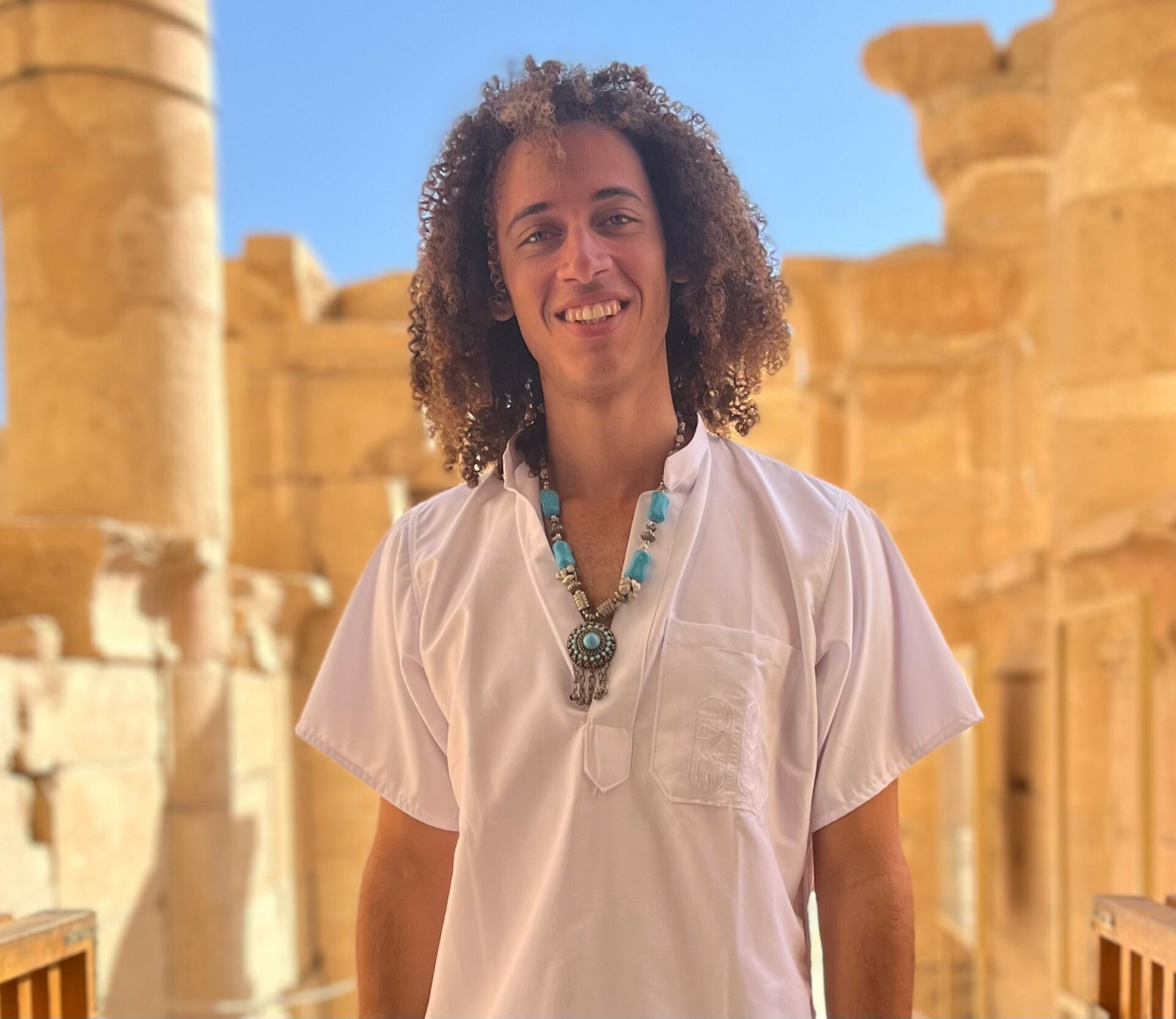
We’re excited to introduce you to the always interesting and insightful Marwan Nassar. We hope you’ll enjoy our conversation with Marwan below.
Marwan, so many exciting things to discuss, we can’t wait. Thanks for joining us and we appreciate you sharing your wisdom with our readers. So, maybe we can start by discussing optimism and where your optimism comes from?
“It’s getting better all the time… because it can’t get much worse”. That is one of my favorite quotes from the Beatles. The story goes that as they were songwriting, Paul Mcartney started to sing “it’s getting better alll the time”, to which John Lennon immediately responded with the second part of the quote. I’ve always loved that story as it shows how everything really is about perspective. I think that sometimes, we should pay more attention to where we are, while other times it is more helpful to look at where we’re going. Being able to quickly adapt my mind between those two frames has always been immensely helpful for my ability to remain optimistic during difficult times. When my country was in the middle of a revolution, I focused on all the positive changes that the crisis will bring in the future rather than the isolation and fear of the moment. The same mentality can be applied to less life-changing situations too, while still being as valuable. Not worrying about how bad traffic is going to be on the way home from work, for example, but instead looking forward to the moment when I take my shoes off and have a seat at home. The opposite side of that mentality is focusing on the current moment’s goodness and feeling gratitude for it. That’s easy to do when I’m having a great day out with loved ones, but it requires a bit more finesse when the current moment isn’t as pleasant, such as when it’s been a long day at work. During those times, I instead focus on the fact that I love my work and am grateful to have it, or if that’s not true, then perhaps on a random pleasant interaction I had with a stranger or peer.
Thanks for sharing that. So, before we get any further into our conversation, can you tell our readers a bit about yourself and what you’re working on?
I am a musician and an event curator. As a musician, I play guitar and bass for different artists’ music, I produce projects for artists and creators, and I write music in collaboration with many talented peers. As an event curator, I co-founded Apiary, a music and art collective that creates events with live music, artwork, and vendors to bring the community together. Apiary also provides event production services that vary from organizing and putting together artist showcases/release shows, to conferences and weddings. I love collaborating with people to bring their visions to life through both Apiary and my work as a guitarist. So if you are looking for someone to help throw your next event, or play music or write with, my line is open!
There is so much advice out there about all the different skills and qualities folks need to develop in order to succeed in today’s highly competitive environment and often it can feel overwhelming. So, if we had to break it down to just the three that matter most, which three skills or qualities would you focus on?
Looking back, I believe my constant desire for improvement, curiosity, and compassion have been the most impactful qualities in my journey. Since I was young, I’ve always wanted to be better at everything I did. I was waaay too competitive, which helped with that. Any sport that I played or hobby that I picked up, I was always thinking of what my next goal in it is. For example in martial arts, I always had older peers I wanted to beat in sparring and belt levels I wanted to reach. With music, I would always have someone around me that I wanted to pick up skills and learn from so I can compile their skills and experiences onto my own. That ability has helped me acquire so much of the knowledge that I’ve gained through the years. Another other skill that ties closely with the desire for improvement is curiosity. If I am not curious about something, I likely won’t have the desire to improve in it. So, I think it is both important to practice being curious about different things that we encounter, and also to be aware of our natural curiosities and lean into them, as those will likely be our greatest assets. The final quality I’ll mention that I think is tremendously valuable is compassion. There is no field in which our work is done completely in isolation, and things run a whole lot smoother when the people around us feel that they can trust us and relate to us. We all have so much in common, so we have to once again use the skill of curiosity, this time applied towards the people around us, and it won’t be too hard to find a connection. Once we have a connection with those we are working with, we are much more likely to feel free to explore different ideas and experiment, which will always make an environment both more fun and productive. My advice would be to work hard to get the technical side of your field down but to make sure not to forget the human side in the process. Our work is fuelled by our experiences and relationships so, the stronger those are, the stronger everything else will be.
All the wisdom you’ve shared today is sincerely appreciated. Before we go, can you tell us about the main challenge you are currently facing?
One of the biggest challenges that I am currently facing is finding a way to unionize musicians. Actors and writers have been very impressive in their ability to come together and unionize, and as musicians we need to be able to similarly demand better, more equitable working conditions. One of the biggest issues facing musicians today is the lack of regulations when it comes to payment for different kinds of gigs or general music work. Currently, what is considered acceptable pay for different kinds of music work is not discussed openly, even between musicians on a larger scale. As a result, the market value for music work gets diminished as people accept work for much lower rates, especially young people who are not yet aware of how much they should be compensated for their time and skill. The lack of transparency and standardization of rates ends up hurting the overall amount of money that musicians are able to get paid, as venues, bookers, and others who hire musicians find it possible to get music for horrendously low rates from less-informed or younger musicians, so they have no incentive to offer reasonable wages. Put simply, why would someone offer a musician $500 when they can get another one to do the job for $50? Aside from the lack of transparency and standardization of rates, a union would be able to offer musicians many things that we currently don’t have access to. These can be things such as paid sick days, requirements for advance deposits for work, guidance for navigating contracts and creating invoices, and most importantly, a unified front for which whatever other concerns musicians have. United, we can stand together and address our contractors with more power than any one of us is able to attain on our own. We are valuable assets to this country’s economy and the happiness and mental health of itis citizens, and we deserve to have a unified voice that can speak on our behalf. If this is something that interests you, whether you are a musician or are music-adjacent in your field, please reach out to me at my contact information provided in this article so I can hear your thoughts on what a music union can do for you, and we can work together to make this dream a reality.
Contact Info:
- Instagram: https://www.instagram.com/marwan.music/
- Other: Email: [email protected]
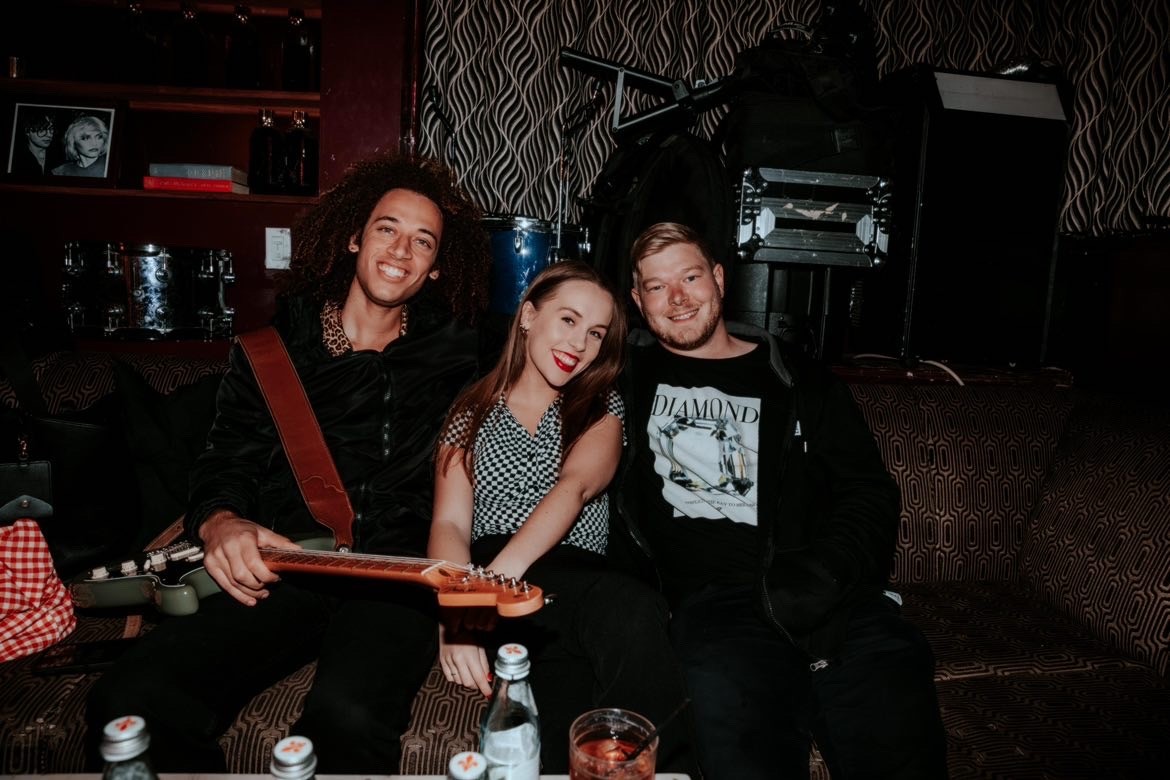
Image Credits
Matt Tomlinson