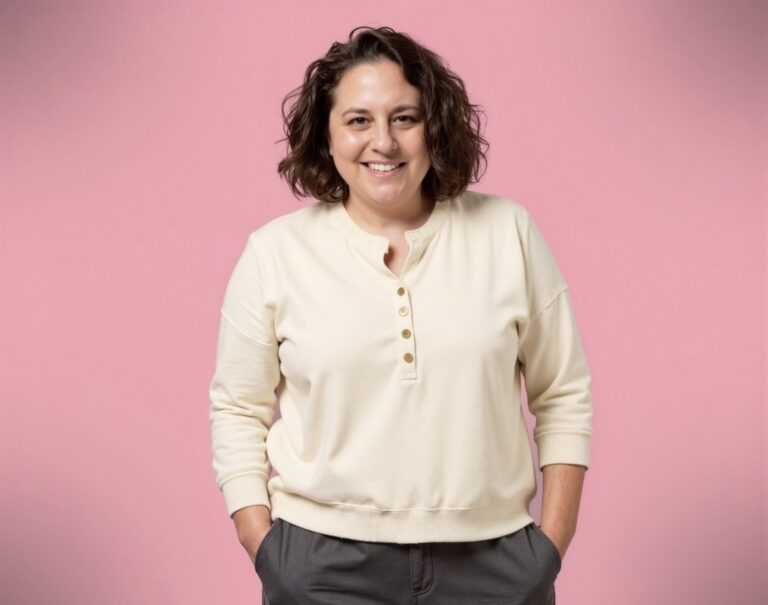
We caught up with the brilliant and insightful Hyunjee Clara Ryu a few weeks ago and have shared our conversation below.
Hi Hyunjee Clara, really happy you were able to join us today and we’re looking forward to sharing your story and insights with our readers. Let’s start with the heart of it all – purpose. How did you find your purpose?
Purpose in general is too grand of a word to describe a facet of my life, but I would describe my purpose to be authentic to my dreams and desires. I have always wanted to work in film, but before wanting to start out wanting to be a production designer or art director for the film industry, I actually wanted to be a screenwriter after watching <The Dark Knight> by Christopher Nolan. It’s not one of my favorite films anymore now that my priorities in identifying the best film has shifted, but back then I was awe-inspired by how the narrative wove in and out between the commercial and the philosophical. So I thought I was going to be a screenwriter — for a very hot second of my life.
Then I realized that I cannot for the life of me write effective and authentic dialogue, and if you’d ask me even as a viewer, I won’t watch a film where a dialogue is super cringy, either. So I pivoted to the next best thing in film, which was everything visual. That’s how I started dreaming of becoming an art department personnel in the film industry. If you ask me why not cinematography (since that’s also visual), I couldn’t tell you exactly why. But I think that’s the whole point of having a purpose in life — sometimes it is granted by our skies and not exactly what we make. We find it accidentally in our lives.
From there on, I applied to USC School of Cinematic Arts as a high school student and graduated. I decided to go to grad school at UCLA School of Theater, Film, and Television to pursue production design a little further because USC didn’t provide me much training in the art department side. And now that I have graduated, I think I am getting closer to my purpose by living authentically to my desires.
Thanks for sharing that. So, before we get any further into our conversation, can you tell our readers a bit about yourself and what you’re working on?
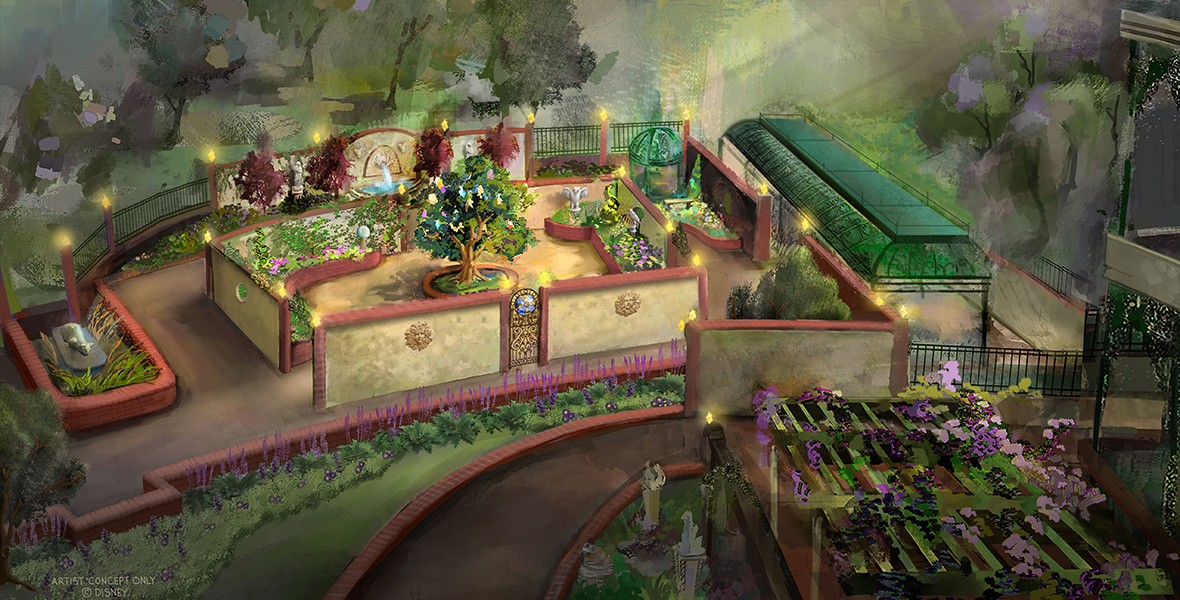
I have recently illustrated for Walt Disney Imagineering for their Haunted Mansion Queue Expansion project, and it’s all over the news! The official press release can be found here: https://disneyparks.disney.go.com/blog/2023/08/new-haunted-mansion-grounds-expansion-retail-shop-coming-to-disneyland-resort-in-2024/and on their official instagram at https://www.instagram.com/p/CwiUfhfOy37/?img_index=2. My concept art was featured on Spectrum News, Yahoo, Fox, NBC, and it’s a little surreal that I got here so fast after graduating from UCLA.
I am preparing for a gallery exhibition at The Holy Art Gallery in London, The MVA Gallery in Philadelphia, and an online solo exhibition at Teravana Art Gallery as well.
In short, I am an illustrator specializing in environmental narratives but I hope to expand my horizons. Currently with the strike going on I’m primarily a concept artist for the theme park industry, but my end goal is to be with the film industry and I hope I can get there in the next ten years.
If you had to pick three qualities that are most important to develop, which three would you say matter most?
Typically, concept artists in the industry have received excellent foundational and applicable training at art schools like Art Center in Pasadena and Ringling College in Florida. But I haven’t. I haven’t even majored in the fine arts or illustration at all, and I only started drawing and painting in when I was 22. Watercolor was my beginning path into the arts in general. I would say it is an excellent way to get started in the arts because the medium teaches you brush and water control, and how to blend two or more unlikely hues together to create one cohesive painting. Then I met the celebrated concept artist Andrew Leung, who ended up becoming my professor later at UCLA, during my undergrad years while I was still in the beginning stages of learning how to paint. I remember him advising me that if I wanted to draw for the industry I needed to learn how to paint digitally, so I started in 2018. The artworks I created back then are kind of cute, but they were nowhere near a professional level.. It took me six years to get to the concept artist position where I am, but I am so glad I got here just within five years.
I think studying watercolor was really impactful because it taught me restraint as an artist. Watercolor isn’t a medium that you can control; the medium controls you. Letting your urges to control the image go and trusting the process is an invaluable quality to have as an artist and I am glad to have learned that through watercolor.
But I think the best thing that benefitted me as a concept artist was my expertise and love for film. When I first came to USC school of Cinematic Arts, I absolutely did not stand out at all. There were peers who have already shot a feature, and so many of the students have watched so many films. I didn’t know what to do and how to differentiate myself, so in my junior year I made it a personal mission to watch more black and white and international cinema. The value in watching films lies in the fact that I learned how to discern a director’s message amid all the techniques and narratives, and I think that is valuable in storytelling. Film taught me how to tell a story, and I aspire that to bring that into my art. My UCLA professor Mark Worthington and Kim Irvine, my creative executive at Imagineering, both told me that I have a knack in conveying mood. I really think that stems from my love of film.
So I would say the three qualities are watercolor painting, film, and storytelling abilities. If you tell me that film and storytelling are the same thing, though, I wouldn’t know what third quality or skill impacted my journey. But I think that is also a blessing because that means I can learn and find that out.
Alright so to wrap up, who deserves credit for helping you overcome challenges or build some of the essential skills you’ve needed?
I think my professor Mark Worthington, production designer of WandaVision and American Horror Story, gave me the most valuable insight that would last me a lifetime.
He frequently told us that good designers are good directors. When I first heard that, it was a little daunting and a little discouraging because I never had the intention to become a director, even when I was in film school in my undergrad. I always thought, and I still do, don’t have the ability to supervise and carry an entire narrative on my own.
When I first took production design class during my first year at UCLA, he gave me an assignment to design sets and reinvent Shakespeare’s The Tempest. I ended up giving it a postcolonial twist and set it in Colonial New Orleans and created illustrations that I am still fond of. Two ears later, when I was presenting and exhibiting at Design Showcase West, a theater director told me that my illustrations look like it could be from The Tempest without knowing that the project was actually about The Tempest. It was a proud little moment of my life.
When I worked on my first project for Walt Disney Imagineering, there were a lot of details I needed to imbue just in that one illustration I was responsible for creating. Working for Kim Irvine, I obviously had a director above me, but I needed to be my own director and learn how to prioritize details as well. I don’t think I would have ever developed the way I paint without Mark, because story is of the utmost importance as a concept artist. I still don’t think I am a director, but I think I’ll always be a more effective storyteller thanks to Mark’s wisdom.
Contact Info:
- Website: www.clararyu.com
- Instagram: www.instagram.com/destined
- Linkedin: www.linkedin.com/rhjee
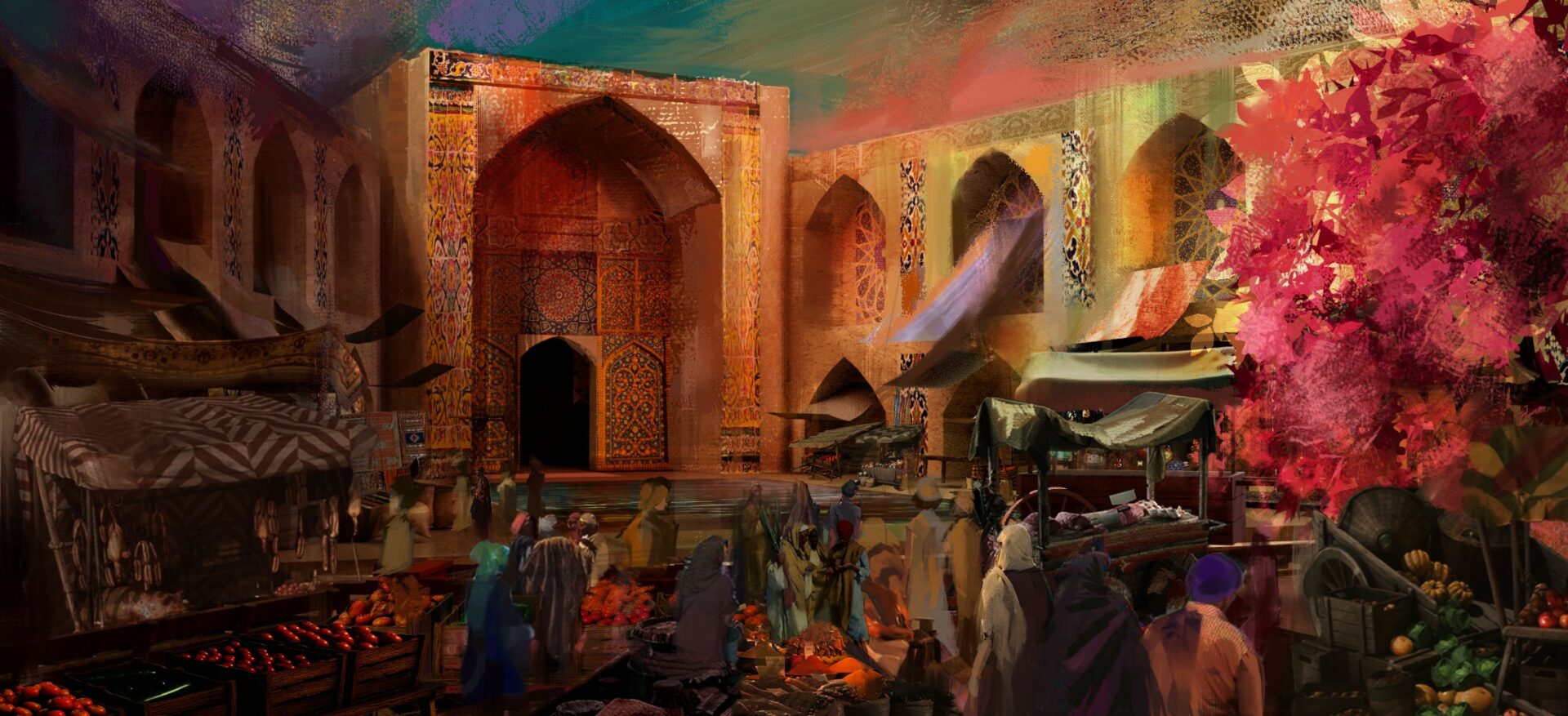
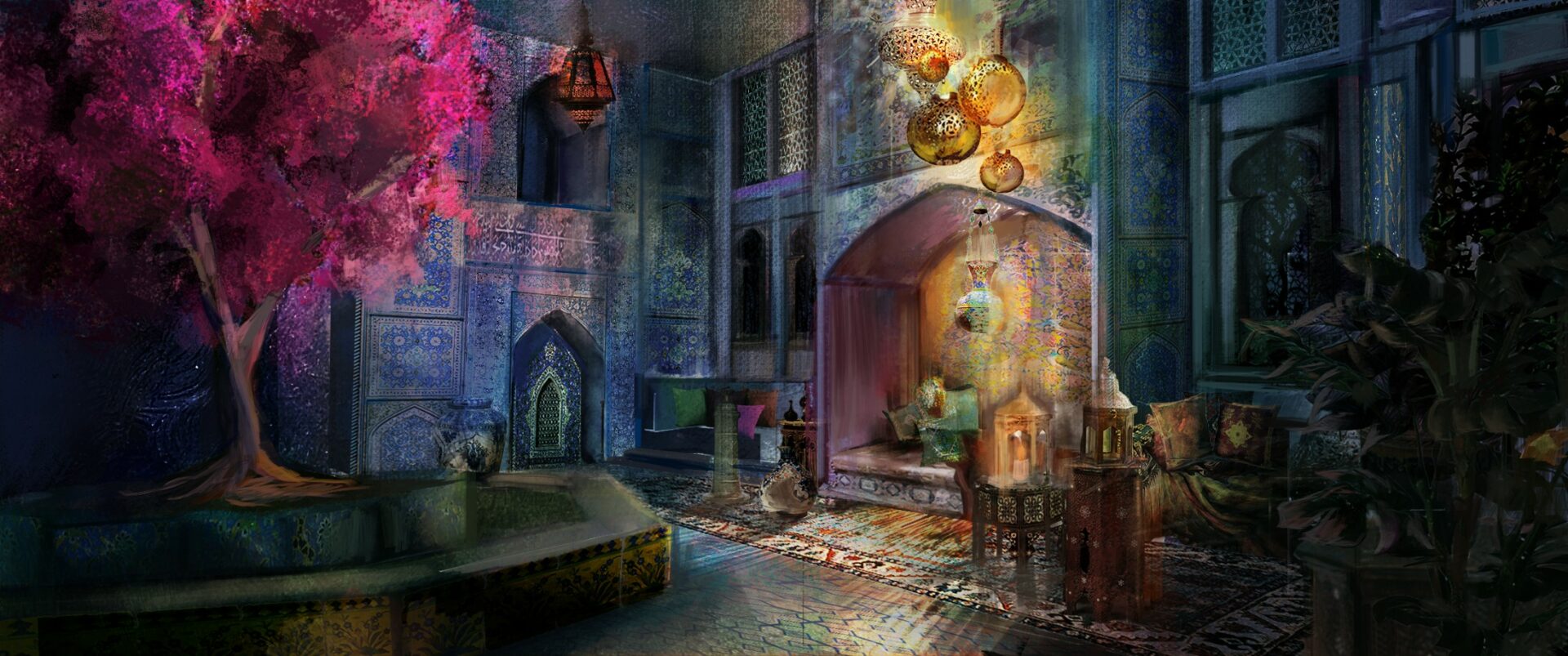
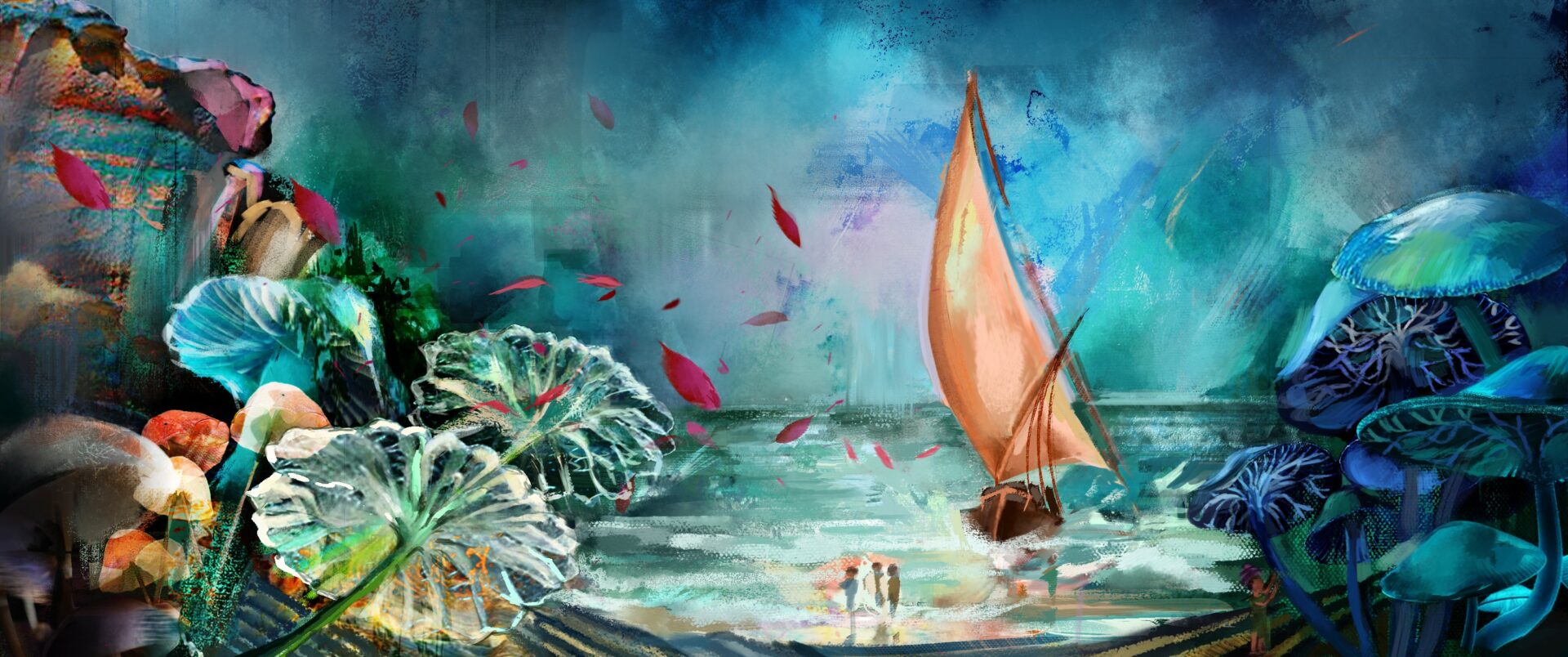
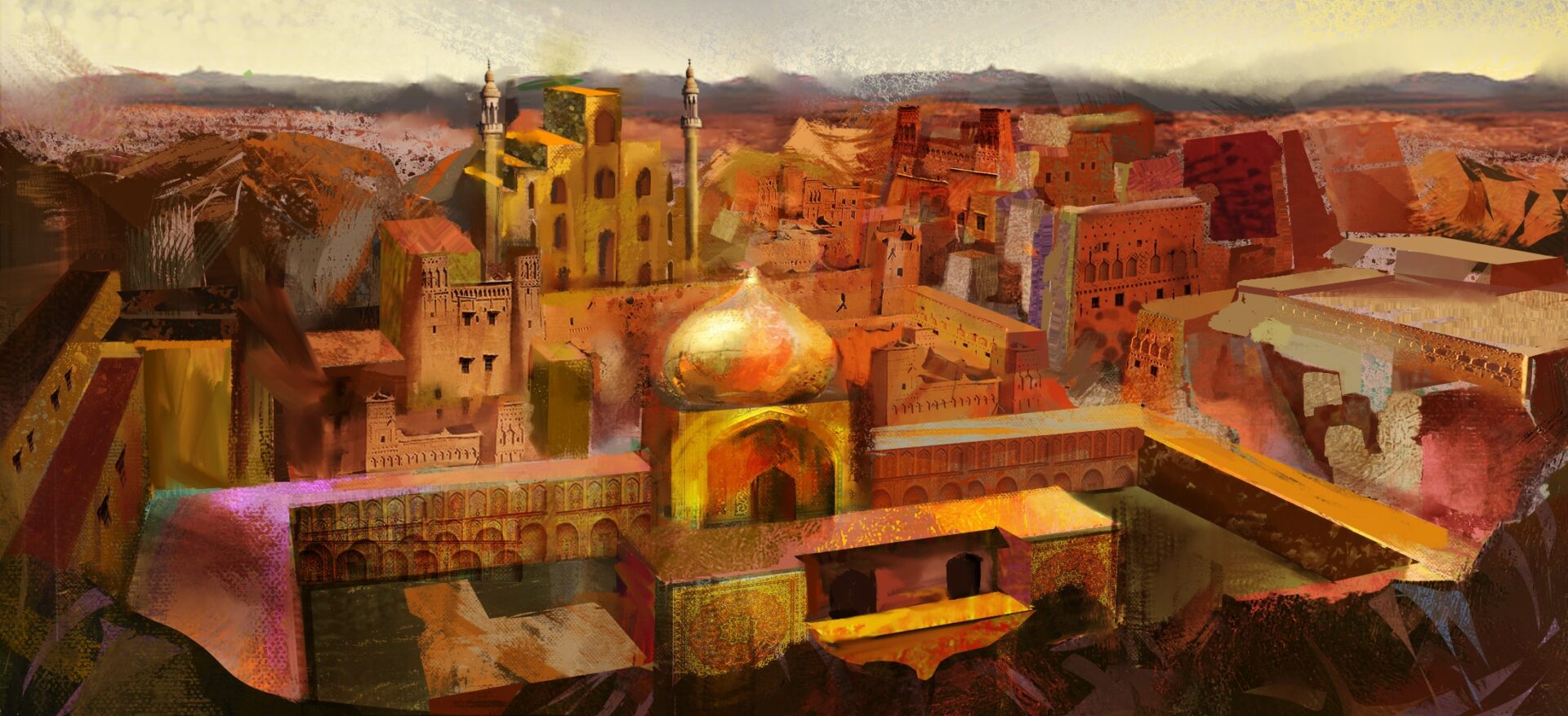
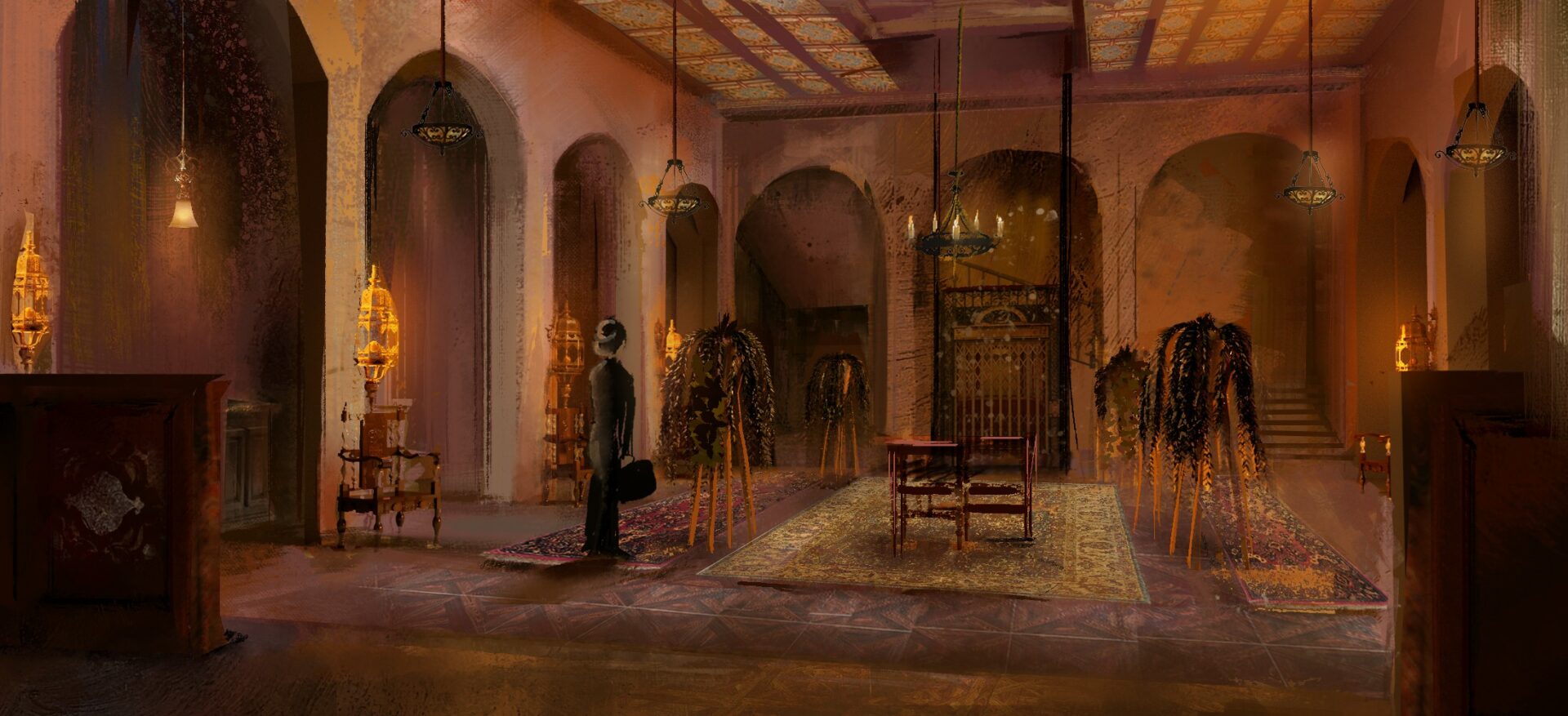
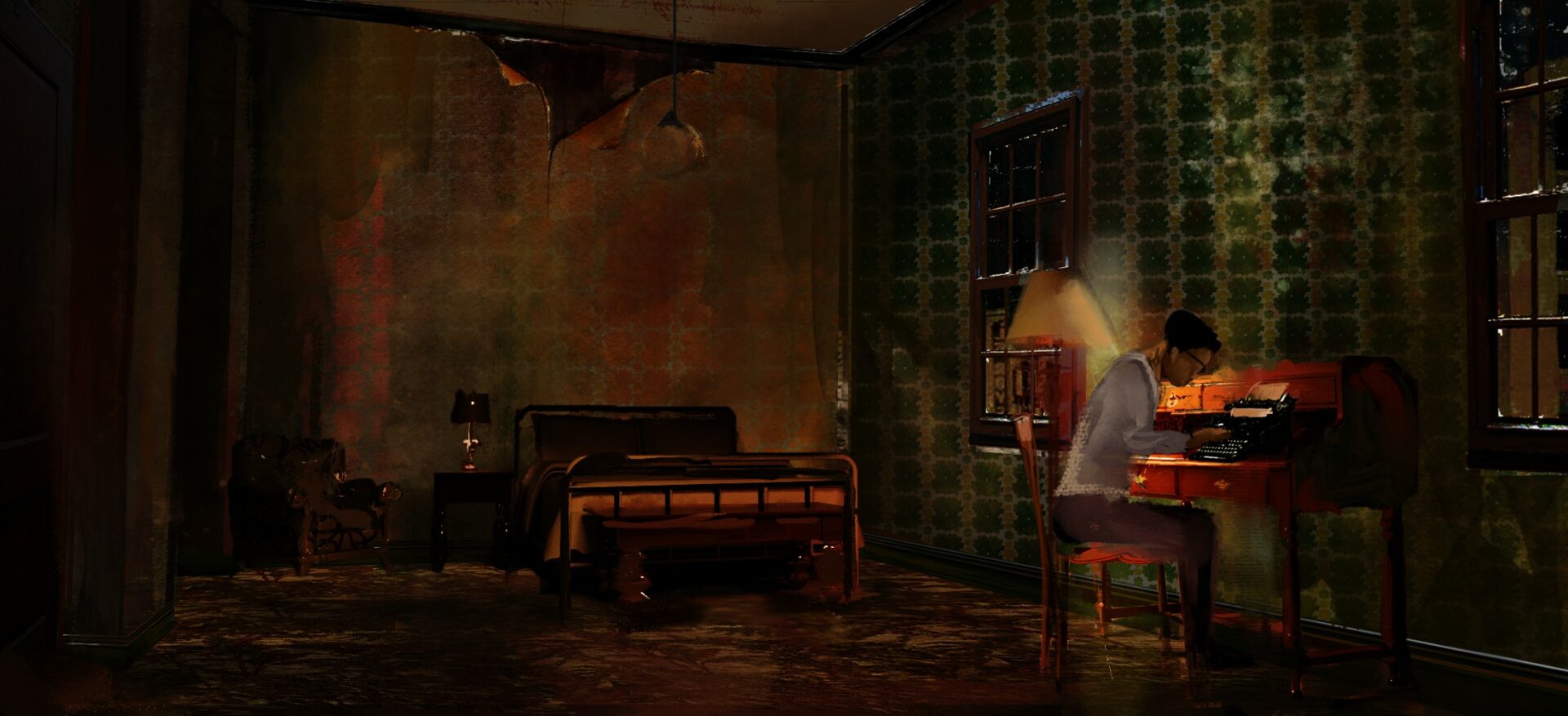
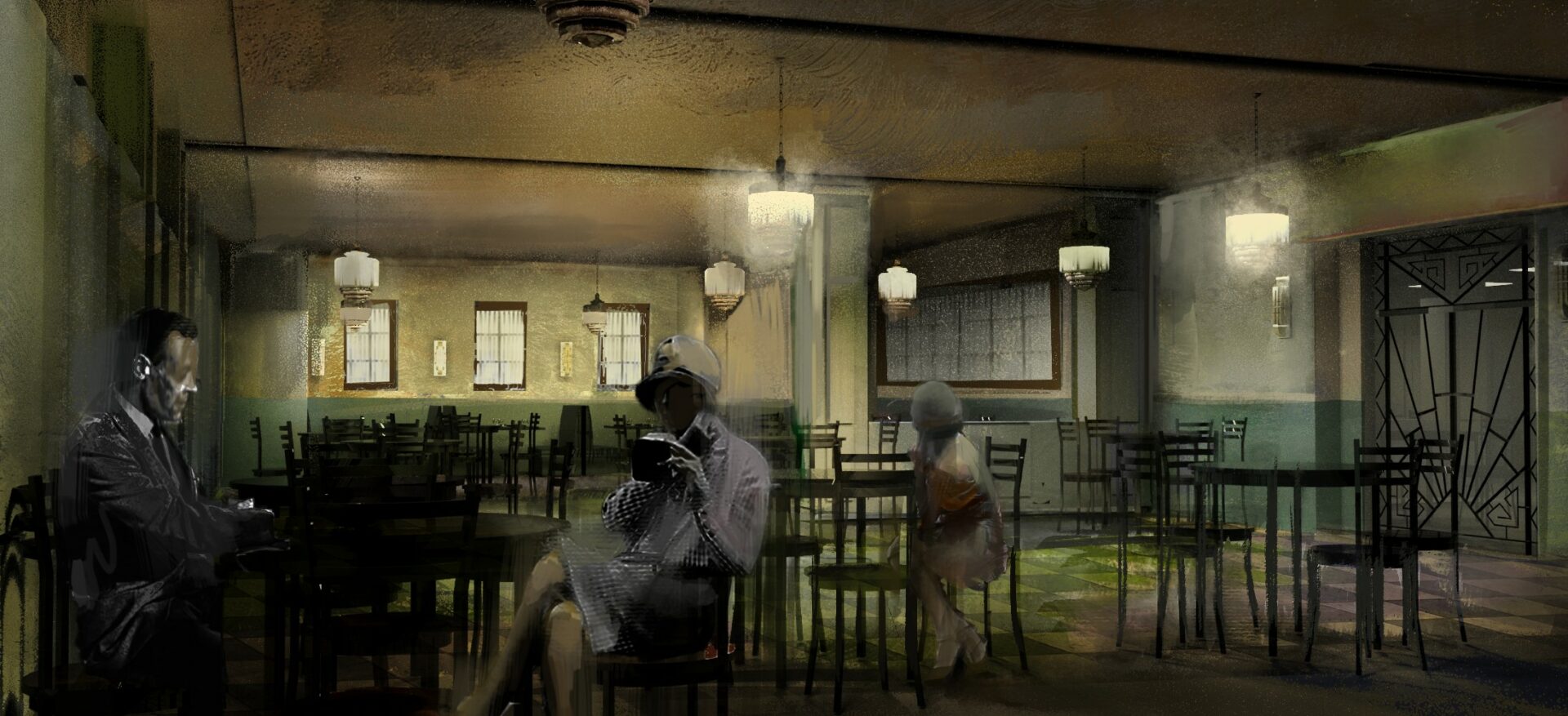
Image Credits
Personal Photo Copyright of Walt Disney Imagineering