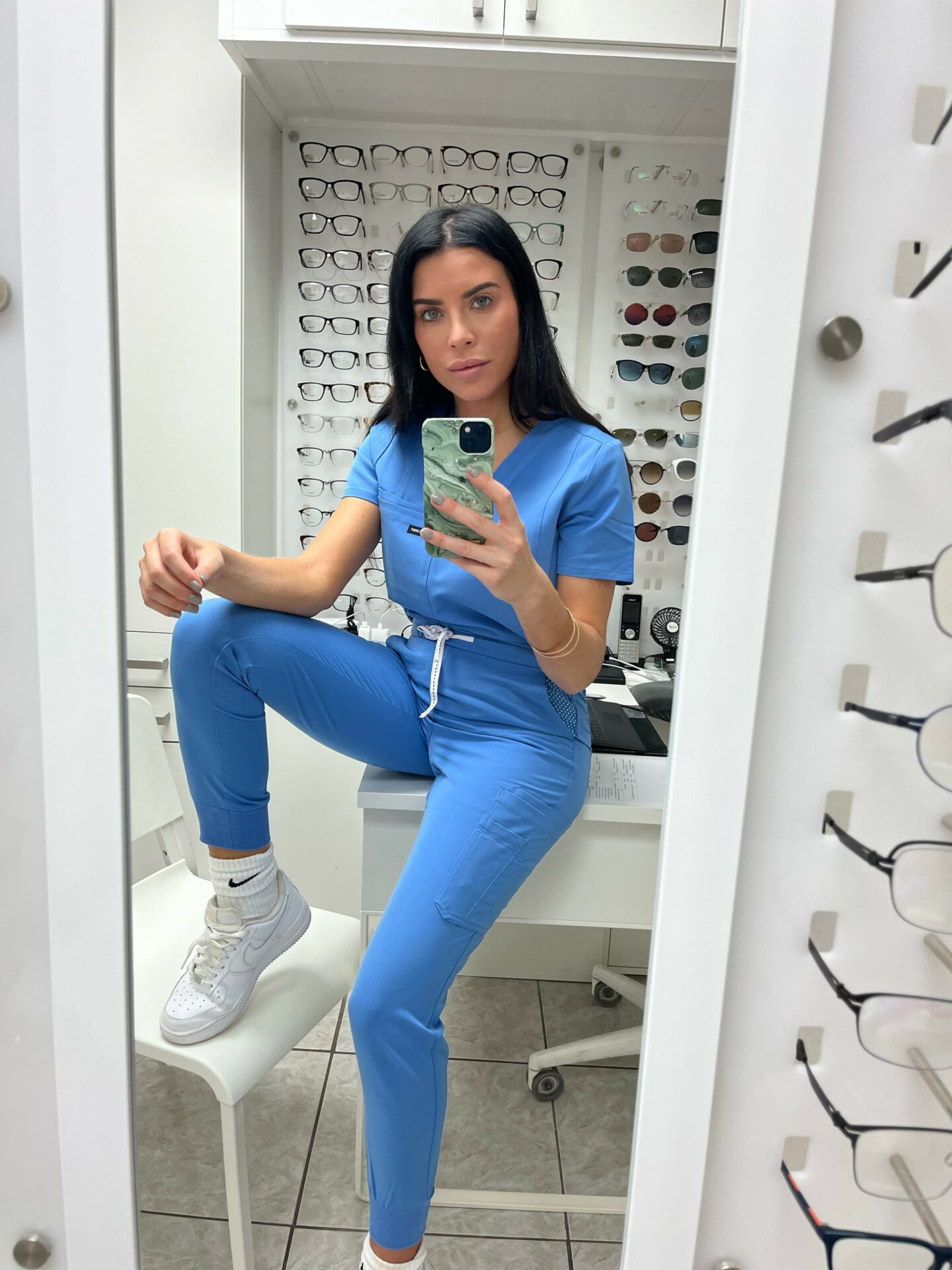
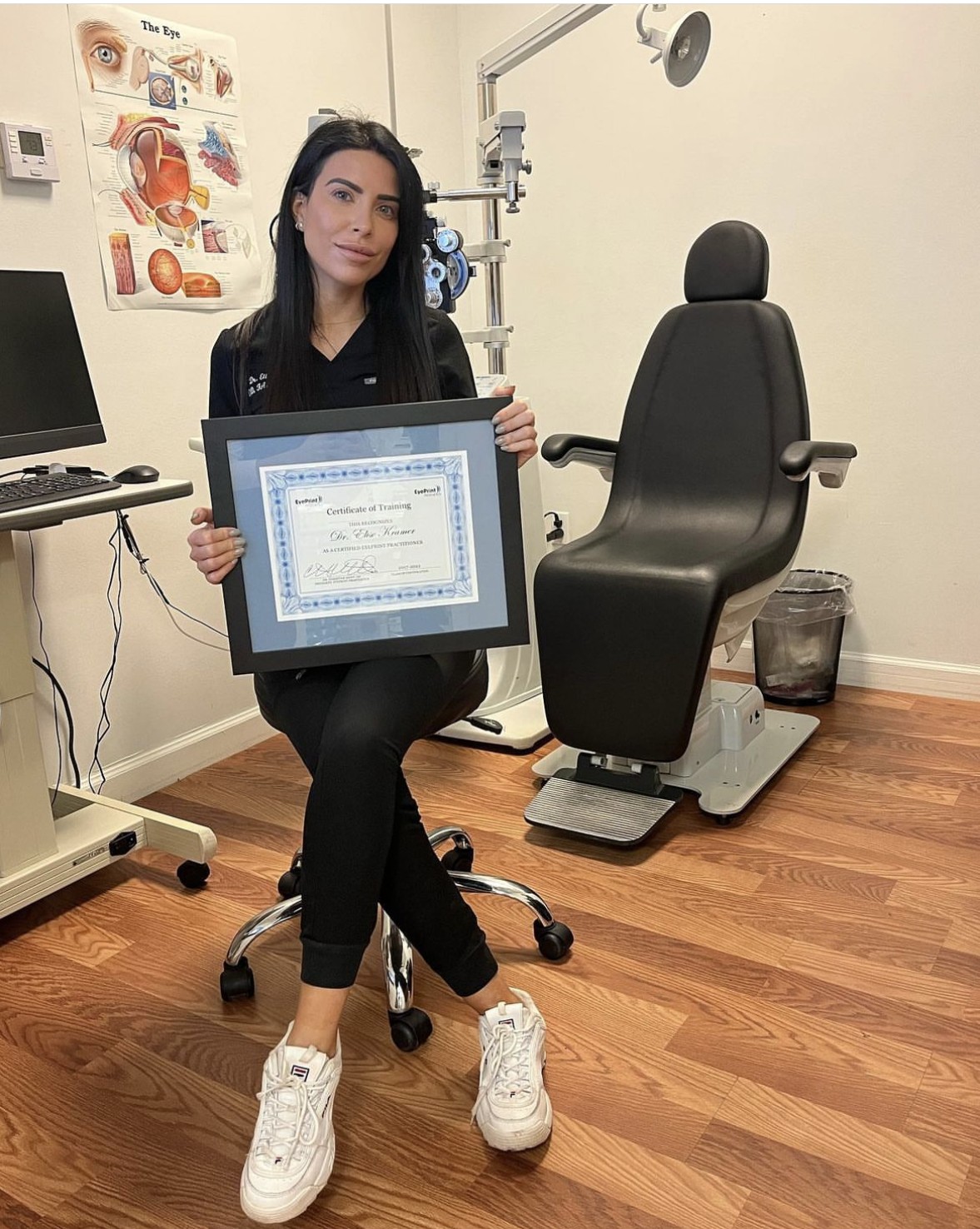
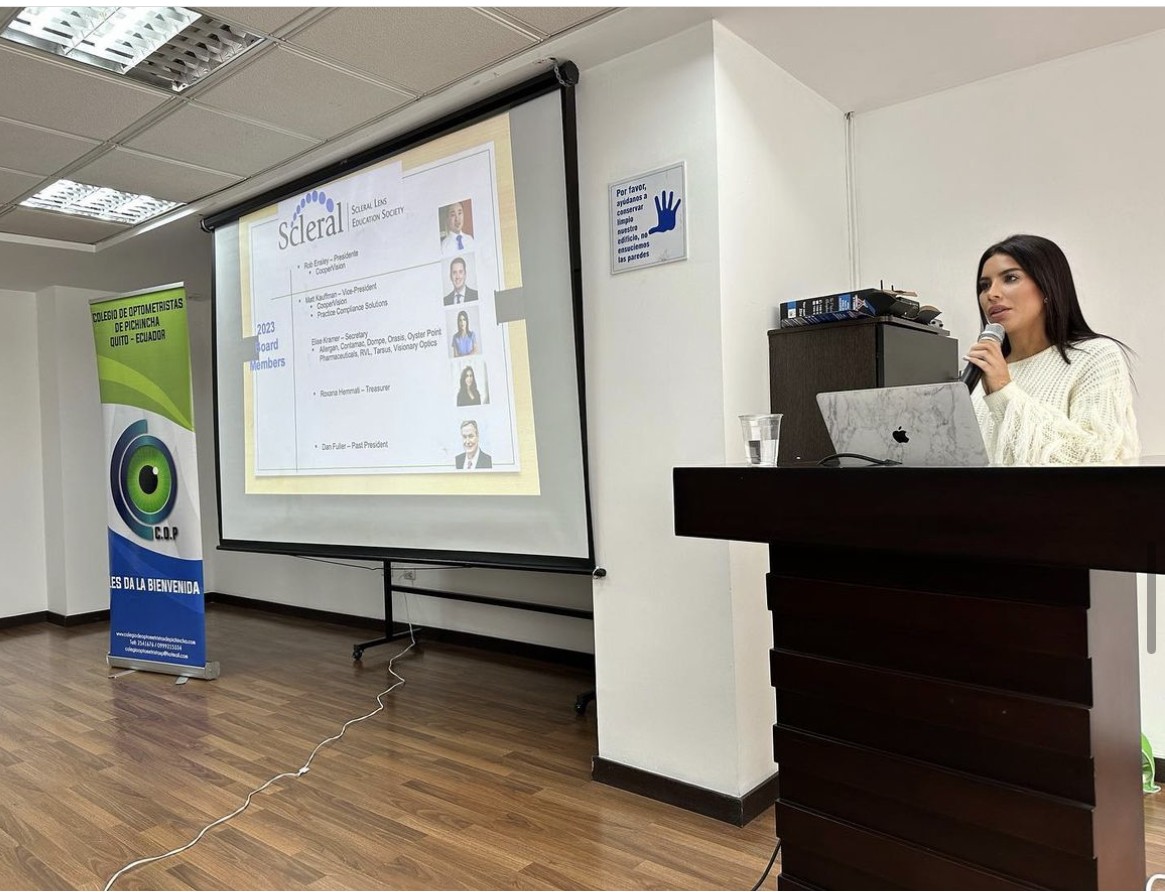
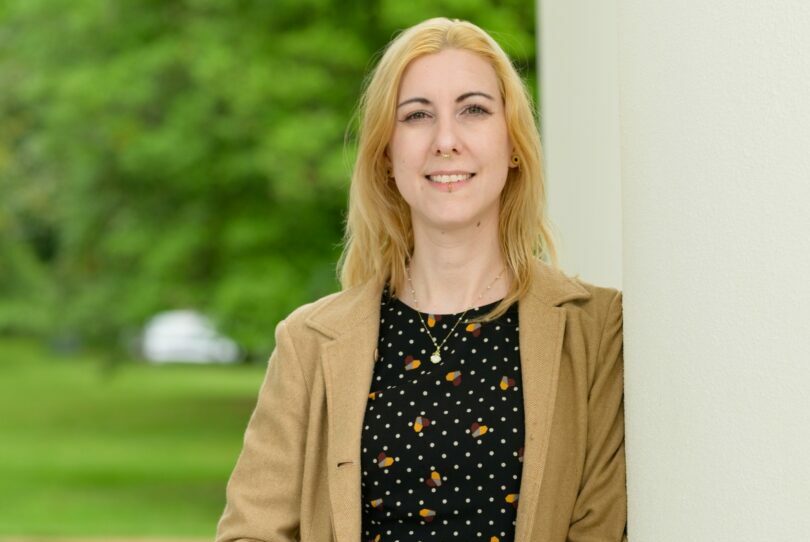
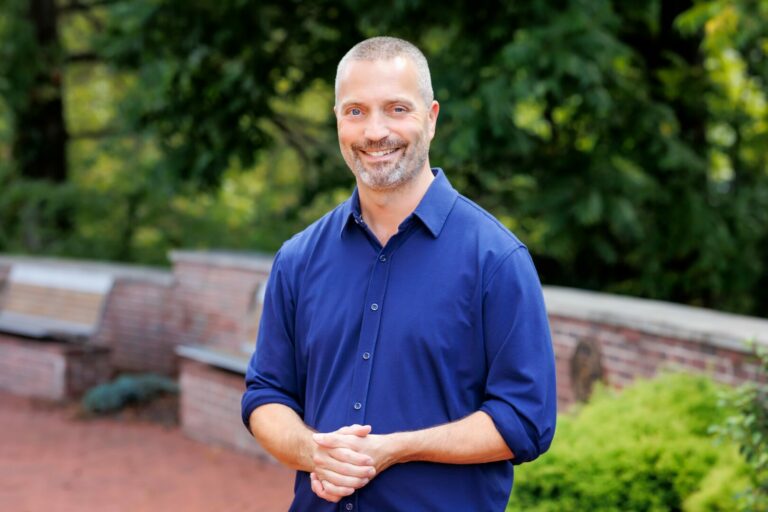
We recently connected with Elise Kramer and have shared our conversation below.
Elise, looking forward to learning from your journey. You’ve got an amazing story and before we dive into that, let’s start with an important building block. Where do you get your work ethic from?
My work ethic has been influenced by a combination of factors.
First and foremost, my dedication to my profession stems from a genuine passion for eye care and a strong commitment to improving the vision and quality of life for my patients. Witnessing the positive impact that specialty contact lenses can have on a patient’s daily life has been a significant driving force in maintaining a strong work ethic.
Furthermore, my work ethic has been shaped by the responsibility I feel toward my patients and the trust they place in my care. I believe in providing the highest standard of care and continually staying up-to-date with the latest advancements in optometry and contact lens technology to ensure the best outcomes for my patients.
Working in Miami, a vibrant and diverse city, has also been a motivating factor. The multicultural patient population and the unique eye care challenges it presents have driven me to adapt and excel in providing customized solutions to meet their needs.
My work ethic is rooted in a deep passion for my field, a commitment to excellence, a sense of responsibility to my patients, and the dynamic environment in which I practice. These factors have consistently driven me to deliver the best possible care to my patients.
Thanks, so before we move on maybe you can share a bit more about yourself?
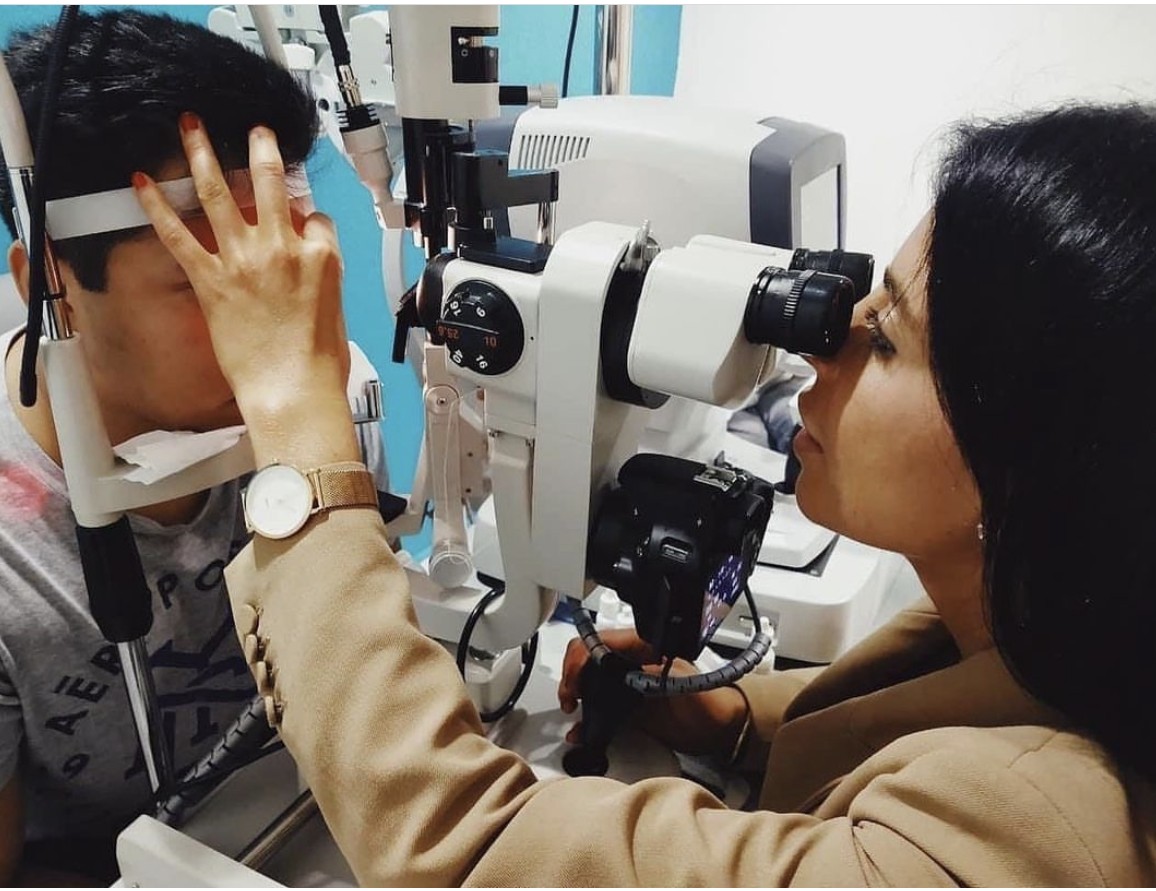
Over the past 11 years, my focus has primarily been on providing exceptional eye care and improving the visual well-being of my patients through the Miami Contact Lens Institute and Weston Contact Lens Institute. As a contact lens specialist at these institutions, I’ve had the privilege of working with a diverse range of individuals, each with unique visual needs and challenges. What excites me the most about my work is the opportunity to make a real difference in people’s lives. The ability to help someone see clearly, comfortably, and with confidence is incredibly rewarding.
I’m also passionate about staying at the forefront of optometric advancements and continually enhancing my skills and knowledge, thanks to the resources and collaborative environment provided by Contact Lens Institutes. In the ever-evolving field of optometry, being up-to-date with the latest technology and treatment options is crucial. This commitment to continuous learning and professional growth is a core aspect of my approach.
In addition to my primary focus, I also specialize in ocular surface disease, a fulfilling aspect of my work. Ocular surface disease encompasses a wide range of conditions, including dry eye disease, whether aqueous deficient, evaporative or mixed, and other disorders that affect ocular surface health. What makes this special is the opportunity to help patients who often struggle with chronic discomfort, irritation, and visual disturbances. The ability to diagnose and manage these conditions effectively, providing relief and improving their quality of life, is truly gratifying.
Moreover, working with patients who have ocular surface diseases allows me to stay at the forefront of cutting-edge treatments and therapies in this field. Ocular surface disease management is an evolving area of optometry, and I am committed to offering my patients the latest and most effective solutions. In line with this, we are planning to expand our offerings related to ocular surface disease management, implementing innovative diagnostic tools and treatments to enhance our ability to help patients suffering from these conditions.
Furthermore, my expertise extends to myopia management, which is another vital area of my practice. Myopia, or nearsightedness, is a common vision condition that has been on the rise globally, and its management is vital for the long-term eye health and vision of children and young adults. What excites me about myopia management is the potential to proactively address this issue and reduce the progression of myopia in young patients. Being able to work with children and their families to slow the progression of myopia and potentially reduce the risk of associated eye conditions later in life is truly rewarding. Myopia management involves a combination of specialized contact lenses, orthokeratology (Ortho-K), and/or Atropine, and lifestyle interventions, and I’m dedicated to providing personalized treatment plans customized to the specific needs of each patient. As part of our commitment to excellence and continuous improvement, we are actively exploring new and innovative approaches to myopia management to provide the most effective and evidence-based treatments available.
In summary, my specialization in ocular surface disease and myopia management, in addition to my primary focus, is integral to my practice at the Miami Contact Lens Institute and Weston Contact Lens Institute, and I am deeply passionate about making a positive impact on the lives of my patients. It’s a proactive approach to preserving vision, promoting eye health, and enhancing overall well-being. I’m excited about the future and look forward to continuing to provide the highest standard of eye care to the people of South Florida.
Looking back, what do you think were the three qualities, skills, or areas of knowledge that were most impactful in your journey? What advice do you have for folks who are early in their journey in terms of how they can best develop or improve on these?
Reflecting on my journey in optometry, particularly as a specialist at the Miami Contact Lens Institute and Weston Contact Lens Institute, I believe three qualities, skills, and areas of knowledge have been most impactful:
1. Passion and Dedication: A deep passion for the field of optometry and an unwavering dedication to my patients have been foundational. This passion drives me to continuously seek ways to enhance my skills and knowledge. My advice to those starting their journey is to find their true passion and allow it to guide their choices. A genuine dedication to their chosen path will sustain them through the challenges and inspire continuous improvement.
2. Continuous Learning: The optometric field is ever-evolving, and staying at the forefront of advancements is crucial. Continuous learning, whether through formal education, workshops, or collaborative research, has been vital in providing the best care. Early in their journey, individuals should embrace every opportunity to learn, remain open to new ideas, and seek mentors who can provide guidance and share their expertise.
3. Patient-Centered Care: Placing the patient at the center of all decisions and treatment plans has been pivotal in my journey. It’s not just about treating conditions but improving patients’ quality of life. My advice to those at the beginning of their journey is to focus on developing excellent communication and interpersonal skills. Understanding patients’ needs and concerns and delivering compassionate care is essential for building trust and ensuring positive outcomes.
In summary, for those early in their journey, I encourage them to find their passion, commit to continuous learning, and prioritize patient-centered care. These qualities, skills, and knowledge areas will not only help them succeed but also make a lasting impact in their chosen profession.
Any advice for folks feeling overwhelmed?
When I encounter moments of feeling overwhelmed, which can be quite common in a demanding profession and owning my own practice, I’ve found that having a few strategies in place is crucial for regaining balance and focus. Here are some approaches that I’ve personally found effective:
1. Prioritization: I start by assessing the tasks and responsibilities at hand. I identify what needs immediate attention and what can be deferred. This helps in breaking down the workload into manageable segments.
2. Time Management: Efficient time management is key. I use tools such as calendars and to-do lists to organize my day. Allocating specific time slots for different tasks ensures that I don’t become overwhelmed by trying to tackle everything at once.
3. Delegation: If possible, I delegate tasks that can be handled by others. This allows me to focus on the aspects of my work that require my expertise and attention.
4. Self-Care: Taking short breaks for deep breathing exercises or a brief walk can be incredibly refreshing. It helps to clear my mind and reduce stress.
5. Seeking Support: Sometimes, discussing challenges with colleagues or mentors can provide valuable insights and solutions. They may have experienced similar situations and can offer guidance.
6. Mindfulness and Relaxation: Practicing mindfulness and relaxation techniques, such as meditation or yoga, can be helpful in reducing stress and regaining a sense of control.
7. Working out: Physical exercise is crucial for maintaining overall health, as it helps improve cardiovascular fitness, strengthen muscles and bones, and manage weight. Regular exercise also enhances mental well-being, reducing stress and anxiety, and promoting a positive outlook on life. It plays a vital role in preventing various chronic health conditions and contributes to a longer, more active life. Not to mention the esthetic benefits 😉
8. Learn to Say No: It’s important to recognize one’s limits and not take on more than can be reasonably managed. Drawing boundaries and politely declining additional commitments or tasks can prevent further overwhelm.
9. Break Down Complex Tasks: If a task seems daunting, I break it down into smaller, more manageable steps. This makes the task feel less overwhelming and more achievable.
10. Positive Self-Talk: I remind myself of past successes and my ability to overcome challenges. Positive self-talk can boost confidence and reduce feelings of being overwhelmed.
10. Seek Professional Help: In cases where the overwhelm is persistent or significantly affecting well-being, it’s important to consider seeking professional help from a counselor or therapist.
The key is to have a toolbox of strategies to draw from when feeling overwhelmed and to use them proactively. By addressing the issue and implementing these strategies, I find that I can regain my focus and continue providing excellent care to my patients.
Contact Info:
- Website: www.miamicontactlens.com
- Instagram: @drelisekramer
- Facebook: https://www.facebook.com/MiamiContactLensInstitute?refid=56
- Linkedin: https://www.linkedin.com/in/elisegkramer/
- Twitter: https://twitter.com/drelisekramer?lang=en
- Youtube: www.youtube.com/@EyeclarityMiami
- Yelp: https://www.yelp.com/biz/miami-contact-lens-institute-miami-2