We were lucky to catch up with Lindsey Owen recently and have shared our conversation below.
Lindsey, we’re thrilled to have you on our platform and we think there is so much folks can learn from you and your story. Something that matters deeply to us is living a life and leading a career filled with purpose and so let’s start by chatting about how you found your purpose.
As a kids’ TV writer, I’ve always felt that my purpose is to soothe my inner child while also making life easier for all the kids out there now. I was a really anxious kid, constantly faking stomach aches to get out of things as small as going to preschool, or trying a new snack, or deviating at all from my daily routine! Everything about the world felt big and dangerous, and I was tiny and powerless to stop it. The only things that made this feeling go away, even for just a few minutes, were stories! The characters in my favorite books and TV shows felt like real friends to me, and they seemed to understand me in a way that the rest of the world couldn’t. Because of this, I was drawn to writing at a really early age. The way I learned to self-soothe was to come up with stories where I could escape reality or work out solutions to my real-world problems.
I arrived at kids’ animation as my medium of choice because of my parents. My dad is a huge animation nerd, and growing up we spent the magic hour between dinner and bedtime every night watching one of his old favorites. This included a lot of the animated movies that most kids watch, but it also included Warner Brothers cartoons from the 40s and oft-overlooked Disney movies that were never big hits. His passion was infectious: my siblings and I grew up being able to spot the difference between a Chuck Jones and a Friz Freleng-directed cartoon because of him. And my mom was absolutely made to be around kids. She’s what people mean when they say someone is “young at heart,” and I really feel like she’s able to connect with a four-year-old’s mind in a way that no one else can. She was always prepared with the coolest boredom-busting projects for us, like making homemade Play-Doh, “painting” with shaving cream, or melting broken crayons in muffin tins to make tie-dye swirls. She has an amazing ability to make kids feel listened to: I felt it when I was little, and I see it now whenever she meets a preschooler and is able to instantly integrate into their imaginary world. With my dad’s love of animation and my mom’s love of kids combined, I arrived at animated kids’ shows as the place I could be the most impactful.
One story I always share that crystalized my purpose happened at my first TV job. I was a script coordinator on the Nick Jr. show Bubble Guppies. I had written a summary of an episode about mail, and shared it with my boss for approval. He came back with the note, “Make sure you don’t say that everybody has an address, because there will be homeless kids watching this, too.” Realizing there were kids out there having a worse day than I could ever imagine who would be comforted by our stories made everything click into place. Being a kid is hard enough in the best of circumstances, and if I could make childhood easier for just one of them, I will have fulfilled my purpose.
Appreciate the insights and wisdom. Before we dig deeper and ask you about the skills that matter and more, maybe you can tell our readers about yourself?
I’m a kids’ TV writer and animation enthusiast based in Brooklyn, NY. I’ve worked as a Jr. Staff Writer on Season 6 of Nick Jr.’s Bubble Guppies, and as the writer of the Disney short form series Star Wars: Galactic Pals. You can see more of my writing on Blippi Wonders (Moonbug), Face’s Music Party (Nick Jr.), and an upcoming Apple TV+ animated series. I also have a couple of personal project in development that I hope to bring to a screen near you someday! I love to write for character-driven, heartfelt series that leave kids feeling seen, heard, and hugged. When I’m not watching or making cartoons, you can find me baking vegan sweets, doing yoga, or wandering the stacks at my local library.
If you had to pick three qualities that are most important to develop, which three would you say matter most?
The most important skill I’ve mastered is to be everyone’s friend! You hear a lot about the importance of networking in the entertainment industry, and for better or worse, it’s all true. I’ve gotten all of my job opportunities from connections rather than filling out applications. But what I’ve learned is that networking doesn’t have to feel slimy. It’s really all about making genuine connections, and if you’re in the right industry, you’ll probably be genuinely excited to hear about the cool projects your colleagues are working on! So, the most invaluable advice I can give is to go to those mixers, send out those check-in emails, and approach your networking from a place of sincere interest and friendship. No one will be annoyed if you send them an email asking how they’ve been, I promise!
Another skill I think is important is to receive feedback with grace. There will be times when the notes you get seem harsh, and if you’re a perfectionist like me, the knee-jerk reaction is to internalize that feedback and take it really personally. It’s important to remember that notes are never personal! The people who give you notes on your work just want to help you make it the best it can be. Fundamentally, they are on your side and want to see you succeed. And writing a script that receives a lot of notes doesn’t make you a bad writer! Sometimes the scripts that receive the most notes turn out the best, and sometimes ones that sail through the pipeline with almost no feedback turn out kind of dull. For me, the best way to get better at receiving feedback was to practice. Ask your friends to read your work and tell you what they think., ask your peers and mentors. The more you get used to notes on your personal projects, the easier they will be to receive in a professional setting.
My third piece of advice is to appreciate the talents of the people on your team. Collaboration was really hard for me in school because of, again, the perfectionist thing. I always thought that no one could do things better than I could. I would take on extra work and burn myself out so I could do group projects all by myself! Now, in the professional world, I find myself surrounded by super talented people all the time, and they all have skillsets far different than my own. I’ve found that my work has improved significantly by asking for help and collaborating with the incredible people around me. Especially in animation, there are so many visual artists and producers who work on different parts of the production pipeline than I do, and I’ve learned so much by talking to them and letting their work inform my own.
As we end our chat, is there a book you can leave people with that’s been meaningful to you and your development?
Coraline by Neil Gaiman continues to be one of the most profound influences on my work, ever since it scared the pants off me at age ten! It’s one of my favorite stories about a child hero, because Coraline is able to face some of the scariest situations a little kid could imagine (“What if my mom was replaced with someone mean and scary?”) even though she’s terrified. This felt really validating as a kid–this book told me that even if something so bad happens that your parents can’t help you, you’ll still be able to save yourself. Kids are powerful, kids are brave, and kids have more strength than they know! These are the messages I try to impart in my writing, and as an adult, I still think Coraline has an important message to share. A big part of the plot is to just “do it scared.” As a person with a high level of resting anxiety, almost everything scares me! Doing things despite the discomfort they cause at first is some of the best advice I’ve ever gotten. It’s how I’ve pushed myself to get out there and receive all the wonderful opportunities the universe has to offer.
Contact Info:
- Linkedin: https://www.linkedin.com/in/lindsey-owen-b40774141/
- Other: https://www.imdb.com/name/nm12450851/?ref_=nv_sr_srsg_0_tt_1_nm_7_q_lindsey%2520owen
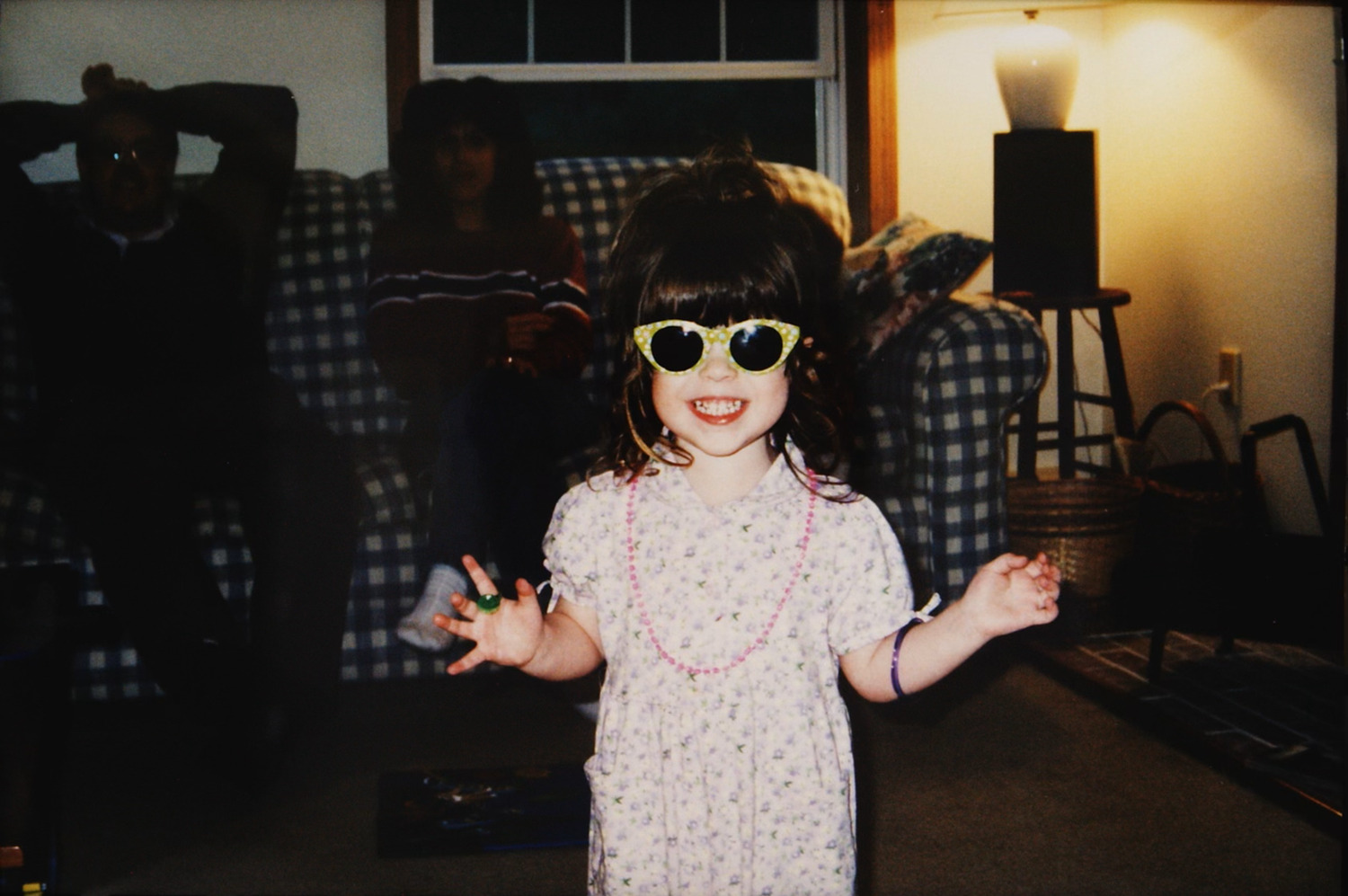
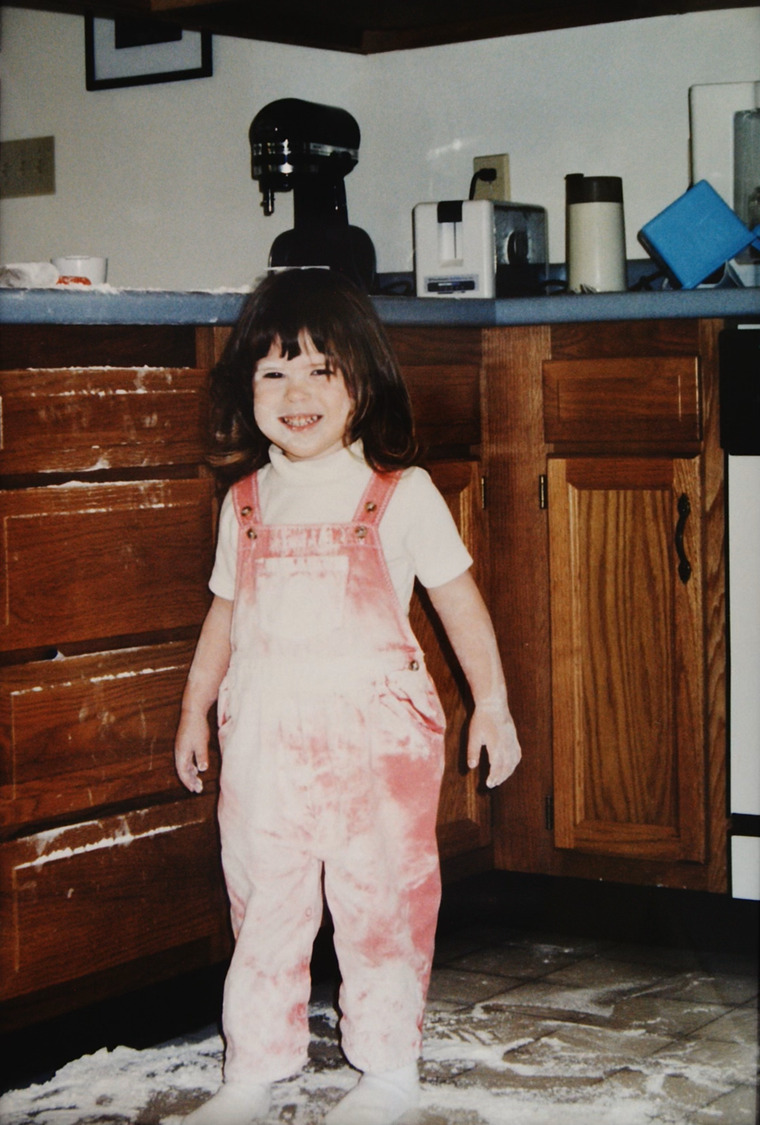
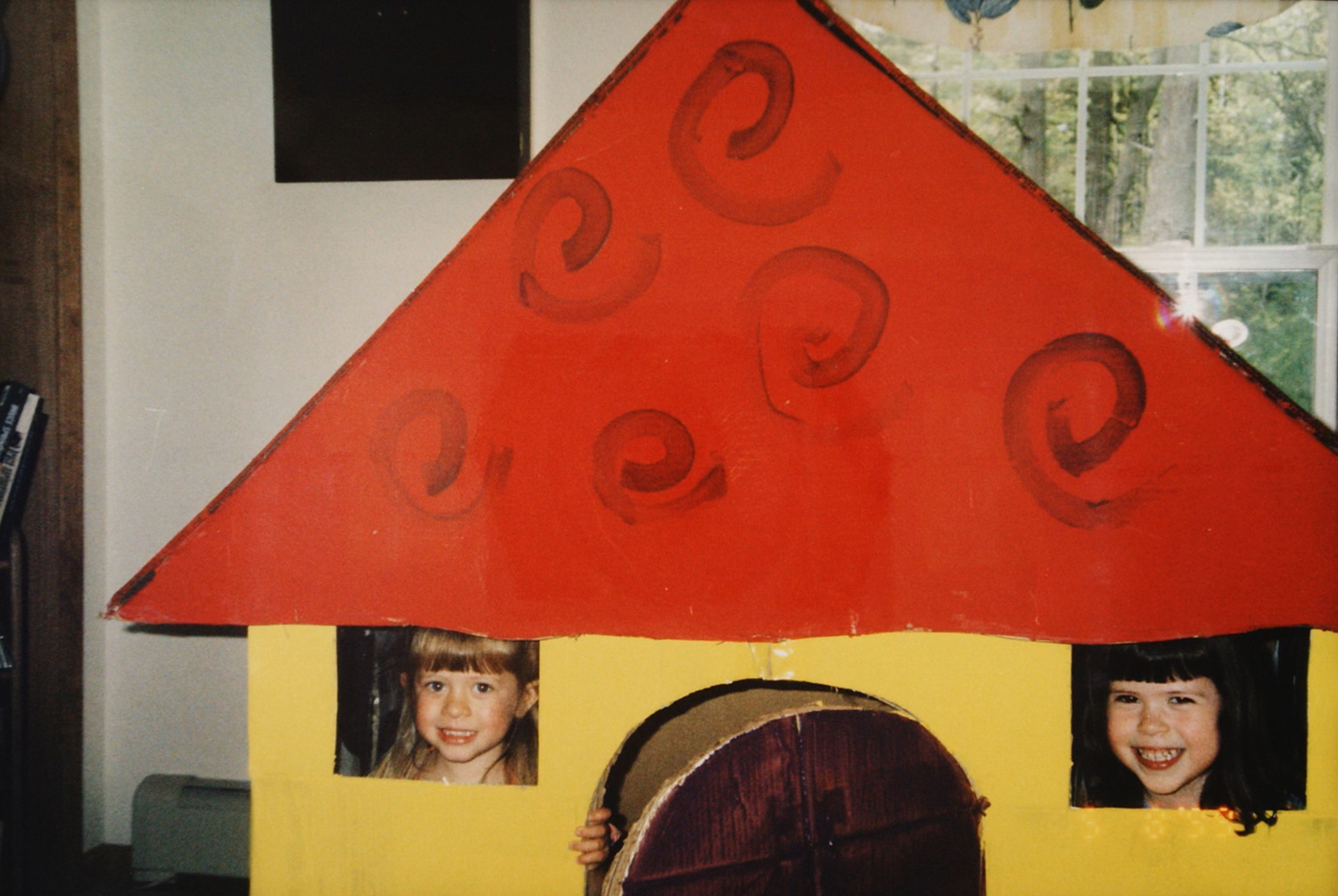
Image Credits
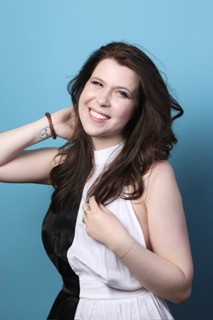
Headshot: David Phelps