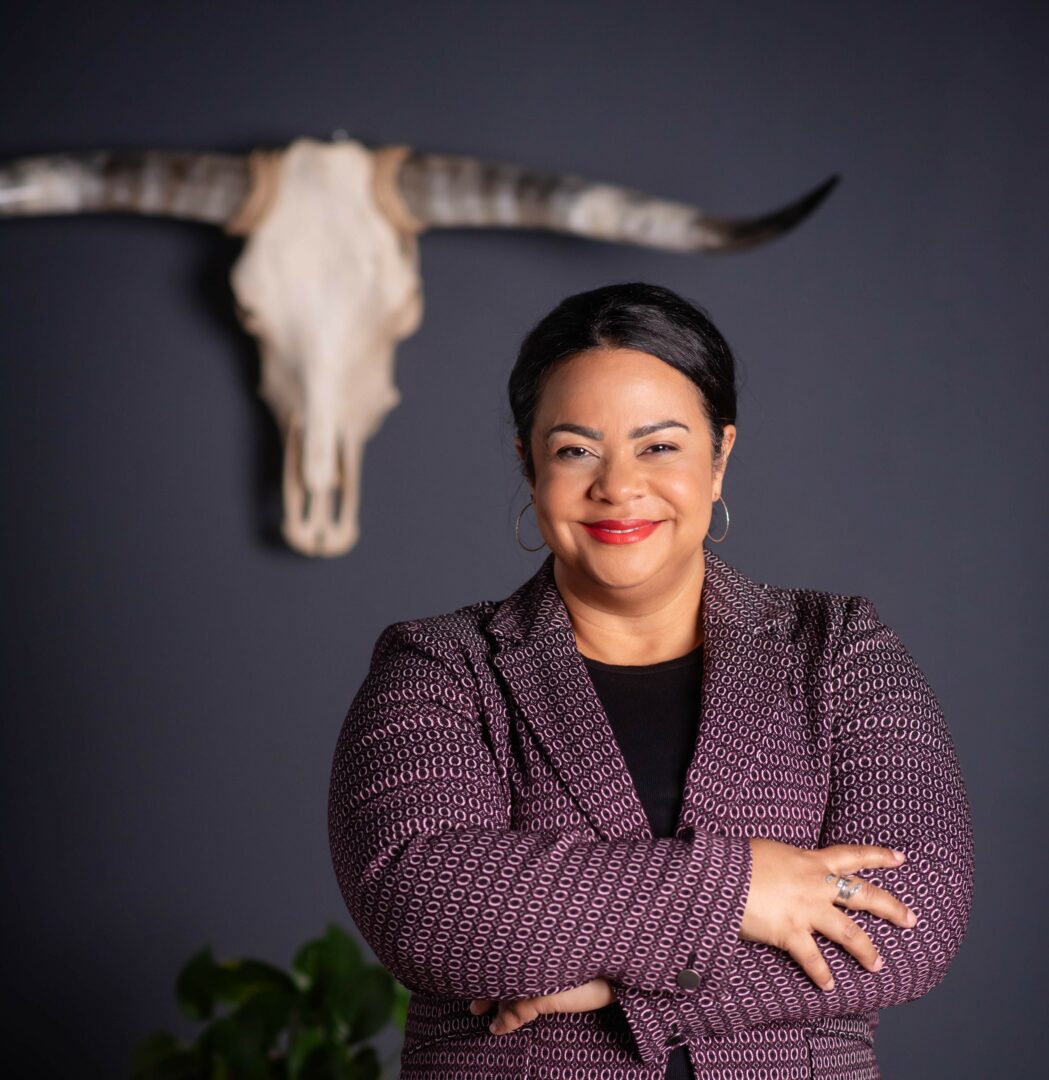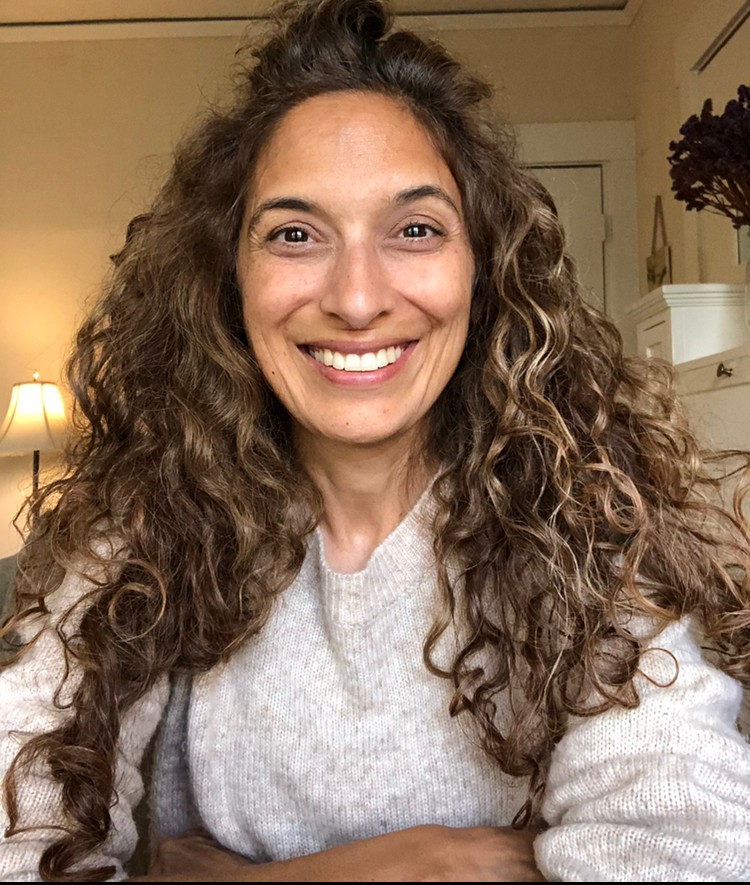
We recently connected with Mona Kumar, PhD and have shared our conversation below.
Hi Mona , thank you so much for joining us today. There are so many topics we could discuss, but perhaps one of the most relevant is empathy because it’s at the core of great leadership and so we’d love to hear about how you developed your empathy?
Empathy is one of the key skills required of a good therapist. There are others too, such as being a good listener, asking exploratory questions, and picking up on unconscious themes. However, in the absence of empathy, you risk either missing your client’s subjective experience or projecting your own onto it. Empathy is the ability to feel what your client feels about a given situation, not what you would feel if you experienced it. Empathy requires that you let go of your opinions and values and enter the mental landscape of the person you are working with. What do they feel, why are they feeling that way, and why do those feelings make perfect sense are some of the questions you bear in mind. My own appreciation for empathy like that of many therapists arose long before I heard of the concept. Many therapists enter this work because of an inherent sensitivity to the emotional and social cues of people around them combined with a deep connection to their own emotional range. Not only are therapists attuned to feelings, they also appreciate the profound sense of relief and validation that come from having those feelings recognized by others. The stage is usually set in childhood and then cultivated through one’s course of study. In my case, this was in my graduate program where both my classes and internships emphasized and helped to fine tune my empathic skills.
Please tell our readers about what you do, what you feel is most exciting or special about it, as well as anything else you’d like folks to know about your brand/art/etc. If relevant, please also tell our readers about anything new (events, product/service launches, expansion, etc)
One of the most important factors to consider when selecting a therapist is their theoretical orientation. As a psychodynamically oriented therapist, what I love to do most in my work is truly get to know my clients. We all move through the world partly expressing our authentic selves and partly obscured by the beliefs and values we take on from others. Over time, it can become increasingly difficult to discern what about us is real and what is superimposed. Therapy provides a place where honesty and transparency are highly sought after. Furthermore, as we begin to open up about the things we typically conceal, unexpected revelations occur, bringing us into even greater contact with who we actually are. As we become more aligned with our authentic selves, anxiety lessens, depression lifts, and relationships become more fulfilling. Finding a therapist with whom there is a good fit is essential to getting the most out of one’s experience. Fortunately, living in a place like LA provides clients with many great options to choose from.
There is so much advice out there about all the different skills and qualities folks need to develop in order to succeed in today’s highly competitive environment and often it can feel overwhelming. So, if we had to break it down to just the three that matter most, which three skills or qualities would you focus on?
Empathy, being aware of personal bias, and refraining from the impulse to make clients feel better are a few of the qualities that make for a meaningful therapeutic experience. Clients come to therapy to be understood and to be able to reclaim those parts of themselves that they or others around them have deemed unacceptable. Being emotionally attuned, listening without judgement, and providing a space that is free of the pressure to change allows clients to be open and share what has been hidden, repressed, or misunderstood. As these disclosures are met with acceptance and compassion, clients begin to feel seen and affirmed. Rather than trying to become a better version of themselves they experience the relief that comes from being more fully who they already are. Providing the conditions necessary to support this process requires therapists to be reflective and self-aware. Being in their own personal therapy, receiving quality supervision, and learning from experience are some of the ways both early career and seasoned clinicians develop these qualities.
Who is your ideal client or what sort of characteristics would make someone an ideal client for you?
My clients are usually in their late 20’s to early 40’s. They tend to be functioning well overall having completed their education, embarked on their careers, or entered family life. However, despite many successes, they may be struggling with feelings of depression or anxiety, experiencing difficulty in their relationships, or reevaluating the direction they want their life to take. These are some of the concerns that typically bring them to therapy. Once they arrive, they find a space where they can relax, be themselves, and explore whatever feelings emerge. Together, we use this opportunity to unpack what they have been holding in, shed light on their confusion, and move toward the clarity and contentment they are seeking. My clients tend to be curious and thoughtful, eager to better understand themselves, and drawn to a relationship in which they feel truly seen and heard.
Contact Info:
- Website: https://www.drmonakumar.com
- Facebook: https://www.facebook.com/DoctorMonaKumar
- Linkedin: https://www.linkedin.com/in/drmonakumar/
- Twitter: https://twitter.com/DoctorMonakumar