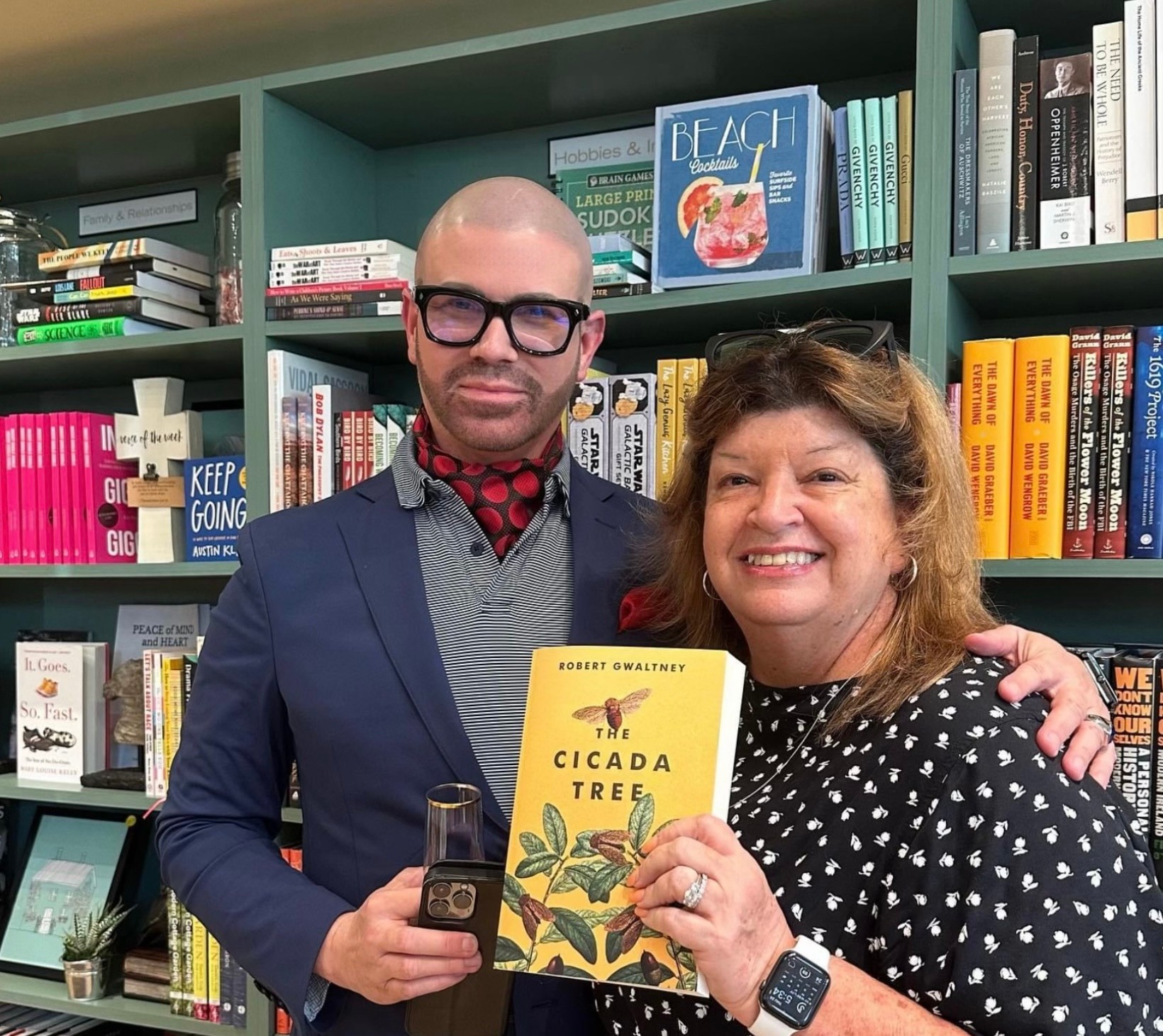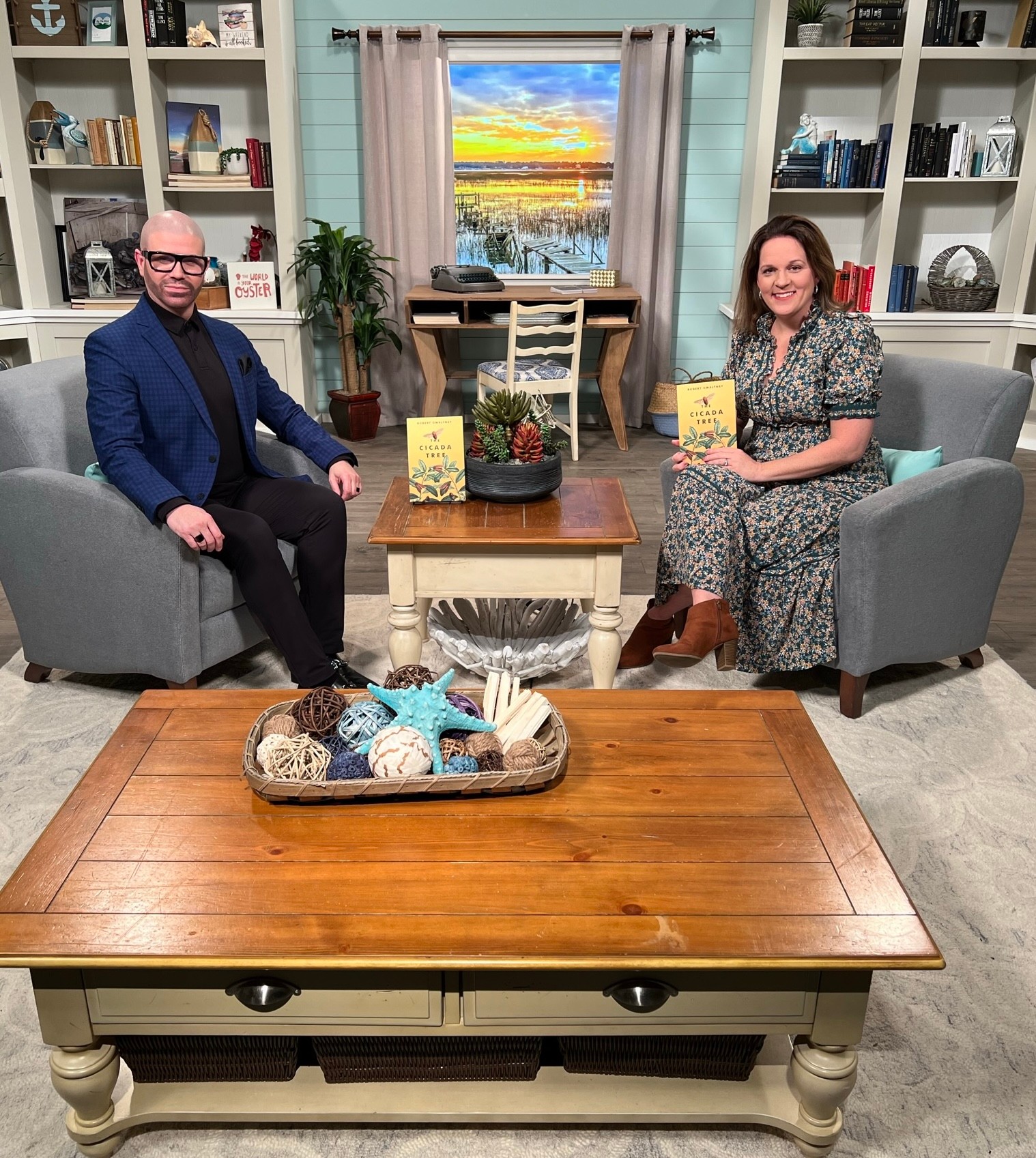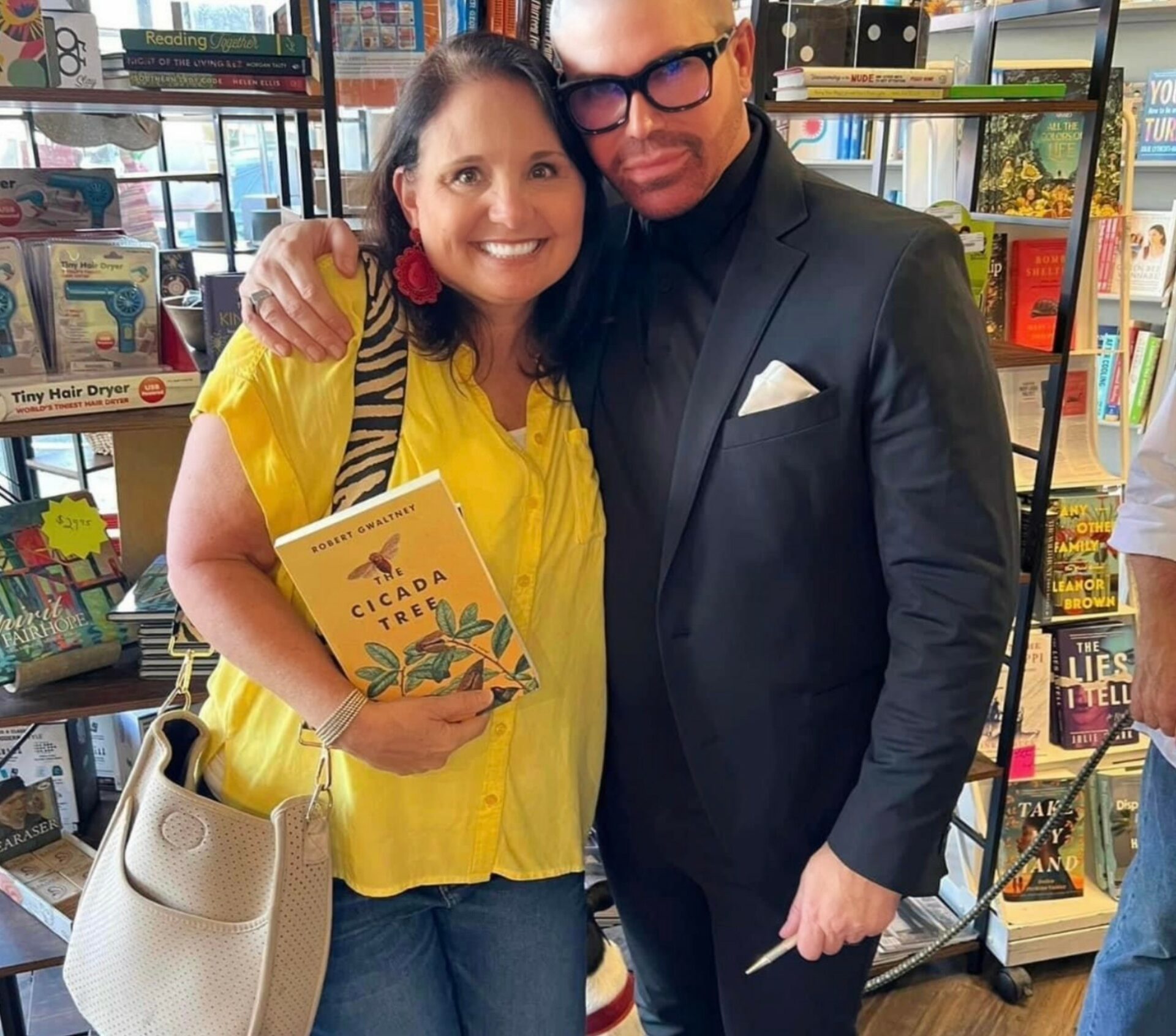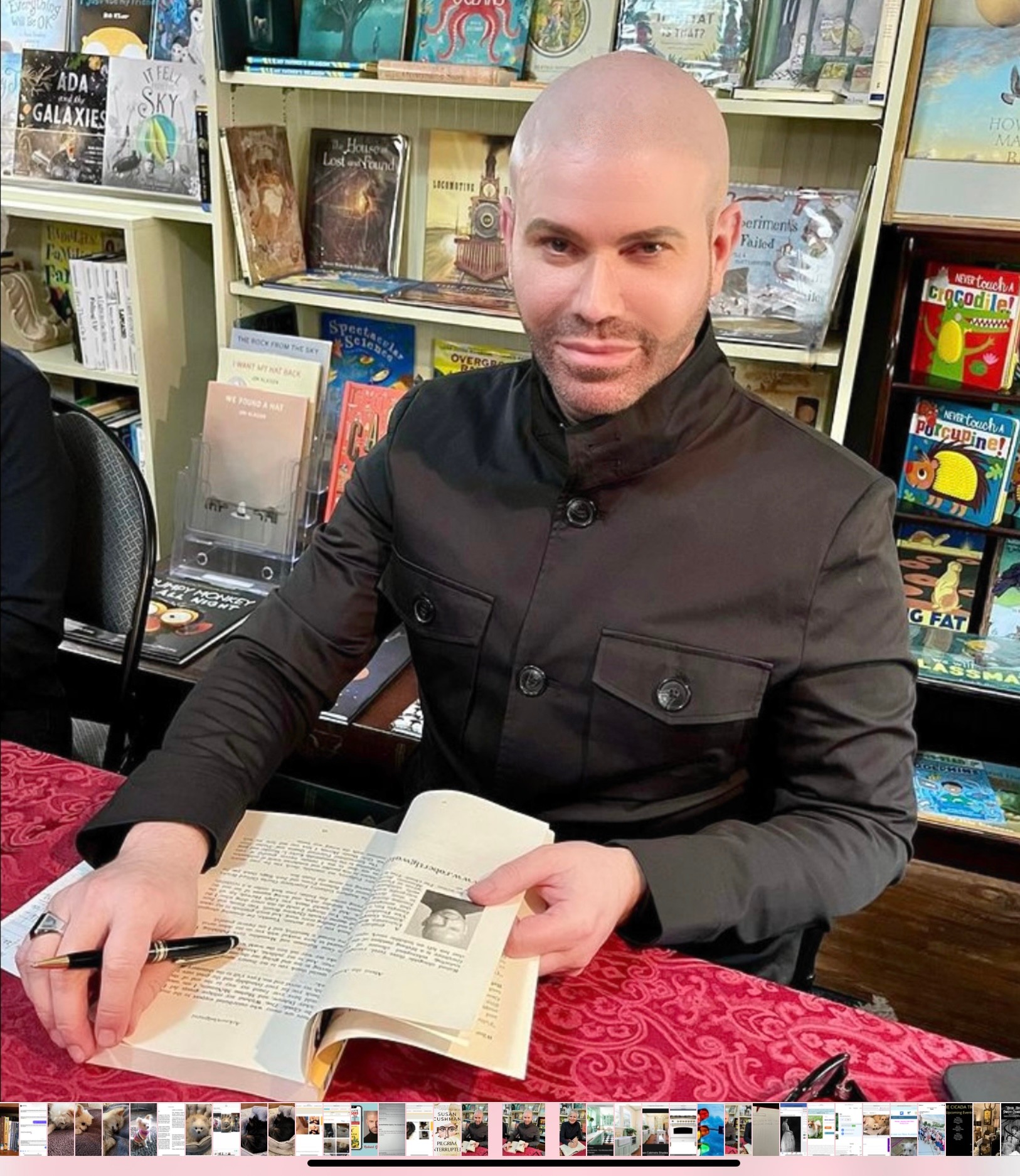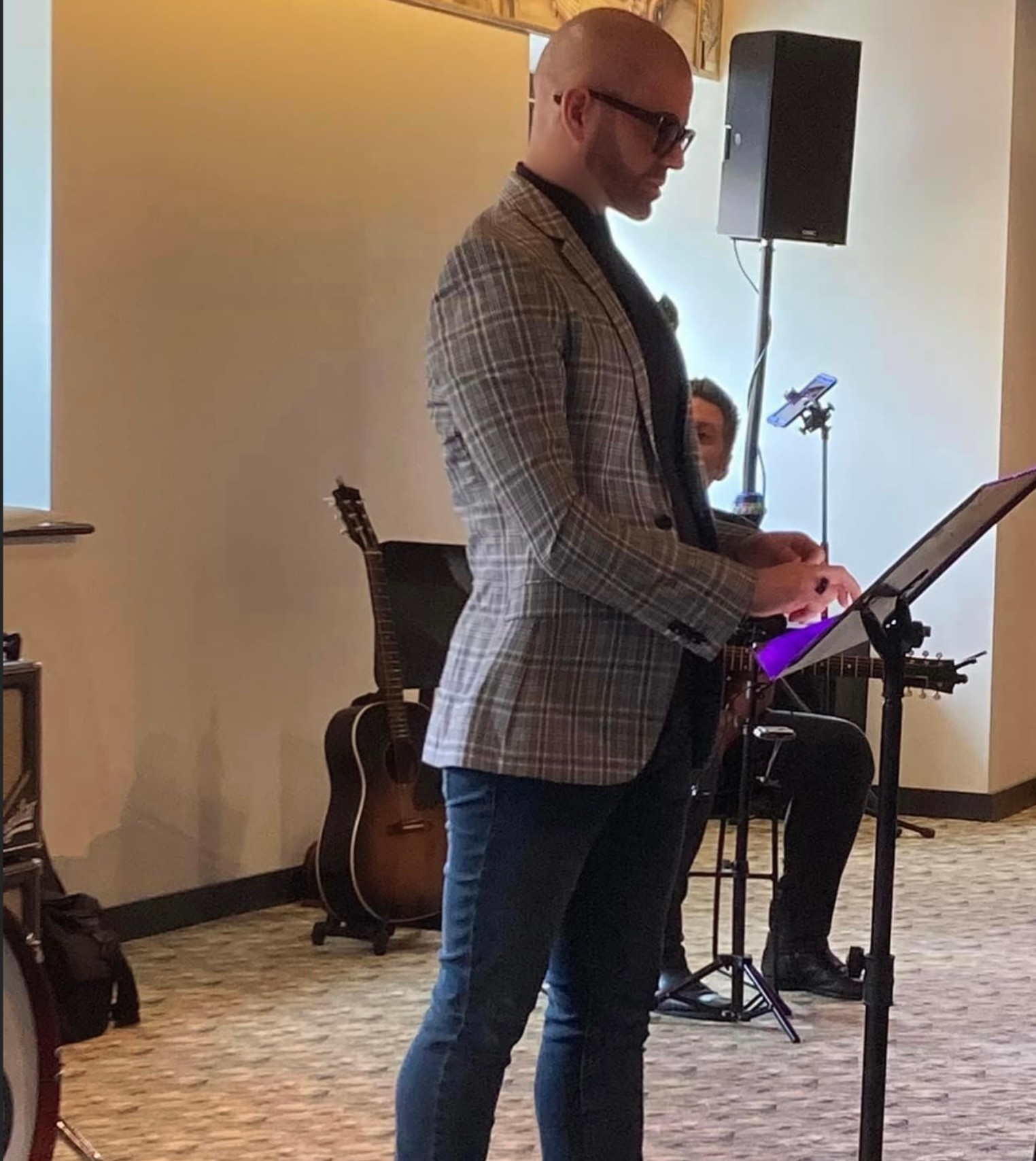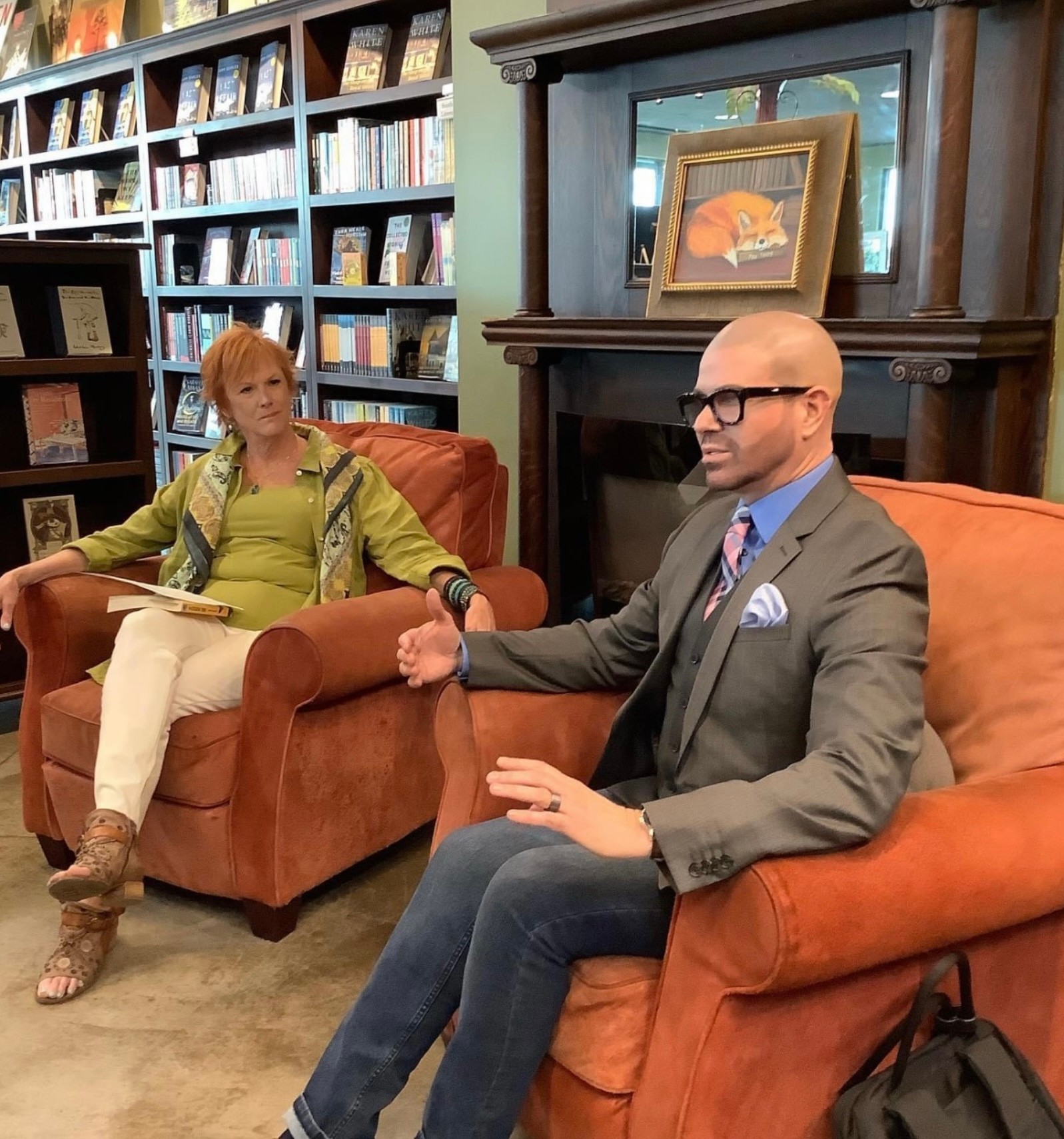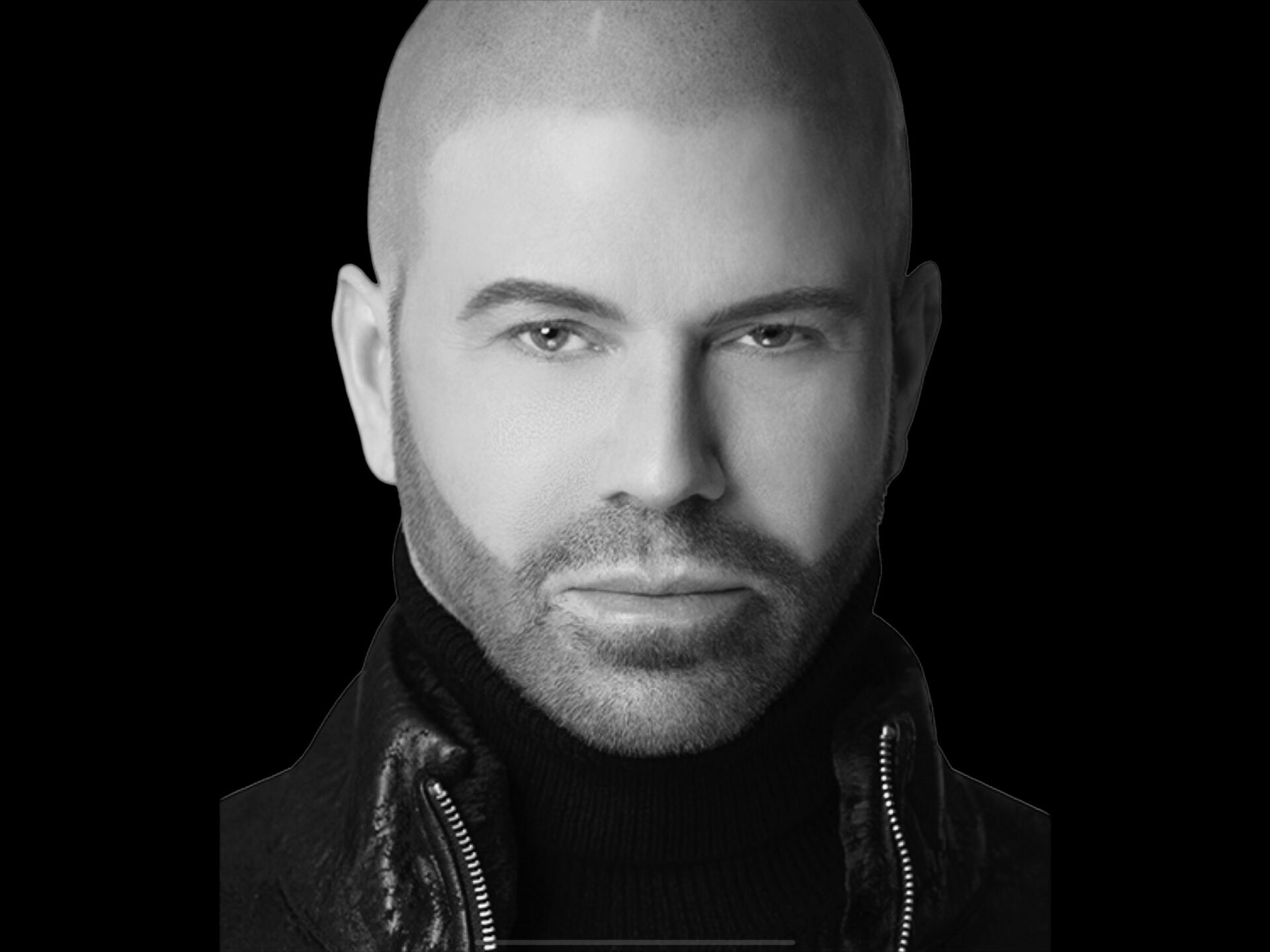
We recently connected with Robert Gwaltney and have shared our conversation below.
Robert, first a big thank you for taking the time to share your thoughts and insights with us today. I’m sure many of our readers will benefit from your wisdom, and one of the areas where we think your insight might be most helpful is related to imposter syndrome. Imposter syndrome is holding so many people back from reaching their true and highest potential and so we’d love to hear about your journey and how you overcame imposter syndrome.
For the longest while, I struggled with calling myself a writer–with saying the thing aloud. I often tell other writers who are just starting out, “If you engage in the act of writing, you are a writer.” I wish I had taken my own advice earlier. Do as Robert says, not as Robert does makes Robert a hypocrite. I wish I could say that I have overcome imposter syndrome. The truth is this: I am a work in progress, always wrestling with myself to feel a sense of belonging within the writing community. I suppose I always will. But I will tell you this: I am a writer. And sometimes, a good one.
Appreciate the insights and wisdom. Before we dig deeper and ask you about the skills that matter and more, maybe you can tell our readers about yourself?
A graduate of Florida State University, I presently reside in Atlanta Georgia with my partner. By day, I serve as Vice President of Easterseals North Georgia, Inc., a non-profit organization strengthening children and their families at the most critical times in their development. Through my non-profit work, I am a champion for early childhood literacy. In all the hours between, I write.
Raised alongside three feral, younger brothers in the rash-inducing, subtropical climate of Cairo Georgia, I am a lifelong resident of the South. A circumstance, no doubt, leaving an indelible mark upon my voice as a writer.
Aside from sense of place, my writing is influenced and inspired by the literary work of others. As a boy, it was with great obsession, I turned the well-worn pages of Charlotte Brontë’s, Jane Eyre. Wuthering Heights? Yes, another source of adoration. And Truman Capote’s debut novel, Other Voices, Other Rooms, I admire with equal reverence along with everything ever written by Tennessee Williams.
Charles Dickens’ Miss Havisham is one of my all-time favorite characters. Many hours I spent playing her, wrapped in an old lace tablecloth borrowed from my mother’s linen closet—my tattered, makeshift wedding dress. Locked away in my boyhood room, I haunted the place, plotting revenge, shooing rats from the wedding cake. “Break their hearts my pride and hope, break their hearts and have no mercy,” I would whisper into the impressionable ear of my lovely Estella. Break their hearts.
As an adult, my literary palate is diverse, reading everyone from the sublime Michael Cunningham to the gifted Jesmyn Ward to the incomparable Ron Rash. Though my tastes have evolved through the years, one constant remains: the impact of literature and art and music upon my writing. And my unrelenting quest to make and find beauty in this world.
Looking back, what do you think were the three qualities, skills, or areas of knowledge that were most impactful in your journey? What advice do you have for folks who are early in their journey in terms of how they can best develop or improve on these?
In the deep-deep down of my heart, since I was a boy, I knew I was a storyteller. It was an early calling. To answer this calling–I read. Surrounded myself with talented writers. Studied. Played in the creative sandbox. In the by-and-by, writing novels is an act of perseverance. To be a writer, one must possess the ability to keep one’s bottom in the writing chair. I am good at sitting.
Before we go, maybe you can tell us a bit about your parents and what you feel was the most impactful thing they did for you?
My Mama and Daddy were a thing that the best parents always are–and that was being actively engaged in my early life. They set expectations. Were good examples. And they gave me the sort of something that anchors survivors–and that is “resilience.”
Contact Info:
- Website: robertlgwaltney.com