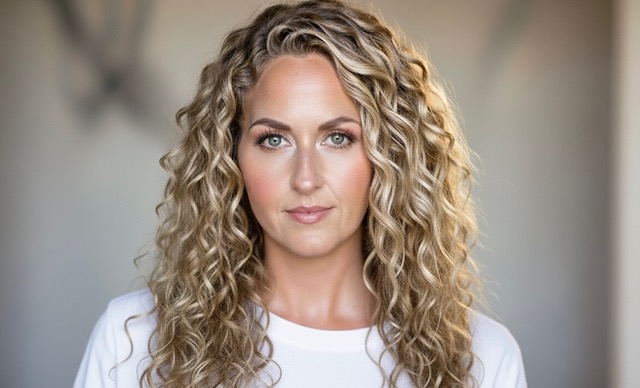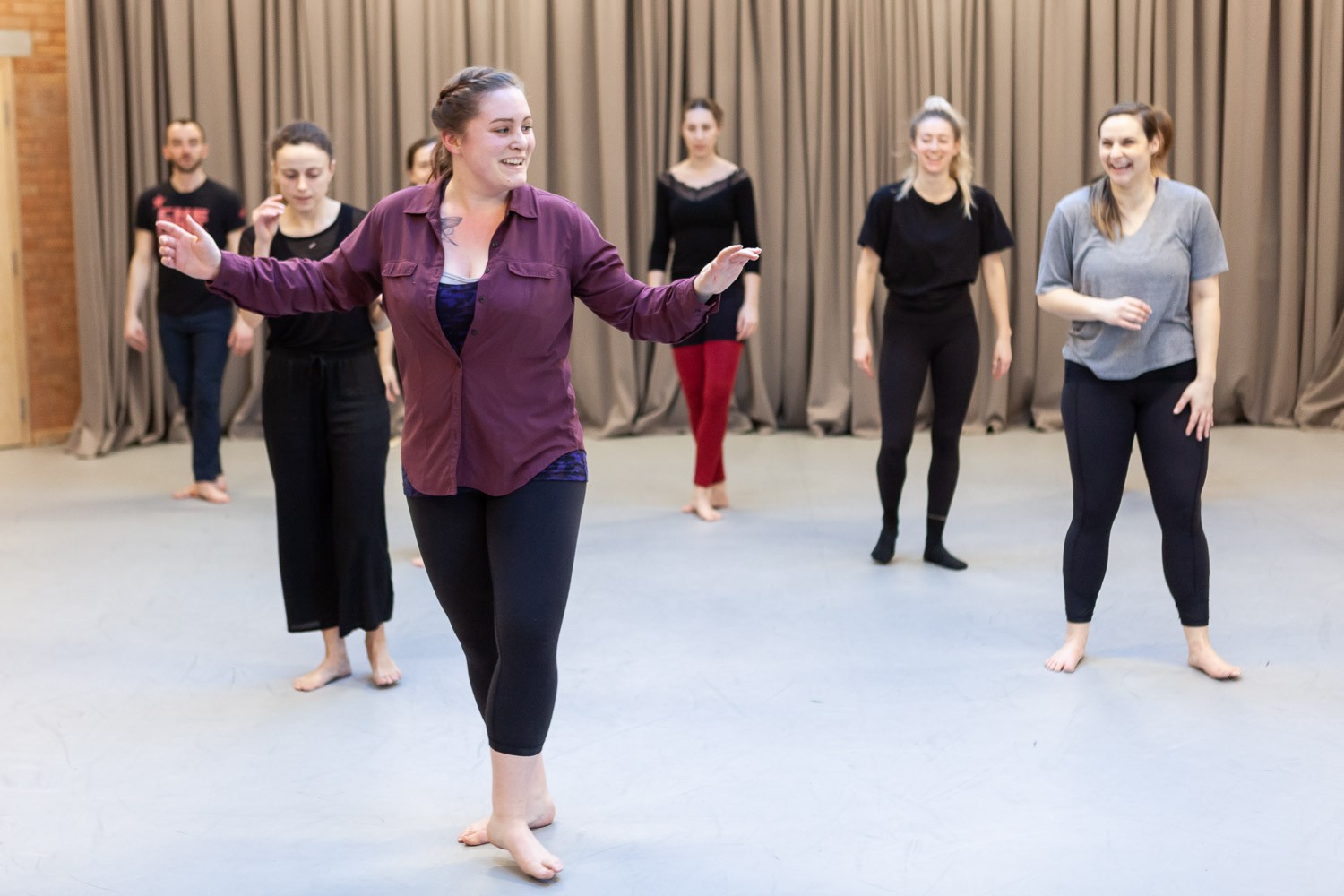
We’re excited to introduce you to the always interesting and insightful Sarah Sneesby. We hope you’ll enjoy our conversation with Sarah below.
Hi Sarah, thank you so much for opening up with us about some important, but sometimes personal topics. One that really matters to us is overcoming Imposter Syndrome because we’ve seen how so many people are held back in life because of this and so we’d really appreciate hearing about how you overcame Imposter Syndrome.
In some ways, in a lot of ways, I do not think it is possible for my generation to fully overcome imposter syndrome. Societally we define success in a very narrow fashion – does our work provide full time employment/income? Do we own a home, take nice vacations, save for retirement? Our culture values certain types of intelligence in the education system and calls others “hobbies” or things to do to relax or have fun.
As such, from a young age, we are systematically programmed to think that the impact of our art on society is minimal. The successful artists are those we see on TV, or at the Grammys, or on Broadway. Everyone else is simply trying to “make it”. Due to this narrow branding of success, most regional artists I speak to all understand and embody imposter syndrome on a daily basis, regardless of their accolades or resume.
Personally, while I struggle with imposter syndrome, I have developed a set of tools that help me push aside the voice that says I am “not there yet” that allows me to speak with confidence in a room of my peers. First – I address my self-doubt by looking at my resume and the evidence of my gained skills. I have over 12 years of formal dance training, an MFA with distinction in my field of specialty from a world-renowned conservatory, and a long list of shows directed, choreographed, or movement directed. I remind myself that the marking of distinction means that those who are most highly looked upon in my industry all agree that I am (or have the potential to be) in the top 10% of my craft. An imposter wouldn’t bother to undergo that level of training.
To further that – I remind myself what I know now that I didn’t know when I graduated with my degree – I list my discoveries, the books I have read, classes I have taught at college level, places I have worked at, shows I have directed, etc. That shows me that I am continually growing in my craft. An imposter wouldn’t continually strive to grow and learn.
Lastly, I acknowledge and celebrate ALL of the mistakes I have made and how I have learned from them to become a better person and artist. An imposter doesn’t acknowledge mistakes head on and actively learn from them, they hide mistakes and pretend they are already all-knowing. By completing this mental reminder/reset – I give myself credence and permission to speak in the room. My experience has value, my success is legitimate, and my potential is exponential.
Success is not measured by money alone – some world-known artists were poor their entire lives – it is only after their death that their art became worth millions. So why is that the defining factor so many of us use? Let’s take money out of the equation and acknowledge our skills, successes and growth. So what if we also need to work a day job to pay the bills? That is irrelevant to the impact our art can have on ourselves and the world around us. I am not the most knowledgeable in the room in all things, no one person is, we each come with our knowledge and life experiences ready to learn and grow and make art. THAT is success.
Thanks for sharing that. So, before we get any further into our conversation, can you tell our readers a bit about yourself and what you’re working on?
I am a lot of things. Mother of two, wife of one, dancer, musician, avid reader, lifelong learner, and a creator of theatre.
I founded my theatre company Creative Movement Practices right at the tail end of the pandemic to provide a theatre that focuses on telling movement-based stories while re-writing what a healthy, equitable, collaborative rehearsal room looks like. I have big dreams for where the company can go in the future – but for now my focus is on authentic storytelling while ensuring that the fellow artists I work with are empowered and supported through the rehearsal process.
Sometimes this means fundraising for extra fuel/travel stipends to ensure actors can make it to all rehearsals without financial costs on their end. Other times this means providing on-site childcare (or pet care) for not only my kids, but anyone else’s. Being a regional artist is not always the highest paying profession, and it is expensive to produce a show, which makes it challenging as a young theatre company to pay artists all that they are worth. As such – it is my goal to take out as many social and financial inequities as possible to get artists of all ages, genders, ethnicities, and socio-economic backgrounds into the rehearsal room and onto the stage.
We last performed on January 13th during MIX-MATCH, a mixed arts festival where we announced our 2024 season. https://matchouston.
This year we will be producing 2 new works! An all ages original adaptation of Robert Stevenson’s Treasure Island in August, and the World Premiere of a Synapse, the Play in December. Both productions will be performed at Houston’s MATCH Complex. To stay tuned on all ventures – you can follow us on Instagram or Facebook @creativemovementpractices OR you can join our mailing list through our website: https://www.
Looking back, what do you think were the three qualities, skills, or areas of knowledge that were most impactful in your journey? What advice do you have for folks who are early in their journey in terms of how they can best develop or improve on these?
To be a creative theatre-maker in today’s society requires grit, dedication, and business savvy. Most artists have the grit and dedication but are not knowledgeable about the business side of self-producing work.
The reality is that it costs money to make art. Rehearsal space is rarely free, nor is performance space, costumes, lighting, sound, props, set, performers, support staff, etc. Especially if you are new to the industry or the area. You need to take the time to meet local theatre makers and network, or you will be paying for every single aspect of your production, which can make producing a show difficult and daunting.
If you want to produce your own art – start at least a year out and look at the business aspect of the production first. Create a spreadsheet and list all potential cost categories (rehearsal space, performance space, event insurance, theatrical rights, musicians, actor stipends, technician stipends, designer stipends, equipment, set, props, costumes, etc). While the hope is to network so that the actual cost is lower than the budgeted, make a worst-case scenario (you can’t borrow anything) budget to know the true cost of a production. DON’T FORGET to put a line in to pay yourself (even though the reality is you are the last person to get paid and likely won’t for the first several projects).
Once you have that spreadsheet created – you then know your fundraising goal. Almost ALL of these costs will have to be paid before ticket sales are paid out. Actually – all of these are typically paid out before you get the income from ticket sales. As such – ensure you have the capital (either through your own savings, or grant writing, or crowd funding) before you start spending any money on the project.
Personally, I do not even apply for theatrical rights or announce auditions unless I have enough money in my Companies bank account to pay for rehearsal space, performance space, and actor stipends. I have learned that sometimes it doesn’t matter how GOOD your production is, that doesn’t always equate to high ticket sales. Even if you only have 10 people at every performance, you need to be able to pay what you promised, so if you don’t have the capital – raise a percentage of the money FIRST!
There is a triangle when it comes to finances, the 3 points are : fast, good, and cheap. The joke is that you can only ever have two of the three. If you want fast and good, it will not be cheap, if you want it good and cheap it will not be fast. Take the long-haul approach to producing your first piece, there will be a lot of unexpected lessons to learn along the way that will overwhelm you if you try to do it fast (which inevitably will lead to a production that is double the cost of what you budgeted).
One of our goals is to help like-minded folks with similar goals connect and so before we go we want to ask if you are looking to partner or collab with others – and if so, what would make the ideal collaborator or partner?
As a theatre maker, I am always looking for projects and collaborators!
If you are in the Houston area and looking for a theatre company to work with, we would love to hear from you and see you at auditions. I am also always looking for people who love the technical side of theatre (costumes, sound, lighting, set design and build, stage management) and for artists who want to learn more by being an assistant director or choreographer throughout the production process.
If you are looking for a director or movement director for your next show – I am always open to discussing being a part of your season.
If you are a writer or composer looking for a theatre to perform your new work – please reach out, we LOVE workshopping and producing new(er) works as part of our season.
You can best get ahold of us via email: [email protected]!
Contact Info:
- Website: https://www.creativemovementpractices.com/
- Instagram: @CreativeMovementPractices
- Facebook: https://www.facebook.com/CreativeMovementPractices/
- Youtube: https://www.youtube.com/@creativemovementpractices6727



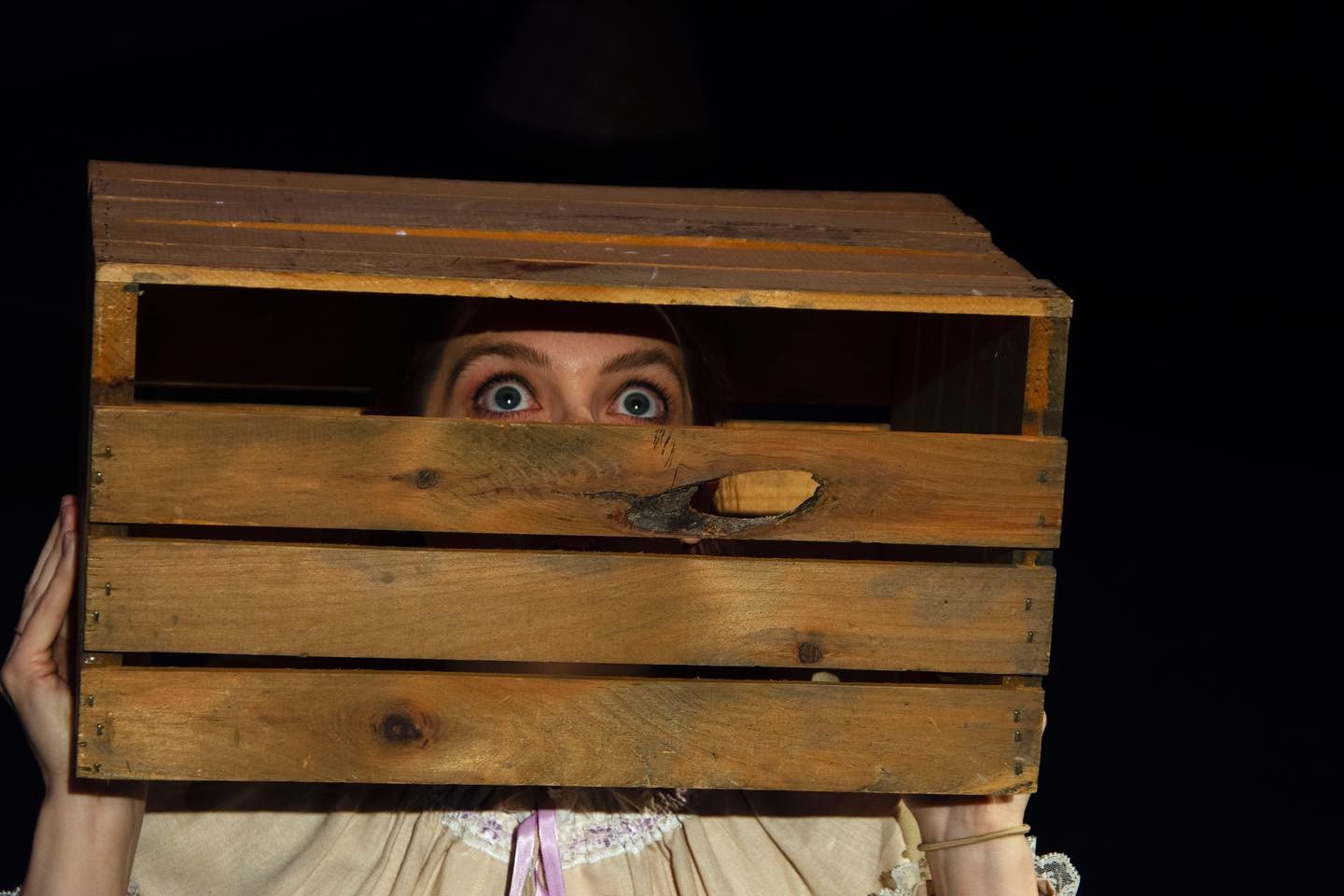
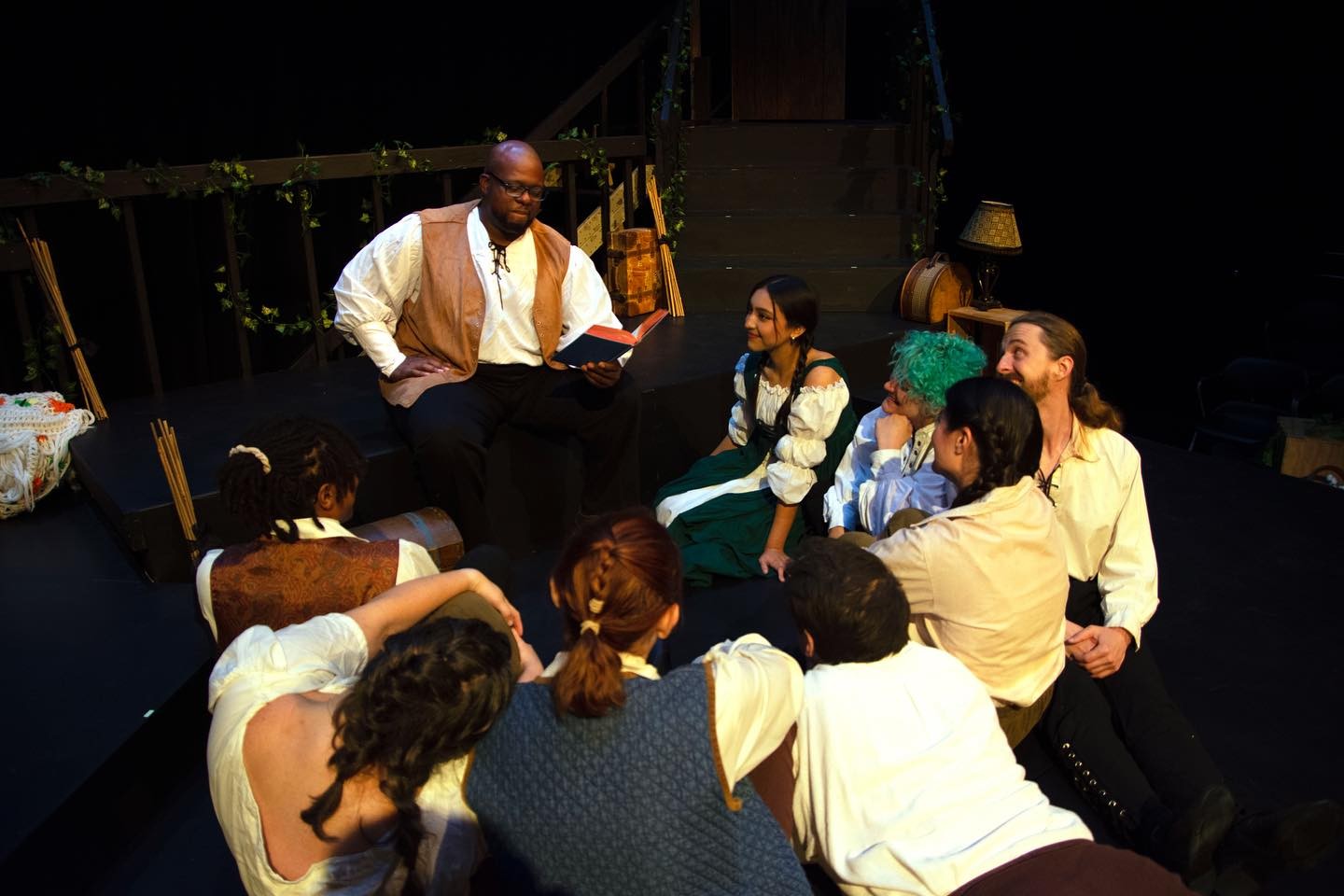
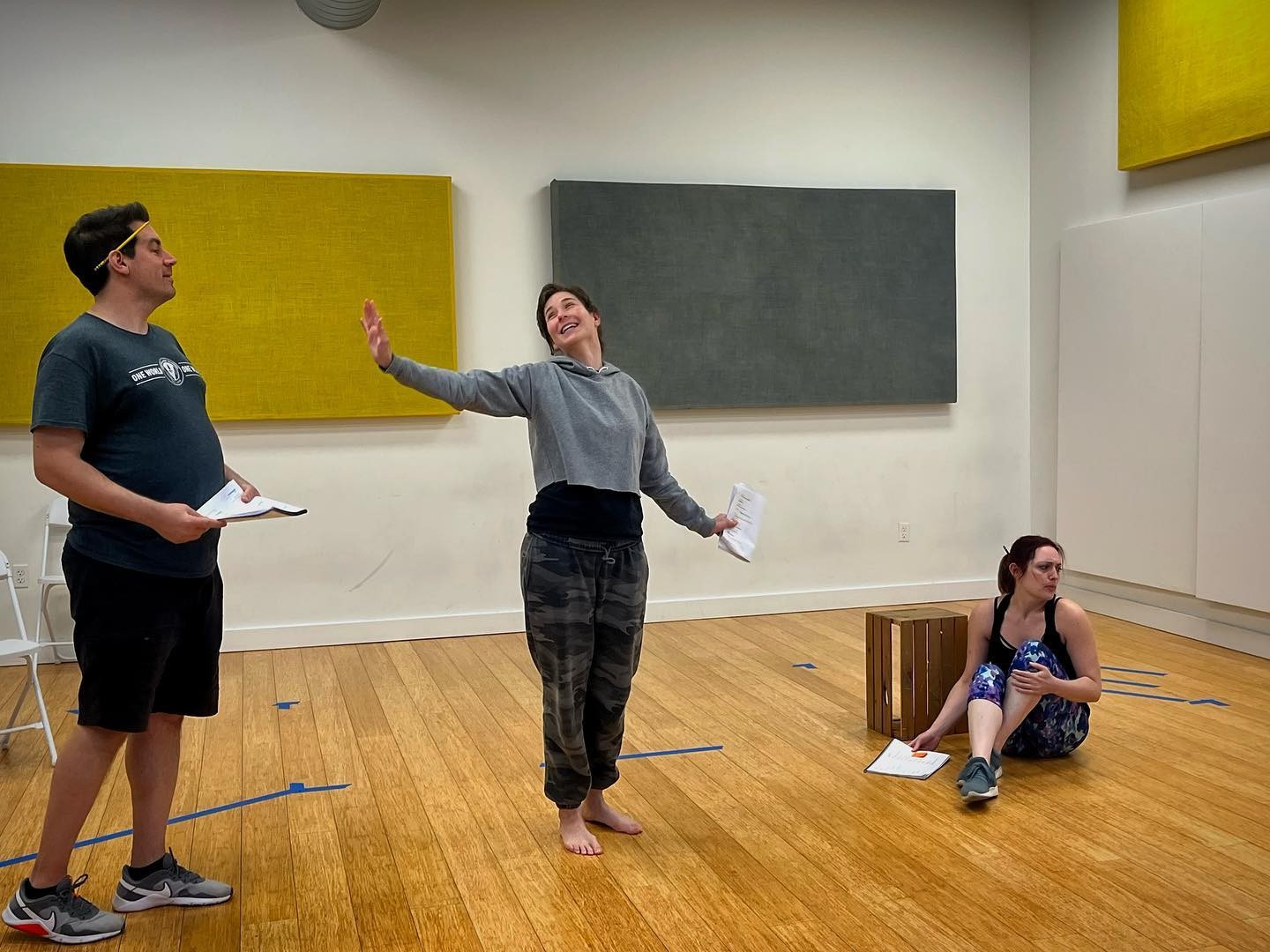
Image Credits
Photos by Pin Lim, Shelem Flores, Katherine Rinaldi