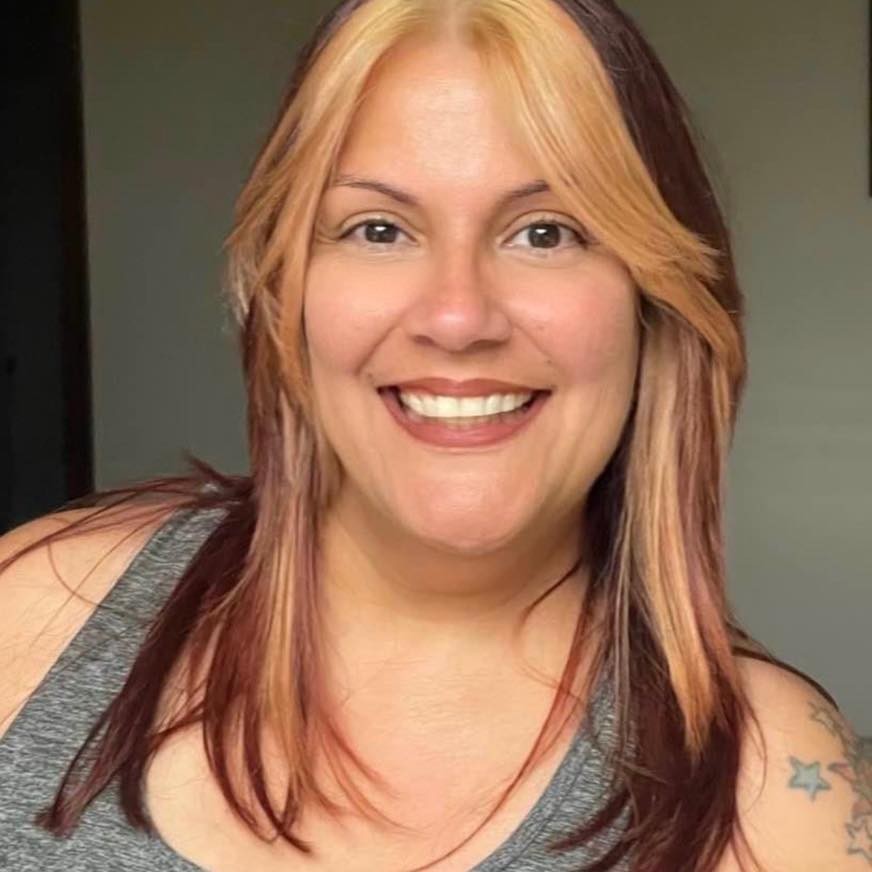
We recently connected with Rochely Terron and have shared our conversation below.
Hi Rochely, appreciate you sitting with us today to share your wisdom with our readers. So, let’s start with resilience – where do you get your resilience from?
Resilience stems from a combination of internal and external factors. These include mindset, social support, adaptability, self-care, problem-solving skills, learned experiences, purpose and meaning, and coping strategies.
Mindset- An optimistic mindset can contribute to resilience. Believing in your ability to overcome challenges and viewing setbacks as opportunities for growth can enhance your resilience.
Social Support- Having a strong support system of friends, family, or a community can provide emotional support and encouragement during difficult times. Connecting with others can help alleviate stress and foster resilience.
Adaptability- Resilient individuals are often adaptable and able to navigate change effectively. Being open to new experiences, learning from failures, and adjusting to different circumstances contribute to resilience.
Self-care- Taking care of your physical and mental well-being is crucial for resilience. This includes getting enough sleep, maintaining a healthy lifestyle, and engaging in activities that bring you joy and relaxation.
Problem-solving skills- Developing effective problem-solving skills helps in approaching challenges with a solution-oriented mindset. Breaking down problems into manageable steps and finding creative solutions can enhance resilience.
Learned experiences- Previous experiences of overcoming adversity can build resilience. Learning from past challenges and understanding that setbacks are a natural part of life can empower individuals to face future difficulties.
Purpose and meaning- Having a sense of purpose and meaning in life can provide motivation and resilience. Connecting with values and goals helps individuals persevere through tough times.
Coping strategies- Developing healthy coping mechanisms, such as mindfulness, meditation, or seeking professional help when needed, can contribute to emotional resilience.
It is important to note that resilience is a dynamic trait that can be cultivated and strengthened over time. Different individuals may draw resilience from various sources, and it often involves a combination of internal factors (like mindset) and external factors (such as social support).
Let’s take a small detour – maybe you can share a bit about yourself before we dive back into some of the other questions we had for you?
As a licensed mental health counselor, my role involves providing support, guidance, and therapeutic interventions to individuals who are experiencing emotional, psychological, or behavioral challenges. I engage in one-on-one, couples, or family counseling sessions with clients. I utilize various therapeutic approaches, such as cognitive-behavioral therapy, psychodynamic therapy, person-centered therapy, or humanistic therapy, among many others, to help clients explore their thoughts, feelings, and behaviors. I help clients develop coping strategies, practice relaxation techniques, and explore childhood experiences and their impact on how they function today. In addition to this, providing psychoeducation is one of the interventions I enjoy the most. I educate clients about mental health, coping skills, and strategies for managing their symptoms. I provide information on relevant topics to empower clients in their mental health journey. As a licensed mental health counselor, I play a crucial role in helping individuals navigate challenges, improve their mental health, and work toward positive life changes.
I have a private practice that is 100% virtual- HOPE Virtual Counseling & Therapy, LLC. I serve individuals in the states of Georgia and Florida. Having a virtual mental health private practice has helped me provide clients with flexibility, convenience, comfort and safety, continuity of care, and inclusivity. The privacy and security of clients is ensured. Telehealth/teletherapy is a rewarding and effective way to deliver therapy services.
There is so much advice out there about all the different skills and qualities folks need to develop in order to succeed in today’s highly competitive environment and often it can feel overwhelming. So, if we had to break it down to just the three that matter most, which three skills or qualities would you focus on?
While the effectiveness of my journey as a mental health counselor was influenced by a combination of qualities, skills, and knowledge, I consider three key aspects especially impactful in my journey:
1. Empathy and Compassion:
Quality: The ability to empathize with clients, understand their emotions, and demonstrate genuine compassion is crucial. Empathy fosters a strong therapeutic alliance and helps create a safe and supportive space for clients to explore their thoughts and feelings.
Skill: Developing active listening skills, showing understanding, and responding empathetically to clients’ experiences contribute to building trust and rapport.
2. Cultural Competence and Diversity Awareness:
Knowledge: A deep understanding of cultural diversity, including cultural norms, values, and societal factors, is essential. Knowledge about different cultural backgrounds helps me as a counselor tailor my approaches to meet the unique needs of clients from diverse populations.
Skill: Cultivating cultural competence involves being open-minded, respectful, and adapting therapeutic interventions to consider the cultural context of clients. Effective communication across diverse backgrounds is a valuable skill.
3. Therapeutic Skills and Flexibility:
Skill: Proficiency in various therapeutic modalities and approaches, such as cognitive-behavioral therapy, psychodynamic therapy, or humanistic therapy, allows me to tailor my interventions to individual client needs. Flexibility in adapting therapeutic techniques based on client preferences and progress is crucial.
Knowledge: Continual learning and staying informed about advancements in the field, evidence-based practices, and emerging therapeutic modalities contribute to my effectiveness as a mental health counselor.
Additionally, I actively look for ongoing professional development and self-reflection for continual growth and effectiveness.
For individuals who are early in their journey as mental health professionals and want to develop or improve key qualities, skills, and areas of knowledge, here is some advice:
1. Embrace Continuous Learning:
Stay curious and committed to ongoing learning. Attend workshops, seminars, and conferences in the field of mental health. Keep up-to-date with the latest research, interventions, and therapeutic modalities.
2. Seek Supervision and Mentorship:
Seek supervision from experienced mental health professionals. Having a mentor or supervisor provides guidance, feedback, and opportunities for reflection on your practice. Learn from their experiences and insights.
3. Practice Self-Reflection:
Develop the habit of reflecting on your interactions with clients, your own reactions, and the dynamics in therapy sessions. Regular self-reflection enhances self-awareness and helps identify areas for improvement.
4. Cultivate Empathy Through Personal Growth:
Engage in personal growth activities that enhance your self-awareness and empathy. Consider personal therapy or counseling to gain insights into your own experiences and emotions, which can deepen your understanding of others.
5. Diversify Your Experiences:
Seek diverse clinical experiences. Work with clients from different cultural backgrounds, age groups, and presenting issues. Exposure to a variety of cases will broaden your perspectives and enhance your cultural competence.
6. Develop Active Listening Skills:
Practice active listening in your personal and professional interactions. Focus on fully understanding what others are communicating, both verbally and non-verbally. This skill is foundational in building rapport with clients.
7. Engage in Cultural Competence Training:
Take courses or workshops on cultural competence and diversity awareness. Educate yourself about different cultural norms, values, and practices. Be open to learning from your clients and adapting your approach accordingly.
8. Participate in Peer Support and Supervision Groups:
Connect with peers in the mental health field. Join peer support groups or supervision groups where you can share experiences, receive feedback, and learn from each other’s perspectives.
9. Practice Flexibility in Therapeutic Approaches:
Experiment with and explore different therapeutic modalities. Adapt your approach based on client needs and preferences. Flexibility in your therapeutic style enhances your ability to meet diverse client needs.
10. Take Care of Your Well-Being:
Prioritize your own mental health and well-being. Establish healthy boundaries, engage in self-care practices, and seek support when needed. A mentally and emotionally well counselor is better equipped to support clients.
Remember that growth in the field of mental health is a continuous process. Be patient with yourself, acknowledge areas for improvement, and celebrate your successes along the way. Embracing a mindset of lifelong learning and self-reflection will contribute to your development as an effective mental health professional.
Before we go, any advice you can share with people who are feeling overwhelmed?
When I feel overwhelmed I use coping strategies, such as deep breathing exercises, grounding techniques, self-care, mindfulness and relaxation techniques, and practicing saying ‘no’ when needed.
Advice/strategies for when individuals feel overwhelmed:
1. Don’t be hard on yourself
Know that it is okay to feel overwhelmed. Talk to someone who makes you feel supported and understood. Express your emotions.
2. Deep Breathing Exercises:
Practice deep breathing exercises. Slow, deep breaths can help activate the relaxation response and reduce feelings of stress.
3. Grounding Techniques:
Practice grounding techniques to stay connected to the present moment. This includes focusing on your senses. Be intentional about focusing on what you see, hear, smell, and/or touch.
4. Break Down Tasks:
Break down tasks into smaller, more manageable steps. This approach can make the situation feel less overwhelming and help you focus on one aspect at a time.
5. Problem-Solving:
Identify the sources of overwhelm and explore potential solutions. Develop a plan to address specific challenges.
6. Self-Care:
Emphasize the importance of self-care. Engage in activities that bring you joy and relaxation, such as engaging in hobbies, exercise, or spending time in nature.
7. Prioritize and Organize:
Prioritize tasks and organize responsibilities. Create a realistic plan to address immediate concerns and then work on longer-term goals.
8. Seek Support:
Reach out to supportive friends, family, or other individuals in your network. Social support can be invaluable during challenging times.
9. Mindfulness and Relaxation Techniques:
Introduce mindfulness or relaxation techniques to your routine, such as guided imagery or progressive muscle relaxation, to help reduce stress and promote a sense of calm.
10. Positive Affirmations:
Use positive affirmations. Remember your strengths and capabilities, and foster a more positive mindset.
11. Learn to Say No:
Learn about the importance of setting boundaries and saying no when needed. Overcommitting can contribute to feelings of overwhelm.
12. Professional Help:
If your overwhelm is persistent or significantly impacting your well-being, Seek professional help.
Contact Info:
- Website: www.hopevirtualcounseling.com
- Facebook: https://www.facebook.com/hopevirtualcounseling