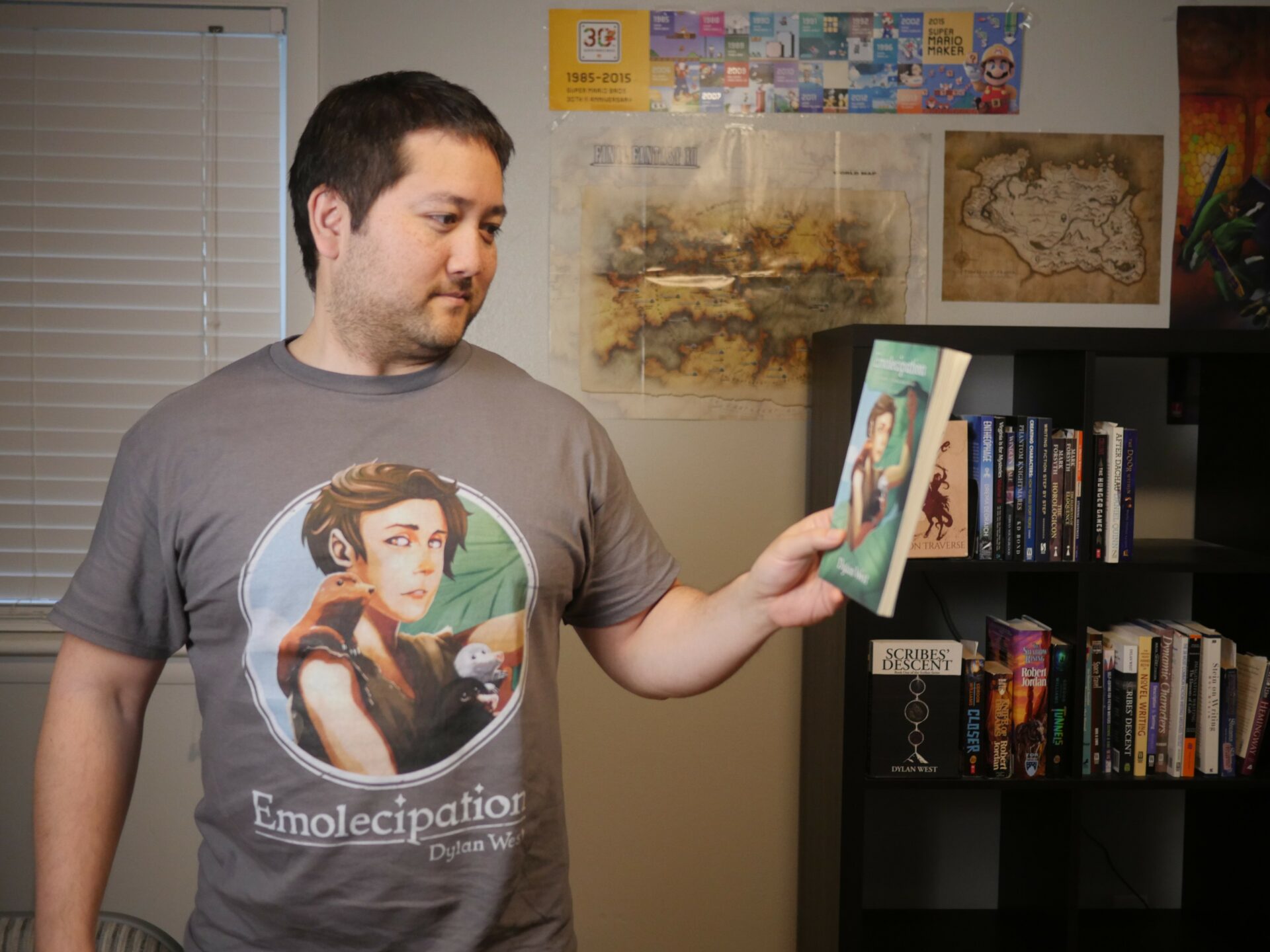
We’re excited to introduce you to the always interesting and insightful Dylan West. We hope you’ll enjoy our conversation with Dylan below.
Hi Dylan, thank you so much for making time for us today. Let’s jump right into a question so many in our community are looking for answers to – how to overcome creativity blocks, writer’s block, etc. We’d love to hear your thoughts or any advice you might have.
Often what feels like writer’s block is really plot decision block, where you can’t decide what to have happen next in the story. If you’re a pantser and didn’t make an outline for your book, you might try outlining – at least until you get unstuck. If you’re an outliner like me, and you’re stuck at a decision that your outline didn’t address, or you’ve realized you need to deviate from it, then you might write out a list of questions surrounding that decision. And a list of options. The list might look like this:
Do I:
a) have the hero get kidnapped?
b) have the hero hide from approaching thugs?
c) have the hero wander off alone and get lost?
etc…
And once you’ve made that list of options, you might write your feelings about each one, along with a list of questions. “If I went this way, what else would that mean for downstream events…” You might also email that list of questions and options to a trusted critique partner and get his or her take on things. I can’t tell you how many times that fresh perspective has helped me see plot opportunities I might have otherwise missed. Now of course, this decision making aspect might not be what’s blocking you. Maybe you don’t even know what your book should be about at a big picture level. For that, you need to ask yourself what message you want to tell the world and what kind of story would best convey that, and start sketching out options and questions. Options and questions help me. Maybe they’ll help you too.
Also, depending on the genre, you might find detailed world building a trove of inspiration for your story. If you were to create a new planet, you might start drawing a world map of it. And decide what species live in which parts of it, and what nations go where and what their cultures are like, etc. This exercise is most helpful for sci-fi and fantasy stories, but I think other genres can benefit from sharpening the story’s context. And when you make some decisions about your world/time period/hero/theme/etc then step back and ask yourself what other decisions can you make based on those first decisions. My mantra is : “if this is true, what else is true because of it?” I can get story ideas from just deciding on a strange aspect of my hero’s hometown, for example.
Great, so let’s take a few minutes and cover your story. What should folks know about you and what you do?
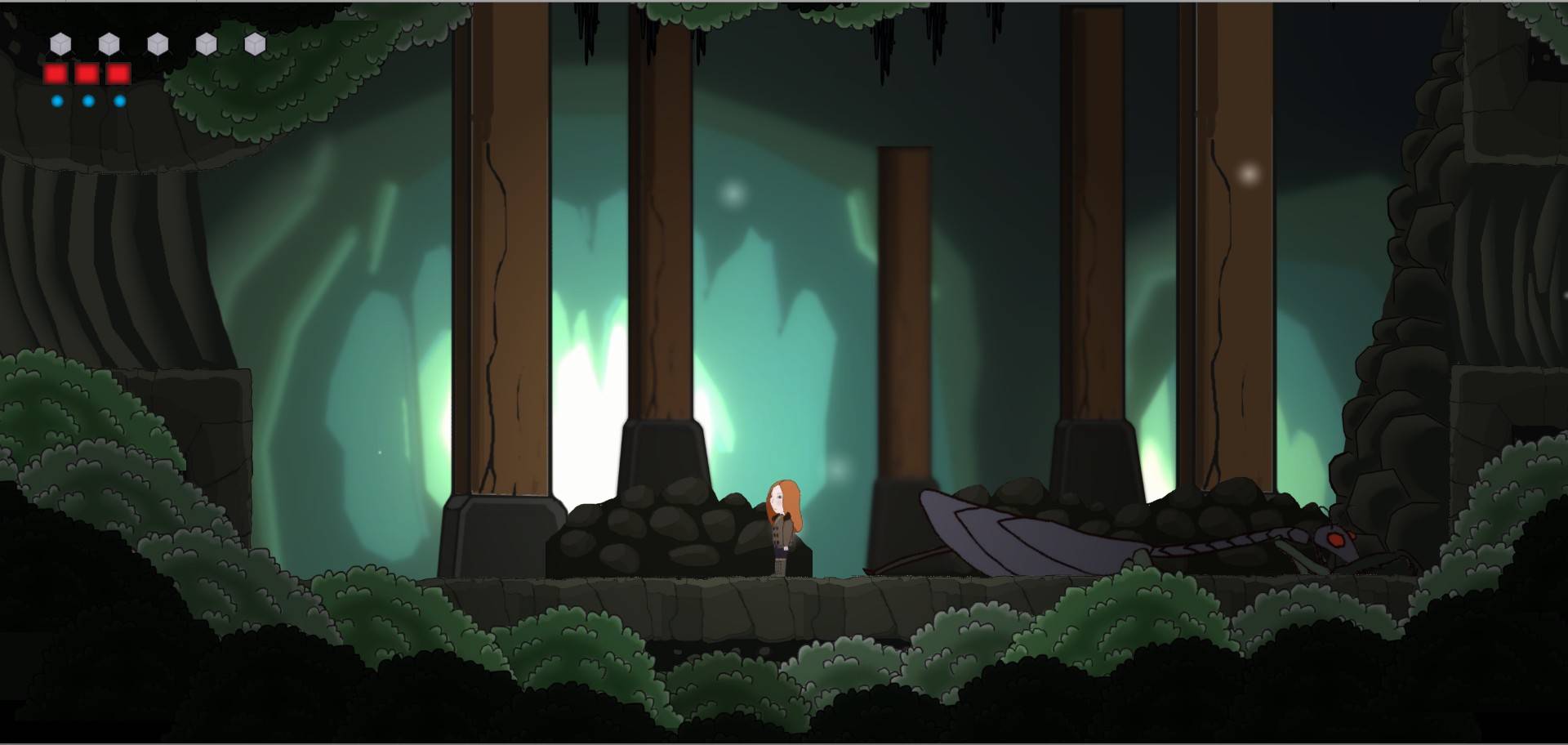
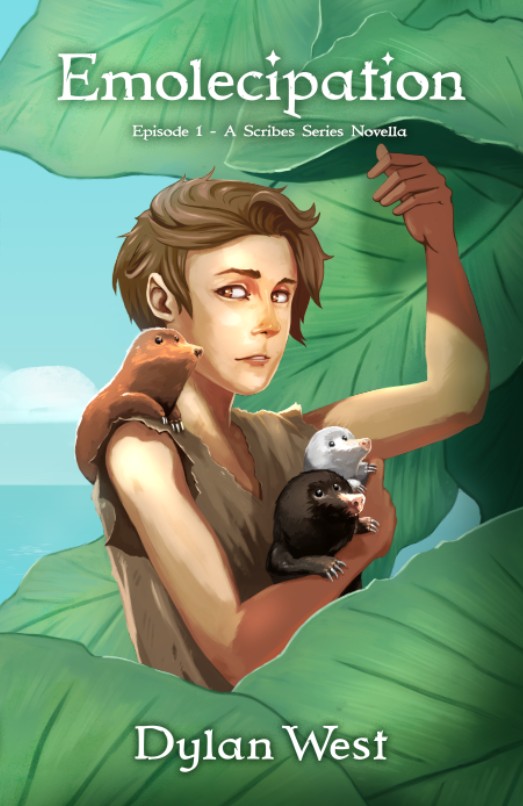
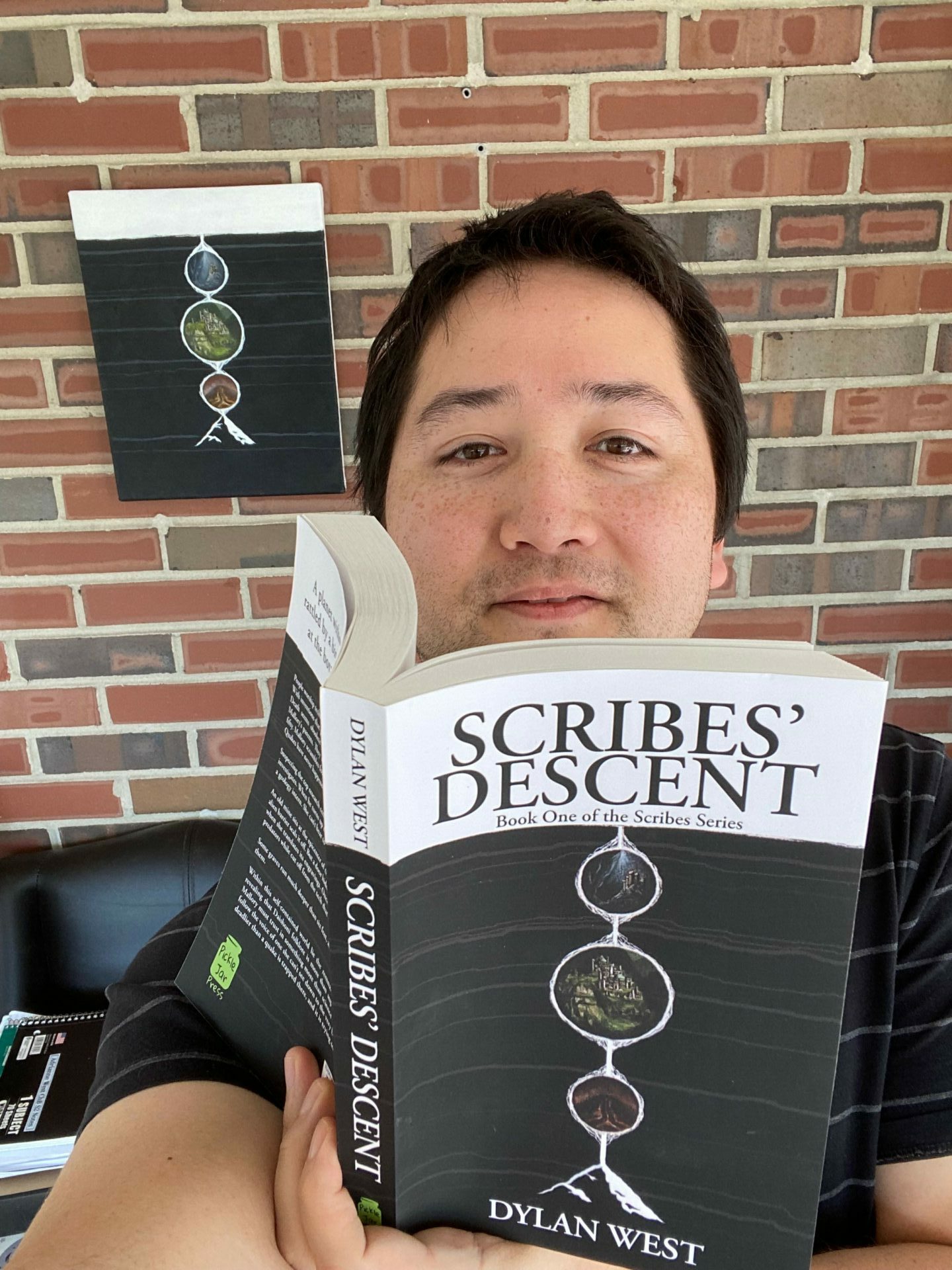
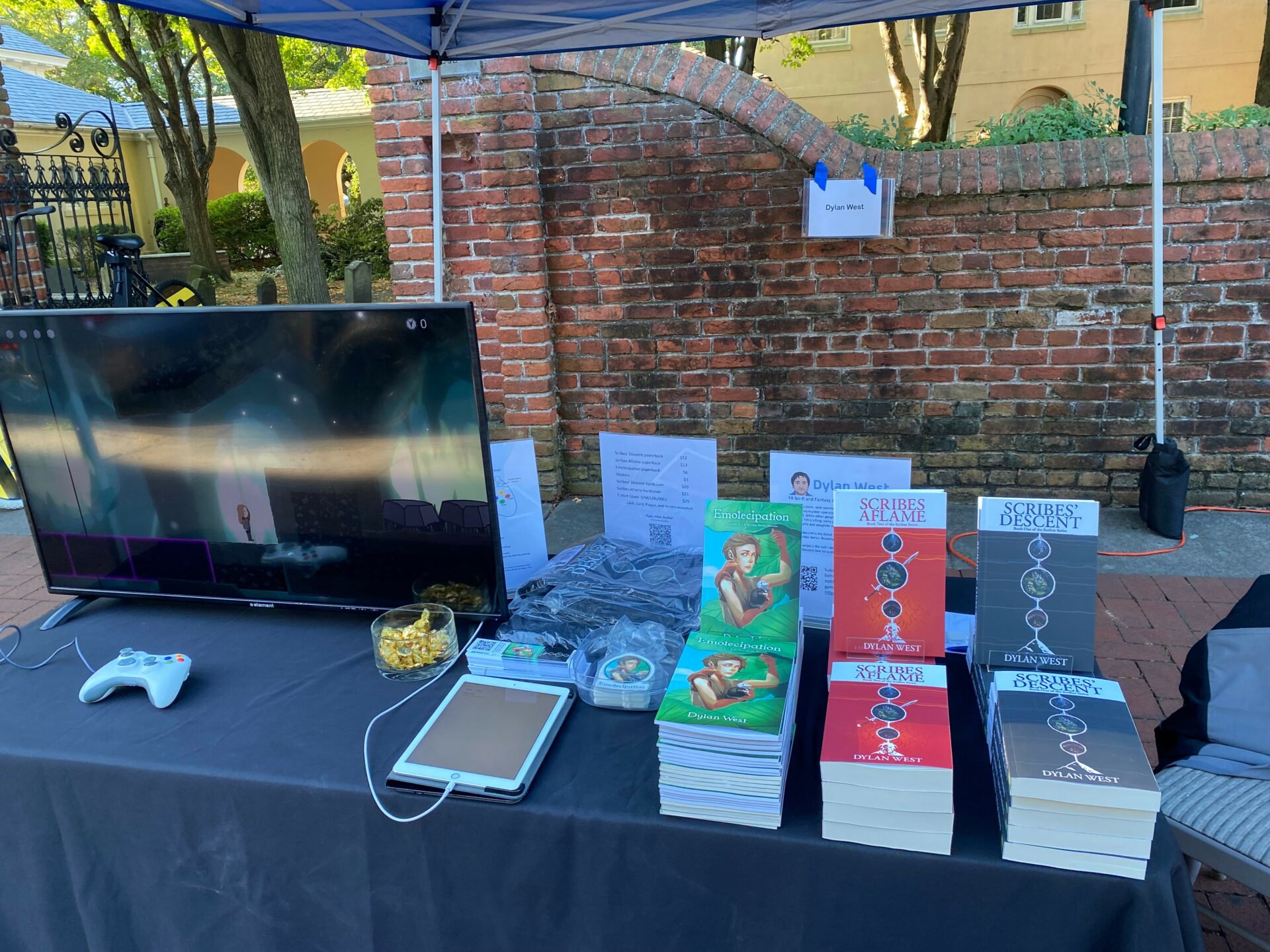
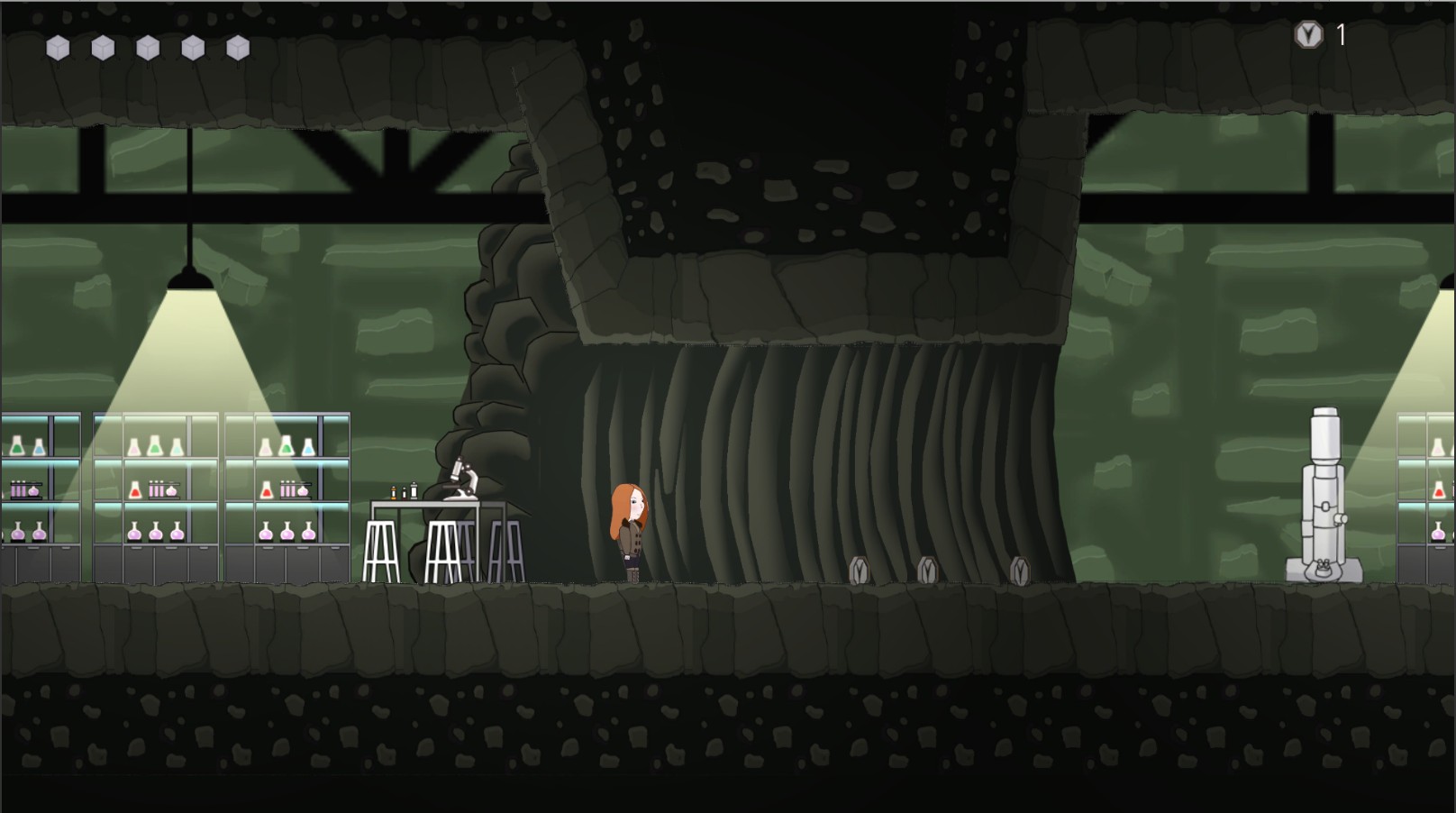
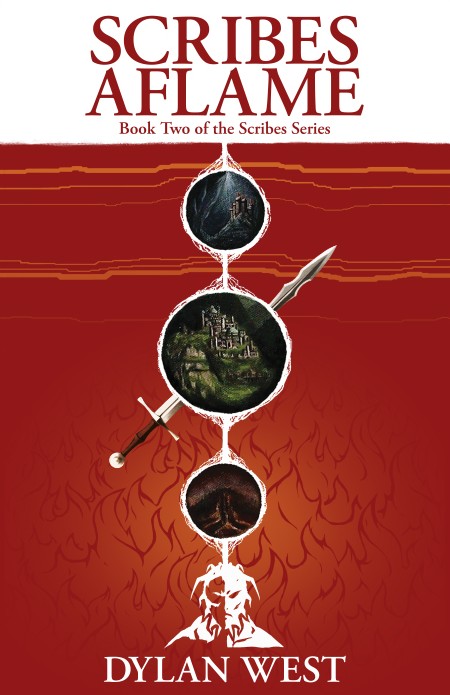
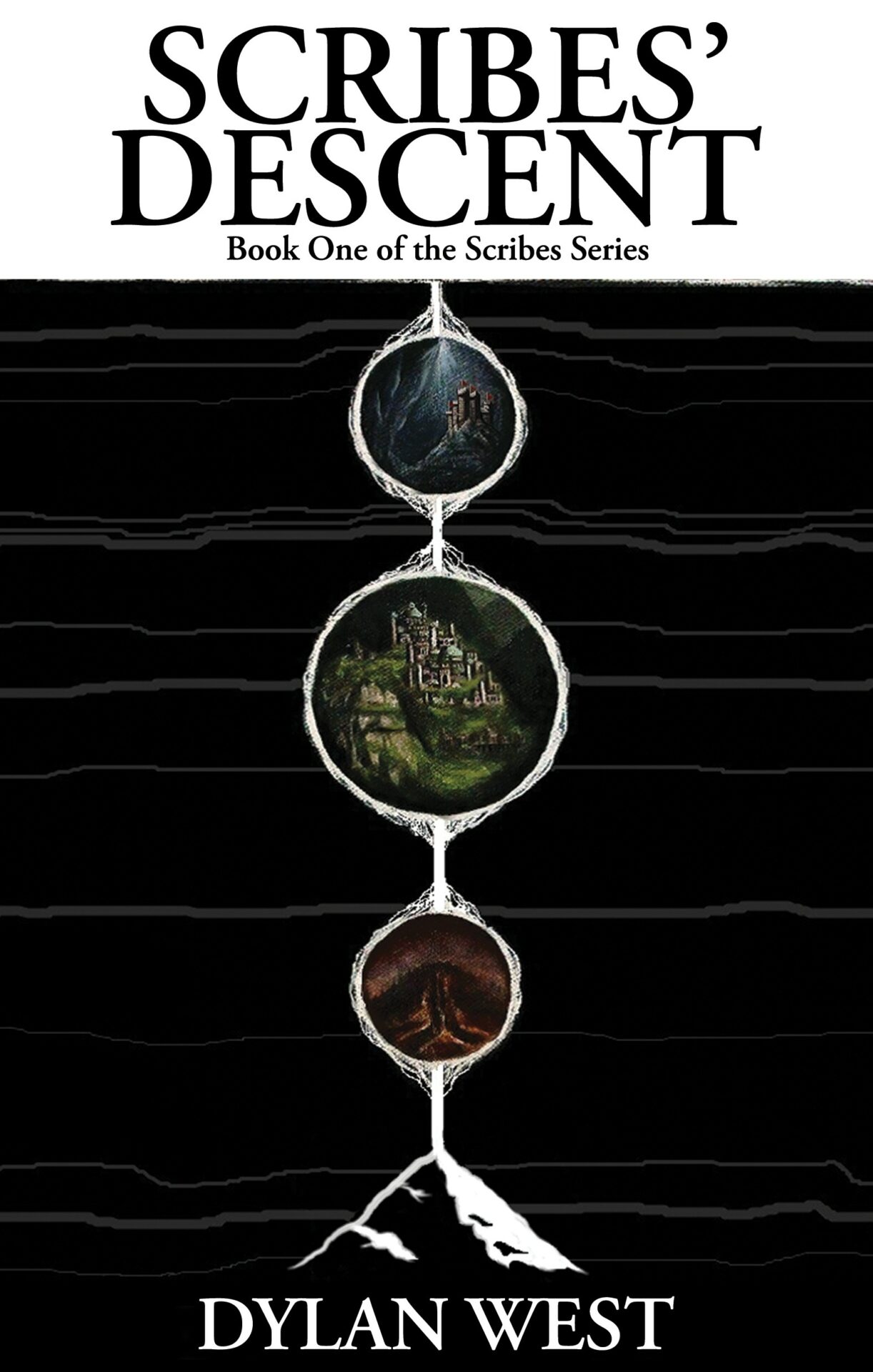
I write Christian-based science fiction and fantasy and am building a related video game, which you can play here: https://dylanwestauthor.com/demo. For fans who leave reviews for my books, I put their name into my game as a collectible item! To get monthly updates on the progress of my game, subscribe on my website: https://dylanwestauthor.com/ And to try the book, Scribes’ Descent, read a free sample here: https://dylanwestauthor.com/scribes-descent.
If you had to pick three qualities that are most important to develop, which three would you say matter most?
1) Getting and giving hundreds of critiques on Scribophile.com
2) Learning to be pickier about my story and word choices
3) Learning how to make the reader feel something by putting them into a situation where strong feelings are natural and giving interior details that crank up the pathos.
My advice: always be connecting with other authors who are consistently writing quality stories, soliciting feedback on those stories, and giving thorough feedback to others. Be consistent with your own writing and critiquing of others. Become the dream critique partner that other writers are praying to find.
Alright so to wrap up, who deserves credit for helping you overcome challenges or build some of the essential skills you’ve needed?
Philip Nelson has read everything I’ve written over the past 12 years and has given feedback at every level of my process, even when I’m starting to jot notes on a new book’s overall concept. I then email him my detailed notes, and he gives solid feasibility comments on them, telling me what he feels doesn’t make sense or if he thinks another approach would make for a better story. Then I email him my initial outline and we talk about it for hours over the phone. He gives high level detail on the first draft (he’s the only person I ever send that rough writing to, because I can trust him to overlook the grammar and style problems and focus on big, story-level issues.) After I get hundreds of chapter-level critiques from other authors on Scribophile.com, I send Philip a beta copy (though I send this out to 40 other readers, too), and get a final round of feedback from him. Philip’s feedback is special because he’s read my entire Scribes Series and knows where each book is headed and what I’m trying to accomplish. He’s my one reader who doesn’t care about spoilers. I think every author needs a Philip Nelson. If you wait until your book is in its beta form to finally get feedback, that’s WAY too late. You need quality feedback from the very start.
Contact Info:
- Website: https://dylanwestauthor.com/scribes-descent
- Instagram: https://www.instagram.com/dylanwestauthor/
- Facebook: https://www.facebook.com/profile.php?id=100078540828516
- Twitter: https://twitter.com/DylanWestAuthor
- Other: Scribophile: https://www.scribophile.com/authors/dylan-west/