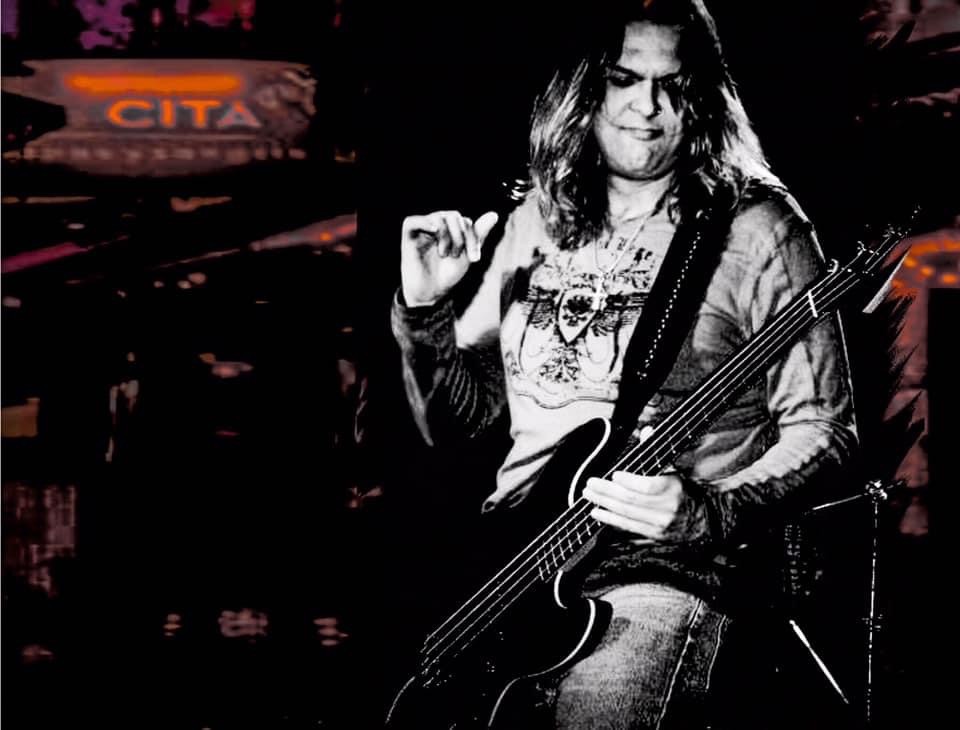
We recently connected with Ronnie Robson and have shared our conversation below.
Ronnie, we’re thrilled to have you sharing your thoughts and lessons with our community. So, for folks who are at a stage in their life or career where they are trying to be more resilient, can you share where you get your resilience from?
Staying resilient has been key in helping me achieve my objectives and goals as a professional musician.
I received my business degree at twenty three years of age and as part of that course, I was instructed in regards to this entire skill set – both the process and outcomes in successfully adapting to various challenges. behavioral flexibility, emotions, and the ability to adjust to both internal and external demands. My father also had that mind set in his later years; that being resilient was a very important part of our state of mind, and health.
Being personally buoyant is the key in dealing with my own projects to this day, whether it be with song creation, recording and/or overall music production. In my business, staying resilient is key, and people notice.
Great, so let’s take a few minutes and cover your story. What should folks know about you and what you do?
Music has always been my happy place.
Growing up, there was always a radio on, or discs on the record player, both in our home and my grandparent’s home as well. My parents would always throw parties and everyone would eat, drink, and dance, with lots of friends and relatives in attendance. Music was non-stop in our household. My sister Darlene and I learned to play the piano and I believe I was six years old when I started taking piano lessons. We had a piano in our house to practice so we developed rather quickly.
Out of high school, I didn’t quite know what I wanted to do, school or career-wise. My friend landed me a job working in a Toronto recording studio and I would assist on set-up and engineering, and it didn’t take me long to be working on my own, mostly nights, weekends, and holidays. I would often sit in on sessions mainly for the reasons of “band mate no-shows,” adding bass, drums, or key tracks to the recordings so that their sessions wouldn’t be wasted. I would also work with individual artists who wanted to add various instruments to their recordings. The word got around that I was a pretty good session player, and I then started to be asked to go into rehearsals with artists for song development, production.
Almost forty years later I am proud to say that I have recorded with some of the best rock musicians in the world, and still love to produce in my studio.
I am now branching out to post audio for television, film, social media projects, and loving this current direction.
If you had to pick three qualities that are most important to develop, which three would you say matter most?
Having the ability to clearly communicate with musicians, audio engineers, and producers is a very important part of a musicians skill set. Being on the same page with everyone involved in a project – conveying clear and concise messages not only assists with time management, but overall creativity.
This really helps in this day and age since most of the recordings done today are created remotely, with artists being anywhere in the world. I haven’t been in a room of musicians, writing, recording and producing, as a band for years – something I miss actually.
Being able to match various artists style, skill set and technique is very important as a session musician – writing bass or piano lines that will help showcase the songs design. One day I’m hammering out metal songs, next day it slap funk tunes, and that same afternoon I’m writing and recording melodic Motown style riffs. Having the ability to write and record various styles of music will be very important to ones success.
Practice makes perfect – a message from my first piano teacher. I learned very quickly to work on my weaknesses – to this day I will sit and work out the song segment (s), that gives me the most difficulty within a song I’ve written to record , and perform them repeatedly until they are smooth – that always makes me shake my head and smile.
Awesome, really appreciate you opening up with us today and before we close maybe you can share a book recommendation with us. Has there been a book that’s been impactful in your growth and development?
One book that has recently changed my development path: “This Is Your Brain On Music”.
It’s a New York Times best seller and very interesting to say the least. “In this groundbreaking union of art and science, rocker turned neuroscientist Daniel J. Levitin explores the connection between music— its performance, its composition, how we listen to it, why we enjoy it, and the human brain”.
I suggest every musicians or music lover to get a copy.
Contact Info:
- Website: www.ronnierobson.com
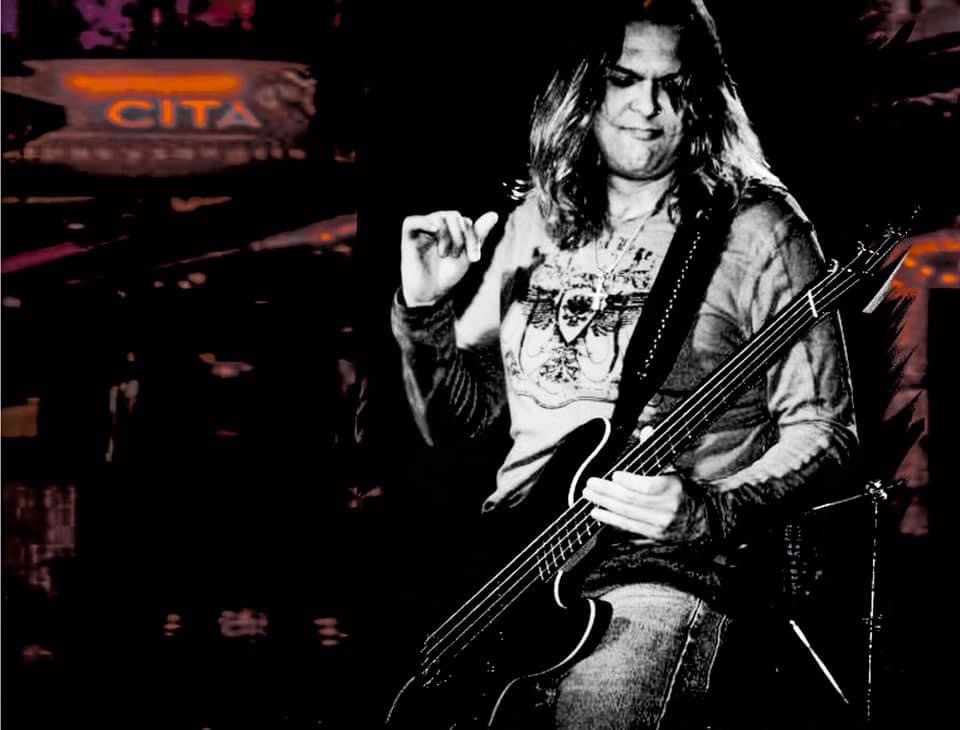
Image Credits
Mirella Spadone Ricci, Ricky Singh, Fred Mika