We recently connected with Lisa Anderson Shaffer and have shared our conversation below.
Hi Lisa , thank you so much for making time for us today. Let’s jump right into a question so many in our community are looking for answers to – how to overcome creativity blocks, writer’s block, etc. We’d love to hear your thoughts or any advice you might have.
As creatives, we often like to overlook that simple fact that a creative process is just that, a process. And all processes take time. Nature acts as a beautiful reminder of what a creative process entails. A time of evident growth as we watch flowers burst from buds to blooms and a quieter more private stage of growth that occurs beneath the ground before we ever see evidence of what is growing. All creative processes go through stages of output and times of input and receivership. These quieter times of input and receivership are not blocks, but rather pauses, where our task becomes to have patience and learn to navigate the parts of the process that do not move at the speed which we would like.
Sometimes these pauses take years and an idea sits marinating while other ideas come to fruition more quickly. We often see this with musicians who might write the bones of a song for a particular album only to have the song sit to the side until the pieces come together for an album years later. While we do not get to decide the speed of trajectory or time needed for an idea to fully bloom, we do get to make choices about how we navigate our creative process and what we do when things hit pause.
The good news is that creativity is energy. And energy can be moved.
Our task as creatives is to reflect the world around us and in order to do so, we must cultivate the ability to see, take in, integrate and then express what we see, hear and think. And in its essence, this inspiration we draw from our surroundings arrives in the form of energy. We take in this energy, integrate it, make sense of it and then express it to reflect back to the world a version of itself through our eyes.
As a guide for Creative Professionals, when working with mentorship clients, I often compare creativity to athletics. We are quick to recognize the necessity of constant training and daily calisthenics necessary to keep an athlete in top shape, but when it comes to creativity, the process is often seen as magical and unpredictable. We usually only look to impact the creative process when we get stuck, or experience a pause. If athletes operated that way there would be a tremendous number of injuries keeping them on the sidelines! Athletes know that the best way to keep them in top performance shape is to continue to train when everything is going great.
I argue that creatives need training as well, especially when the process is going smoothly and in flow. Consistent practice or training during the times when the creative process is in flow ensures that we can move with more intention and agility when the process hits pause. The most effective training we can do as creatives is to practice moving our energy daily.
Beyond any practice like journaling, creative exercises like prompts, list making, brainstorming and critiques, all the tips and tricks we employ to get our creativity moving, at the essence of all these exercises is the simple act of moving energy to release stagnation and reach a place of neutrality and clarity in order to express what we take in. When we experience a pause, the actions we take to get things moving again all begin and end with moving energy. So I say, let’s just start there.
Nothing has had a more profound impact on my creative process than understanding energy. How to take it in, move it out and keep it moving within my body. Working with energy through meditation is a simple skill to learn yet the benefits are profound. Akin to stretching, weight lifting and agility in athletic training, moving energy is the foundation of shaping the creative process.
As a writer, when I inevitably hit the part of my creative process when I am in pause, input and receivership, I’ve learned to not only rely on my daily energy practice to help get things moving again, but to also lean into the idea of acknowledging a pause in my process. Psychoanalyst Marion Milner was one of the firsts to highlight the concept of creative flow. She described flow as an “oceanic feeling” where one is not aware of where they begin and the creative act ends. She compared it to being in the womb, a place of deep protection and freedom. Not having awareness of where the baby begins and the mother ends. A sense of oneness and fluid communication. Milner was also an artist and wrote a brilliant book titled, On Not Being able to Paint chronicling the adventure into her own creative process. Milner illustrates the importance of giving voice to the moments where one is unable to paint, akin to how it is important for psychoanalysts to give voice to the moments in the therapy where things are stuck or confusing. Taking Milner’s advice, when I am in a stage of pause in my creative process, I write about it. Essentially I write about not being able to write. Inevitably this acknowledgement leads to movement in my process. Energetically speaking it does so by not being in resistance to the pause but allowing it to exist as a natural part of the creative process.
Thanks for sharing that. So, before we get any further into our conversation, can you tell our readers a bit about yourself and what you’re working on?
I love my job! Being a Mentor to Creative Professionals is a role that has been decades in the making for me. I began my career as a fine artist working in San Francisco in the late 90’s as a California Arts Council Artist-in-Residence. I never planned on transitioning to a career in psychology, but after working with people at the beginning of the end of life at UCSF through my artist’s residency I became intensely interested in the psychology around death and dying. I completed a Master’s in Clinical Psychology and went on to become a licensed psychotherapist in the early 2000’s. My time as a psychotherapist was spent as a Director of Counseling Services for a small fashion college in San Francisco and in private practice. In private practice I worked mostly with adolescents in acute crisis, which was incredibly rewarding and also very intense. When my husband and I were blessed with the news of pregnancy, I stepped back from my career to care for our daughter and returned to my fine arts roots. For 12 years I was the owner and lead designer for Zelma Rose, a handmade jewelry line I built from the ground up that enabled me to be both an artist and mother in the way I wanted. In early 2020 when my business hit a slow patch due to the pandemic, I became interested in Human Design and energy work and began to explore the impact they could have on creativity and the creative process. I began working with clients again, not as a psychotherapist but as a mentor using the tools of energy work and Human Design to help creatives cultivate their creative genius and reach new heights in their creative process.
I formally closed Zelma Rose in 2022 to pursue what I was hoping would result in a career that would hold all the parts of me. I am so happy to be in this role full time now. Mentorship feels like such a natural progression, even though I could never have planned for this! In working with Creative Professionals I am able to draw from each of my roles and experiences throughout my career to help guide my clients. Part of the fun of my job is to see who finds me! There are many people out there who think like creatives but work outside of what would be traditionally categorized as creative. I have the pleasure of working with artists, writers, graphic designers, hair stylists, advertising executives, leaders in tech and also lawyers, doctors, psychotherapists, and individuals who approach their profession with creativity and imagination. When I look back at my various roles and career paths, working with creatives has been the common thread. Whether as a fine artist, psychotherapist or creative business owner, connecting with people who view the world through the lens of creativity has been my life’s work. I am so happy to be where I am now. I’m excited to open up more of the energy work I do with clients as a monthly subscription membership coming this year. I love to teach and being able to share energy work meditations and courses with creatives all over the world is super exciting! Membership will open up to newsletter readers first.
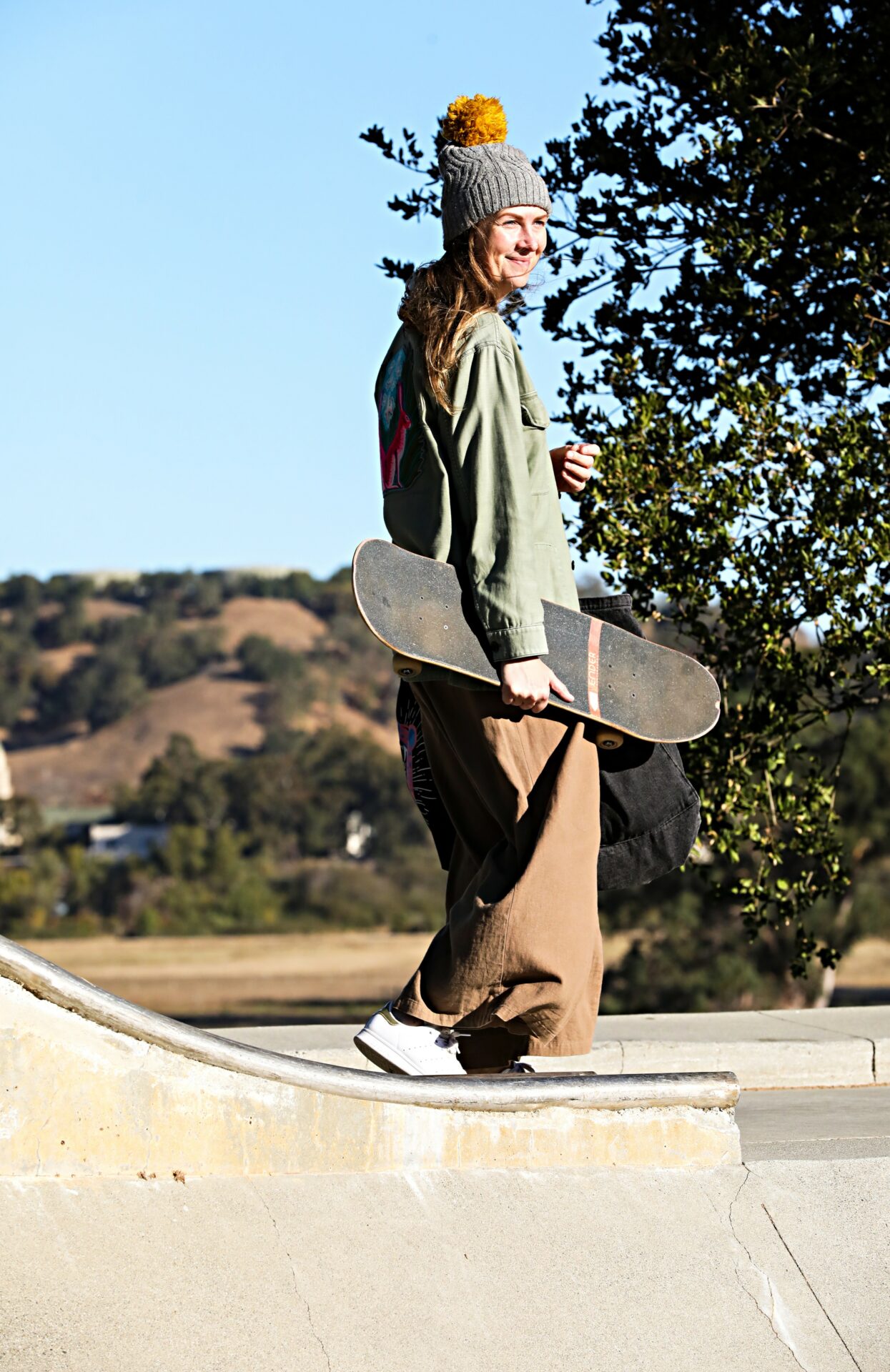
When I’m not working with clients I am skateboarding. My whole family skates, although my husband and I are later learners. I didn’t start to skate until I was 45. I skate as much as possible, usually about 4-5 times a week if the weather holds and as a family we skate all over California, taking long weekends to meet up with skate friends we’ve made up and down the state. Skateboarding has been my greatest teacher and one of the greatests delights of my life. It is nothing I expected and isn’t that wonderful?
There is so much advice out there about all the different skills and qualities folks need to develop in order to succeed in today’s highly competitive environment and often it can feel overwhelming. So, if we had to break it down to just the three that matter most, which three skills or qualities would you focus on?
I never would have guessed where each step of my professional journey would lead. Even when my path was more linear as a psychotherapist there were still so many surprises along the way. My guidance to others is that you never know what an experience is going to bring. And often we do not realize what an experience has provided until years later.
When I was completing my psychotherapy licensure hours I worked at a locked adolescent psychiatric hospital in San Francisco. It was wonderful and also very, very challenging. From a skill set perspective and also emotionally. That kind of work definitely takes a toll. I have a special place in my heart for teens and working with kids in acute crisis became a big part of my professional life. What I never guessed is that the skills I learned while working with kids in crisis would continue to inform and enhance everything I did after. Being able to connect with others at their most heightened state is a skill that carries over to everything. I naturally put people at ease and I’m easy to talk to and I’ve become a increible listener. Being able to do all these things in a heightened situation really provided me with the gift of being able to trust these abilities within myself. I know how to engage with people in a meaningful way, no doubt about it.
Art school is incredibly difficult. If you know, you know. Earning my BFA was three times more challenging than my Graduate degree and even my licensure. Art school is a quick study in finding your sea legs in a sea of sharks. It’s a free for all at times and you either step up or step out. It took me practically my entire degree to really understand what I could take away from the experience. I spent most of the time overwhelmed. Finally I learned that my work is my work and I not only own my work, but also own the experience of receiving valuable feedback and critique. Art school critiques are notoriously brutal, often going beyond the work itself to bizarre personal attacks and uncontained weirdness. Learning to ask the questions I wanted answered about my work and also protecting the parts of my work that were still deep in process and not ready for an open dialogue was really significant. I’ve taken those lessons into all of my professional experiences. Feedback is an essential part of being an impactful mentor. I need to be able to provide meaningful feedback and it has to be heard. No one hires me to hear yes all the time. It’s a part of my job to point out when things do not make sense and can be improved. Learning to provide feedback that is of value and actionable is as important as being able to receive and integrate feedback and constructive criticism. You need to learn one to do the other.
When I opened my private practice, my mentor said to me, “Know who you want to work with, but also pay attention to who finds you.” This has been such a valuable lesson and something I pass on to my Mentorship clients. It is essential to have a vision and direction, but also it is important to notice who is finding you. It doesn’t have to change your trajectory or impact the decisions you make about your business but it is a window into how other people see you and what they want to know from you.
How would you describe your ideal client?
Working with creative professionals who are deeply in process is my sweet spot. Whether it is a writer working on a book, an artist preparing for an exhibition, a musician on tour or in the studio, an actor in rehearsal or on set, or an ad exec working on a campaign, guiding people through their creative process to increase flow and reduce stagnation is one of my greatest joys. Also though, I am fascinated by leadership. Both as a former psychotherapist and as a creative thinker. Group dynamics became a focus of mine during my time as a psychotherapist. Groups have such an impact on our individual behavior. I like to joke with my clients in leadership positions that groups are what psychologists study when they get bored. Brilliant leadership of groups requires so many things, probably the most notable is a willingness to do your own work. The most successful leaders I have encountered are those who take care of themselves, learn about themselves and understand the impact their actions have upon others. The health of an entire system begins with the health of the leader. While I do work with a handful of executive leaders in the creative professions I would love to work with a few brave leaders who do not necessarily work within a creative profession, but value the importance of thinking outside the box. Way outside. I am interested to see how thinking creatively, using energy work and Human Design can improve the entire system from the top down. PS I know they can!
Contact Info:
- Website: https://www.lisaandersonshaffer.com/
- Instagram: https://www.instagram.com/lisa.anderson.shaffer
- Linkedin: https://www.linkedin.com/in/lisa-anderson-shaffer-lmft-60513012/
- Other: TikTok: https://www.tiktok.com/@lisaandersonshaffer
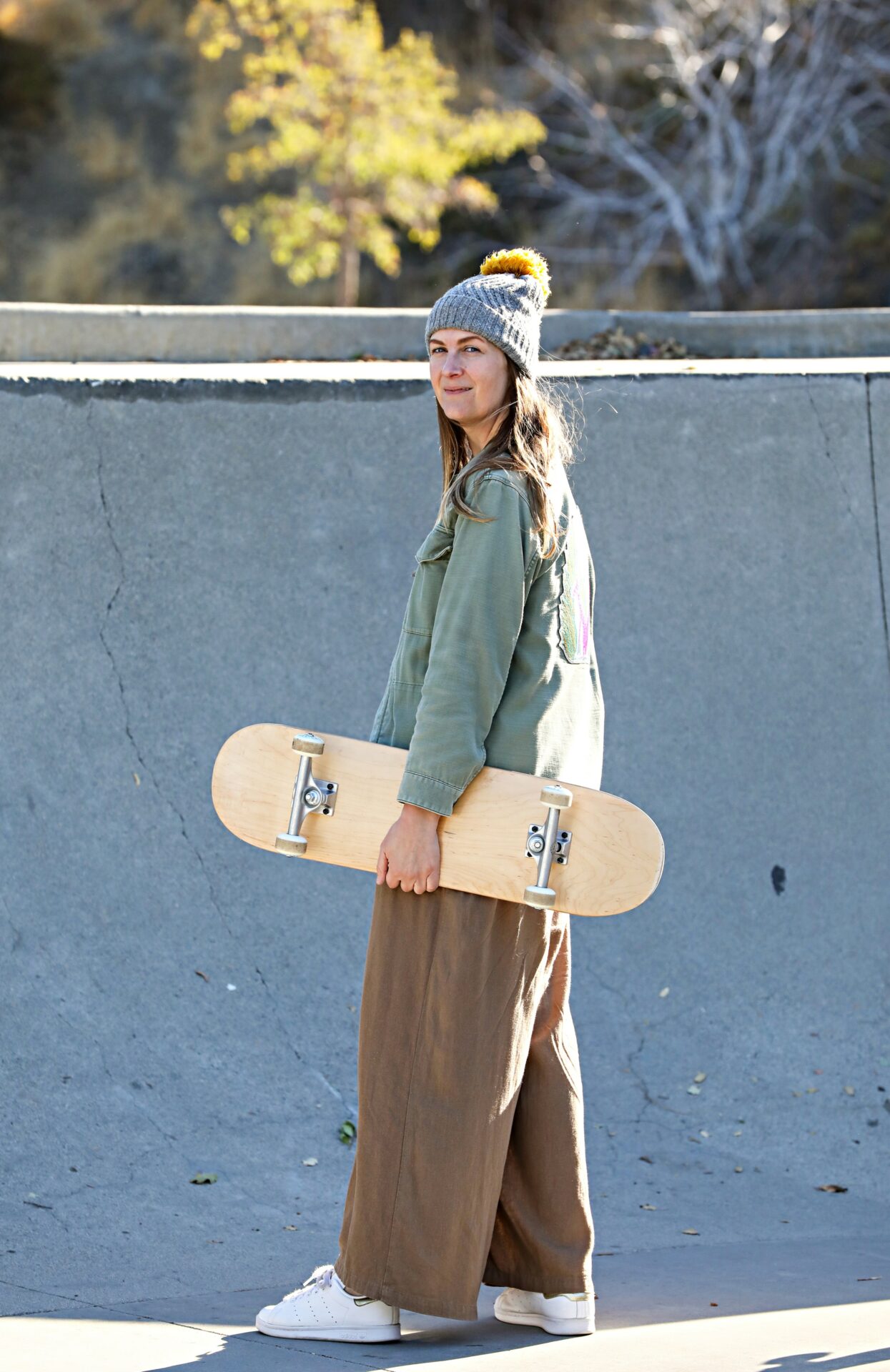
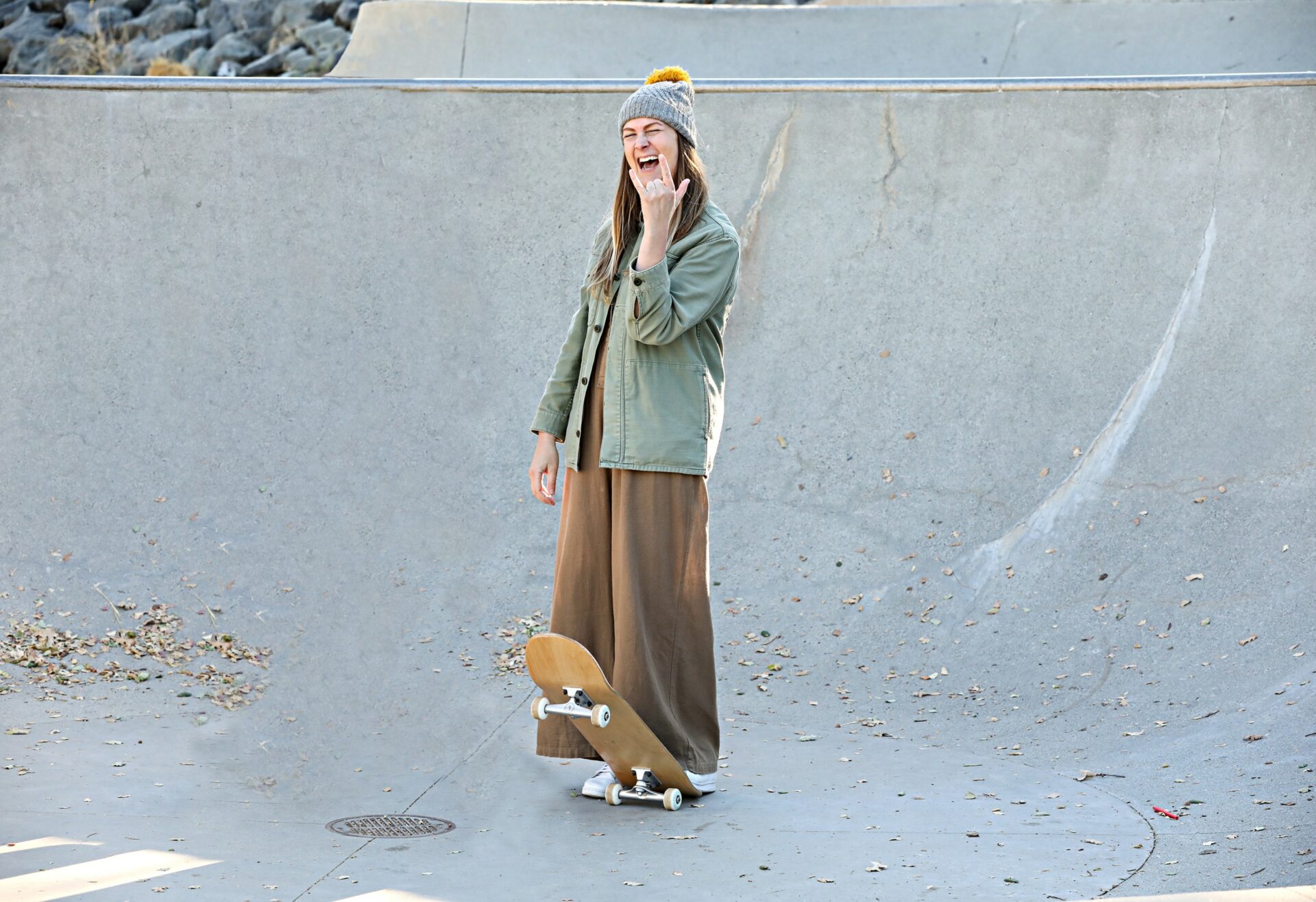
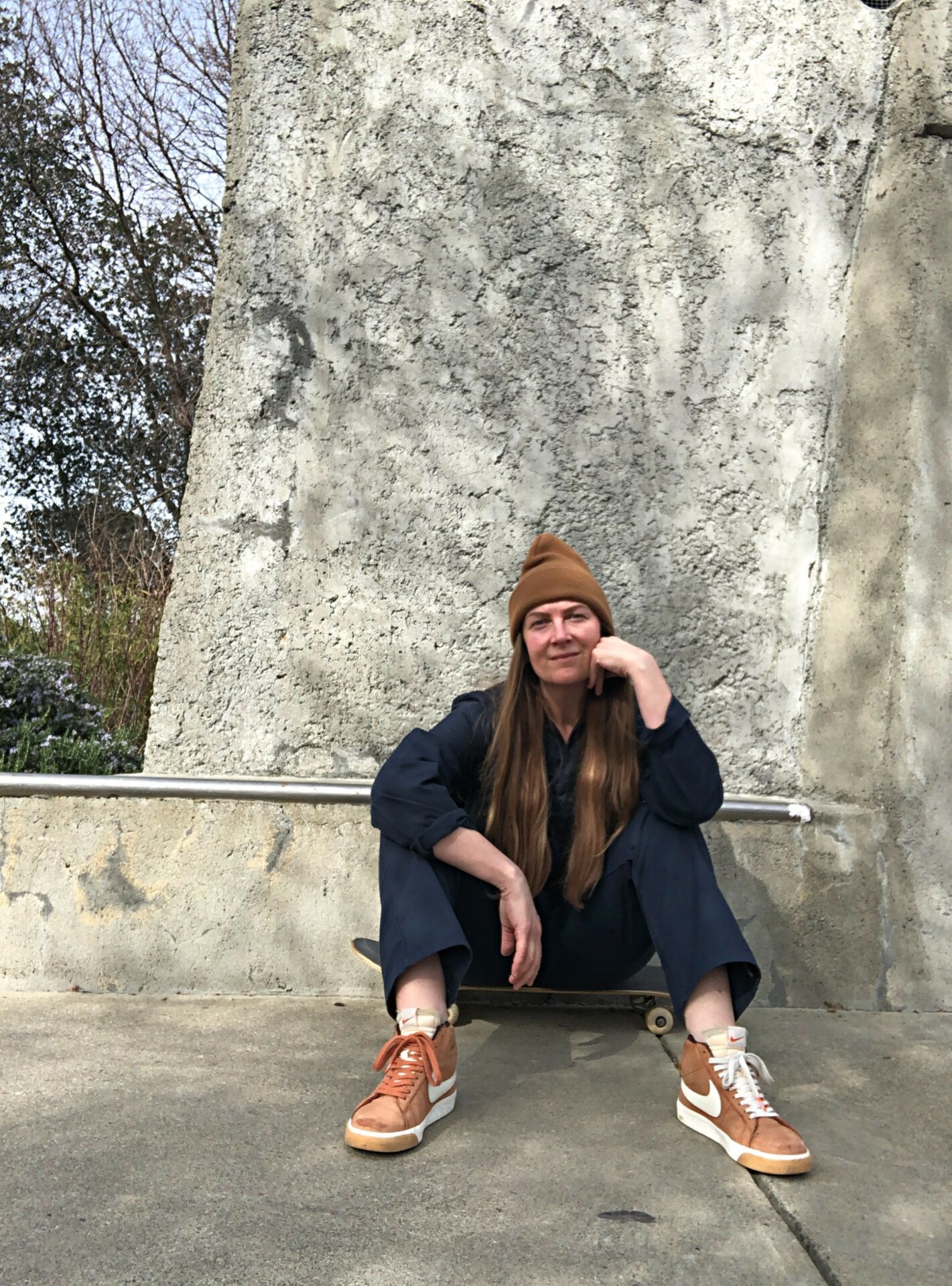
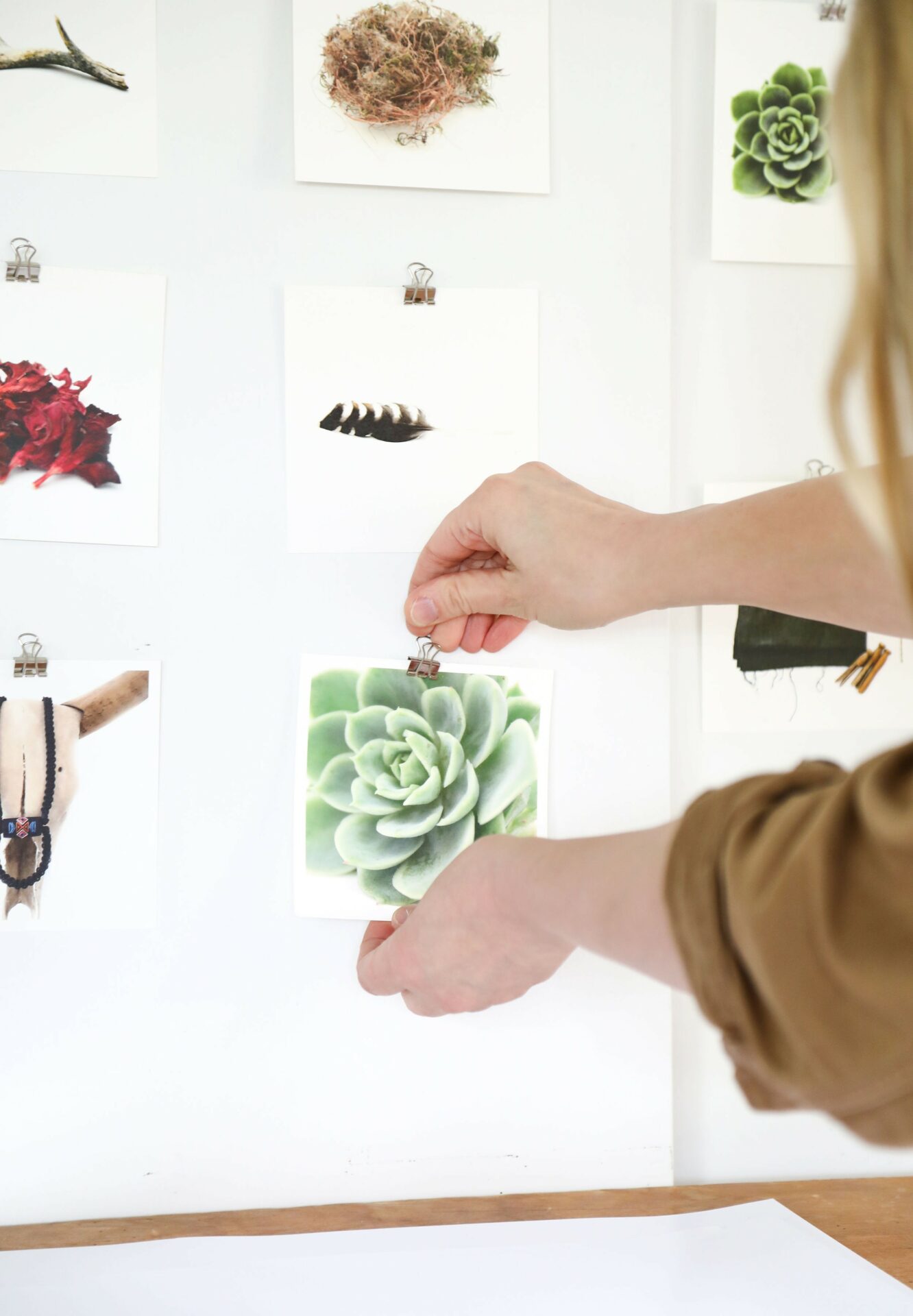

Image Credits
Melissa McArdle