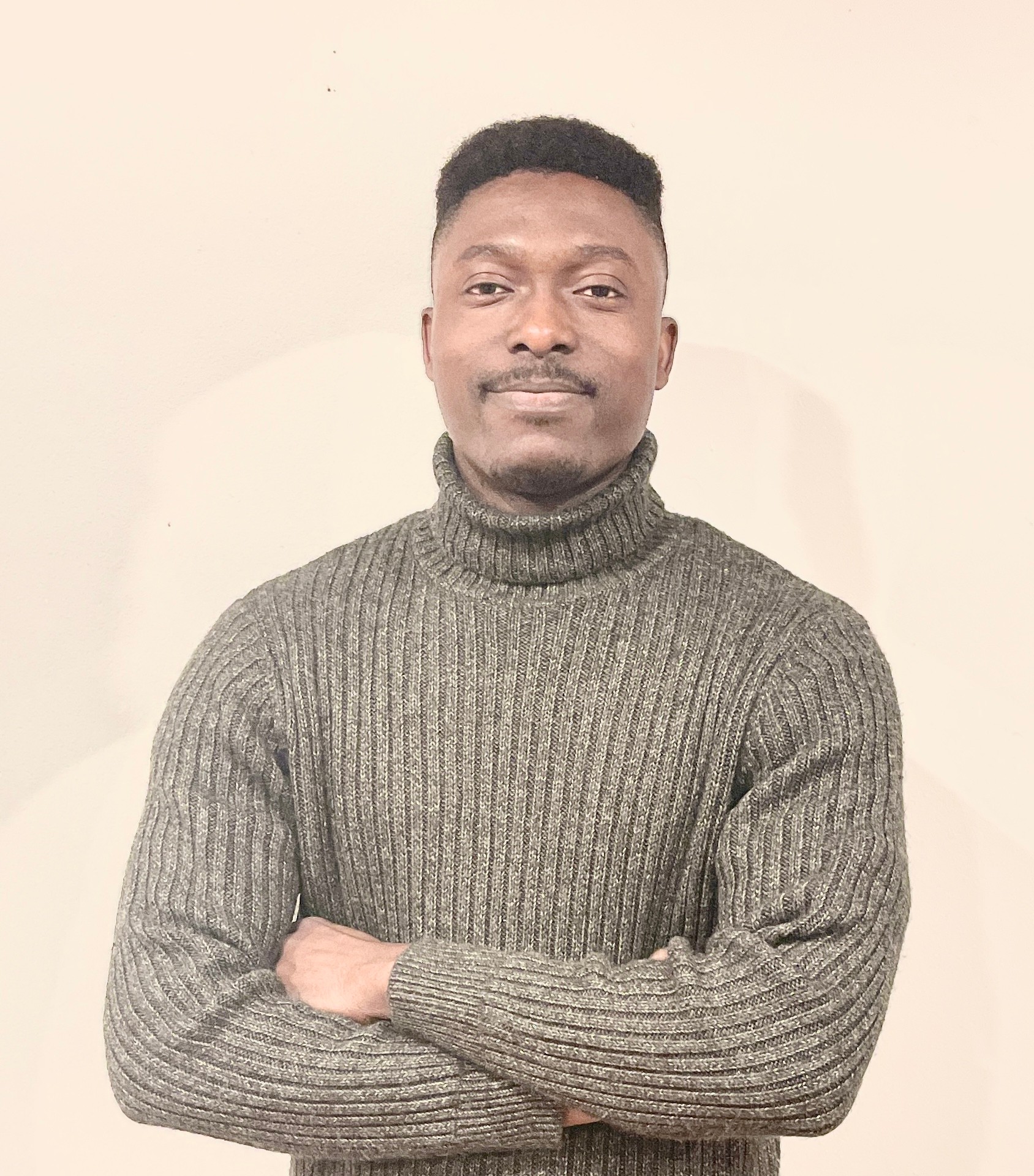
Alright – so today we’ve got the honor of introducing you to Emmanuel Manu Opoku. We think you’ll enjoy our conversation, we’ve shared it below.
Hi Emmanuel , really happy you were able to join us today and we’re looking forward to sharing your story and insights with our readers. Let’s start with the heart of it all – purpose. How did you find your purpose?
I started exploring landscape painting with the understanding that a landscape is a significant relationship between objects and human, I developed interest in collecting discarded materials from thrift stores with the belief that the objects could have a new life with the possibilities of exhibition. Installation art became my medium and the observation of the viewers as they engaged with my art inspired my subsequent projects.
In 2015 as an undergraduate senior year student at KNUST, my professors selected my work to be featured in a group exhibition “Silence between the Lines” in Kumasi which included a renowned artist such as Ibrahim Mahama. Another significant motivation happened when Professor Karikacha Seidou began to use my artworks to discuss the cultures of contemporary art in his class. Realizing such a wonderful art critic to include my work in his contemporary art PowerPoint slides to teach was very inspiring.
Thanks for sharing that. So, before we get any further into our conversation, can you tell our readers a bit about yourself and what you’re working on?
I am sculptor and a painter. My paintings are categorized as symbolic portraits where objects serve as the symbols with which the stories of the models are shared. Inspired by my assemblage sculptures, I find new meanings in the objects that incorporated in the faces of the figures in the painting.
My solo exhibition is currently on view at ArtsWorcester in Worcester, MA and it is up until February 25
Looking back, what do you think were the three qualities, skills, or areas of knowledge that were most impactful in your journey? What advice do you have for folks who are early in their journey in terms of how they can best develop or improve on these?
Being a successful artist is about having confidence in what you do. A fine artist is like a musician or an actor/actress. There is a time to become a superstar and that could be achieved by perseverance and being attentive. I feel that it’s uneasy to not explore the epiphanic features of arts. The desire to reveal hidden creativity, challenge perception, and produce new things makes me enjoy the status of being a contemporary artist.
How did you develop the ability to communicate effectively?
During my BFA and MFA studies, I underwent several seminar presentations where I learned the process of appreciating artworks and developed the skill of reading meanings into artists’ work. That process enhanced my conceptual capability and inspired me to think critically as an artist. I have become aware of the time within which I operate as a cultural producer. Therefore, the narrative within my work is a shared experience with the viewers. For me, art is a language that has rules in terms of its normative process of manifesting the essential notion of the activities involved within it.
When I am making an artwork, I imagine the impressions of the viewers. That process is where I draw a line between my role as an artist and the kind of experience that my work gives to the viewers. I believe that being an artist is like being an artwork. As an artist, I know that I am being watched, critiqued, examined by the nature, creativity, and style of my art. I must know how to escape unanswerable questions that could surround my work; I must consider what to appropriate and how to involve the relational symbols of the viewers in my work. Considering that art is a commodity, the viewer is then an immediate customer.
Art is a journey, and it involves challenges and experimentation. I embrace that opportunity to enjoy every stage of the journey. It is my responsibility to be unique in creativity and be identified by my work. I think that art is research. Therefore, once I make every artwork, I immediately believe that it is a significant work which will be discussed in the future, in the context of art history.
The knowledge of history helps me to appreciate all forms of art because I have witnessed the traditions intertextually and observed the transitions that art has gone through.
Before we go, maybe you can tell us a bit about your parents and what you feel was the most impactful thing they did for you?
As a young artist, I was able to attain financial and emotional support from my parents. They used to show my drawings to their friends and family that visited our home.
Contact Info:
- Website: https://opokuarts.com/
- Instagram: _opokuemmanuel
- Facebook: Emmanuel Manu Opoku
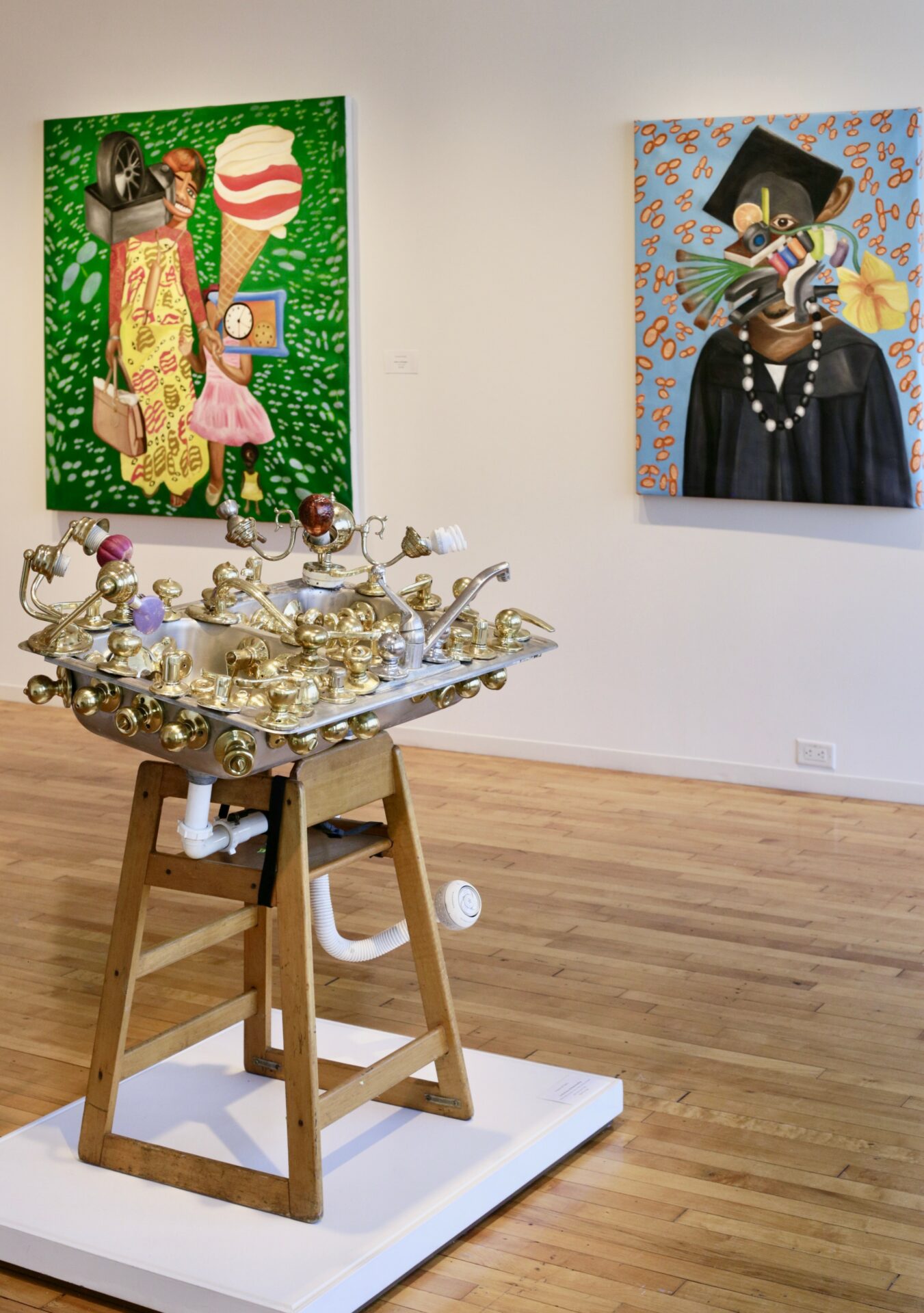
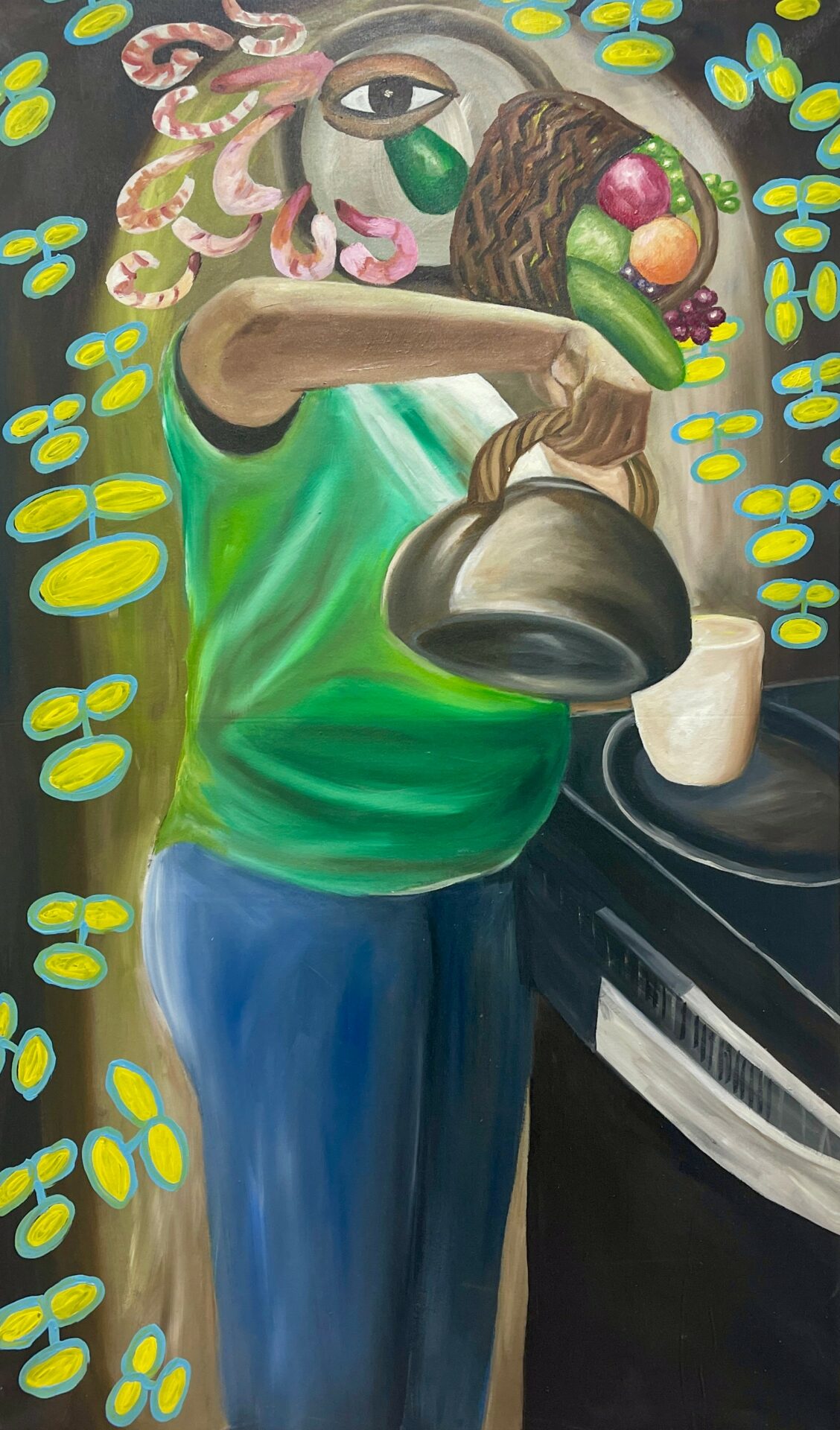
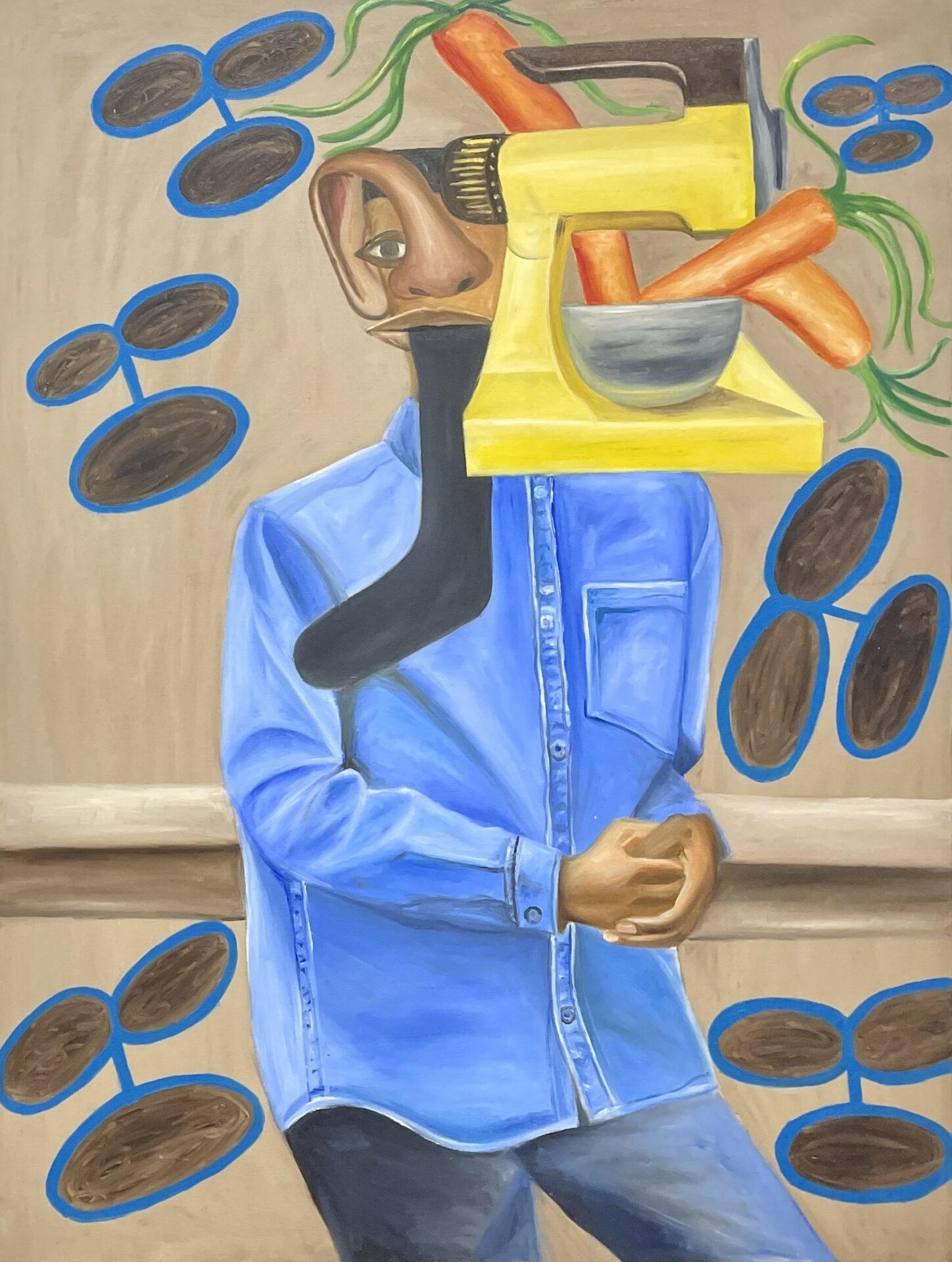
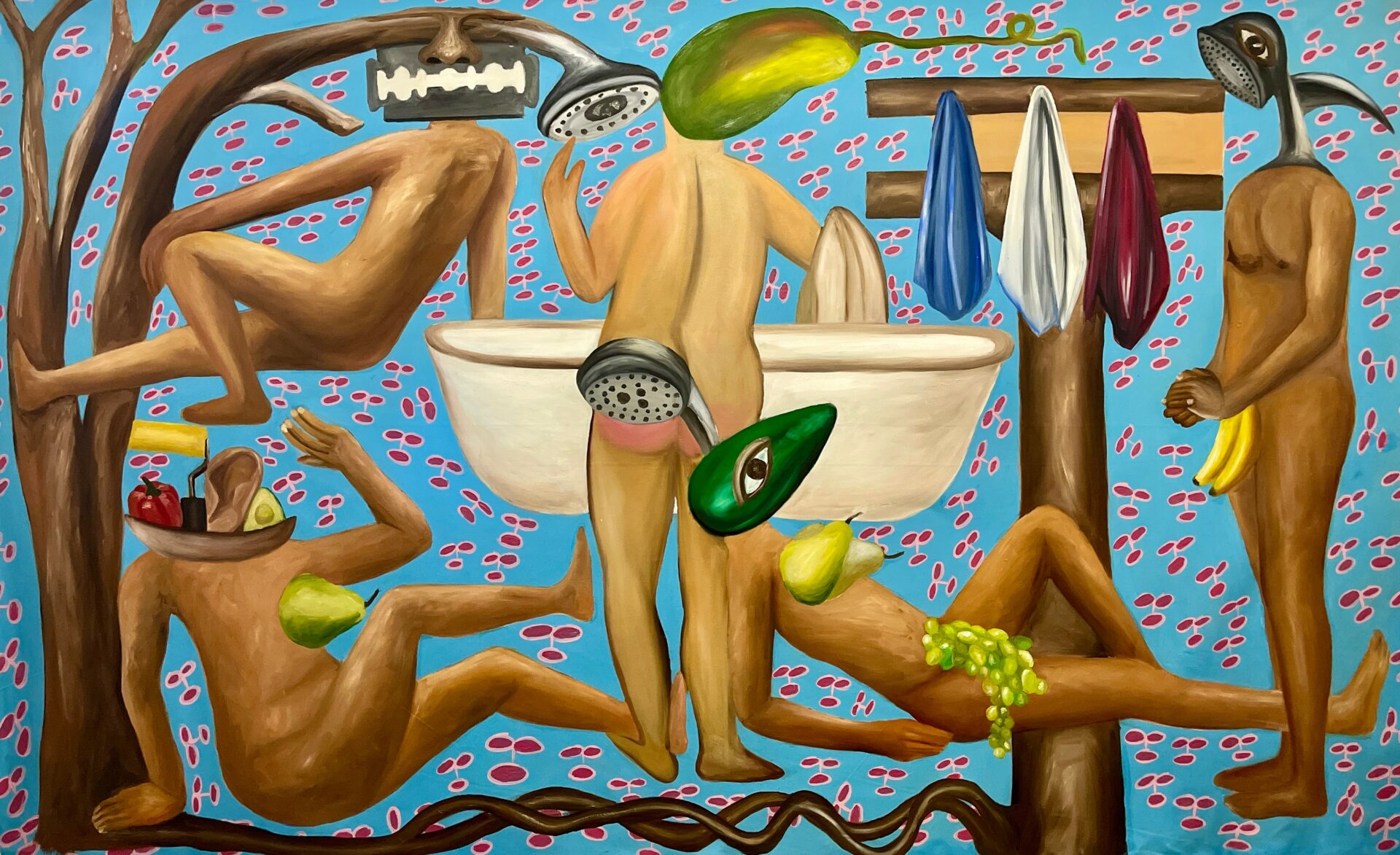
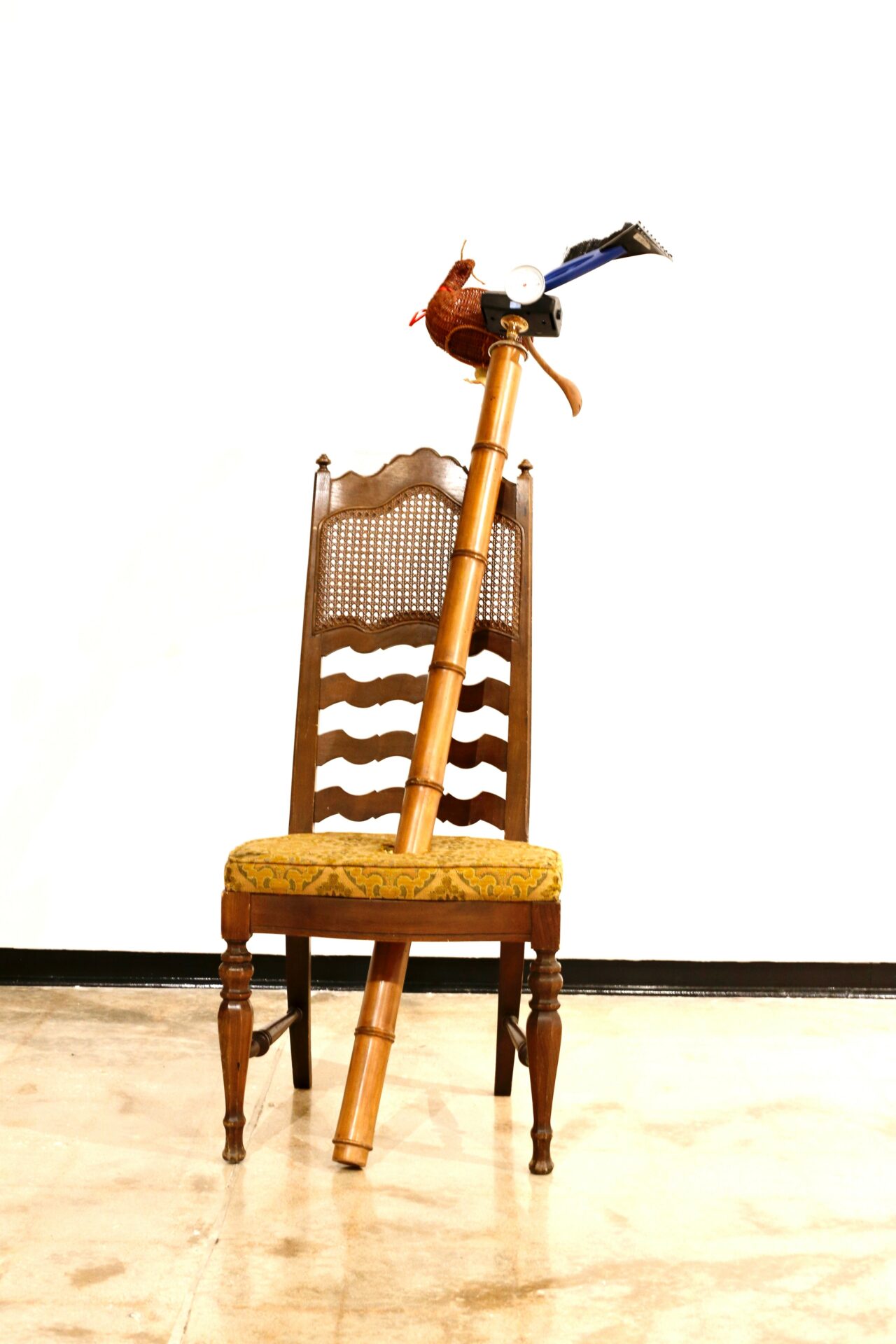
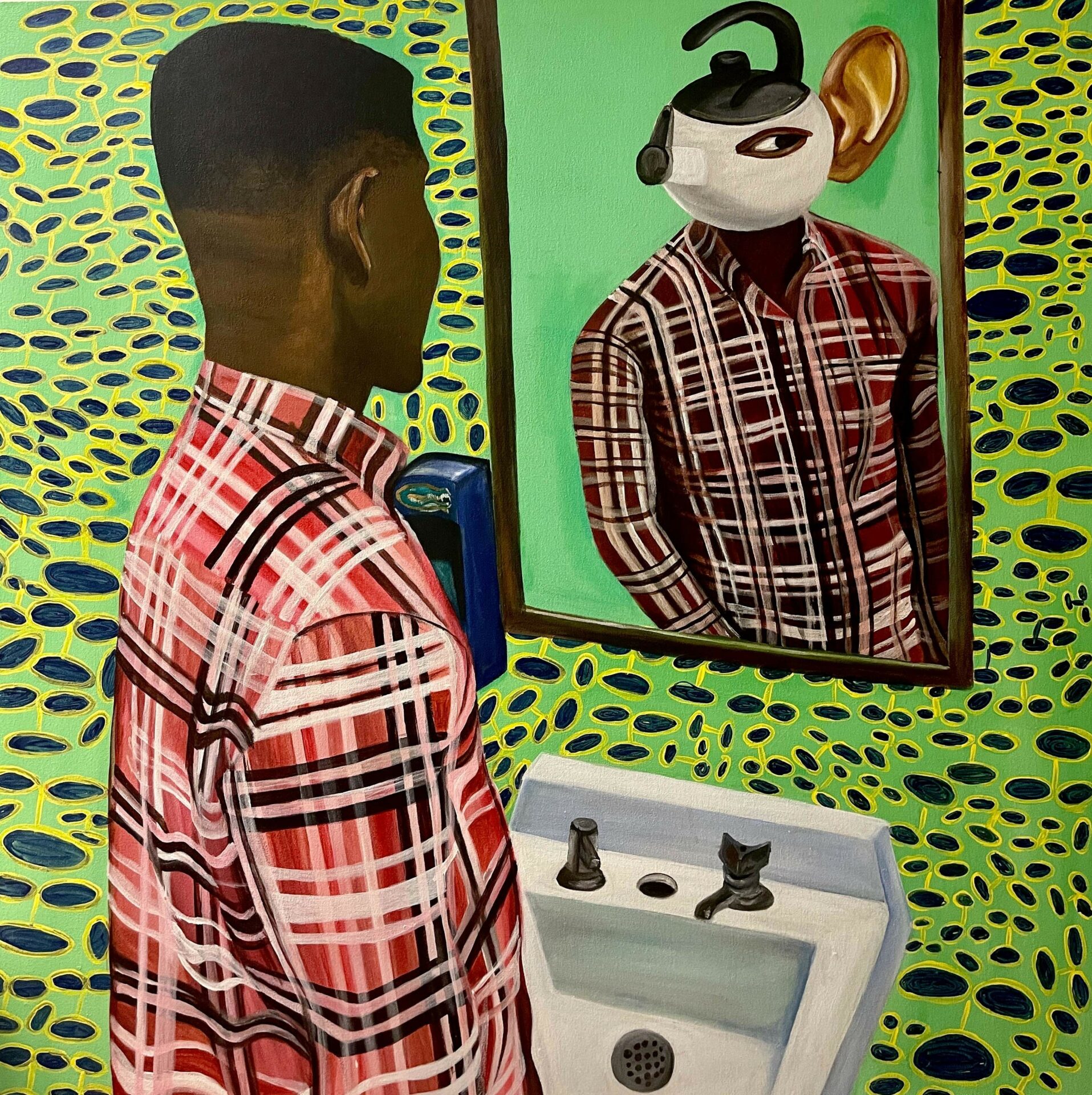
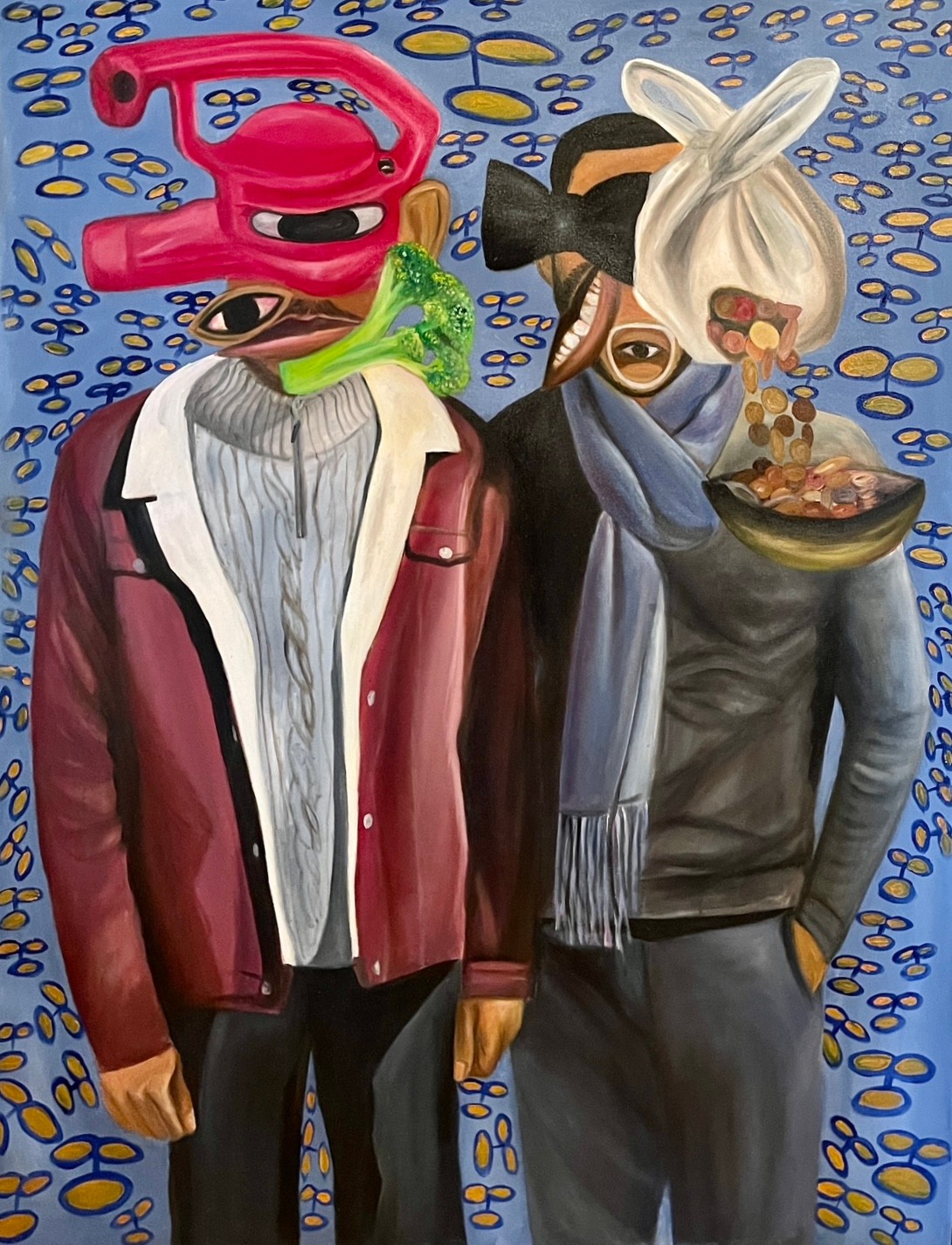
Image Credits
Emmanuel Manu Opoku