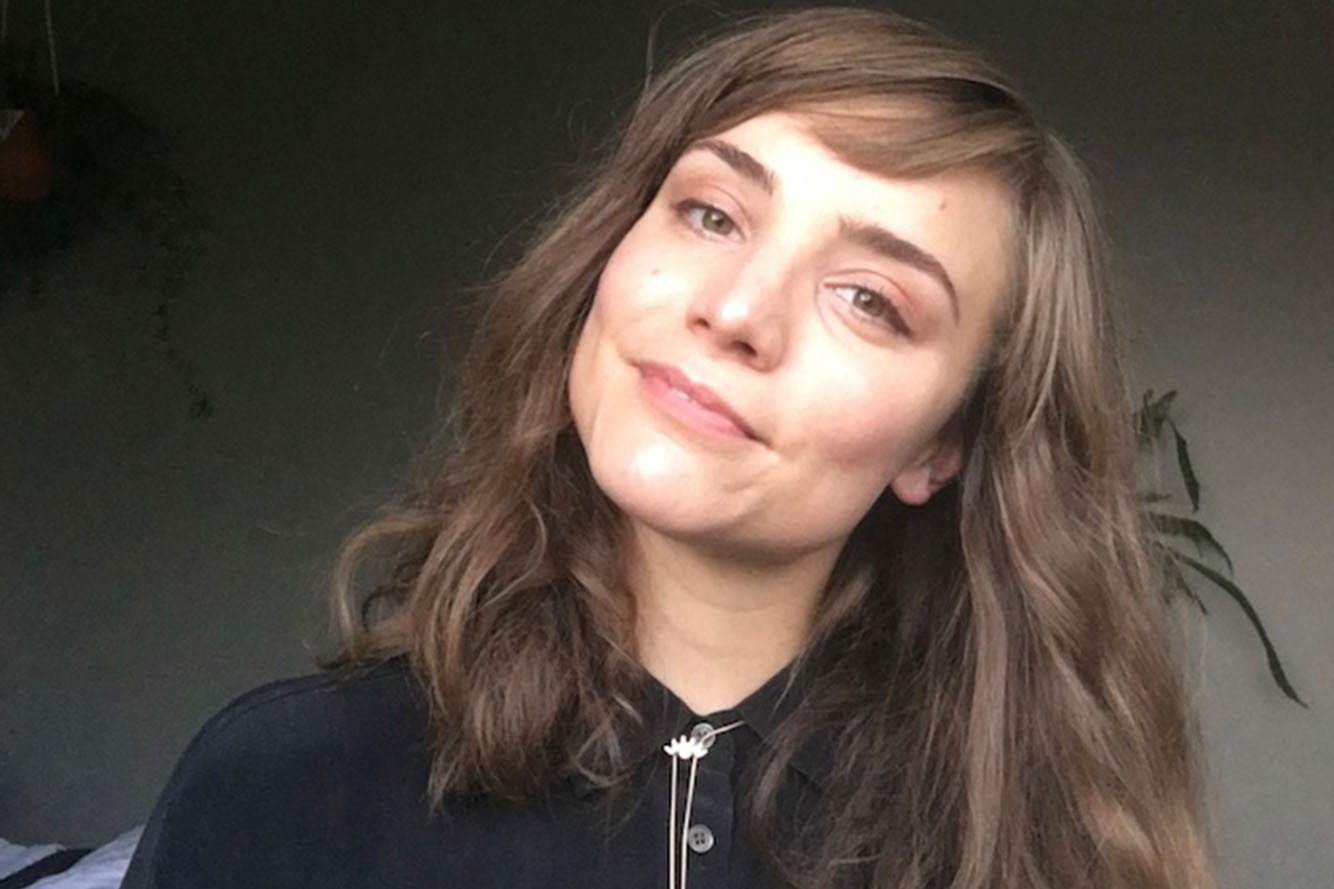
Alright – so today we’ve got the honor of introducing you to CR Grimmer. We think you’ll enjoy our conversation, we’ve shared it below.
Hi CR, you’ve got such an interesting story, but before we jump into that, let’s first talk about a topic near and dear to us – generosity. We think success, happiness and wellbeing depends on authentic generosity and empathy and so we’d love to hear about how you become such a generous person – where do you think your generosity comes from?
When I was an undergraduate student, I had multiple day jobs and took classes at night. I was also navigating some complex PTSD without realizing that not everyone was having the same emotional difficulties. Several of my professors saw me in those classes and identified the combination of my drive to “achieve” with my need for emotional support and mentorship. They spent countless hours beyond the job requirement meeting with me to coach me through graduate school applications, help me make difficult life choices, and develop self-efficacy and belief in myself.
I am now a professor because of the time they put into me, which I have since learned far exceeds the job requirements. I have learned how much my faculty mentors were juggling professionally at a small university in Michigan and how much demand was being placed on them to carry emotional labor for students and junior colleagues while also publishing and getting tenure. I would not have the surface successes that people see without the investment of those mentors — including those who came into my life throughout and after graduate school.
When I do work now for poets in the community or my students, it is imperative that I “pay forward” that care. I have realized that, on the one hand, knowing that I am providing a safe space for young poets to learn and grow keeps me tied to my ability to carry on my work, even on days when I am slightly run down. On the other hand, I realize it is how I can “give back” to the faculty who have given to me. Their generosity is the only reason I can do my writing and teaching, and nobody forced them to be generous with me. The best way I can show them my gratitude is to carry on that legacy and show up the same way for people in my own life. It is both fulfilling to me and why I love my job and also helps me know that I am putting my mentors’ energy in me to good use. I also believe this type of reciprocity is political: it removes the illusion of singular, individual success and combats the narratives that power can and should be “hoarded” once obtained.
Great, so let’s take a few minutes and cover your story. What should folks know about you and what you do?
I am a poet, scholar, and teacher at Utah State University in Logan, UT. I never planned on the scholar or poet part of this work. As an undergraduate student, I worked for a literacy non-profit in Detroit Public Schools and saw how impactful creative writing workshops can be — and underfunded. I wanted to teach creative writing workshops at the college level to help young college students learn to navigate adulthood and past traumas and create partnerships between the classrooms and the community. I naively thought an MFA would be sufficient for me to reach that goal, only to learn that the job market for creative writing faculty requires a great deal more than a degree.
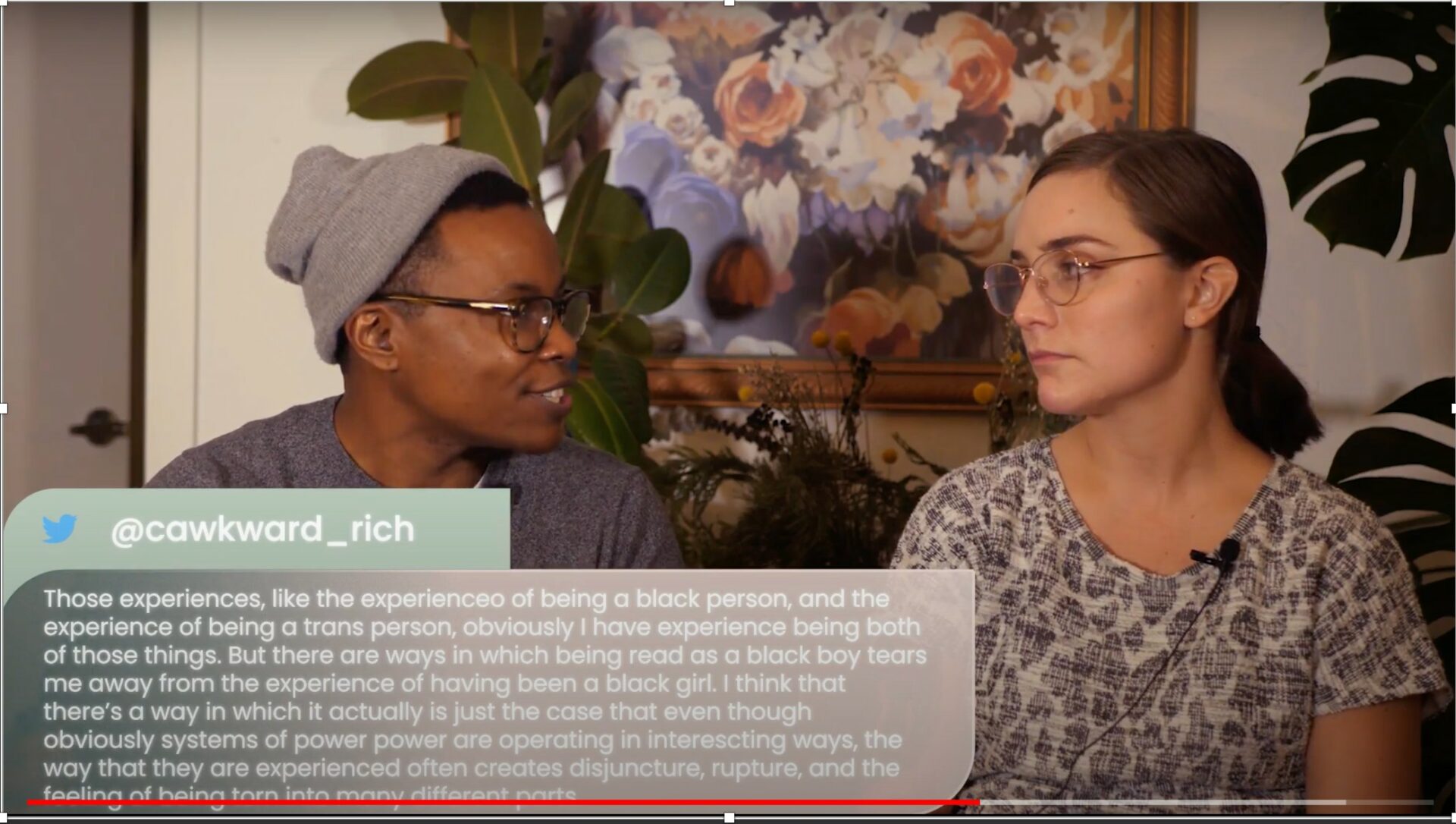
I published my first poetry collection while completing a doctorate in Seattle, WA, and throughout my degrees, taught writing in college classrooms. The community connection still felt poor, so I created The Poetry Vlog, a YouTube channel and podcast dedicated to building social justice coalitions across poetry and academia. My goal was to help bridge the gap between classrooms, communities, and poets. I was thinking of students like myself when I was in Michigan and how far away many of those conversations and ideas had seemed. I have been doing the series since 2018 — sometimes with student teams, sometimes on my own, but always featuring poets and academics willing to speak to broader audiences about the implications of their work. The project is in its final season and will have a selection of episodes published as a multimedia book with the University of Michigan Press’s Open Access imprint, Fulcrum.
In the future, I hope to change the project focus from featuring nationally acclaimed poets from around the country to emerging poets here in Utah. I want my students to see themselves reflected in the content. I hope they can see that queer and non-white poets live and thrive across states like Utah, not just in urban hubs.
If you had to pick three qualities that are most important to develop, which three would you say matter most?
I think the qualities I have needed most have changed in different contexts. When I was a young, employed student, I was also tackling some personal life trauma. At that time, my tenacity, grit, and passion were the three qualities I needed most and fostered. I worked on these by learning to separate rejection from success and perfection from completion. Sometimes, you have to sit down, put on blinders to external critics of the quality of your work, and “do” the work. You have to muscle through. Go to therapy when you can afford it; when you can’t, find therapists that take sliding scale payments. Just muscling through and receiving support from the right sources will be enough to build tenacity and grit while ensuring your work is a core passion. It will help keep you at it. And by right sources, I mean finding mentors and friends who support you no matter what stage you are in your journey.
Now, though, I am fortunate to have a simpler life: I live with my partner, and we split the bills. I have a wonderful job at a university that allows me to balance my writing, personal, and work lives. I have supportive colleagues and am reaping the benefits of those years of therapy and self-improvement. The three qualities have shifted with what my life requires of me. Now, my most important qualities are compassion, perseverance, and, as silly as it might sound, love. Working to support students in their creative and personal journies, which vary from similar to far different from mine, requires enormous compassion for them and myself. Fostering a sense of love is tied into this: love for people as they are, their journey, and love for myself, friends, and family. If I can find ways to embody this type of love, I feel sustained in my work, whether it is facing publication or administrative rejections and still persevering or having days where I am feeling a bit depleted and listening to that.
One of our goals is to help like-minded folks with similar goals connect. So, before we go, we want to ask if you are looking to partner or collaborate with others—and if so, what would make the ideal collaborator or partner?
I am constantly seeking collaborators in my work because that is how I ensure my work will extend beyond me and my own ideas. It is also a way to share resources and receive or give mutual care. I am especially excited by collaborations with artists in disciplines other than writing. I oftentimes joke that poetry can feel like lyrics without the music. It’s an exaggeration and not as kind as it should be to myself and fellow poets. Still, with how I navigate the world, I am most inspired by interdisciplinary projects that bring together poets, visual artists, sculptors, and musicians. My friends have sometimes teased me that my dream poem is a poem I can fully enter.
Contact Info:
- Website: crgrimmer.com
- Instagram: cr_grimmer
- Facebook: https://www.facebook.com/c.r.grimmer/
- Linkedin: https://www.linkedin.com/in/crgrimmer/
- Twitter: crgrimmertpv
- Youtube: https://www.youtube.com/c/thepoetryvlog
- Other: podcast: anchor.fm/thepoetryvlogc