We were lucky to catch up with Alexander F.L. Newberry recently and have shared our conversation below.
Alexander F.L. , thanks so much for taking the time to share your insights and lessons with us today. We’re particularly interested in hearing about how you became such a resilient person. Where do you get your resilience from?
By resilience, I understand the ability to rebound from setbacks. I see setbacks as learning opportunities, which turn into creative opportunities.
A while ago I lost a client. One of the reasons was that I didn’t have enough high quality games to play. We were doing a lot of sessions and he was getting bored. Eventually, he stopped enjoying classes and we went separate ways. It was a setback financially. I looked at it and thought – I need more games. It drove me to bring 4 new ideas into development, two of which are really popular and have amplified my teaching enormously. I get my resilience from a deep seated belief that in adversity, the greatest opportunities can often be found.
Appreciate the insights and wisdom. Before we dig deeper and ask you about the skills that matter and more, maybe you can tell our readers about yourself?
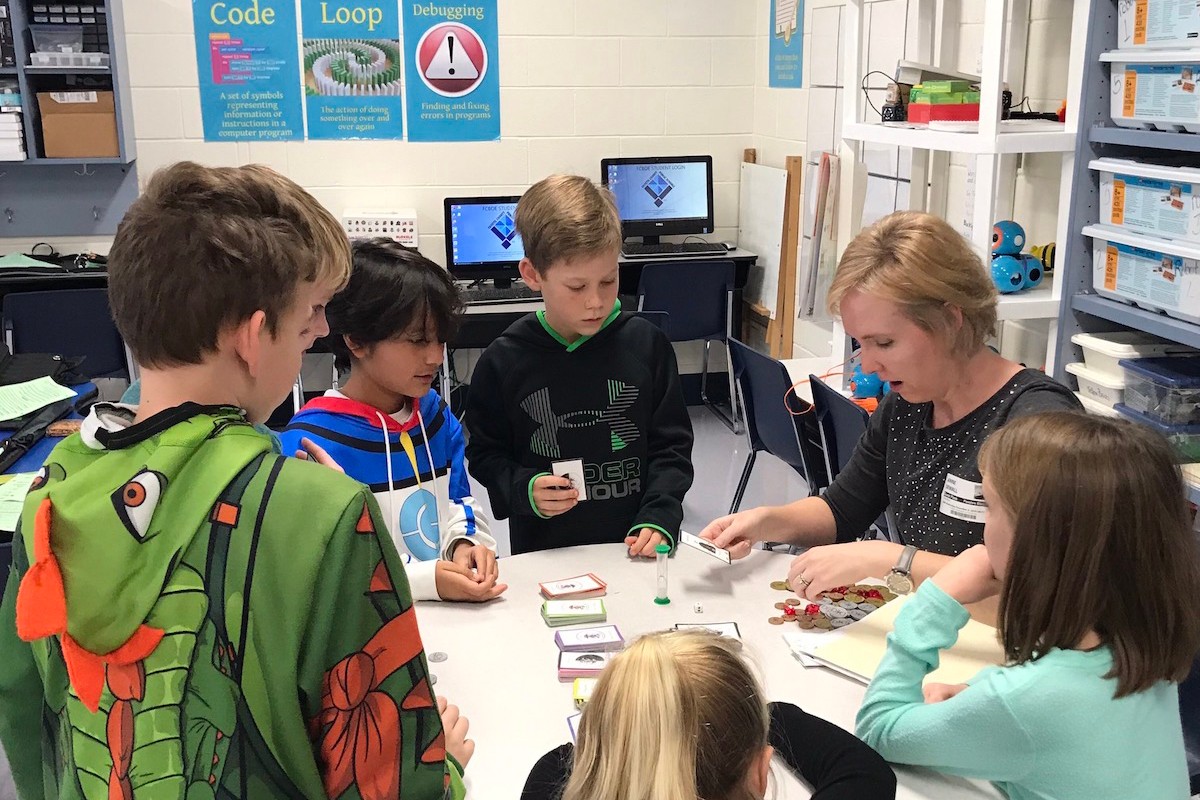
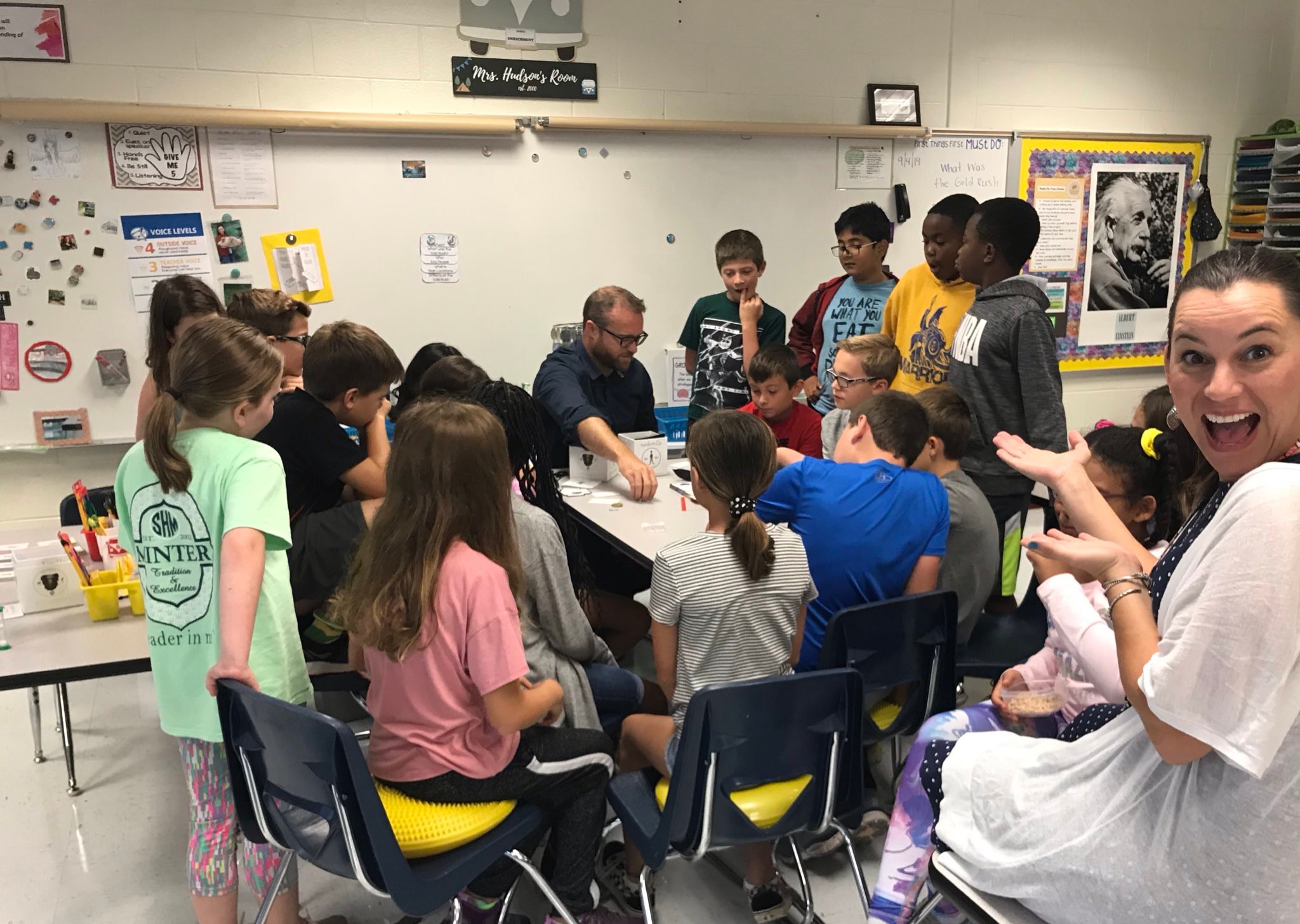
My professional focus is to facilitate the gamification of early years teaching, specifically, numeracy and literacy. Right now, a plurality of children are not achieving fluency in letters and numbers, whilst a small minority do.
Those who don’t, comparing themselves unflatteringly to their peers, get discouraged and lose interest. All humans like to win. When children realise they are not winning in one thing, they seek another where they think they might be able to. The result? They don’t pay attention or try hard at core subjects where attainment hierarchies are quickly formed.
The education system then plays catch up, wondering why they can’t learn quickly enough to keep up with the syllabus. As a result, there is a permanent crisis in education, and much wringing of hands about what to do to fix it.
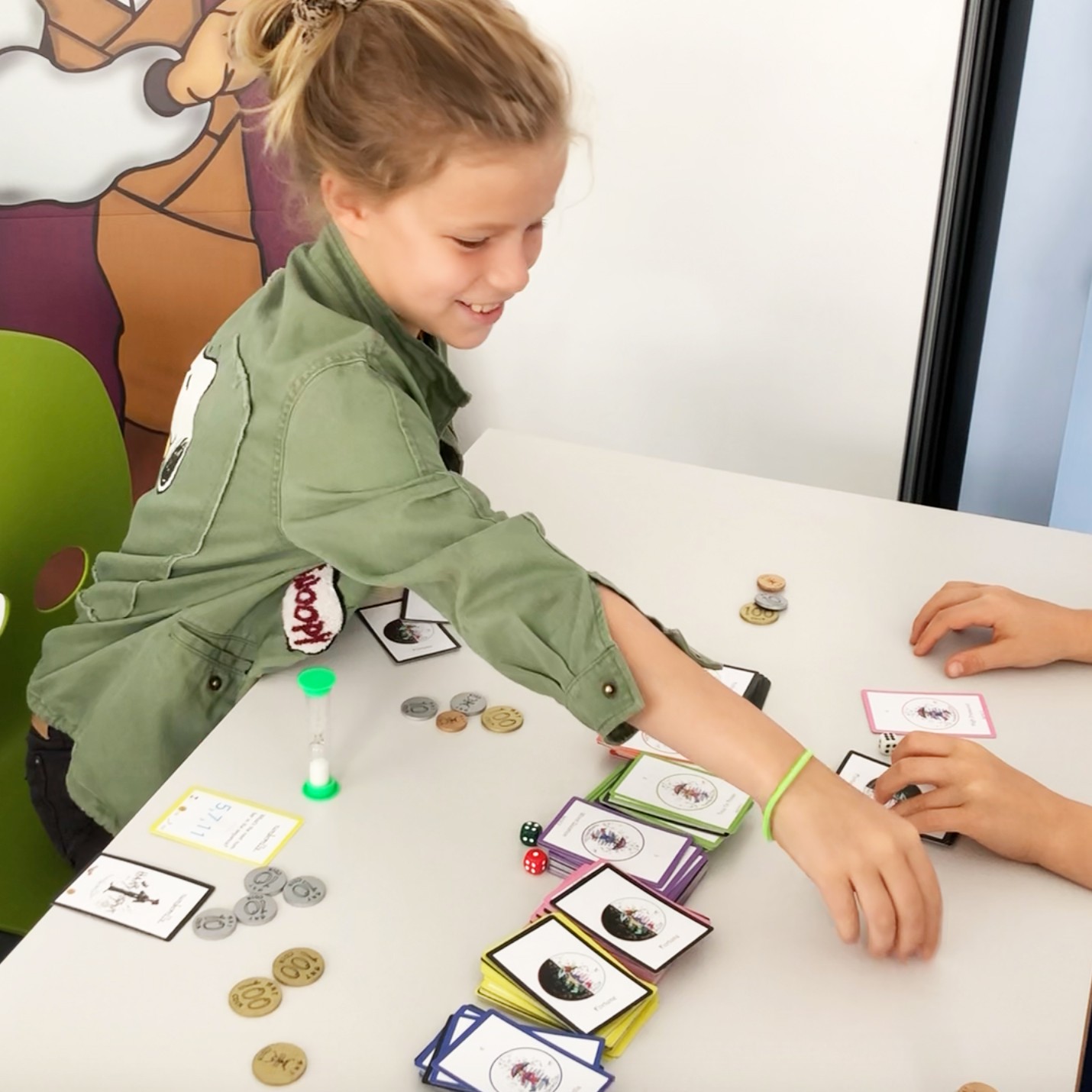
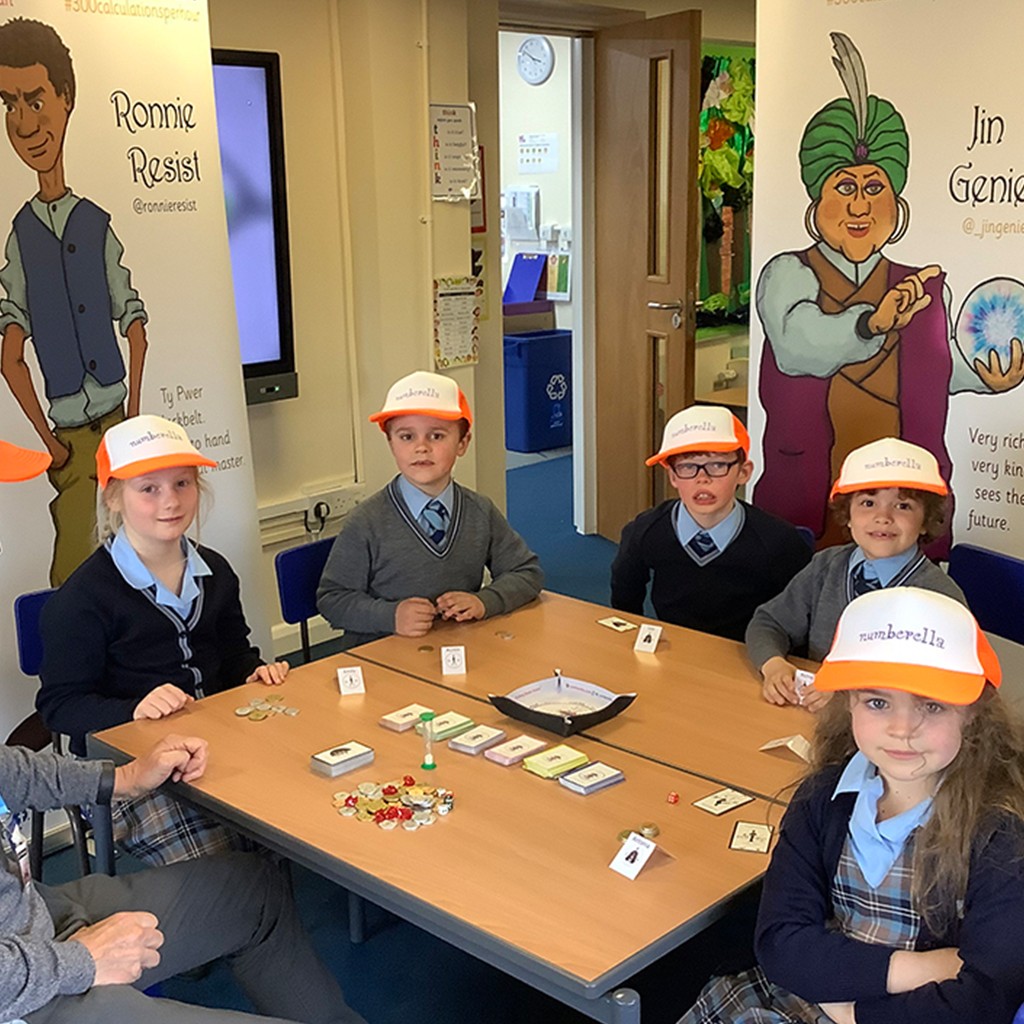
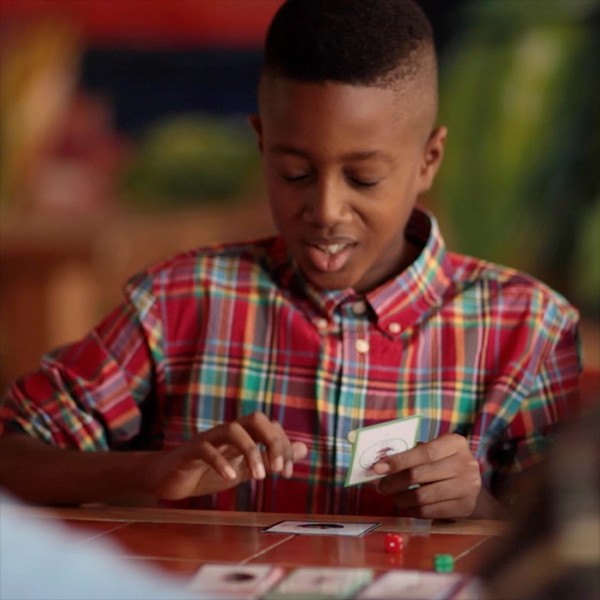
The answer is simple – use luck based games with high educational value to disrupt attainment hierarchies. Manage classroom engagement and morale through teams, peer to peer coaching, and leadership rotation. Reward team performance over individual performance and seed a teaching / learning culture from an early age.
Here at Numberella, our mission is to conceive, design, and manufacture the games and software which make this transition possible. Then, to share our expertise with teachers to help implement the vision.
There is so much advice out there about all the different skills and qualities folks need to develop in order to succeed in today’s highly competitive environment and often it can feel overwhelming. So, if we had to break it down to just the three that matter most, which three skills or qualities would you focus on?
1) Listening
It’s easy as an adult to feel that children should defer to you out of respect – respect for their elders, if you will. Children often – usually – lack filters on when they should or should not speak. They are forever interrupting! Most of the time, I allow them to. I learn about them as a result, and the more I know, the better able I am to find ways to help them.
2) Selflessness
Children can be rude. Often, they can say hurtful things, even insulting things. Not taking these things personally is crucial to teaching, and my ability to stay detached and emotionally untouched by children’s opinions has enabled me to keep hold of many relationships which I may otherwise have lost. The hardest relationships with the rudest children are often the ones which offer the most in terms of potential educational solutions. So staying calm and emotionally detached, even under considerable provocation, is a critical skill set.
3) Purpose
If you are engaged in an activity creatively – by which I mean, looking to use the experience to make something – the experience is rewarding, even if, on the face of it, it is unpleasant. If your internal narrative is saying “huh, I would never have realised that were it not for this difficult situation” then your external narrative can remain positive. Positivity is infectious and allows difficult situations to be ridden out. Structuring my thoughts so that there is always creative purpose is key to my success.
What would you advise – going all in on your strengths or investing on areas where you aren’t as strong to be more well-rounded?
It helps to be a jack of all trades. Personally, I have had to master multiple different software platforms, negotiate all sorts of government websites, understand customs and excise, accounting, and so on. It’s a big list.
Not all of the things I’ve studied have come easily to me – by nature I’m a product development guy, I love inventing things. I find it far less interesting understanding the nuances of things like company law, and thus it’s harder to stay focussed on them and do them properly.
However, if the goal is to create a successful business, the founder needs to know how all the bits of it work. Otherwise, you can’t make good decisions on hiring, as you won’t know what makes a good candidate. You won’t understand what a fair wage is if you don’t know how quickly a job should be completed. The only way to know that is to do it yourself first, and get proficient enough at it that you can make judgement calls on other people’s skill sets. Elon Musk, famously, is able to outperform his employees in any area of the business, even the complex physics and math of rocket building.
I think of a business a bit like a spaceship. The captain needs to understand how every last bit of it works, if they are to be a successful captain. So, whilst it makes sense to build a business around your strengths, you’re also likely to need to develop, or work on, areas where you are weaker, in order for the whole thing to be successful. So be open to improvement in all areas – there can be no closed doors on the path to achieving your full potential!
Contact Info:
- Website: https://www.numberella.club/
- Instagram: https://www.instagram.com/numberellaworld
- Facebook: https://www.facebook.com/numberella.club
- Linkedin: https://www.linkedin.com/in/alexander-f-l-newberry/
- Twitter: https://twitter.com/numberellaworld
- Youtube: https://youtube.com/@numberella?si=3aVk29RGKZLoNAQV