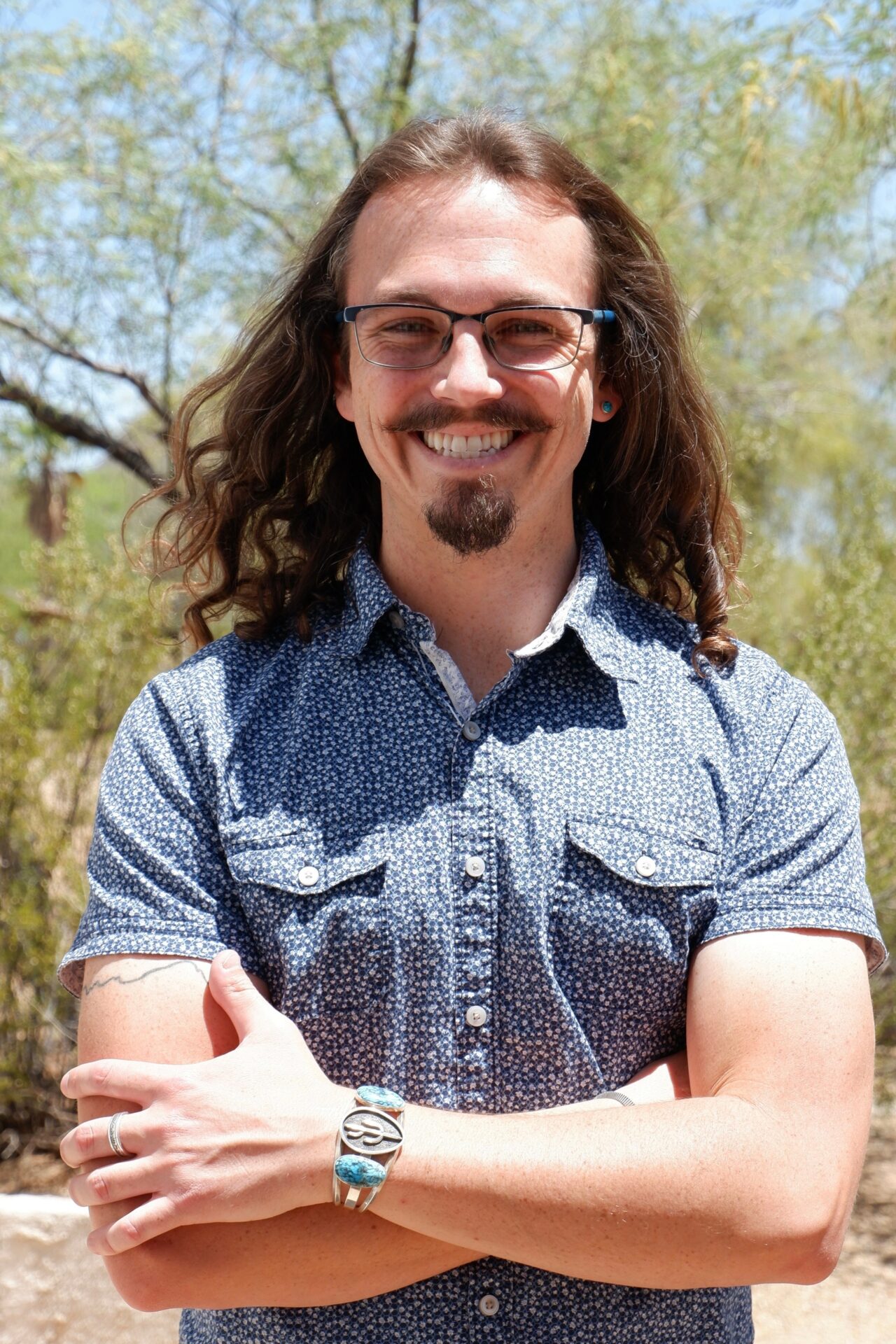
We’re excited to introduce you to the always interesting and insightful Erik Nakai Buckley. We hope you’ll enjoy our conversation with Erik Nakai below.
Erik Nakai, appreciate you making time for us and sharing your wisdom with the community. So many of us go through similar pain points throughout our journeys and so hearing about how others overcame obstacles can be helpful. One of those struggles is keeping creativity alive despite all the stresses, challenges and problems we might be dealing with. How do you keep your creativity alive?
Creativity has been tricky for me, and still sometimes is, so I try to address it from multiple directions.
I try to indulge my creative desires. Creativity begets creativity. I like to create the space and set aside the time to work on projects that tap deeper into my creativity. Some weeks, that looks like dabbling in a facet of my silversmithing craft that isn’t yet in my repertoire. Other weeks, it may be crafting Native-style wooden flutes, spending time taking photographs, or trying silverpoint drawing.
On top of actively creating as a means of fostering creativity, I find it positive and enriching to see and experience, in person, other people’s creative outlets– art galleries and museums, public sculptures, craft fairs, mural tours, things of that nature.
Lastly, nature is one of my biggest creative drivers. Being outside is essential for me and in it I find the root of so much of my artistic expression, so I do my best to do things like hike, tend to plants, and appreciate the beauty in details, from vast mountainscapes to the individual cactus thorns.
Thanks, so before we move on maybe you can share a bit more about yourself?
I am a silversmith, manipulating silver with torches, hammers, files, and saws, and I am a lapidary, cutting and polishing rough rocks into finished gemstones. I aim to make jewelry and accessories that make people happy.
I know how special a single piece of jewelry can be and the sentimental value it can hold, whether it’s a lighter case like your grandparent had, a birthday present from a partner, or a gift to yourself that still makes you smile when it catches the light. Being able to facilitate that joy, that sentiment, and that genuine connection was an unexpected consequence of my creation of art; now it’s the bedrock of my work.
I’m making jewelry with the goal of crafting something that looks good enough that you want to wear it, is made well enough that you can pass it down, and is timeless enough that it will still be adored when you do. All for that joy.
There is so much advice out there about all the different skills and qualities folks need to develop in order to succeed in today’s highly competitive environment and often it can feel overwhelming. So, if we had to break it down to just the three that matter most, which three skills or qualities would you focus on?
Persistence has been key for me. I received just a couple weeks of formal instruction on making jewelry in a high school art class, so I came out of it with a skill set that was… incomplete. It led to a lot of failures. A lot. Persistence is the one thing that got me through the “trial and a whole lot of error” phase.
Handling critique and criticism is a skill that took more time for me to properly develop. I found it difficult to be both proud and critical of a work at the same time. It felt like I could either be proud of the final result or I could only see and acknowledge flaws and shortcomings, though that’s absolutely not the case. It is possible, perhaps even essential, to take pride in achievements, accomplishments, and creations, while also recognizing where there is room for improvement.
Finding and exercising patience has helped me grow immensely as an artist. Taking the extra seconds often proves beneficial; planning can ensure the process will go smoothly; slower, deliberate motions help prevent mistakes from happening; being patient with yourself allows for more natural and well-rounded growth, not stunted by the desire for immediate gratification.
My advice would be to keep going. Keep creating so long as you enjoy the process, the result, or hopefully both. Allow yourself to fail, try to learn from it, and then create more. Accept critique of your work and try to glean insight from it, because it’s just a criticism of what you’ve created, not of you as a person or an artist. And lastly, slow down a little. Try to take a closer look at everything. Then watch as it improves.
Do you think it’s better to go all in on our strengths or to try to be more well-rounded by investing effort on improving areas you aren’t as strong in?
I’m largely in favor of investing effort on improving areas that are less strong. Well-roundedness is conducive to creativity and it allows more room for empathy. Variety in a skill set can provide opportunities for change. The ability to draw upon a breadth of knowledge and experience can help with problem solving, recognizing where you can apply knowledge from an unrelated area to the task at hand.
That’s not to say that there’s no value in going all-in. It can be very productive. The danger I see in it comes when other aspects of life or work suffer as a result, though that may just be the difference between “going all in” and having an unhealthy obsession, which is sometimes hard to distinguish from within. So many of us have seen firsthand or have heard about folks who become so singularly-minded that their interpersonal relationships and other facets of life suffer, which feels absolutely tragic to me.
Having a fuller variety of experiences and a slightly broader scope in life can hopefully act as a buffer to those potentially unhealthy tendencies, to keep them from arising.
Contact Info:
- Website: ENBJewelry.com
- Instagram: Instagram.com/enb_jewelry
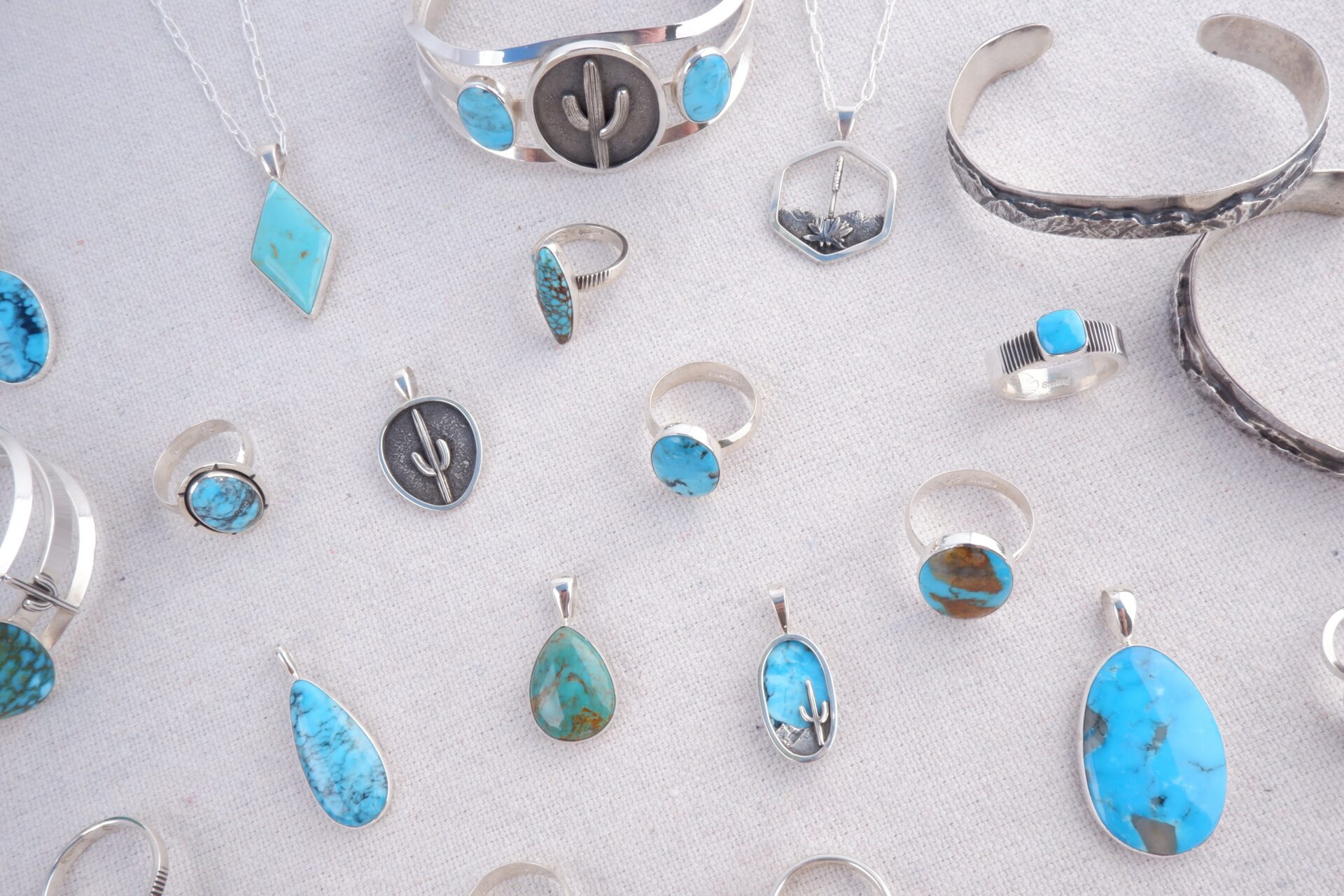
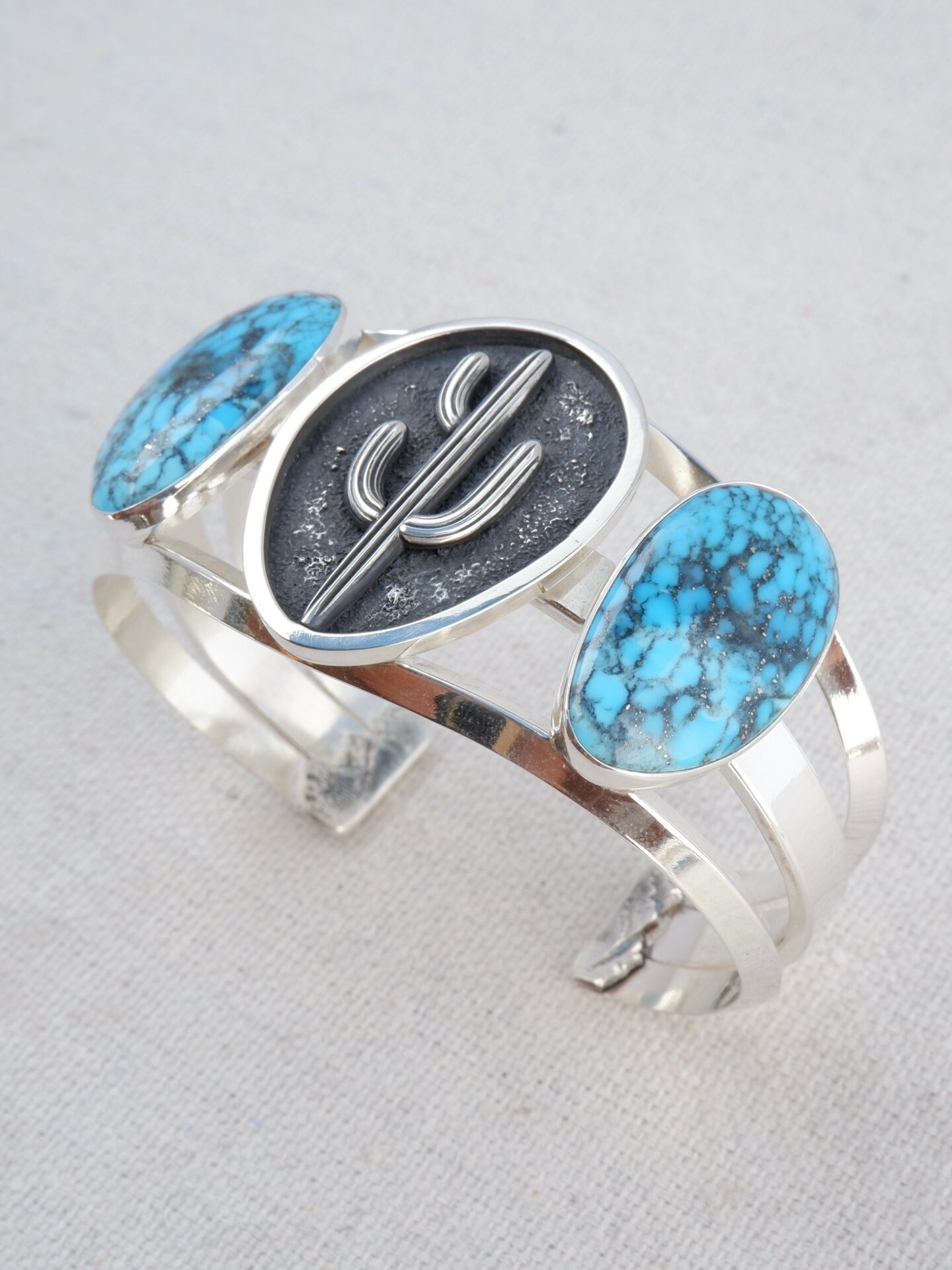
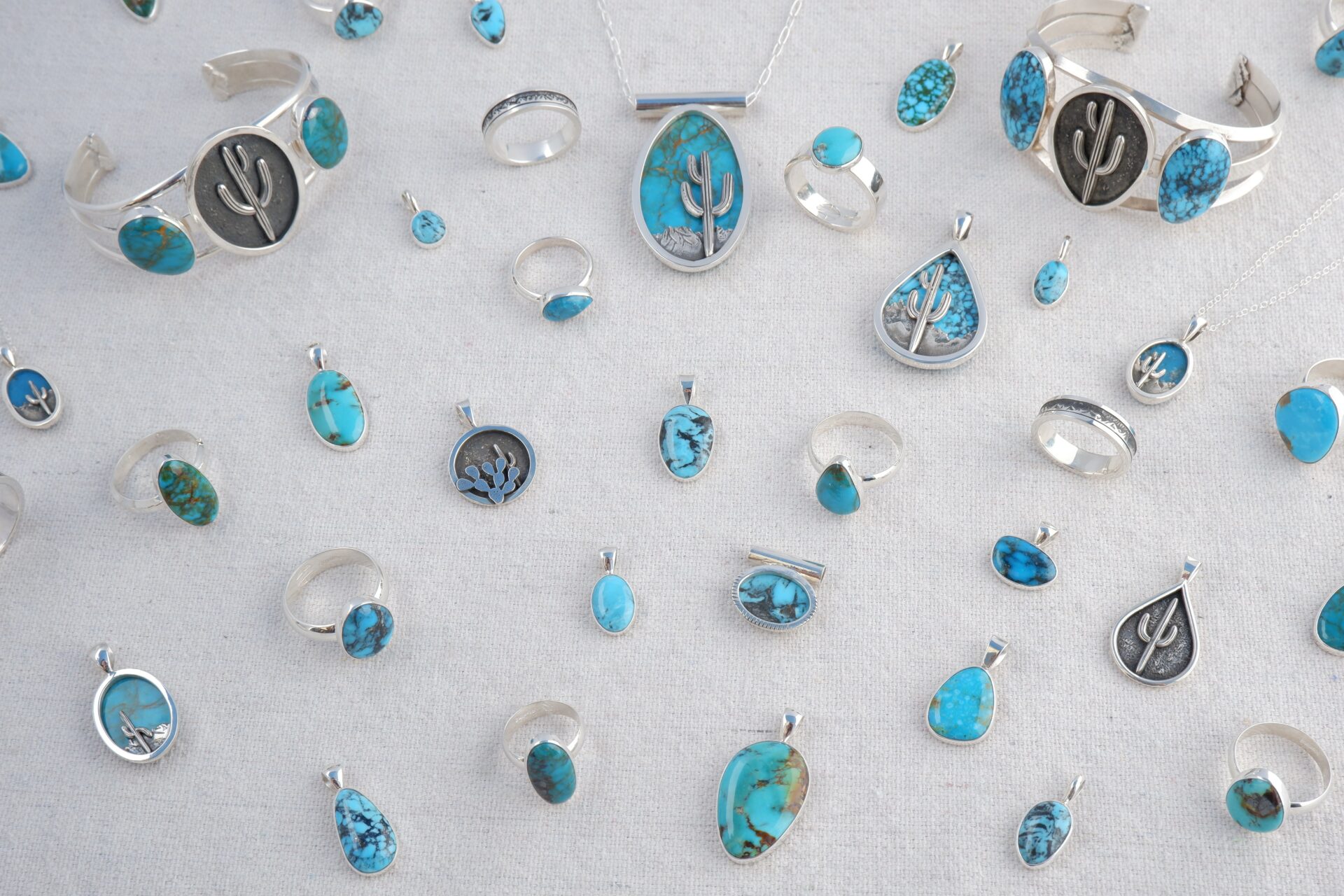
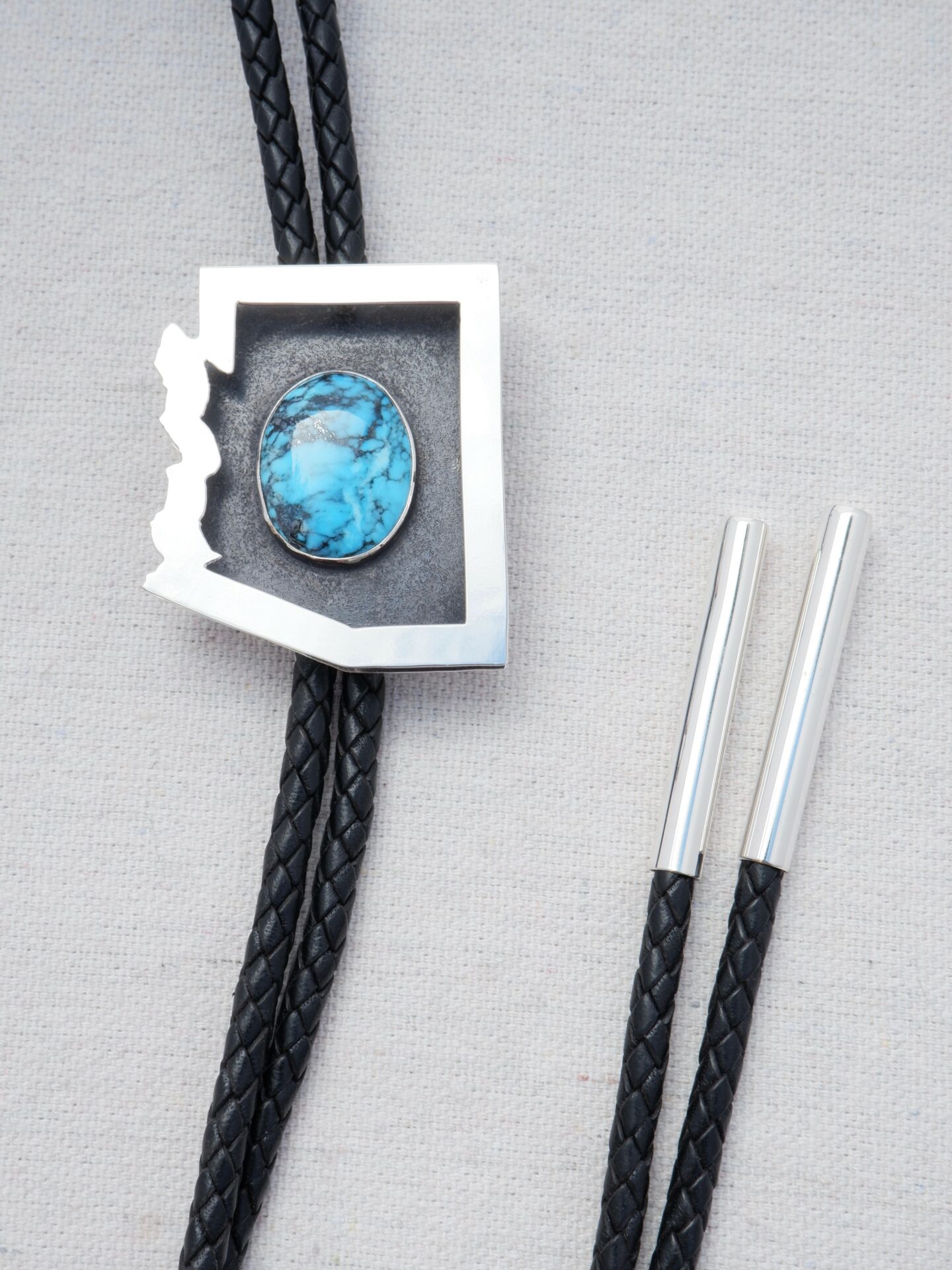
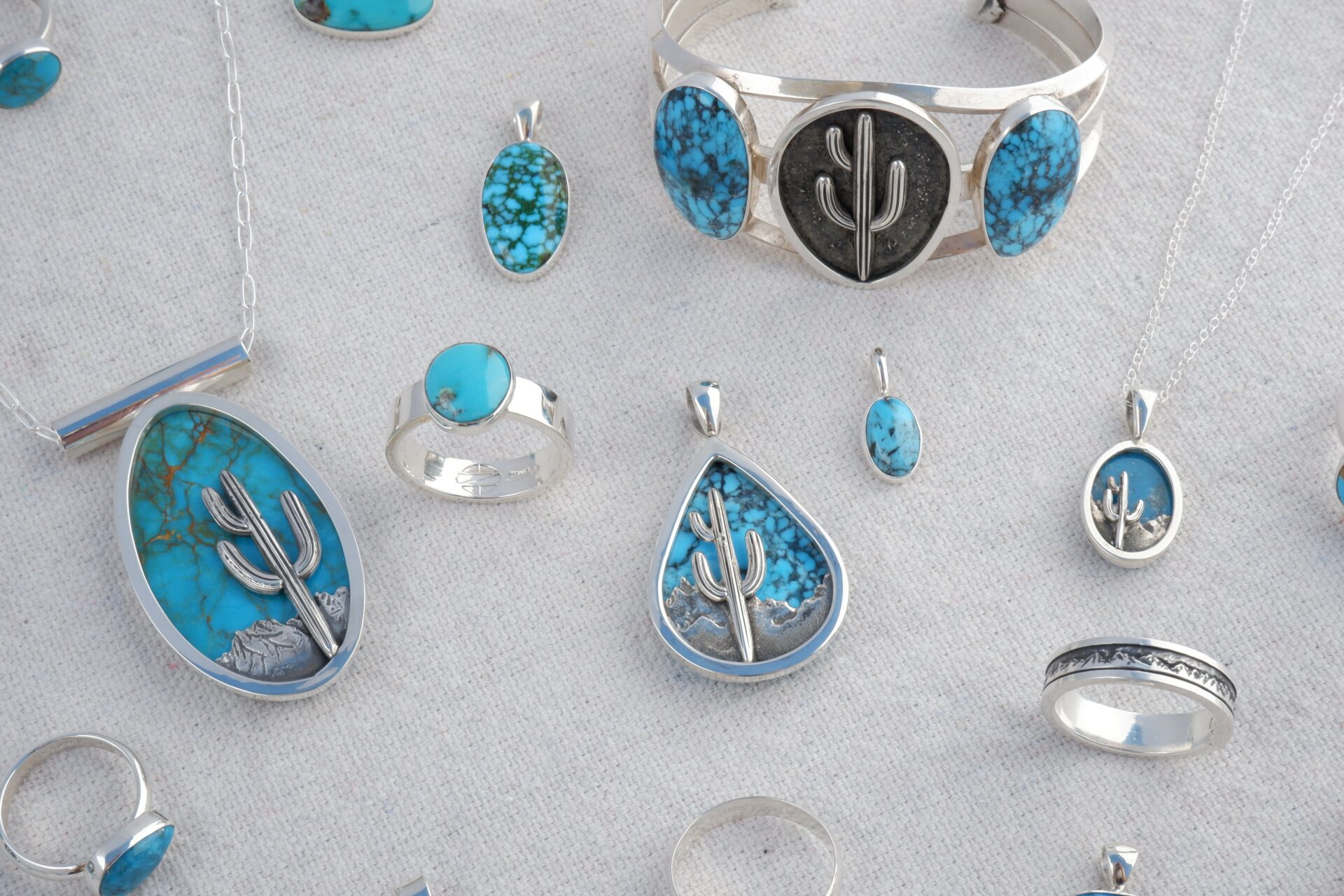


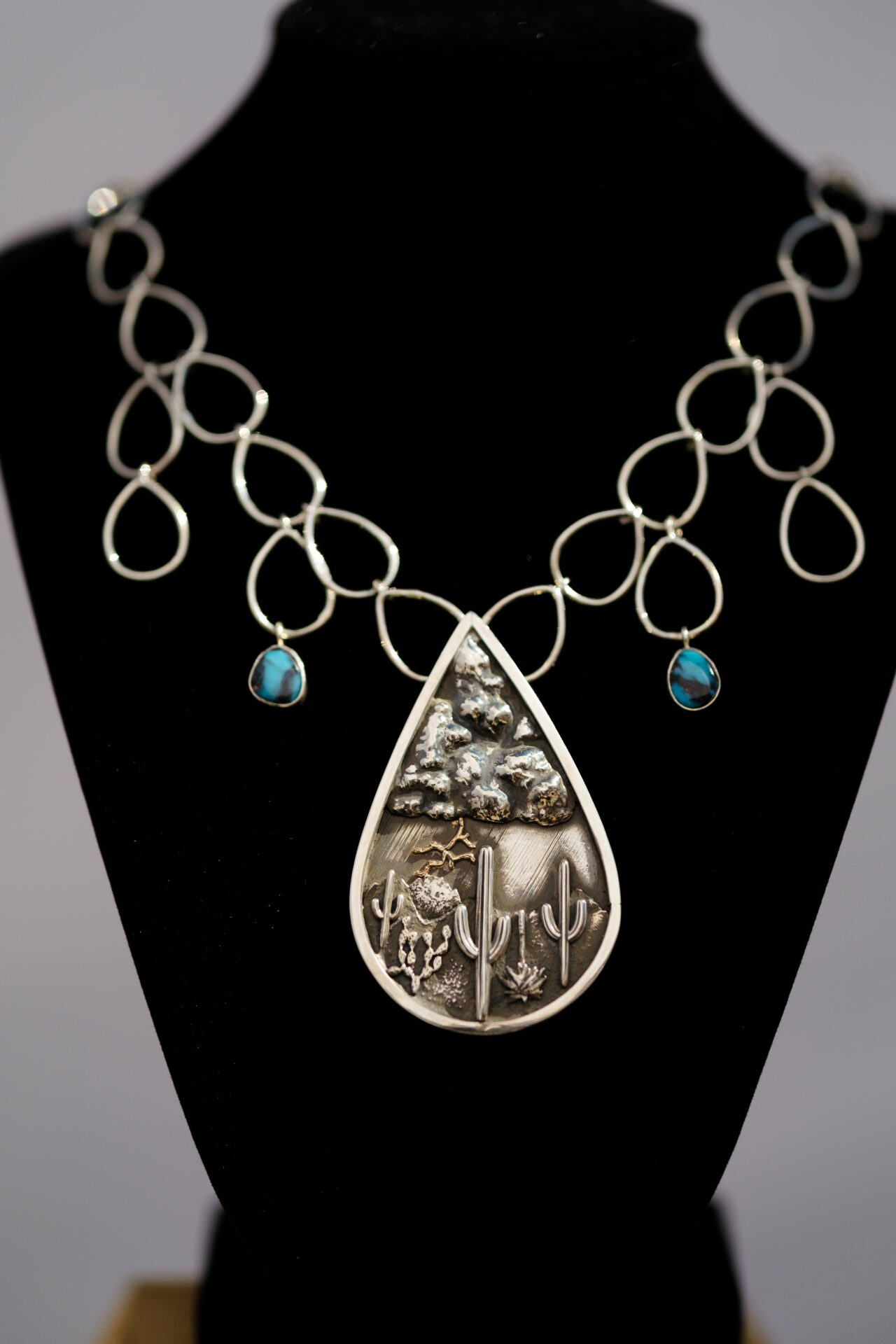
Image Credits
Erik Nakai Buckley and Julius Schloserg