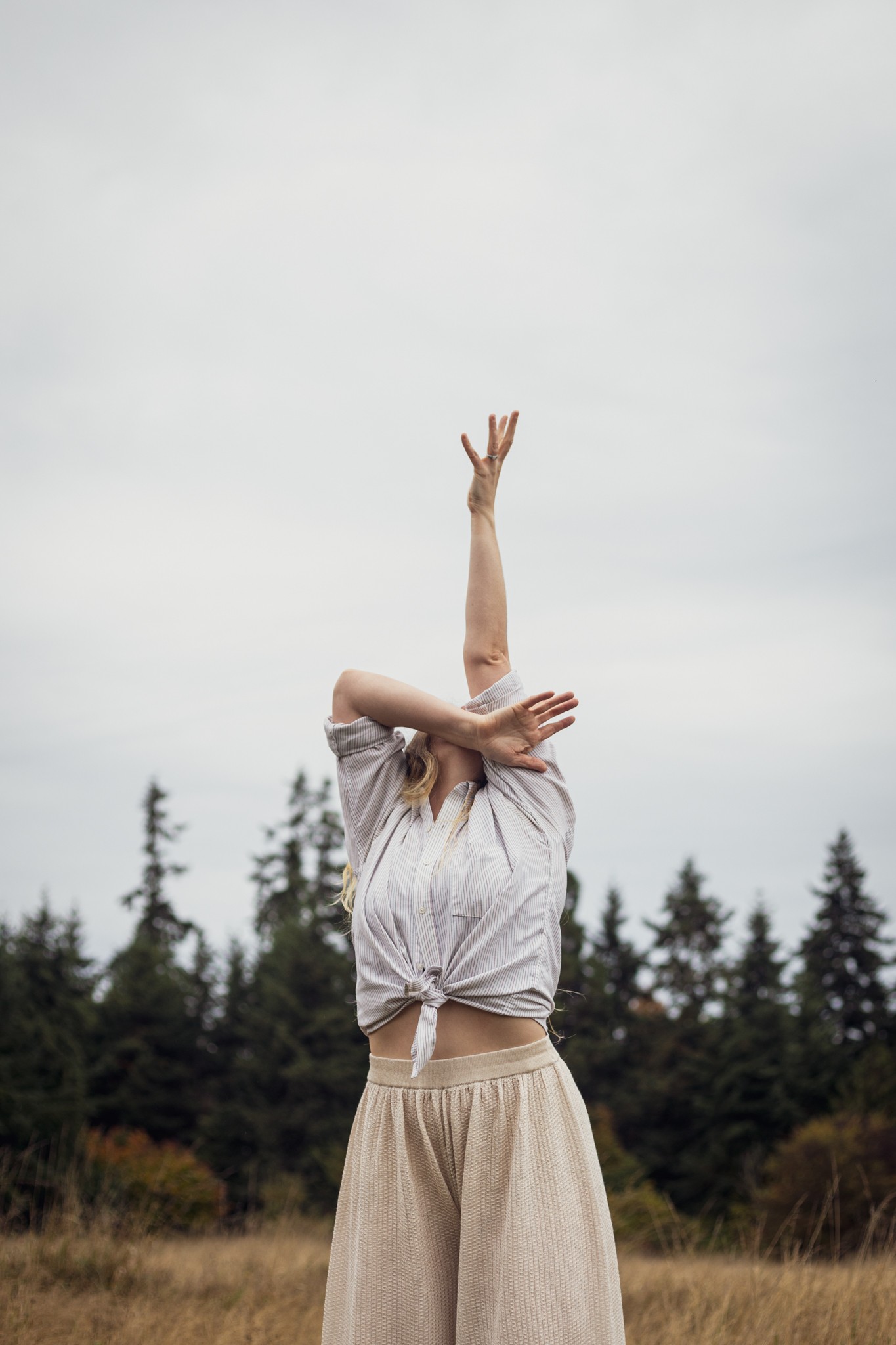
We recently connected with Bridget Kirk and have shared our conversation below.
Bridget, thank you so much for taking the time to share your lessons learned with us and we’re sure your wisdom will help many. So, one question that comes up often and that we’re hoping you can shed some light on is keeping creativity alive over long stretches – how do you keep your creativity alive?
The biggest push to keep my creativity alive has been working with kids. My primary job is teaching dance to elementary-aged kids. Specifically, we focus on creative movement, choreography, and an introduction to world dance in my classes. It’s also worth noting that I do not often work in technique-based studios and the heavy majority of students I have worked with have never had formal dance training before. A beautiful part of the environments I have worked in and the age range I mostly work with is the inhibition that still rings through their bodies. Around middle school, I feel like we often become timid within our bodies and start retreating internally into a shell, refusing to take up space. Elementary-aged kids aren’t like that. They want to fling their bodies at the floor, spin in circles, and jump as high as they can. Literally just because they can.
My creativity comes from teaching them. Decades of formal dance training have engrained certain movement qualities and aesthetics in me. Watching the movement invention that springs from my young students serves as a constant reminder that my body’s first intuition (or second or third) is not the only option… And it’s almost never the most interesting option. It is not uncommon, when I’m feeling choreographer’s block, for me to ask a few kids to give me a movement idea, help me dance-ify it, and collaborate on building a phrase for me to take into rehearsals with professional dancers.
There’s an element of teaching, in general, that constantly requires flexibility and thinking on your feet, which calls for a different form of creativity. Beyond that, I have worked hard to cultivate a space of young choreographers, and they take their jobs very seriously. Anytime I teach them a phrase, I get suggestions and outbursts like, “Ooh. What if we did this?!” or, “Wait! I have an idea!” While it definitely slows down the process, it’s consistently such a lovely experience to bring all of their perspectives into the fold, since it’s easy to get tired of our own brains that we’re stuck with all day every day. Sure, my job is to teach them, but I feel like, more often than not, we learn and create together every single day.
Great, so let’s take a few minutes and cover your story. What should folks know about you and what you do?
My dance journey started, as many others, as a 3 year-old in a ballet class. I quit dance when I was 5 because I absolutely hated it. There was nothing worse than my forced weekly dance classes. Returning to dance of my own accord made all the different. I attended a performing arts high school, attended East Carolina University for my BFA in Dance Education, and earned my MA in Dance with a concentration in education from Texas Woman’s University. Throughout all of this time, I have performed, but have always felt more drawn to choreography. For the past 9 years, I have maintained a professional career as a performer, dance educator, and choreographer.
As a dancer, I have maintained a steady performance career in works that span many genres, but primarily contemporary, modern, and improvisation. Companies that I have been a part of include NuStreet and Charleston Dance Project in Charleston, SC, and Coriolis Dance in Seattle, WA. Since relocating to WA in 2019, I have received scholarships to continue my training in WA, MT, and CA and have worked with choreographers such as Pat Graney, Madeleine Gregor, Christin Call, Amy J. Lambert, and Alice Gosti.
As an educator, I have started a 1200-student public elementary school dance program, worked as a dance teacher in an all-girls middle school, taught adult modern and tap classes at private studios, and currently teach dance at an after-school arts program in North Seattle. After earning my MA, I was promoted to more of an administrative role, in addition to teaching my dance classes, and now work as a company lead in community outreach and curriculum development.
As a choreographer, I have been the artistic director of a company in Charleston, SC, where my work was commissioned by numerous organizations for live performances and dance films. During my time in Charleston, I specifically sought out performance opportunities for adult dancers aiming to return to dance after a hiatus many are faced with when entering college or careers outside of dance. Accessibility to dance, as participant and viewer, has always been of utmost importance to me. Since moving to WA, I have continued pursuing projects to choreograph, mostly freelance, and took a short break to complete my master’s degree. In 2023, I received 2 grants to fund my choreographic work and produced my first evening-length show, “Connotations,” in Bellevue. With the start of 2024 came the opportunity to choreograph for BOOST Dance Festival in Seattle.
Two questions driving my choreographic process lately are, “How does the audience’s choice-making alter their perspective of the work?” and, “How can we decrease the intimidation factor of viewing dance and bring in new audiences?” I am currently taking steps towards establishing a company, BKirk Dance, to put a name behind future choreographic works and begin the process of becoming financially independent, rather than solely project-based. Part of this journey is networking with and learning from others who have gone through similar processes and applying for fiscal sponsorship. While we are very much in the planning phases right now, there are numerous projects in the works over the next year that encompass performance, curation, community classes, and in-school offerings for K-12.
If you had to pick three qualities that are most important to develop, which three would you say matter most?
3. Questioning — Even as a kid, I was great at playing devil’s advocate (my middle school teachers definitely had a love/hate relationship with me…), but I think that being able to question everything is a skill. Seeing a situation, problem, or solution from various angles is a skill that builds both creativity and empathy. Don’t be afraid to ask the ‘stupid’ questions and never take anything at face value. Question everything always.
2. Direct Communication — You’d be shocked how easy it is to miss out on opportunities, solely because you don’t ask. There are many conversations I have had with people saying something along the lines of, “That can’t be done,” or, “They don’t do that.” Maybe it HASN’T been done or maybe they HAVEN’T done it. Maybe no one has tried. Direct communication has brought me countless opportunities that seemed impossible prior and has made for phenomenal collaborative experiences. Whether with dancers, musicians, venues, etc., I believe in speaking directly so that we are all on the same page, and it has consistently relieved so many potential headaches.
1. Willingness — Be willing to try something new. Be willing to move on when something doesn’t work. Be willing to listen to and learn from other people. Be willing to make a fool of yourself. Be willing to take the risk. The worst someone can say is no.
Thanks so much for sharing all these insights with us today. Before we go, is there a book that’s played in important role in your development?
Ooh. I like this question. I’m a big reader and could go on-and-on about books forever… But I’ll try to be concise. A book that started as required reading in high school quickly became one of my favorites is “The Picture of Dorian Gray” by Oscar Wilde. The time that I read it seemed to be the perfect storm of Oscar Wilde’s borderline cynical writing that just stuck with me, the imagery and storyline that seemed to pull me in, and the reality of my dramatic teenage life at the time. They all just worked. It struck such a chord with me that as soon as I finished the book, I flipped to page 1 and started it all over again. That is the only book I have ever done that with. I even reread it in Summer 2023, because it just felt like time for a refresh on why I loved it so much.
“The Picture of Dorian Gray” serves as a beautiful reminder to me that aesthetics only offer us so much. As someone who works in dance, a field of ephemeral nature, there is something humbling and comforting about knowing that what we see and what we view can only last for so long. Our work ages before our eyes; it just happens in a matter of moments. After that, it lives in the minds of those who viewed it, where their personal viewpoints take the reins. We are forced to relinquish control of the messaging our art is trying to portray, as well as the life it takes on in the memories of our viewers. Aging happens. Aging of brains, bodies, art, etc. Things are forgotten. And we are better for it.
Nugget of Wisdom #1: “Experience is merely the name men gave to their mistakes.”
Nugget of Wisdom #2: “Humanity takes itself too seriously. It is the world’s original sin. If the cave-man had known how to laugh, History would have been different.”
Nugget of Wisdom #3: “Some things are more precious because they don’t last long.”
Contact Info:
- Instagram: https://www.instagram.com/bkirk.dance/
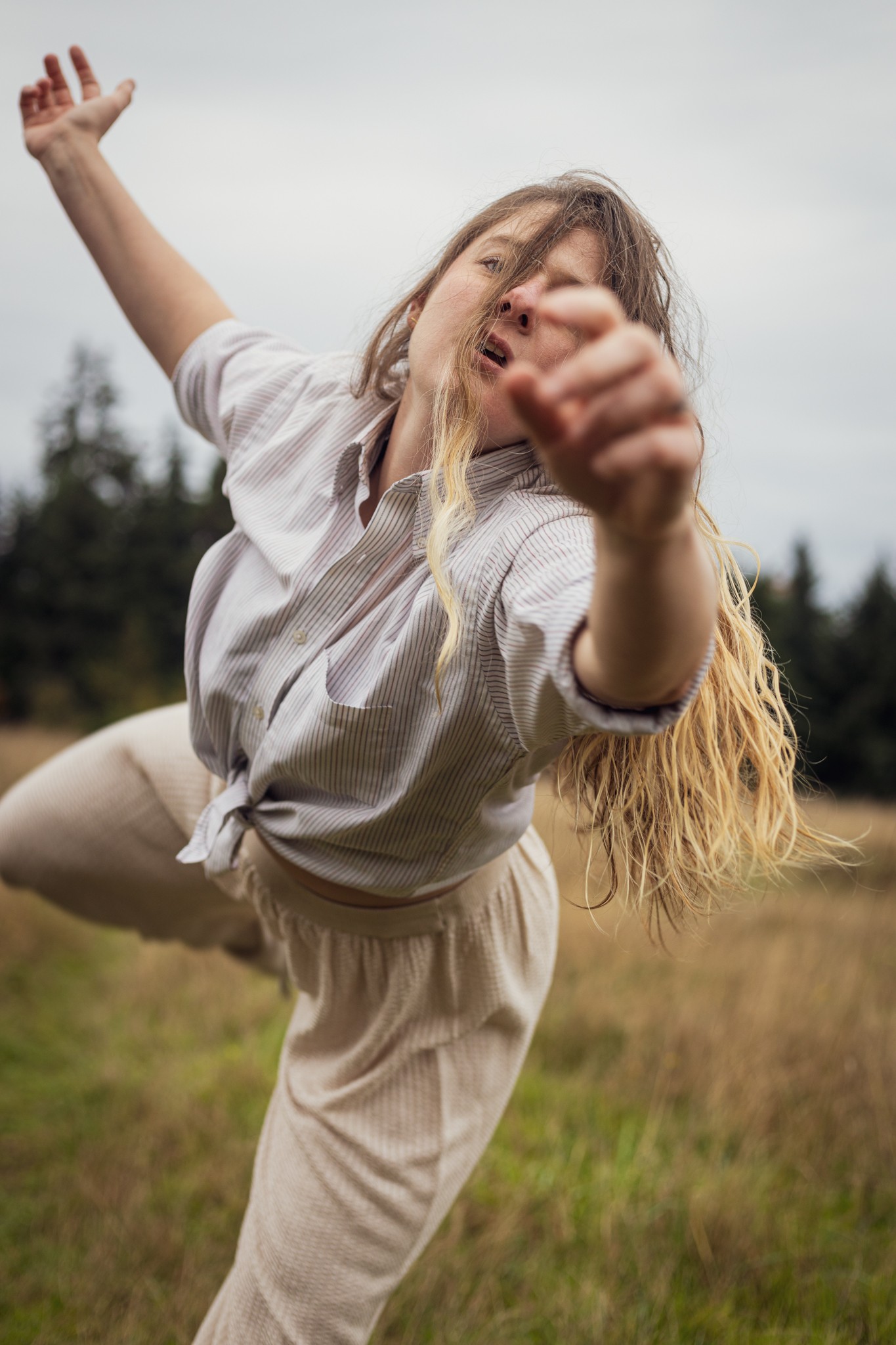
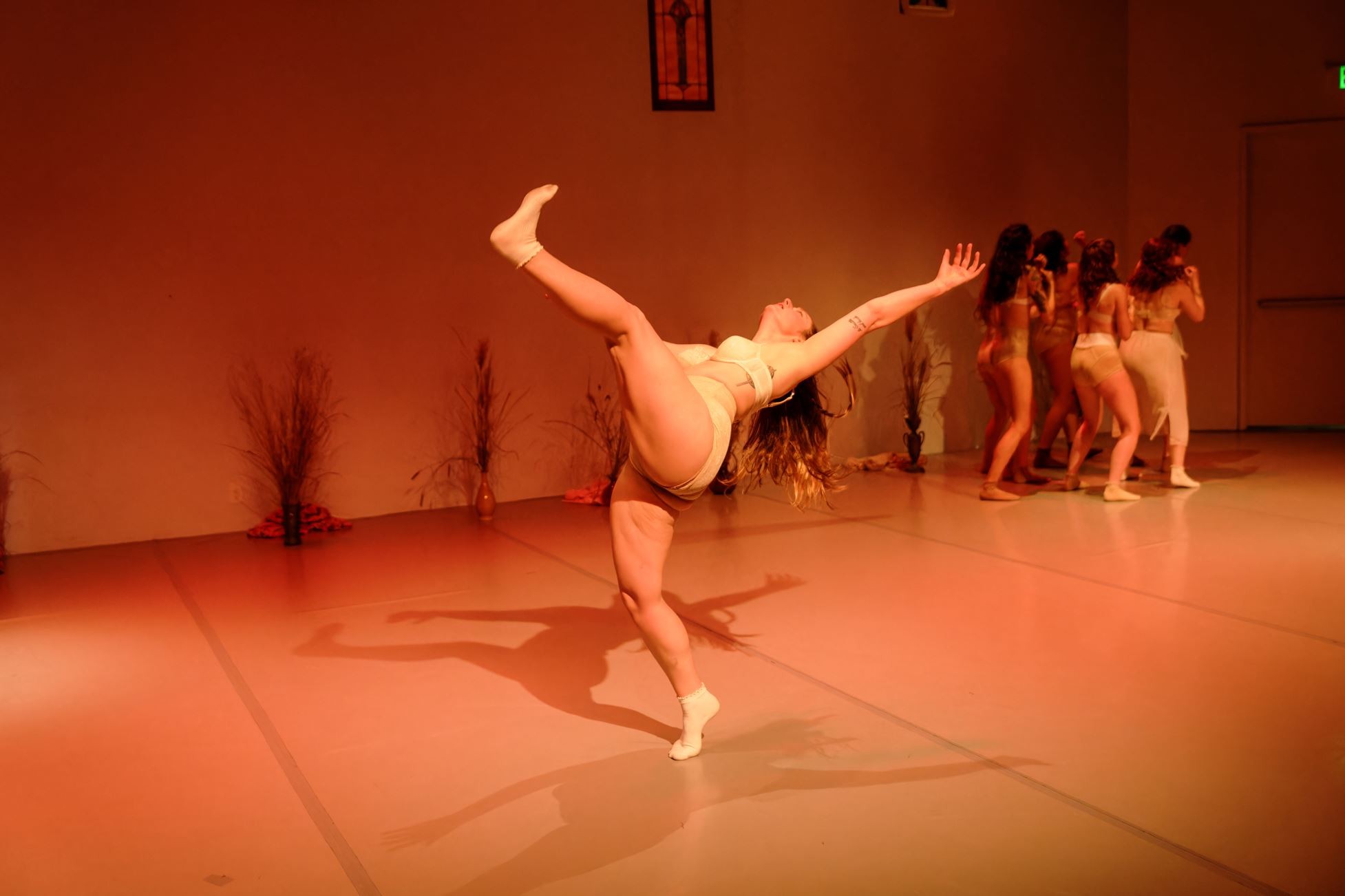
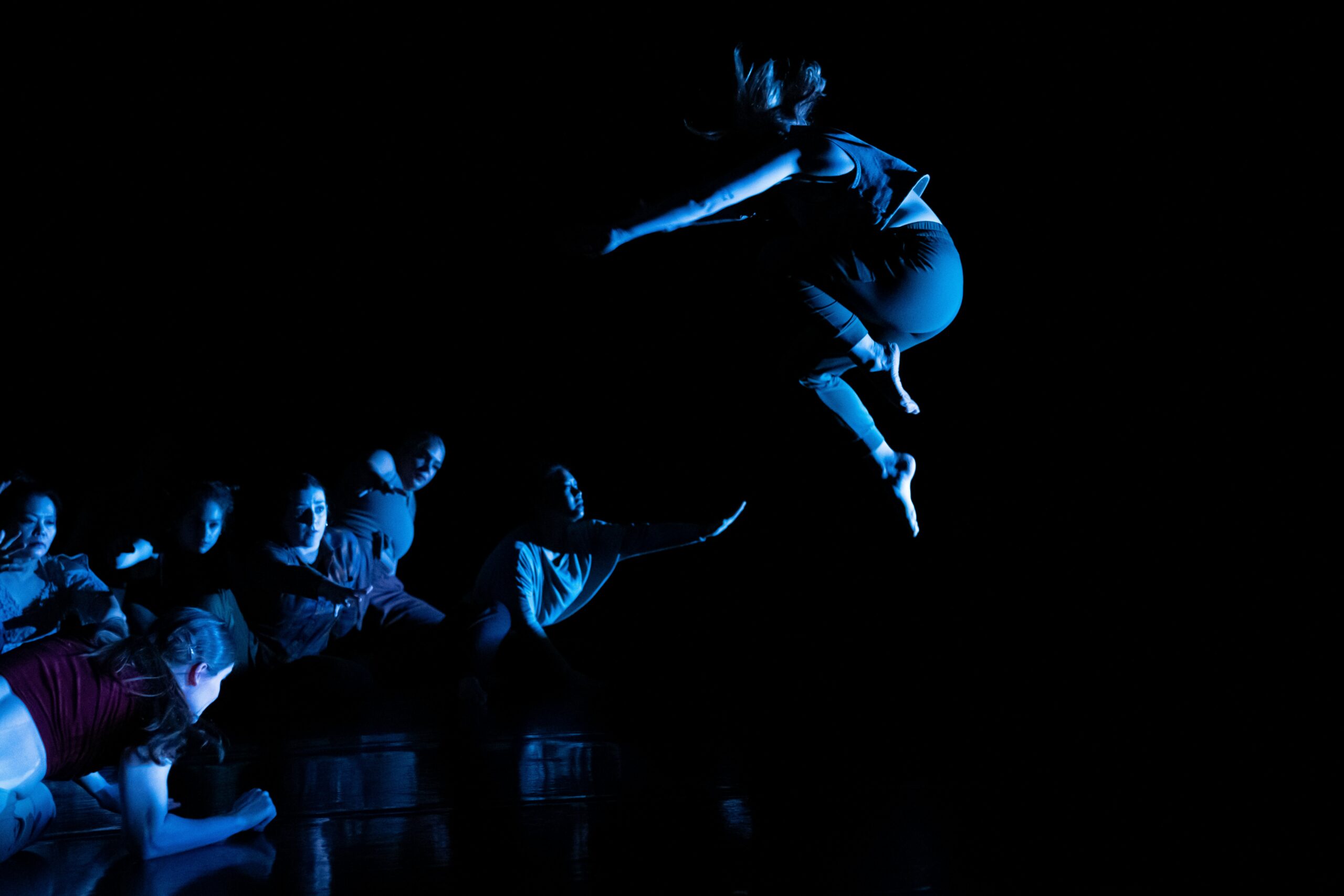
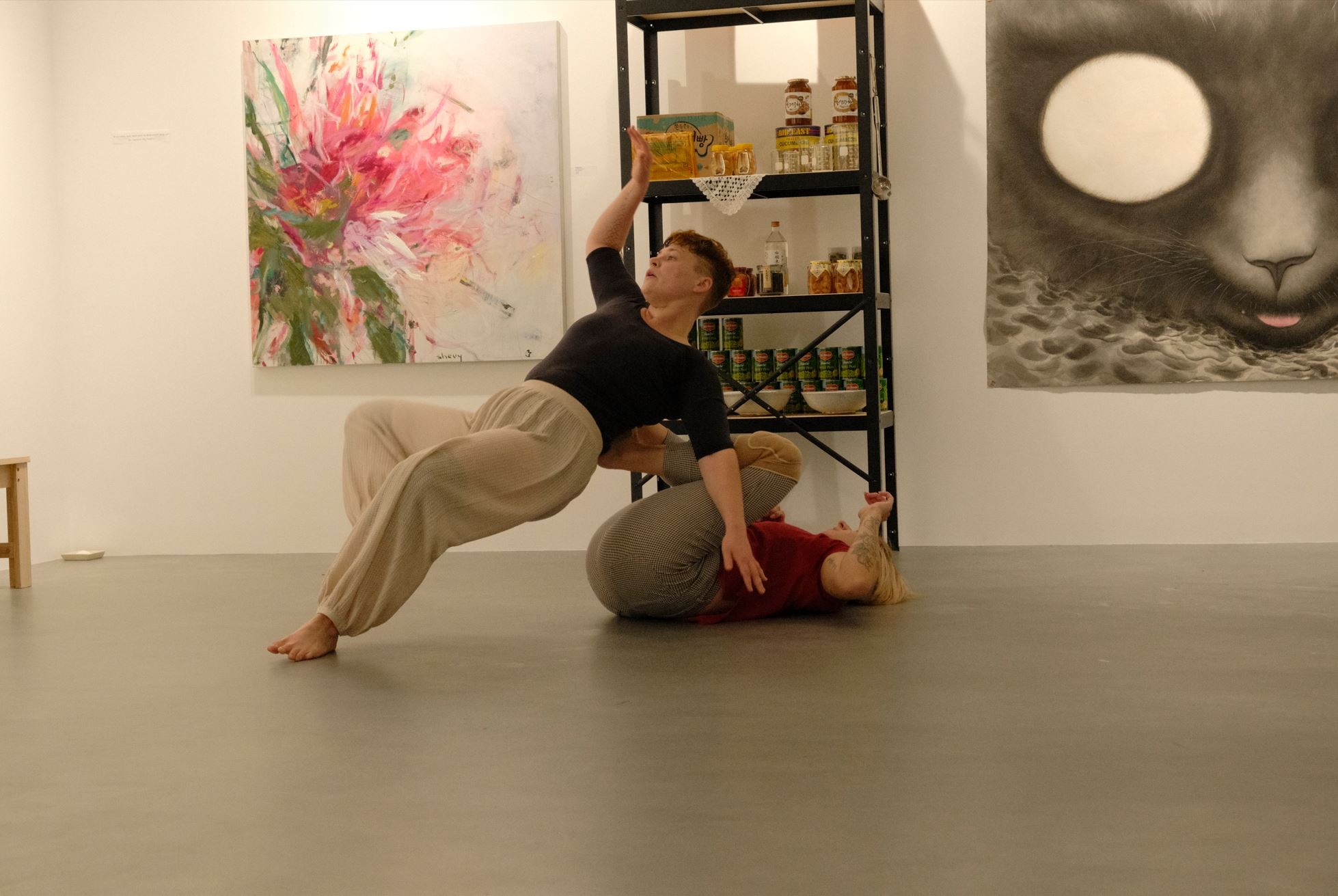
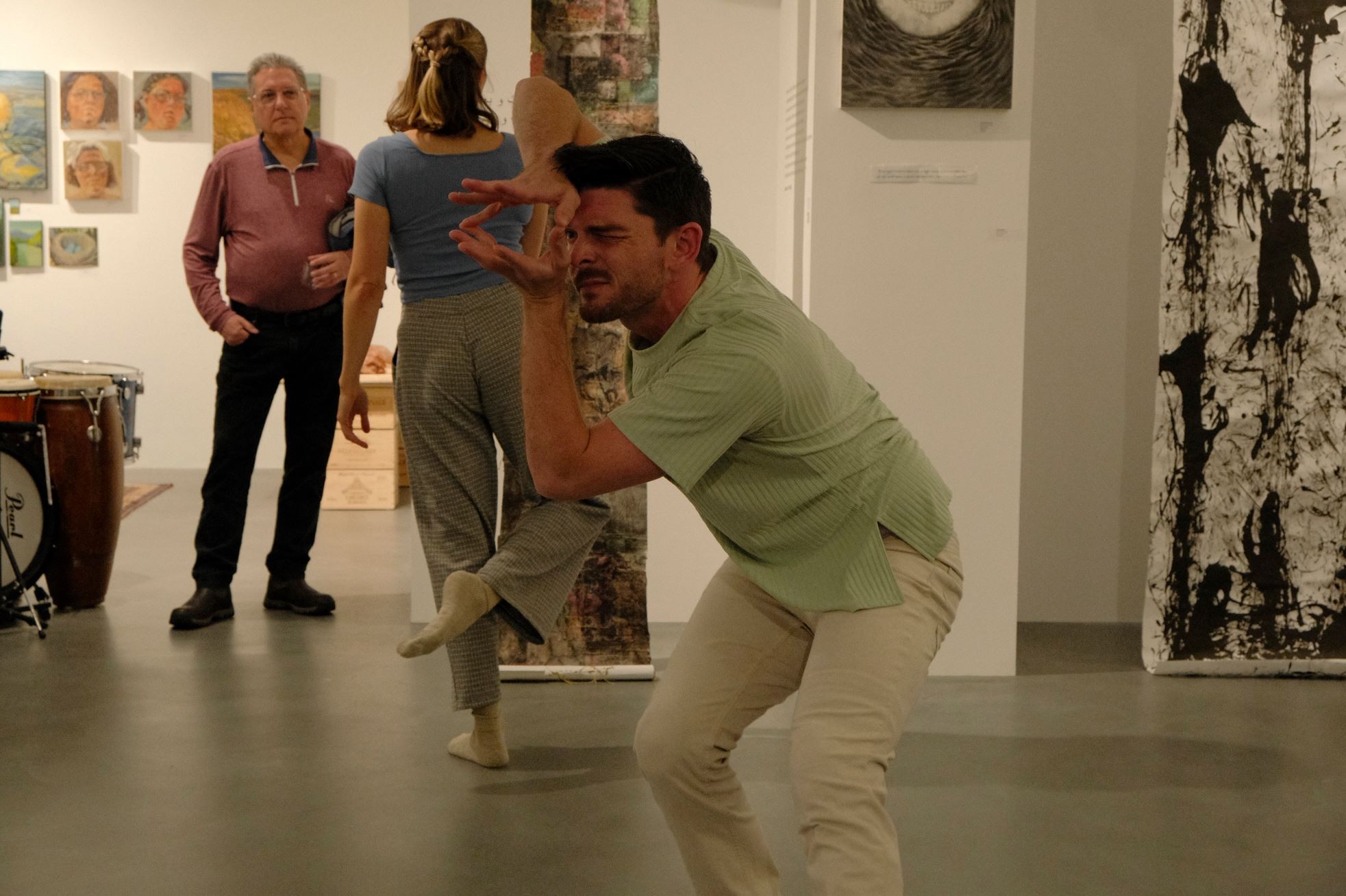
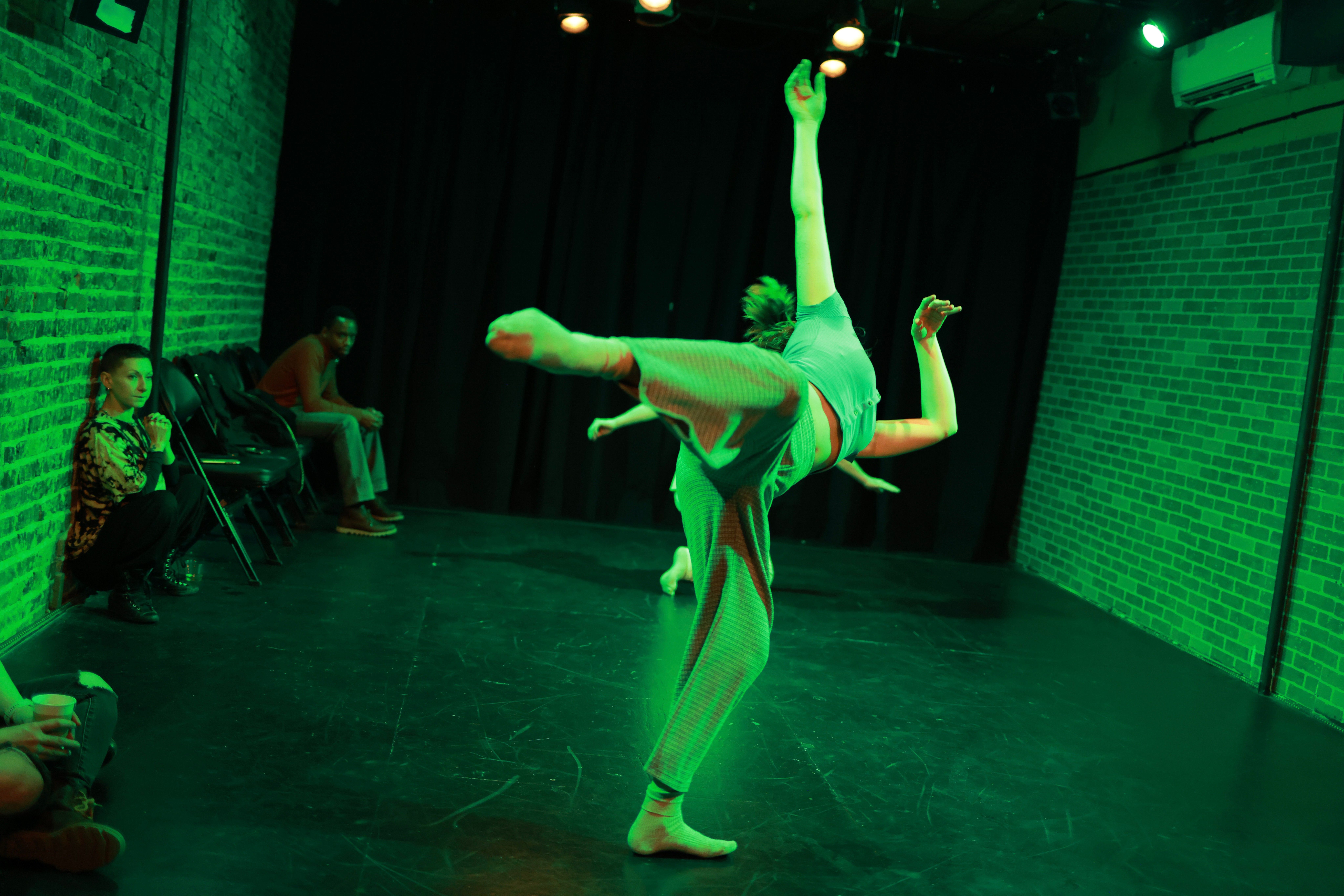
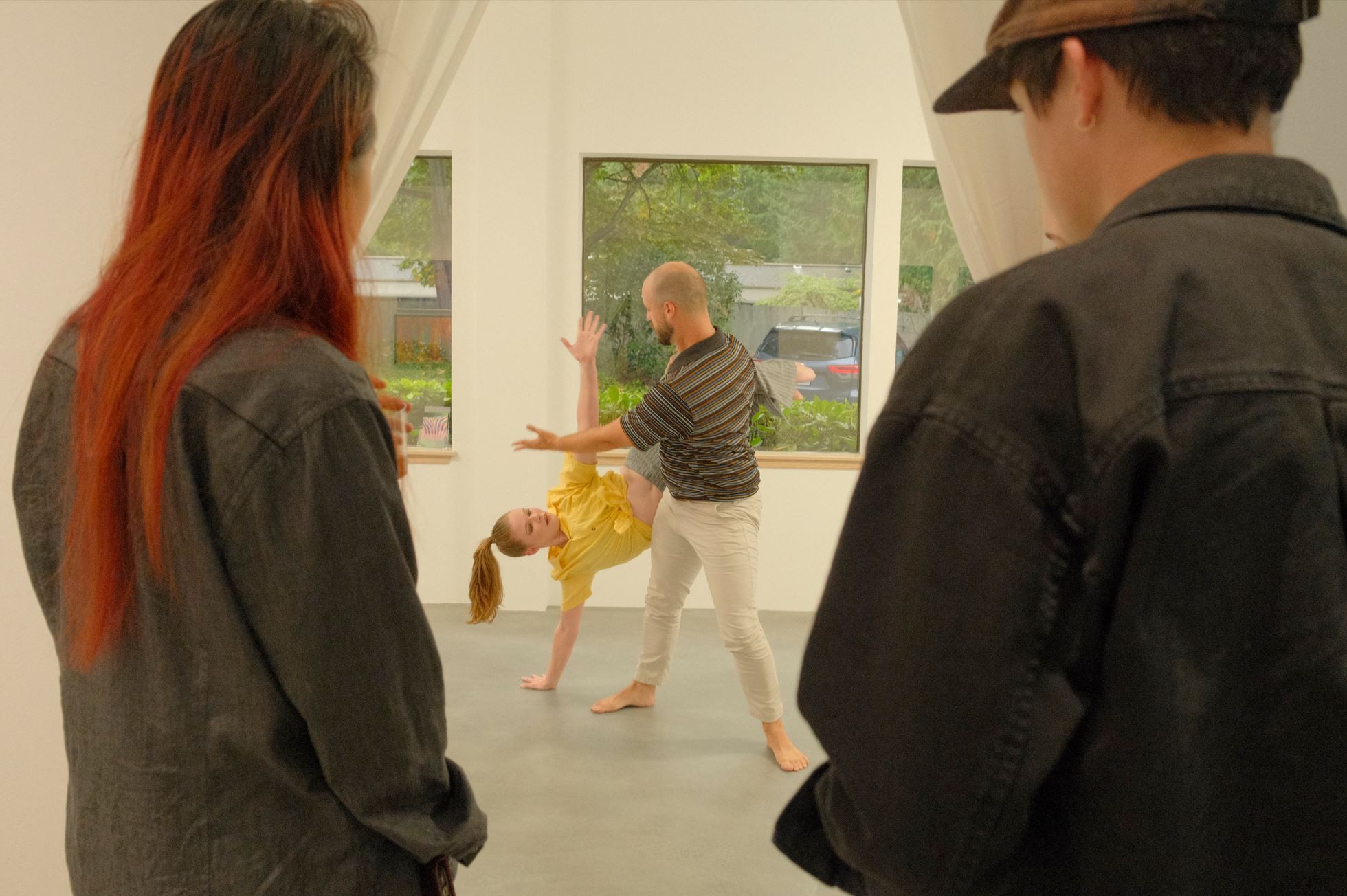

Image Credits
All image credits are listed on each file, as well as dancers in the images, if not me.