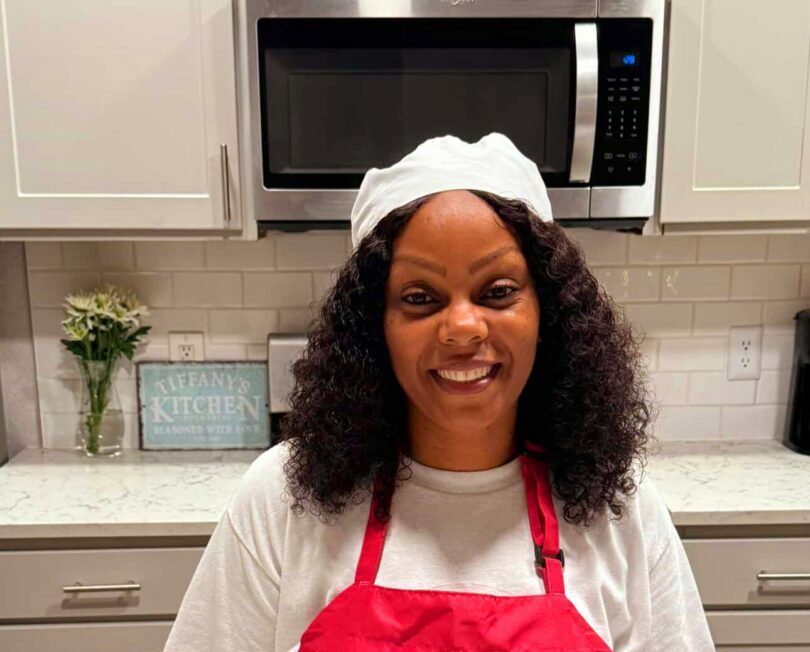
Alright – so today we’ve got the honor of introducing you to Eli Wachs. We think you’ll enjoy our conversation, we’ve shared it below.
Eli, thank you so much for making time for us today. We can’t wait to dive into your story and the lessons you’ve learned along the way, but maybe we can start with something foundational to your success. How have you gone about developing your ability to communicate effectively?
When I was younger, I had a speech impediment. I really struggled to pronounce the letter “S”. Saying “Sammy sells seashells by the seashore” would have been an arduous journey of many hours to get right for me. As a result, I would go to a speech therapist for a couple hours a week while in lower school.
This is to say, it was perhaps an uphill climb at first to be an effective communicator. Perhaps this is why once I was able to properly say sentences, I wanted to link a lot of sentences together. Perhaps I became overly verbose to make up for the years of inability to use one of the most common letters in the alphabet.
Increasingly, I found speaking could be a way to get ahead. Perhaps it was linked to confidence, or lack thereof. Or maybe naïveté, but I would almost always be the first one with a hand raised in a classroom. I hated silence, and would always speak–even if begrudgingly on a topic I knew little about.
In high school, I joined both the mock trial and debate teams, and was invited to deliver a few TedX talks. I came to see that it was not just about presenting a lot of information, but presenting the right information. I saw that silences could be the most effective moment of a 10-minute speech. That your vocal inflection, cadence, and non-verbal cues could also have a bigger impact on your audience than the actual words.
To quote one of my favorite comics, I’ve always been a persuader and not a conquerer. I began to pride myself on the symphony I thought a conversation should be. A choreographed dance that you conduct in real-time. It seemed natural for me to start performing stand-up comedy. Comedy, like public speaking, is about timing, cadence, and perfected silences.
However, if I’ve learned one thing over the years, it is that I learn very little when I speak. I increasingly try to push myself back into the toddler version of myself and just hear what others are thinking. That’s how you grow the most 🙂
Thanks, so before we move on maybe you can share a bit more about yourself?
I started Footprint in 2022 to build the identity layer to the internet. In the physical world, there is a central repository of who we are (databases in the governments and documents issued by DMVs). It is also easier in the physical world to match a person to that record–for example if you go to a bank, the teller can physically see with whom they are speaking.
In the digital world though, we have no such system. And as a result, companies struggle to rebuild systems to attempt to identify people. Every company is looking for a needle in a haystack (fraud) despite there being an infinite amount of fake identities to use online. Conversely, there is a finite amount of real people in the world. Footprint is building that centralized ecosystem–an Apple Pay for Identity–to make it easier for people to use the internet and companies properly understand with whom they are interacting.
Fraud and identity theft are often silent issues on the internet that impact us all. It leads to higher prices, tangible loss of assets, and lower credit scores. People should be penalized by companies now knowing who their customers are. Footprint is on a mission to solve this.
There is so much advice out there about all the different skills and qualities folks need to develop in order to succeed in today’s highly competitive environment and often it can feel overwhelming. So, if we had to break it down to just the three that matter most, which three skills or qualities would you focus on?
Take Risks + Persevere I’ve always believed the biggest risk is often taking no risk at all. Sometimes this has been to my detriment–I can be stubborn about following the less popular path. But I do think often the biggest competitor we have is our own ability to dream big and try to do something others may find crazy. Risk-taking must be complemented by perseverance. Others may be willing to attempt something, but very few will be able to go through the highs and lows to reach the desired outcome.
Be Optimistically Naive But Open to Learn
I think the best time to start something is often before you have all of the facts. Information is great, but often it is too late by the time you’ve learned everything. Or if you learn everything in a theoretical sense, you may rule something out that could have worked practically. When you take risks, embrace your naive optimism, but be very open to learn how to refine.
Awesome, really appreciate you opening up with us today and before we close maybe you can share a book recommendation with us. Has there been a book that’s been impactful in your growth and development?
My favorite book is The Shadow of the Wind. I quote it far too often to others and in investor updates. Sometimes it can be dangerous to dream and live in a fantasy. But I don’t think life would be worth living without it. Every time I read it, I’m reminded of the dreams of my own youth, the magic of a beautiful story, and “possessed by the absurd conviction that everything was possible”.
Contact Info:
- Website: https://www.onefootprint.com
- Instagram: https://www.instagram.com/eliwachs/
- Linkedin: https://www.linkedin.com/in/eliwachs/
- Twitter: https://twitter.com/EliWachs
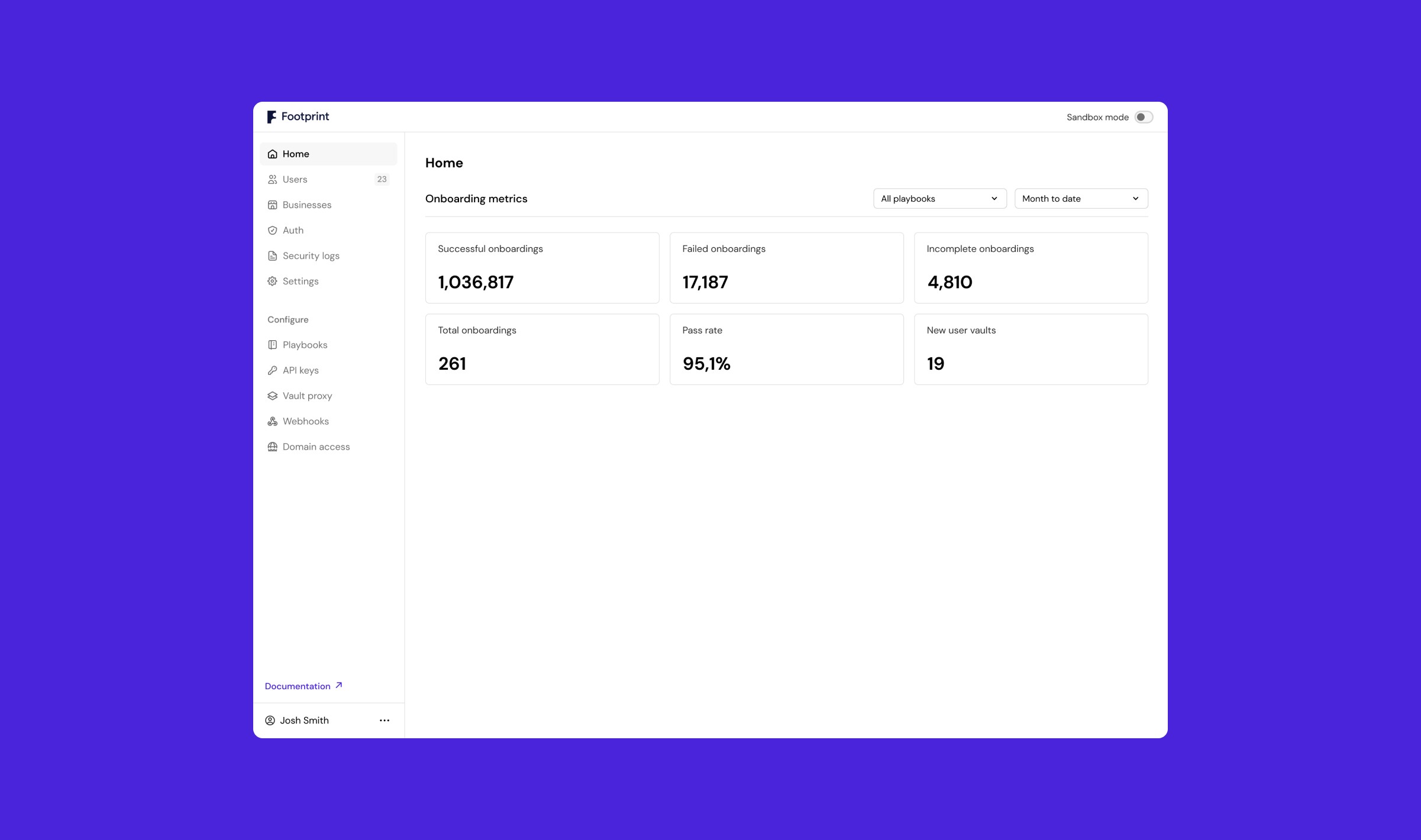
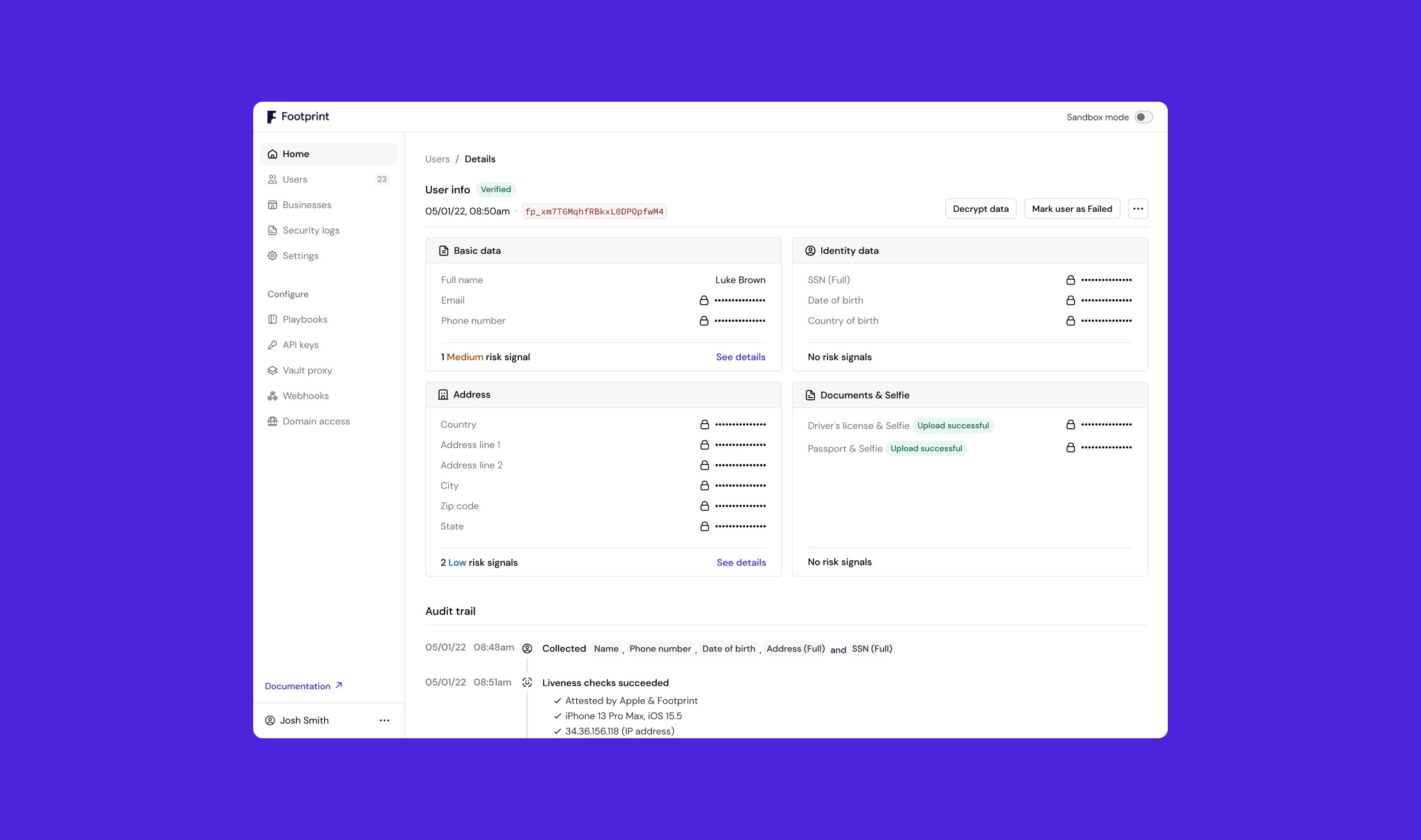
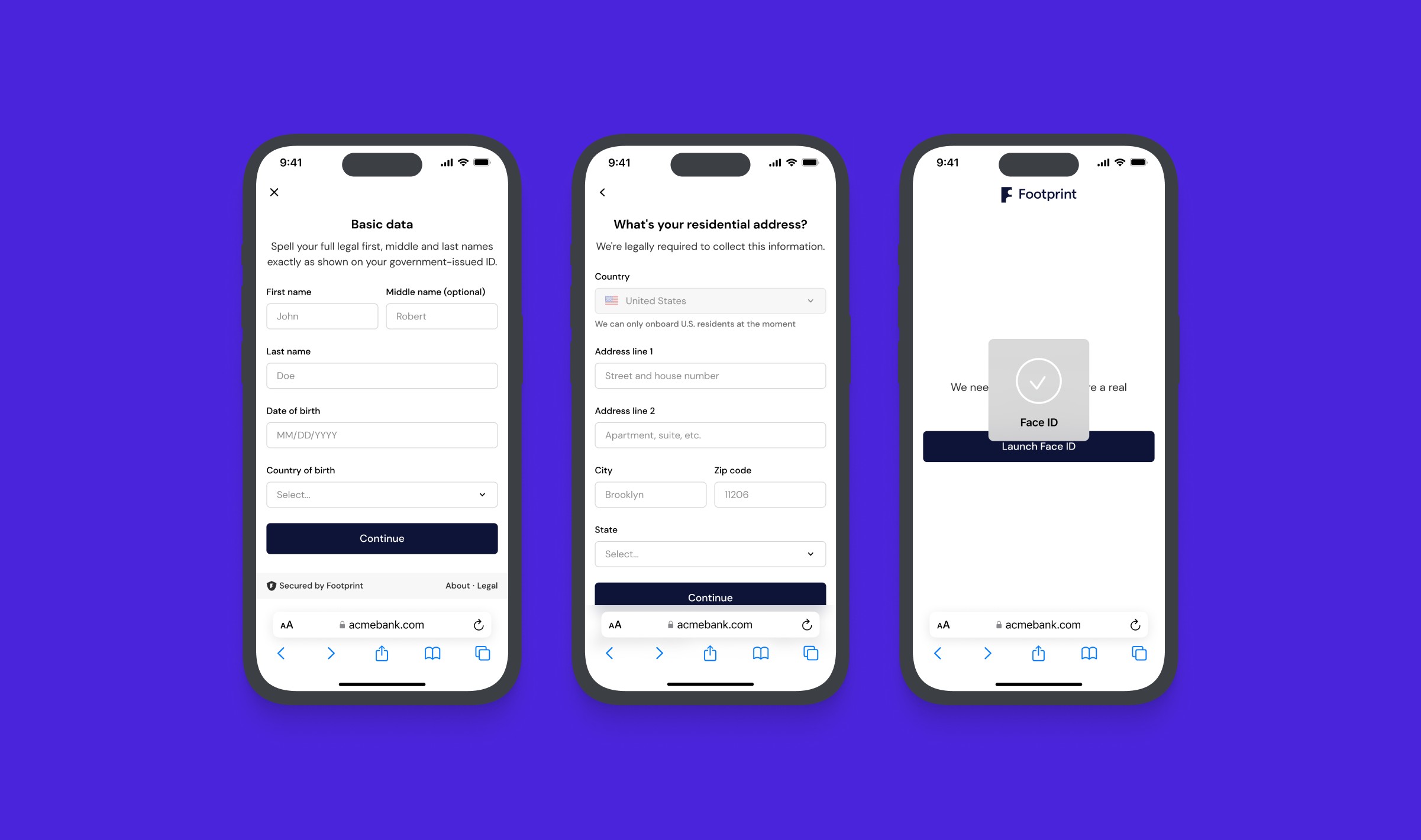
Image Credits
I have all credits