We caught up with the brilliant and insightful Laura Kern a few weeks ago and have shared our conversation below.
Laura, first a big thank you for taking the time to share your thoughts and insights with us today. I’m sure many of our readers will benefit from your wisdom, and one of the areas where we think your insight might be most helpful is related to imposter syndrome. Imposter syndrome is holding so many people back from reaching their true and highest potential and so we’d love to hear about your journey and how you overcame imposter syndrome.
Imposter syndrome serves as both a killjoy and the weight that kept me grounded. I worked hard to get into an MFA program, and I was doubtful 100% of the time during the application process. When I accepted an offer at Penn State, I immediately started thinking of the worst-case scenarios. I wanted to succeed, contribute to my peers, and show Penn State made the right choice. I was receiving money for a graduate teaching assistantship. I was given a job and was paid to go there and learn. In the simplest of terms, they had faith in me and what I could bring to the program. This meant a lot. To be happily surprised by someone exceeding expectation is one thing, being let down by someone you thought would excel is another. I thought of all the others who may have been rejected. I didn’t want to squander this chance to grow myself or take a space that another could excel in. Eventually, these thoughts got old. They were draining and only proved to detract from my experience and workflow. Feeling like I didn’t belong there, that I would be found wanting, caused immense anxiety that was constantly at odds with my joy from being there. Worried that I would be found to be below the standard, I worked hard. Waking up early and going to sleep late, I had long workdays from the beginning. It was soothing to see physical progress. I knew even if others could magically work flawlessly, I could work hard. Showing up consistently, even if some days resulted in studio failures or backtracking, led to progress. My thoughts began to organize, my workflow and meal prep began to find a reasonable rhythm, and the more I was able to form a routine, the better I felt. Anytime I started going down the rabbit hole of worrying about if I belonged, about the faceless people who may have been rejected for me to be accepted, I ended those thoughts with the fact that it didn’t matter. They picked me, and I signed my contract. I wasn’t going anywhere by choice. Even if the worst-case scenario happened of my work being considered below standard, they couldn’t get rid of me yet. I would use all my time there to do my best and challenge myself. In that, I could only win.
Let’s take a small detour – maybe you can share a bit about yourself before we dive back into some of the other questions we had for you?
My work centers on communication, human connection, and wayfinding. Using systems of navigation and my personal experience as sources of inspiration, I create atmospheres for people to explore and connect to. By joining parts and layering materials in unexpected ways, I build spaces to provoke questions, elicit reactions, and encourage viewers to empathize within.
Finding unique connections can merge individuality with community and lessen feeling lost. This process creates a space that encourages curiosity and connection through art making. I hope this experience lingers with viewers as they consider how to connect with others and stability they can create.
There is so much advice out there about all the different skills and qualities folks need to develop in order to succeed in today’s highly competitive environment and often it can feel overwhelming. So, if we had to break it down to just the three that matter most, which three skills or qualities would you focus on?
The elements that impacted my journey the most were work ethic, creative problem-solving, and reliability. This notion that you can work yourself out of struggle into a place of success has always stuck with me. My grandparents on both sides, and my parents were blue-collar workers. They worked hard my whole life; I have been surrounded by people who worked hard for what they had. Having a strong work ethic was always essential to succeed. I was taught to take pride in the work I did through example, and once you commit to something, you must see it through. I have found that when you are doing something you love, it is easy to over-commit. When you want to grow, doing something well and taking pride in it means committing an immense amount of time and effort. The satisfaction of seeing yourself progress makes the work even more worth the effort. I think it is essential to pick something you are passionate about and work steadily towards it. It is important to identify red flags because it is essential to creative problem-solving. Entering a career and pursuing it with dedication and focus also means being aware when a hurdle is insurmountable. The ability to know when to pivot to change direction is just as important as knowing when to continue forward. Being able to think of solutions that were not there before not only helps in creating practice but also gives more career options. This sensitivity is built by trying new things and seeing which ones resonate.
I have also found that reliability and showing up when you say you will are vital. I look for reliability in my network, my peers, and my friends. Not only does this quality help me in my studio practice when showing up for myself, but having a successful career means being consistent with others.
Any advice for folks feeling overwhelmed?
When I feel overwhelmed by something, I approach it by breaking it into small, manageable parts. At first, I developed this by constantly playing a game with myself where I try to determine the most efficient way I complete all my tasks for the day. What sequence and throughline can I use to accomplish my goals with time left to spare? The win? Extra time to do what I please or time that could be eaten up by unexpected problem-solving. The risk? My plan fails and I end up using more time than expected. Using this game to get out of the house is typically low-stakes fun, but when I need to, I can expand it to a larger issue when I feel overwhelmed. Taking on a multi-layered project with many steps and complex sequencing can be broken into a series of small steps that are not as overwhelming. Rather than seeing the huge task of the project, I look at all the smaller parts and accomplish those first. It is not foolproof, and I fail all the time, but the muscle memory of this game keeps my creative problem-solving skills at the ready.
Contact Info:
- Website:www.laurakernart.com
- Instagram: @laurakernart





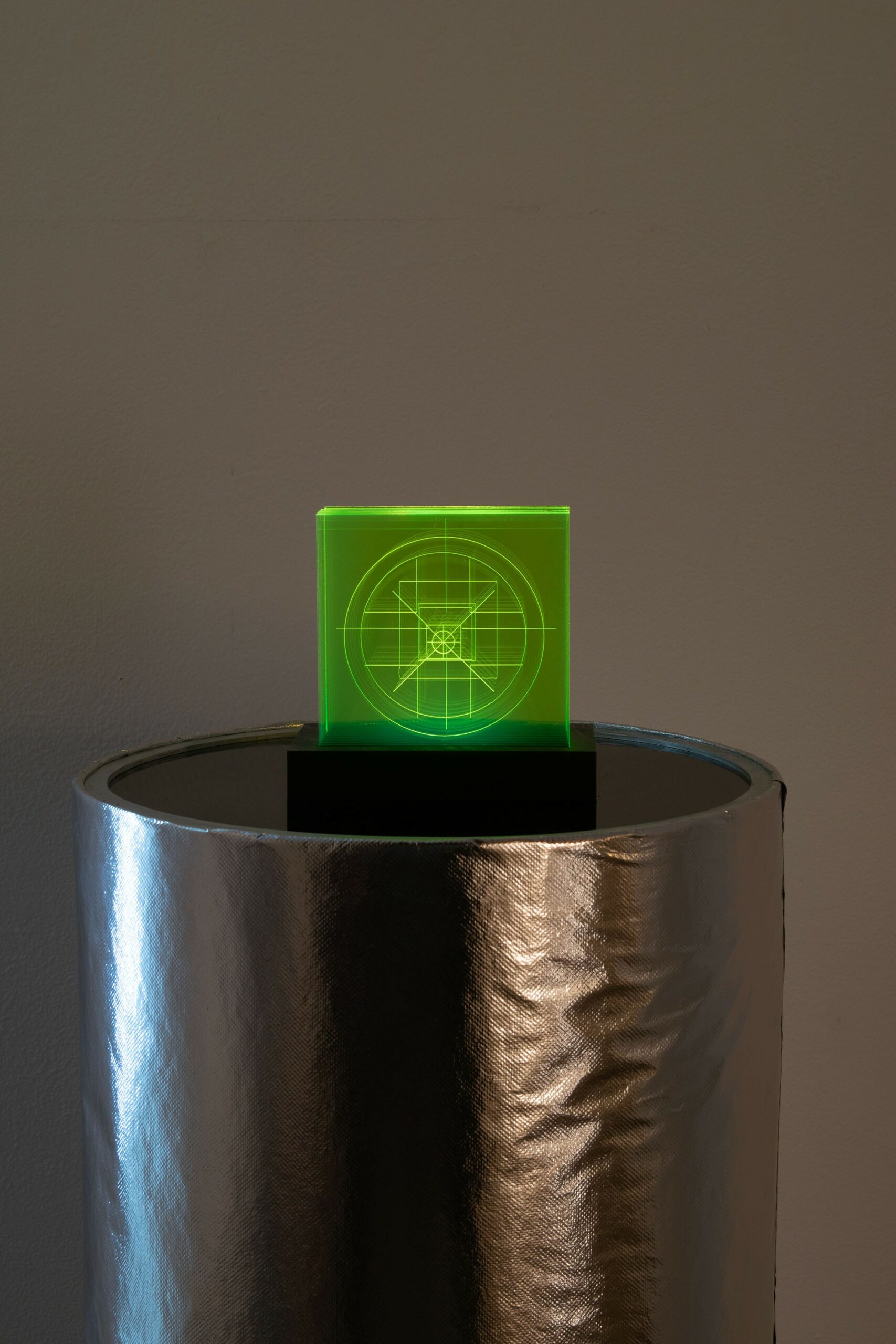
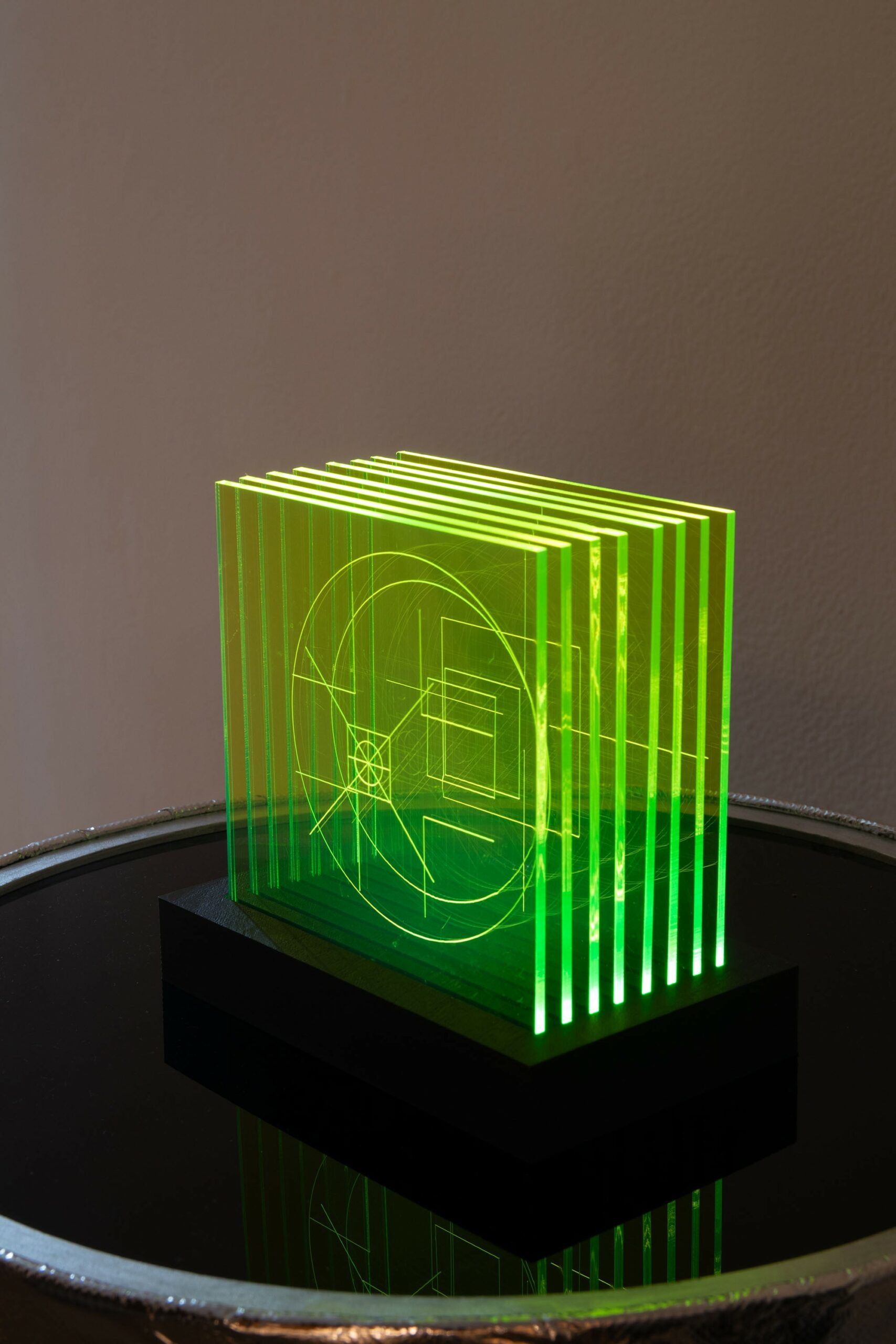

Image Credits
Photos taken by Jennifer Kern