We’re excited to introduce you to the always interesting and insightful Daniel Kirby. We hope you’ll enjoy our conversation with Daniel below.
Daniel, so great to have you with us today. There are so many topics we want to ask you about, but perhaps the one we can start with is burnout. How have you overcome or avoided burnout?
This is a tough one. There’s a tendency to work as much as you can in this industry, and pressure to prove yourself as an artist by always having an answer to “what are you working on next?” – whether that’s coming from a skeptical family member at a dinner table or a well-meaning moderator at a festival Q&A. I’ve definitely fallen victim to the competition before, and I actually had a really bad experience with it where a project that was very important to me didn’t come out as well as it could’ve because I was spread too thin. It really forced me to sit down and consider what it is that I truly want. I like working as a producer or assistant director, but my goal isn’t to be one of those primarily, so I won’t take on one of those roles if it’ll inhibit my ability to make my own projects reach their full potential. We’re told so often in this work to “just say yes,” but I guess the skill I developed was the ability to say “no” sometimes. Which seems obvious, but I guess I had to learn it the hard way.
As for overcoming burnout – I feel like, at least for me, having some sort of non-competitive form of creation is absolutely necessary. I usually spend some time climbing mountains with my brother and some old 35mm Nikons. You get up into the wilderness and there’s no one around and the air smells different and you’re framing some mountain goat or bear through a telephoto lens and the sun is shining and the breeze is blowing and the stress just melts away. It’s completely peaceful. And it’s totally low stakes, but still creative, which I think is important. You need to make sure that the thing that you love doesn’t become totally intertwined with stress in your subconscious.
Great, so let’s take a few minutes and cover your story. What should folks know about you and what you do?
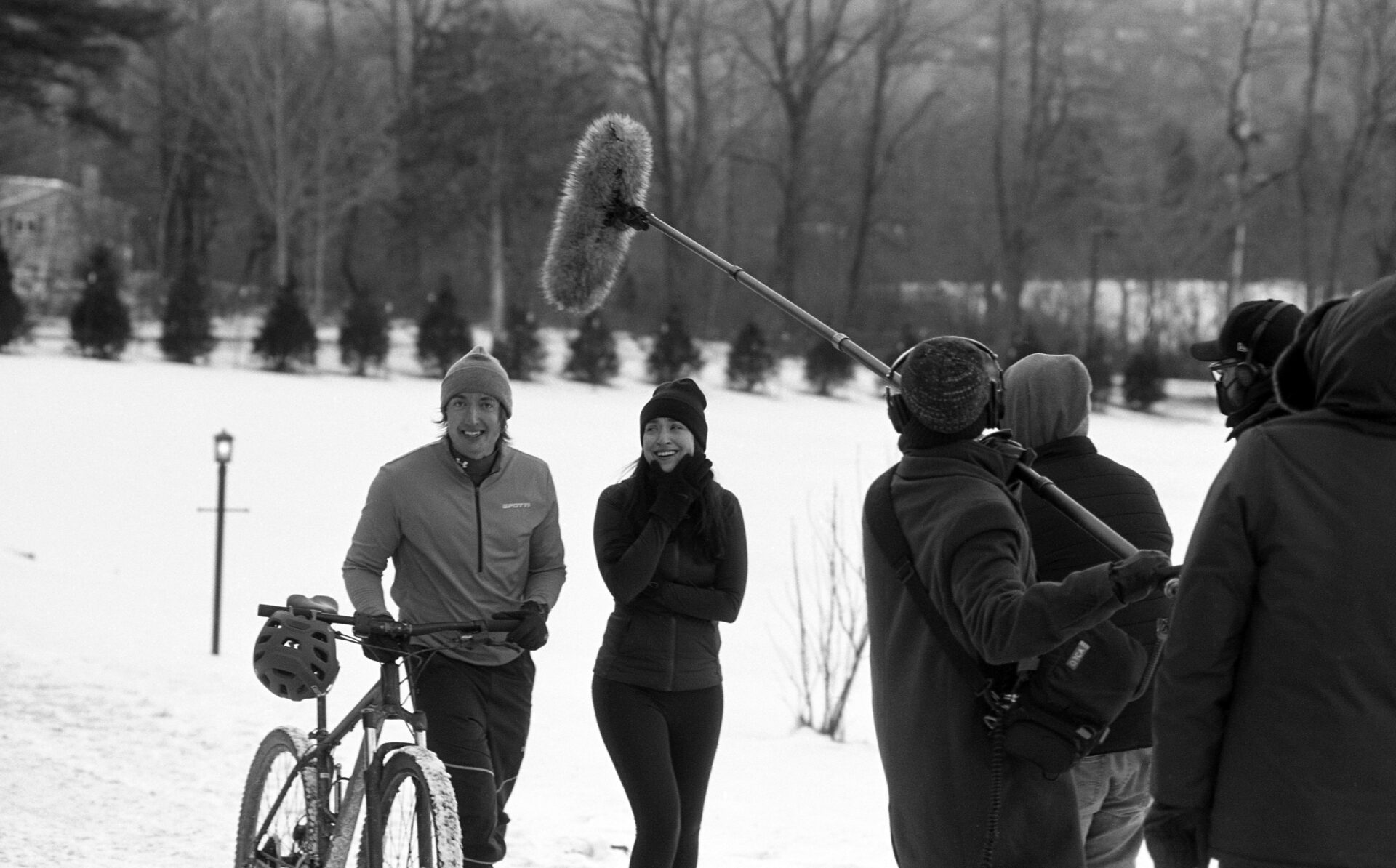
I’m an actor and a filmmaker. I write, direct, produce, edit, and work in the production department of film sets, usually as a 1st AD. I definitely don’t do all these roles on the same project.
The thing that I find most exciting about the work itself is that it allows me to explore and understand the world around me. Have you ever watched someone do something and asked yourself “why did they do that?” Or looked back on an experience you had and think “why did that go the way that it did?” “Why did I act the way that I did?” Those are the questions that drive my work, and I ask them every day. And then through my work I come up with my best answer. Which is like – you get rid of all your wrong hypothesis because you can tell in the writing or the prep that they’re false. And the thing that you come up with might not be 100% factually true in terms of the situation that you witnessed (you can never know all of the circumstances that go into someone else’s choices) – but its base is true, and then you share that with other people and you get to talk about what that means, and how widely applicable it is. It’s weirdly scientific in that way I guess. Kinda sounds like peer review.
The thing about making the work that I find most exciting is that you get to experience all these things and cultures that you’ve never experienced before. I was the AD on a music video back in March for a Haitain artist. The director was Haitian-American and the crew included people from Trinidad, and Russia, and Kyrgyszstan. And we were all coming together to make this thing, contributing our own experiences and points of view. It’s like – I’m producing a commerical for a Trinidadian beer next month, through the guy from that music video shoot. The concept behind the commercial is to show the way in which Trinidadian culture manifests itself in this beer. I’m a white guy from a town that doesn’t have a stoplight in it. If I weren’t in film what would I know about Trinidadian culture? But in our prep on this project I’m getting an immersion course in their culture and traditions. It’s amazing, and I’m so glad I get to have that experience.
As for upcoming projects – I have a short film that I produced that’s just starting to hit the film festival circuit now, called Gold Rush, which satirizes the beauty industry particularly through an allegory for weight-loss drugs and the sometimes dishonest representation of them in media. Like I alluded to I’m producing a couple of commercials in the summer, and then I’m also in the early stages of a short I’m directing this fall that looks at the limits around how we care about other people.
If you had to pick three qualities that are most important to develop, which three would you say matter most?
I think listening, empathy, and imagination are the three most important qualities when it comes to the work I do. You have to really hear people in order to understand them – which is the basis of any of this work. You have to be able to put yourself in somebody else’s shoes, and extrapolate through your imagination why they do what they do.
Go to the park and watch people. When you see somone do something interesting work backwards – why did they do it? Or put yourself in their shoes – why would you do that? Imagine a story that brings them to that point, and check it against your understand of people. Does your story hold water? (If you don’t want to hold yourself to reality, does it work water in the circumstances of the world you’ve set up?)
We’ve all got limited resources, time, energy, focus etc – so if you had to choose between going all in on your strengths or working on areas where you aren’t as strong, what would you choose?
I’m gonna answer this with a kind of middle ground. I think it’s important to know what you want. If you don’t know what you want, explore as many areas and see what really makes you happy, and then become the best you can be at that thing. It usually relates to the things you’re naturally good at. I also think it’s important to have some sort of understanding of what the people you collaborate do. Some examples of this:
I’m not a good sound mixer. I have no natural inclination to it. I would never volunteer myself to be a mixer on a set, because I know that me mixing the sound will make a project worse than if someone else did it. But I do have taken enough sound mixing classes to understand what a mixer needs to excel. So as a producer or a director or an AD I know how to put them best in a situation to succeed, and I understand when they tell me they can’t do something, or they need something, or if they have an idea for something. That level of understanding makes me much better at all of my jobs. But for me to really invest in improving my mixing abilities would just take away from my ability to improve at the things that I actually enjoy doing and want to do. Furthermore, collaboration is the lifeblood of filmmaking. For example – if I have a production designer, my job is to help them do their job, or if I’m directing to give them direction, but trying to control them is going to stifle their creativity. They’re much better at that job than I am, and me trusting them is going to make the film better. You can’t do everything, and you can’t be good at everything. Do the things that you like to do, improve at those, but don’t worry if you’re not the best at everything. You never will be the best at everything. Scorsese famously said “I don’t understand lighting.” He doesn’t have to – he has gaffers and cinematographers who he trusts to complement his understanding of composition, and storytelling, and acting. He’s part of a team, creating a film together.
Contact Info:
- Website: www.danielhkirby.com
- Instagram: @dannytwospoons
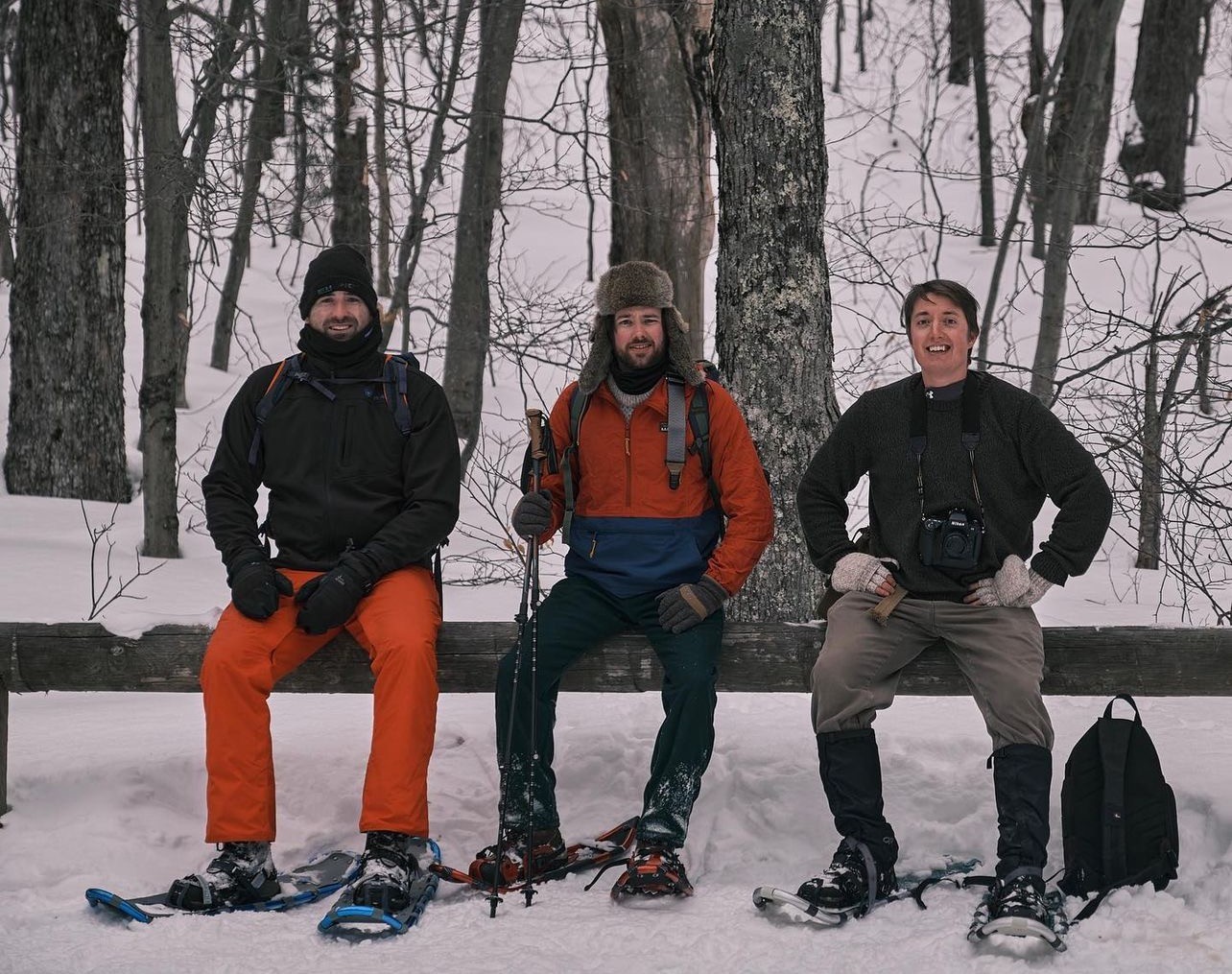
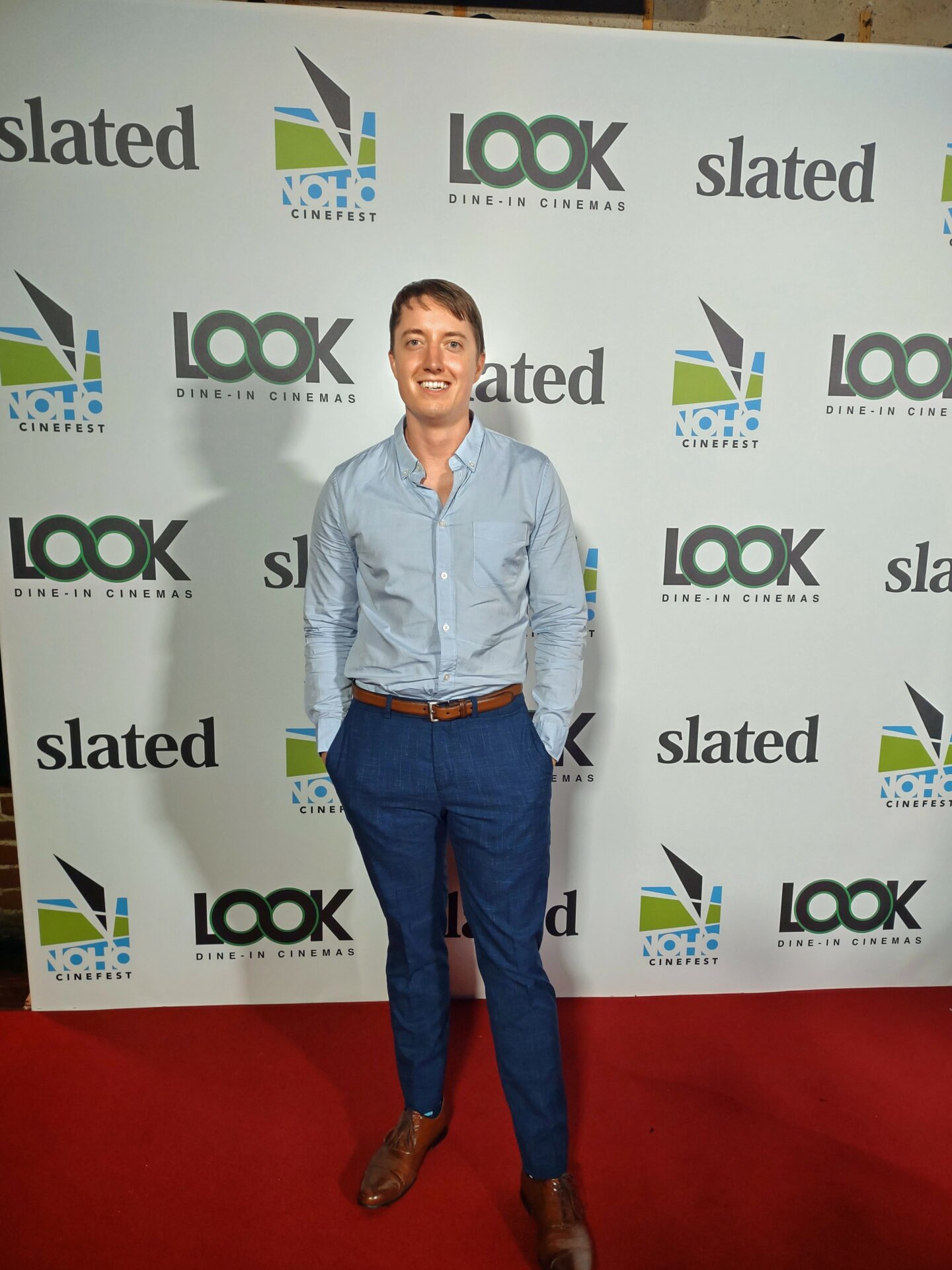
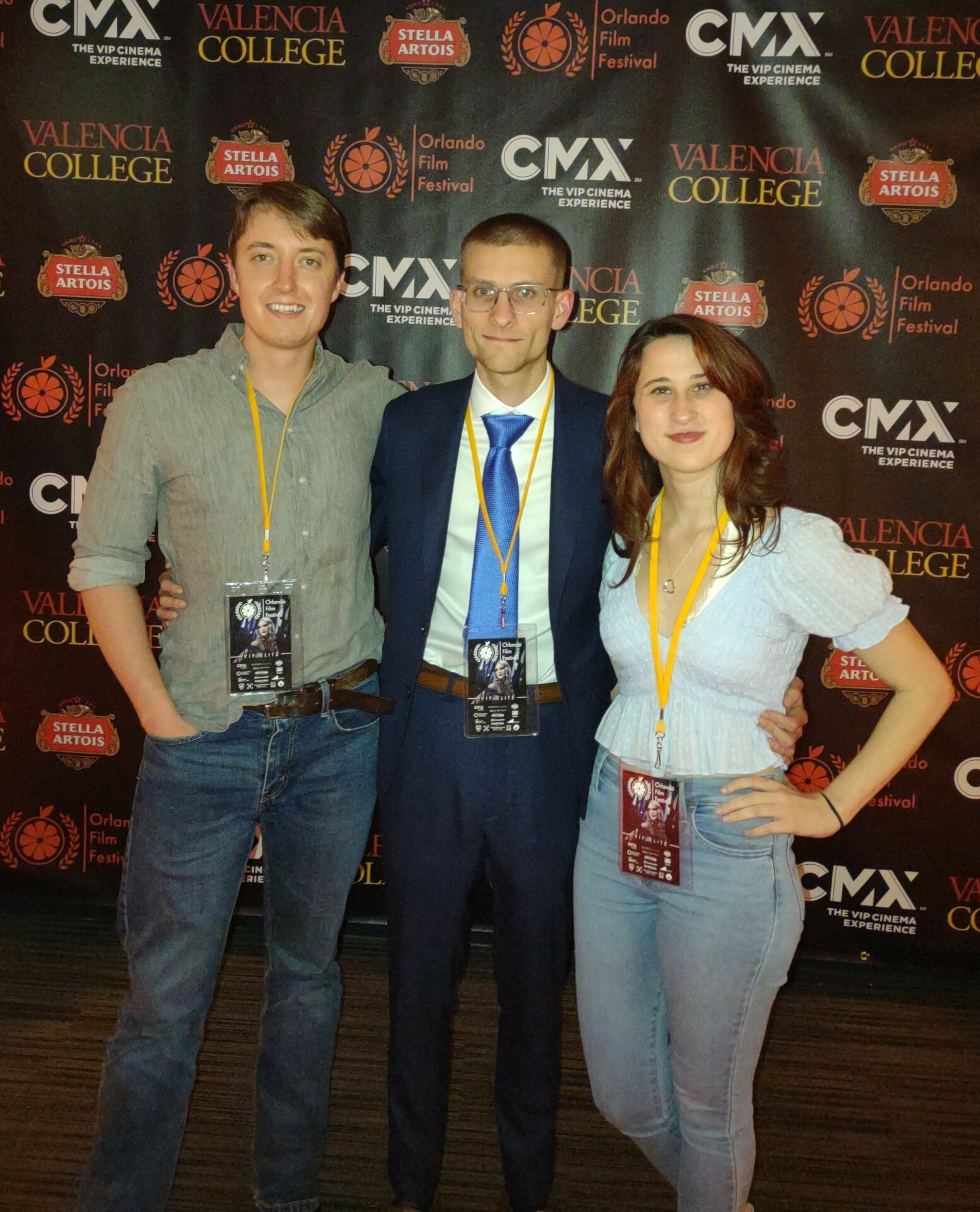
Image Credits
Jonathan Palmer Taban Ibraz Getty Images