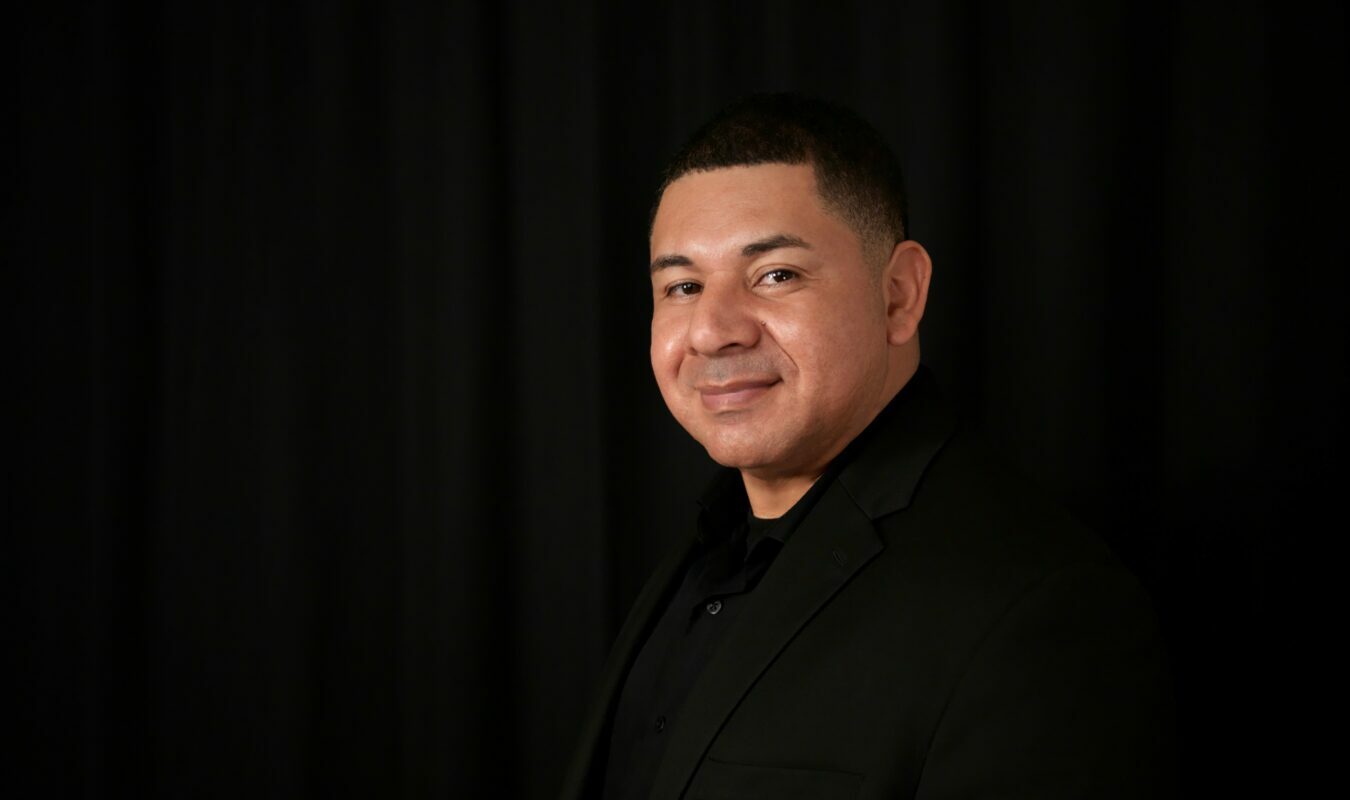
We’re excited to introduce you to the always interesting and insightful Tim Liddy. We hope you’ll enjoy our conversation with Tim below.
Tim , we’re thrilled to have you sharing your thoughts and lessons with our community. So, for folks who are at a stage in their life or career where they are trying to be more resilient, can you share where you get your resilience from?
Mainly, but not limited to, the arena of sports. I always needs to burn energy by movement. If there was a diagnosis for ADHD in the 70’s, I would’ve been the poster child. I was also incredibly driven to succeed and/or win. Being in the physically smaller percentile, I was usually the last one chosen when starting team sports. This proved to be my secret weapon–a huge incentive and challenge for me to work harder than anyone else to be better. I would strive on being told that I was too small. Quickly, I was chosen as captain on my hockey and football teams by my coaches who must’ve noticed that my work ethic would be a benefit for the team. My earliest memory of resilience was when I was learning how to skate. I was around five or six years old and was open skating at a hockey rink with many other people my age and older. As I was trying to turn and stop, I fell and cut my forehead and was bleeding. Everyone stopped and crowded around. Some kids who saw my fall were laughing and I was embarrassed. My dad helped me off the ice and bandaged me up as we sat on the benches. I yelled at him that this was a stupid idea and I’m never going to skate again. He listened and said, “well, if you don’t go back out there right now, you never will succeed in your life”. Then he told me to think about that while he went to get me a coke while the bleeding stopped and he’d be right back. As soon as he disappeared into the concession area, a compulsion hit me and I went right back on the ice and started skating again while blood was dripping down my face. That was definitely a turning point in my life.
Great, so let’s take a few minutes and cover your story. What should folks know about you and what you do?
I was born in 1963 and lived in a Detroit, Michigan suburb. The youngest of four, I was a kid who loved sports, 60s rock music, and cars. At sixteen, I broke my neck in a hockey game and was paralyzed from the neck down for nine months and then recovered through rigorous rehab to walking with a cane but still fairly weak in my extremities.
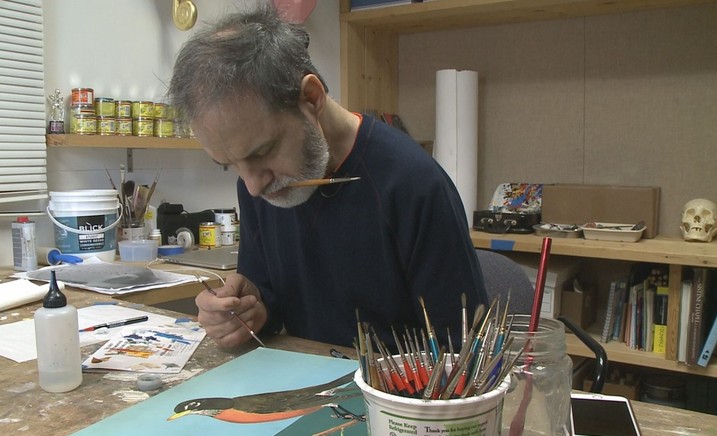
After graduating from high school, I went into Auto Design at the Center for Creative Design in Detroit. I received a BFA in Painting/Sculpture then an MFA in Painting at Washington University in St Louis. After graduation, I started working as a professor at Fontbonne University and will retire in December 2024.
My specialties as a professor are focused on teaching strong core and foundational skills. In painting, I introduce as many mediums as possible. This includes oil, egg tempera, fresco, enamels, gouache,watercolor, and many others. A good drawing foundation starts with representative observation. Although this is becoming more difficult with younger students tethered to technology, I think that it is very important to slow their lives down a bit and focus on looking closer at the subtleties of an object. Anatomy drawing is my baby. This study can open more doors of critical thinking for a student of art, whether or not they are using the figure in their work.
As an artist, I’m represented by 11 galleries nationally and internationally and my works are in collections of many museums, most notably Crystal Bridges Museum of American Art.
I’m most proud of my family; my wife Rebecca and 15 year old son, Winston.
If you had to pick three qualities that are most important to develop, which three would you say matter most?
As an artist and educator, I attribute 3 important traits for success.
1. work ethic: the time you spend on becoming an expert or a master performer in a given field has a lot of variables. I don’t really subscribe to the theory of doing things 10,000 times to reach a mastery, but I do understand its sentiment. What I do think is important in this practice is the mental self-programing. Yes, it will provide grit, perseverance, and stamina, but it will also lead to discovering and opening other pathways toward your success.
2. fail: by far, the best way to learn is to go out onto the skinny branches–knowing that you may fall. Out of all this pain and suffering grows ingenuity and the discovery of what make you unique.
3. find something that you love to do: this can be the most difficult because we are pressured in our social construct to find an occupation that, most importantly, pays the bills. Of course this is very vital and practical in the early parts of our careers. But to find something that you really enjoy is truly the best part of being human. It may be a hobby or, for the most fortunate, a full-time occupation. We should all have something to do that we would never want to retire from. As an artist, I am very lucky to have this as my chosen occupation.
What is the number one obstacle or challenge you are currently facing and what are you doing to try to resolve or overcome this challenge?
Living with a physical disability as I age. I broke my neck when I was sixteen years old playing hockey. I’ve been an ambulatory quadriplegic since that day. My rehab was an everyday practice and discipline. As I look back at my younger years with a physical disability, the challenge was similar to a sport, but as I grow older, it becomes much more difficult and harder to manage. To cope with these obstacles, I have to be more rigorous with my everyday rehab on my body, mind, and spirit. Family, friends, and my students have been a huge support resource. I cherish every day that I can be creative in my studio and on campus as a professor.
Contact Info:
- Website: timliddyworks.com (presently under new construction)
- Instagram: itsmorethanagame
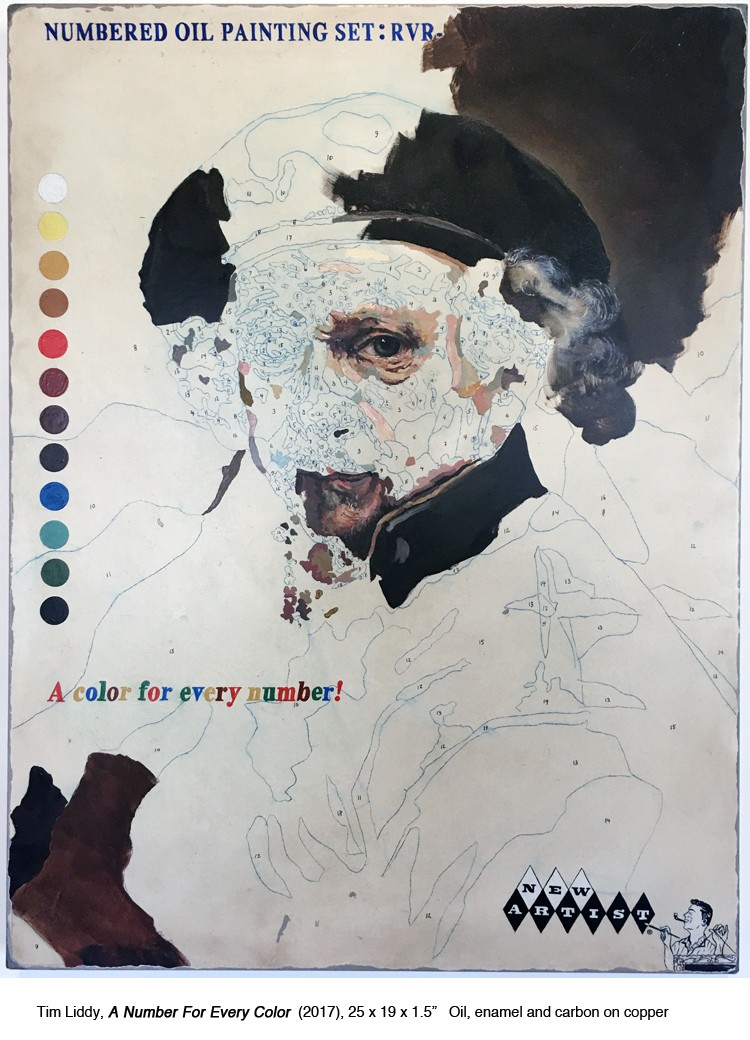
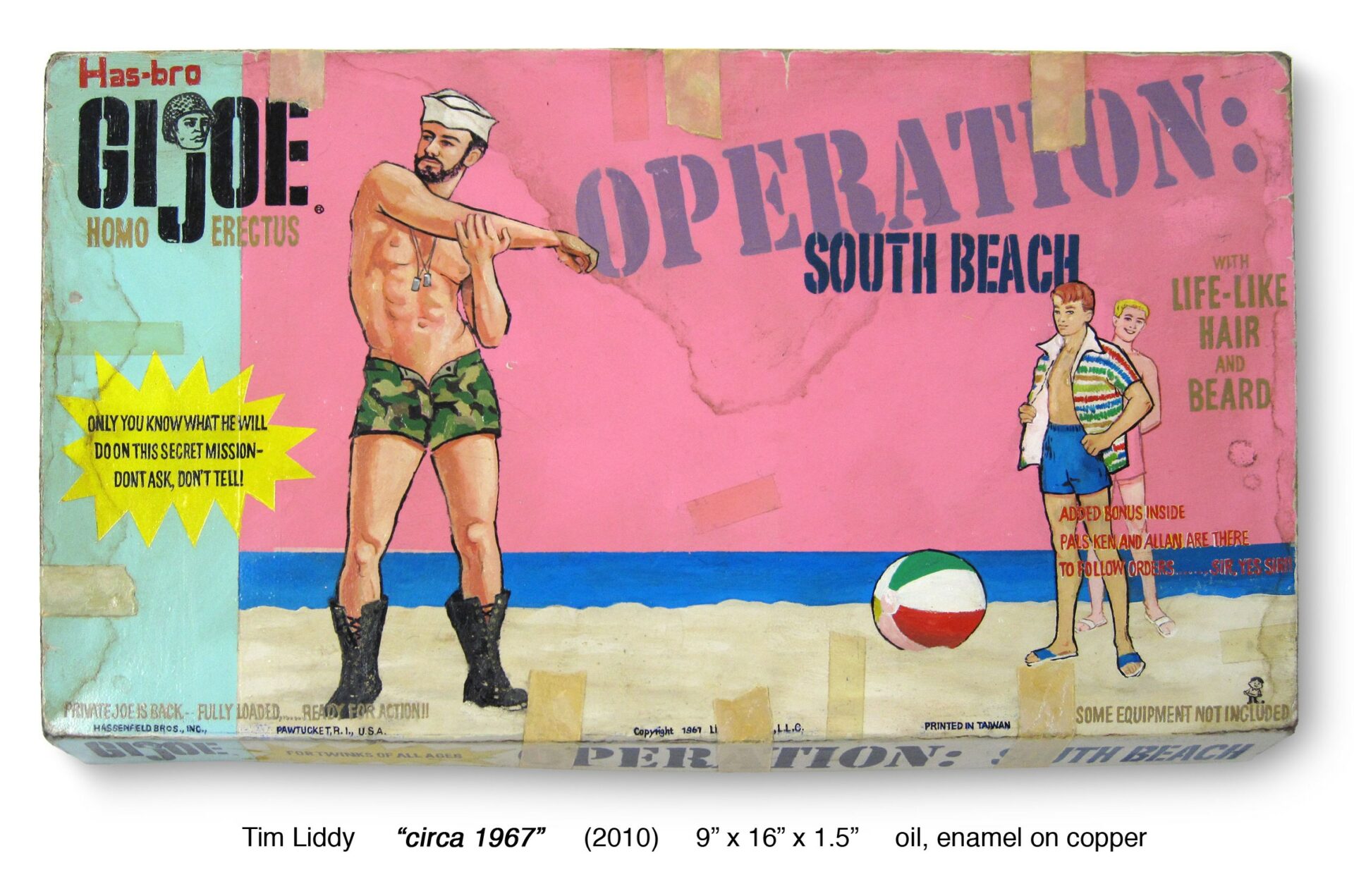
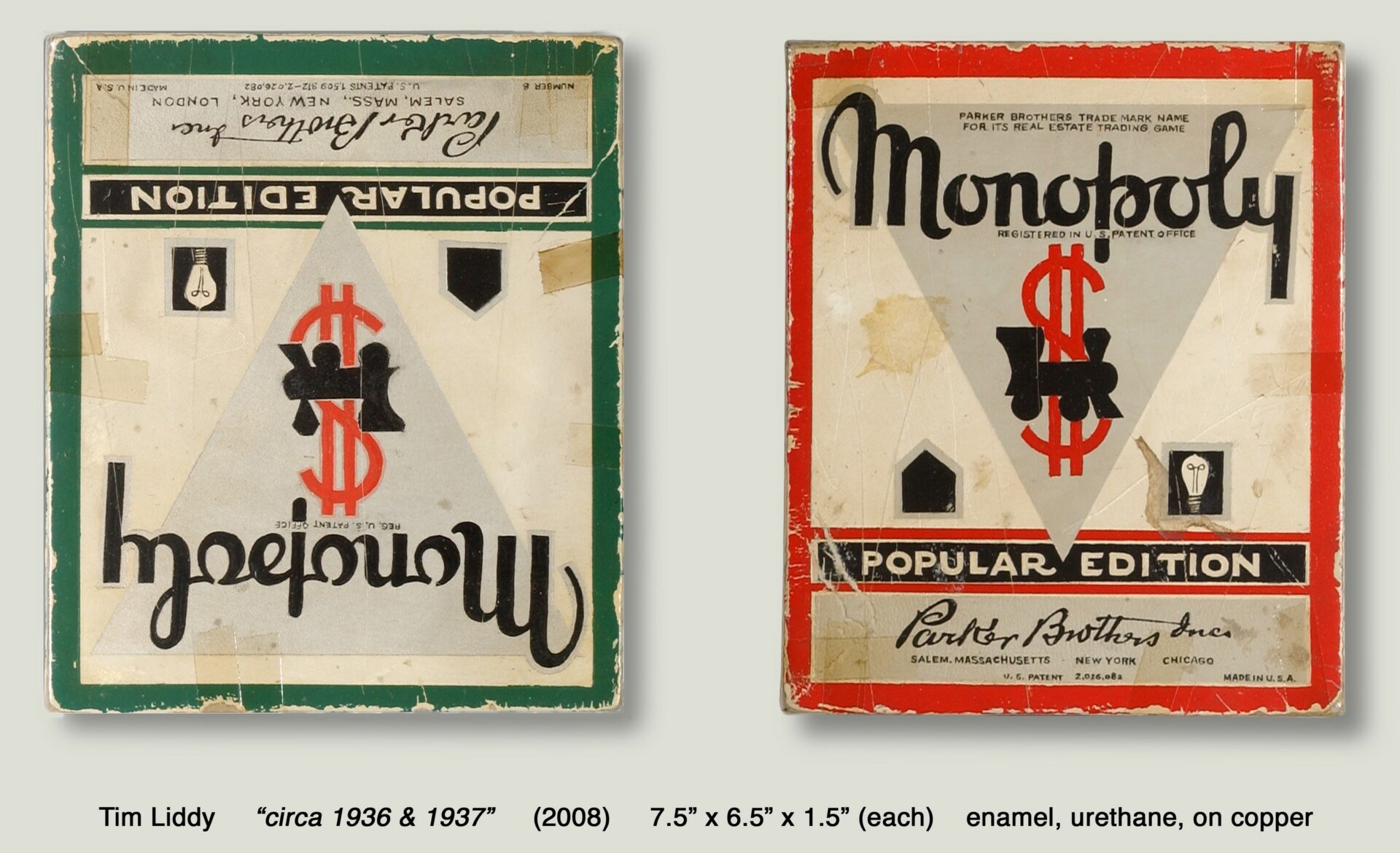
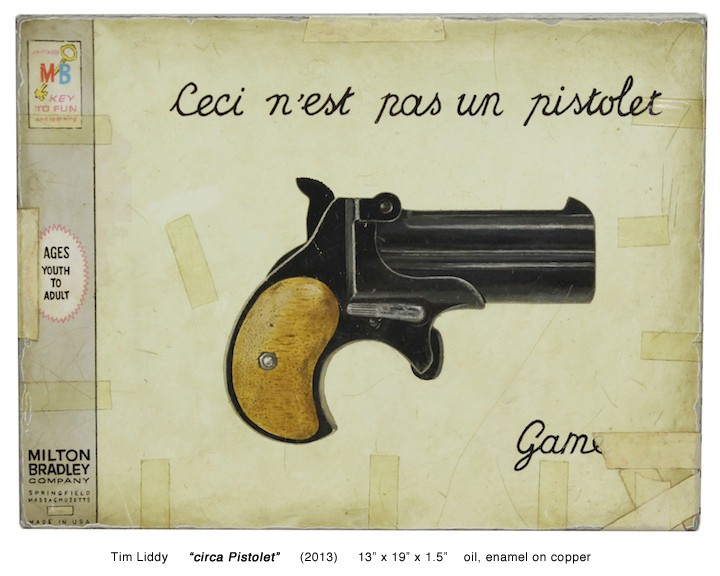
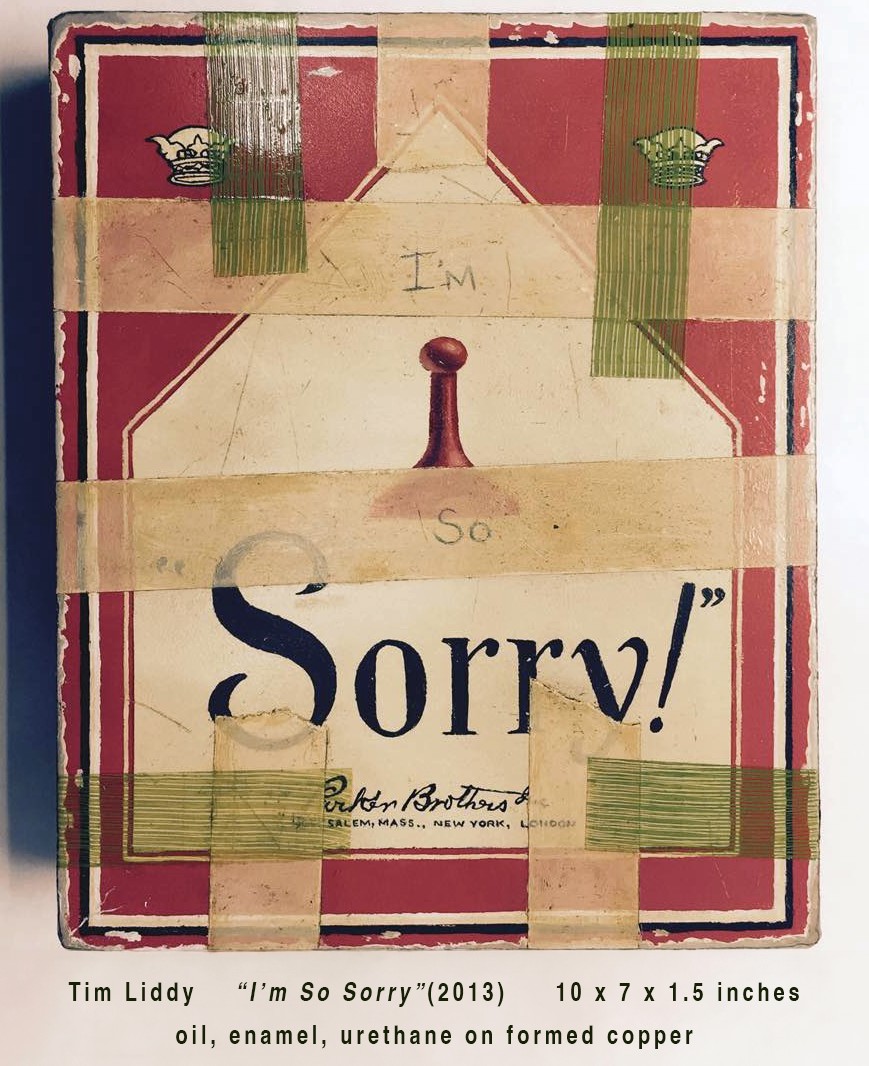
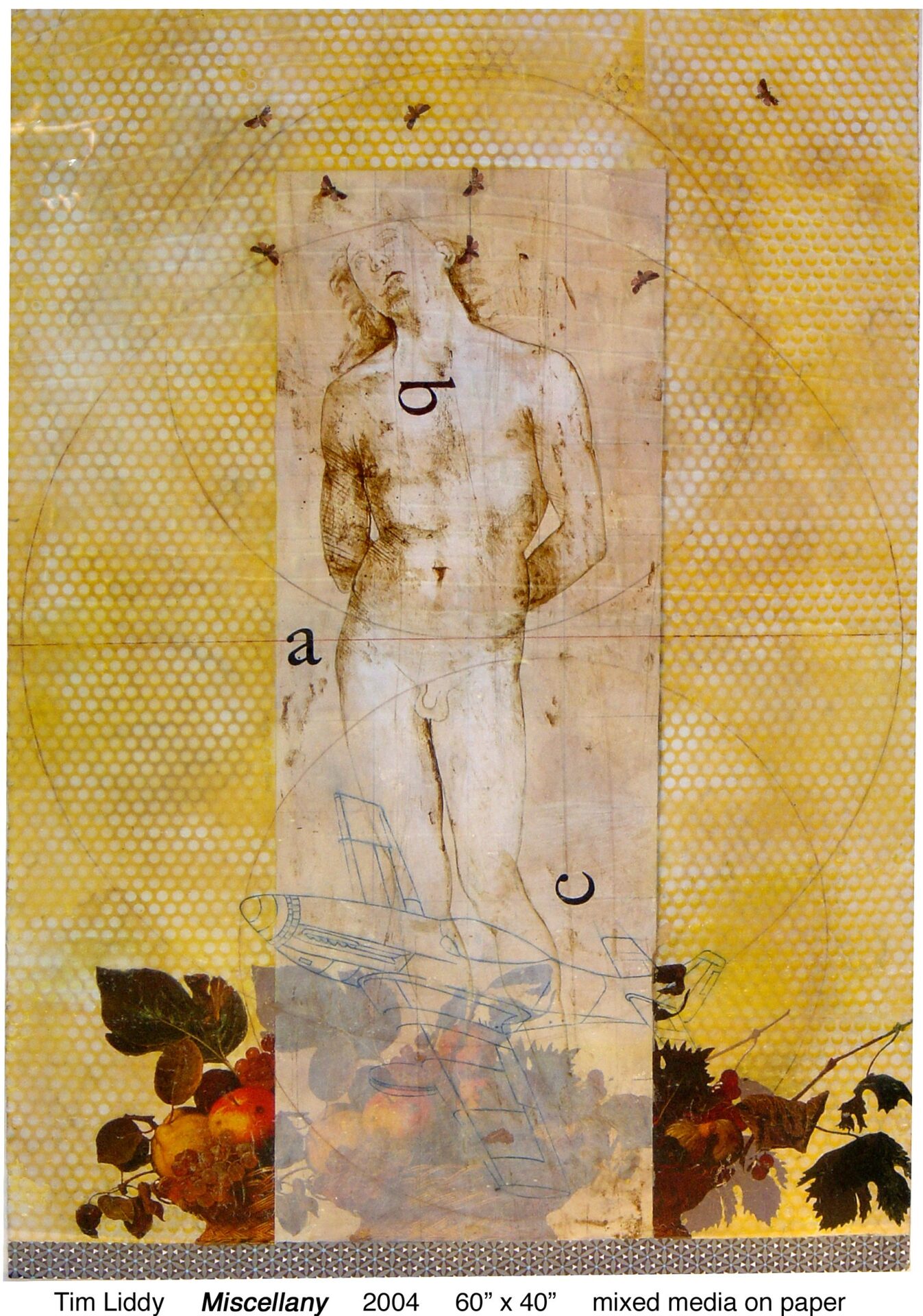
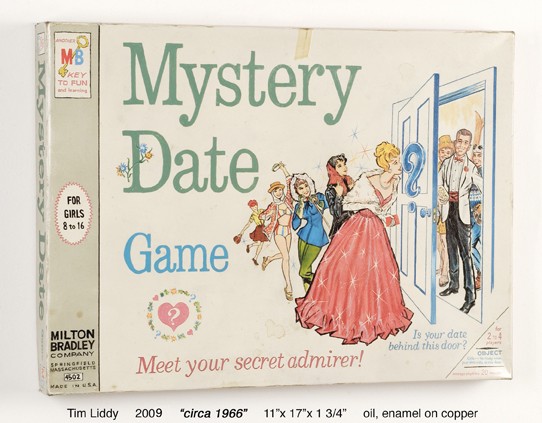
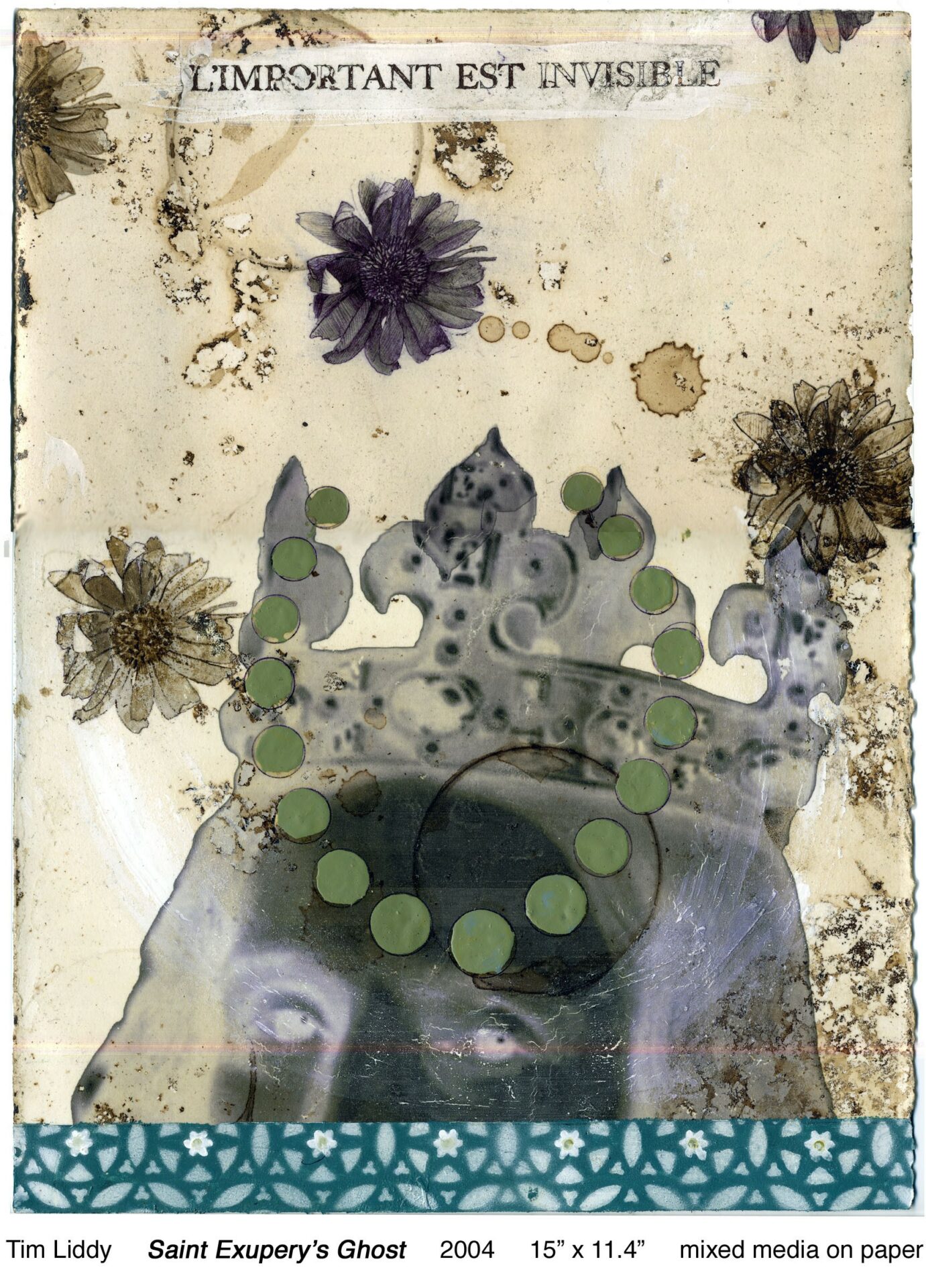
Image Credits
Crystal Bridges Museum of American Art, Bentonville, AR William Shearburn Gallery, St Louis, MO Clark Gallery, Lincoln, MA