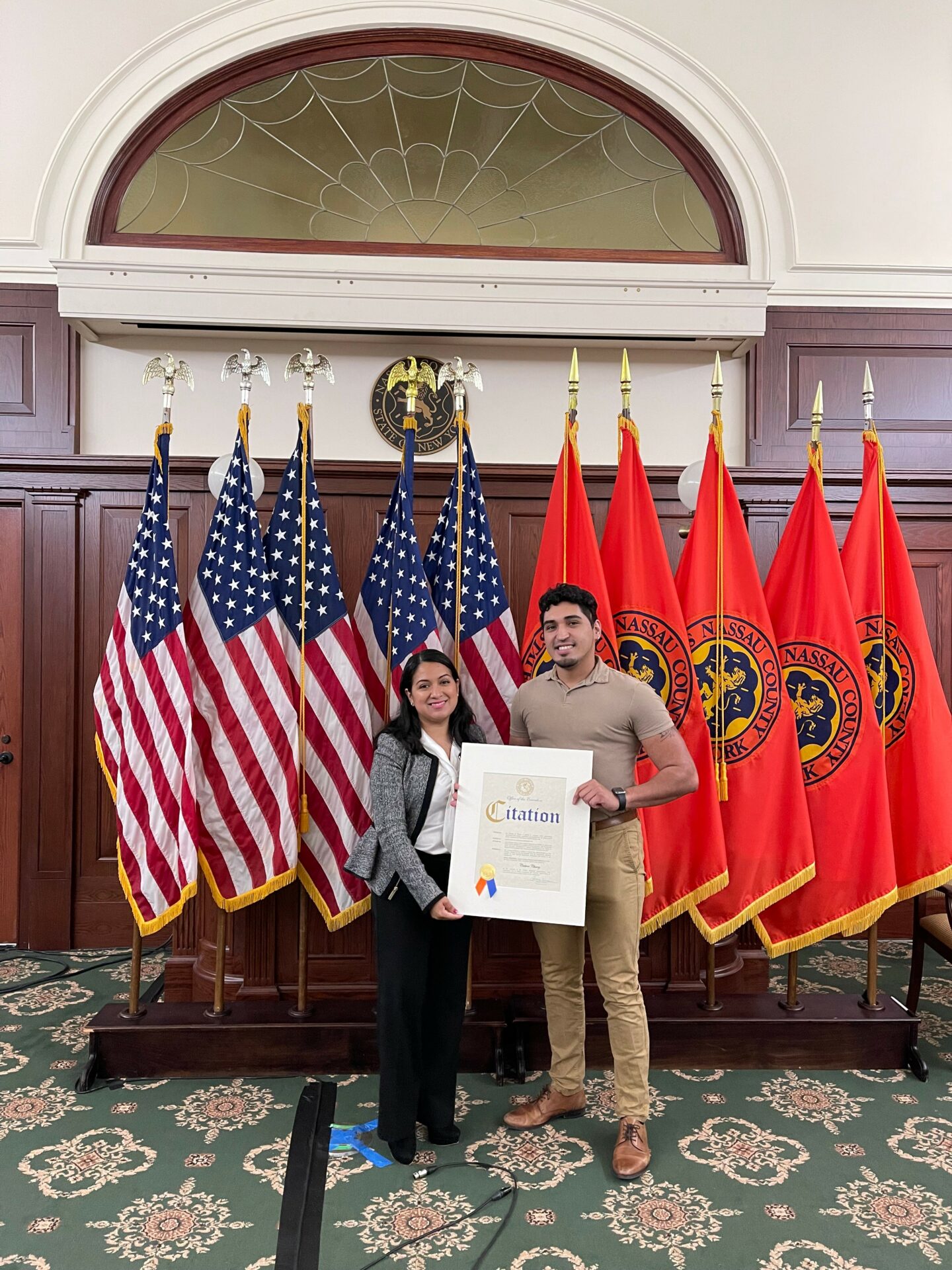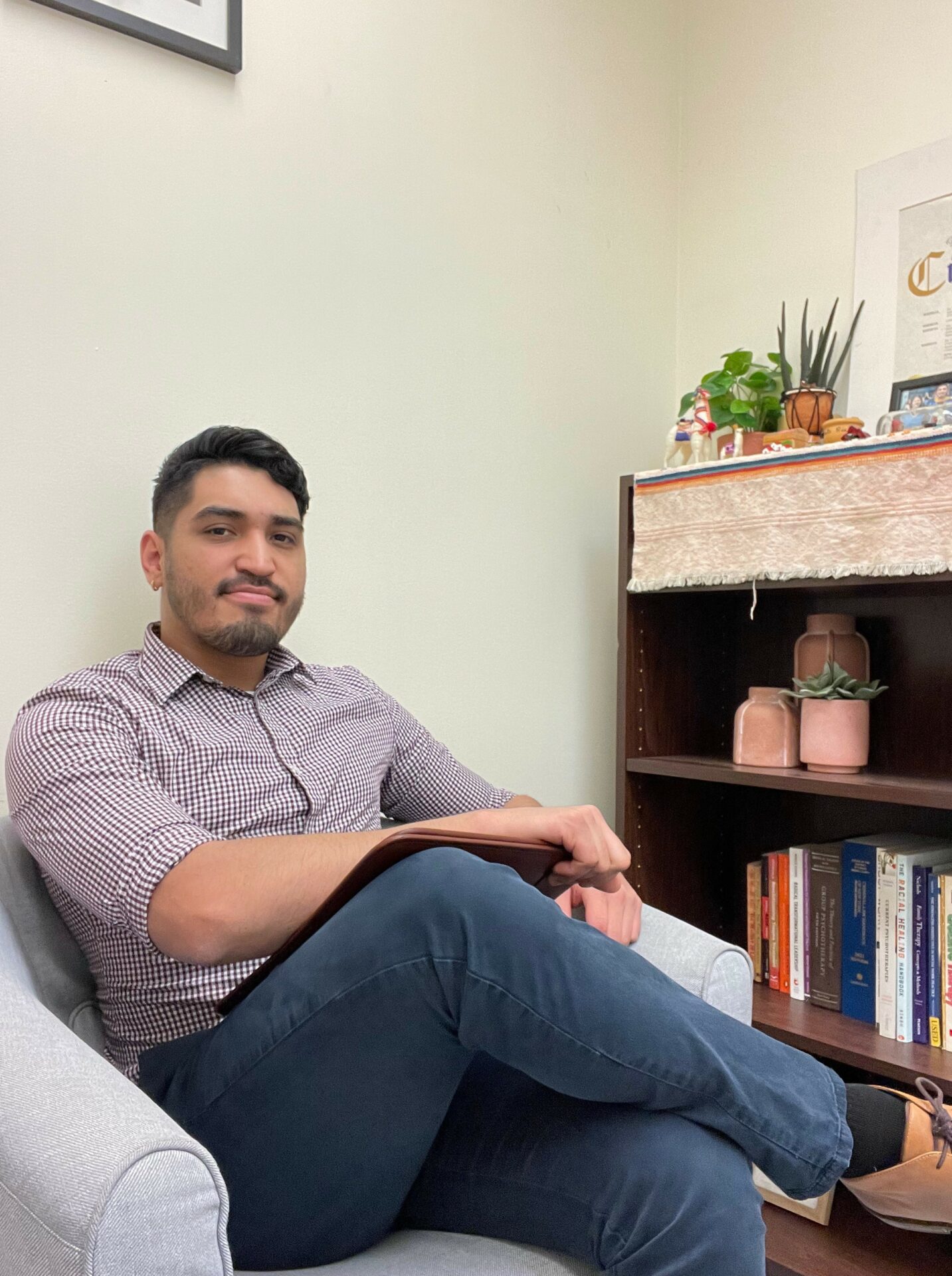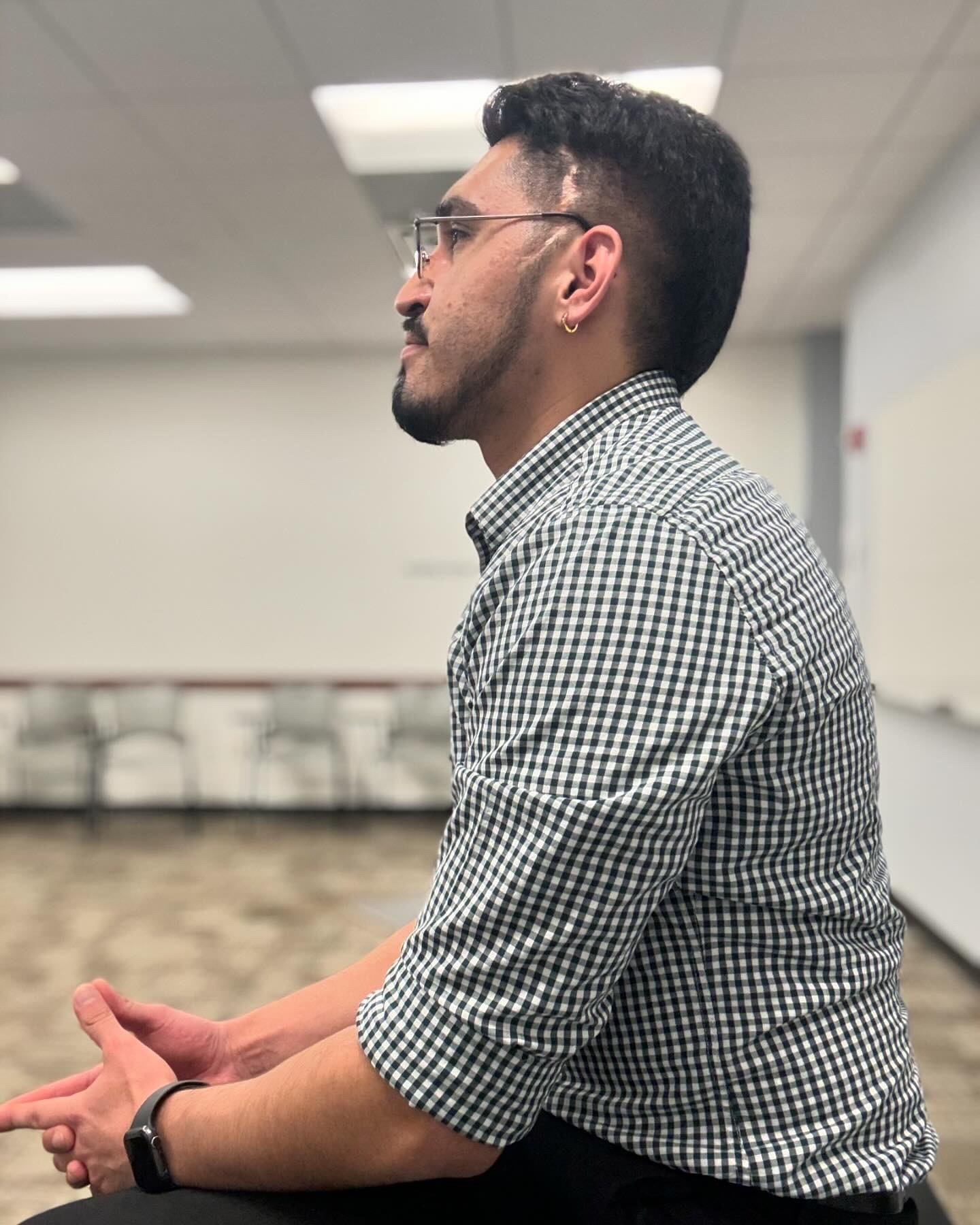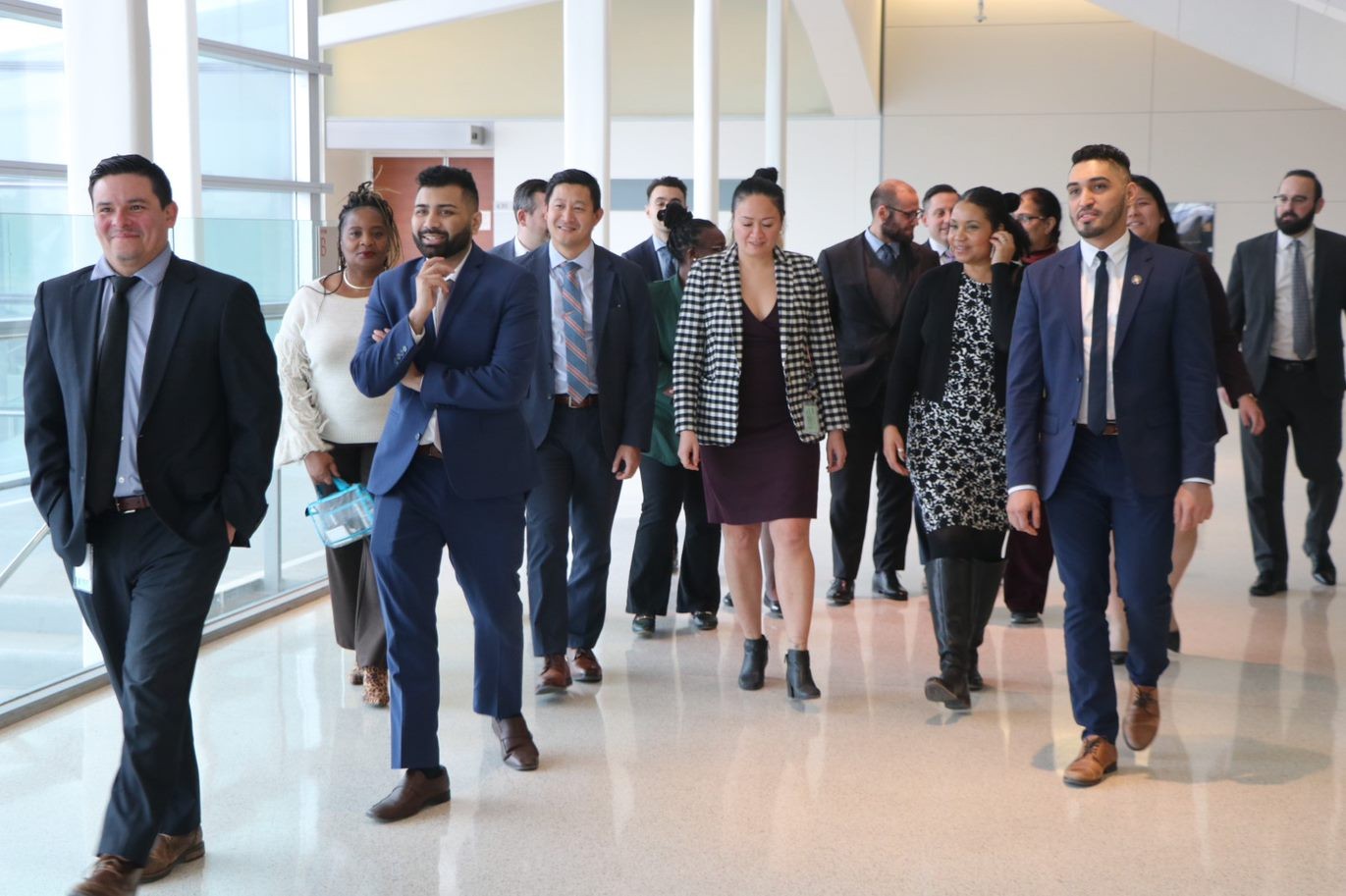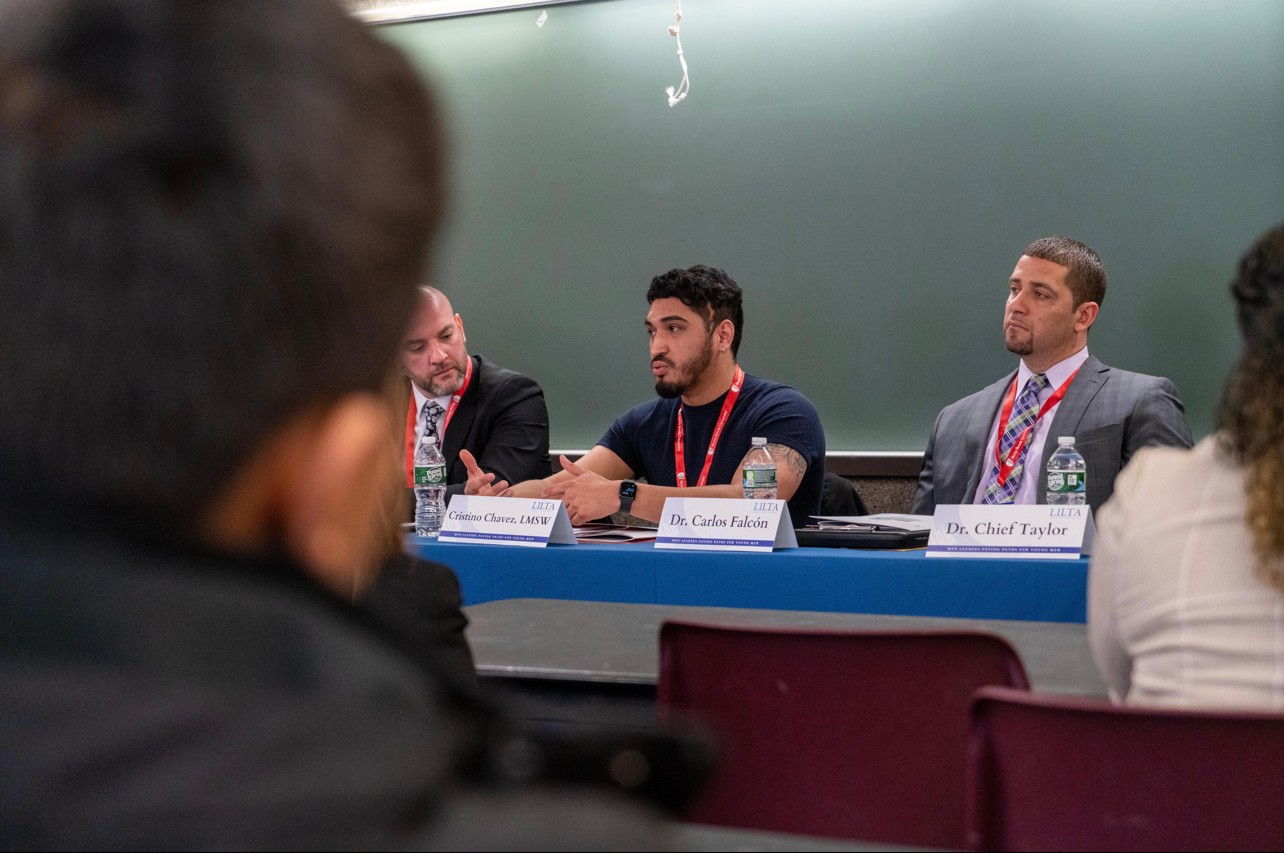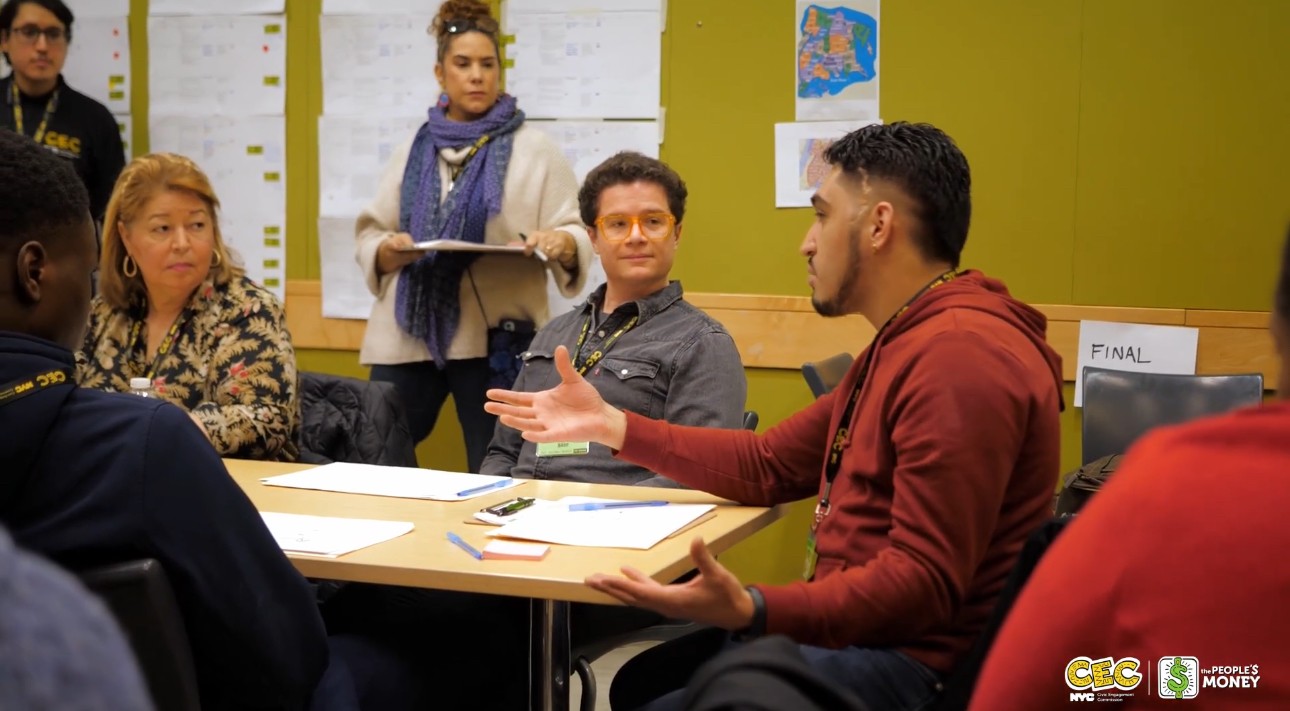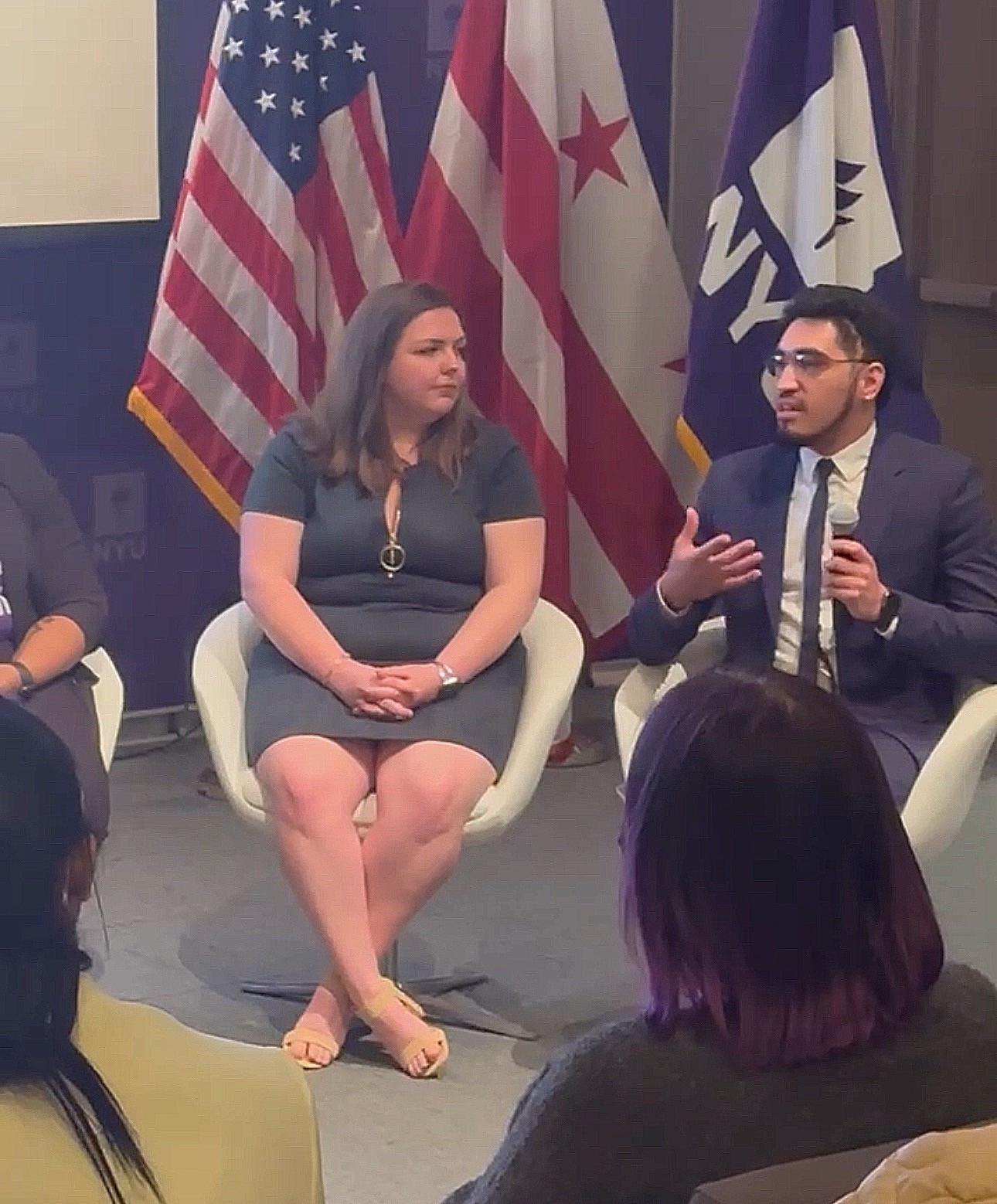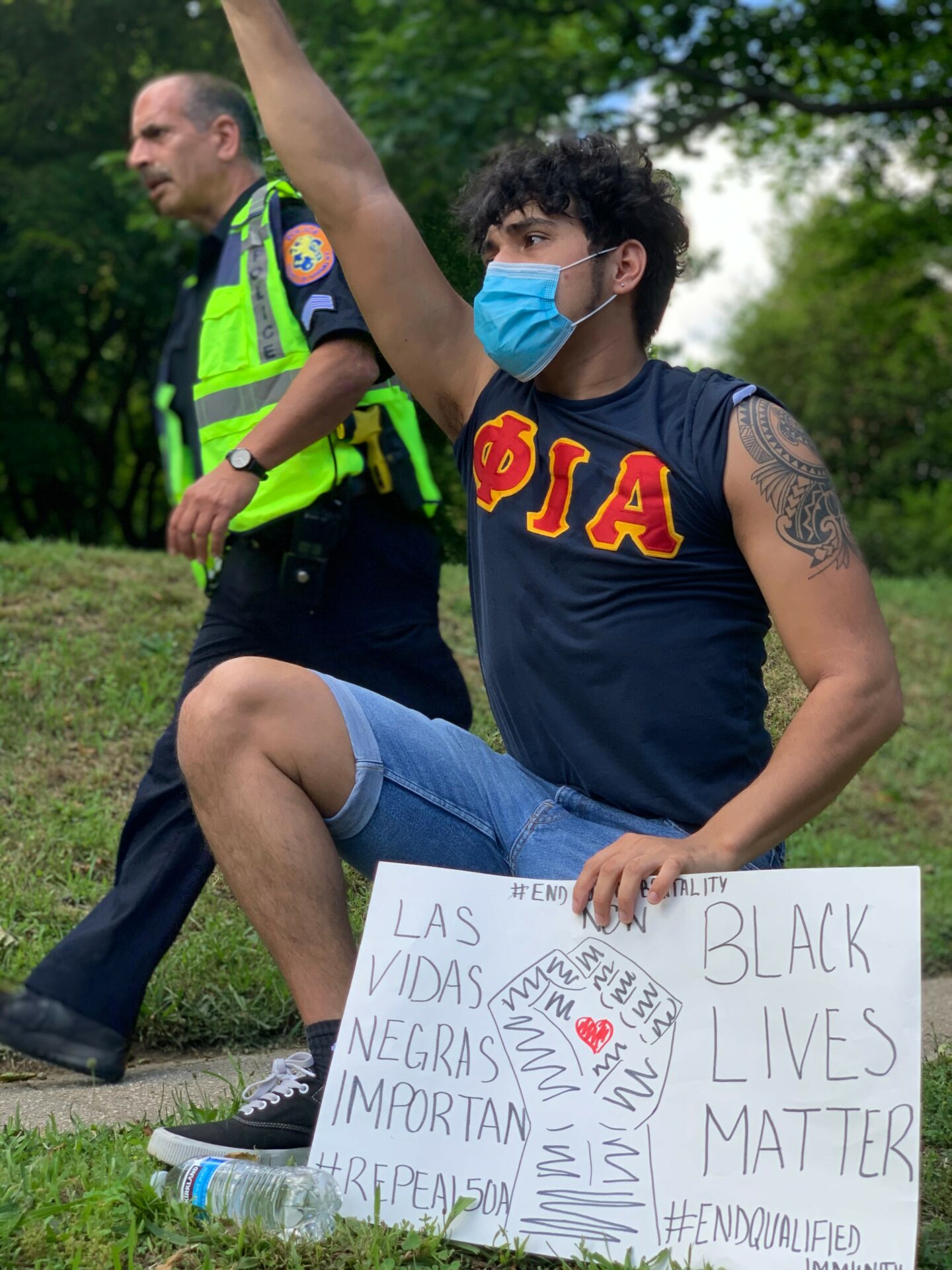
We caught up with the brilliant and insightful Cristino Chavez a few weeks ago and have shared our conversation below.
Cristino , we’re thrilled to have you sharing your thoughts and lessons with our community. So, for folks who are at a stage in their life or career where they are trying to be more resilient, can you share where you get your resilience from?
For me, resilience has been forged through the constant challenges and struggles of being exposed to trauma. As a first-generation Salvadoran, cisgender, gay male, I grew up facing hate and homophobia, especially living on Long Island, NY. My parents’ religious beliefs meant I constantly lived in fear and anxiety of them finding out and kicking me out of the house. In school, I often heard students jokingly assume I was gay, using it as a pretext to assault or threaten me. At work, I faced implicit biases and passive-aggressive comments that aimed to bring me down. I felt stuck in a small city, but I refused to let that stop me from growing personally, academically, and professionally.
In the final semester of my senior year of college, my life changed completely after one spring night in the city. I found myself involved in the justice system, enduring the trauma of an arrest, the court process, and fighting for survival amidst the biases from law enforcement and court staff. I felt trapped in a situation that seemed to dictate my fate, but something within me reminded me of my strength, will, and ambitions.
Today, when I see the word “resilience,” I reflect on all the moments I’ve experienced. Despite the complexity of these situations, I never gave up. I fought through obstacles to truly appreciate my accomplishments, even when many doubted me. That is where my resilience comes from.
Great, so let’s take a few minutes and cover your story. What should folks know about you and what you do?
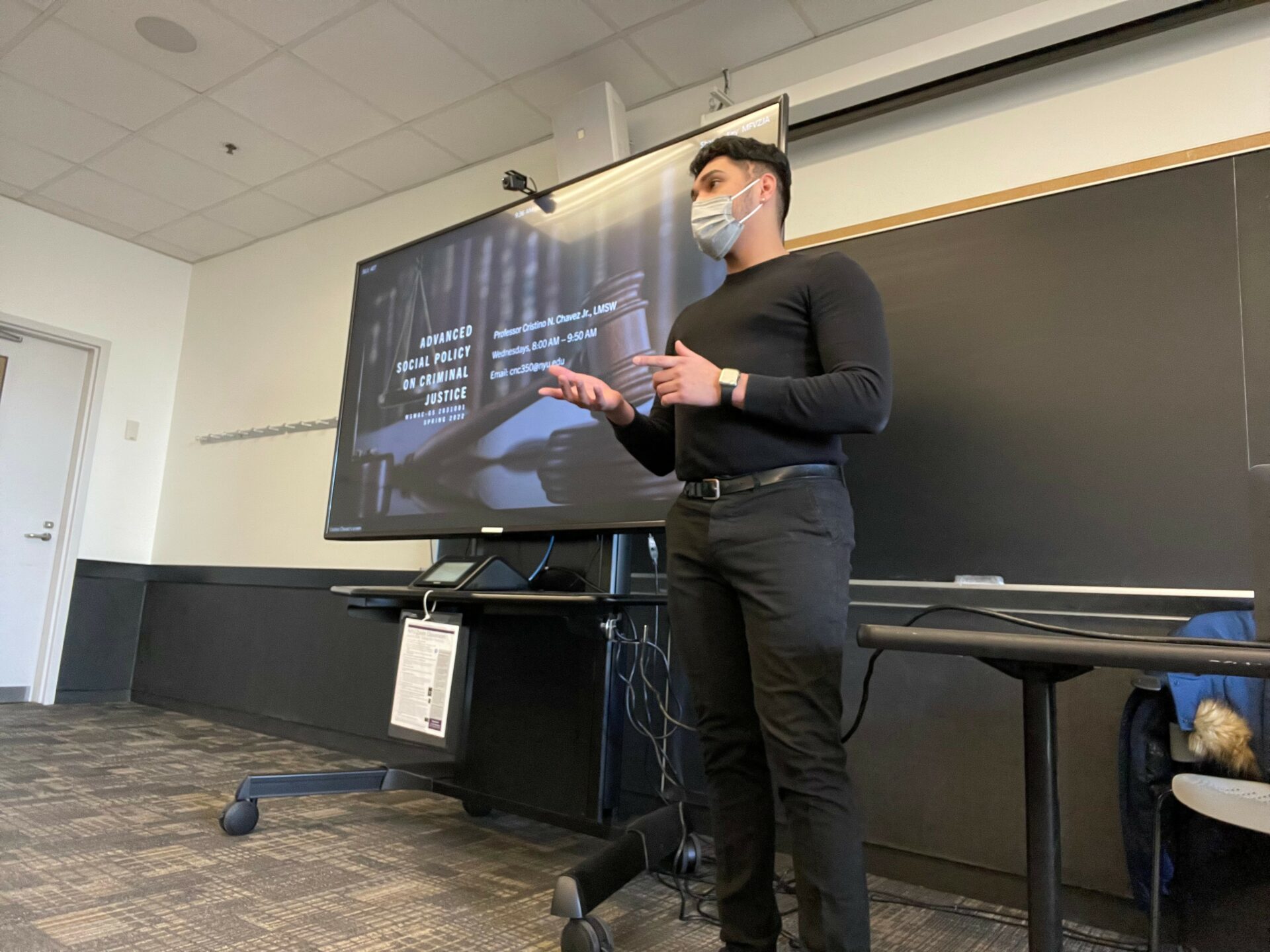
Today, I channel my personal experiences into my academic and professional work. As a licensed social worker, I wear multiple hats that allow me to integrate my knowledge and skills into practice as a doctoral student, adjunct professor, and immigration court mental health consultant. At New York University School of Social Work, I teach Advanced Social Policy on Criminal Justice within the MSW program, guiding students to use macro-based approaches to understand the historical context of the criminal justice system, as well as current policies and legislation impacting justice-involved communities. In the same realm of justice, I support immigrant communities as an immigration court mental health consultant, collaborating with immigration attorneys and providing mental health evaluations for court proceedings. As a doctoral student pursuing a PhD in Social Welfare, I focus on analyzing policies and conducting research on criminal and juvenile justice, immigration, and criminal justice reform.
What I enjoy most in my professional and academic career is contributing to change within communities impacted by the justice system and policing, and using my personal experience to connect and understand the outcomes of policies that negatively affect our youth and future leaders. I love learning, and my career has given me the opportunity to expand my knowledge on the historical and current nature of our criminal justice system, working towards equity, equality, and justice.
Looking back, what do you think were the three qualities, skills, or areas of knowledge that were most impactful in your journey? What advice do you have for folks who are early in their journey in terms of how they can best develop or improve on these?
Three qualities that have been most impactful in my journey are empathy, engagement, and patience. Empathy has allowed me to understand others’ experiences and remind myself that everyone’s story is unique. It has given me insight into how I can collaborate and advocate for issues that truly impact people’s lives. Learning to conduct research has deepened my understanding of the issues I care about, revealing how common misinformation can be and helping me identify accurate, valid, and reliable sources of information. This knowledge has also shown me how to engage with the community and contribute in any capacity I can. Patience has been crucial for me, teaching me to accept that failure is a possibility and that opportunities will come when the time is right. It has also helped me realize that some opportunities simply weren’t meant to be.
My advice to others is to take a moment to recognize your true potential, your skills, and what you bring to the table. Imposter syndrome can be especially challenging for those from marginalized communities, but remember that no one can bring you down except yourself. Your personal journey is an inspiration to others, even if you aren’t aware of it.
Any advice for folks feeling overwhelmed?
When I feel overwhelmed, I remind myself of where I am today, how I got here, and where I plan to go in the future. There have been times when I’ve felt like quitting, and I’ve had to drop out of programs, resign from jobs, or face layoffs. I’ve also dealt with rejection from opportunities I’ve applied for, and each of these setbacks has hit me hard. In those overwhelming moments, I turn to practices that help me cope: meditation, exercise, listening to motivating music, and even taking a day off to focus on my mental health. I always remind myself that I can’t help others if I can’t help myself first.
Contact Info:
- Website: https://linktr.ee/cristinochavez
- Instagram: @cnc_lmsw
- Linkedin: https://www.linkedin.com/in/cristino-n-chavez-jr-lmsw-ctp-963858bb?utm_source=share&utm_campaign=share_via&utm_content=profile&utm_medium=ios_app