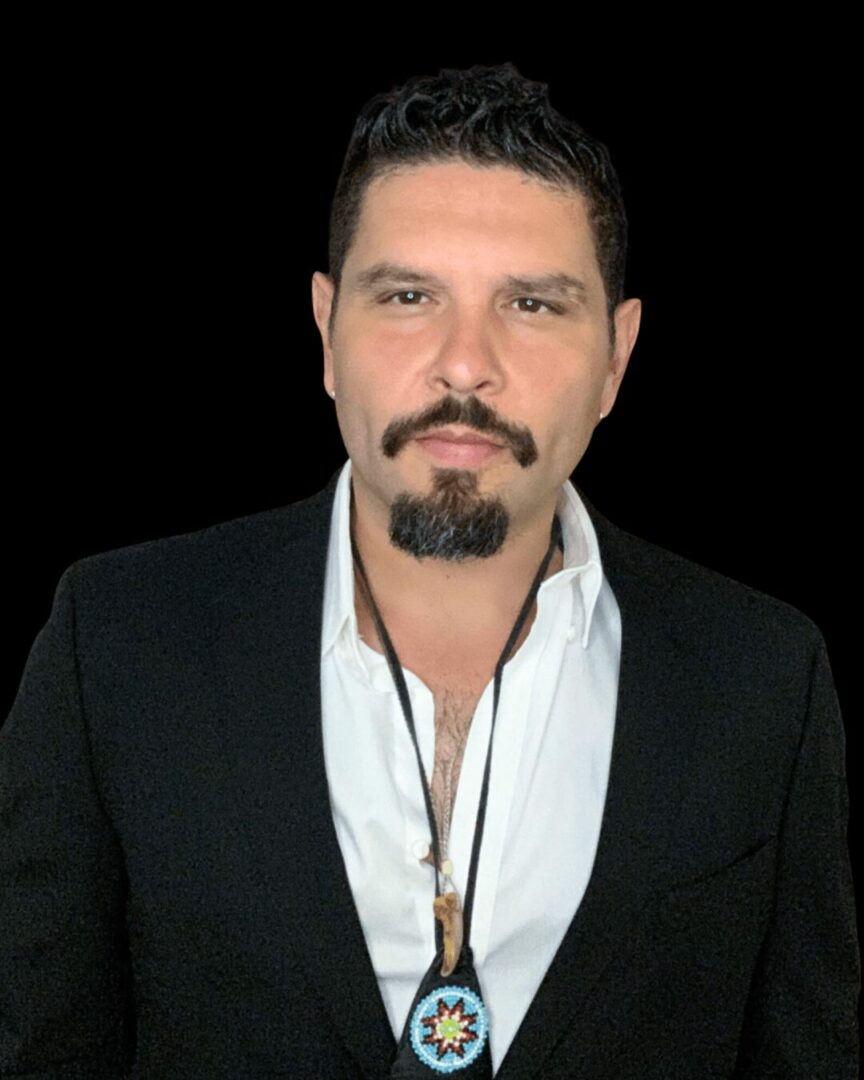
We’re excited to introduce you to the always interesting and insightful Dr. Oscar C. Pérez. We hope you’ll enjoy our conversation with Dr. Oscar C. below.
Dr. Oscar C., so good to have you with us today. We’ve always been impressed with folks who have a very clear sense of purpose and so maybe we can jump right in and talk about how you found your purpose?
There’s an art to self-destruction.
Not the lazy, just-let-myself-atrophy-in-front-of-the-tv kind. Not the just-drown-myself-in-distraction-and-social-media kind.
The kind where you (or parts of you) actively conspire to weave together the web of beliefs and decisions that make you crash and burn. Over and over, again. Where the stories you tell yourself about who you are — about how unfair, unjust, and unrelentingly against you the world is come to life. Become such a part of your clouded vision that you think that “resistance” and “rage” are the only possible way you can respond to anything, to everything. Because you are so, damn hurt. And so damn afraid.
Much of the first half of my life was like this.
This was long before people actively spoke of mental health. Before words like “trauma,” “empathy,” “resilience,” “PTSD,” or even “anxiety” were the commonplace conversation pieces that they are now. It was in the late 90s and the early 2000s that I was spiraling out under the weight of unacknowledged and unprocessed trauma and untended grief. Being crushed under the layers of personal, familial, and cultural trauma in a time and place where no one spoke about it or wanted to.
And I was destroying myself under that weight.
During a particularly savage year of trying to numb what I couldn’t yet name with drugs and alcohol, I caused a car accident that should’ve ended my life. By the graces of something far greater than me it didn’t.
That night, walking in circles, alone, in a tiny concrete jail cell a vision came to me. It wasn’t anything straightforward. It took me years of working on healing my wounds to be able to make sense of it, but it was a vision of a little boy that came leaping into my mind over and over again.
The little boy wasn’t me, by the way. It wasn’t my “inner child.” It’s not that Hallmark-y or afterschool special-ish.
But I had lost pieces of the night. Blacked out parts of what had happened leading up to being in that cell. As that boy popped into my head over and over again I kept asking myself “what did I do?” What did I do?
It was the first time in my 21 years that I realized that my self-destructiveness, my raging at the world, had the potential of hurting more than me. It had the potential of hurting someone innocent. Suddenly, all the stories I had wrapped myself in since I was a kid became painfully evident. The fact that they were how I shaped myself and how I unconsciously projected my fear and hurt and rage onto the world became painfully evident.
And I realized that I might have hit someone innocent in that car crash and not remembered it. That, in my seeking to numb what I didn’t want to feel myself — I might have ended another life. An innocent life.
22 years later I still remember the cold smell of concrete in that cell. I remember the rough feel of the floor beneath my bare feet. I remember the spinning, swimming whirlpool in my head desperately trying to make sense of what happened. I remember the deep, wailing grief that pulled itself from my lungs as I wrestled with a vision of innocence that I might have destroyed.
That night I faced THE fork in the road. Alone, in that cell.
Something in me (or around me) spoke and said “you’ve got two ways you can go — you can keep going the road you’ve been on, blame everyone and everything else for where you are, and come to find that you are responsible for what you’re most afraid of, OR, you can own that you did this. All of this. And dedicate whatever time you’ve got left to digging up the roots of it, healing them, and helping others to do the same.”
I committed that night to spend the rest of my life healing the roots of what was destroying me and had destroyed so many others in my lineage.
I was in jail and unaware of my charges for four days after that night. When I stood before the judge I was determined to plead guilty for every one. There were five.
When he got to the last one and it wasn’t vehicular manslaughter I let out a huge sigh of relief. The second half of my life started there — the half dedicated to healing the destructive legacy that I was born with.
I didn’t find my purpose. It found me — at the lowest, loneliest, darkest point of my life.
Let’s take a small detour – maybe you can share a bit about yourself before we dive back into some of the other questions we had for you?
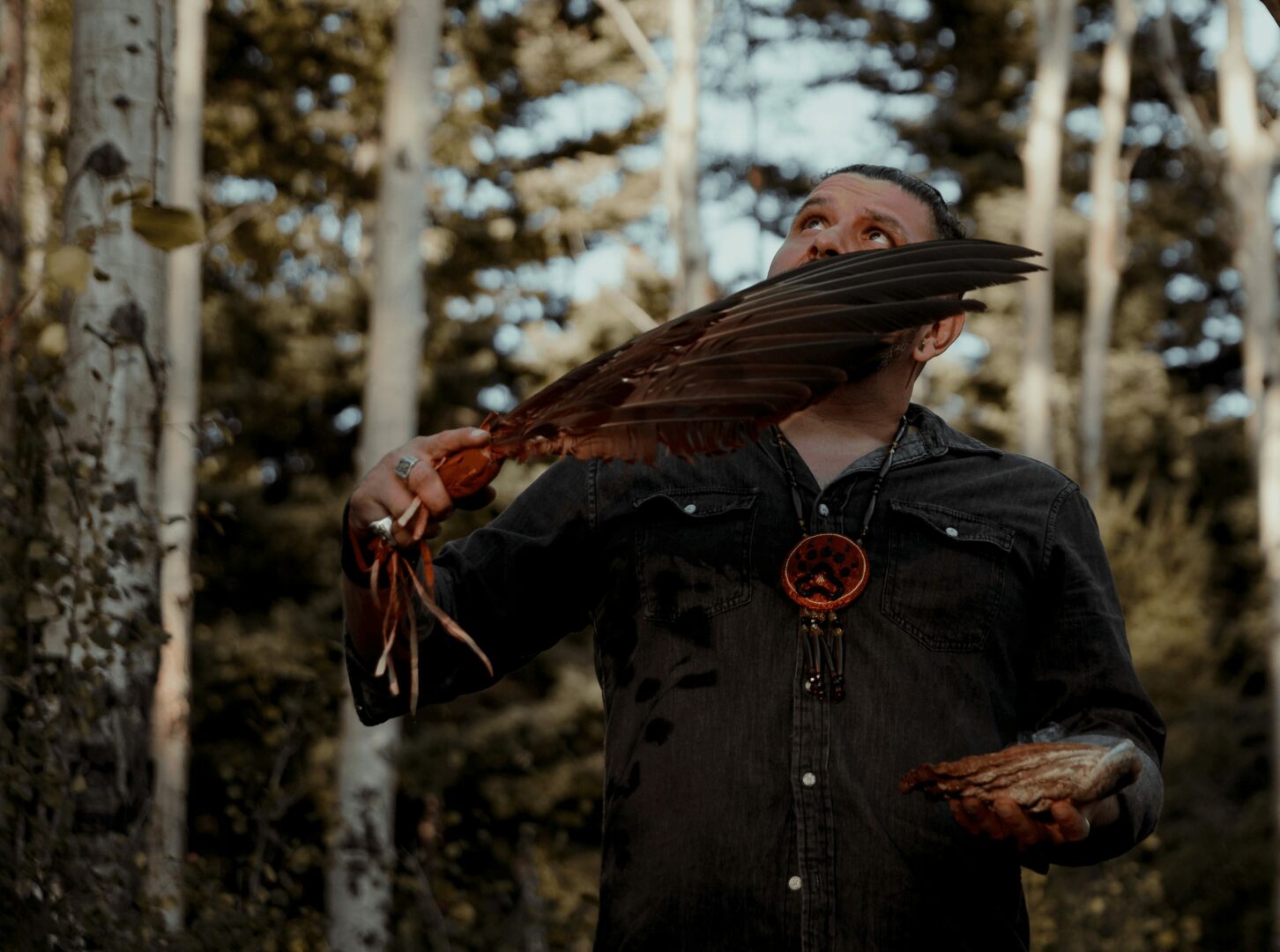
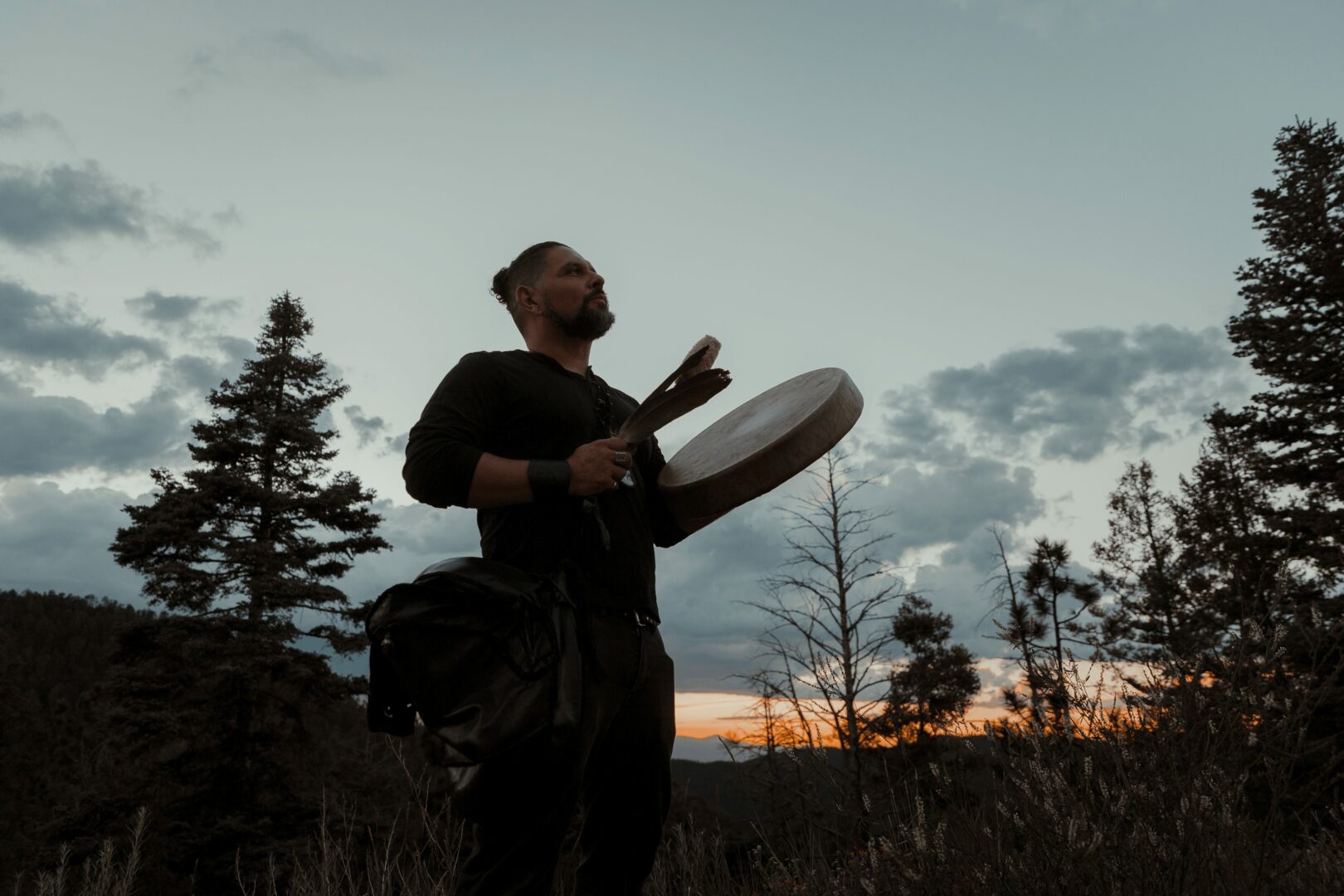
When I got out of jail a couple months later I hit the ground running. I went back to school, completed my undergraduate degree. I dove into the study of Transpersonal Psychology and the indigenous healing traditions of Brazil, Mexico, and the Native America. I was determined to learn why we unconsciously choose self-destructive beliefs and behaviors and how we can break those patterns in our lives. I went on to be the first person in my family to get a college degree then completed my PhD at Brown University and spent a brief stint teaching at Harvard. Then, in 2012, I walked away from academia to help others.
Since then I’ve helped hundreds of people overcome the unconscious beliefs and behaviors that keep them stuck in repeated patterns of suffering. I’ve worked with people wrestling with addiction, self-sabotage, and suicidal ideation, as well as helping people find their way when the lives they’ve built fall apart.
Over and over again I find the same root cause — the illusion of separation and isolation.
What it boils down to is this — you are not alone.
In my apprenticeship with indigenous teachers and healers I came to know that there are certain people that I’ve come to call “Griefbearers.” In every generation of every family one person is born carrying an unequal amount of the ancestral burden of unprocessed grief and unhealed trauma. In intact cultures, this person would be recognized as the potential healer of their lineage. They would be guided and trained in how to do this since they were little.
But our culture doesn’t understand this. So this person is often pushed aside, left out, and in many cases attacked for their sensitivity. This is what makes us self-destruct. The potential healers of our time are most often labeled as “black sheep” because they don’t fit in, because they see and feel what others can’t, don’t, or won’t.
Nowadays we call them “empaths” or “highly sensitive people.” But there is so much more to it.
Intact cultures understand the critical role this person plays in the health and wellbeing of their families and their communities. In the absence of an intact culture, someone has to guide the Griefbearer to become the Healer they were born to be.
This is what I do.
I recently brought together a series of teachings for Griefbearers in my first book, The Flowering War. It’s based on Toltec teachings to help you heal ancestral trauma, overcome those destructive unconscious patterns, and step into your role as a healer and leader in your community.
Right now, more than ever, the world needs genuine people that have cultivated the ability to guide others through their destructive unconscious patterns and end cycles of addiction and self-destruction. To support these potential healers I also started Tending The Fires, an online school and community for making this type of healing possible.
The foundations of our teachings are based in tangible daily practices that help people break free from the illusion of separation. Not only from other people, but from Nature as a whole. Our approach is holistic in the true sense of the word — it helps people heal and find their true selves at physical, emotional, mental, social, and spiritual levels. It’s experience-based, which means it’s as scientific as it gets, while being deep-rooted in the intact ancestral traditions that we all come from.
There’s an art to self-destruction. But there’s also an art to healing. I teach people how to become the artists of Life.
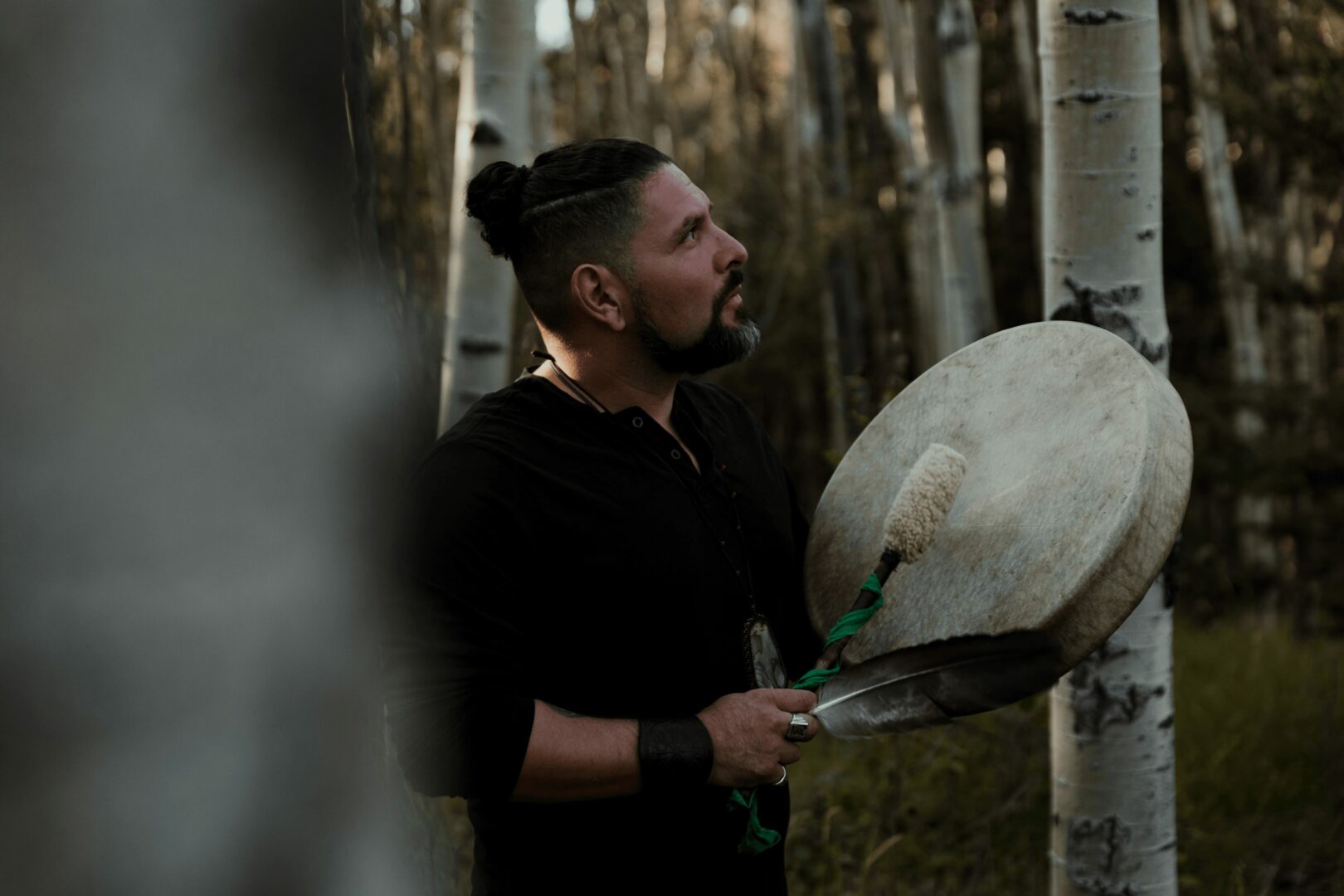
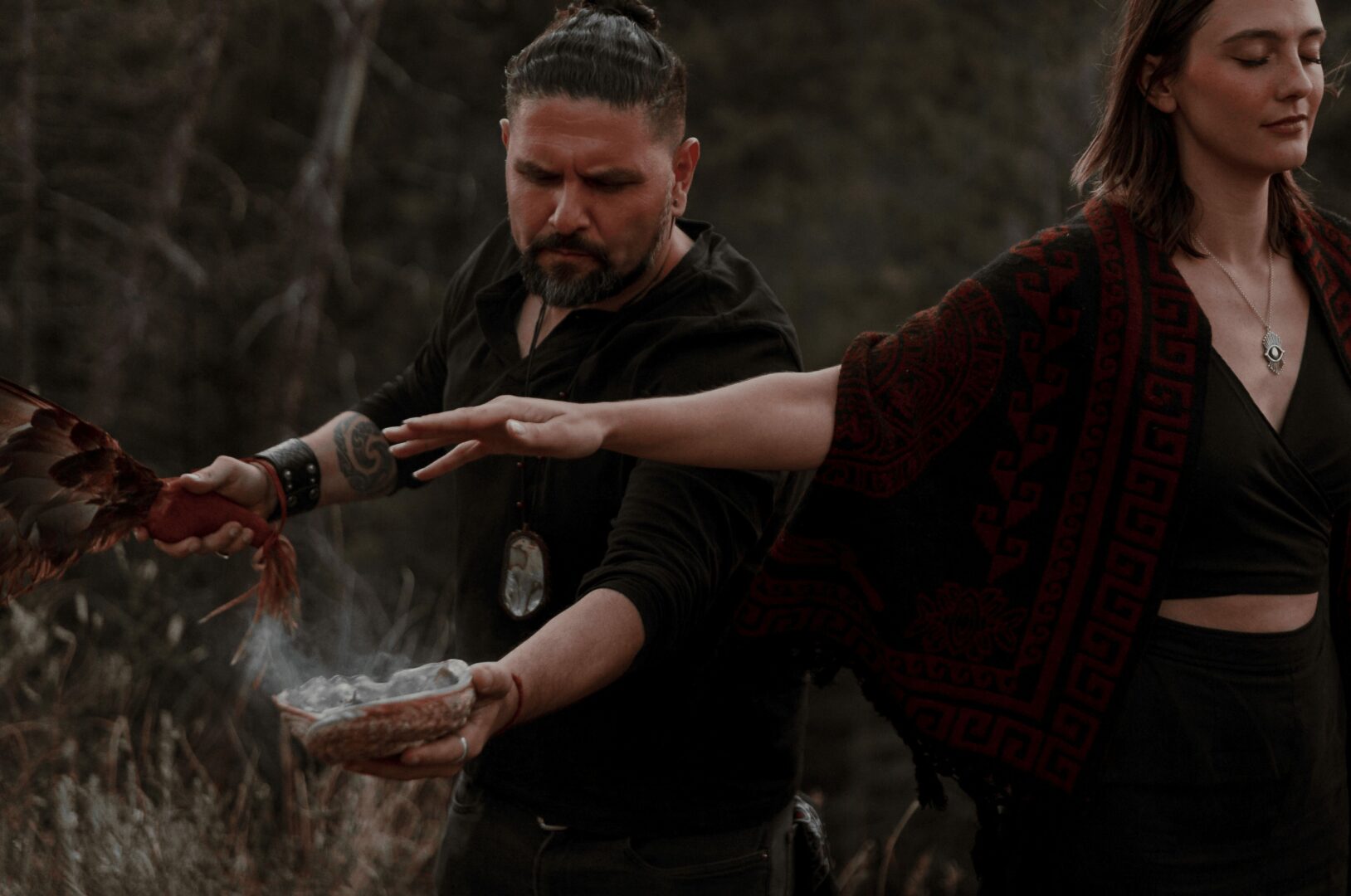
There is so much advice out there about all the different skills and qualities folks need to develop in order to succeed in today’s highly competitive environment and often it can feel overwhelming. So, if we had to break it down to just the three that matter most, which three skills or qualities would you focus on?
You need to cultivate three things to become an artist of Life. Just three. But each of these will require a lifetime commitment, and each will guide you deeper into the understanding of yourself, your relationships, and your purpose in life.
The first of these is Awareness. Awareness is everything, but it must be cultivated. It’s not something that happens automatically. In México there’s a saying “si no sabes de dónde vienes, cómo sabes adónde vas?” If you don’t know where you’re coming from, how do you know where you’re going?
Awareness is the key to understanding the ancestral beliefs, behaviors, and destructive emotional and relationship patterns that you’ve inherited. It is essential to cultivate your awareness of what is going on in you internally and how your environment influences you externally. Most people never learn to pay attention to these things. They go about their day-to-day lives repeating the same patterns, the same habits, without ever evaluating them or seeking to understand why they do them. This leads people to repeat the same things over and over again. When we look at the larger patterns in families across generations, we see that the same dynamics play themselves out with different individuals from one generation to the next.
A Griefbearer is born the be the pattern-breaker of the family, which means that, if that’s you, you have to start by becoming aware of what the patterns are in order to break or transform them. Developing this awareness isn’t just mental. It is also physical, emotional, and social. In The Flowering War, I teach you how to cultivate this awareness at all of these levels.
The next thing that must be cultivated is Action. In this information age that we live in we’re bombarded with information. One thing that I learned in my time in academia is that a person can spend a lifetime accumulating information but never reap the benefits from it if it’s not put into action. There’s a Bruce Lee quote that I’ve always loved “I do not fear the man that has practiced 10,000 kicks once, but I fear the man that has practiced one kick 10,000 times.” Action is the key to transformation, the key to growth.
I’ve found that the transformation of ancestral trauma in our lives depends on taking consistent, daily action on transforming our inherited beliefs and behaviors. This starts small. With little, daily actions that you repeat over and over again that eventually become unconscious lifestyle shifts. Healing isn’t what you do, it’s who you become. So, learn the tools that will help you heal and apply them. This requires commitment, consistency, and overall, love. It requires love for yourself, your loved ones, and love for Life itself.
Action is the key to transformation.
The third thing that you have to cultivate is Reflection. Life is a constant process of course-correcting. We all make mistakes. I like to tell my students and clients that saints and holy people only become saints and holy people after they’re dead because, then, no one is around to witness their humanity. They become ideals because no one can see just how human they are once they’re gone. In our community we have a saying, “everybody poops!” Everybody. That includes the Buddha, or Christ, or Mahatma Gandhi, or anyone else that people put on a pedestal. We’re all fallible humans, and that’s a part of the beauty of our humanity. No one is perfect. So, perfection should never be the standard we demand of ourselves.
Instead of perfection, seek growth, seek to be excellent at being you. Not who others expect you to be, but who you truly are. This takes reflection.
You have to learn to reflect on your actions and the outcomes of your actions, but it is important to reflect from a place of honesty and compassion. The biggest obstacles to growth and healing are three of what I call the Predators of the Mind — these are blame, shame, and guilt. In my years of working with people in addiction recovery, I found that these three things destroy and devastate more people than anything else. You have to compassionately release them in order to see the underlying motivators of your destructive beliefs and behaviors.
Reflecting on your past actions, beliefs, and behaviors from this place of compassion will help you understand that all of those things started as ways of meeting needs that weren’t met by your environment. Every destructive or self-destructive behavior begins as an attempt to provide what you needed but didn’t get, protect yourself from being hurt, or prevent yourself from being hurt. The initial impulse that sets behaviors that become destructive in motion is self-preservation.
Which is to say, it is a positive impulse that manifests in a harmful or destructive way. More often than not, because you learned these manipulative or destructive ways of attempting to meet your needs from the people that modeled that for you. Once you are aware of this you can change your actions, then reflect on the outcomes and continue to adjust beliefs, behaviors, and actions until you are meeting your unmet needs in positive, life-affirming ways.
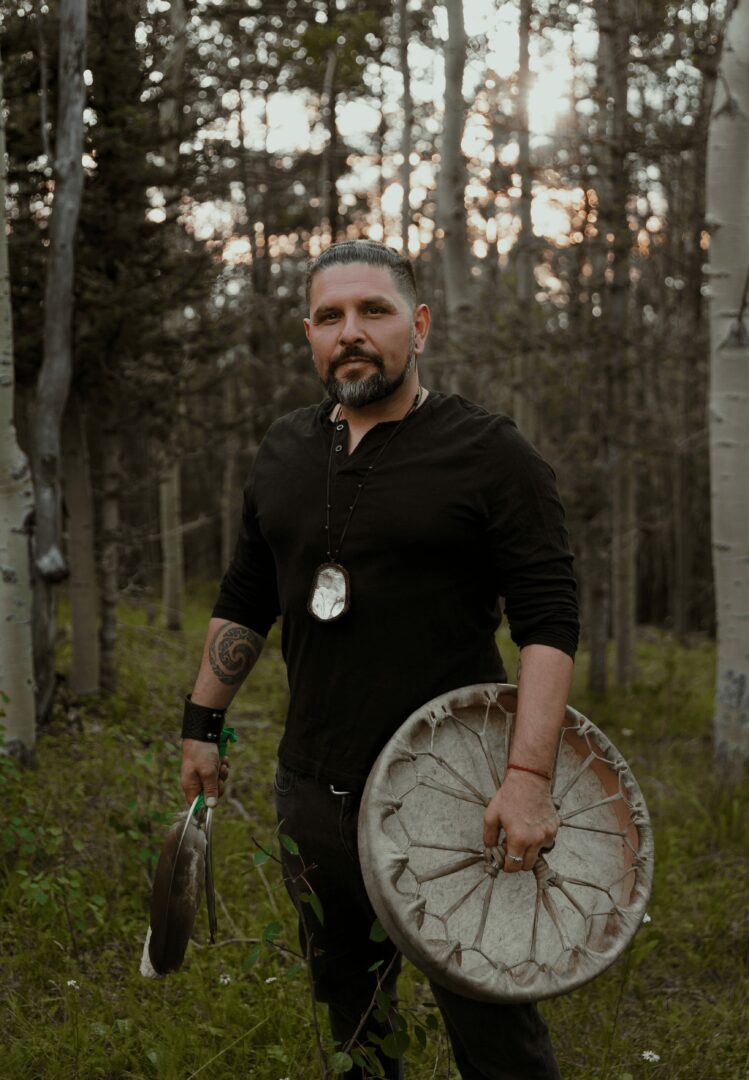
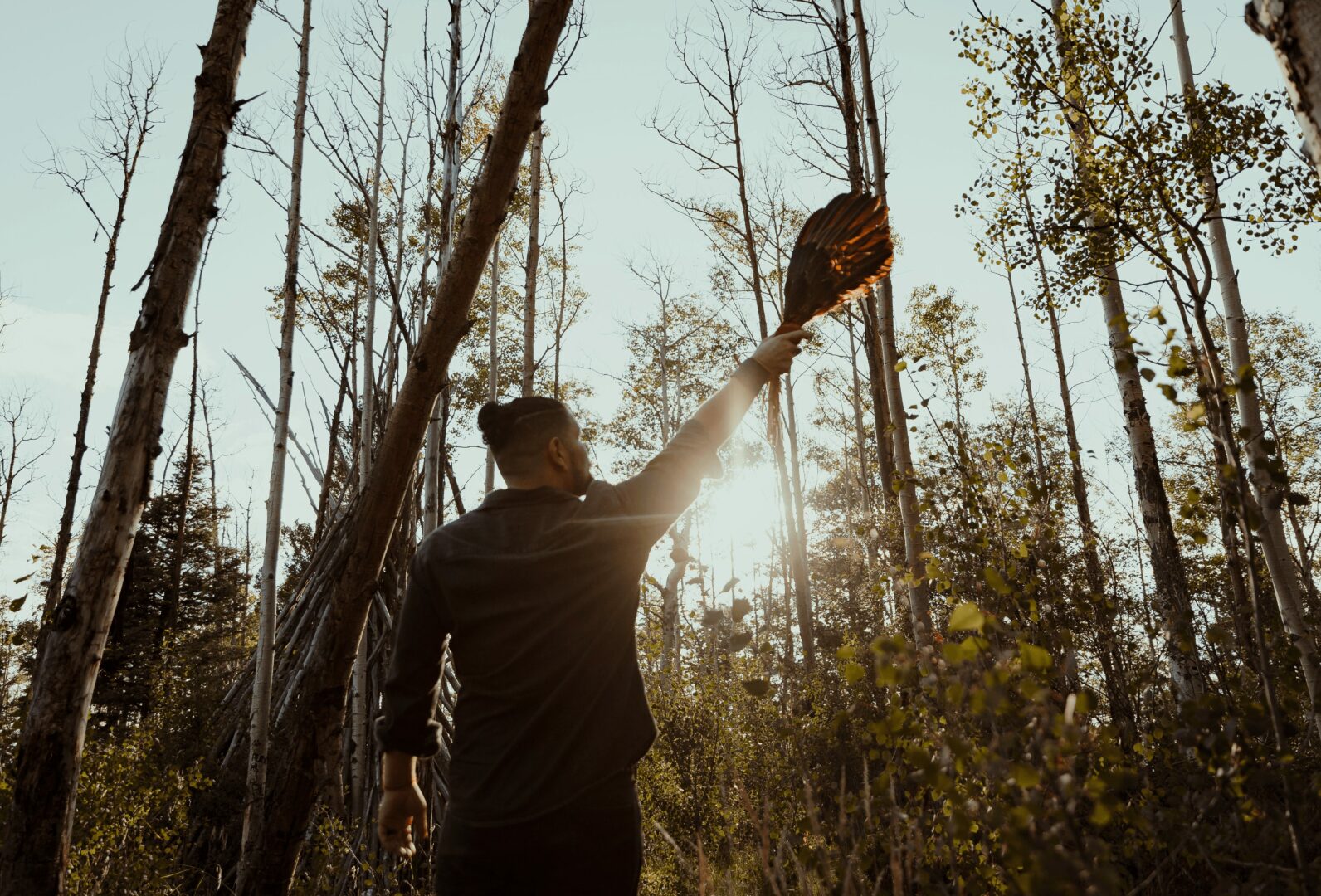
Okay, so before we go we always love to ask if you are looking for folks to partner or collaborate with?
At Tending The Fires, we are focused on restoring health and balance in the lives of individuals by reweaving together intact culture. What this means is that we approach healing ancestral and generational trauma by restoring our connection with Nature, first and foremost, then using that as the foundation for healing at all other levels of our lives.
In The Flowering War, I outline our method of healing called the Teokalli Method, which is based on ancestral Toltec teachings. We are not a part of Nature. We are Nature. In recent years, there has been an increasing number of people that are being called back to work directly with the Earth as a part of our collective healing as modern humans. From regenerative and indigenous-based agriculture, to teaching Earth-based and ancestral skills, reclaiming ancestral forms of myth and storytelling for healing, finding our ways back to community-based rituals for healing personal and ancestral trauma, unprocessed grief, and transforming our relationship to birth and death through the resurgence of freebirthing communities and death doulas, we are finding our way back to ancestral, intact ways of living. Seeing this happen is incredibly inspiring to me.
I am inspired by the work of people like Stephen Jenkinson (www.orphanwisdom.com), Martin Prechtel (www.floweringmountain.com), Clarissa Pinkola Estes (https://www.clarissapinkolaestes.com/), and Martin Shaw (https://drmartinshaw.com/). In the social media sphere, specifically on Instagram, I’ve come across the amazing work of people like Dr. Catherine Clinton (@dr.catherineclinton), Jess The Death Empath (@the.death.empath), Iris Nabalo (@nabalo), Sophie Strand (@cosmogony), Maestro Akaxe Yotzin Gomez (@machtiatoltekatl), Regis Turocy (@r3g15), Rowen White (@rowenwhite), Zak Baker (@bushlorepress), and Josh Schrei of The Emerald Podcast (@the_emerald_podcast). There are many others whose work is in growing a deep-rooted connection to Nature and Spirit whose work inspires me through the reconnection to ancestral ways of living, intact ways of living that restore our relationship and connection to ourselves, each other, and to Nature that I find inspiring.
We are at a critical time in human history that requires a return to the wisdom of intact, indigenous cultures. I see the work of Wisdom Keepers (@wisdom.keepers), the Aniwa Community (@aniwa.co), Amazon Watch (@amazonwatch), and For The Wild Podcast (@for.the.wild).
These are a few of the people whose work I am drawn to that have deep-rooted wisdom and are looking to heal the roots of collective, ancestral trauma that have led to the massively destructive culture of our times. Ultimately, the shift we need to make is a collective cultural shift and I see the genuine heart in the work of these people. I’d love to collaborate with them.
The best way for them to connect with me is via email at [email protected] or through social media on Instagram @tendingthefires.
Contact Info:
- Website: https://www.tendingthefires.com
- Instagram: @tendingthefires
- Facebook: https://www.facebook.com/El.Nomada.Carin
- Linkedin: https://www.linkedin.com/in/dr-oscar-perez-33a668273/
- Youtube: https://www.youtube.com/channel/UCWUhnplJbrTPXFomHIaVK-A
- Other: Mighty Networks Community: https://tendingthefires.mn.co
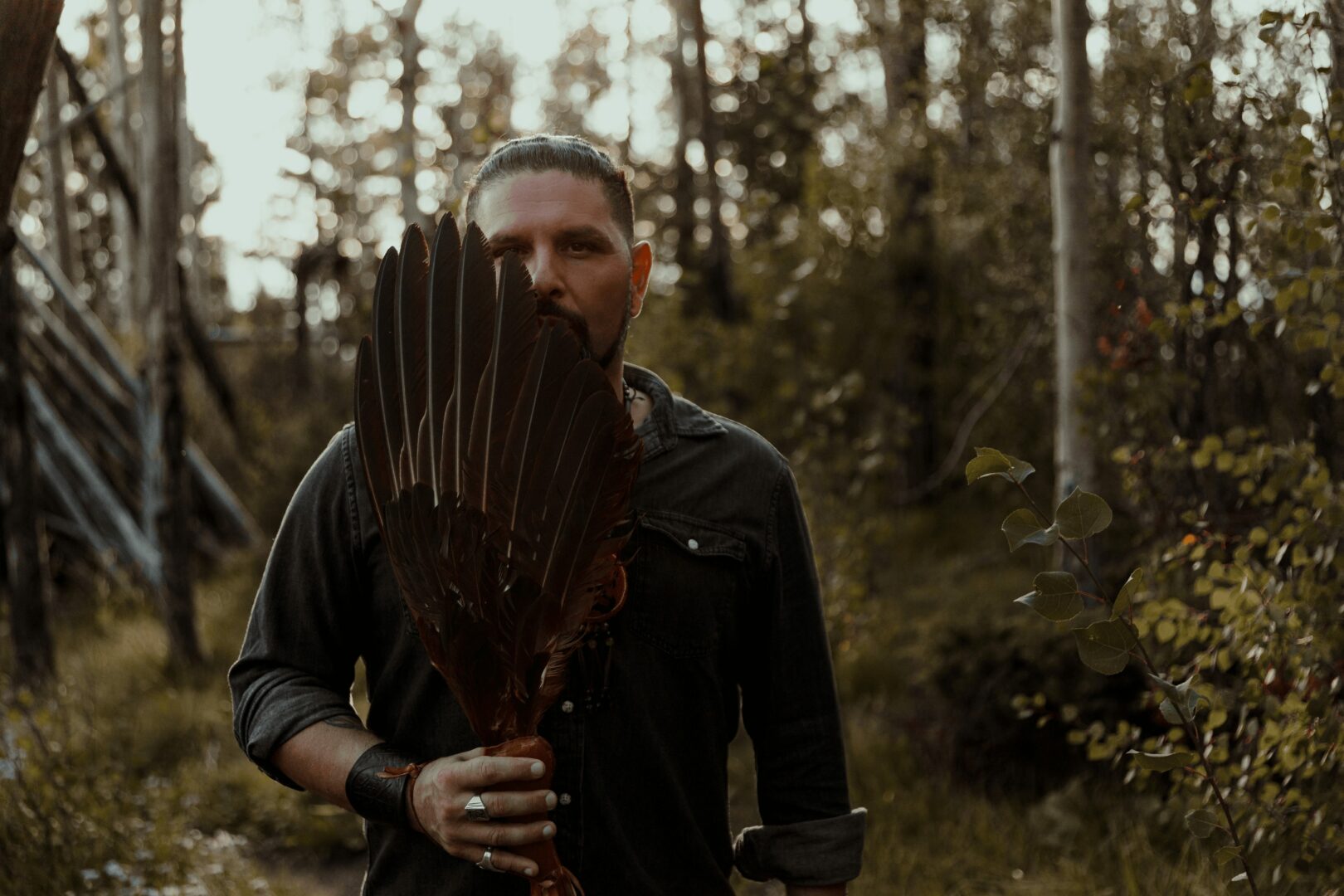
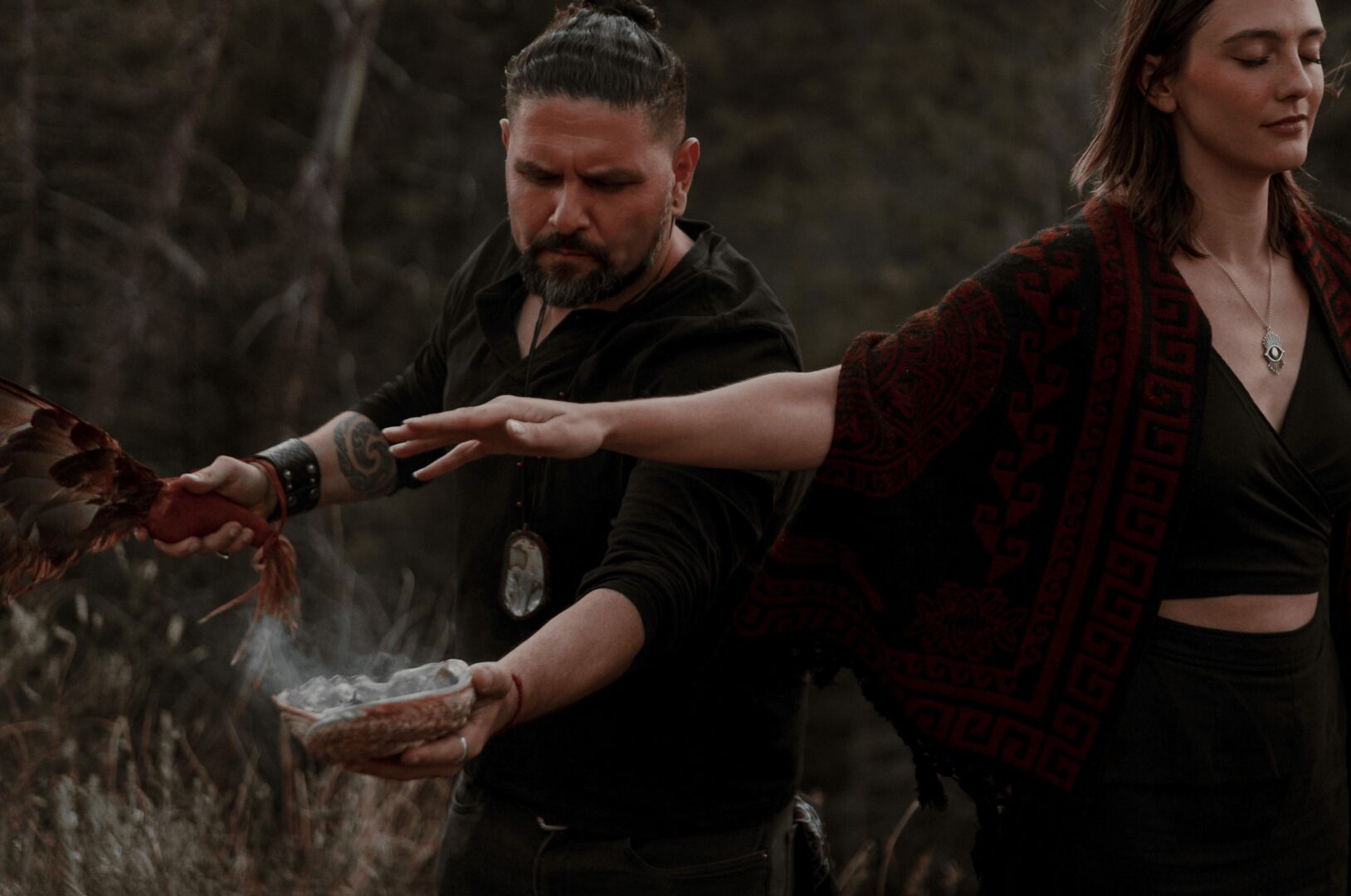
Image Credits
Amanda Powell (@adriftadream.photo)
so if you or someone you know deserves recognition please let us know here.