Alright – so today we’ve got the honor of introducing you to Hailiang Lu. We think you’ll enjoy our conversation, we’ve shared it below.
Hailiang, so excited to have you with us today. So much we can chat about, but one of the questions we are most interested in is how you have managed to keep your creativity alive.
I believe that creativity is something everyone is born with. For me, expressing creativity is like a child playing with building blocks. No matter what, the blocks will always be stacked up. Whether you’re a little architect carefully constructing or someone who casually tosses blocks into a pile, both are results of creativity. This expression reflects everyone’s unique personality. So never worry about lacking creativity because it is always there.
To keep creativity alive, you first need to realize that you always have creativity. Next, it’s about how to unleash it.
Showing creativity relies on daily accumulation. Using the building blocks analogy again, accumulation is like the types and quantities of blocks you have.
I grew up in a small city in China. For more than twenty years of my life, China has focused on science and economic development, with less emphasis on artistic creativity. This was evident in schools as well. The general neglect of creativity in schools not only affected me but also the elementary students I taught. I noticed that this environment led people to be unaware of their inherent creativity and afraid to express it.
In 2020, I worked as a teacher at an extracurricular art school in my hometown. My job was to inspire the children’s creativity. My main students were a group of 8-12-year-olds who were not allowed to have phones in class and had to focus solely on drawing. But they didn’t know what to draw.
When I first took over this lovely group of kids, they always asked me to find a nice picture for them to copy. Their requests became a difficult things for me. Some other teachers, to easily satisfy the parents, would simply give the kids a picture to copy during class. Through that way, both the kids and their parents are happy with the results, Why shouldn’t I be glad too?
However, I always felt guilty about doing that. As a result, I tried to encourage the kids who had phones to use them and break away from traditional ideas. They shouldn’t see phones and the internet as obstacles to creativity. I asked them to search for pictures of things they were interested in as inspirations rather than copying, and for those without phones, I let them use my computer and then printed the inspirations out for them. I tried every way to increase the variety of their building blocks.
After the kids learned to accumulate more, I also realized the importance of guidance. For example, when drawing a portrait, if they just copied a work, they might feel a brief joy after finishing. But if I guided them step by step, showing them how to combine facial features and then let them complete it on their own, they would feel even prouder.
For us adults, reading books, watching movies, and absorbing any high-quality work we can are crucial. This is the first step of accumulation. The second step is allowing ourselves to express boldly. If it’s drawing, just doodle freely, sketching everything you see like taking notes. Over time, you’ll feel your creativity constantly flowing out.
Let’s take a small detour – maybe you can share a bit about yourself before we dive back into some of the other questions we had for you?
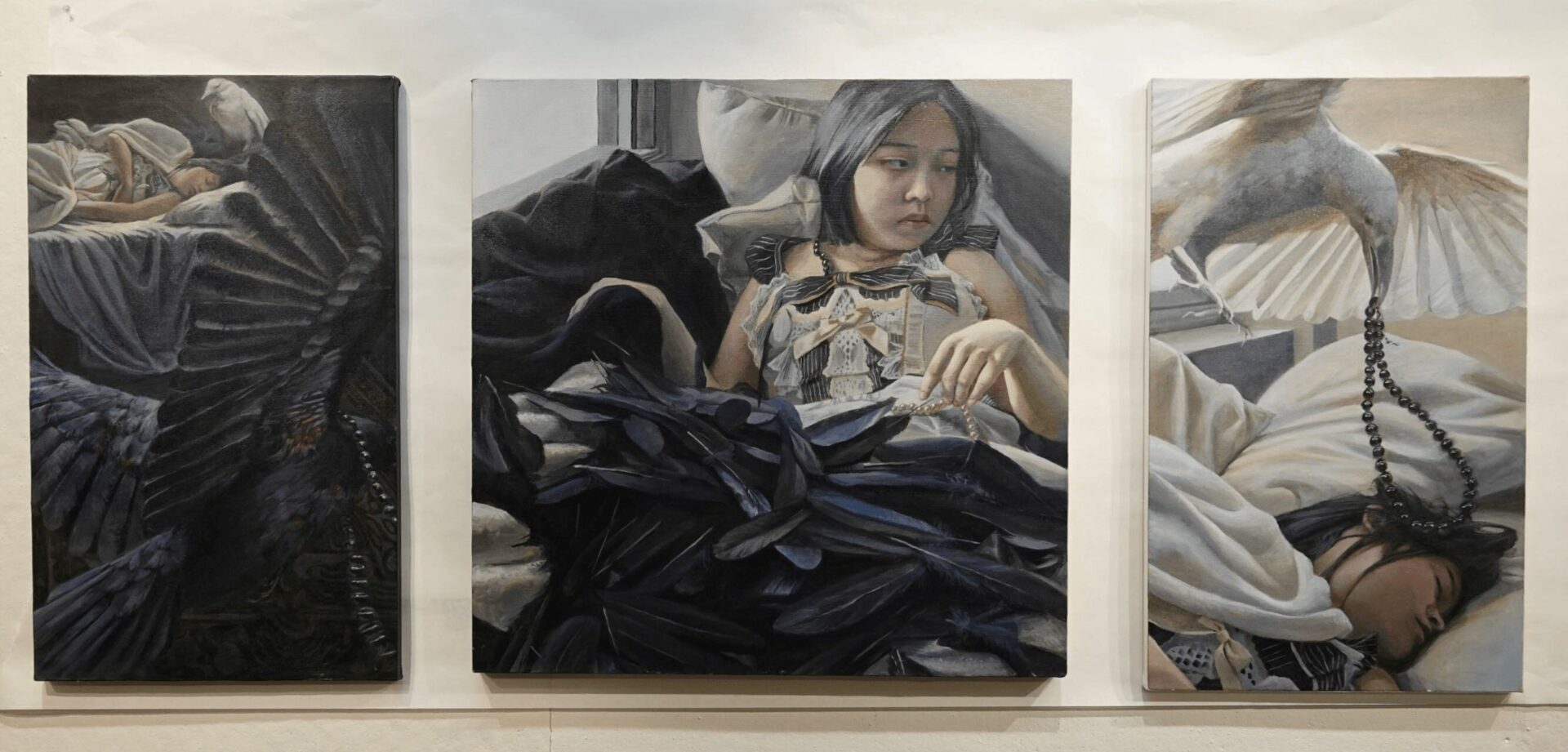
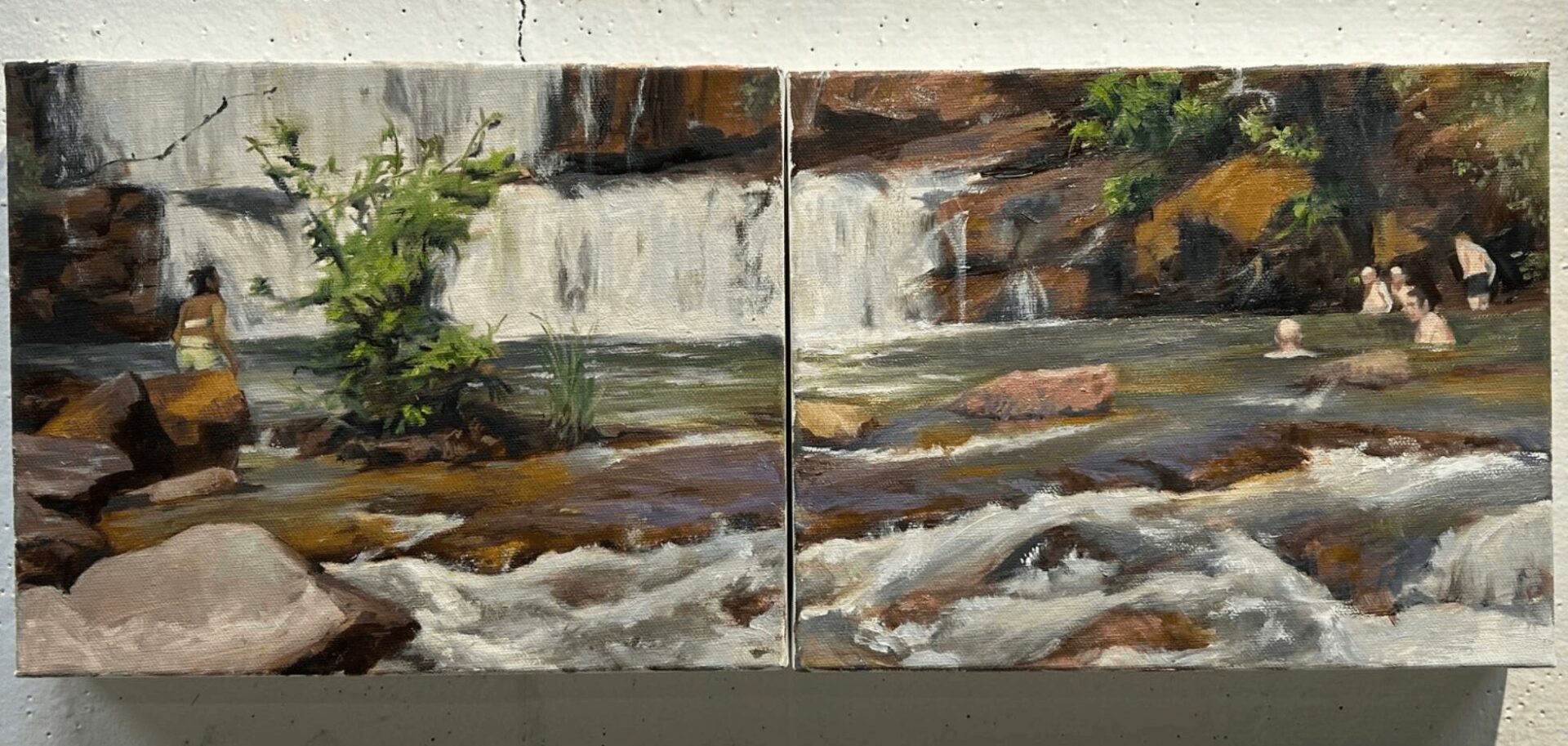
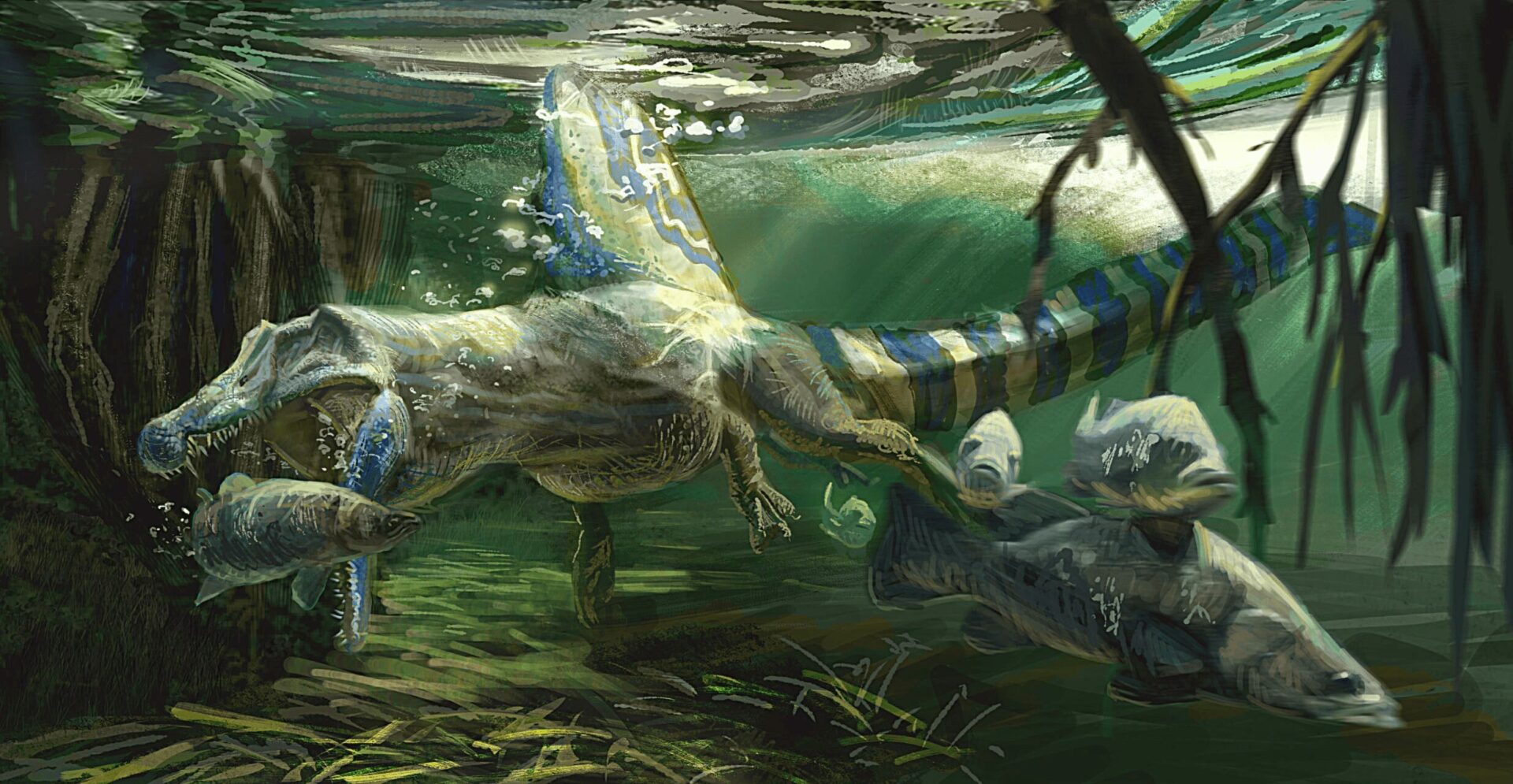
I am currently a rising senior at Rhode Island School of Design, majoring in Illustration. My work mainly focuses on entertainment concept art, but I am also very passionate about oil painting. My enthusiasm for concept design stems from its relatively new form in the art field, which is largely integrated with digital painting. For me, it allows the seamless transformation of imaginative ideas into reality. Although digital painting loses some texture and physicality compared to traditional mediums like oil painting, its efficiency in visual expression is unparalleled. Simply put, I want to quickly share the interesting ideas in my mind with others, which is why I pursue concept design.
In the process of learning concept art, I have been greatly influenced by two of my teachers, Jack Zhang and Donglu Yu, who are also experts in the field. I met them a few years ago through the CGPB mentorship program. Through their guidance, I not only learned concept art skills but also appreciated the charm of traditional oil painting. Many excellent concept artists, such as Donglu Yu, Gilles Beloeil, Craig Mullins, and Lixin Yin, have been strongly influenced by traditional oil painting in their creations. Inspired by these examples and my teachers’ guidance, I have gradually delved into oil painting and continue to create in this medium.
Currently, one of my oil paintings has been selected for the AXA Art Prize and will be exhibited in New York City this fall. Those interested are welcome to check it out.
In my spare time, I also take on painting commissions. While I enjoy the appreciation others have for my work, I also value external critiques. Whether in concept design or oil painting, I hope to continue my journey long-term, bringing inspiration and joy to more people in the future.
Looking back, what do you think were the three qualities, skills, or areas of knowledge that were most impactful in your journey? What advice do you have for folks who are early in their journey in terms of how they can best develop or improve on these?
In my journey, I believe the most important aspect is the passion for art and the enthusiasm for creation. This passion must be fervent and unwavering. Steven Assael’s words perfectly capture my thoughts. A few months ago, he came to our college to give a talk, and a student from the audience asked, “Is pursuing a career in oil painting promising?” Steven Assael replied, “If you treat oil painting as a career, it won’t be; if you treat oil painting as your life, it will be.” These words have always inspired me.
This kind of dedication to creation, as essential as breathing, is what I consider the most precious quality, whether for beginners or accomplished artists. My favorite fashion designer, Yohji Yamamoto, has expressed a similar sentiment: “I will design clothes until the end of my life.”
Awesome, really appreciate you opening up with us today and before we close maybe you can share a book recommendation with us. Has there been a book that’s been impactful in your growth and development?
The book “Making Clothes” by internationally renowned fashion designer Yohji Yamamoto has given me many new insights. In my earlier writing about my understanding of creativity, I emphasized the importance of “accumulation.” Yamamoto states this idea more precisely and relates it closely to everyday life. He says, “For people who live a routine life, commuting between work and home, what they gain is limited, and it’s difficult for them to create refreshing and impressive works… Honest and straightforward people find it hard to produce clothes that make hearts race.”
Additionally, his constant spirit of rebellion is something I greatly admire. Decades ago, his rebellious stance against traditional European and American fashion styles is a quality I deeply appreciate. This is also why I personally love his clothing design style.
Contact Info:
- Instagram: https://www.instagram.com/_hailiang_lu_?igsh=MW1xcjRxMHZ2bG0wMA%3D%3D&utm_source=qr
- Linkedin: https://www.linkedin.com/in/hailiang-lu-40a0612ba/
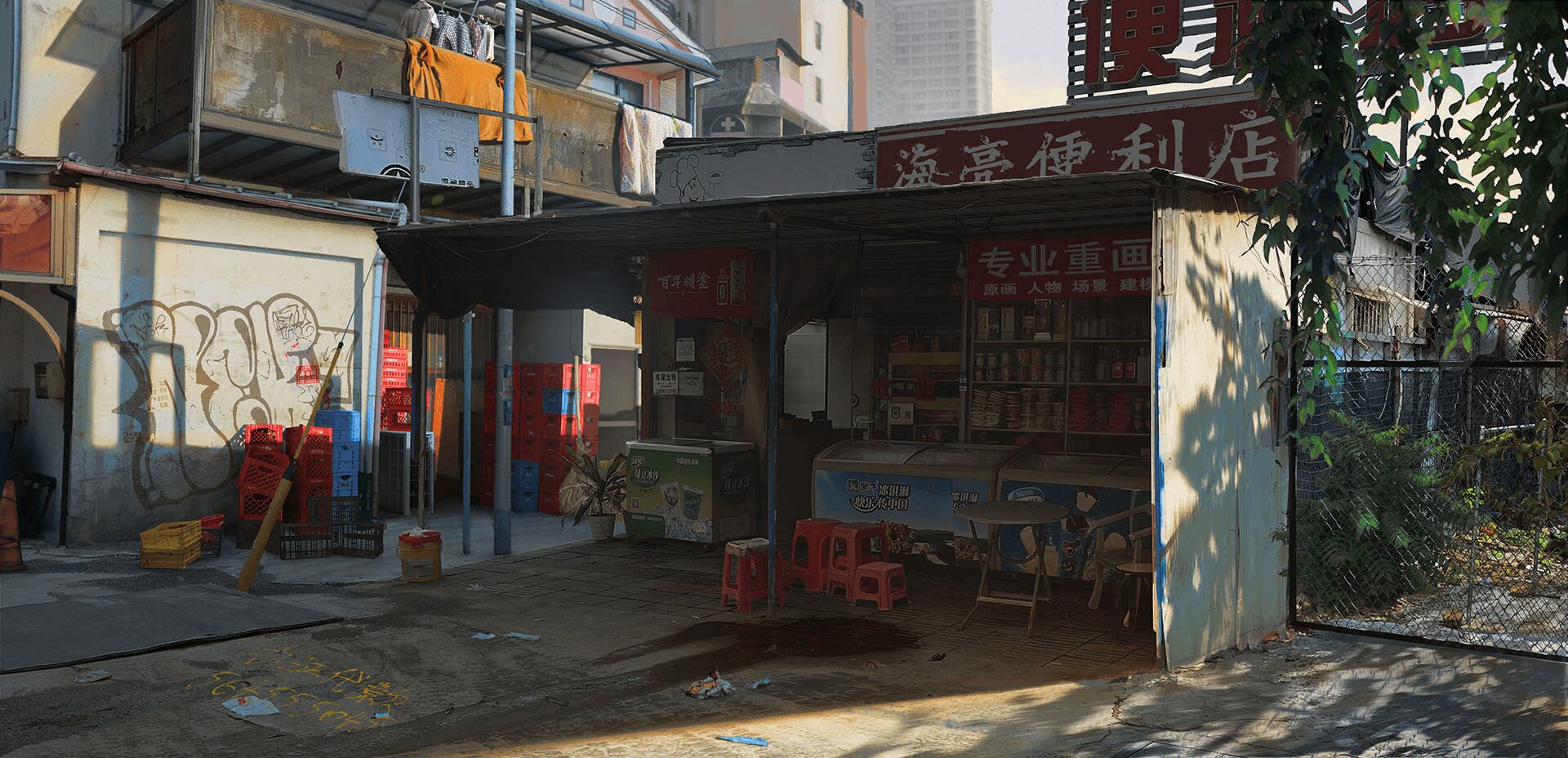
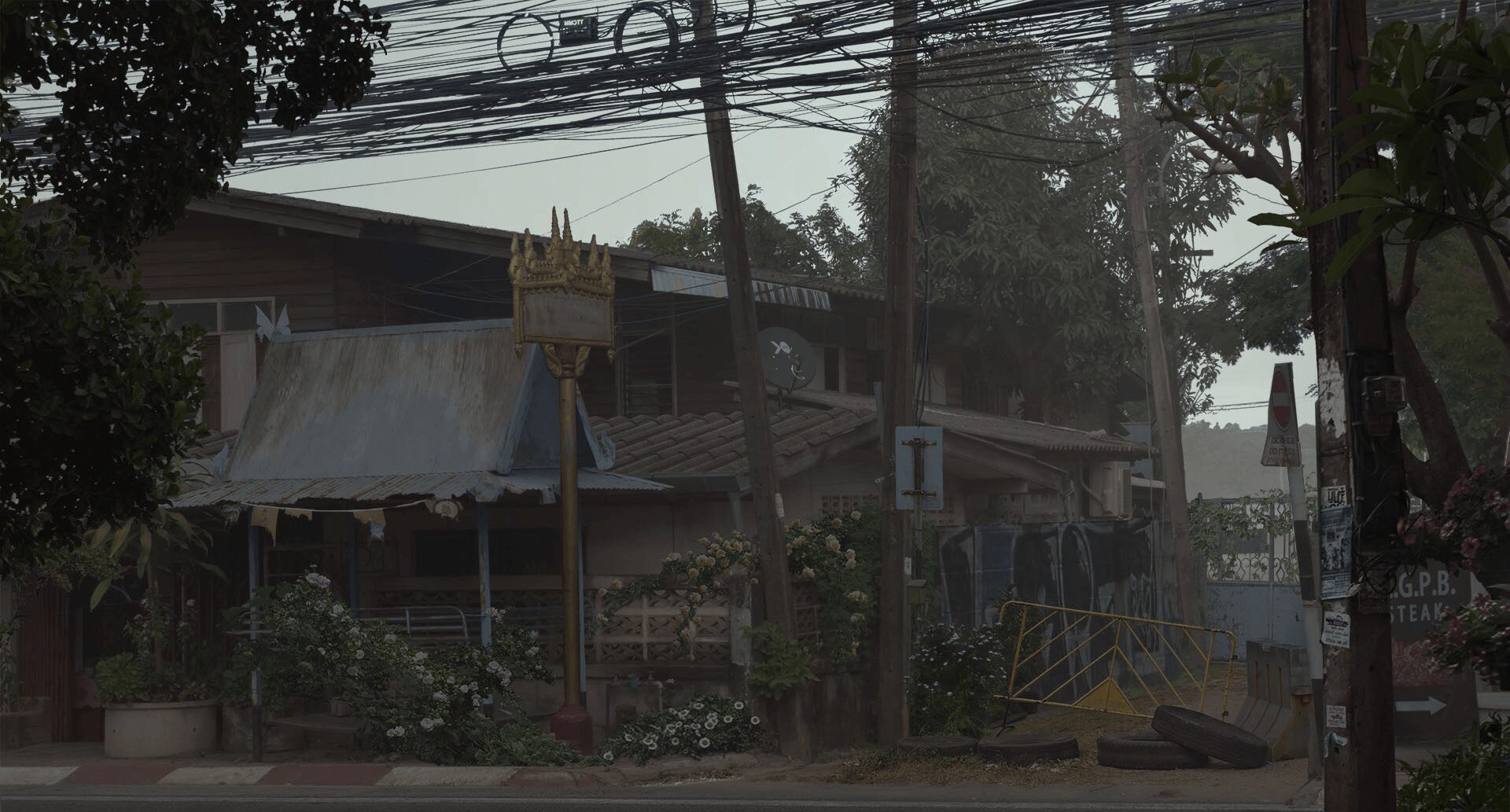
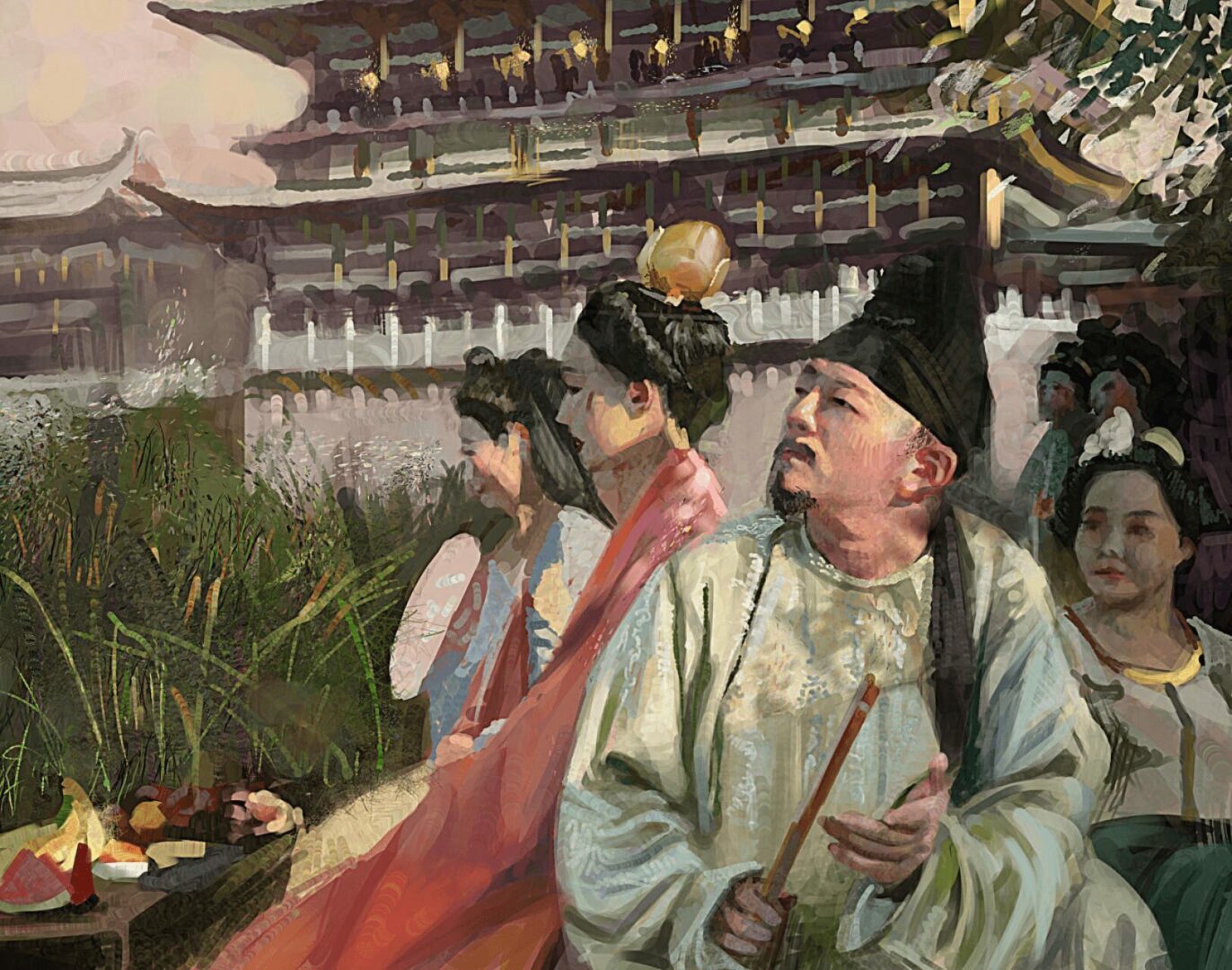
Image Credits
All the art works are done by Hailiang Lu.
so if you or someone you know deserves recognition please let us know here.