Alright – so today we’ve got the honor of introducing you to Emily Swisher. We think you’ll enjoy our conversation, we’ve shared it below.
Emily, we’re thrilled to have you on our platform and we think there is so much folks can learn from you and your story. Something that matters deeply to us is living a life and leading a career filled with purpose and so let’s start by chatting about how you found your purpose.
I am incredibly fortunate that my passion for horses as a child was able to extend into a profession where I am now able to connect with therapy clients in their vulnerability for healing. I was born an animal lover, but did not feel called into a career working directly with them. In college, I quickly became fascinated by the subject of psychology and began exploring advanced degrees and professions, mostly in research. However, my senior year was when the Sandy Hook mass shooting occurred, and in the aftermath, I saw the group of volunteers who brought Golden Retrievers in as comfort animals for the victims’ families and first responders. I had never seen the legitimate use of animals for mental health therapy and knew instantly I had found my profession to use animals in counseling.
Appreciate the insights and wisdom. Before we dig deeper and ask you about the skills that matter and more, maybe you can tell our readers about yourself?
I am a psychotherapist that specializes in trauma using EMDR (Eye Movement Desensitization and Reprocessing) and equine interventions. As a life-long avid reader, I am drawn into people’s stories and feel incredibly grateful to be in a position where so many individuals are willing to expose their pasts, current fears, but then also their successes with me. I became interested in EMDR and trauma when I took a personal interest in exploring how our physical body stores emotional trauma, expanding on my passion for mind-body wellness.
Being a therapist, I feel that I get to be an observer into some many rich and unique situations and watch someone come out the other side of their traumas with a deeper perspective of themselves and of the life they choose to live moving forward.
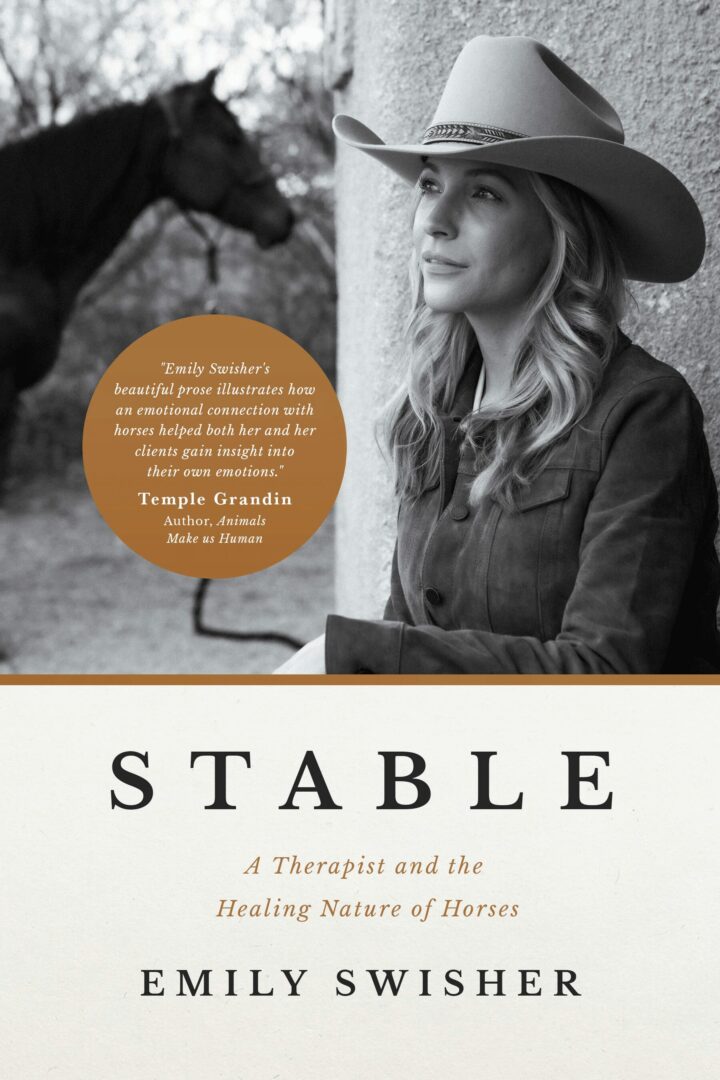
From exploring client’s pasts with them and now being an author, I feel that the larger theme of my work is stories and the narratives we internalize from those experiences as a result. My book, STABLE, is an account of my journey becoming a therapist who uses horses in therapy, and pulling in client experiences in order for the reader to reflect on their own backgrounds as they learn more about the healing nature of horses.
If you had to pick three qualities that are most important to develop, which three would you say matter most?
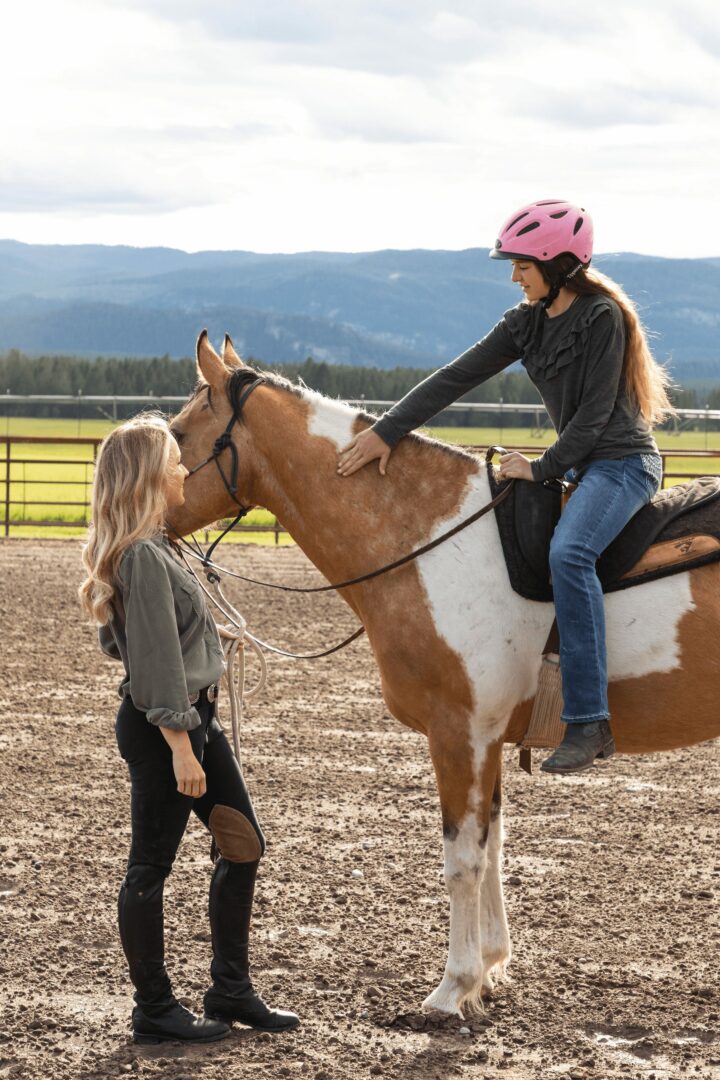
I feel fortunate that I have always had a love for learning and curiosity instilled in me. When there is a topic or area that interests me, I can become easily fixated on learning more and that has led to a career that I am passionate about and always seeking areas of growth. As I love areas of wellness and psychology, I then share what I am learning with my clients as well.
With a career in psychotherapy, also comes the ability for introspection and self-examination. This was a skill that has taken practice and maturity, as it can easily spiral into rumination, leading to more anxiety. The ability for introspection helps me identify what I may be emotionally responding to and why, and then choosing an alternative reaction. Often, we are stuck in an ‘autopilot’ mentality, reacting retroactively, rather than proactively.
Finally, a skill I wish that a younger version of myself had learned sooner was the ability to take more risk. Like many young women, I suffered from feeling my value was contingent upon my performance and appearance, which only limited and diminished my capability. True growth only occurs from stepping outside of our comfort zone and with that can come criticism. I live by the quote “the only way to avoid criticism is to say nothing, do nothing, and stand for nothing” – it has freed me to acknowledge criticism is part of life and we only need to be mindful of what we value enough to be willing to face criticism as a result.
What do you do when you feel overwhelmed? Any advice or strategies?
Having strong, unbiased self-awareness is crucial for preventing burnout. I discovered in my twenties that I am a Highly Sensitive Person, which essentially means that I take in a lot more information and therefore, become depleted much quicker than most. Especially with the emotional content I process with my therapy clients daily, recognizing my threshold and finding alone time helps me recalibrate each week. Before I knew this about myself, I would feel shame for not keeping up with my more social peers.
Some strategies I teach my clients include the miracle question of, “What’s in my control now?”. This helps break unhelpful ruminating thoughts that lead to anxiety and reassess the situation. If there is a tangible step to take, act on it. Otherwise, shift your time and attention to something that would be more beneficial to you at that moment. Similarly, when we are overwhelmed we are acting out of an emotional mindset and not a logical one. Stopping to identify the primary emotion (maybe anxiety or anger) then working to identify the secondary emotion (fear of being perceived as a failure or sadness for not having more support) helps to recognize the deeper emotional wound and work at addressing that need instead.
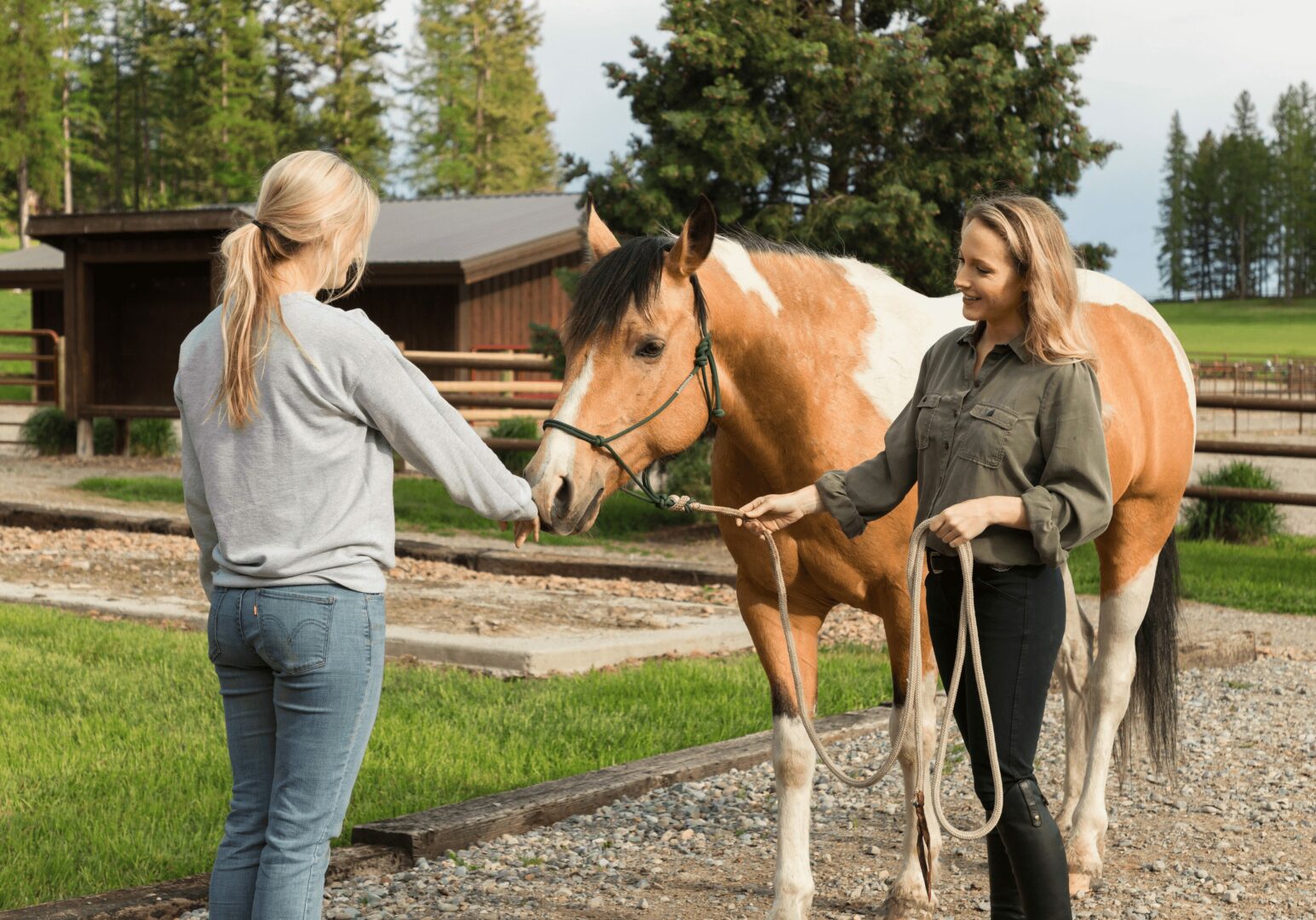
Personally, I always feel much more grounded with a fresh perspective when I spend time in nature or with animals. Getting a change of scenery reminds me that every issue is temporary and to have gratitude for this beautiful and intricate world we get to call home.
Contact Info:
- Website: https://www.emilyswishercounseling.com
- Instagram: @monradoswish
- Facebook: Emily Swisher
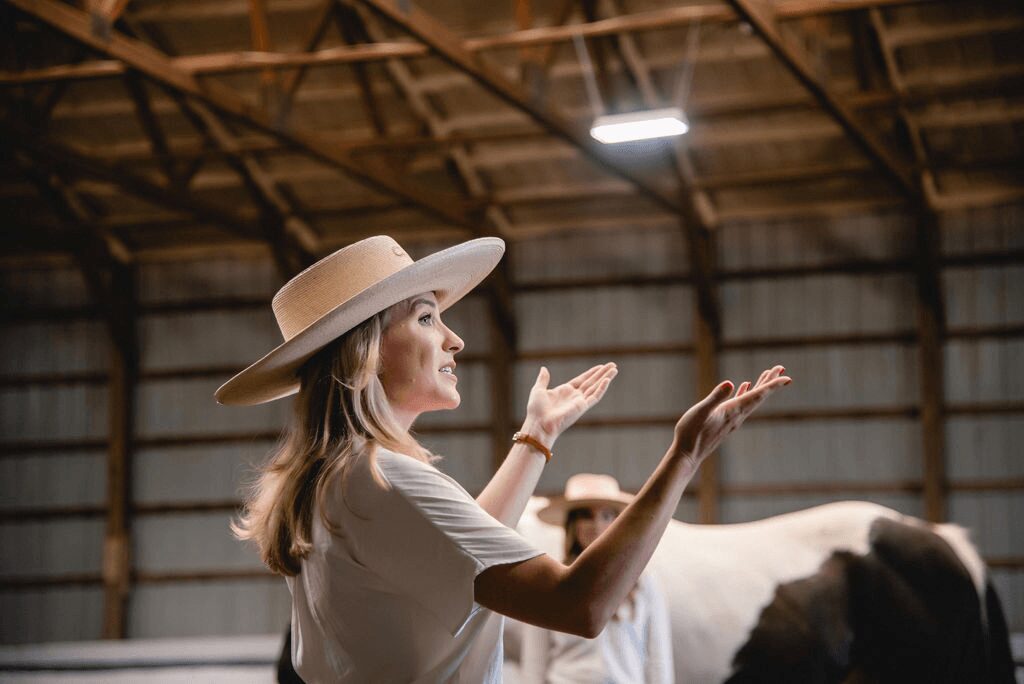

Image Credits
Sinuhe Xavier, Stephanie Jean Photo, and Megan Murray
so if you or someone you know deserves recognition please let us know here.