We’re excited to introduce you to the always interesting and insightful Yi-Chen Chiang. We hope you’ll enjoy our conversation with Yi-Chen below.
Yi-Chen, thank you so much for taking the time to share your lessons learned with us and we’re sure your wisdom will help many. So, one question that comes up often and that we’re hoping you can shed some light on is keeping creativity alive over long stretches – how do you keep your creativity alive?
As a composer, I believe that collaborating with artists from other fields helps maintain musical creativity. When I wrote the music for the film “Dancing Man,” I found inspiration in the performances of many classic Hollywood musical dancers. The film won Best Score/Composition at the Montage Film Festival 2023. Before composing the soundtrack for the award-winning film “Lanny,” I visited the filming location and interacted with the director, actors, and others. I even participated in the shooting process as an extra. This allowed me to better understand the meaning the film intended to convey and the emotions of the characters, which inspired more ideas for the subsequent composition. Instead of staying in a room and creating alone, I believe that interacting with people from different fields brings rich opportunities for exchange and learning, while also sparking new creativity.
Thanks for sharing that. So, before we get any further into our conversation, can you tell our readers a bit about yourself and what you’re working on?
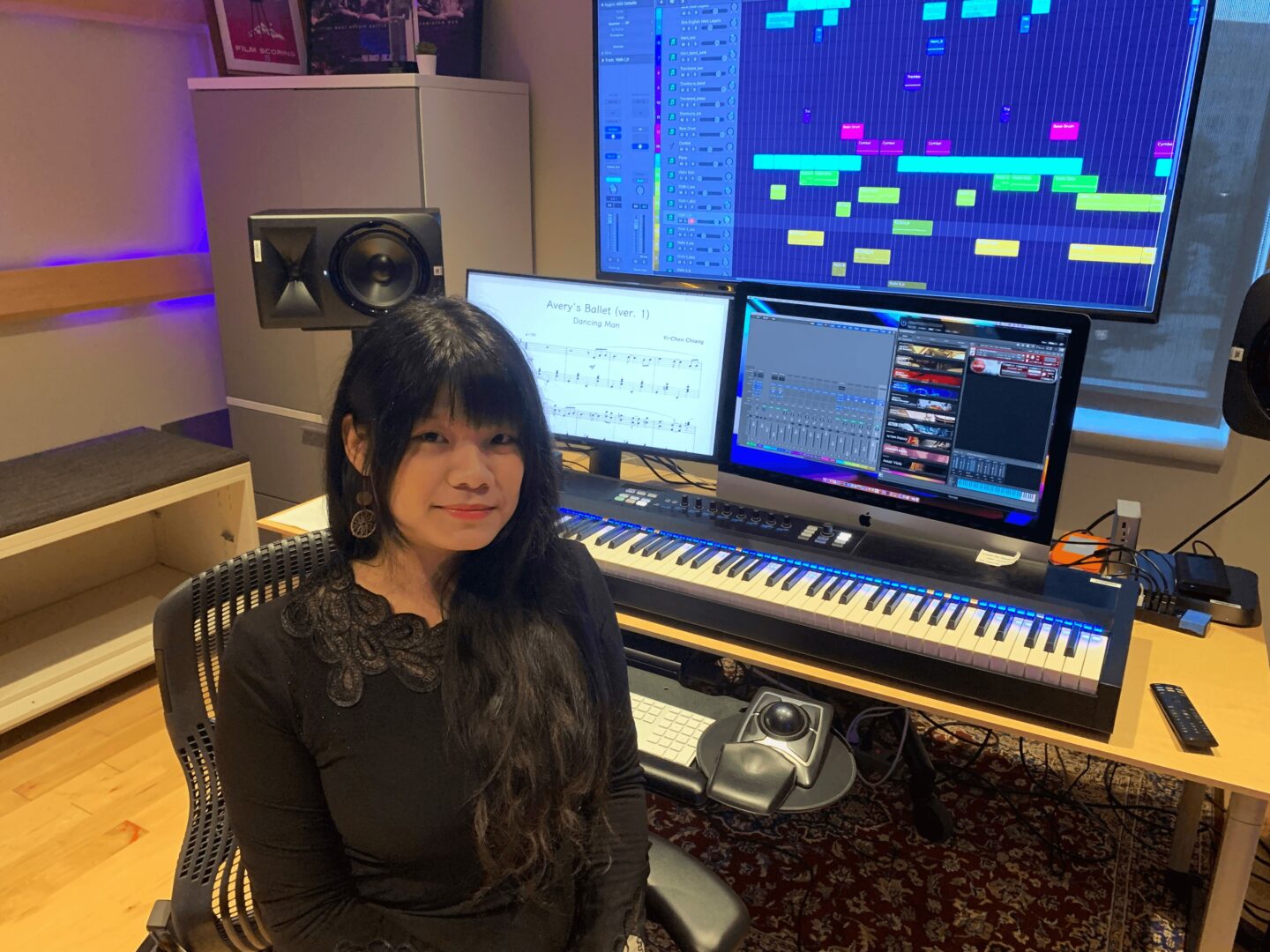
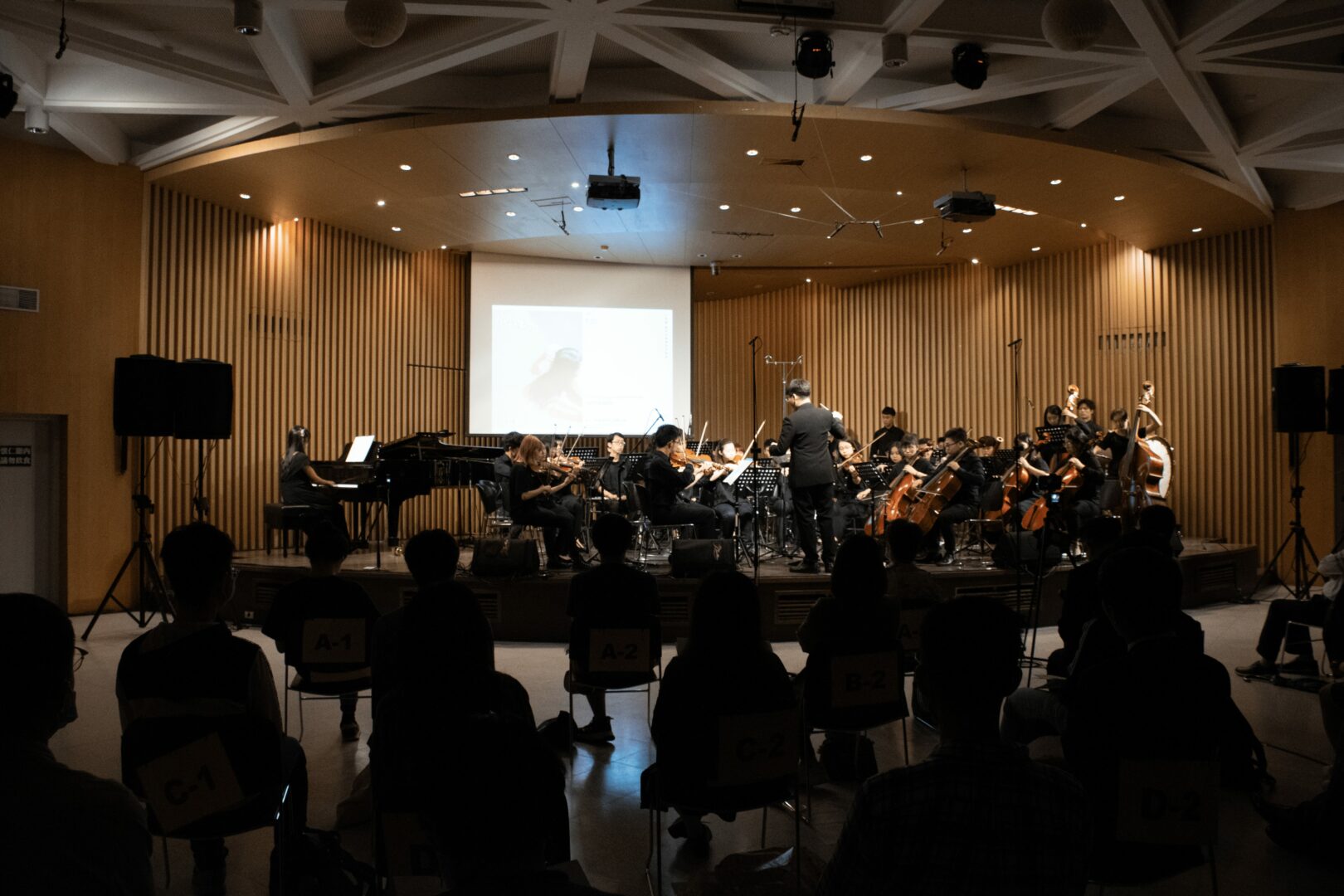
As a film composer, the most exciting and special aspects of the job are the fusion of music and story, the conjuring and careful portrayal of emotions, continuous learning and challenges, collaboration with other artists, and finally hearing the audience’s reactions. These elements not only make this profession exhilarating, but also bring me great satisfaction and an immense sense of accomplishment.
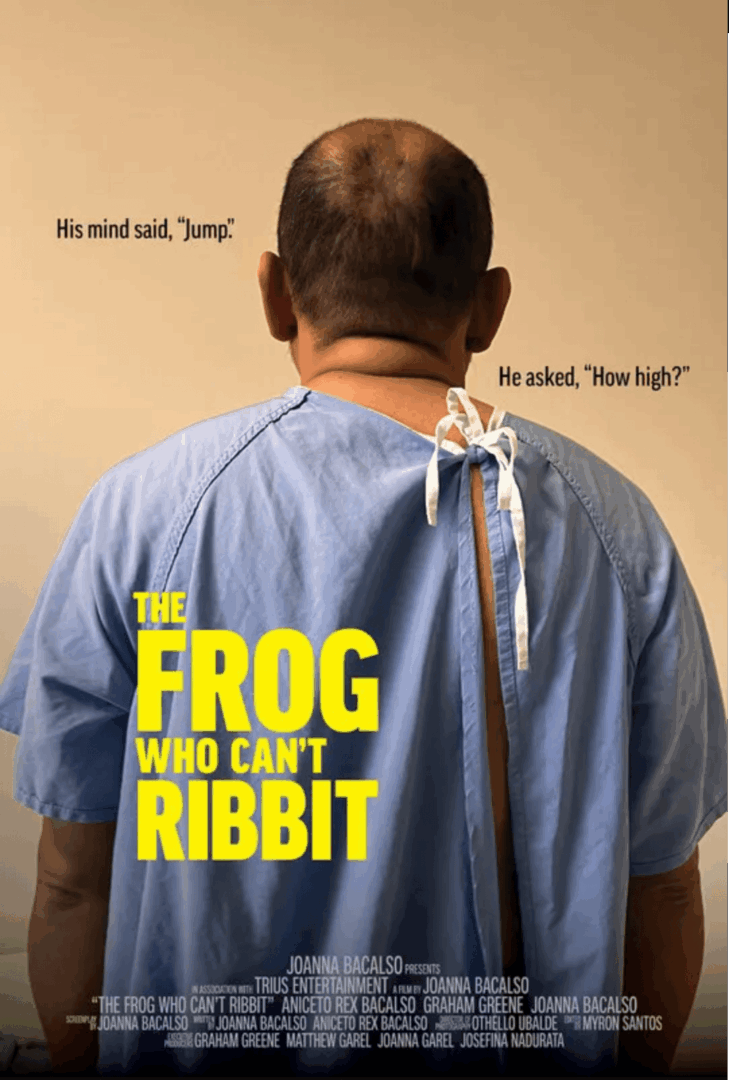
My recent work involves composing the score for actress Joanna Bacalso’s directorial debut film, “The Frog Who Can’t Ribbit.” Joanna Bacalso is a veteran Hollywood actress known for her roles in “Snow Dogs,” “Dude, Where’s My Car?,” “Bedazzled,” and “SEAL Team.” Her film “The Frog Who Can’t Ribbit” is adapted from a true story about her and her brother. I am honored to have the opportunity to work with and compose for her, and to try my hand at reggae for the first time!
Graham Greene — 1990 Oscar nominee for Best Supporting Actor as Kicking Bird in “Dances with Wolves,” among many other notable accolades and roles — also appears in this film. Being able to preview his outstanding performance is one of the most exciting things for a composer. “The Frog Who Can’t Ribbit” has been nominated for the LA Independent Women Film Awards and the Los Angeles International Short Film Festival and will be showcased at more film festivals in the future!
If you had to pick three qualities that are most important to develop, which three would you say matter most?
Becoming a film composer requires a wide variety of skills and qualities. Firstly, a solid foundation in music theory is critical for understanding how to structure your work, while a tool box of more particular compositional techniques is paramount to apply that theory in your creative process. The combination of these two allows for greater freedom and direction in all of your compositions. Secondly, the ability to uniquely and viscerally express emotions is crucial. Composers use music to convey emotions and tell stories. Being able to deeply understand and express those emotions is key to creating moving music. Carefully ponder the exceptionally moving moments in your life and think about how to express those thoughts and feelings in your music. Try to express your own experiences through your music, which can make your work more authentic and touching. Finally, technical proficiency is essential for ensuring efficiency and professional quality in your compositions. Modern film composition requires the use of numerous tools, including music production software, digital audio workstations (DAWs), and various sound libraries and plugins. Mastering these technologies can greatly enhance your creative efficiency and the quality of your music. For beginners, systematic learning, continuous practice, and constant innovation can help gradually improve these aspects.
How can folks who want to work with you connect?
I look forward to collaborating with creative professionals from various fields, including directors, producers, screenwriters, sound designers, and audio engineers, to bring new perspectives and ideas to my music for your projects. My professional website is https://www.yi-chenchiang.com/; you can reach me via email at [email protected]. Let’s embark on an exciting and fun creative journey together!
Contact Info:
- Website: https://www.yi-chenchiang.com/
- Linkedin: https://www.linkedin.com/in/yi-chen-chiang-701429233/
- Youtube: https://www.youtube.com/channel/UCOCdd097uAAOd3ud_sfa9aQ
- Soundcloud: https://soundcloud.com/user-679626272
- Other: IMDb: https://www.imdb.com/name/nm12716649/?ref_=ra_sb_ln
Vimeo: https://vimeo.com/user167104494
Image Credits
Joanna Bacalso
Po-Yu Tsai
Edmund Song
Ian Clarke
so if you or someone you know deserves recognition please let us know here.