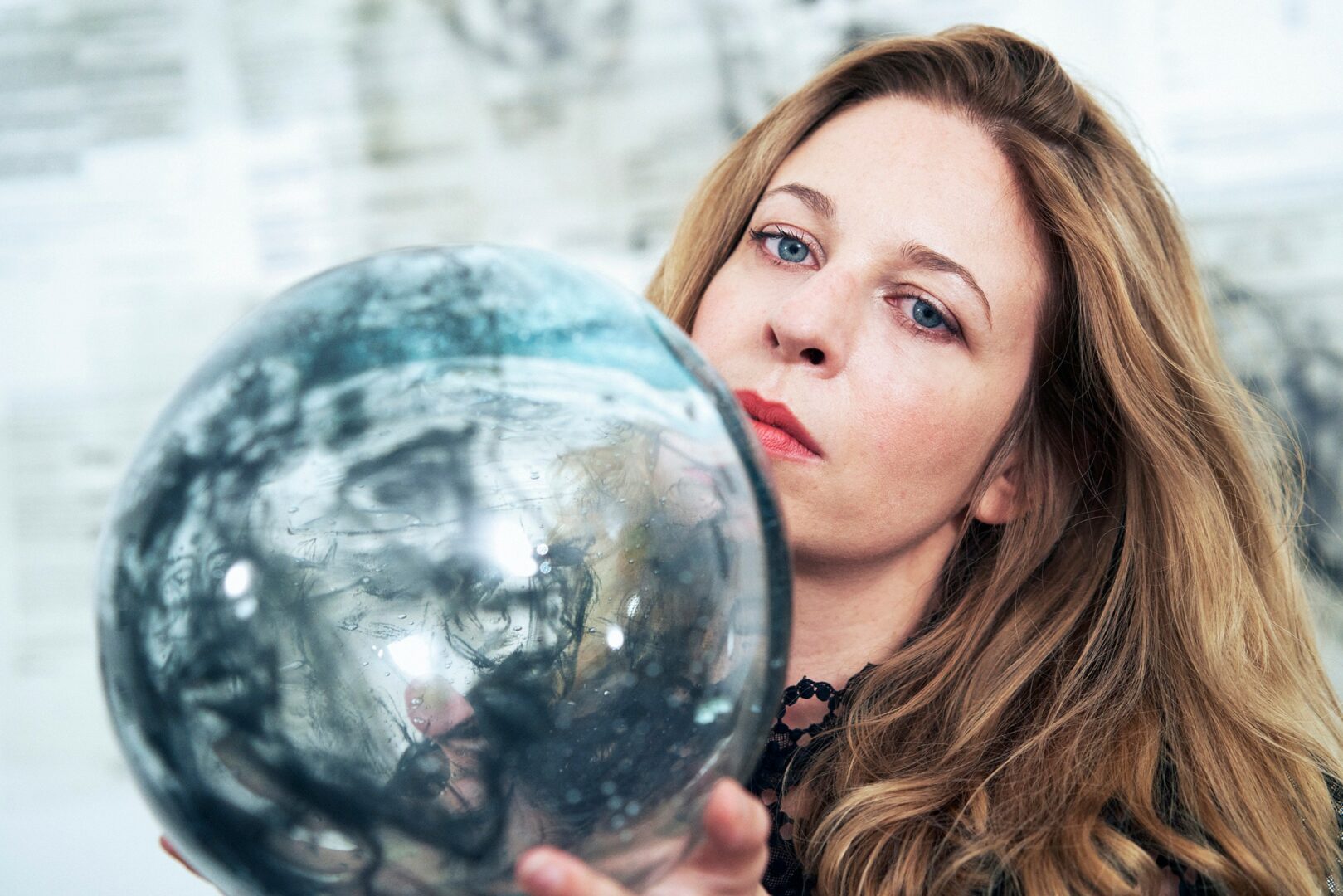
Alright – so today we’ve got the honor of introducing you to Claudia Virginia Vitari. We think you’ll enjoy our conversation, we’ve shared it below.
Claudia Virginia, looking forward to learning from your journey. You’ve got an amazing story and before we dive into that, let’s start with an important building block. Where do you get your work ethic from?
My work ethic as an artist is deeply rooted in a commitment to understanding and telling the stories of those who live on the margins of society. The drive to engage with these often overlooked or forgotten communities comes from a desire to confront the complex relationship between individual stories and the institutions that shape the society we live in.
The nature of my projects—whether working with inmates, those hospitalized in mental health facilities, or asylum seeking people—requires a work founded on empathy and intellectual rigor. The foundation of my work lies in a multidisciplinary approach. I invest years in participatory practices and interviews with people to ensure that the narratives I uncover are accurate. I also immerse myself in historical, philosophical, and sociological literature, drawing insights from thinkers like Foucault, Fanon, Goffman. This approach allows me to understand the deeper forces at play within institutional settings.
Ultimately, my work ethic is driven by a profound respect for the individuals whose stories I seek to tell and a commitment to challenge and expand societal boundaries. It’s about bringing marginalized voices to the forefront and reflecting on how these stories mirror our society and why those situations exist.
Appreciate the insights and wisdom. Before we dig deeper and ask you about the skills that matter and more, maybe you can tell our readers about yourself?
I am originally from Turin, Italy, but at the moment I am based in Berlin. I am a mixed-media installation artist who works on politically charged projects, using art as a form of activism. I am also deeply interested in experimenting with materials to express concepts and tell stories through them. My work centers on exploring total institutions—a concept coined by Erving Goffman—and examining the relationship between individual stories and the broader institutional frameworks that define and confine them. What drives me is the need to illuminate the narratives of those who exist on the margins of society—those whose lives are often hidden from view.
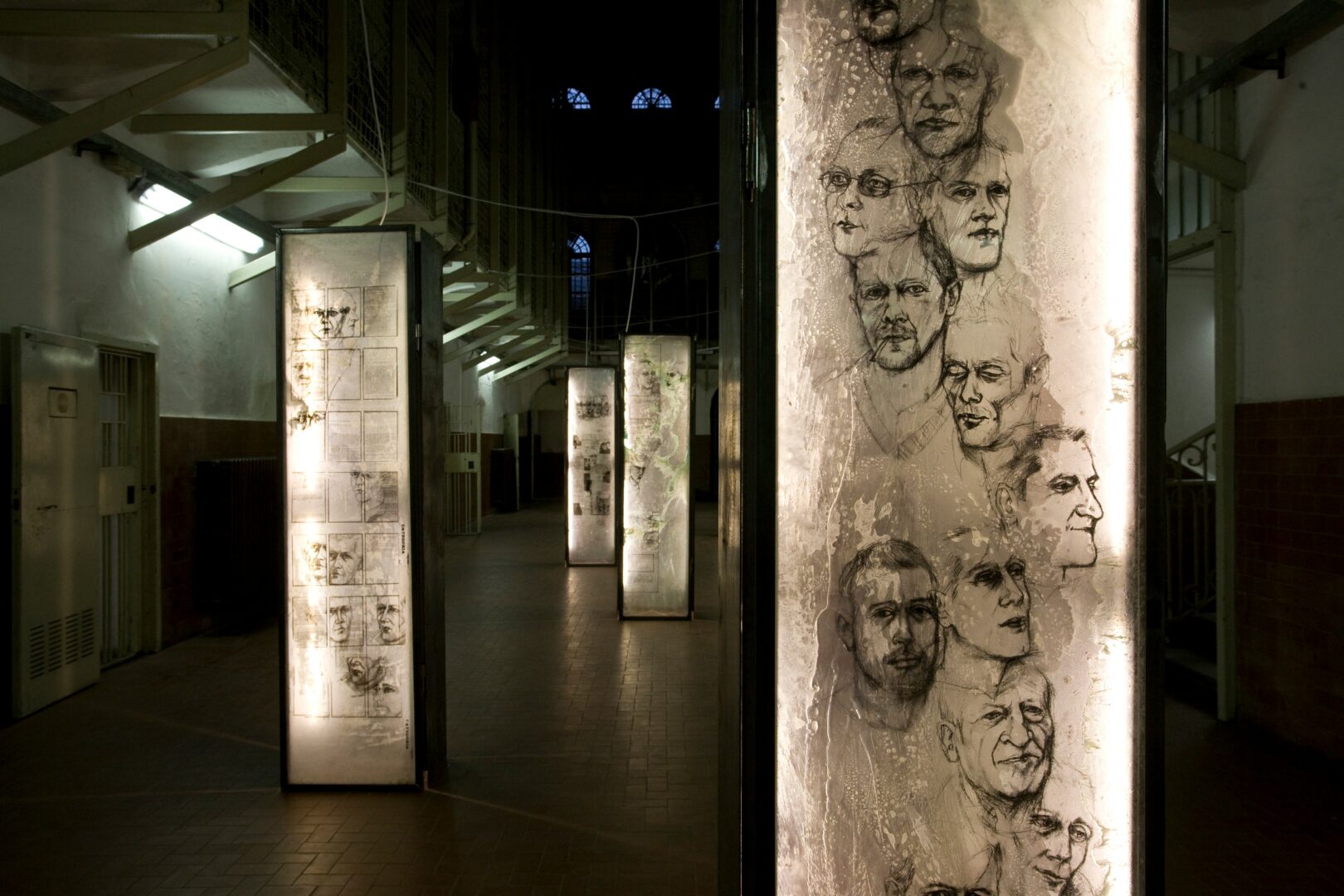
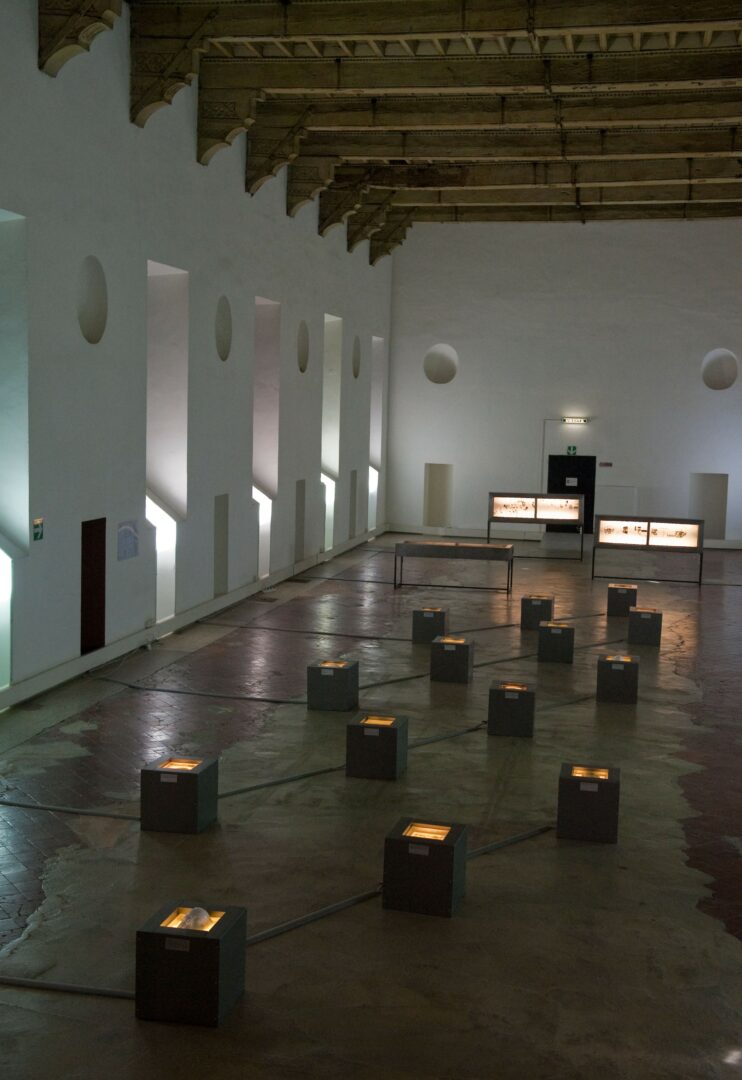
For example, “PERCORSOGALERA” was created in collaboration with inmates of Turin’s Lorusso e Cutugno penitentiary, while the project “Le Città Invisibili” was developed alongside individuals diagnosed with mental illnesses who run a radio station called Radio Nikosia in Barcelona.
Currently, I am based in Berlin, where my ongoing project, “Interstitial Identities”, focuses on the complex issue of migration in Europe. Like my previous works, this project is a graphic documentation in the form of an installation, aiming to rapresent the struggle of people migrating from their countries and the the social tensions generated in the host countries.
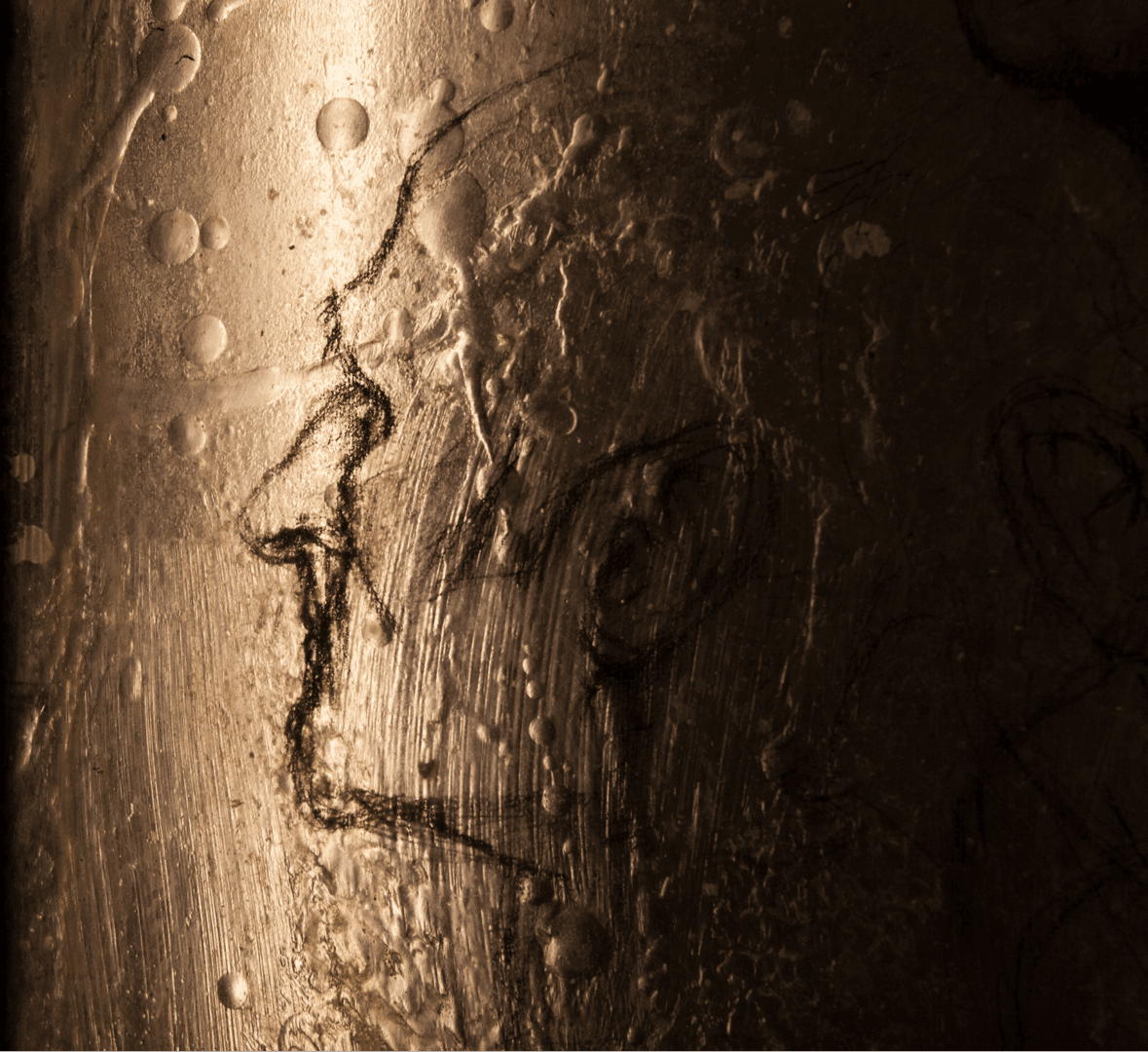
I take great care in choosing materials and techniques that best visualize and crystallize these stories. Light, glass, iron, and plaster are my primary elements. I use screen printing to place portraits, notes, and quotations onto transparent materials, which are then cast into sculptures and back-lit. I then compose the installations to tell the story in its complexity. Like entries in a diary, these documents offer a view into individual narratives that appear both fragile and fading.
The transparency of the materials enables viewers to see through the installation, which acts as a “lens” to perceive reality through the stories embedded within the glass. In my work, transparency represents individuals, while the iron structures represent institutions. Individuals have many different aspects and facets; they change with time and experience. That’s why I layer glass and portraits, allowing for different points of view. The portraits are left in sketch form and always composed during a dialogue with the person. This symbolizes the impossibility of fully capturing a person and the limitations of time. The iron structure encapsulates the individuals, stigmatizing them. It is rigid and does not allow for change. It is realised with recycled material.
In the future, I look forward to expanding my work into new mediums and contexts, I would like to start a project in Berlin with houseless people, continuing to explore the intersections of art and reality through a paricipatory practice.
Looking back, what do you think were the three qualities, skills, or areas of knowledge that were most impactful in your journey? What advice do you have for folks who are early in their journey in terms of how they can best develop or improve on these?
Reflecting on my journey , the three qualities that could have been most important are:
1. Study and Analysis of Subjects
This quality involves delving into a subject from various perspectives before creating art. While it can slow down productivity, it enriches the work with depth and meaning, allowing you to create art that communicates complex ideas and questions societal norms. In a world often focused on quick results, this approach sets your work apart, giving it substance.
2. Empathy
Developing empathy requires active listening and an openness to diverse experiences and perspectives. Engage with people, stories, and cultures different from your own. Practicing putting yourself in others’ shoes and let this guide your creative decisions is crucial if you see art as a form of communication.
3. Organization and Coordination
This skill, often rare among artists is nevertheless important for managing the practical aspects of an artistic career, such as applying for grants, diveloping projects, and presenting your work. Cultivating basic organizational habits (keep a calendar, set goals, and break down larger projects into manageable tasks) allows you to manage your time better but also make it easier to get different opportunities.
As we end our chat, is there a book you can leave people with that’s been meaningful to you and your development?
One book that has played an important role in my development is “Asylums: Essays on the Social Situation of Mental Patients and Other Inmates” by Erving Goffman. This work offers deep insights into the nature of institutions and the ways they shape and control individuals within them.
Goffman introduces the idea of “total institutions,” places where individuals are isolated from the broader society and live under strict regulations. These institutions, such as mental hospitals, prisons, or military camps, have a profound impact on the identity and behavior of those within them. They strip individuals of their previous identities taking away personal possessions and markers of individuality.
Asylums has been crucial in shaping my perspective on social structures, systhems of control, and identity. Goffman’s analysis provides a powerful lens for understanding not just formal institutions but also the subtle ways in which societal norms and expectations can act as controlling forces in everyday life.
Contact Info:
- Website: https://www.claudiavitari.com
- Instagram: @claudia_virginia_vitari
- Facebook: Claudia Virginia Vitari
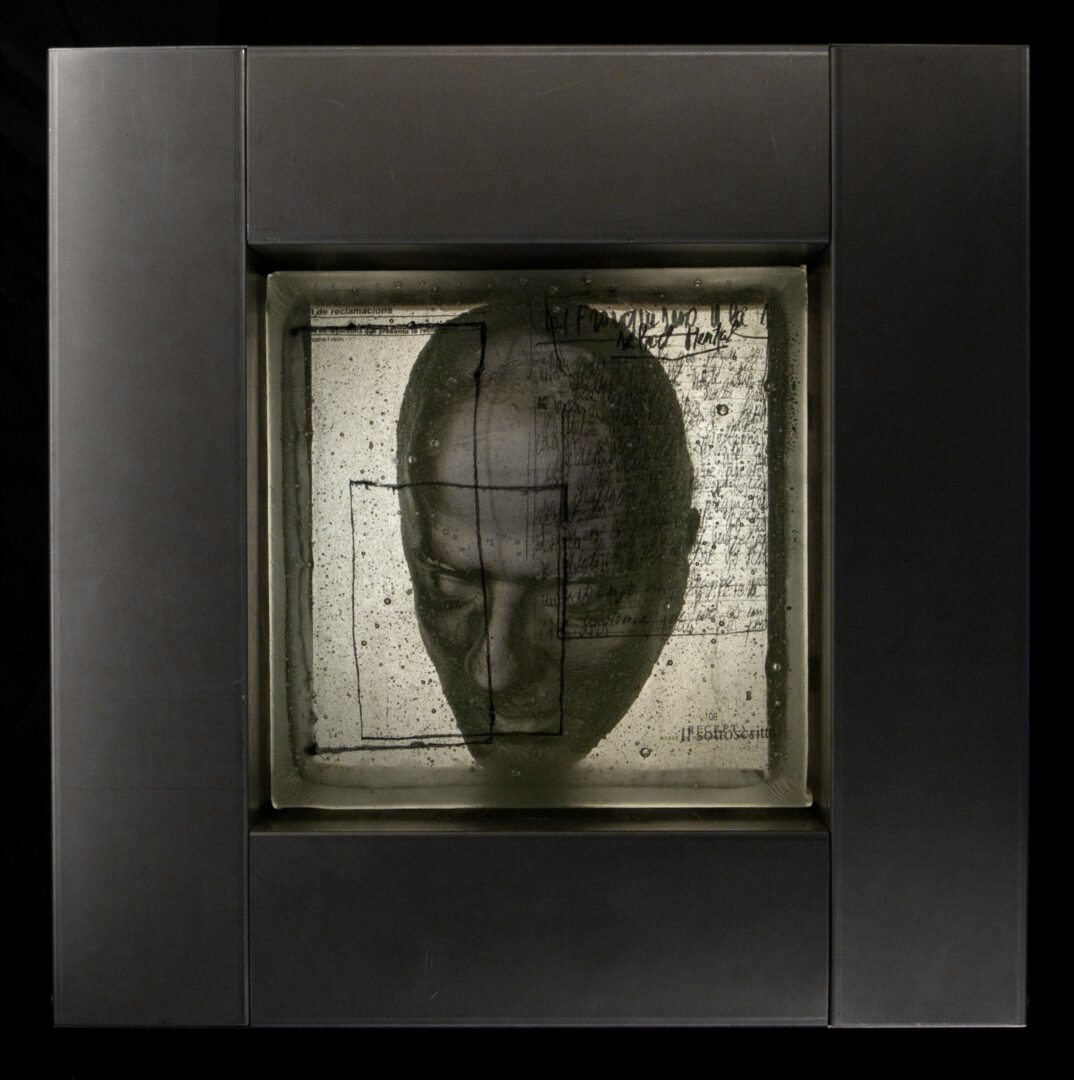
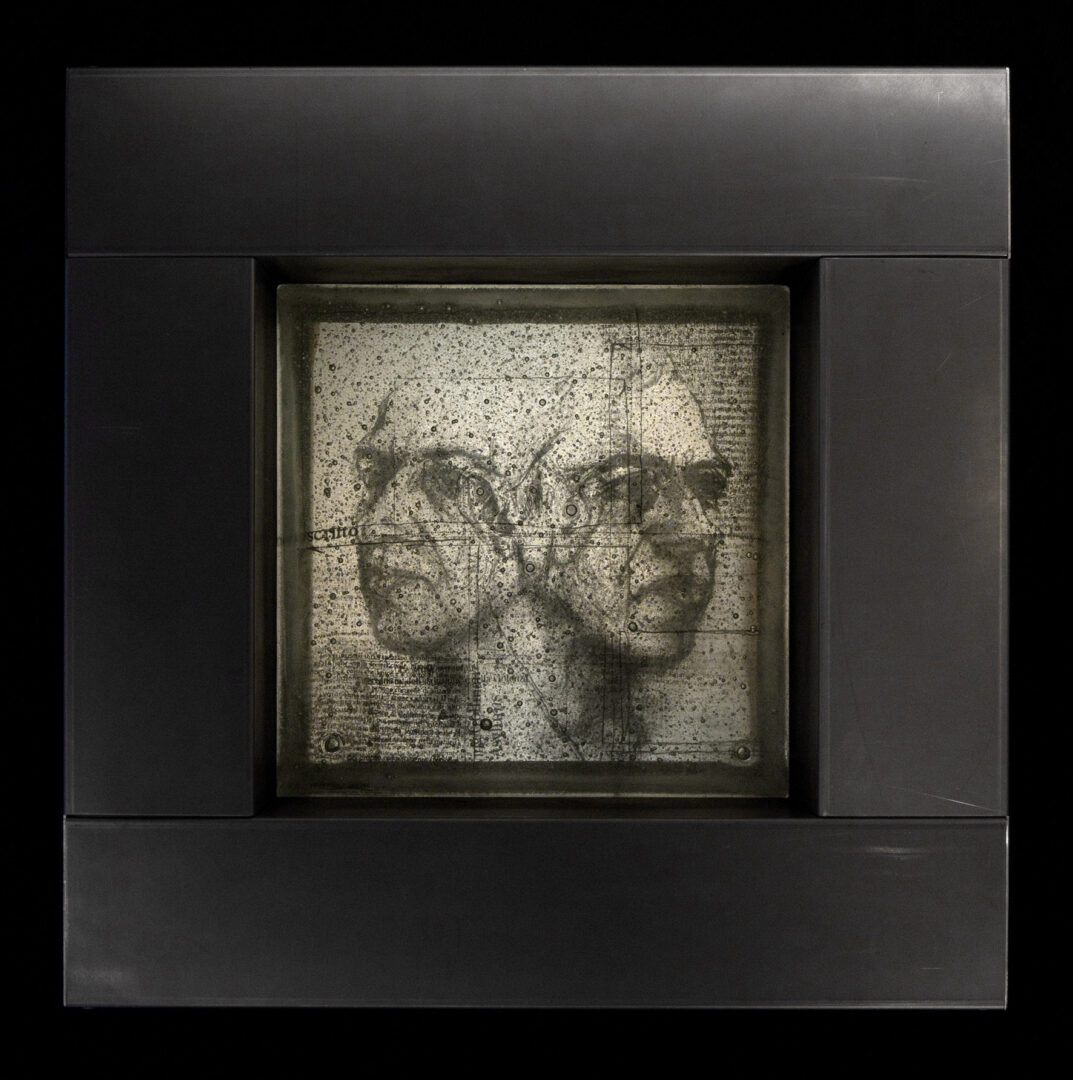
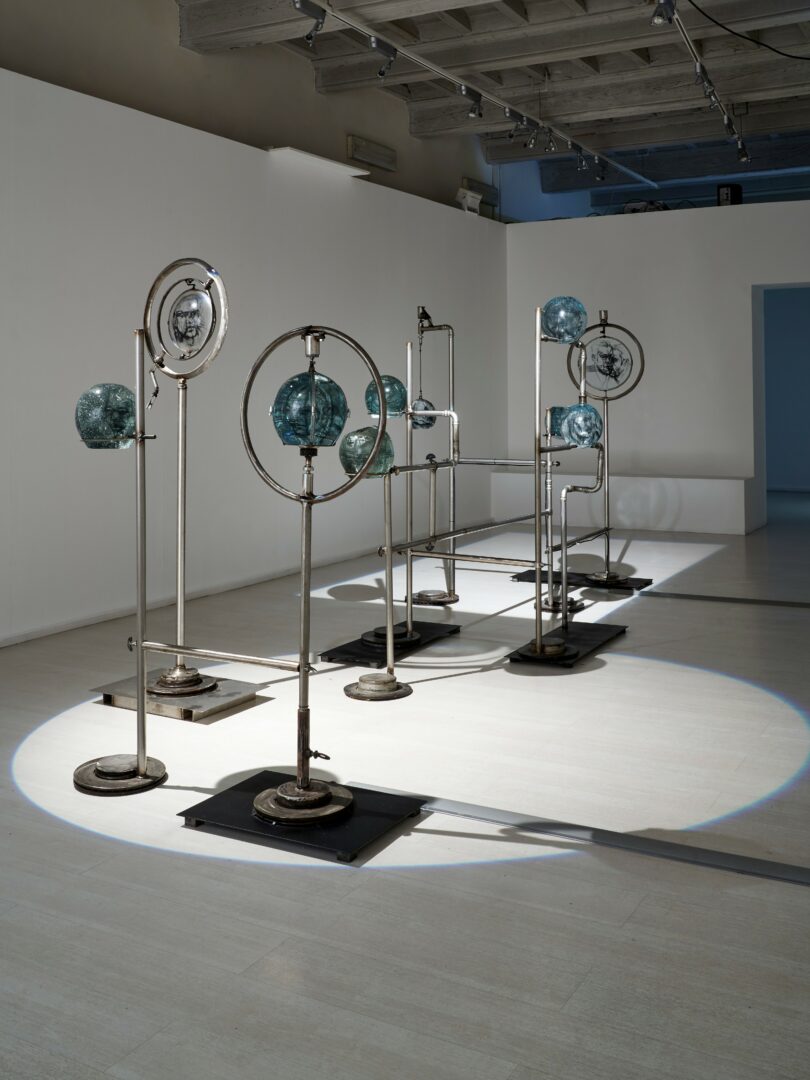
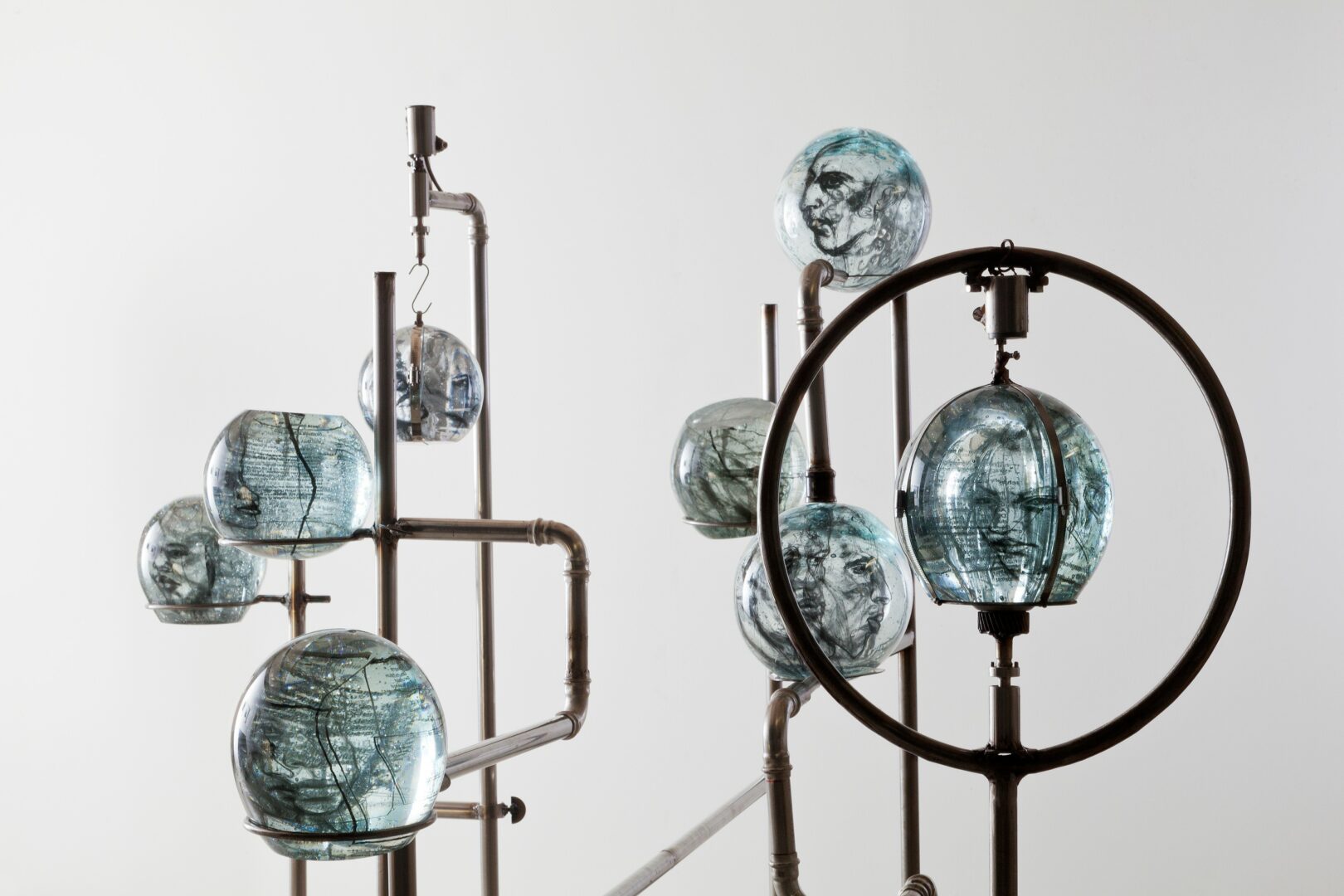
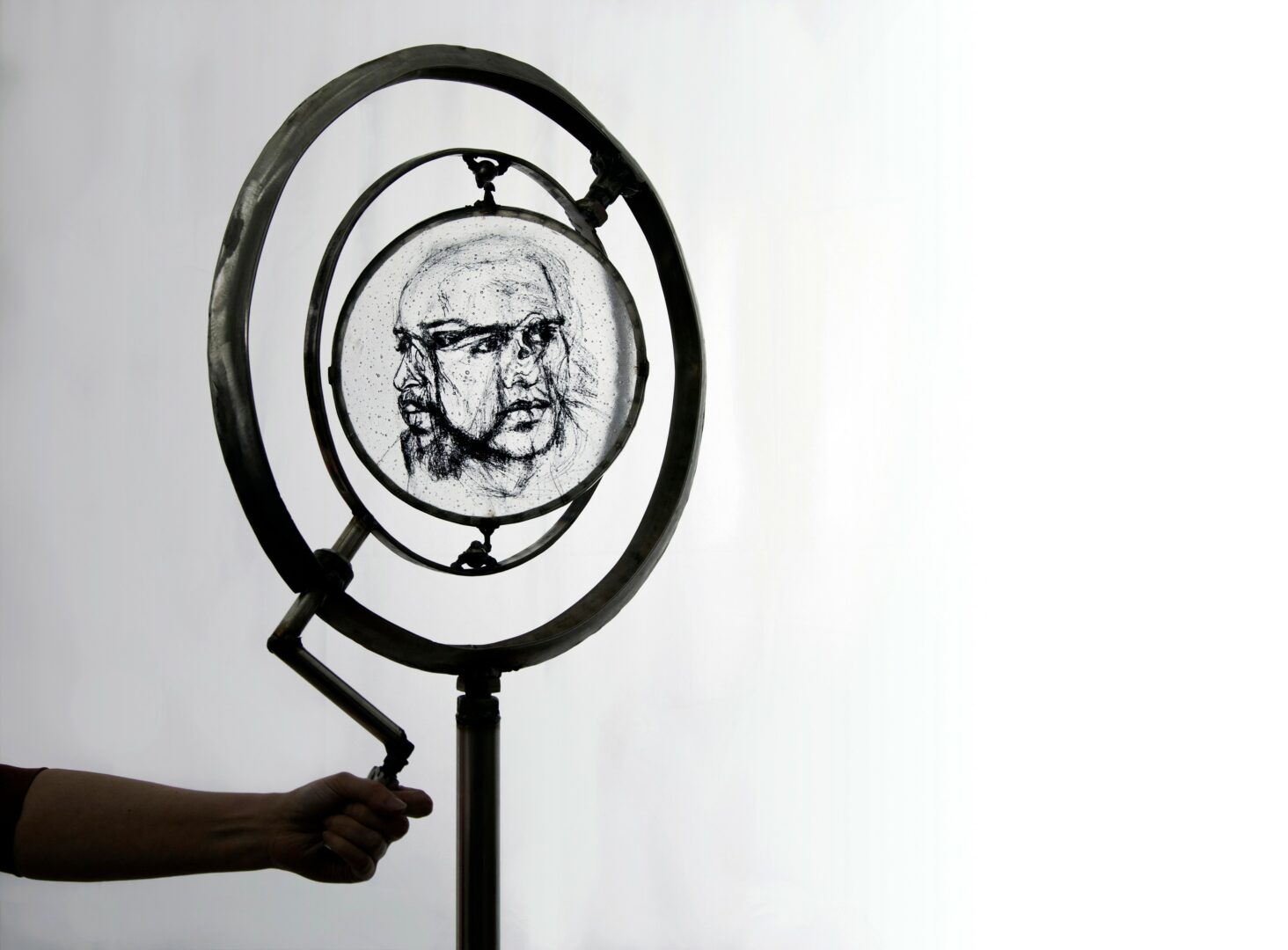
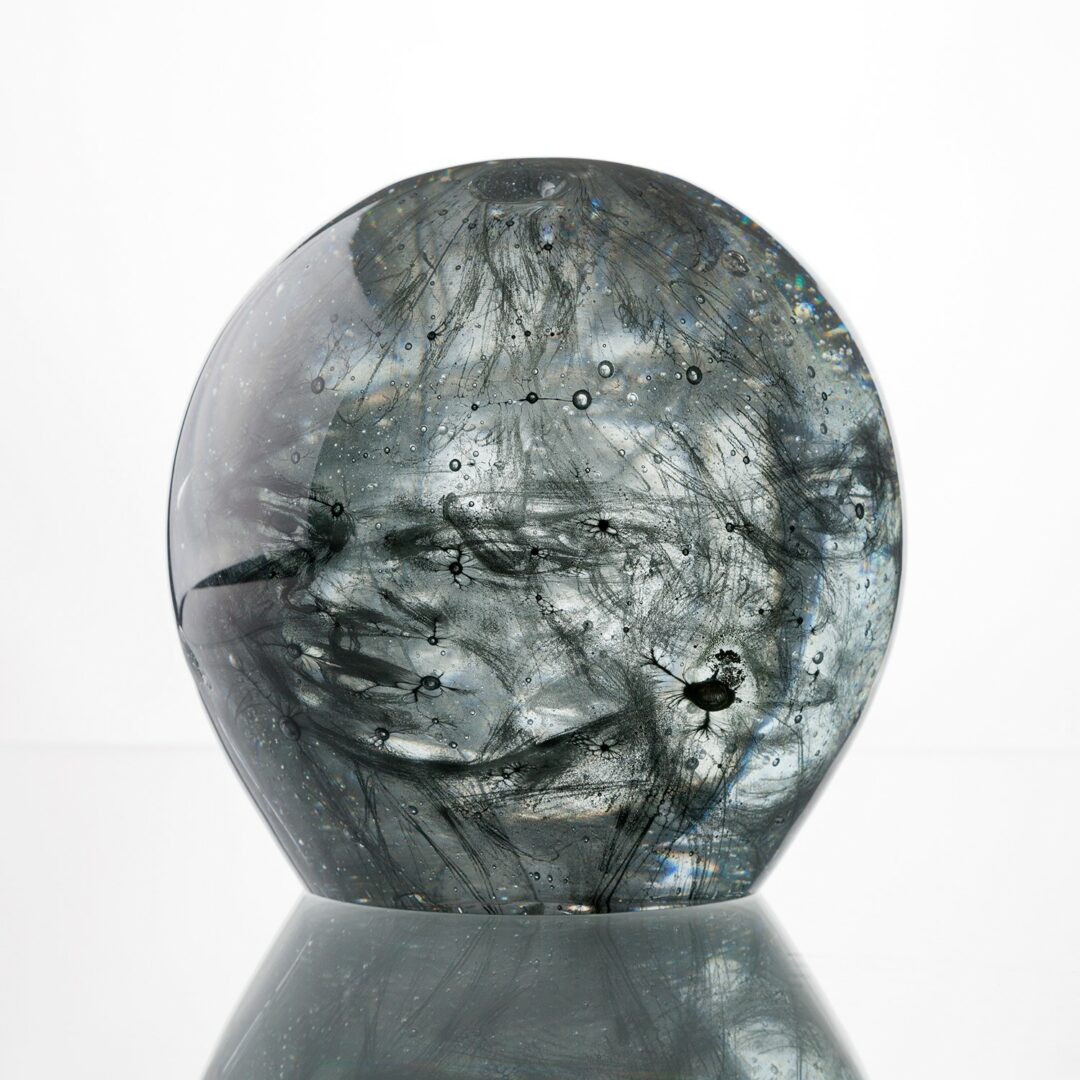
Image Credits
Janine Mapurunga
Michele Casagrande
Alberto Giachino
Alexander Schippel
Lukas Kuich
so if you or someone you know deserves recognition please let us know here.