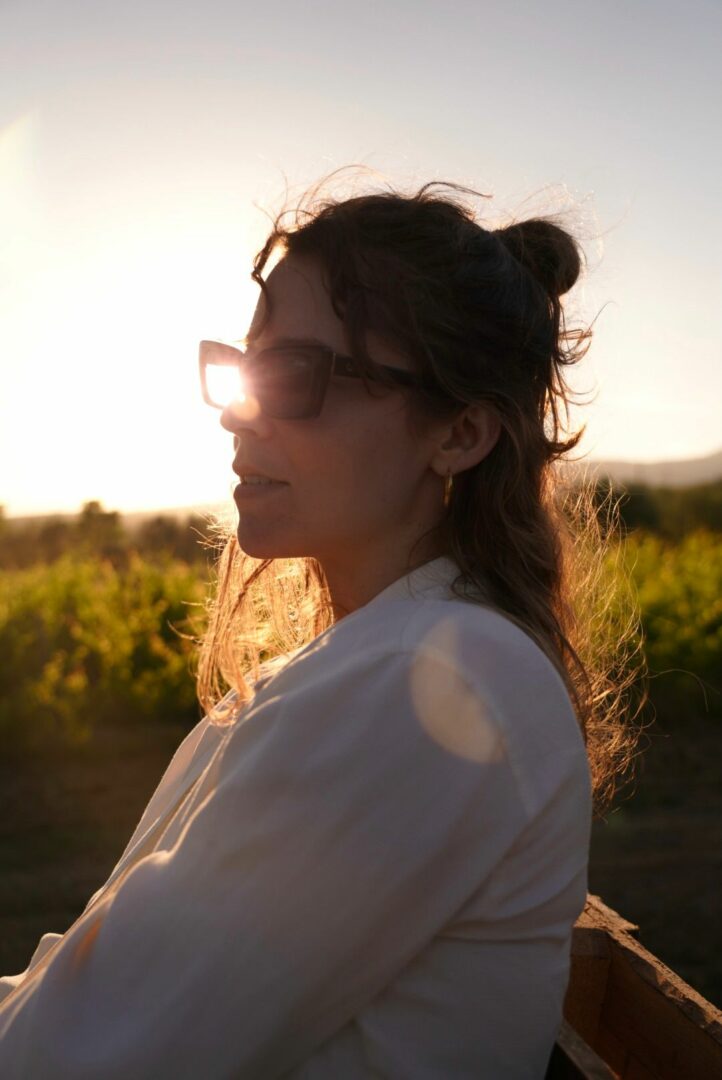
Alright – so today we’ve got the honor of introducing you to Dominique Saint Malo. We think you’ll enjoy our conversation, we’ve shared it below.
Dominique, we’re thrilled to have you on our platform and we think there is so much folks can learn from you and your story. Something that matters deeply to us is living a life and leading a career filled with purpose and so let’s start by chatting about how you found your purpose.
I’ve always been really interested in exploring the gray area of things and people. And I used to want to be an actor; I always thought that was such an exciting, personal way to connect with and explore humanity. My high school had a pretty intense performing arts program and I attended on an acting scholarship. I was certain acting professionally was what I was meant to do and that I was going to do it no matter what. When the time came to audition for colleges, I had a handful of decent auditions, but ultimately my family couldn’t afford the colleges I was admitted to for acting, namely NYU (my “reach” and also my dream school). I realized I’d probably have to switch majors if I wanted to pursue acting, which meant going to college with another major and working on starting college auditions from scratch. In the meantime, I really wanted to figure out what else I could do that I would still enjoy. So I kinda sat on it for a moment, just wondering, “I’ve been obsessing over acting my whole life… do I even like anything else?” I think part of me had fixated so much on acting that I sort of lost touch with myself a bit. In high school, scholarship kids were required to explore other technical skills in theater, and I remembered a few times I’d tried writing. I remember feeling like it was something that just clicked for me, though I never really took it seriously as a potential career path. So as I started college, I figured, “why not? I’ll give it a go until I figure out how I’m gonna be an actor.” And of course, I ended up falling in love with it and feeling like myself again (maybe even for the first time). It felt right. And it’s not to say I think I’m the perfect writer or that I was a prodigy by any means, but it felt like something I could do, all while exploring those gray areas of humanity I always felt so passionate about. Writing has allowed me to get personal with various characters from a different perspective, and I think if I can write films that connect with people and make audiences feel seen—moral ambiguities and all—not only might they find their own way, but they might find ways to see each other more clearly. In that sense, I think writing is my purpose but it’s partly my purpose because I’m passionate about the intricacies of human beings (whether those intricacies are funny, dangerous, or anything and everything in between).
Thanks, so before we move on maybe you can share a bit more about yourself?
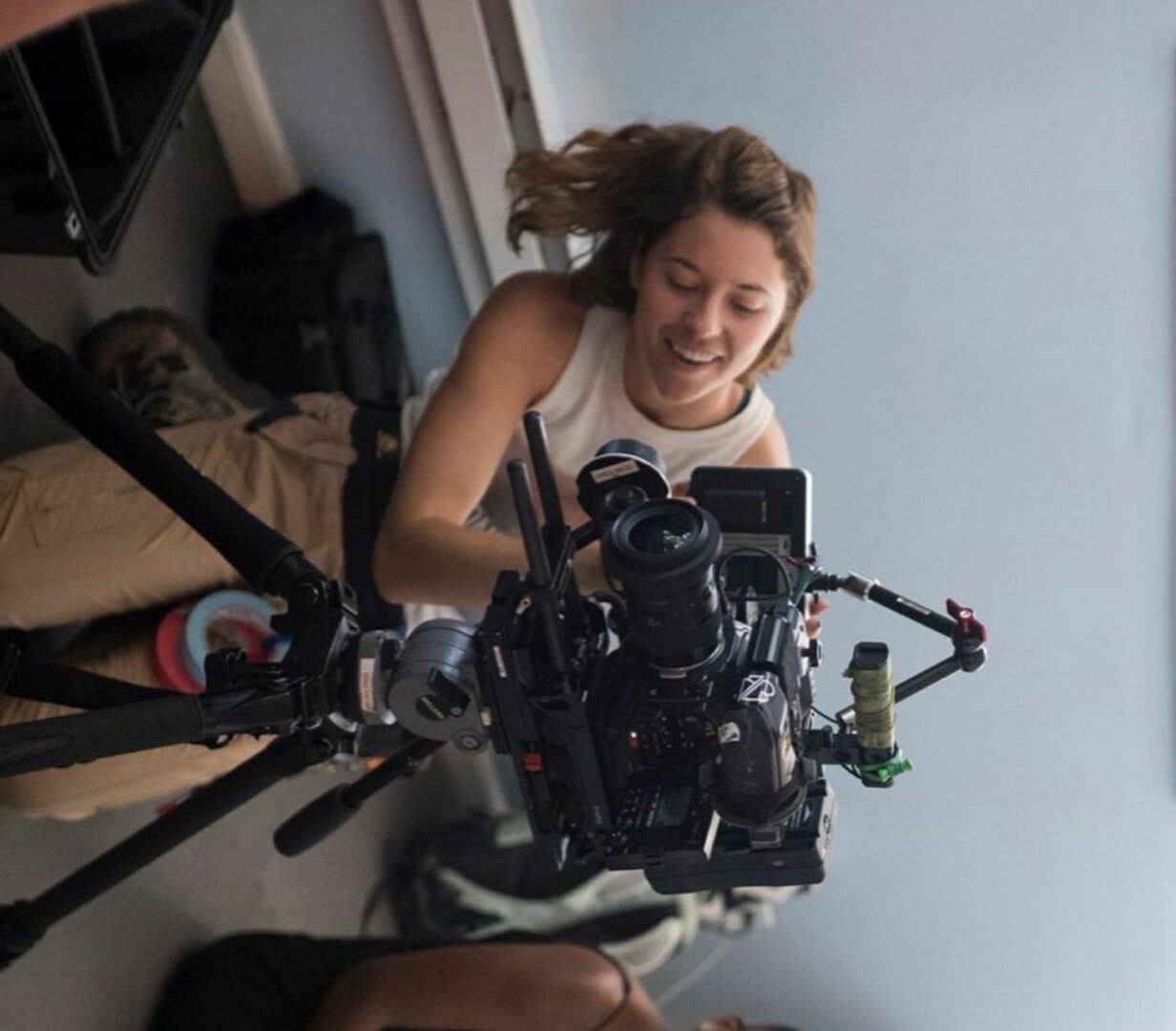
Professionally I’m focused on a few things (my friend Divija says I’m her favorite Capricorn; that’s a big responsibility to live up to, but someone has got to do it). For one thing, my writing is a huge priority. Writing films is something you get better at every time you do it, and not only do I actually love writing in and of itself, but I love watching myself grow and be challenged in real time. On that note, I’m really passionate about uplifting other writers and filmmakers (especially more diverse creators) who just want to grow and tell their stories and get better at their craft. It’s so hard in this industry to get in on the ground level (or what sometimes feels like below ground level, actually); there are so many of us out here, grinding away at our stuff and you never really know if anyone will see it. Any kind of support system you can cultivate and nourish is imperative to sustainably being a creative, and I’m huge on sending the ladder back down behind me whenever I can.
When it comes to teaching, I’m so incredibly passionate about getting new, diverse stuff in front of my students and reminding them that there is no one way to make a creative body of work. So much of what we’ve learned in film schools and movies and writing is all dictated by the same few white development execs, and while those methods are important to learn, there are other ways stories and characters can function. My job is to empower students to take things into their own hands, to help them exercise their personal accountability, and to support them as they excavate what story they want to tell and why. My job is also to expose them to work that will challenge them and help them think outside the box. Watching the classics will be crucial to their growth as creatives. And at the same time, let’s talk about Fancy Dance, let’s talk about Past Lives, Portrait of a Lady on Fire, Pariah, Real Women Have Curves, Mississippi Masala… the list goes on and on. There is a lot of work like this that I don’t think is being talked about enough. I’m grateful for the opportunity to get these films into my students’ hands.
Right now, my main project on the horizon is a little under wraps. I’m super excited and grateful to be working with the team I’m collaborating with, and I think this project will be something that helps people (especially young Latinas) feel seen in more ways than one. I hope to share more within the next couple of months. In lieu of uplifting my own work, I’d love to yap about a fellow filmmaker, Vitória Vasconcellos. I recently watched her short film Bleed, Don’t Die and she’s in the process of turning it into a feature. She’s really someone to watch.
Looking back, what do you think were the three qualities, skills, or areas of knowledge that were most impactful in your journey? What advice do you have for folks who are early in their journey in terms of how they can best develop or improve on these?
Having discipline, having courage, and truly listening are skills that help me most. But I’m also going to add a fourth thing: saying thank you.
Discipline is one of the hardest skills to master; it looks different for everyone for so many reasons. Work, day jobs, kids, relationships, rent, etc. How can you perfectly balance your creative life with everything else you may have going on, let alone the fact that people find their creativity and “refill their tanks” in ways that are so specific to them? Finding out what works for me personally was a game-changer. I know how many pages I can write in a day, I know what I can do in what amount of time, I know what I need to do to get in a writing mindset (it usually involves a themed playlist and a bowl of olives to snack on)… this helps me pace out my work in a way that keeps my progress quite efficient. It helps me be sustainable as a writer. Admittedly, there’s always room for improvement. I love writing a first draft, and I’m still working on ways to get at least a little more excited about making revisions. So far my method is just relying on my physical ability to sit down in front of a computer, even if it takes my mind a few minutes to catch up.
Having courage to try stuff out is also massive. It’s so easy to feel shame about your ideas (especially when they’re not yet fleshed out, or maybe even especially when they are fleshed out and you think they’re perfect, only to find they didn’t quite land for others). As a professor, it’s been a huge joy to cultivate openness and risk-taking and genuine support for each other in my classrooms, so that even if your work isn’t a home run, you know that that’s just part of the game; it will probably only get better the more you’re willing to work on it. At the end of the day—and I know everyone says this—it’s really hard to fail. It sucks. It never feels good. And also, you just get closer to what you are going for if you accept that you will fail a bit. When you share stuff that shows your courage and who you really are, I think that kind of work almost resonates more with people than the stuff that is meant to please everyone and their mother.
Truly listening to others can benefit everyone in so many ways. If you’re on set and you need help with something, ask the person in charge of that thing for their real opinion; they’ll appreciate the effort to hear them out, and that’s good collaboration. If you get the same note about something in your script over and over again, try to figure out what you can do to tackle that issue. Is there a note under that note that could be helpful? I think listening without your guard up, and without making interjections, is such a meaningful skill to have. There’s no rush, no one’s putting you on trial. Just listen with your whole heart and body; then, on your own time, you can decide what to do with those notes.
Finally, the most important thing in the world to me is saying thank you. I always think it’s funny when I say thank you to someone and they say, “No reason to thank me,” or “It’s my job.” And it’s like… we can show gratitude whether it’s someone’s job to do something or not. Gratitude is gratitude; there are no conditions for me. It helps so much with reframing things that trouble you, it can turn someone’s (or even our own) day around, and when all is said and done, I think showing gratitude just fosters strong and healthy relationships. It just always seemed to me like saying thank you is the right thing to do.
My advice for improving on these skills would be to just start incorporating them. I know that sounds silly and simple. But really tune into yourself, start being mindful about what you’re doing and how you’re doing it. Then: go.
To close, maybe we can chat about your parents and what they did that was particularly impactful for you?
I would say my mother in particular impacted my life when she showed me where to look, but not always what to see. She showed me movies that made me want to work in film (Thirteen and Rear Window in particular), she spoke to me like an individual but never like I was too young to understand things, she let me work out challenges… She found ways to support a childhood that was fun and silly and loving, and also ways to help me seize my own agency and individuality. I never felt like there was something I couldn’t do. I was diagnosed with Type 1 Diabetes at a very young age, and I remember my mom trusting me to learn about my body and articulate what I needed. She never panicked (to my knowledge) or made me feel like I needed to be any different from anyone else. She helped me advocate for myself, and still does. Of course, she also is the person I credit for my sense of gratitude (thanks for that, Mom).
Contact Info:
- Instagram: @DomSaintMalo
so if you or someone you know deserves recognition please let us know here.