We caught up with the brilliant and insightful Rex Ogle a few weeks ago and have shared our conversation below.
Rex, looking forward to learning from your journey. You’ve got an amazing story and before we dive into that, let’s start with an important building block. Where do you get your work ethic from?
Growing up in poverty, on food stamps, in trailer parks and government subsidized housing, I found myself surrounded by a spectrum of people. Some had given up, some were given up on, and some were working every hour of their waking day trying to crawl up the economic ladder. It was a difficult thing to watch when I got older, but as a boy, I thought working hard was just what everyone did. My mom and stepdad always had multiples jobs at a time, whether they were waiting tables, delivering pizzas, mowing lawns, driving buses, or selling drugs, they were working hard.
And then there was my abuela, who came to the United States from Mexico. I thought I’d grown up in hard circumstances, but she grew up in extreme poverty with a family of 15 who were lucky if they got one tortilla and a little bit of beans and rice each day. She came to America, graduated with a masters after 3 years of college, and got a job as a school system diagnostician for students. She also interpreted for Hispanics in courtrooms, taught prisoners how to read, helped recently-released underage convicts fill out job applications, volunteered at a seniors community center, and more–all while encouraging me to pursue an education. So yeah, I guess now that I write about it, its pretty evident my work ethic came from the adults in my life.
Appreciate the insights and wisdom. Before we dig deeper and ask you about the skills that matter and more, maybe you can tell our readers about yourself?
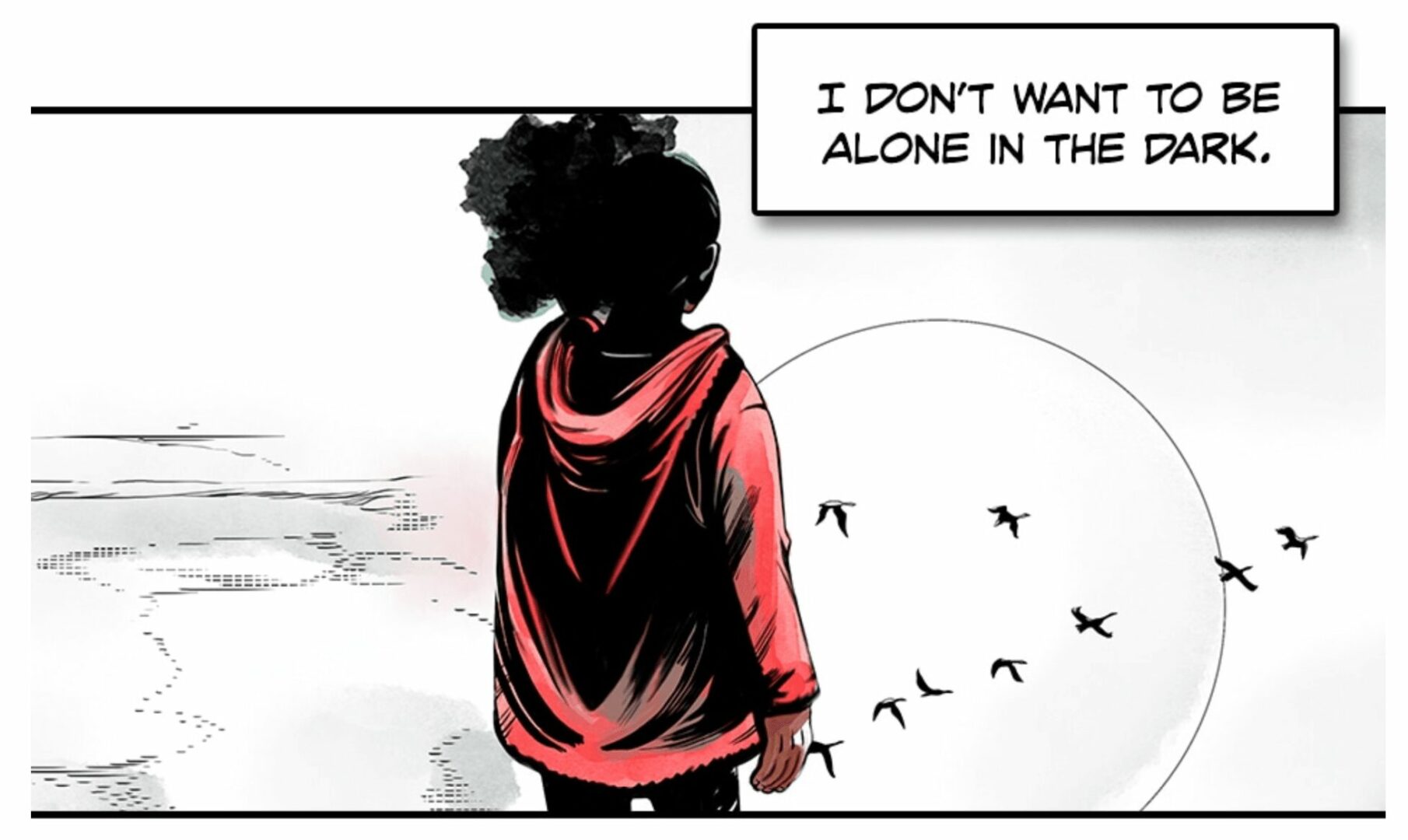
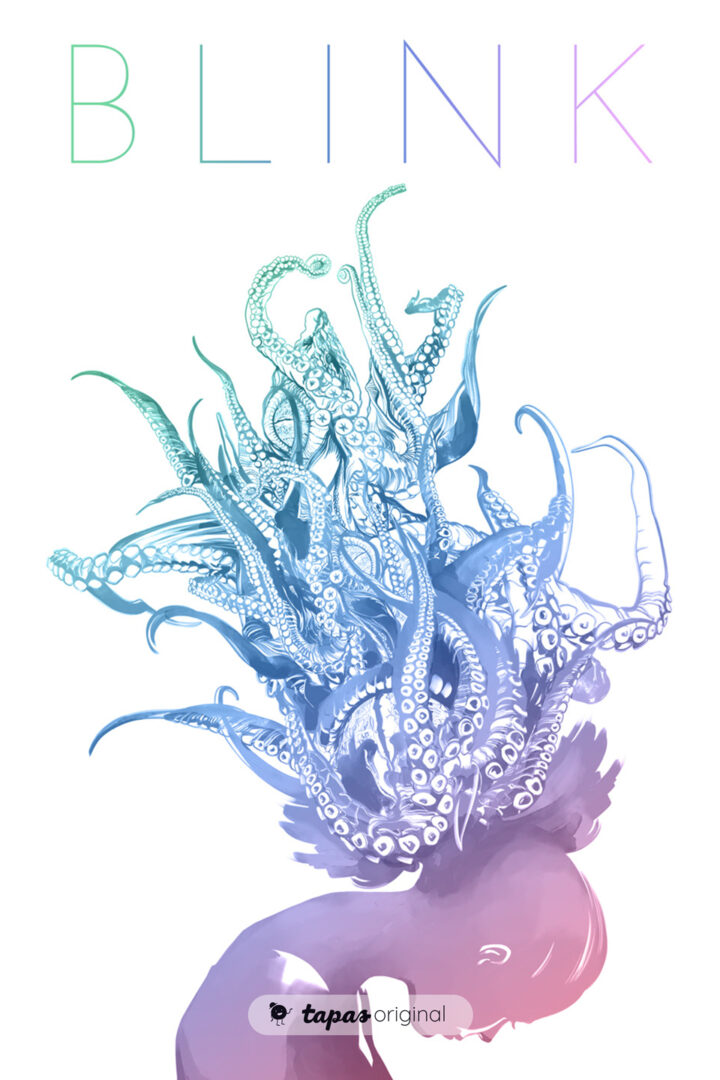
Since I was a boy teaching myself to read with Dr. Seuss stories, I’ve wanted to write books. It took a lot longer to get here than I’d have liked, but it seems everything is finally coming together. I’ve written over a hundred comics, books, and graphic novels. I write some all ages stuff, but most of what I create is focused on tweens and teens, middle grade and young adult. My stories come in prose, in verse, and in sequential storytelling… which is just a fancy way of saying comic books.
Creating whole new worlds? It’s a dream come true. A lifelong dream. But it also came with something unexpected…
Sure, I always wanted to forge new narratives, but I never actually considered that my books might mean to others what books meant to me as a kid. Every year I attend dozens of school visits, book conferences, library events, and bookseller associations. But it’s the youth that reach out to me at these events or on social media that really blows me away. I always knew other people’s stories mattered. But even as an adult, I didn’t realize that my stories were important too. Now, I have these kids saying the same thing–that there stories don’t matter. But they do. And that’s become the message I want all these young readers to know: that they are important, that their stories matter, and that if they want to share their own messages? Well, if I can do it, they can do it too.
There is so much advice out there about all the different skills and qualities folks need to develop in order to succeed in today’s highly competitive environment and often it can feel overwhelming. So, if we had to break it down to just the three that matter most, which three skills or qualities would you focus on?
Some days, I honestly don’t know how I stuck to my guns. Literally decades went by where every three steps I took forward, I slid back two. It was an uphill battle. But in my head, I just kept saying, “What’s the alternative? Stop trying?” So I kept putting one foot in front of the other. Maybe I was delusional, or maybe I was just focused, but either way, I wouldn’t take no for an answer. And I got thousands–maybe tens of thousands–“no”s in my lifetime. But for every few hundred “no”s, there’s one “yes.” And that one yes makes all the difference.
Having a thick skin didn’t hurt. I didn’t have one as a kid or a teen or a young adult, so every time someone said “no,” it was soul-crushing. But eventually I realized that getting a “no” wasn’t something to be ashamed of. It was a badge of honor. It meant I had put myself out there, that I had tried. And at the end of the day, that’s all any of us can do, is put ourselves out there.
Sure, for a while, I thought I was an idiot or that I was worthless or I didn’t know what I was doing. And maybe that last bit was true, so I told myself, “Okay, if you’re not as smart as published writers, then find a way to learn what they did and how you can do it better.” So I pushed my own self-education by writing daily, studying the craft of writing, and reading everything I could get my hands on. Eventually I moved to NYC to work in publishing and learn from the inside. So I may have started out knowing not much at all, but I’m at a point, and this is soooooo weird for me to say, but I know publishing like the back of my hand, as a reader, as an editor, and as an author.
How can folks who want to work with you connect?
Being a writer of comics and graphic novels is a collaboration. As an editor I learned to give great art direction, but I can’t draw to save my life. That’s why I am always on the hunt for artists.
Whether you’re into pen and ink, watercolors, or even multimedia collage, if you’re into sequential storytelling, hit me up. I am constantly on the lookout for creators who think outside the box. As a writer and editor, I’ve established myself as someone who pushed the boundaries of what we know as storytelling. Right now, we are moving into a time where we can push new agendas in terms of visual narrative.
Just twenty years ago, comic books were for nerds. Now, librarians and educators are discovering that graphic novels are a gateway for kids to learn a love of reading. And with youth growing up online, they are drawn to a marriage of text and art and modern technology shows them that there’s always something new on the horizon to surprise them when they think they understand an art form. So I want to keep finding new ways to tell stories. And to do that, I need more artists… so yeah, if you wanna chat, come find me.
Contact Info:
- Website: https://www.rexogle.com/
- Instagram: https://www.instagram.com/thirdrex/
- Linkedin: https://www.linkedin.com/in/thirdrex/
- Other: https://substack.com/@thirdrex
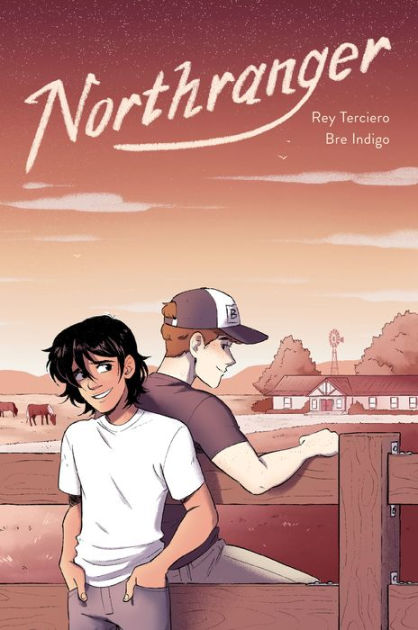
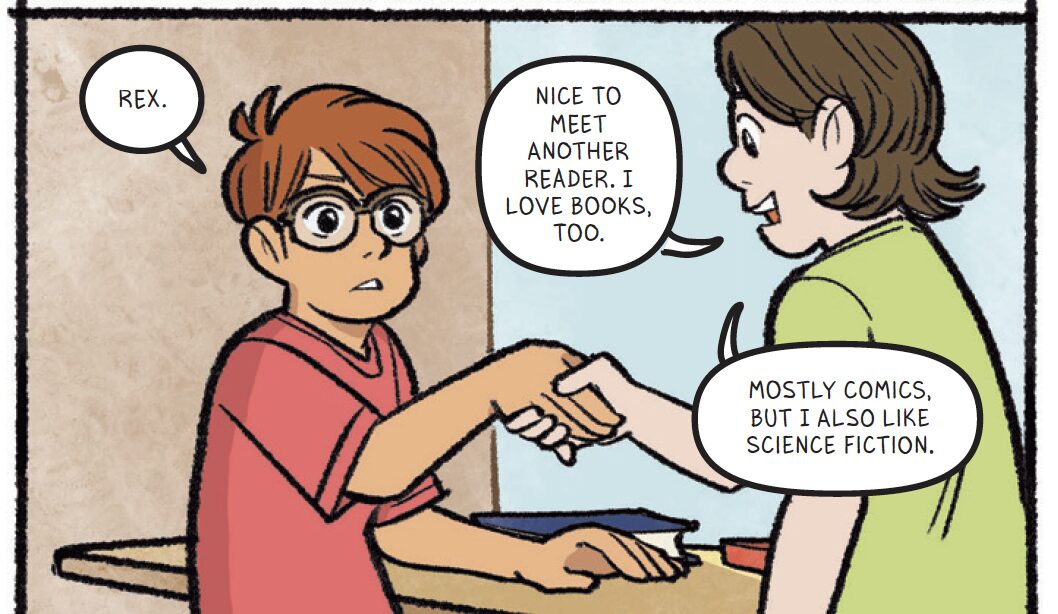
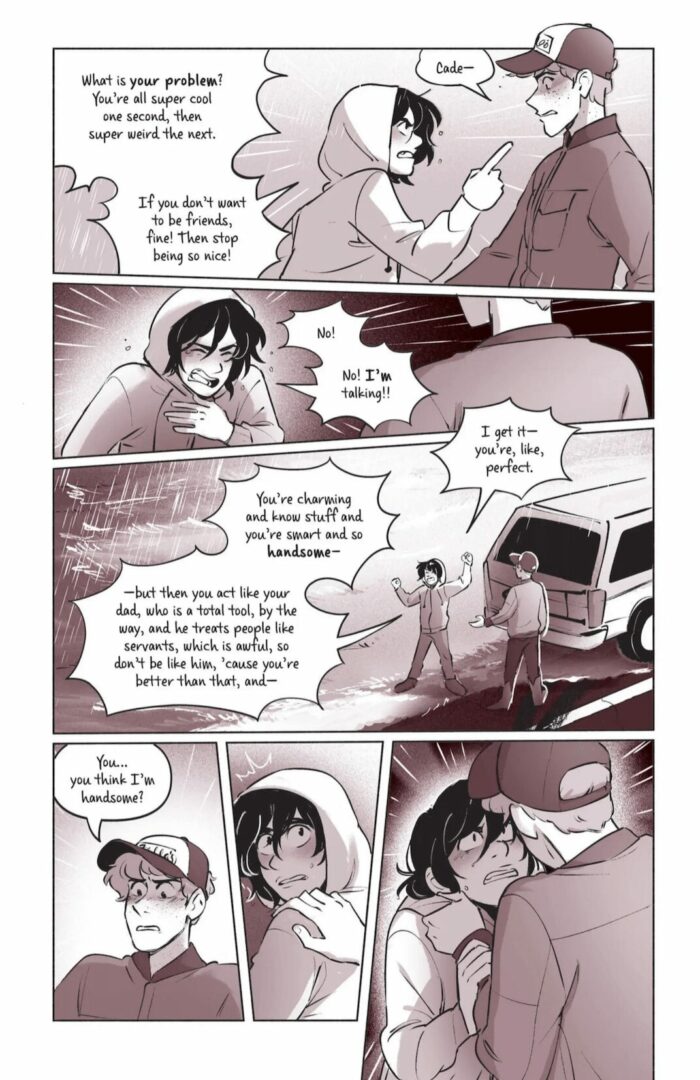
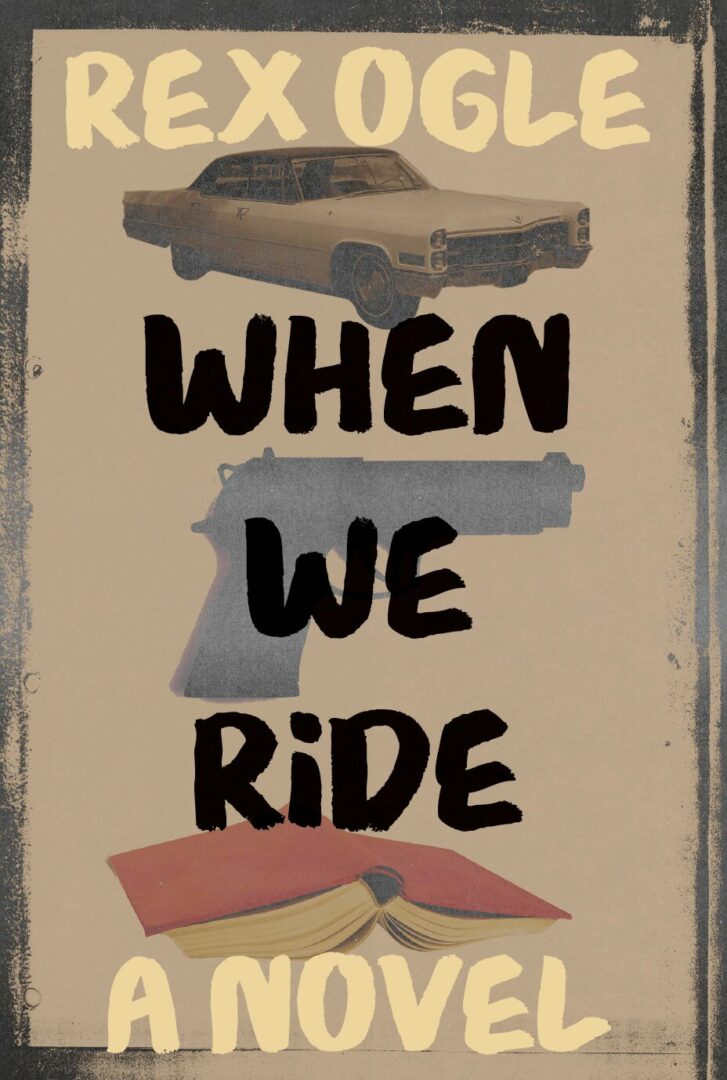
Image Credits
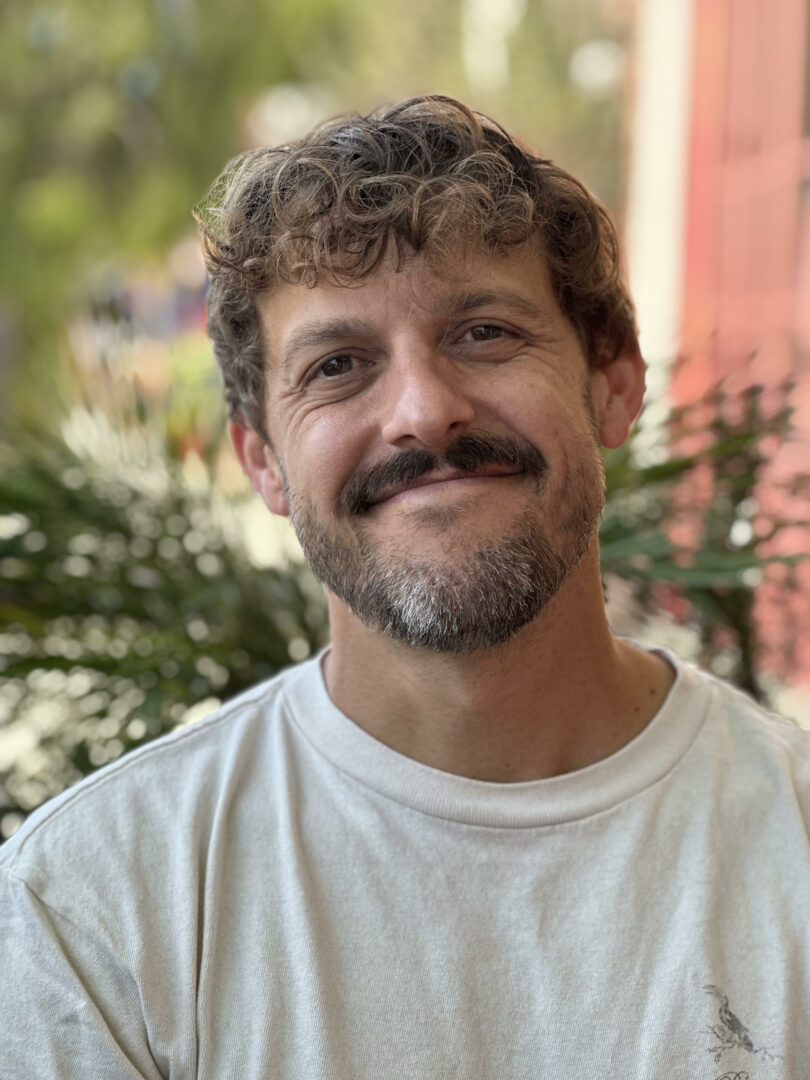
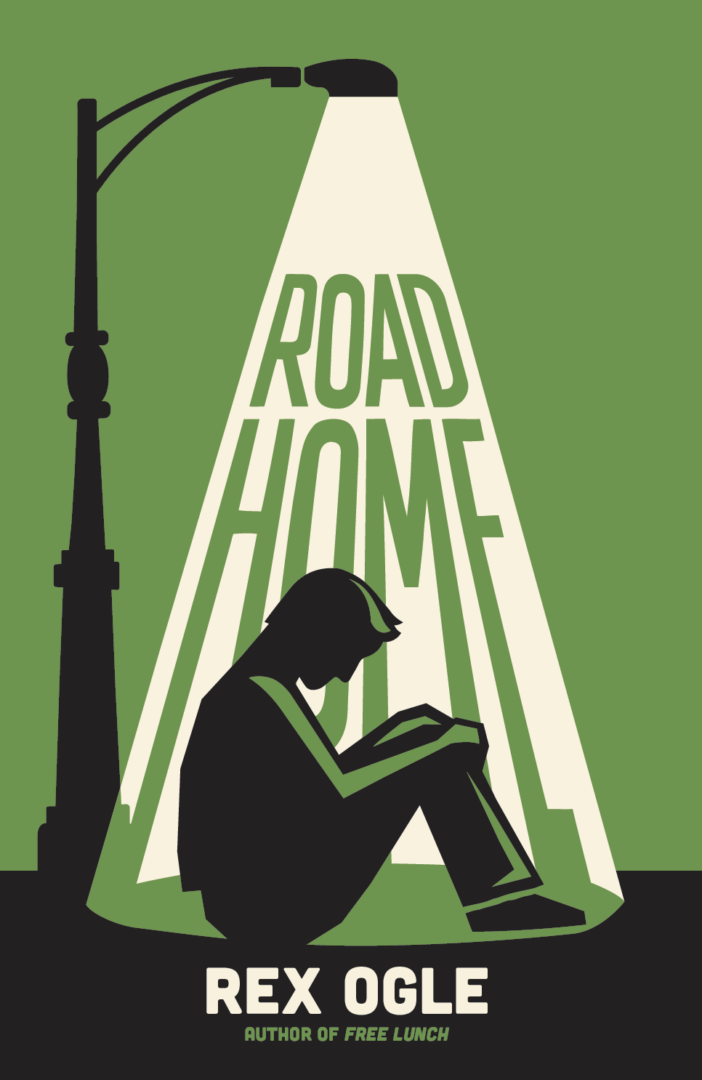
Northranger art by Bre Indigo. Four Eyes art by Dave Valeza. Blink art by Eduardo Francisco. Road Home cover by Tad Carpenter. Photo by Mark Sikes.
so if you or someone you know deserves recognition please let us know here.