We were lucky to catch up with Amanda Teixeira recently and have shared our conversation below.
Amanda, so good to have you with us today. We’ve always been impressed with folks who have a very clear sense of purpose and so maybe we can jump right in and talk about how you found your purpose?
I believe my family always exposed me to all sorts of cultural fields, and I think that’s how I had some idea of what my purpose was. My family is politically engaged, my dad was a sculptor and a musician, and my mom was a university teacher trained as a librarian, my uncle also a university teacher and architect. I was lucky to be born into a family that always took me to see exhibitions and made sure that I had access to visual arts, music, and literature. My first interest in arts started with photography, documenting punk bands at small independent concerts. Because I wanted to pursue a photography career but have always been a creative kid, I decided to study fine arts for my undergrad. In Porto Alegre, I studied at the art institute at UFRGS. I had a great free education, and later studied in different academic institutions, like UBA in Buenos Aires/Argentina through a scholarship program called Escala AUGM. After graduating in Brazil I was a DAAD Fellow at KHM in Cologne/Germany for a year. Recently, I finished my MFA at CalArts in Valencia/USA. After studying in different places, different countries and dealing with different cultures, I understand that making art is one of the best ways to keep learning, connecting and growing. Combining your conceptual and formal interests is what defines you as an artist. I couldn’t see myself doing anything else.
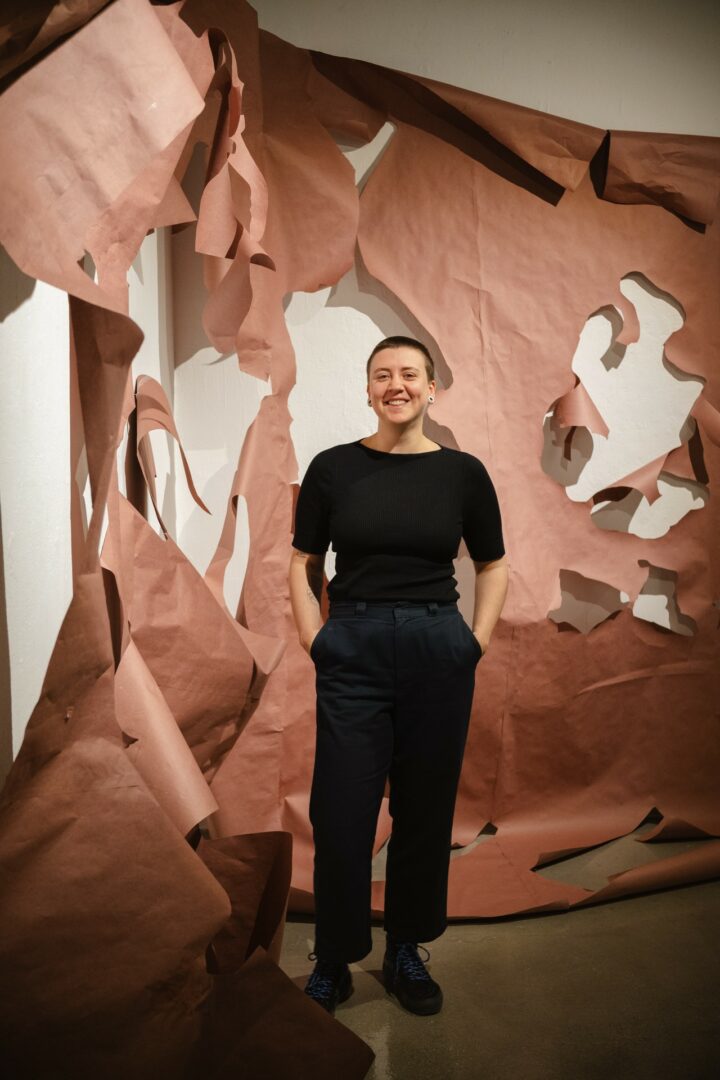
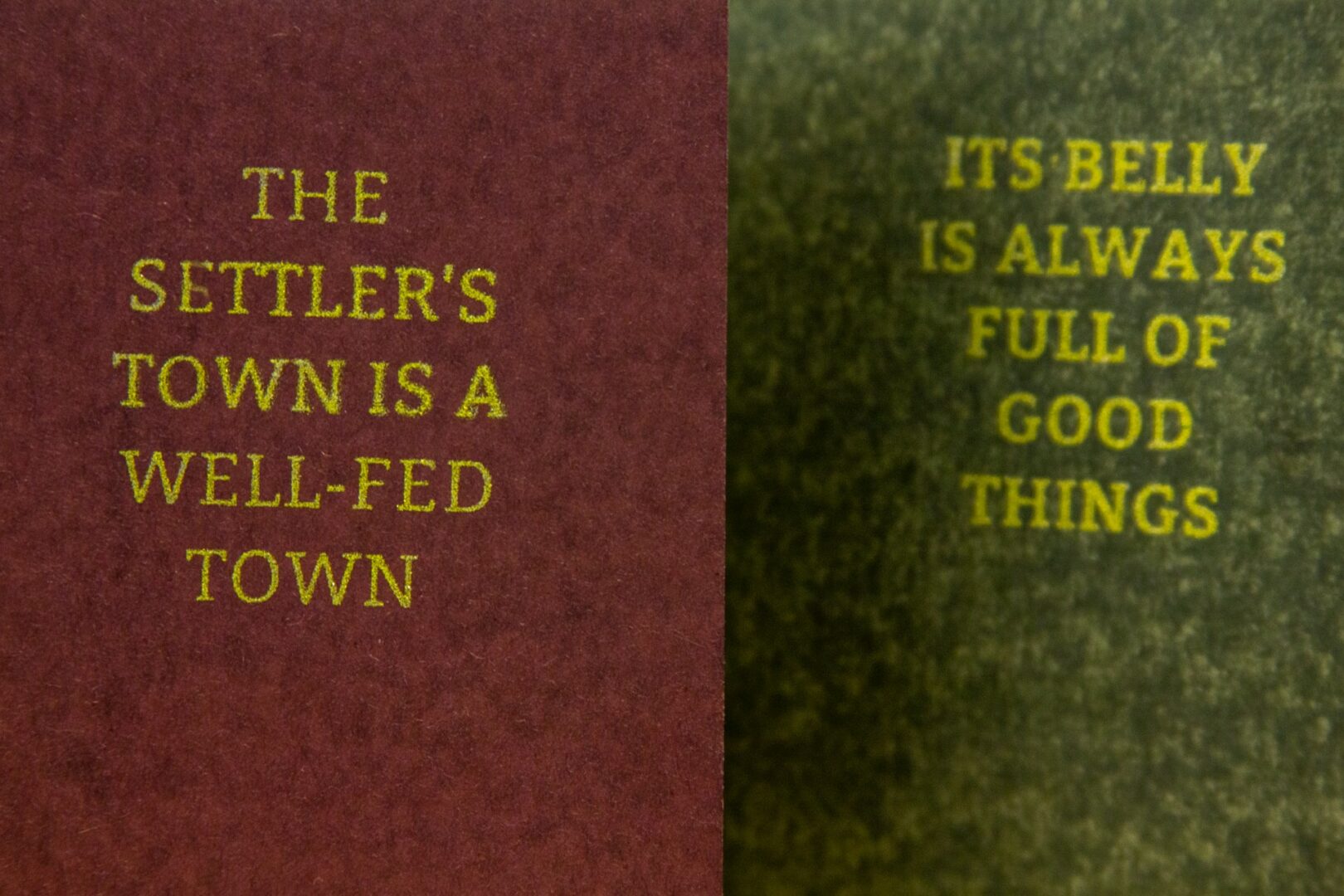
Let’s take a small detour – maybe you can share a bit about yourself before we dive back into some of the other questions we had for you?
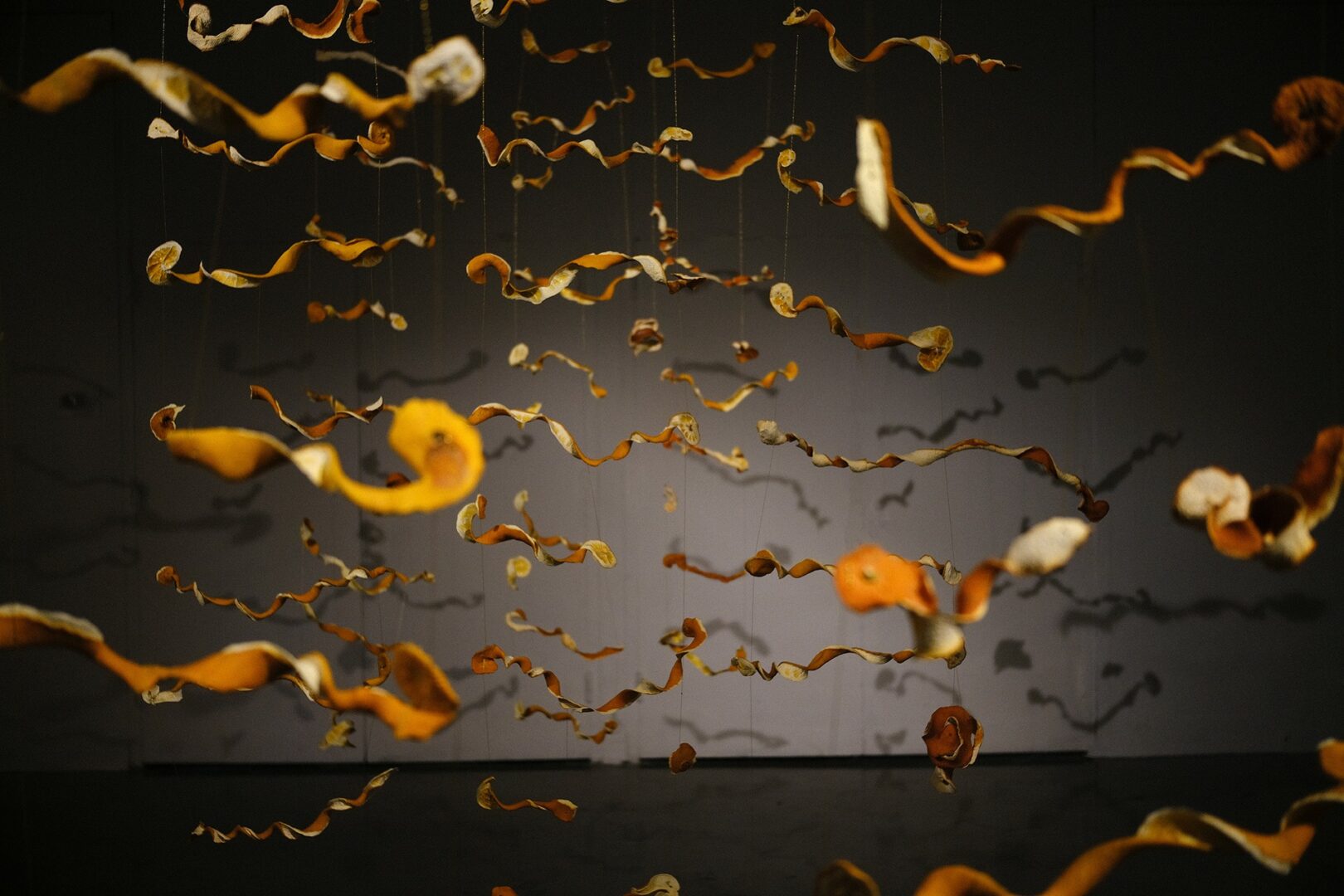
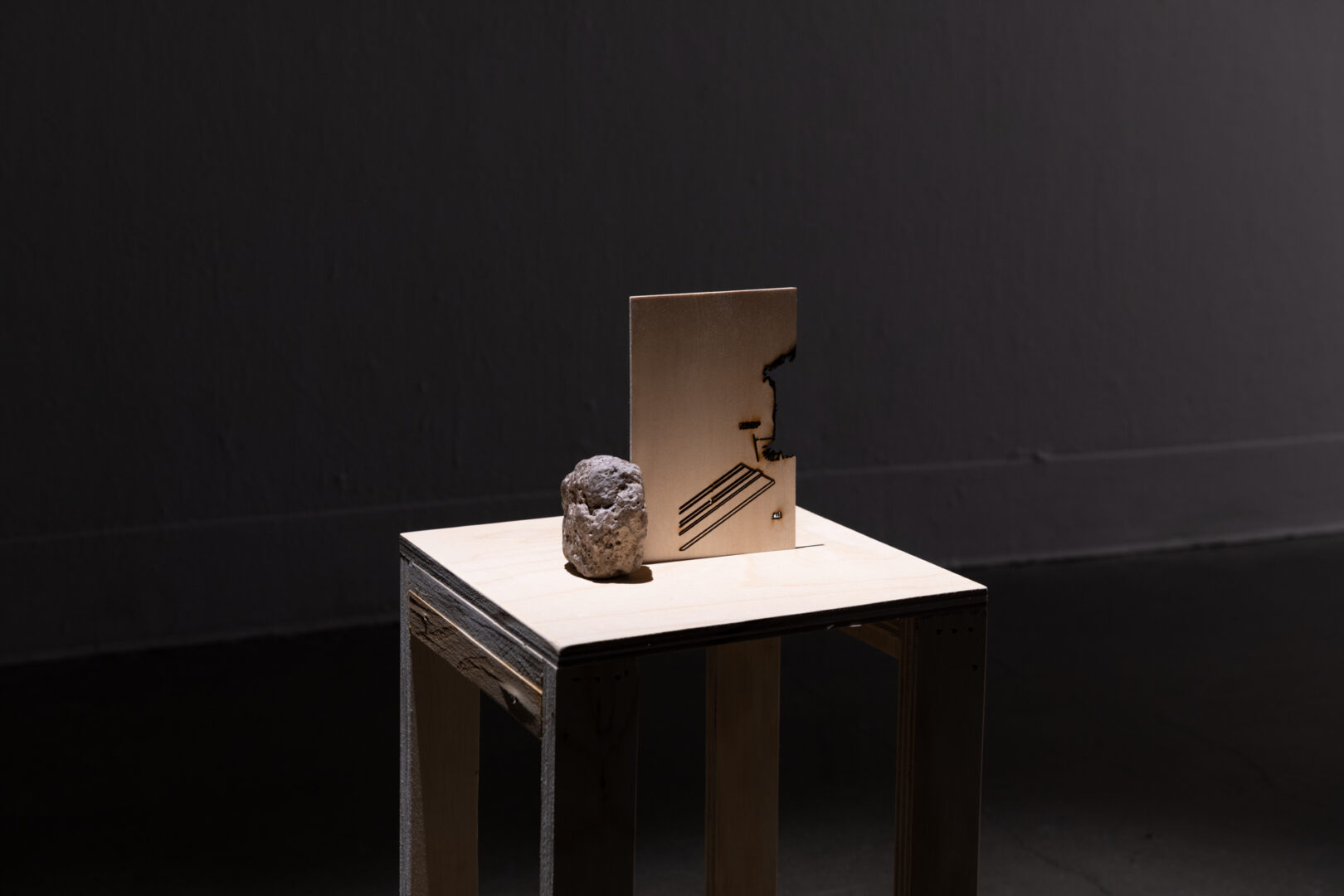
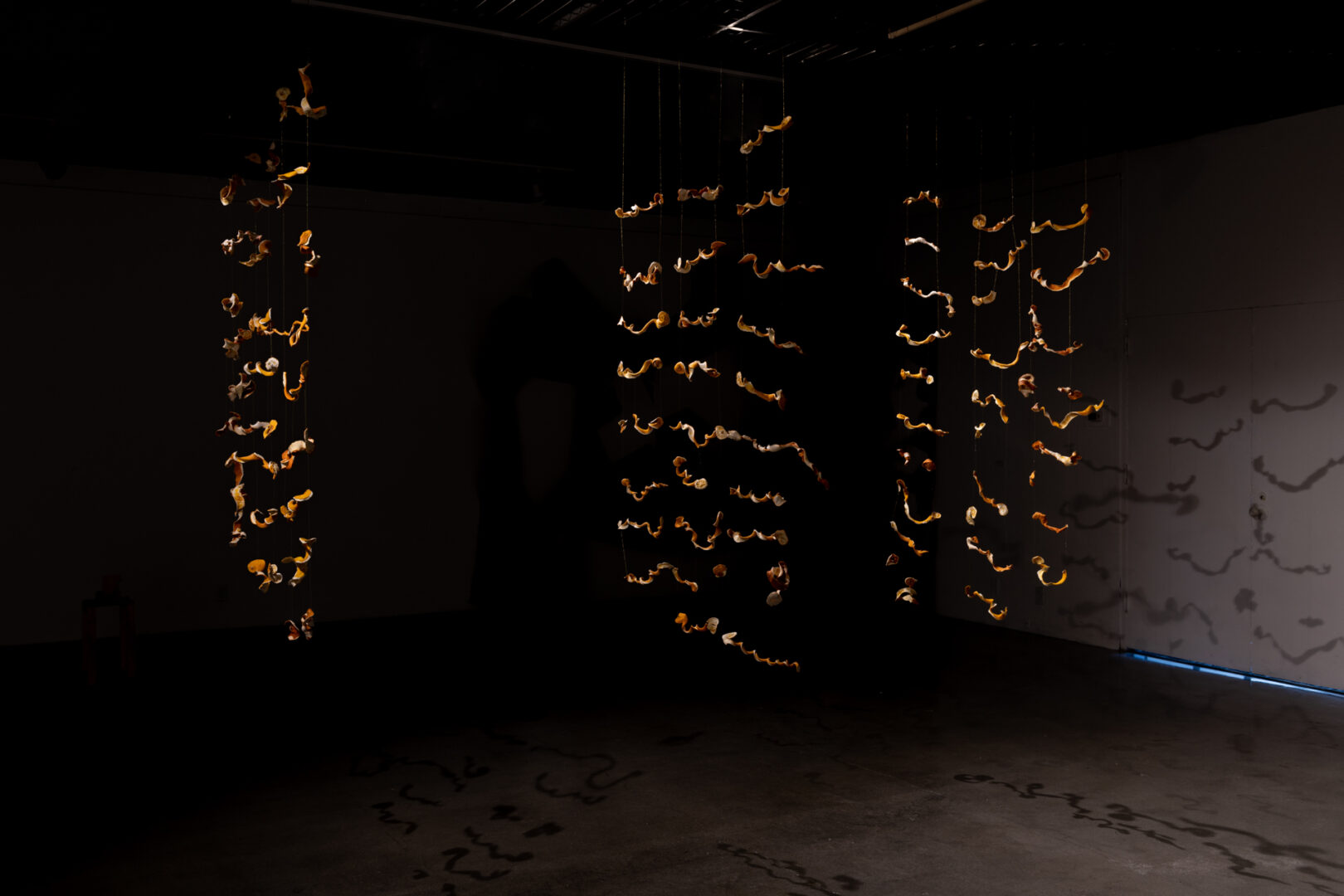
I am a visual artist from Brazil, living between Brazil and the US. In my work I explore ideas of absence and in-betweenness in everyday materials and images. Most of my works come from an encounter with an image, an object or a text. Through a long duration process of collecting, accumulating and displacing everyday objects, I create videos, sculptures, installation and publications. The process itself is very important, I work from a place of instability and uncertainty. I am interested in experimentation, provisionality and precarity. My artistic practice comes not only from my own experiences of grief, migration and estrangement, but also from current socio-political events, institutional systems and structures. I recently came back from fellowship art residency in Wyoming and I was so inspired by the fossils in the area. I have been thinking this in relation to my practice, how fossils are a proof of absence of sorts. I am working on this new project now, still in the very early stages, but very excited about it!
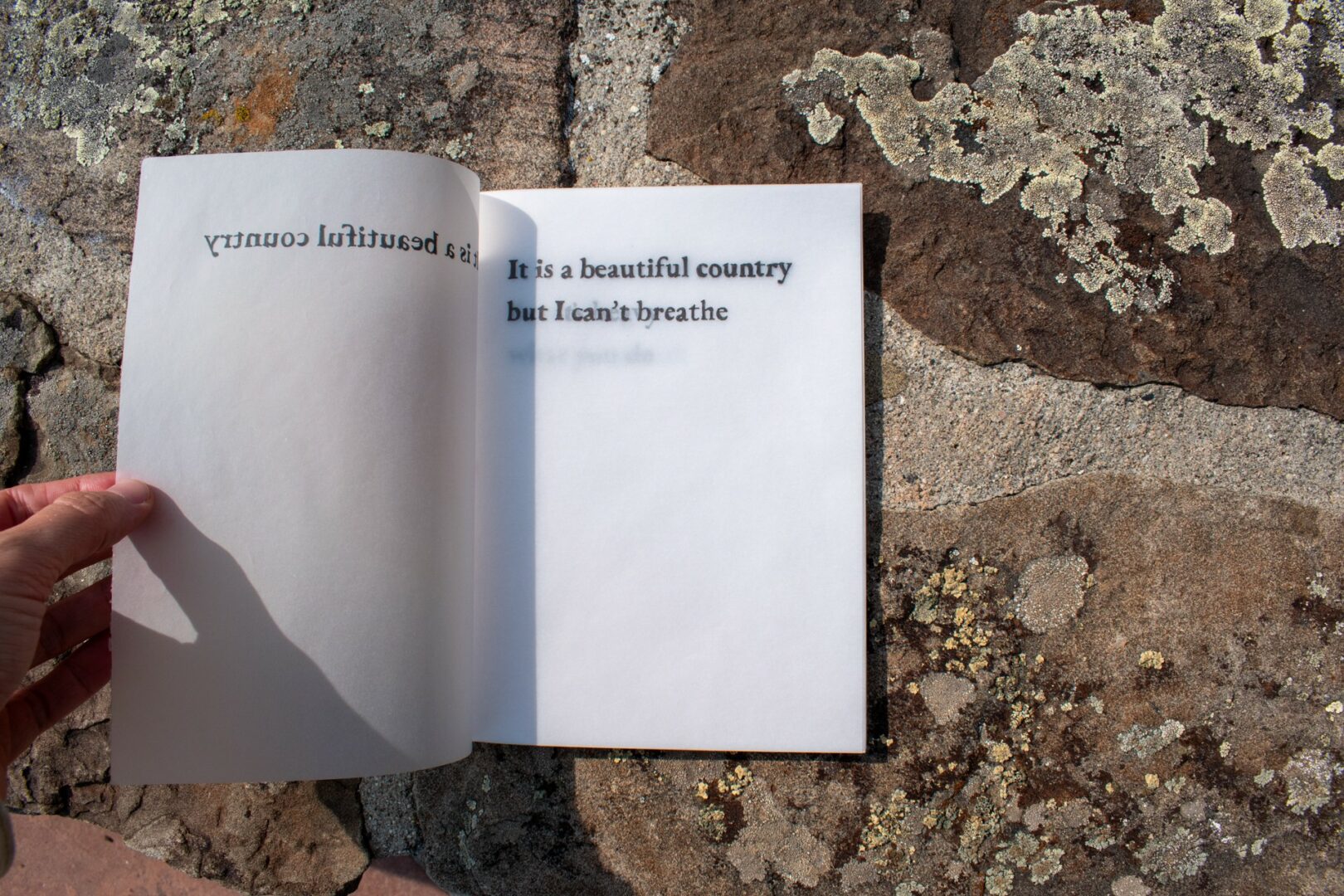
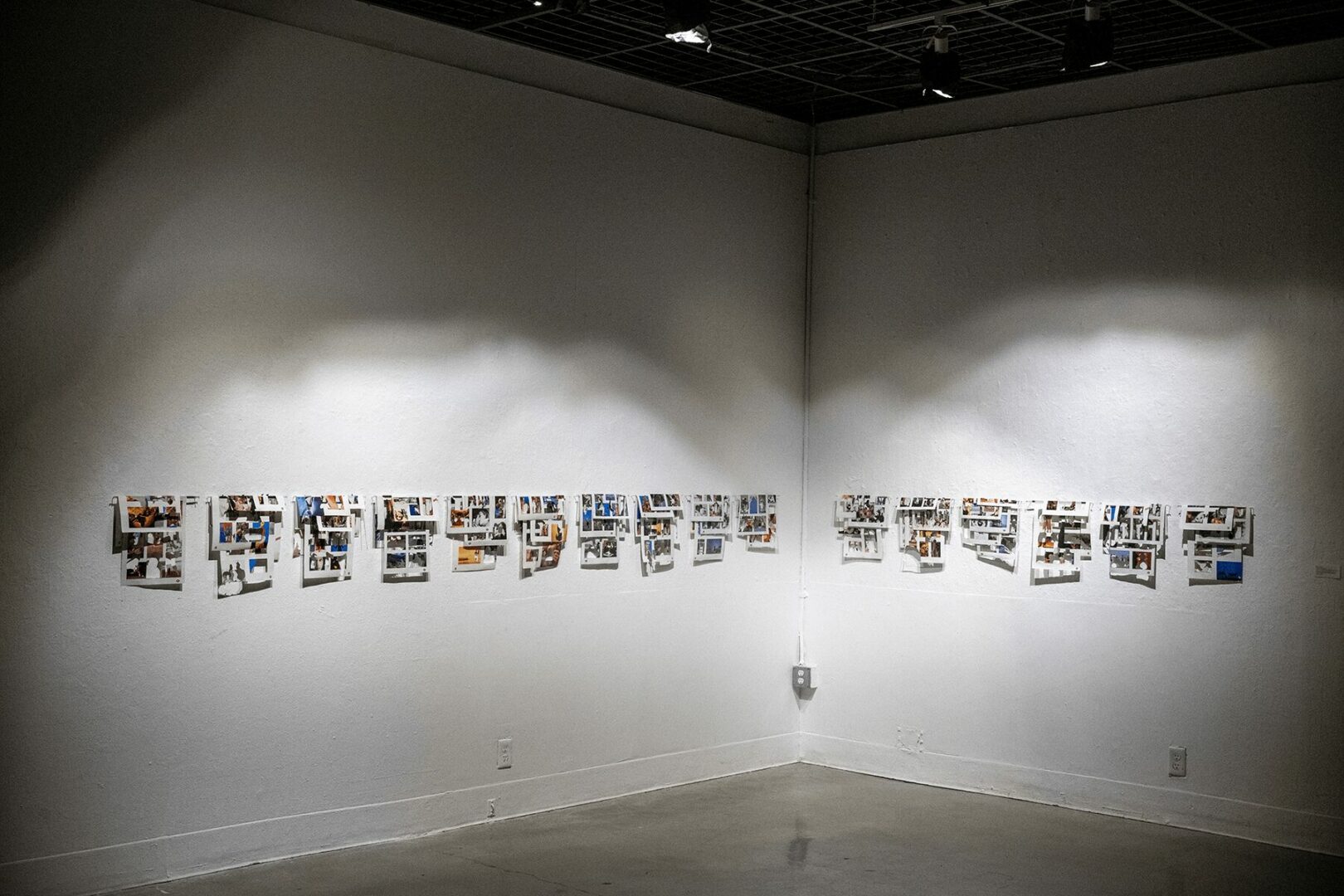
Looking back, what do you think were the three qualities, skills, or areas of knowledge that were most impactful in your journey? What advice do you have for folks who are early in their journey in terms of how they can best develop or improve on these?
As an artist, your skills and areas of knowledge tend to vary depending on the project you are working on. For that reason, I believe being resourceful and having quick thinking might be essential to do what I do. Also, it’s great to be able to make work about so many things, but easy to get sidetracked. It’s important to have some project managing skills as well. I always say that the artist has a fluctuating self-confidence. So maybe my advice is to make the most of high self-esteem days – write, plan, think big, make lists of what you want to accomplish and how to do it. And on your low days, just follow the list as if you were your own assistant. It’s easy to get sidetracked and lose perspective on why you started something in the first place.
How would you spend the next decade if you somehow knew that it was your last?
It is incredibly hard to pin down to one book only. I feel like for every moment of my life and my work I had different references, and I feel constantly in dialogue with them. Especially because a lot of my work comes from books. The first book I read and created a work of dialogue was Collection of Sand, by Italo Calvino – it’s a collection of short stories. To name a few others, Jorge Luis Borges, Enrique Vila-Matas, Silvina Ocampo. The first book I bought after moving to the US was “Belonging: a sense of place” by bell hooks, and it was incredibly important to make sense of what I was going through. In my research I am interested in antropologists and philosophers like Anna Tsing (The Mushroom at the End of the World is one of the best books I have ever read) and Vinciane Despret (Our Grateful Dead: Stories of Those Left Behind is a great one). Lastly, the most recent book that had an impact on me was Ocean Vuong’s On Earthly We’re Briefly Gorgeous. These books I mentioned show different experiences and political issues writing about reality through poetic and fantastic lenses. It’s a hard moment to be alive on this planet, at different levels we are going through a point of no return in climate change and politics. These are some of the books that I can always return to and restore some of my strength. As indigenous Brazilian writer Ailton Krenak says, through art we can suspend the falling sky.
Contact Info:
- Website: https://www.amandateixeira.com
- Instagram: https://www.instagram.com/amndtx/
- Other: http://azulejo.press/
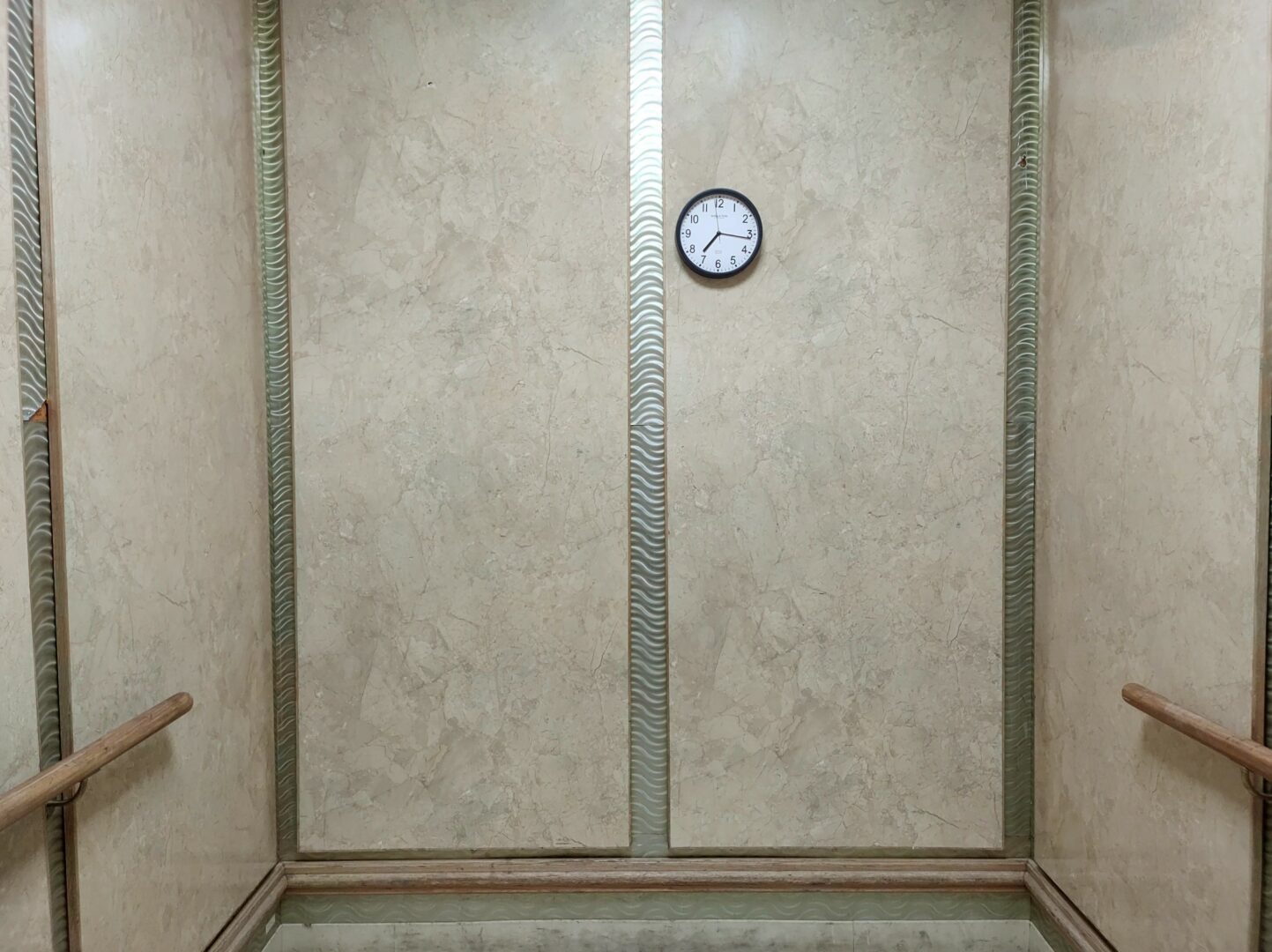
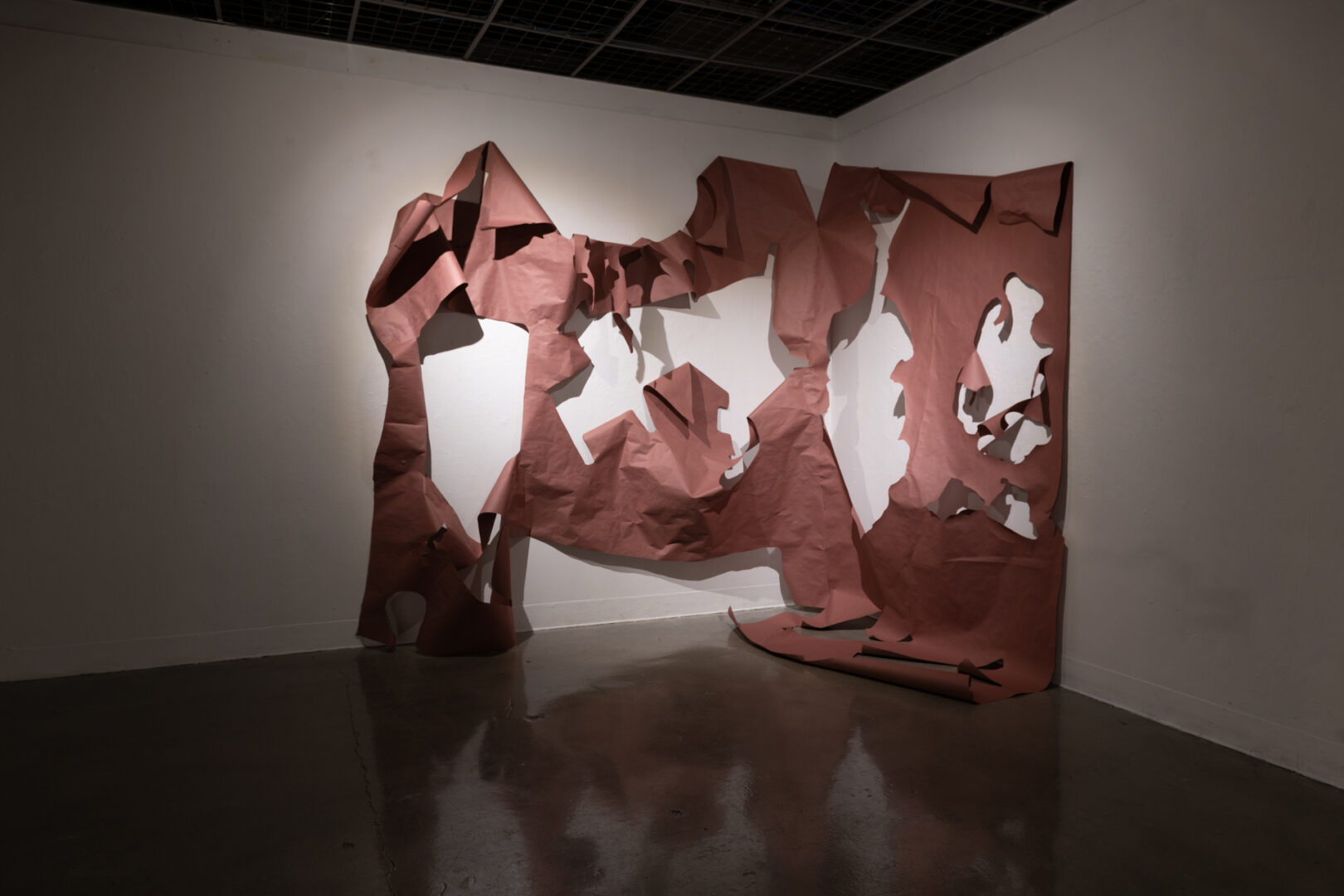
Image Credits
Gi Ahn, Brunella Martina and Amanda Teixeira
so if you or someone you know deserves recognition please let us know here.