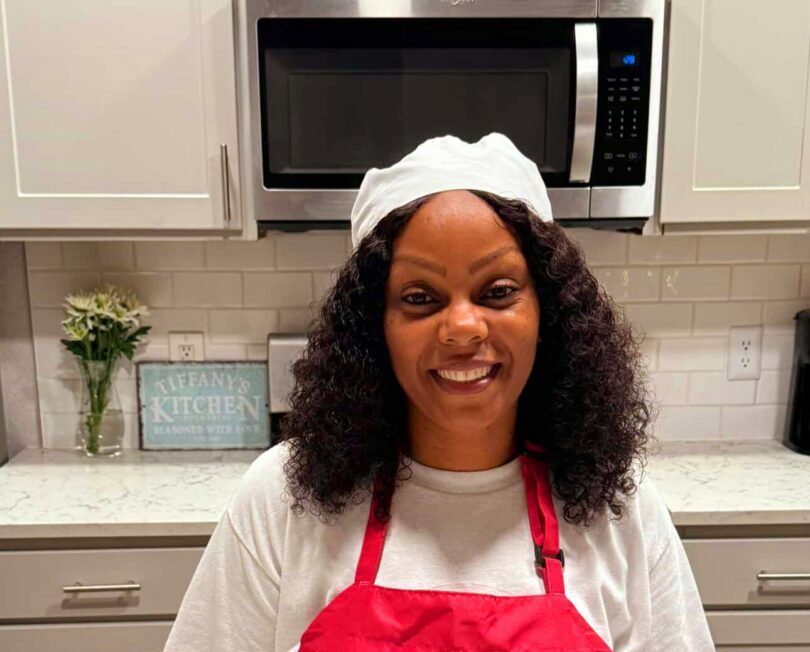
We were lucky to catch up with Alyssa Brussee recently and have shared our conversation below.
Alyssa, looking forward to learning from your journey. You’ve got an amazing story and before we dive into that, let’s start with an important building block. Where do you get your work ethic from?
My work ethic is undoubtedly a product of being raised in a farming family, where my parents wove hard work and responsibility into the fabric of my upbringing. Even though they truthfully could have financially afforded to give my 4 brothers and me anything we asked for, they chose what would be the most beneficial for us in the long-run by emphasizing the value of working for things and instilling a deep sense of responsibility in us.
From a very young age, my parents involved us in tasks around the house and farm—even when having us ‘help’ sometimes meant more work for them. We each had daily and weekly chores, expected to do our part in caring for our home and animals. By age eight, we were fully responsible for our own laundry (I remember not being too excited for that birthday!). When we wanted something, they didn’t just buy it; instead, they gave us opportunities to work for it.
To save for my first car, I spent many evenings in middle and high school at my dad’s farm working for minimum wage at his tomato packing facility alongside his picking crews. Much of my work ethic comes from those nights standing beside some of the hardest-working people I’ve ever known, swiftly sorting thousands of freshly picked tomatoes rolling along the conveyor belts for hours until I felt dizzy… sometimes until past my bedtime of 10 p.m. On other nights, I was stationed on the second floor rapidly folding pallets of cardboard tomato boxes to send down chutes to the packing line, with calls of ‘Cajas, cajas! ¡Ándale, ándale!’ being shouted from below as I hurried to keep up. The car I ended up buying from my earnings definitely wasn’t the newest or coolest on the block, but I drove it with a deep sense of pride because of how hard I worked for it.
I’m incredibly grateful to my parents for nurturing that work ethic early on— not just because it gave me a drive to put my all into all I do in adulthood, but also because of the invaluable byproducts it developed from a young age that I didn’t have to struggle with in adulthood, such as time management, discipline, goal setting, delayed gratification, prioritization, and consistency. Although my day-to-day tasks as a women’s health practice owner look much different than working at the farm, there are many parallel principles in agriculture that have helped me in business ownership. Farm work taught me that there are seasons for everything—planting, pruning, and harvesting. Even when you can’t see growth yet, you have to keep watering, fertilizing, and tending; progress is happening beneath the surface, and soon it will be visible.
My three children and the desire to be a good steward of the resources God has given me are now the driving force behind my work ethic. They motivate me to pursue both time and financial freedom so I am able to offer my kids– and others– the same kinds of opportunities I was blessed to have growing up.
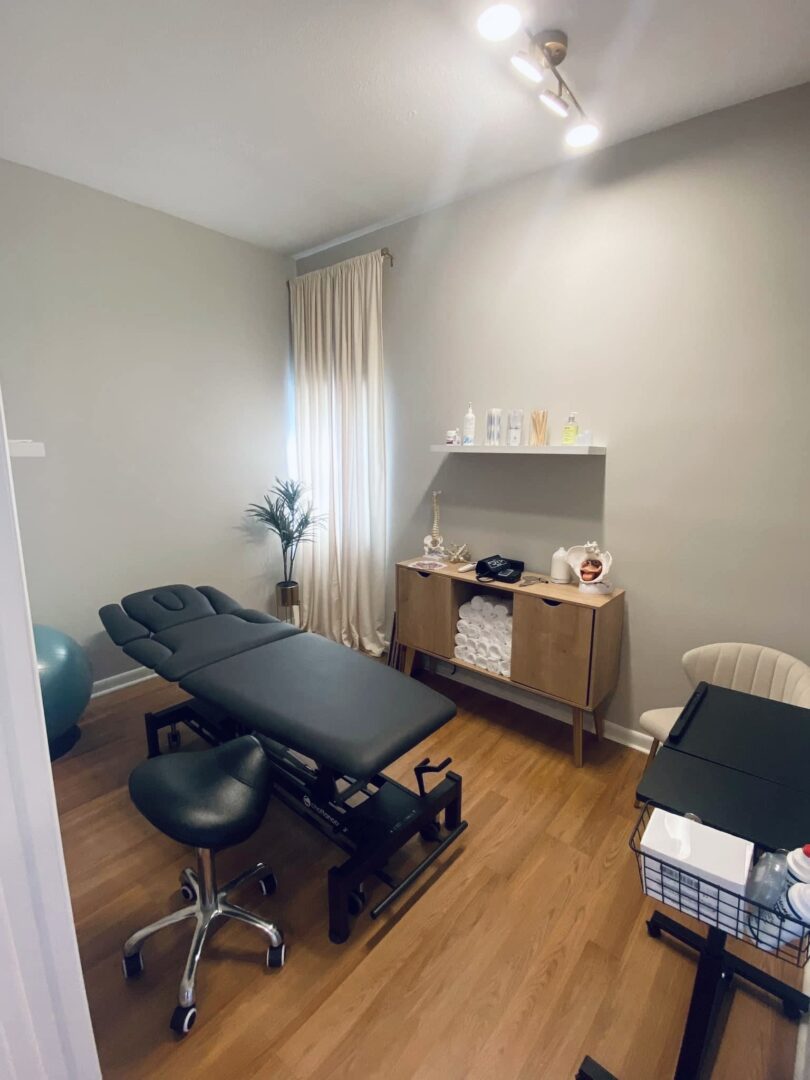
Please tell our readers about what you do, what you feel is most exciting or special about it, as well as anything else you’d like folks to know about your brand/art/etc. If relevant, please also tell our readers about anything new (events, product/service launches, expansion?)
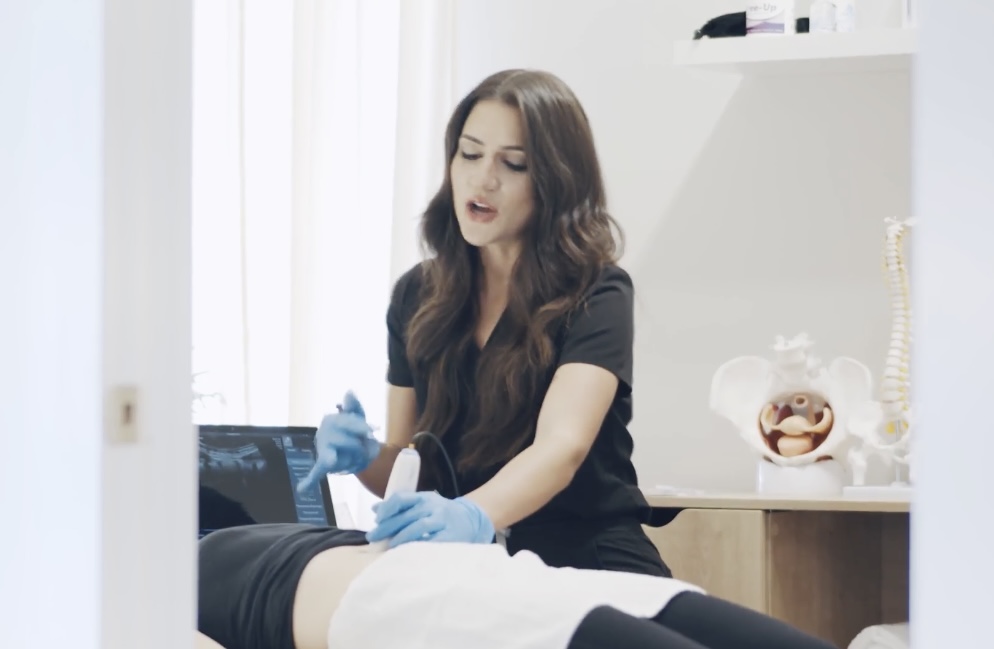
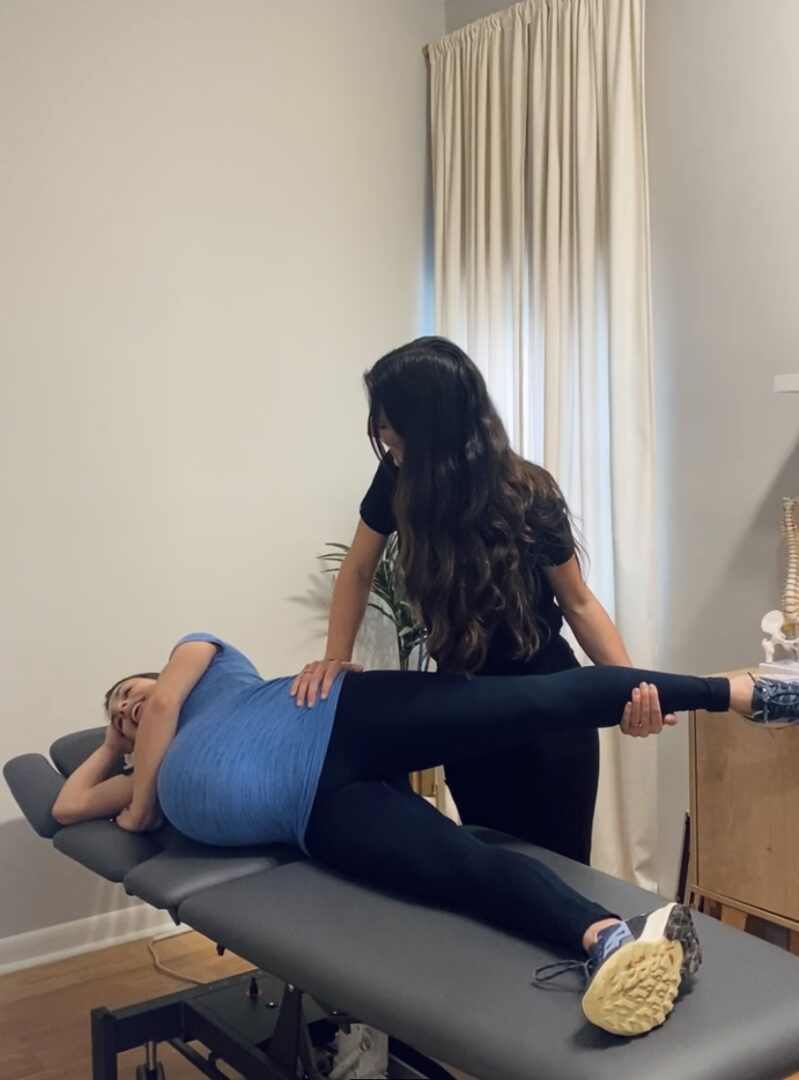
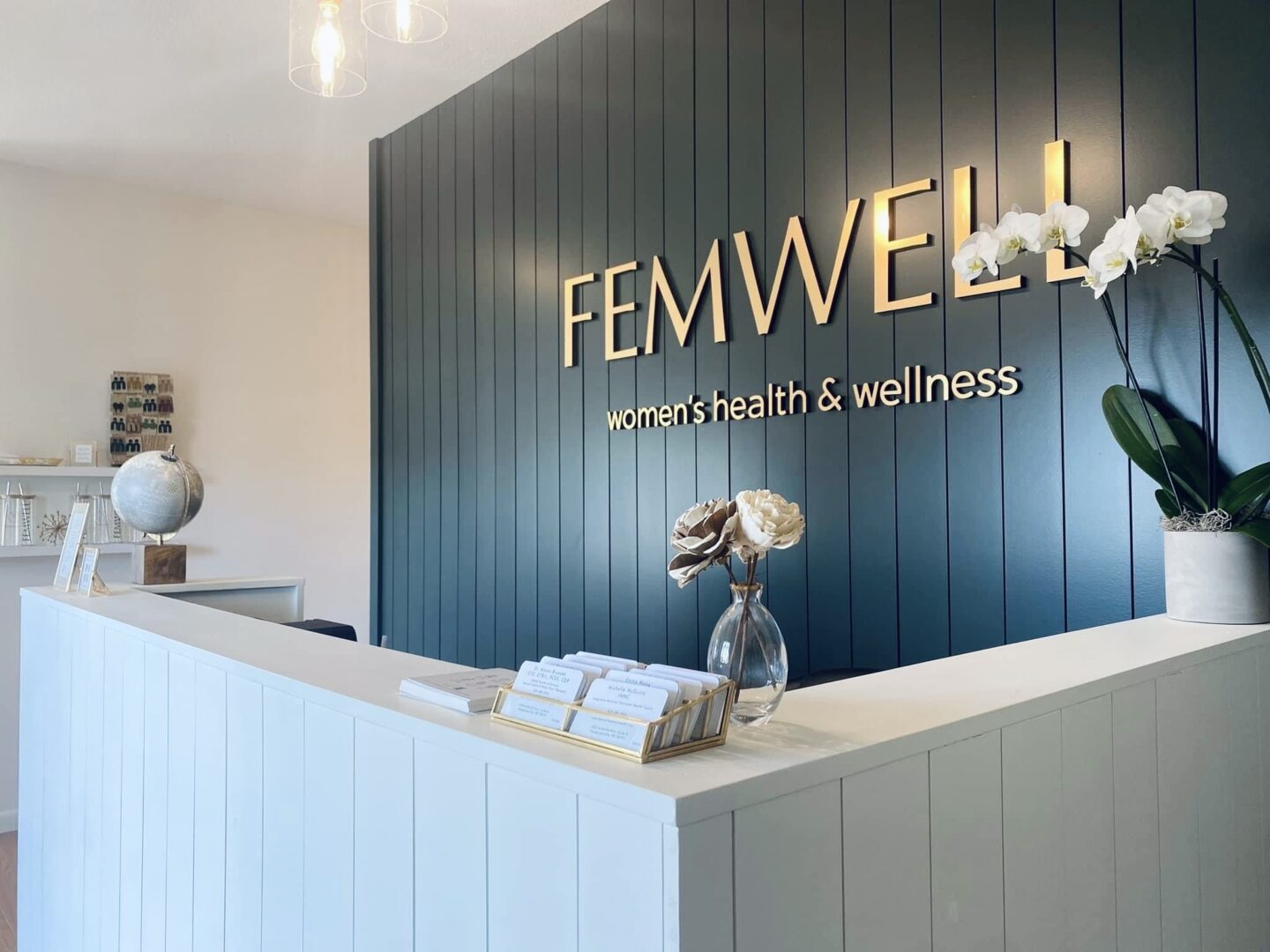
I own Femwell Women’s Health & Wellness, a multidisciplinary functional women’s wellness practice that offers a unique range of services including specialized pelvic therapy, holistic fertility treatment, hormonal health coaching, mental health therapy, integrative nutrition counseling, massage therapy, MediCupping, and birth support.
Unlike traditional health practices where appointments are brief and solutions tend to focus on symptom management, Femwell takes a client-centered, whole-person approach. We understand that quick visits and “band-aid” solutions can leave women feeling overlooked and frustrated. Medications can certainly have their place, but too often, they’re prescribed without investigating root causes, and women are left managing side effects and feeling as if there’s no other way. At Femwell, we take the time to listen and fully understand each woman’s health history, lifestyle, and individual goals. We’re passionate about empowering women to take charge of their wellness through functional evidence-based methods, not just treating symptoms as they arise but actively working to prevent them. Femwell is more than just a health and wellness practice; it’s a place where women find relief, hope, and the specialized support they need to become experts of their own bodies and create a brighter, healthier life.
As a women’s pelvic health therapist and holistic hormonal health practitioner, what excites me most is the impact I’m able to make in helping women achieve a quality of life they thought was impossible for them. So many of my clients come to me after struggling for years, often told they simply have to live with symptoms that deeply affect their lives, or that their struggles are “just a normal part of being a woman.” These can include challenges like leaking urine with exercising, which often keeps women from engaging in activities they love; painful intercourse, which can strain marriages; dealing with intense pain during pregnancy, which can take away from the joy of creating a new life; experiencing chronic constipation, abdominal discomfort, pelvic pain, fatigue, severe cramping and emotional lability on a monthly basis due to imbalanced hormones; or the heartbreak of “unexplained” infertility… an experience that can feel incredibly isolating and hopeless for those who long to become mothers. Seeing women overcome these obstacles is deeply rewarding and such an honor to be a part of. The positive changes that unfold extend far beyond physical wellness; they reach into every aspect of their lives, relationships, and self-confidence.
Looking back, what do you think were the three qualities, skills, or areas of knowledge that were most impactful in your journey? What advice do you have for folks who are early in their journey in terms of how they can best develop or improve on these?
1. Not wasting energy on the fears of failure or the unknown.
One of the most transformative shifts for me in the beginning of my entrepreneurial journey was learning to push the fears of failure and the unknown to the side. Leaving a stable job with predictable income and familiar routines to pursue something new completely on my own felt daunting, even foolish at times. It’s easy to focus solely on the risks of starting something new– after all, studies show that most people prefer the comfort of the familiar, even if they are unhappy, over the discomfort of uncertainty, despite the potential rewards it may bring. The fear of it not working out can weigh heavily, especially considering how much time, energy, and finances are involved in starting a new business. But, as it is often said, “fear kills more dreams than failure ever will.”
I remember hearing a question on a business podcast once that resonated deeply: What would you pursue if failure were impossible and money wasn’t a concern? Answering this question brought clarity to my true goals and helped guide my focus on what I really wanted to do. If you’re just starting out, understand that EVERY “successful” person—no matter how confident they appear—has faced imposter syndrome at some point. You can spend time doubting yourself and ‘what-iffing’ worst-case scenarios, but consider something just as (or more) likely: What if it turns out wonderful? It’s important to recognize that failure isn’t the opposite of success; it’s a prerequisite to success. Even if things don’t go exactly as planned and you need to pivot, each experience brings lessons that will serve you well in your future endeavors. And, there’s great fulfillment in knowing you were brave enough to pursue something meaningful that you felt truly called to do.
2. Setting boundaries with my time and practicing saying no.
It is VERY easy as an entrepreneur to become completely consumed by your business. After all, you are clearly very passionate about what you do, you have many different hats to wear, there is always more work that could be done, you don’t have the luxury of ever clocking out, and you have other people depending on you (if you have employees). However, I quickly learned that if I don’t set intentional boundaries with my time and attention, I quickly feel burned out and unable to fulfill the important mission I set forth when starting my business in the first place.
While I firmly believe that working hard and fulfilling obligations is important, it absolutely should not be at the expense of relationships, physical health, and mental well-being. Setting boundaries requires defining your priorities and making your schedule actually reflect them. Decide when you’ll start and stop working each day, refrain from checking emails on non-business days, and set aside a weekly day of rest that includes activities that refresh and rejuvenate you. You may be presented with many good opportunities, but not every opportunity is the right use of your time… and could steer you away from your core goals.
Since starting my business, I’ve had several exciting opportunities come my way that I’ve painfully chosen to say no to because they would require a sacrifice of what matters most to me. I could make more money and help more people if I worked longer hours each week, hired more practitioners, or increased my caseload—all worthwhile things that could benefit others and myself. However, that would limit my ability to invest time outside of sessions for reviewing, planning, and researching, which is essential for delivering the best possible care to my clients. It would also take away from my top priority: nurturing my family. While my kids are young, I feel a strong pull to be home with them as much as possible. I’m slowly but surely learning that every time I say yes to one commitment, I have less of myself to give to other things that are important to me.
3. Niching down and not being afraid to be different.
Niching down and offering something unique is essential—not only for delivering quality results but for reaching the right people and making your business sustainable. Trying to cover everything spreads you too thin, making it difficult to excel at any one thing. When starting out, especially in a helping profession, it’s natural to want to cater to as many people as possible. I remember when I began my post-graduate certifications in pelvic and hormonal health, I wanted to become an expert in every single diagnosis I encountered… hoping to help as many women as I could. But I quickly learned the truth behind the saying ‘The more you know, the more you realize how much you don’t know.’ Trying to master everything dilutes your focus and makes it impossible to provide effective solutions to the problems you’re trying to solve through your work.
When you cast too wide a net, you risk being less effective overall, and the people who would benefit most may not even realize you’re the right person to help them. Avoid trying to mimic other businesses doing similar work. Your uniqueness is your ‘special sauce’. People with specific needs are looking for tailored solutions; they want an expert who understands and cares about their unique challenges, and can offer targeted support. By narrowing your focus, you become the obvious choice- creating a business identity that resonates with the right clients which allows you to make a significant impact in the areas you’re most passionate about. Most would agree that it’s more fulfilling to make a profound difference in a few people’s lives than to spread yourself thin and offer minimal impact to many.
Additionally, specializing lets you deliver a higher-value service, often allowing for higher reimbursement, which ultimately supports your business’s sustainability and allows you to continue doing the meaningful work you’ve set out to do for years to come.
How can folks who want to work with you connect?
Yes! I would love to collaborate with other functional health and wellness practitioners in the area. Specifically, I would love to form partnerships with more endocrinologists; OB/GYNs; urologists; midwives; doulas; and functional and integrative medicine doctors, nurse-practitioners, and physician’s assistants. If you are interested in learning more about Femwell and collaborating with one another to better serve the women in our community, please reach out to me by email at [email protected].
Contact Info:
- Website: https://www.femwellwomenshealth.com
- Instagram: @femwellhealth
- Facebook: @femwellwomenshealth
so if you or someone you know deserves recognition please let us know here.