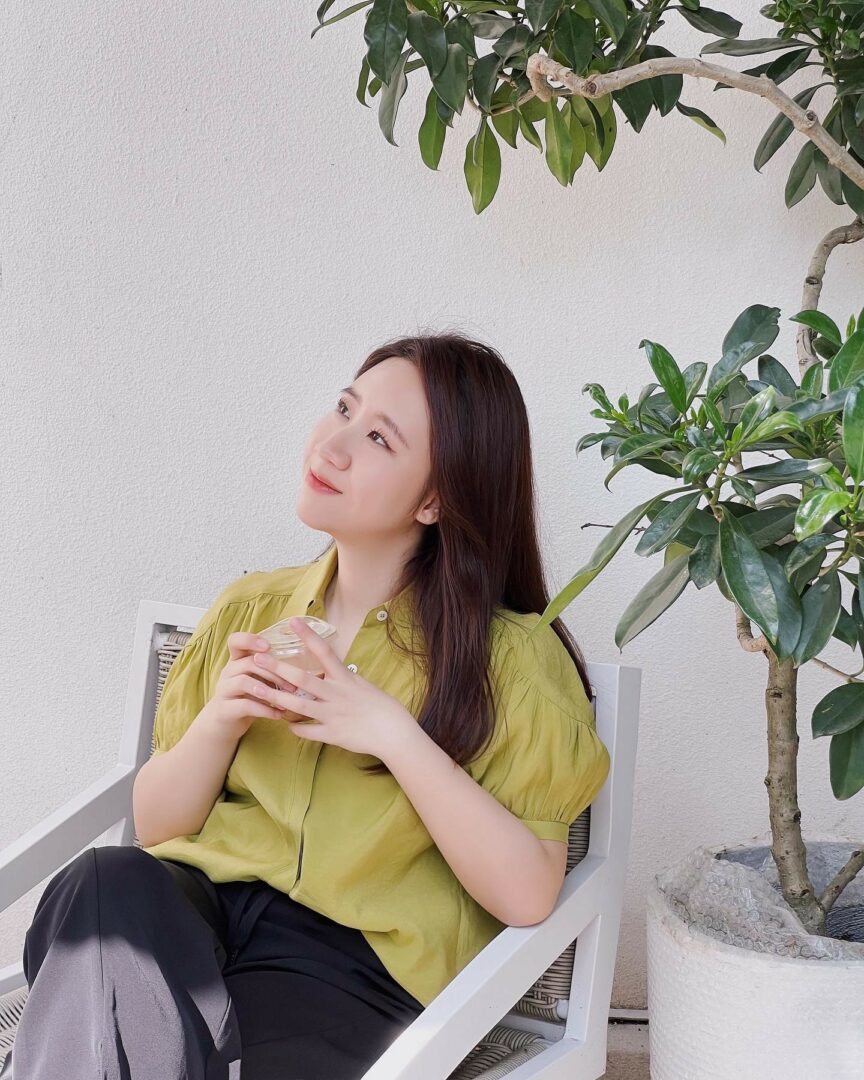
We recently connected with Jingyi (Tiffany) Chen and have shared our conversation below.
Jingyi (Tiffany), we’re so excited for our community to get to know you and learn from your journey and the wisdom you’ve acquired over time. Let’s kick things off with a discussion on self-confidence and self-esteem. How did you develop yours?
Developing confidence has been a continuous journey for me. Growing up in Beijing,
China, I was frequently compared with other students and often dealt with peer
pressure. Beijing, known for its abundant educational resources, is also highly
competitive. Imagine an 8-year-old kid taking extra lessons in every subject that was
already taught at school, like math and English, while also attending piano and ping-
pong classes after school and on weekends. At school, the ranking of our exam scores
was public. So I focused solely on achieving a high GPA, getting into a prestigious
university, and landing a respectable job to create a “perfect” life.
Like many other Asian parents, my parents had high expectations of me and strived for
perfection. They often pointed out my mistakes rather than encouraging me through
challenges. If I scored 99 out of 100 and ranked first in my class, they would ask why I
missed that one point rather than congratulate me. I feared disappointing my parents
and teachers, who saw me as a diligent, obedient student, so I aimed to be perfect in
every aspect. This pressure often led to self-doubt, as I questioned whether I was ever
truly good enough.
At the age of 13, I began studying abroad in the United States, where I encountered a
vastly different educational culture. Here, we were encouraged to try new things, even if
they were challenging; learning wasn’t just about grades but also enjoyment. Teachers
would still praise and support me even if I got a B- in class. I received a lot of
encouragement from faculty and peers, which allowed me to try new things without
worrying about failure.
Still, I noticed I continued to criticize myself for minor mistakes I have made, whether
mispronouncing an English word or missing a simple calculation on a weekly math quiz.
This led me to ask: What truly matters in my life? What does perfection mean to me,
and why is it important? Is it necessary to surpass others to live a “successful” life? How
can I ensure a happy, fulfilling life?
Reflecting on these questions was relieving. I realized that true confidence comes from
believing in myself and accepting that I don’t need to know everything to be enough. I
don’t have to make everyone happy. The world isn’t perfect, but I’m satisfied with who I
am and what I’ve achieved. This acceptance has been the foundation of my confidence
and self-esteem.
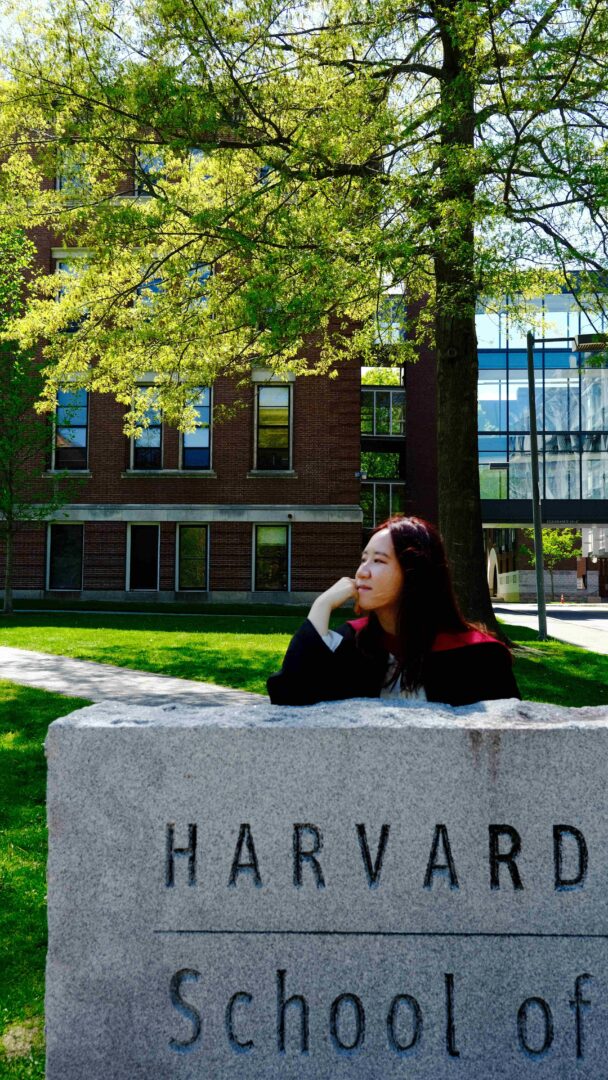

Appreciate the insights and wisdom. Before we dig deeper and ask you about the skills that matter and more, maybe you can tell our readers about yourself?
My name is Jingyi Chen. You can call me Tiffany if that’s easier for you. I’m currently a third-year PhD student at Harvard John A. Paulson School of Engineering and Applied Sciences. In addition to my academic work, I’m also an influencer on Xiaohongshu (RED), a popular Chinese social media platform.
A bit about my background: I was born and raised in Beijing, China, and started studying in the United States in eighth grade. I attended a private boarding school in Willoughby, Ohio, where I earned both my middle and high school diplomas. Later, I completed a Bachelor of Science in Polymer Science and Engineering at Case Western Reserve University. From there, I was accepted into the Applied Physics PhD program at Harvard, where I am now focused on my research.
My love for science was influenced early on by my father, a professor of Chemical Engineering. Growing up surrounded by books and scientific discussions, I developed a natural curiosity for science. One memorable experience was participating in the Little Scientist program at BASF Kids’ Lab, which offered hands-on experiments and an introduction to the magical world of chemistry. Although childhood memories fade, I still keep a souvenir from that program as a reminder of my early enthusiasm for science and engineering.
In college, I majored in polymer science. For those of you who are not familiar with polymers, they’re essentially substances made up of very large molecules composed of repeating subunits, derived from one or more types of monomers. Polymers are all around us—like plastic, a synthetic polymer, and silk, a natural polymer. Now, my research focuses on the physics of biomaterials or biopolymers that have potential applications in drug delivery.
Beyond research, I have a wide range of interests. I enjoy reading literature, particularly in psychology and social sciences, and have a passion for music, photography, fashion, and entrepreneurship. Combining these interests, I’m always seeking a lifestyle that suits me best and exploring what gives life meaning. In my free time, I blog and vlog about my PhD journey on RED, sharing insights and reflections on this unique experience. I also found great fulfillment in connecting with people not only in real life but also through social media, where I enjoy helping others navigate educational and personal challenges. I hope that through my journey, both in research and beyond, I can become someone who makes an impact.


If you had to pick three qualities that are most important to develop, which three would you say matter most?
Three qualities that have been especially impactful in my journey include resilience, curiosity, and time management.
Resilience refers to the process of successfully adapting to adversities, which can be an important factor in mental or emotional development. During my journey, I often felt overwhelmed by challenges in both academic and personal growth. Resilience for me has been closely tied to navigating and overcoming difficult experiences, such as stress. Personally, moving to a new country at a young age, facing a completely different language, education system, and culture requires adaptability and strength. This means that I need to step outside my comfort zone, reaching out to new people, finding a sense of belonging in the new environment, and of course, handling homesick situations. The stress I encountered became the opportunity to strengthen my resilience, build independence, and develop confidence in dealing with high-pressure situations.
In research, curiosity is the driving force that keeps me engaged in what I do. I ask deeper questions and connect ideas in exploring the unknown. I often ask “why” and “how” when learning about something new. In addition to academics, curiosity keeps me connected to the world around me. I communicate with others by asking thoughtful questions and learning from different perspectives. This helps me to see the world from different viewpoints and strengthen my relationship with people. Curiosity also helps me to notice and appreciate little things in life around me, like the color of sunset, tree colors of different seasons, or the texture of ingredients in food.
Effective time management is the key to success. Time management is not only scheduling, but creating a sustainable balance of workflow that keeps me productive without burning out. During my PhD journey, by managing time effectively, I feel less stressed and overwhelmed. Research projects are long-term that require effort over time. Setting daily goals and weekly goals keeps me on track. My weekly plan usually involves specific experiments I need to do, data analysis, or coursework. As a PhD student, conferences, workshops, and networking allow me to balance professional development with research. To avoid burnout, I also manage time for rest and hobbies. Since time management is not static and there are always adjustments, tools like planners are a must have for me to make tasks organized.

As we end our chat, is there a book you can leave people with that’s been meaningful to you and your development?
A book that has played a major role in my personal development is Quiet: The Power of Introverts in a World That Can’t Stop Talking by Susan Cain. I read it during high school—a time of self-discovery and personality building. Quiet explores the difference between Eastern and Western culture in their attitudes toward introversion and extroversion. Cain highlights that Western culture often idealizes extroverted traits, like assertiveness and public speaking, while Eastern cultures tend to value qualities associated with introversion, such as humility and self-restraint. These cultural differences significantly influence educational systems and individual behaviors. In Western culture, promoting and expressing oneself in public is encouraged. At school, group projects and presentations often suit extroverts, while introverts prefer quiet environments and work that support individual creativity.
This comparison is especially meaningful for me, owing to my educational experience of growing up in China and later studying in the United States. Quiet offers me insight into how culture shapes personality and helps me to understand the strength of my personality. As an introvert, I was inspired by the idea that I do not need to “fix” myself to succeed. Instead, I can make contributions in my own way. Introverts have powerful qualities like deep focus, critical thinking, thoughtful communication, self-motivation, independence, and strong one-on-one connection. I also found that as an introvert, my strength plays a crucial role in research. As PhD work demands concentration and independent thinking, I have the natural ability to focus deeply on tasks and produce high-quality research without being distracted. This book truly helps me to better understand and appreciate myself in the cross-cultural context.
Contact Info:
- Instagram: _thetiffanychen_
- Linkedin: https://www.linkedin.com/in/jingyi-tiffany-chen-8a0ab2201/
- Other: Xiaohongshu (RED): thetiffanychen


Image Credits
n/a
so if you or someone you know deserves recognition please let us know here.