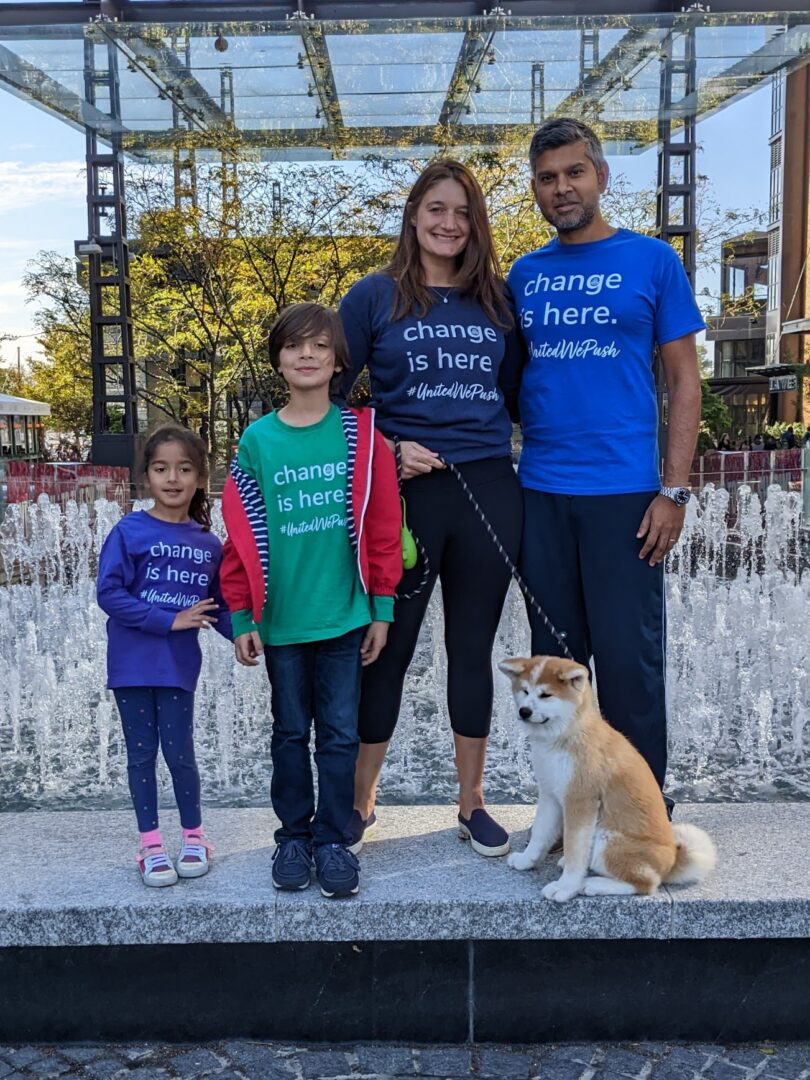
We were lucky to catch up with Samantha Banerjee recently and have shared our conversation below.
Samantha, so great to have you sharing your thoughts and wisdom with our readers and so let’s jump right into one of our favorite topics – empathy. We think a lack of empathy is at the heart of so many issues the world is struggling with and so our hope is to contribute to an environment that fosters the development of empathy. Along those lines, we’d love to hear your thoughts around where your empathy comes from?
I always say that my daughter’s death broke my heart open and allowed my empathy to flourish in a way that it never would have without her influence. Going through such a traumatic experience – one that I had never even conceived before as being possible to happen to *me* – stripped away (in the mostly brutal fashion possible) any defenses I may have put up between my heart and the suffering in the world. It made it clear that, just like everyone else, I was not infallible or immune to the world’s horrors. And it squashed any notions of things being fair or just, or people getting what they “deserve.”
It was an incredibly humbling and eye-opening experience, and one which I am ashamed to admit I think I sorely needed… But it came at such a high price. I wish I could have become the person I am today without having to put a child in the ground. And I’d certainly choose to have her here in my arms over anything else, and would never describe my growth as a human being as a “silver lining.” But there is very little good that can come out of such a senseless tragedy, and this is one of the few things that did.
Thanks, so before we move on maybe you can share a bit more about yourself?
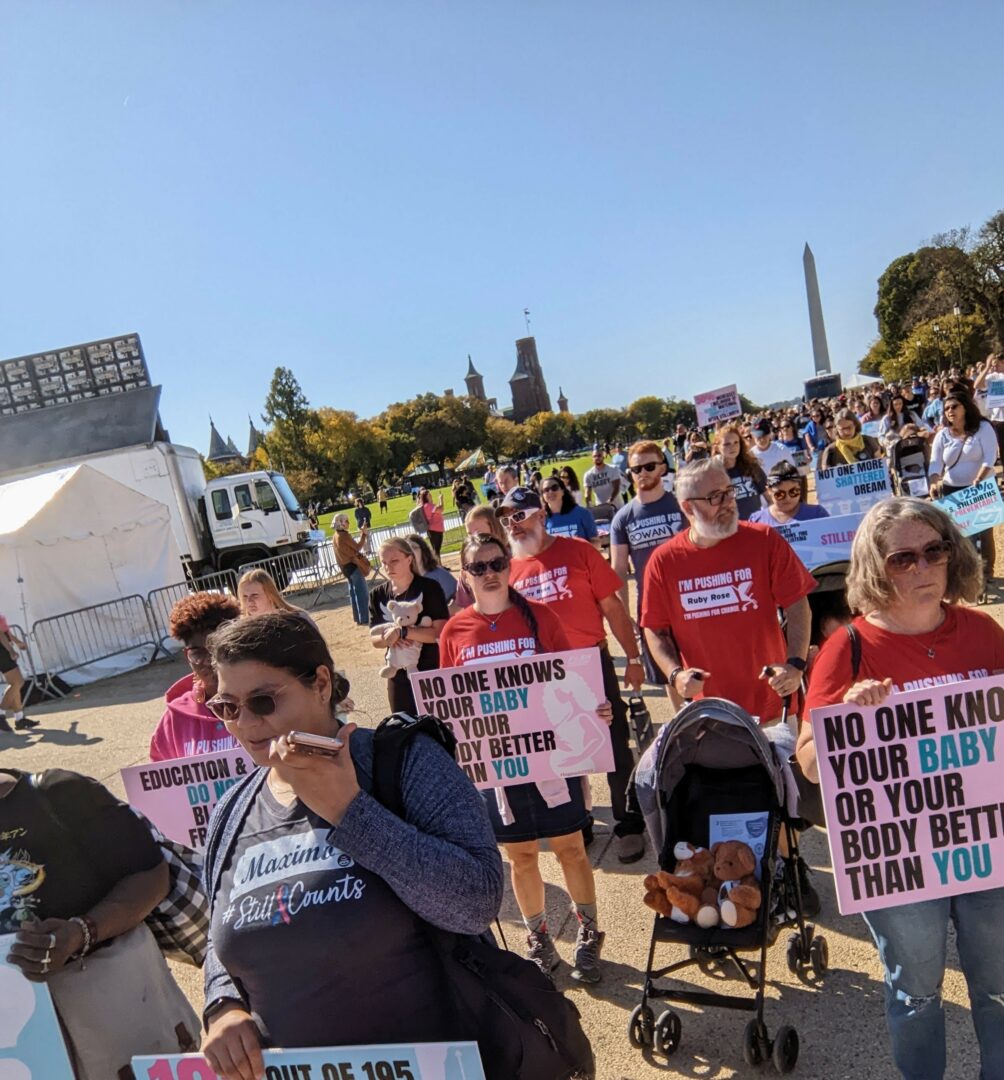
In 2013, I walked into the hospital in labor two days before the due date of my first pregnancy, only to learn that my baby girl inexplicably no longer had a heartbeat. I had been told for nine blissful months that everything was textbook, I had followed all the doctors’ orders, read every pregnancy book, blog, and website I could get my hands on, and taken a 10 week birthing course. I thought I knew everything there was to know about pregnancy. And yet, I had never once heard the word “stillbirth” and had no idea that it was even still happening, let alone that it could happen to me.
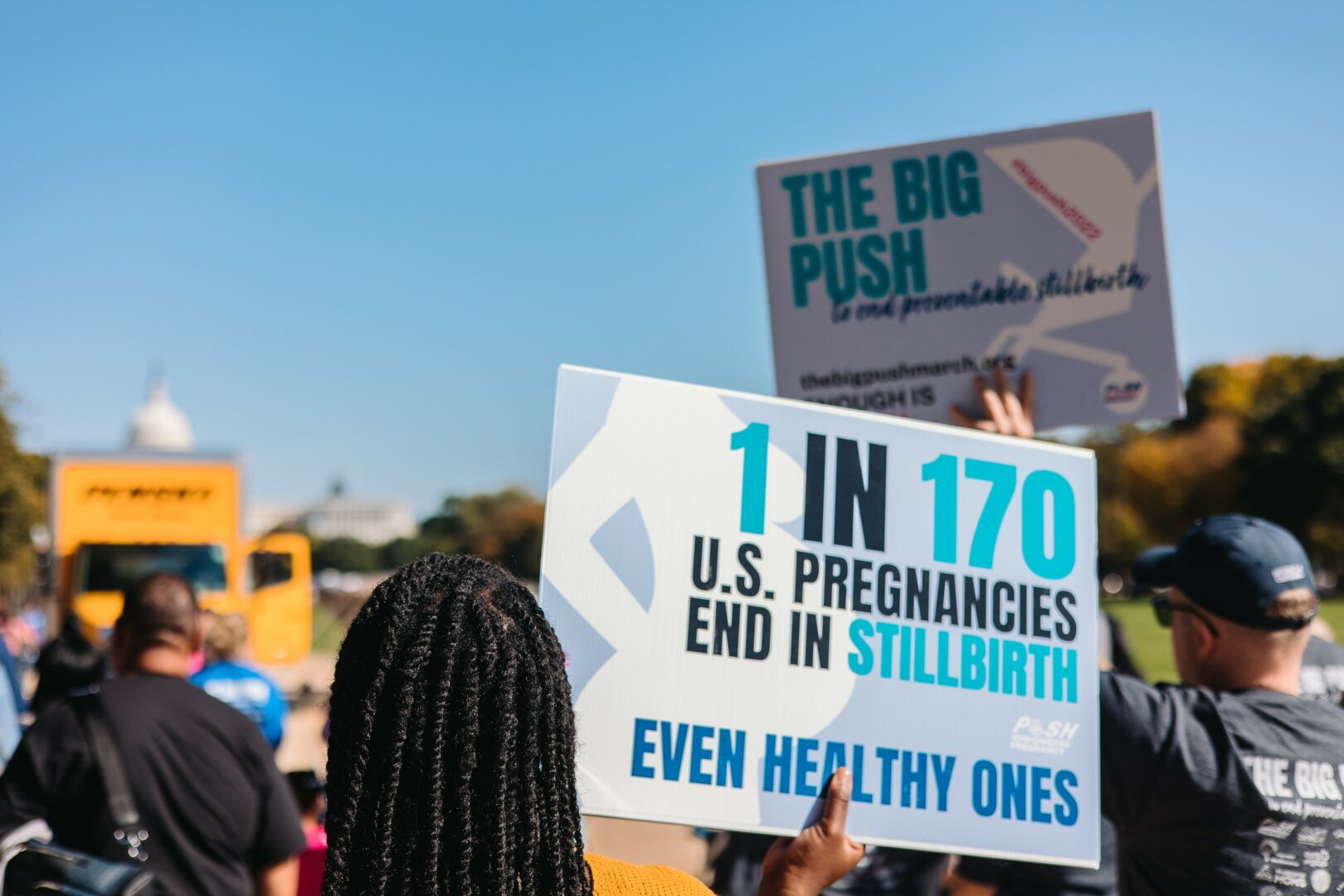
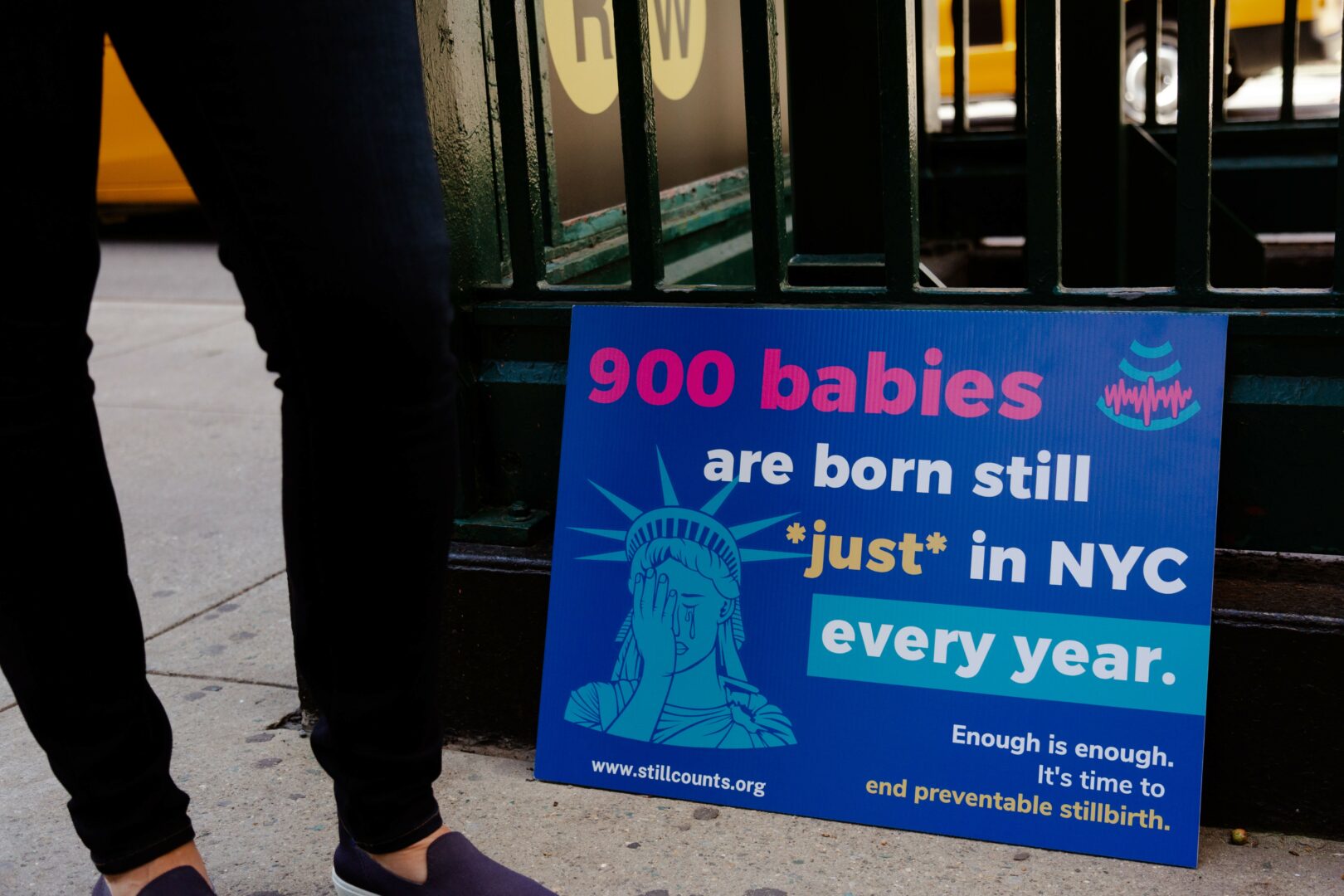
I was shocked to learn that my daughter, Alana, was only one of 65 US babies born still that day – and EVERY day – and that stillbirth is actually claiming more American children’s lives each year (up to age 14, per CDC data) than prematurity, SIDS, car accidents, drowning, guns, fire, poison, flu, and listeria COMBINED. But unlike all those other dangers, no one is warning parents about stillbirth or how to lower their risks, until it’s already too late.
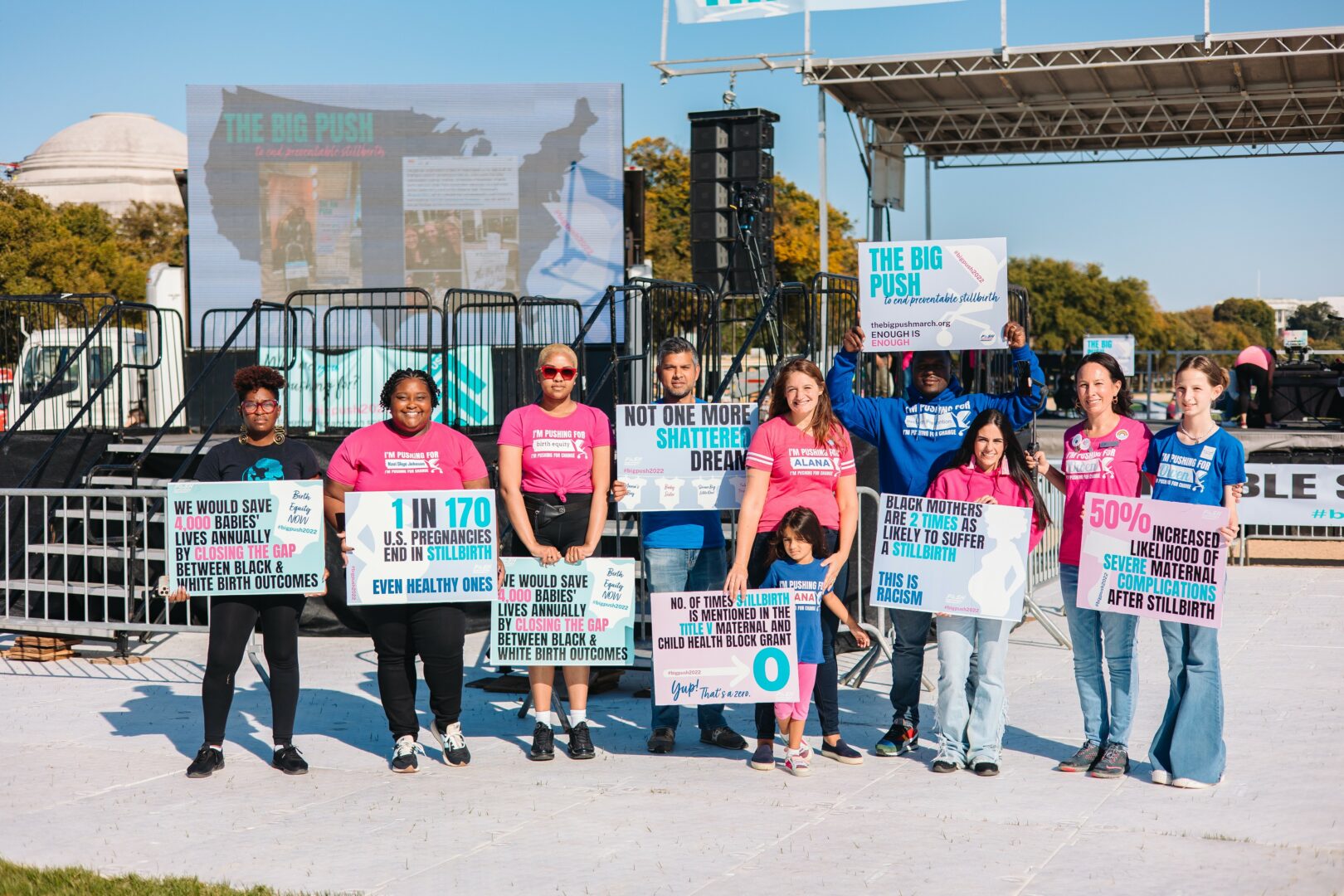
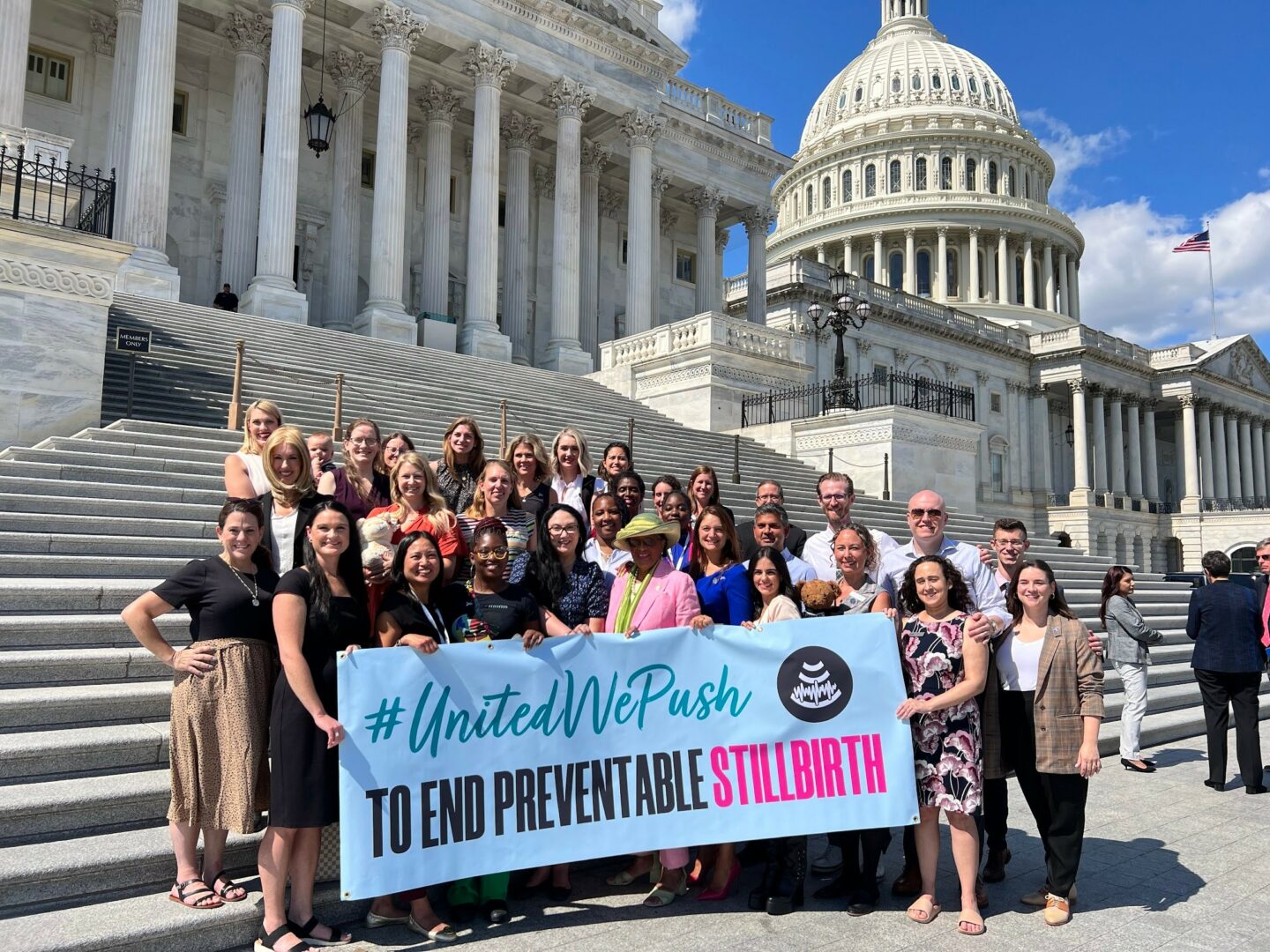
Since then, I have been on a mission to ensure that no other family is blindsided the way mine was, and that no family who loses a child to stillbirth has to carry the excruciating what-ifs that we do. We can’t prevent every stillbirth, but we know that with simple changes to prenatal care protocols, we could be averting at least 1 in 4 US stillbirths, and potentially up to 75% of the 20,000+ deaths each year if we matched the rates of our best international peers.
Everyone who loses a baby in the second half of pregnancy – and then must deliver their child’s still body, just the same as if they were born alive – and never gets to see their child take a first breath deserves to know that they and their providers did EVERYTHING possible to give their baby the best possible chance. No stillbirth family in America today can say that. And so I and the other bereaved parents behind PUSH for Empowered Pregnancy (www.pushpregnancy.org) are doing everything in our power to change that.


There is so much advice out there about all the different skills and qualities folks need to develop in order to succeed in today’s highly competitive environment and often it can feel overwhelming. So, if we had to break it down to just the three that matter most, which three skills or qualities would you focus on?
Community – I always say I don’t know how I would have survived if not for the parents who came before me, and so generously and courageously shared their experiences through those darkest days, and gave me the smallest glimpse of hope that maybe I could make it, too. I had a community I loved before my loss, but most of those people were not able or willing to show up for me in the way I needed in the wake of such a horrific tragedy. So I am forever indebted to the strangers who so selflessly shared their most vulnerable thoughts in online spaces and support groups, making me feel seen, reassuring me I was not alone, and giving me the strength to fight on.
Willingness to Take Creative Risks – I have always been an imaginative, crafty, hands-on type person. I spent a lot of time as kid creating stuff: writing stories, wrangling my siblings and cousins into making films, using software to create “brochures” about my dog, building entire worlds with Legos and Barbies and blocks, hacking away at wood with power tools to make some (admittedly janky-looking) furniture, you name it. I was always in a “project” and I approached them all with curiosity and openness and a goal of learning and enjoying the journey, not necessarily focused on creating a “perfect” final deliverable (though of course, it’s always incredibly satisfying when you do!). A few years back, I decided to design and build (from scratch) a playset for my kids because I couldn’t find any kits or plans that were quite what I wanted. My husband was appalled – I remember him saying, “But what if you screw it up??” And thar was so funny to me because I had never even considered that as a reason NOT to do it. Of course I’m going to screw *something* up along the way. But then you just take it down, fix it, and try again. And I realized that’s how I approach everything in life – especially when you’re creating something that no one has ever done before. You just need to do it, and know that if it doesn’t work out, that’s totally fine. Just pivot and try again.
Determination – Starting a nonprofit, especially a national 501(c)(3) public charity, requires a LOT of work. For the first three years of our existence at PUSH, I was regularly putting in 80+ hour weeks – unpaid – and had a team of other stillbirth parents doing the same. It is physically and emotionally exhausting, but also exhilarating. Not everyone is built for the intensity of the “startup” environment but when you have dream that you’re not willing to give up on, it keeps you going. For me, this is the only way I get to “parent” my daughter who died. So I pour my love for her into our work at PUSH, the same way I pour my love for my two living kids into raising them. And the same way I would never give up on Alana’s younger brother and sister, I will never give up on her, either. It looks different, but it all comes back to the same thing: a parent’s undying love for their child.

Before we go, any advice you can share with people who are feeling overwhelmed?
Trying to change our broken healthcare system, and get people to care about something (stillbirth) that is so sad and horrifying that they’d rather not even think about it, is a tall order. And my team and I feel a real driving sense of urgency, because we know viscerally the pain these families are feeling, and we cannot stomach the thought of losing another literal SCHOOL BUS worth of children every single day. We feel each and every one of those deaths. We know what those families are going through. And we cannot rest until it stops.
That said, we are only human. And we are traumatized, grieving humans, who also have living families and careers to attend to. So, needless to say, I have felt overwhelmed A LOT, especially in the 4-ish years since we started PUSH.
What I’ve learned is that, just like they remind you every time you get on an airplane, you have to put on your own oxygen mask FIRST before you can help anyone else. Our nonprofit took off much more rapidly than any of us expected, and by the end of the first two years, we were all so burnt out. And so for year 3, we really made it a priority to attend to our mental and physical health, and our relationships with our loved ones who had been graciously picking up our slack. I committed to exercise and physical therapy for some lingering injuries 2-3 times per week, I scheduled myself a monthly massage, I got both my husband and my therapist booked into my calendar for regular check-ins, and I made time to disconnect and just read and do DIY projects around my house and play video games with my kids and husband – things that bring me joy and help me clear my brain.
Most importantly, my team and I held each other accountable, supported one another in taking time to recover, passing the baton to each other so we could rest with the reassurance that the mission was still moving forward. We modeled being open and honest about where we were at, both with each other and our volunteers and partners, so that we would build a sustainable culture of caring in the org. And we made deliberate decisions to focus our energies on people who shared our values and were truly collaborative and invested in lifting each other up, and we helped each other recognize and let go when a relationship was causing us more harm than good. This has been monumental in our collective wellbeing, as individuals and as a team.
As one of my colleagues always reminds us, it’s a movement, not a moment. And it is built on people. So we need to take care of ourselves to keep the movement healthy and strong, too.
Contact Info:
- Website: https://www.pushpregnancy.org
- Instagram: https://www.instagram.com/pushpregnancy
- Facebook: https://www.facebook.com/pushpregnancy
- Linkedin: https://www.linkedin.com/in/samanthabanerjee
- Twitter: https://x.com/pushpregnancy
- Youtube: https://www.youtube.com/@pushpregnancy
- Other: Check out our 7-min Short Film and national awareness campaign: http://stillnessisanillness.com
so if you or someone you know deserves recognition please let us know here.