We caught up with the brilliant and insightful Anthony Culp a few weeks ago and have shared our conversation below.
Anthony, appreciate you making time for us and sharing your wisdom with the community. So many of us go through similar pain points throughout our journeys and so hearing about how others overcame obstacles can be helpful. One of those struggles is keeping creativity alive despite all the stresses, challenges and problems we might be dealing with. How do you keep your creativity alive?
I express my creativity through exploring modular systems toys. Growing up, I was a bonafide train kid and I would relish in conducting an intricate network of wooden railways that would loop and crisscross each other endlessly. After managing that miniature railway for a while, I would reconfigure it all over again to have an entirely new rail network to play with. The impermanent nature of creative play systems is part of what I find so valuable to the experience. It is something ever expansive and allows one to be able to explore their ideas boundlessly if the system allows.
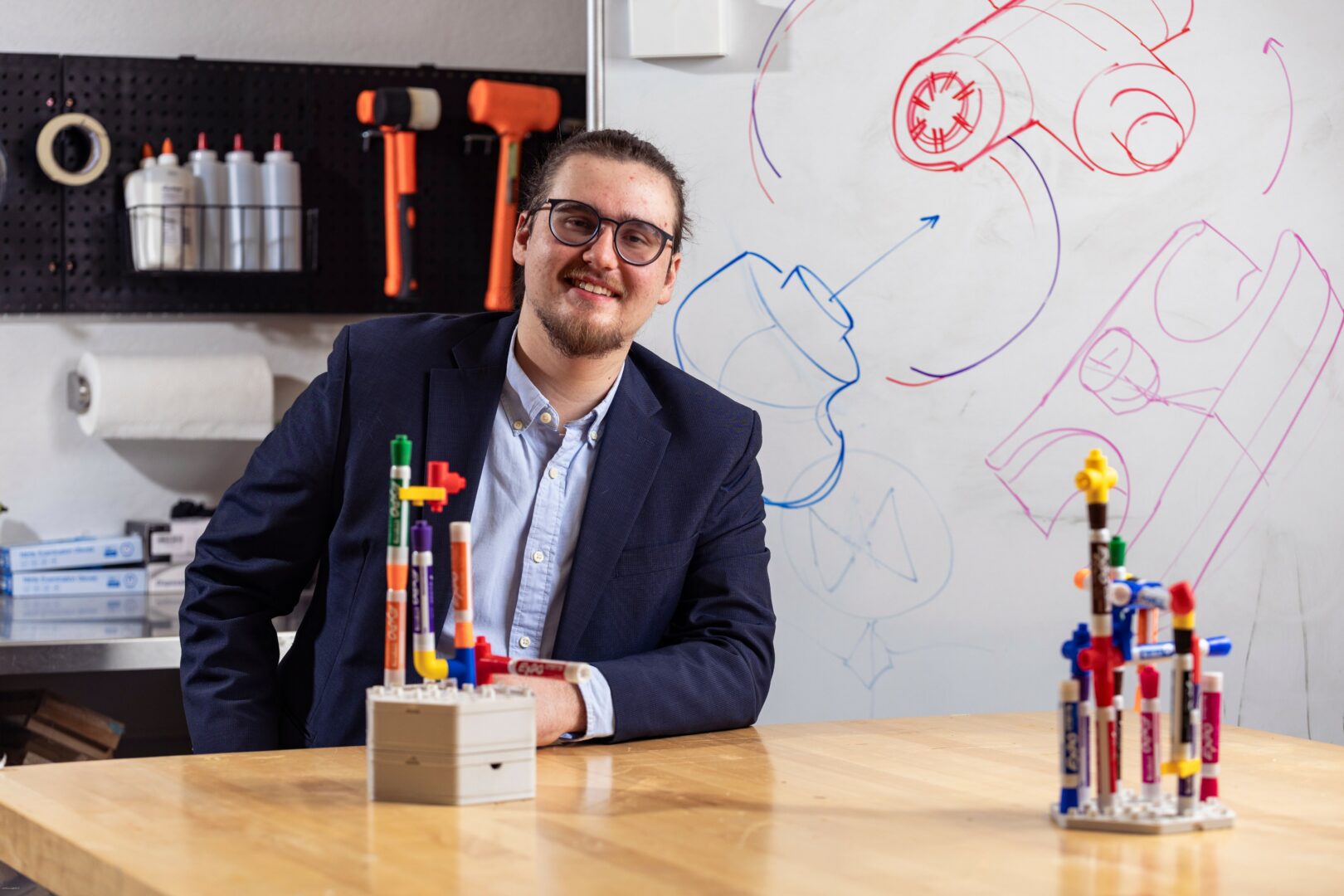
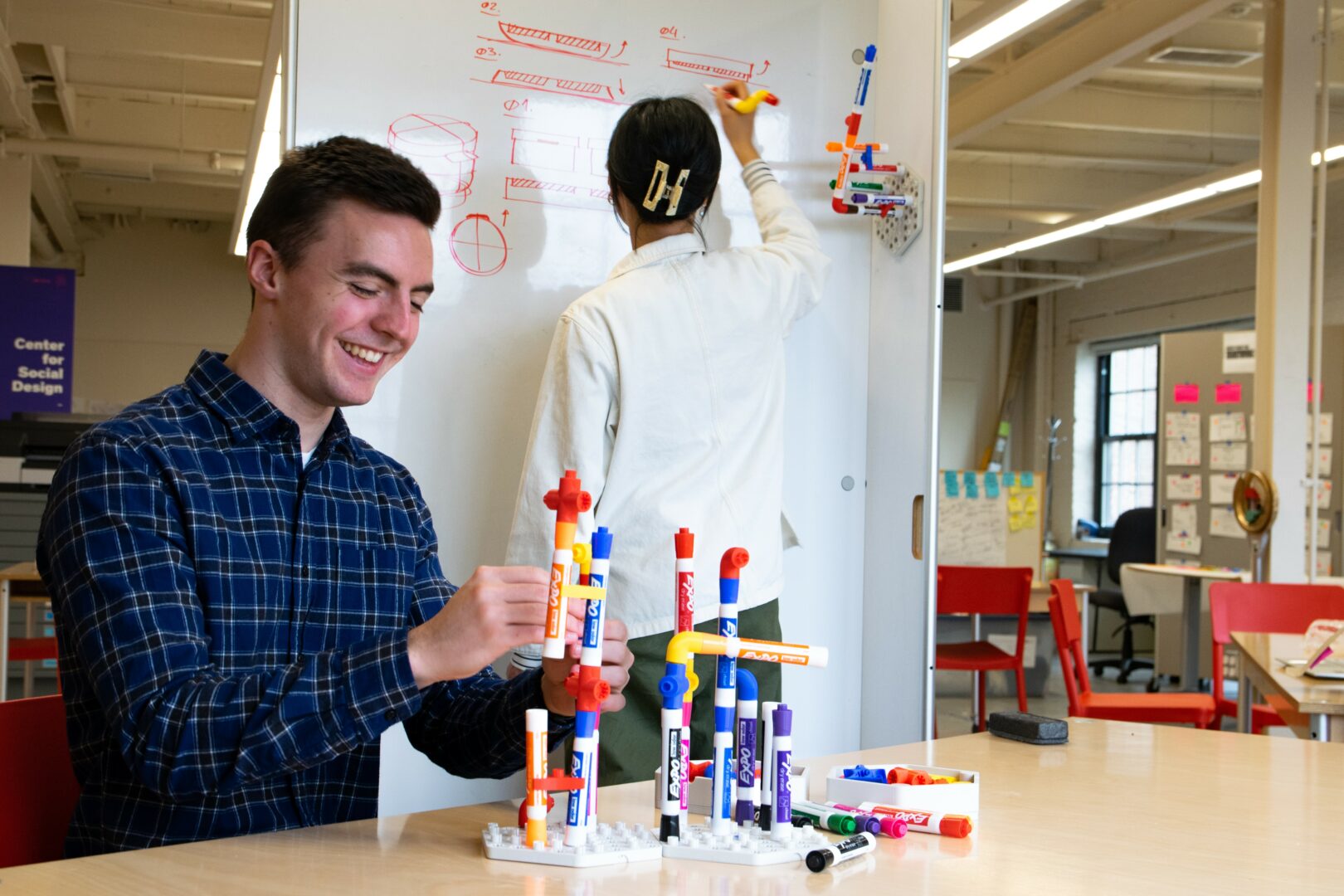
This ethos extends to my design work. Plexo, my take on systems toys, is an amalgam of connecting parts that are compatible with Expo Marker plugs and sockets. The Plexo system turns dry erase markers into building blocks. I find that systems toys like this allow me to tap into that creativity and serve as an outlet for the need to build and reconfigure and build again!

Thanks for sharing that. So, before we get any further into our conversation, can you tell our readers a bit about yourself and what you’re working on?
The initial spark for my vocational direction was in ancient artifacts. I had a mentor in high school who showed my class and I historical objects that have a story to tell. Often these would be tales of detailed historical settings, users for whom it was intended, and makers of these extraordinary things that transcend time. This great big story is something I knew I wanted to be a part of.
I then learned about the field of industrial design and knew that it would be the right direction for me to be a maker of things people care about while doing it through a creative design process. Throughout my time in MICA’s Product Design program I was able to explore these design aspirations through a variety of projects. This would culminate in my thesis work: Plexo.
Plexo started as a question: How can I design a system of play that could fit in an office workspace and engage adults in a collaborative way? From there I scoped out the current state of the office workspace by talking to office workers, design researchers, and workplace interior designers. I also visited various offices across Baltimore to get a sense of what is common between them all. Informed by this research I sketched out many different answers to my initial question and realized the opportunity around the dry erase marker ecosystem.
Whiteboards are where much of the creativity in an office workspace happens. The temporary nature whiteboards allow for all sorts of ideas, doodles, plans and drafts to occur without any stakes because it all can be wiped away just to be drawn on again. Inspired by this I honed in on the ubiquitous Expo Marker and noticed that there already was a building system through plugs and sockets, think marker swords. Thus, the Plexo system expands on this with physical connectors that plug into that existing system, turning markers into building blocks.
My thesis work would then lay the groundwork for my foray into entrepreneurship. I pitched Plexo as a business to MICA’s Upstart competition and by the end of the accelerator I was awarded a substantial amount of seed funding for Plexo.
Equipped with this funding and an LLC I have started the process of putting Plexo out into the world! Right now I’m undergoing research and design on the best way to go about manufacturing Plexo kits. Check out our website to put in a letter of intent to buy a Plexo kit and I’ll reach out when Plexo is ready for the market!
If you had to pick three qualities that are most important to develop, which three would you say matter most?
Throughout my own career journey I have learned many important lessons that have informed my method as a designer. Here are three pieces of advice I have for aspiring designers:
Spend time learning the skills of the trade! This is advice I have to people early in their design careers. As a student I would have bold expansive ideas for directions to take my project. This would often manifest in biting off more than I could chew with my skills at the time. One of my favorite ways to learn skills is through sketching and prototyping things that already exist and building a toolbox of skills to use when designing.
Understand the importance of effective storytelling. This soft skill is key to being a designer that works with clients and users! Industrial designers need to tell a story to communicate our ideas and intent to stakeholders in the project. Some key situations where storytelling is key is when speaking to users of your designed solution, communicating a design intent to a team, or when presenting a pitch as a design entrepreneur.
Take inspiration anywhere and everywhere! No two creatives draw their inspiration from exactly the same place and that’s why exploring the world can be so fruitful for a designer. One of my favorite ways to fill my mind with creative spirit is to go on walks through Baltimore, my home. On my walks I find myself drawing and photographing interesting material changes, forms I think are beautiful and aspects of the built environment I can bring into my own work. Going out and exploring will make any creative endeavor better informed.

As we end our chat, is there a book you can leave people with that’s been meaningful to you and your development?
Going back to my initial inspiration as a designer, A History of the World in 100 Objects by Neil McGregor was a book (and radio show) that was extremely impactful to me. It details a far-reaching history of the world through the lens of 100 selected artifacts. Each of these carefully selected artifacts tell a story that illuminates details of the historical setting in which it was made, who the intended user was and the hands that wrought it. As I mentioned earlier in the interview, I see my design work as a part of this epic tale told through the story of artifacts. I hope to continue to have my vision of a more fun and playful world be a part of that great big story.
Contact Info:
- Website: https://playplexo.com/
- Instagram: @playplexo
- Linkedin: https://linkedin.com/in/anthony-culp-117a6b225
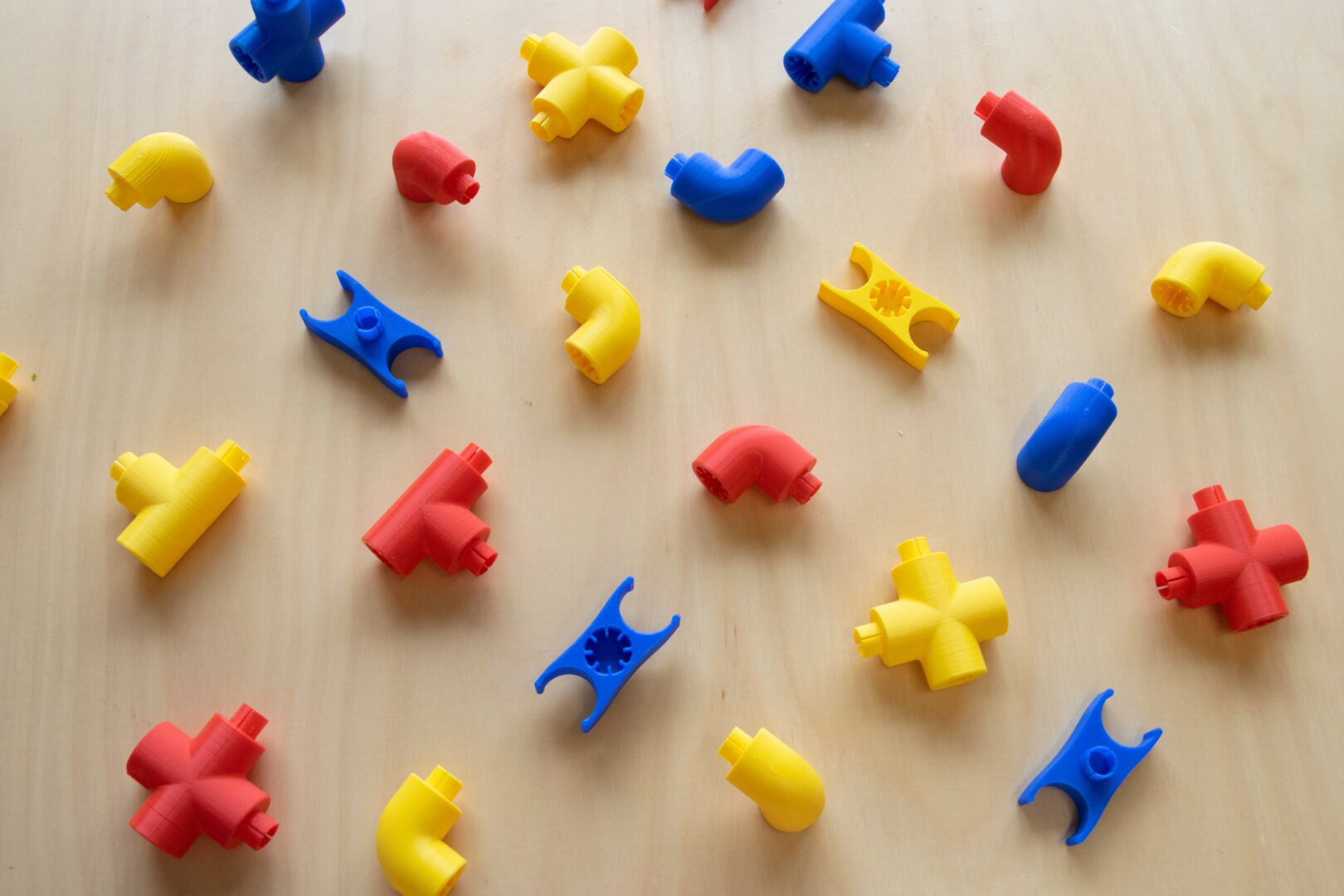

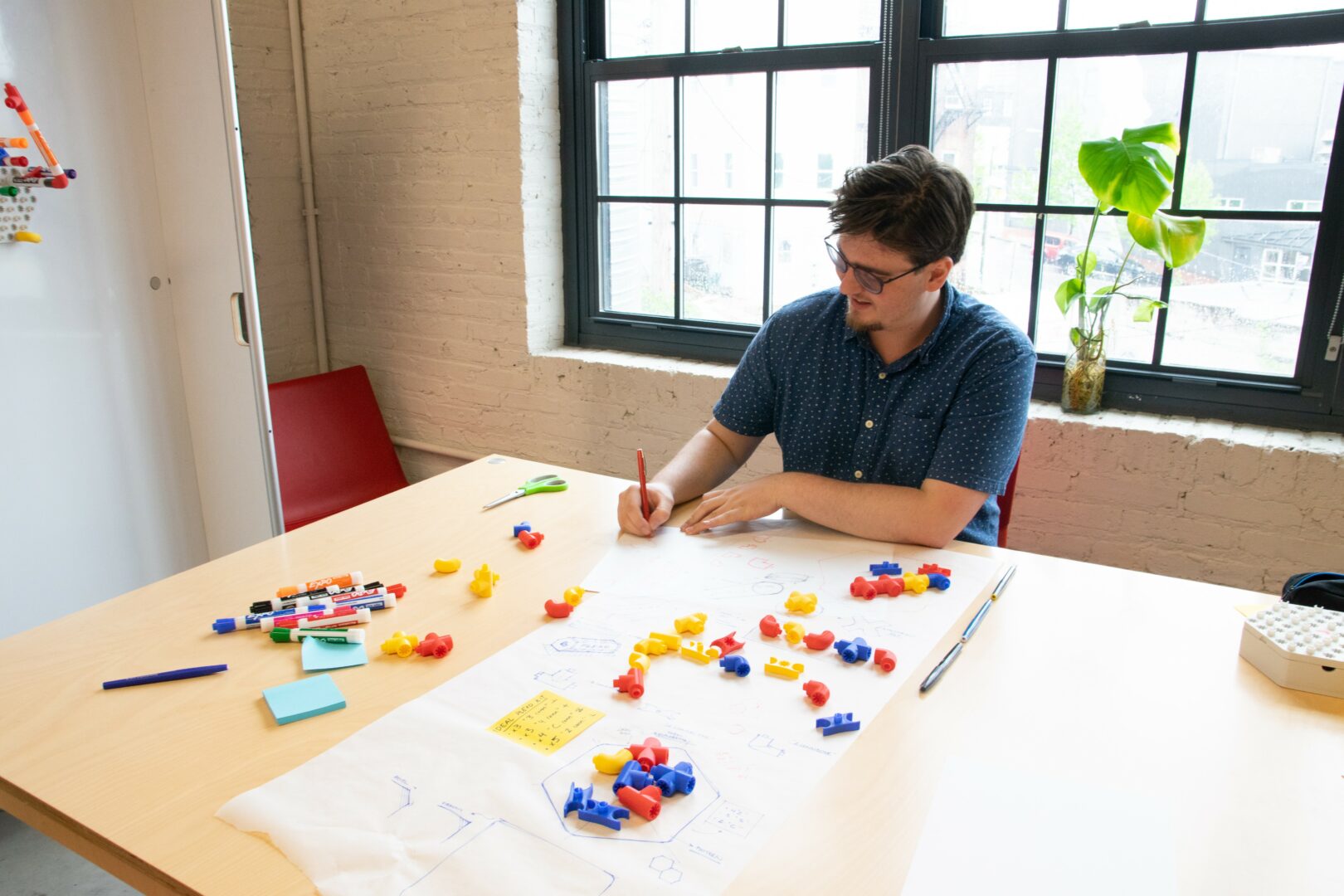
Image Credits
@andrugeorge cover photo
so if you or someone you know deserves recognition please let us know here.