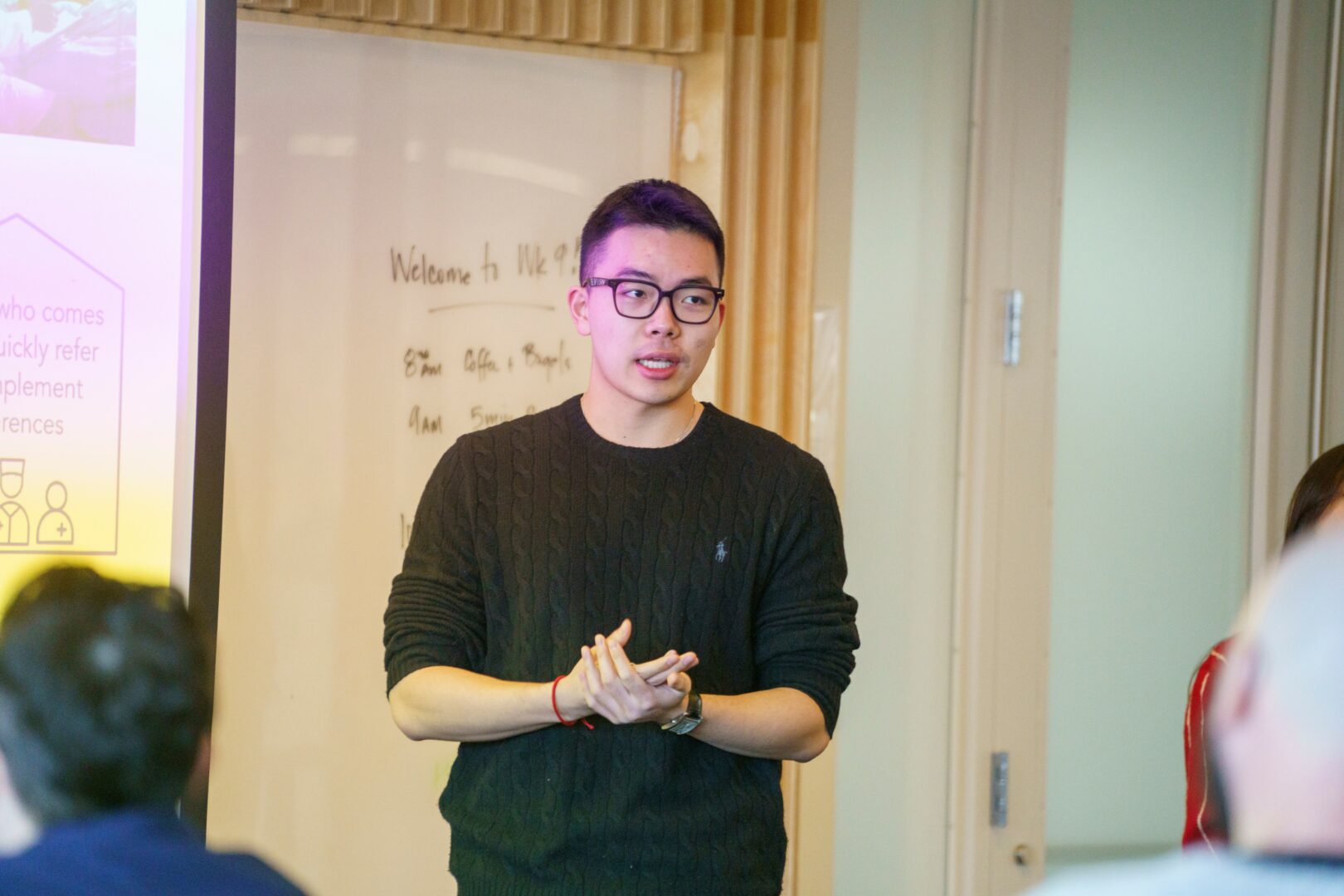
We’re excited to introduce you to the always interesting and insightful Zhipeng Wang. We hope you’ll enjoy our conversation with Zhipeng below.
Hi Zhipeng, appreciate you sitting with us today to share your wisdom with our readers. So, let’s start with resilience – where do you get your resilience from?
I get my resilience from reading and life practice. By reading many books, such as The Old Man and The Sea, I will summarize what I think is valuable and useful for my work and life. When I face challenge in work, such as I have too many tasks to accomplish at one time, I will use methods and mentalities I learned from books to overcome them.
Great, so let’s take a few minutes and cover your story. What should folks know about you and what you do?
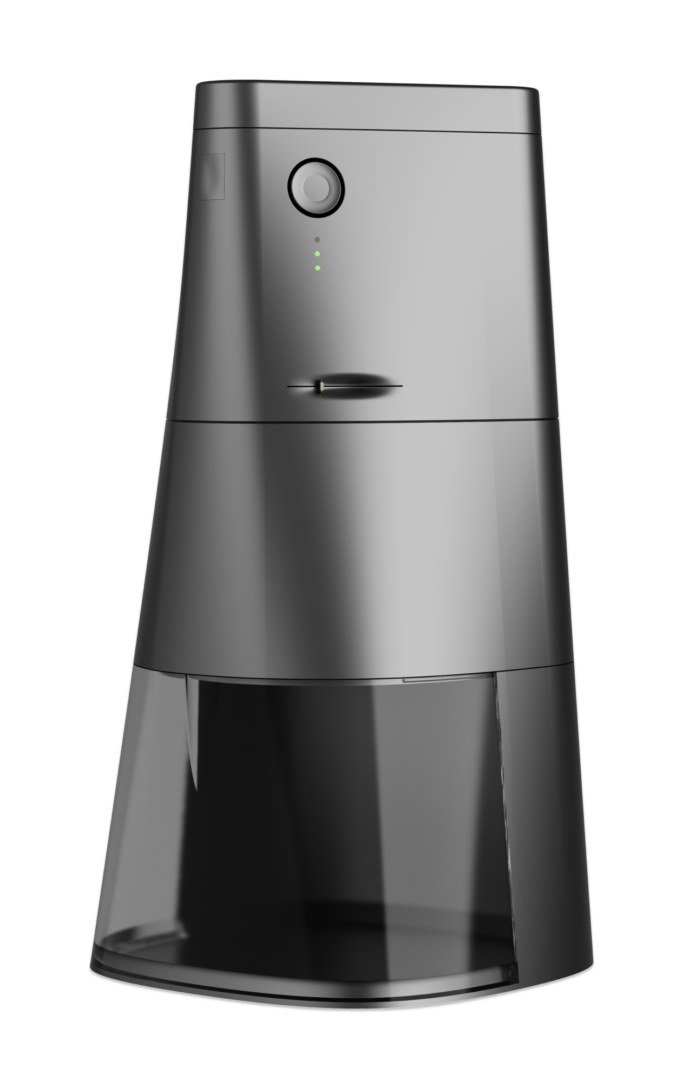
I am a product and interaction designer. Right now I am a master student as Northwestern University. Studying design has been a fascinating journey for me. It allows me to channel my curiosity to explore the world and create innovative products. I love every aspect of the design process—defining problems, discovering insights, applying research methods, and crafting thoughtful solutions. These design methodologies inspire and fuel my passion for what I do.
There is so much advice out there about all the different skills and qualities folks need to develop in order to succeed in today’s highly competitive environment and often it can feel overwhelming. So, if we had to break it down to just the three that matter most, which three skills or qualities would you focus on?
The ability to draw inferences and apply learned knowledge flexibly; learn new knowledge; and be honest to yourself.
Suggestions for folks in early in the journey:
Practice Critical Thinking: Always ask “why” when approaching a problem. Try to understand the root cause instead of addressing surface-level symptoms. Engaging in this habit trains your mind to infer deeper insights and make connections across different fields.
Embrace Iteration: Design is not about getting things right the first time. Iterate often, test your ideas, and reflect on what works and what doesn’t. This process helps you apply knowledge flexibly and adapt to changing needs.
Self-Reflection: Take time to assess your progress and challenges honestly. Identify gaps in your skills or understanding and work to address them. Being honest with yourself allows you to grow authentically and effectively.
What do you do when you feel overwhelmed? Any advice or strategies?
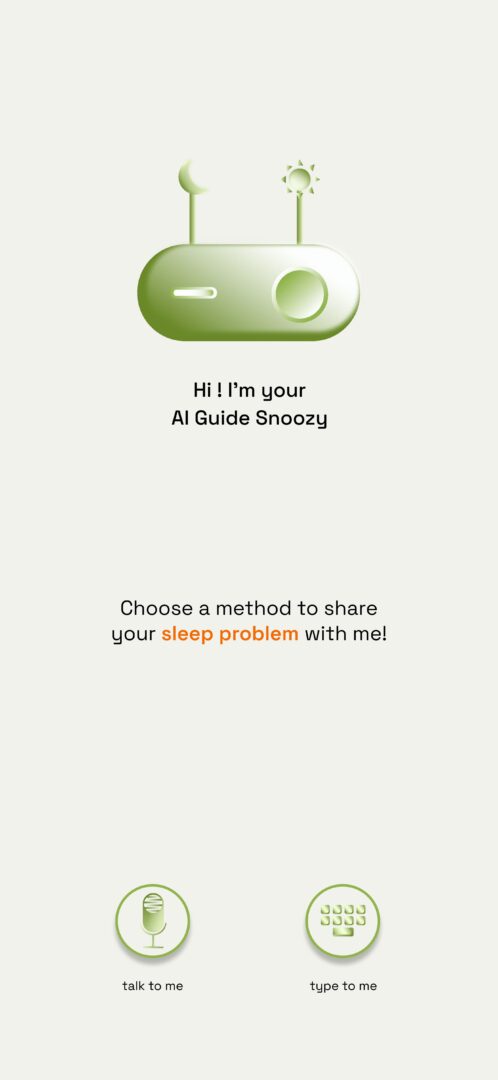
When I feel overwhelmed, I try to simplify my tasks and make them more manageable. Breaking down larger tasks into smaller, achievable steps helps me regain focus and reduce the pressure. Additionally, I dedicate one hour every day to meditation, which has been a transformative practice for me.
Meditation is not just sitting quietly; it’s a process of training the mind to find clarity and calmness amidst chaos. Here’s how I approach it in detail: First, I find a quiet and comfortable spot where I won’t be disturbed. I sit in a relaxed posture, either on a cushion or a chair, with my back straight but not stiff. I close my eyes and start focusing on my breath. I inhale deeply through my nose, hold for a few seconds, and then exhale slowly through my mouth. If my mind starts to wander, which is natural, I gently bring my focus back to my breath without judgment. Sometimes, I use guided meditation apps or soft background music to help me concentrate.
This daily practice allows me to clear my mind, reduce stress, and approach challenges with renewed energy and perspective. It’s a small investment of time with powerful, long-term benefits.
Contact Info:
- Website: https://zhipengw.com/
- Linkedin: https://www.linkedin.com/in/zhipeng-wang-88ab96291/
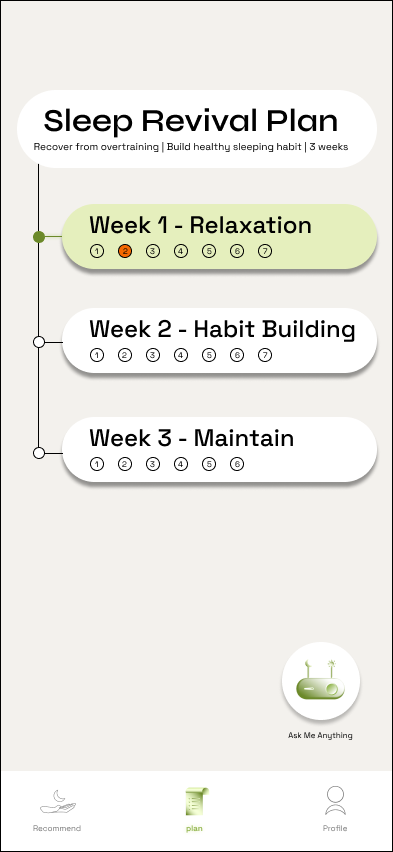
Image Credits
Mobile APP for better sleep
so if you or someone you know deserves recognition please let us know here.