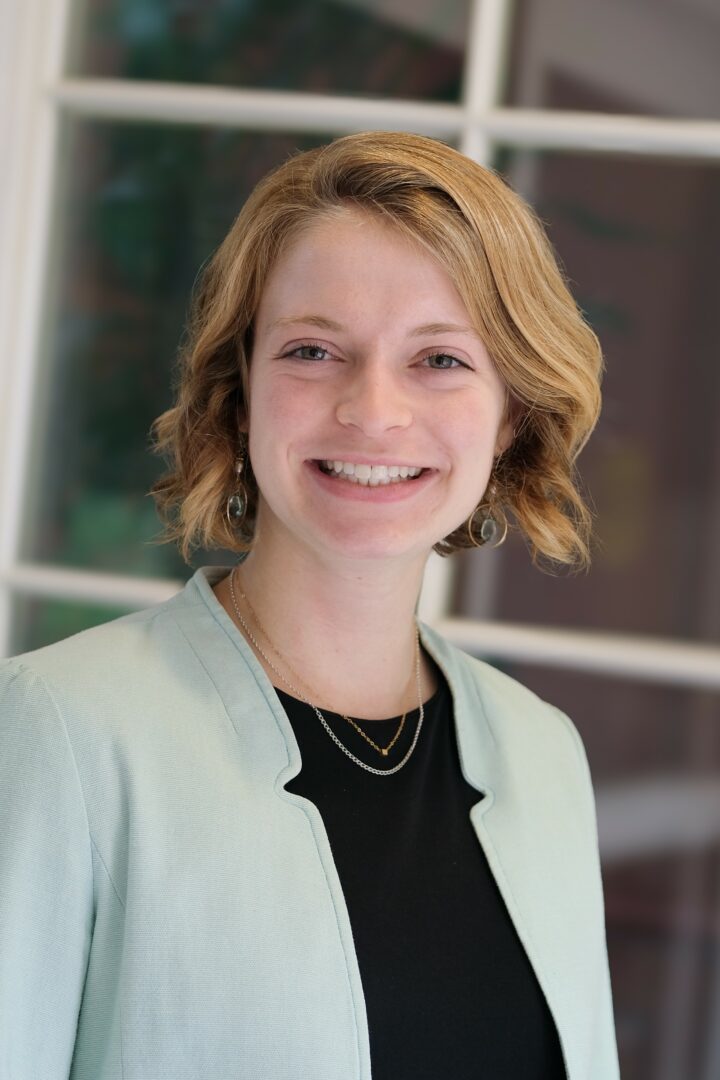
We were lucky to catch up with Sydney Russell recently and have shared our conversation below.
Alright, so we’re so thrilled to have Sydney with us today – welcome and maybe we can jump right into it with a question about one of your qualities that we most admire. How did you develop your work ethic? Where do you think you get it from?
I’d say my work ethic comes from my parents. My mom has always been a hard worker, and as I grew up, it was awesome to watch her climb the ranks and remain humble along the way. Though she works long hours, she still makes time for family. Her drive and ability to balance work commitments with other important parts of her life provided me with a great example of how I can do the same throughout my career.
My dad can tackle any project with optimism, unintimidated by the amount of time a task may take or how unfun it will be. He’s great at making mundane tasks fun and keeping a great attitude until the project is complete. Seeing my dad’s approach has shown me that I have control over how enjoyable a project can be. I can either dread a daunting new task or keep a good attitude and laugh through the more demanding aspects. The latter sounds much more enjoyable, and I strive to maintain this mindset as I take on any project at work or in other parts of my life.
Thanks, so before we move on maybe you can share a bit more about yourself?
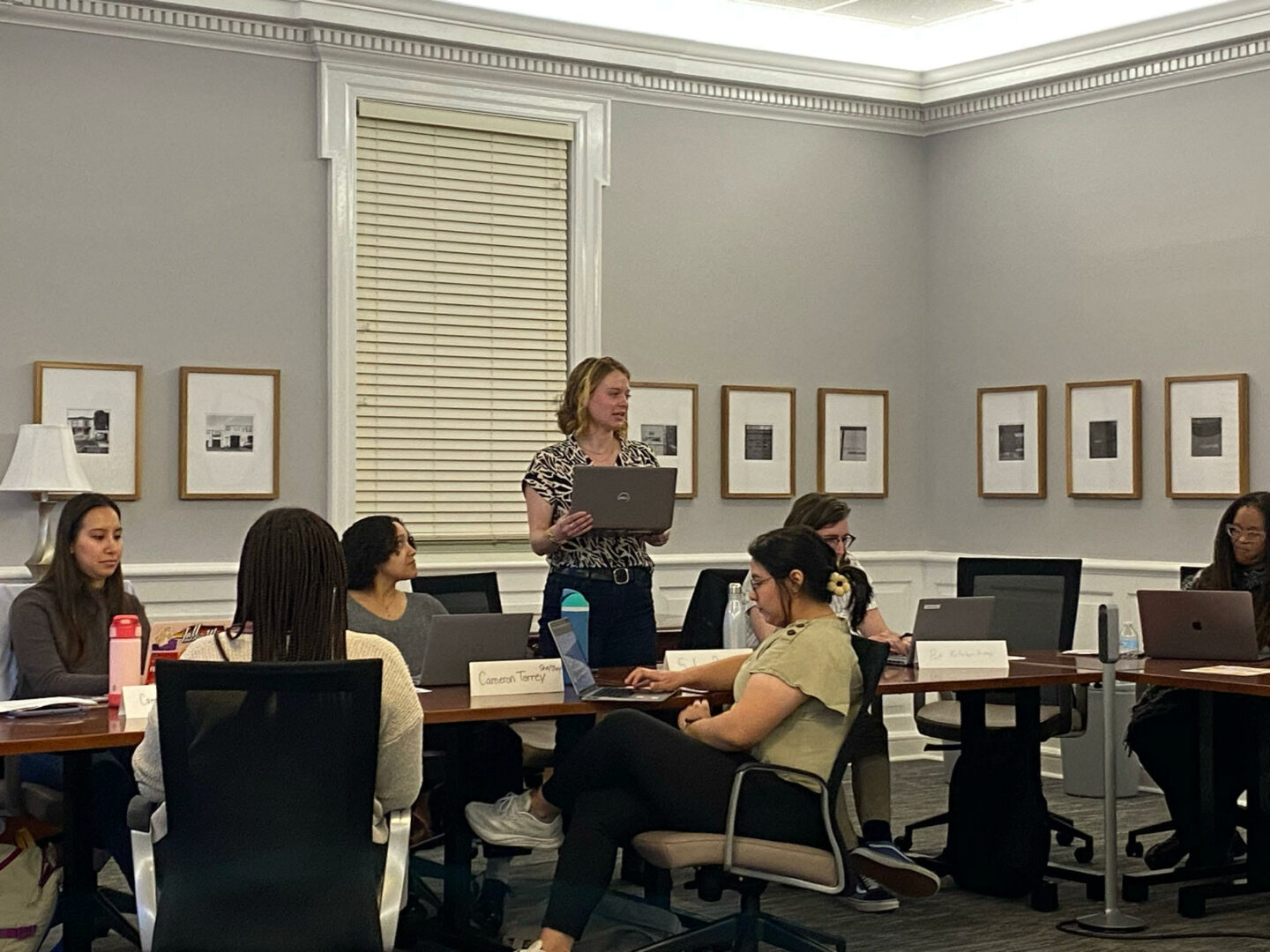
As a second year student in the Higher Education Administration Master’s program at NC State, I’ve been fortunate to work alongside and learn from some amazing teams. I’ve enjoyed working as a graduate assistant with NC State Innovation and Entrepreneurship and interning on the Marketing Team with UNC Executive Development.
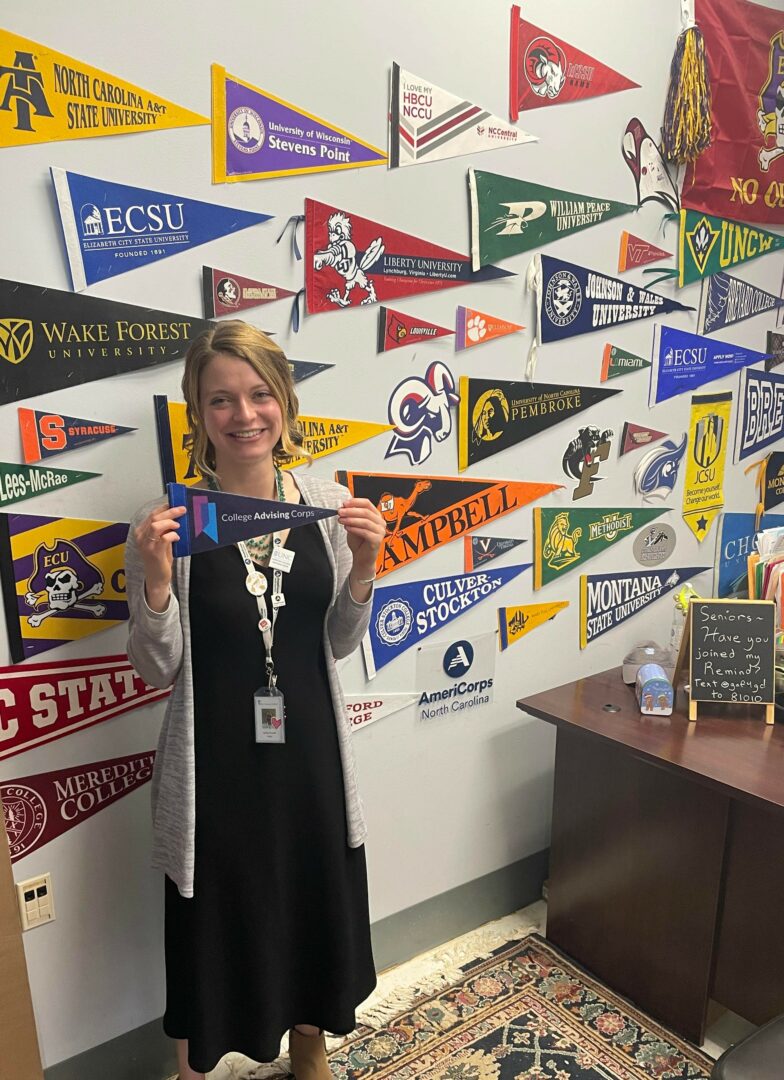
Prior to grad school, I served as a college adviser at a Title I high school with the College Advising Corps. I was lucky to love my first job, where I built relationships with high school students and supported them in getting on the best fitting post-secondary path. That role solidified my interest in student support and led me to pursue this Master’s. I also chose to enter graduate school because I wanted to buy myself two years to explore higher ed (and higher ed-adjacent) careers. I’ve prioritized meeting professionals across functional areas, and it has been fun having lots of conversations that leave me excited about different functional areas. My main interests are University Advancement, Institutional Strategy & Analysis, or continuing to work with Innovation and Entrepreneurship. Thanks to recent conversations with incredible people in NC State University Advancement, I’m most interested in being a frontline fundraiser, bridging the needs of a college and the goals of donors. After building a community at NC State, I hope to work here after graduation. I’m excited to enter this last semester of grad school with a strong idea of what I want and an open mind to other possibilities.
Looking back, what do you think were the three qualities, skills, or areas of knowledge that were most impactful in your journey? What advice do you have for folks who are early in their journey in terms of how they can best develop or improve on these?
The first factor that has contributed to my journey has been my general curiosity about what motivates people. Connecting with people across functional areas has opened my eyes to a sea of possibilities in and relating to higher education. Thanks to these conversations, I have a strong handle on what I want in my career, and I’ve built relationships I’m excited to develop in the future.
I’m also a firm believer in having a healthy relationship with feedback and constructive criticism. I regularly ask peers and friends questions like, “I’m hearing this. Is there anything I’m missing?” or “I don’t think I handled that as well as I could have. Do you have any ideas for how I can do that differently next time?” I’ve also learned how to process my emotions quickly surrounding feedback. Of course, it’s okay to be a little upset when you hear some tough feedback. But the sooner you can accept constructive criticism and make a game plan for how to move forward, the sooner you can get to work on doing better next time.
Lastly, I understand that it’s okay to be wrong, and sometimes it’s good to be wrong to grow from it. A mistake doesn’t define you, but how you choose to handle that mistake does. Owning errors and being resilient in working through them is how you can grow and keep moving forward.
Who has been most helpful in helping you overcome challenges or build and develop the essential skills, qualities or knowledge you needed to be successful?
Though I’ve enjoyed this transitional period of graduate school, there naturally have been challenging moments. My supervisor in NC State Innovation & Entrepreneurship has been a phenomenal support as I’ve navigated big questions surrounding my career goals. He asks the right questions to get me thinking, provides honest feedback, and points out strengths that I don’t see. He reminds me that it’s okay to not know what I want to do for my entire career and instead focus on what I want to do first. The more I work, the more I value having a great supervisor, and my current supervisor has gone above and beyond to make sure I’m making the most of these two exploratory years of graduate school.
Contact Info:
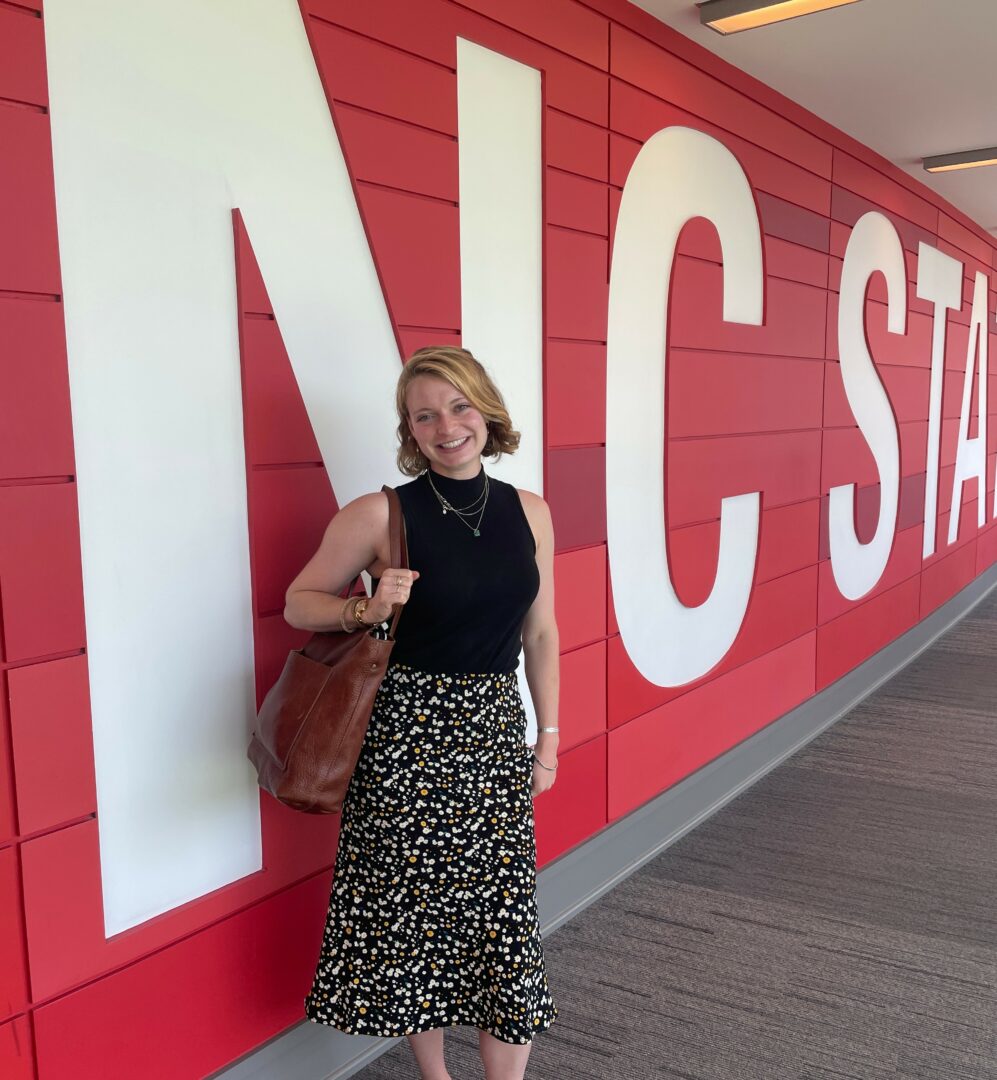
Image Credits
The headshot was taken by Melanie Busbee
so if you or someone you know deserves recognition please let us know here.