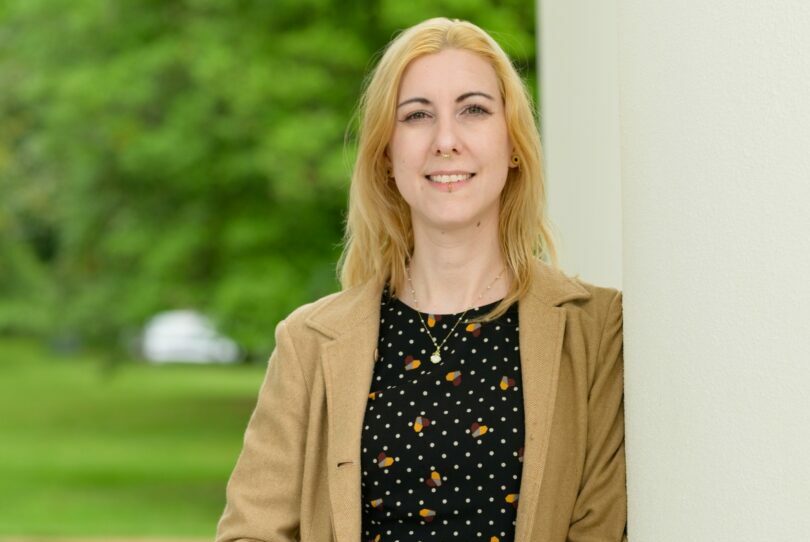
We caught up with the brilliant and insightful Kelsey Elder a few weeks ago and have shared our conversation below.
Hi Kelsey, really happy you were able to join us today and we’re looking forward to sharing your story and insights with our readers. Let’s start with the heart of it all – purpose. How did you find your purpose?
In reflection, I found my current purpose by allowing things to ‘stick’ to me and paying attention to them as I developed as a designer and educator. The things that have always intrigued or inspired us often help illuminate our purpose and passion. I have always been interested in the expressive power of letterforms in everyday spaces, such as storefront signage, neon signs, and murals. Documentation of them fills my phone and covers the wall in my studio. As a kid, I noticed people’s handwriting and constantly drew letters. This curiosity grew as I pursued college and graduate school. These academic environments fostered my understanding of how design and language connect people and tell their stories.
Throughout my journey, I have followed what I felt curious about. That led to my love for typography, interest in technology’s role in design, and belief in creative practices’ transformative potential. Along the way, my purpose has continued to shift; from being a designer professionally to becoming an educator. I’ve learned that finding purpose is less about chasing one epiphany–or large moments–and more about noticing what consistently excites you and then committing to exploring it further..
Great, so let’s take a few minutes and cover your story. What should folks know about you and what you do?
My name is Kelsey Elder, and I’m a graphic designer, typographer, and educator whose work centers on the intersection of language, technology, and culture. As a designer, I am deeply fascinated by the role visual language plays in shaping how we communicate, connect, and understand each other. My practice includes typeface design, lettering, identity systems, and computational tools, all focusing on fostering more expressive and equitable linguistic futures. What excites me most about my work is typography’s ability to archive and share stories, culture, and history. Type designers are responsible for stewarding the language traditions of our ancestors past, present, and future, and innovate new ways to express language through visual means. I believe in the power of design to spark curiosity, foster connection, and promote more just futures.
One of my most recent projects is Labore, a variable font superfamily that supports over 435 languages. It was deeply supported by research conducted at the Museum Plantin-Moretus where I studied the relationship of Renaissance-era foundry type and the early 19th-century automation processes of the Monotype, Linotype, and Intertype machines. These technologies illuminate the relational processes through which the Latin script became mechanized. Studying them, in combination with the emergent formats of today, demonstrates the omnipresent influence these archetypal Western technologies have on the evolution of type design tools. The transition from the hand (calligraphy) to the machine (fonts) has had a profound and lasting impact on the evolution of scripts and visual communication. I was curious about mapping the legacy of these technology’s in the modern era and how the observed principles may aid in the workflow and technical needs of creating variable font families for the Latin script. The creative outcome of this effort is a variable font superfamily that will be released soon.
In my current teaching, I focus on reducing barriers for students engaging with typography and computational design. I aim to empower designers to innovate tools reflective of their identities and experiences. Gravity Racer is a project that supports this pedagogical approach. It is a family of typefaces that explore emergent font formats, including variable fonts, color fonts, layer fonts, non-linear interpolation, and scripting. These fonts are rendered in custom tools designed to help handle and document these complex files.
There is so much advice out there about all the different skills and qualities folks need to develop in order to succeed in today’s highly competitive environment and often it can feel overwhelming. So, if we had to break it down to just the three that matter most, which three skills or qualities would you focus on?
The three qualities that have had the most significant impact on my journey have been curiosity, adaptability, and collaboration. Curiosity drives me to explore typography’s cultural and technical depths, adaptability has helped me shift to the ever-evolving tools and practices of design, and collaboration has taught me the value of shared knowledge and collective creativity.
For those starting out, I would say embrace risk-taking, seek feedback, and build connections. Staying curious and open will lead to unexpected opportunities and growth.
Any advice for folks feeling overwhelmed?
When I feel overwhelmed, I rely on structure and intentionality to regain control of my time. I’m a big fan of scheduling my week to make responsibilities and capacities visual… How many hours do you have and what needs to be done? This helps me pace tasks and ensures I’m not overloading myself. For larger goals, I dedicate routine, focused time each week to chip away at them. Breaking big projects into smaller, manageable milestones reduces the weight of the final outcome and keeps progress steady.
When planning the week, it’s equally important to carve out time for recovery. I prioritize rest, eating well, and doing things that bring me joy, like being with my family and cats. These moments of care allow me to recharge and approach challenges with greater clarity and resilience. My advice? Make time for both work and rest—it’s this balance that helps us move forward without burning out.
Contact Info:
- Website: kelseyelder.xyz
- Linkedin: https://www.linkedin.com/in/kelsey-elder-xyz/

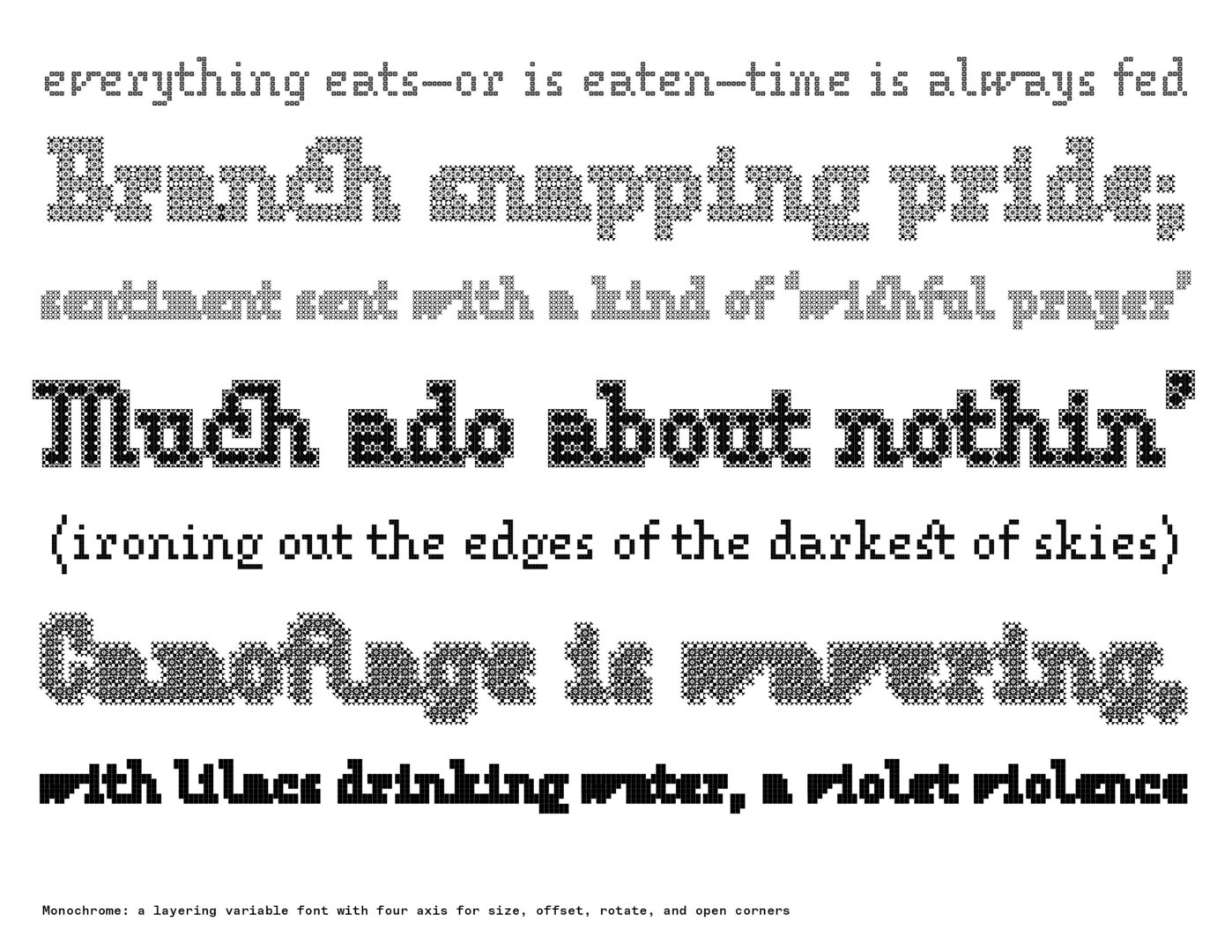
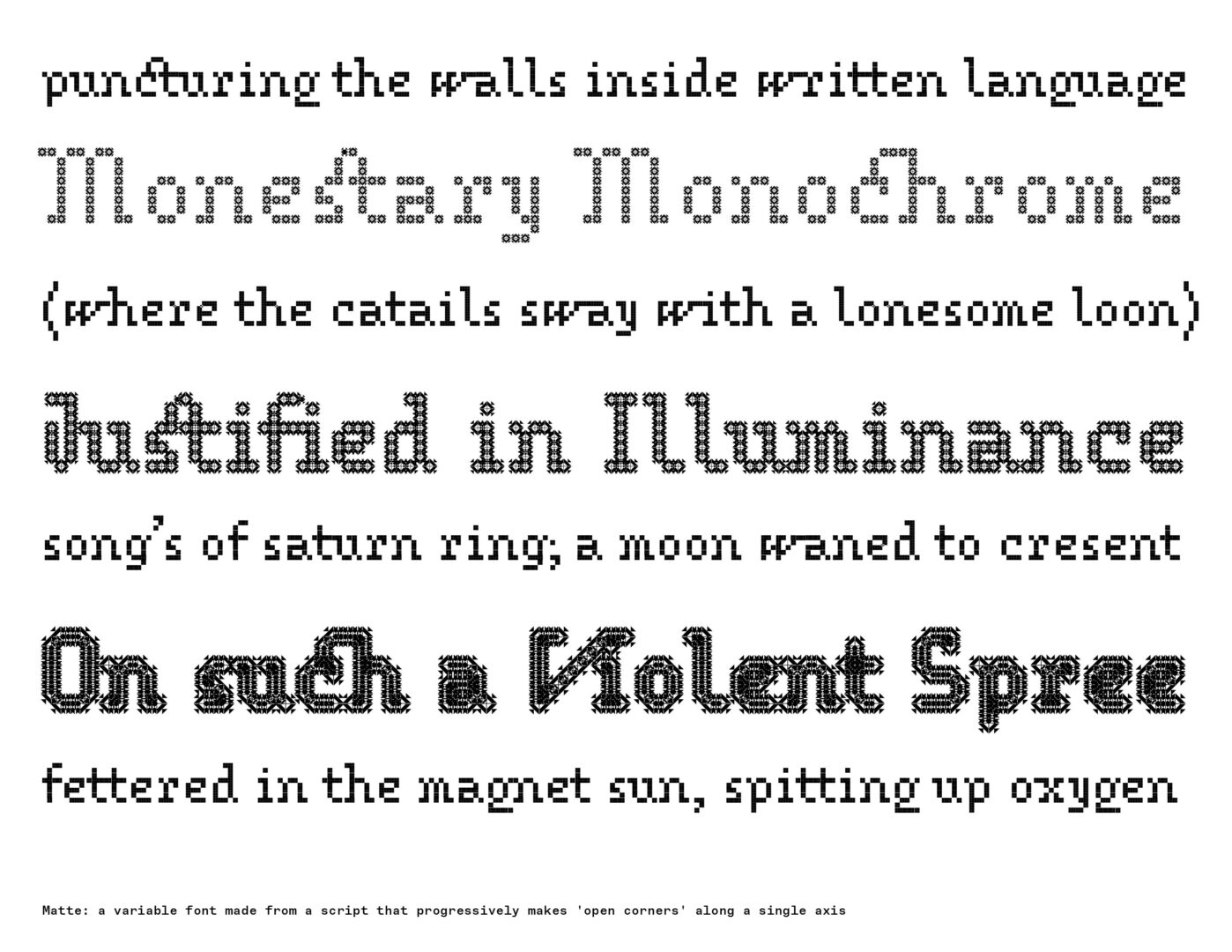
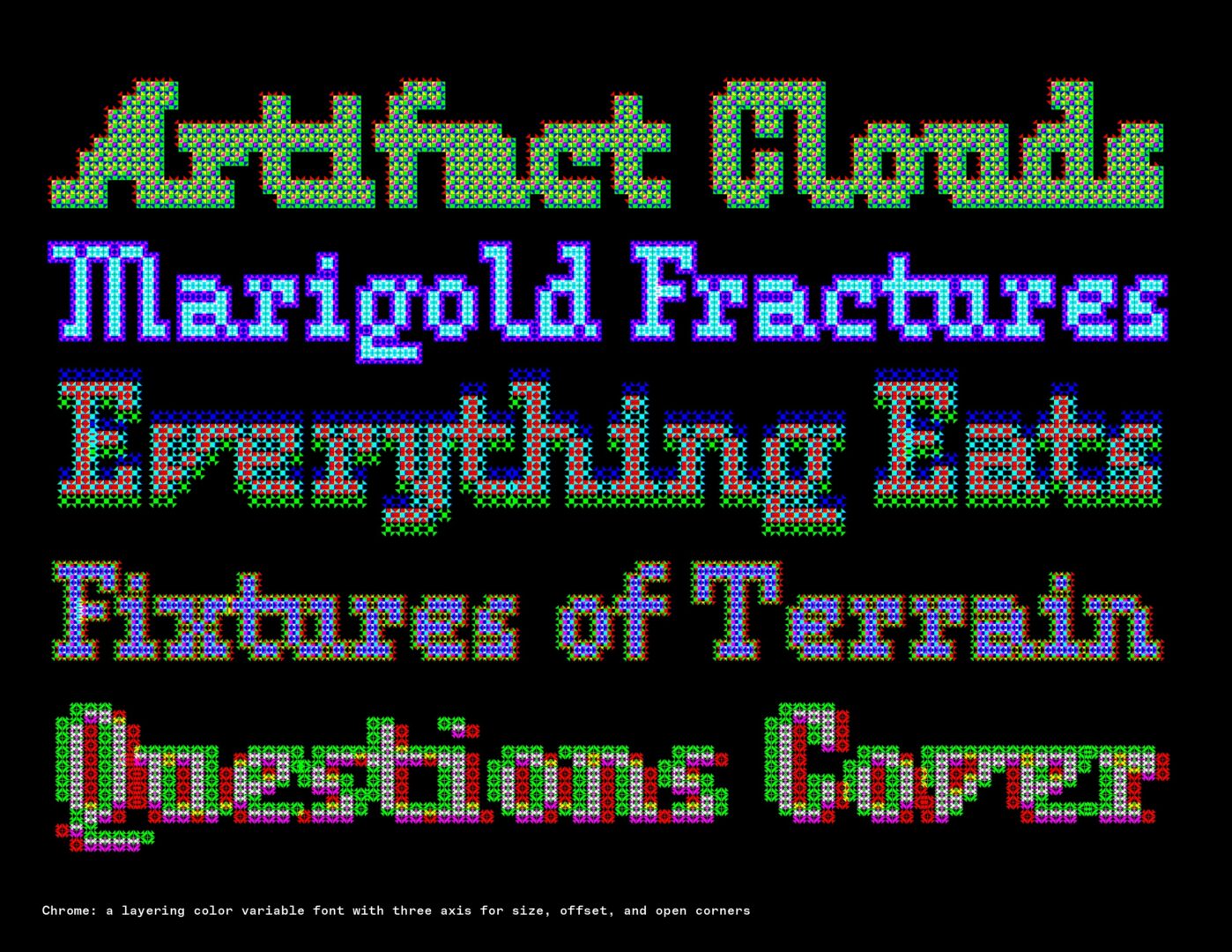
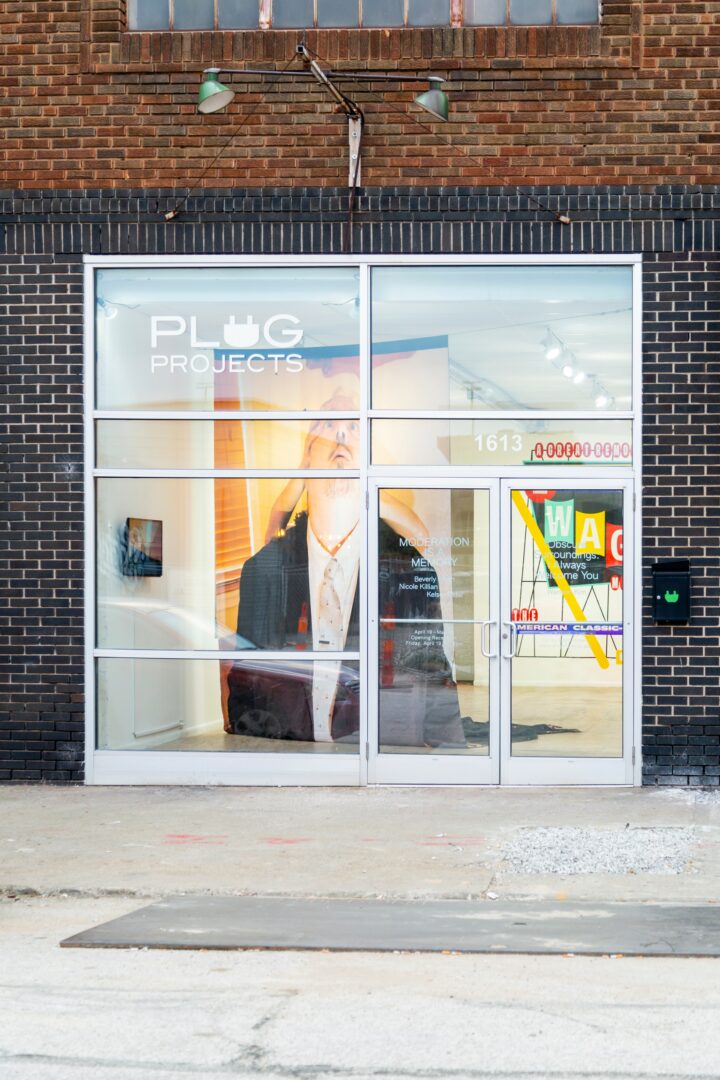
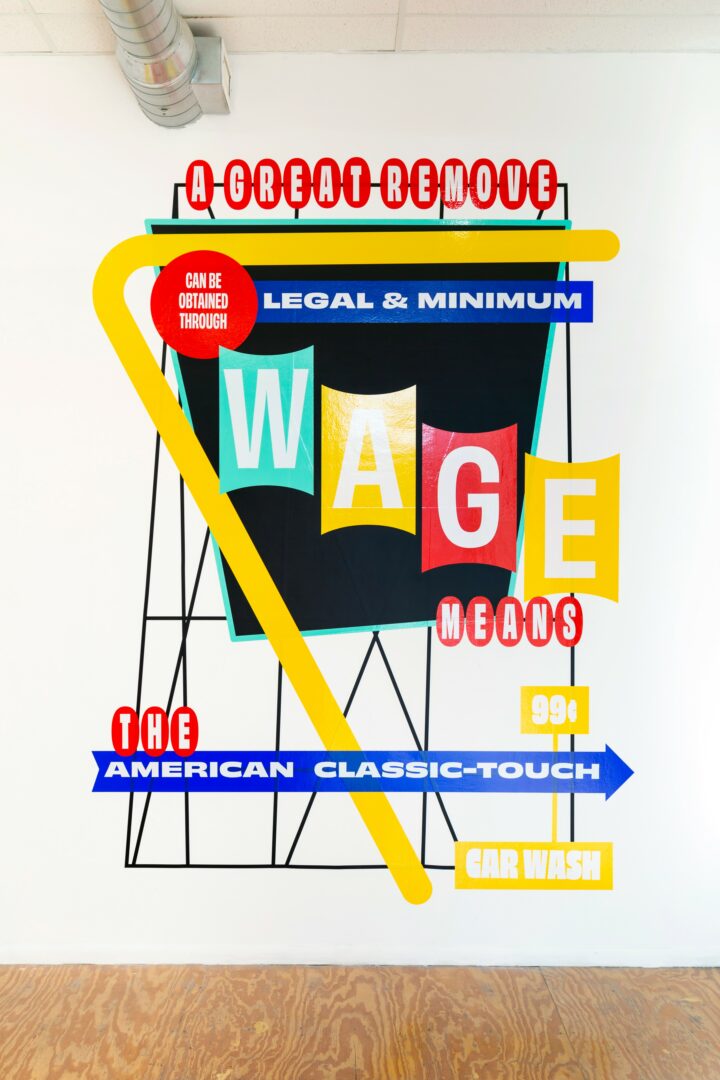
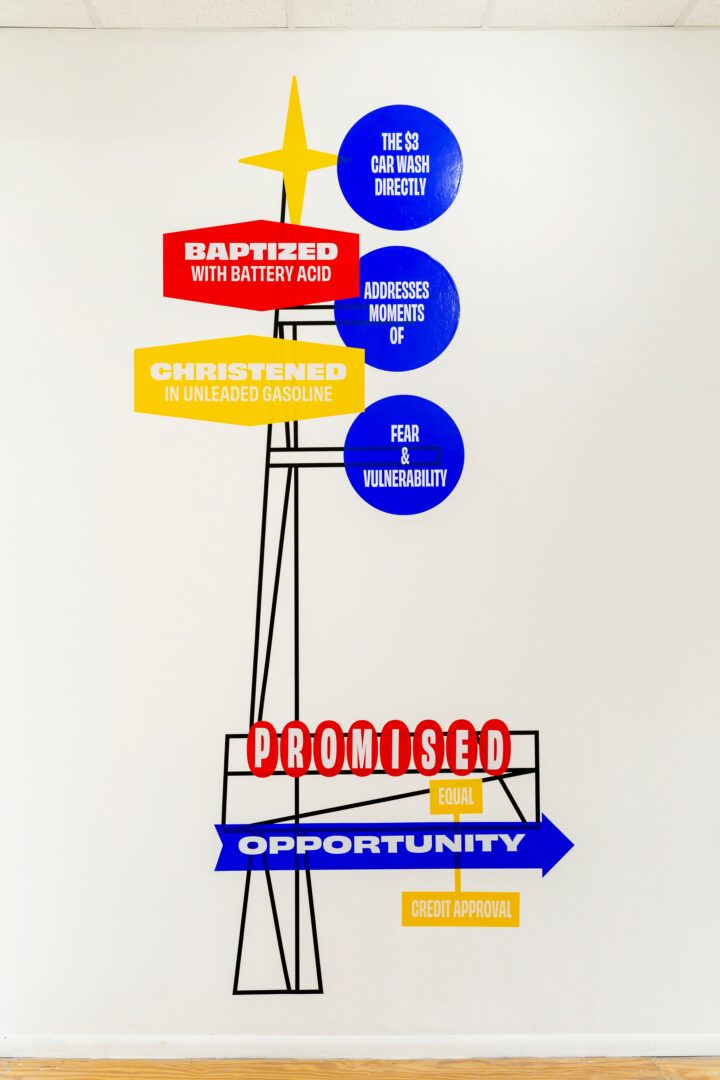
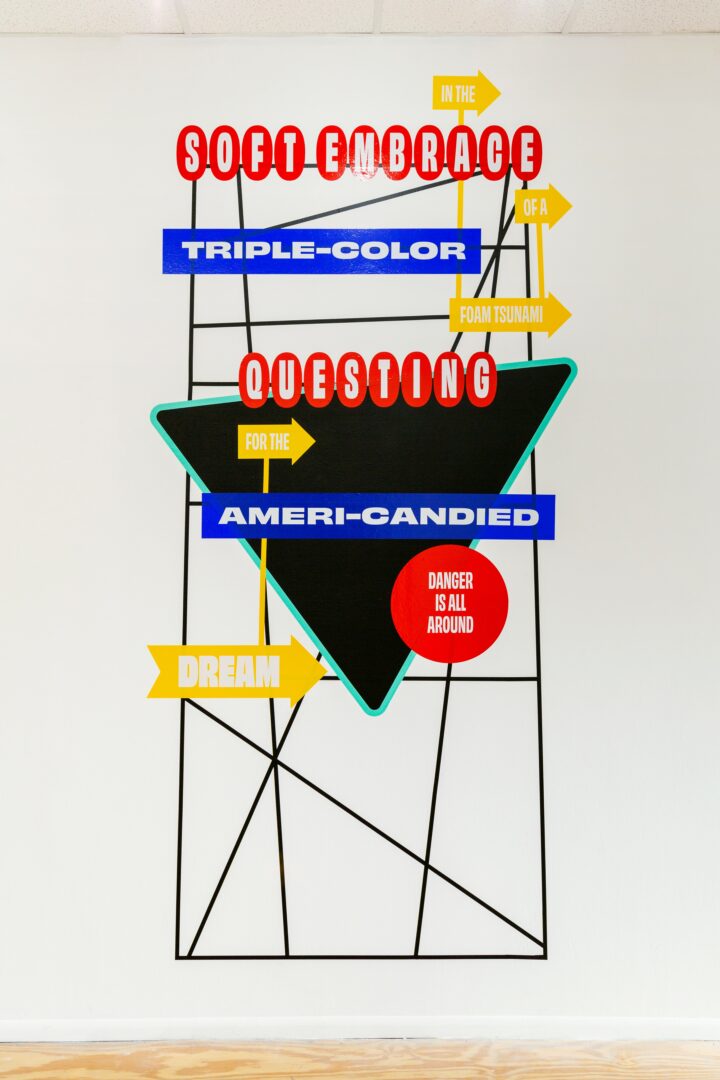
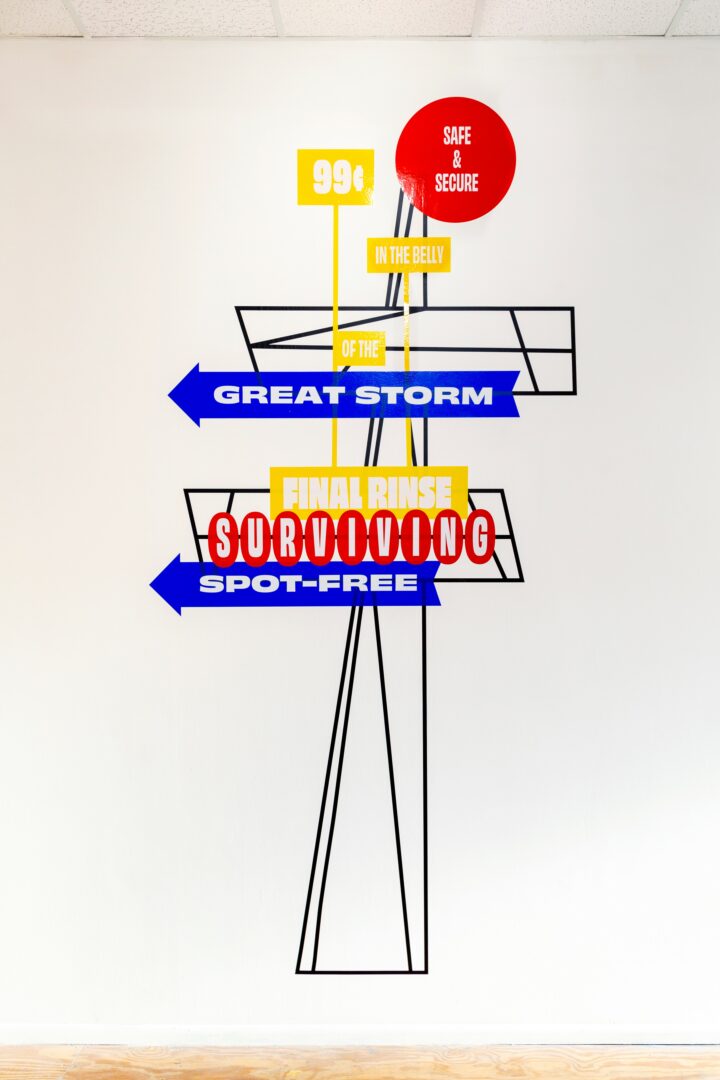
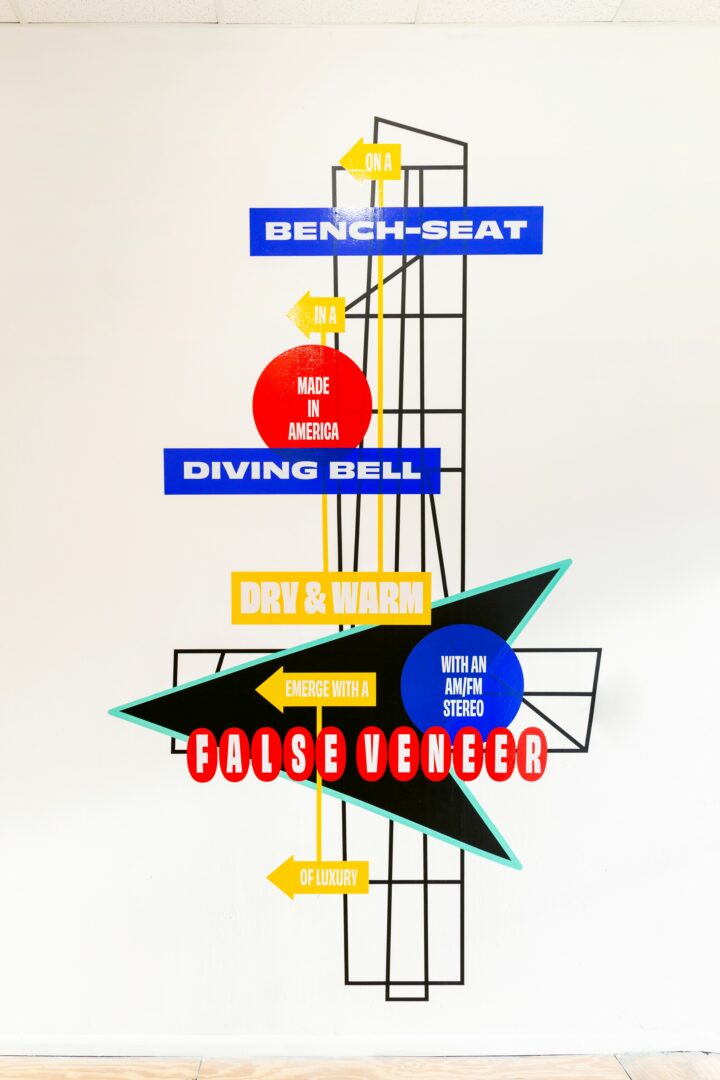
Image Credits
Personal Image: Joe Lyons, Marketing and Communications Manager Moderation Is A Memory documentation: Logan Acton, Curator PLUG Projects