We caught up with the brilliant and insightful Rita Veneziale a few weeks ago and have shared our conversation below.
Rita, so good to have you with us today. We’ve always been impressed with folks who have a very clear sense of purpose and so maybe we can jump right in and talk about how you found your purpose?
My life in music started when I was very young. My father is a musician. I grew up with him playing the guitar every night before bed. He didn’t play for anyone, just always back in his office playing random songs, little things that he was learning on his own, and things that he came up with by himself. I had wanted nothing else but to be like my dad and play the guitar. So my dad put me in piano lessons. This is funny to look back on, but he always had the right reason for it, and I don’t think he ever imagined where it would get me. He put me in piano lessons because he wanted me to learn music, not just an instrument. He wanted me to be a well-rounded musician and knew the piano could get me there faster than any other instrument. So I never learned to play the guitar, like he may have imagined me to. However, I took a rather unsuspecting path.
As I got older, my skills developed. I picked up new instruments, took every music class my high school had to offer, and participated in multiple ensembles. But performing was not my strong suit, nor was it my true passion. It was when I was tasked with the assignment to write something of my own that everything snapped into place.
I fell in love with writing music. It feels natural. The notes, the melodies, and the harmonies just come to me. There is nothing else I want to do. It’s as though that is what I meant to do. My parents always told me that I should choose a career that makes me happy, and I am so grateful to have found it.
Great, so let’s take a few minutes and cover your story. What should folks know about you and what you do?
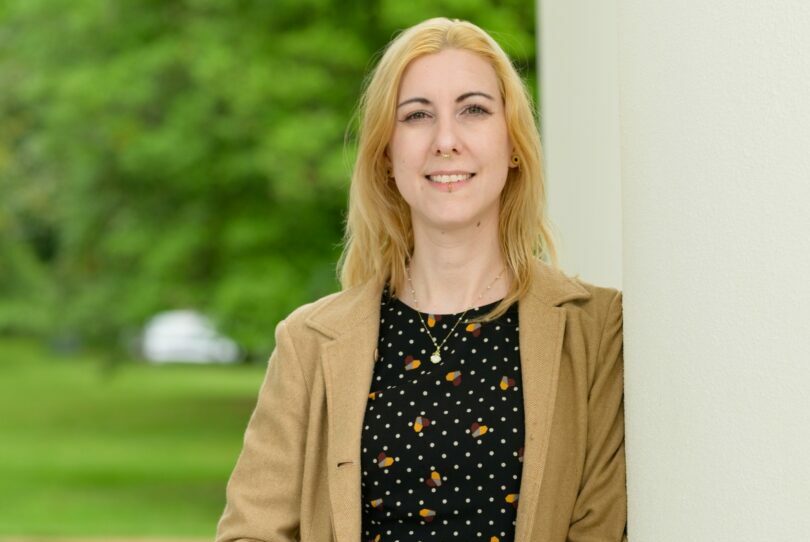
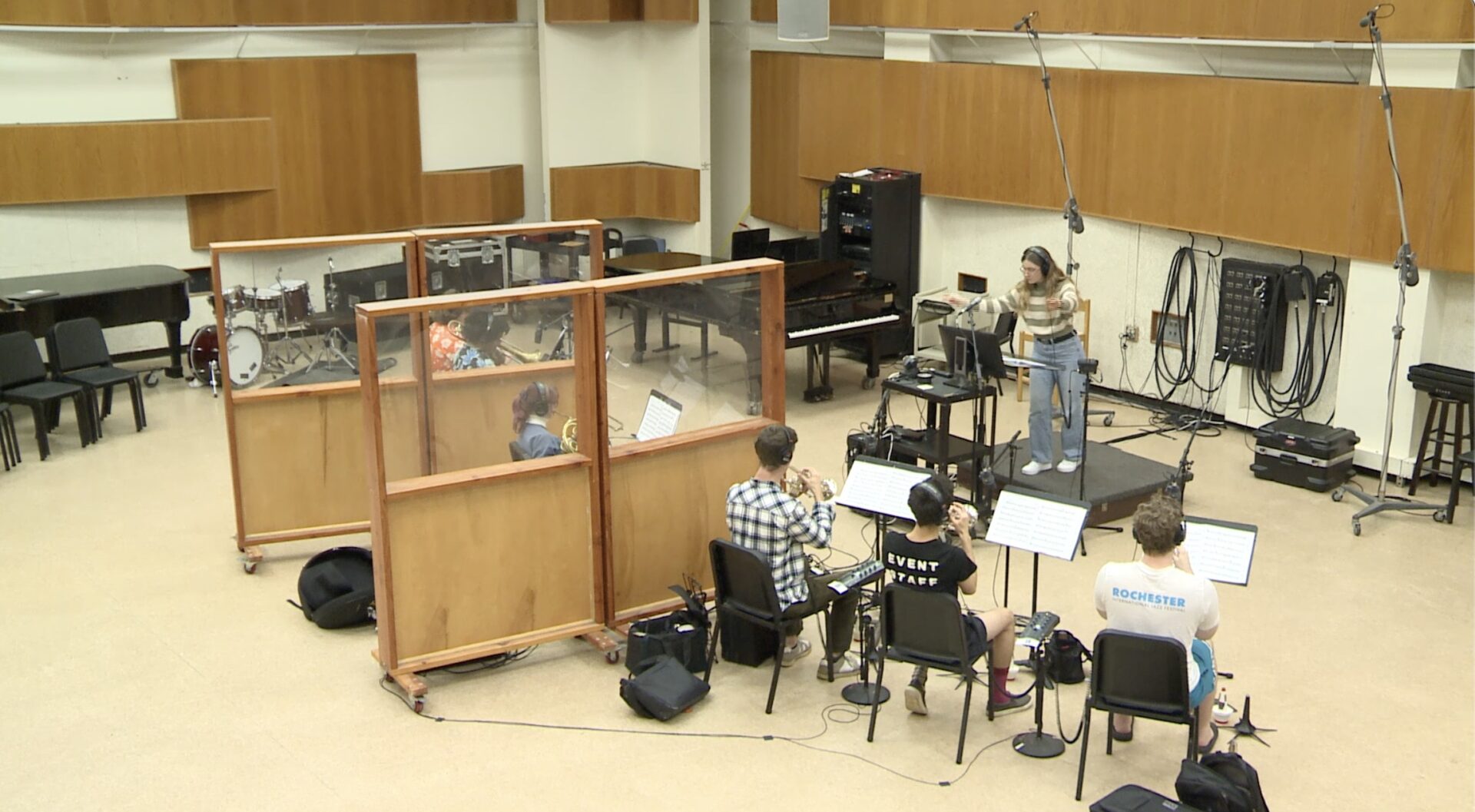
I am a composer of both film and concert music. I received my Bachelor of Music in Music Composition from Nazareth University in May of 2024 and am now pursuing my Masters in Contemporary Media/Film Composition from the Beal Institute at the Eastman School of Music in Rochester, NY.
As I write, I’m constantly chasing a physical emotion. Whether that be the sinking feeling in my chest, or laughter at the end of the piece, my main objective is to realize the emotion. However, I don’t usually start with the emotion in mind. The music is already written in my head. I’m just completing a glorified dictation exercise. As I start to uncover the ideas, the emotion begins to present itself. After that, I play a game of chase with the piece. It will tell me how to feel, and I work to represent that.
Film music presents another layer of complexity that I find interesting and exciting. There is only so much emotion that an image can be expressed through the screen. But music allows us to connect and forces us to feel. Sometimes, the music lets you in on secrets. It can foreshadow a scene without directly showing you what happens with a simple motif. Or it can be more explicit. Show that an object or action is more significant than it appears just by the tone color. That’s what I love about film music: the little details.
As I develop my career and learn more about my compositional style, it is important to me that my journey is transparent. So, in my first year of undergrad, I started a blog on my website. Here, I share all the achievements, struggles, and choices I make while finding my way through the music industry. I want to be an outlet and resource for others starting their compositional life. Also, the blog has become a point of self-reflection for me. It allows me to analyze what I’m working on. The blog makes me own my mistakes and forces me to be honest with myself. It gives me the space to enjoy success and be grateful for my opportunities.
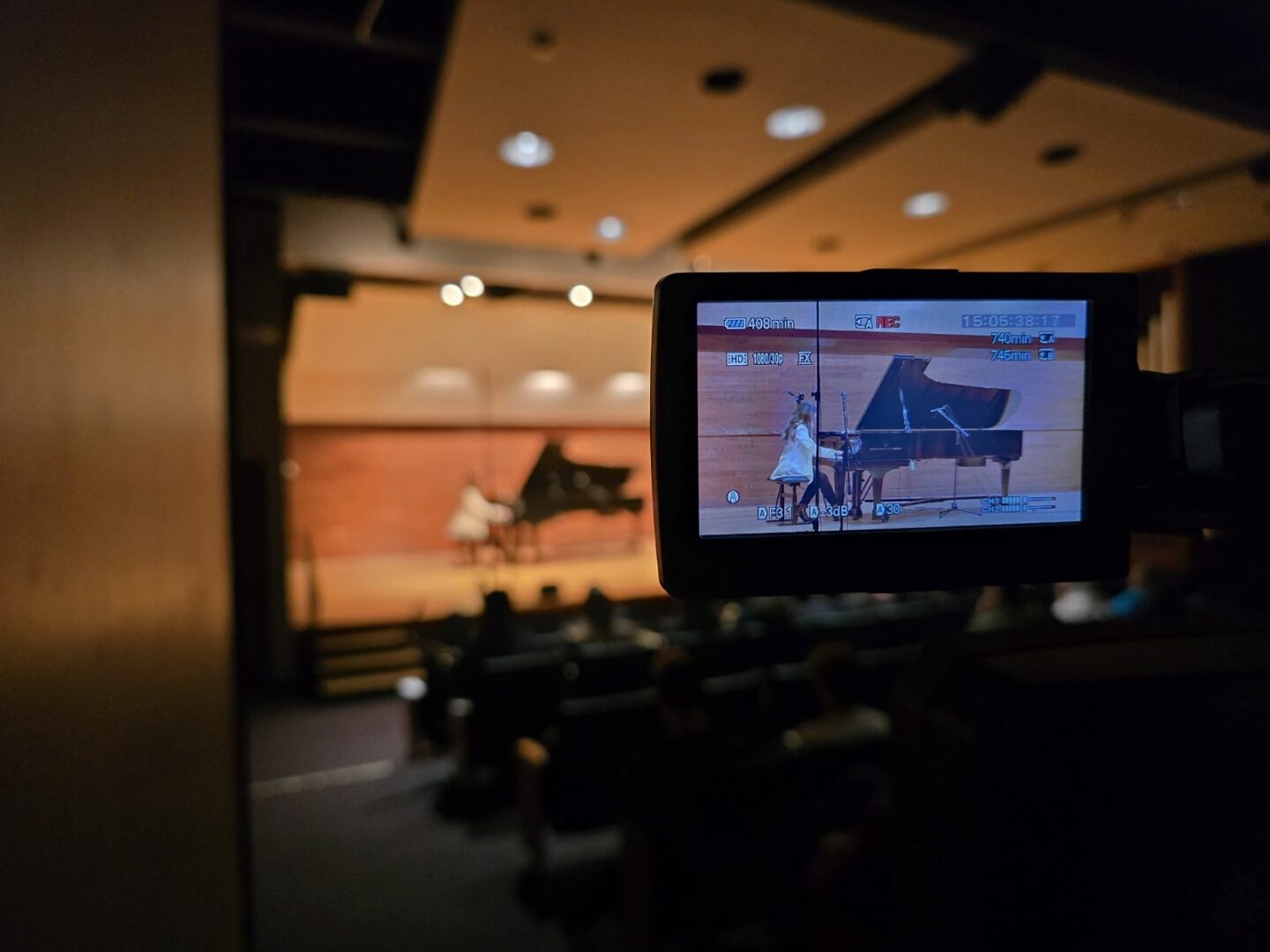
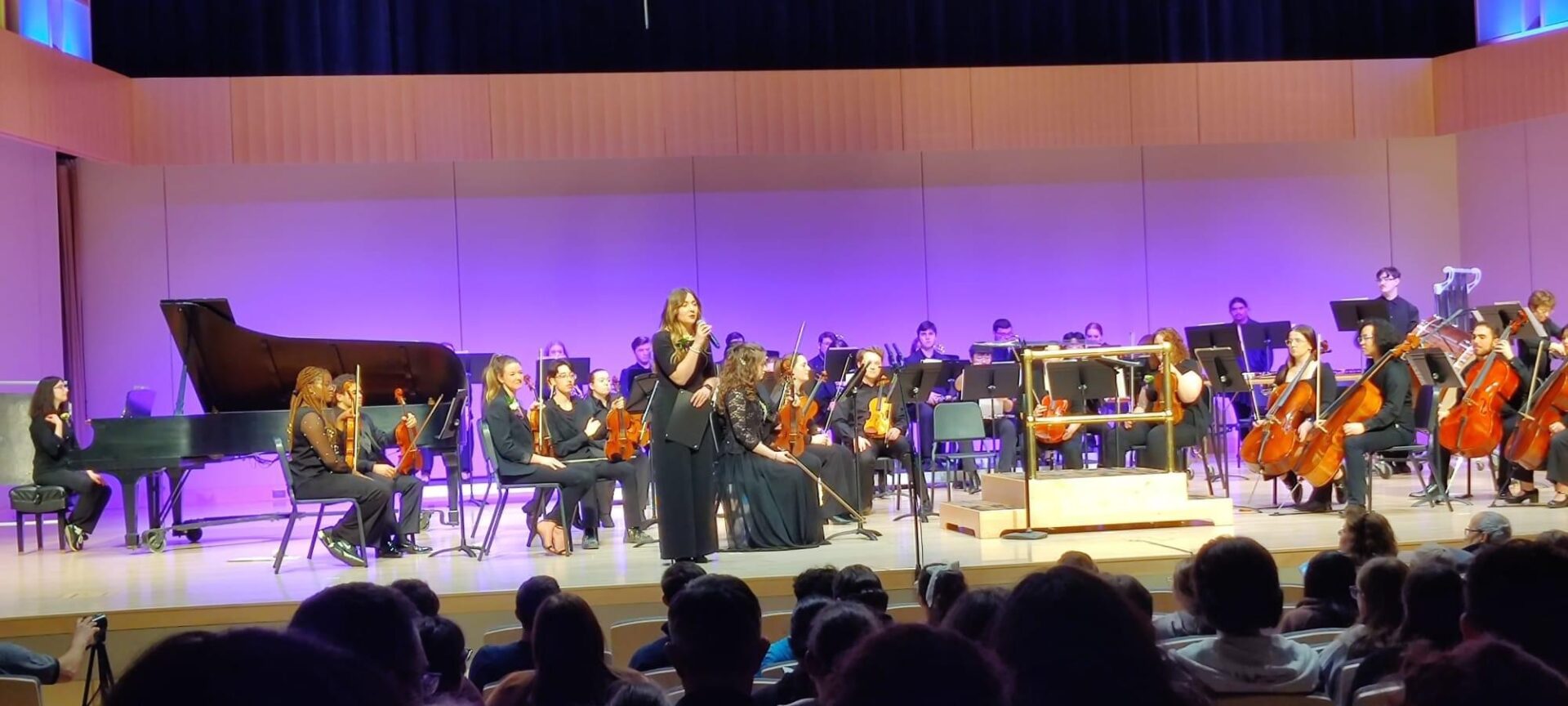
I am still riding the high of my first orchestral premiere with the Nazareth University Symphony Orchestra in April 2024. My piece, Chernobyl, depicting the 1986 nuclear disaster and its aftermath, won the X Annual Nazareth University Composition Competition. It is a piece that I am so proud of and loved sharing on the stage for the final orchestral concert of my collegiate career. In more recent news, I was selected for the 31st Young Composer Meeting, an initiative by Orkest De Ereprijs. The week will consist of rehearsals, readings, and individual lessons from the ensemble’s senior composers and end with the premiere of all 14 participants’ pieces. The meeting is in February of 2025 in Apeldoorn, The Netherlands.
As for film, I am always full of “secret projects.” You’ll have to stay tuned on my blog and social media for information on those (shameless plug). But there are multiple exciting things in the works that I can’t wait to share later this year.
There is so much advice out there about all the different skills and qualities folks need to develop in order to succeed in today’s highly competitive environment and often it can feel overwhelming. So, if we had to break it down to just the three that matter most, which three skills or qualities would you focus on?
Of course, musical skills are essential in composition, but I want to focus on other areas that I didn’t realize I needed until later.
Good organization is essential, especially in a career where you must manage yourself. I am lucky that this is a natural skill, but there is a learning curve for everyone, and there is no one-size-fits-all regarding time management methods. For me, I need my schedule in a digital and paper calendar to remember all my classes, meetings, and work schedules. I also am a list maker. I make a general list of items that need to be done and prioritize what needs to happen first. It visually shows me what work I still need to do and maximizes my work time. Also, checking off boxes is a huge motivator and gives an extra sense of accomplishment.
In any field, I believe having a growth mindset is important. You should want to expand your knowledge of your craft. Not only will it improve the quality of your work, but it will also increase your interest. I’m always trying different techniques, harmonic progressions, instrumentation, etc., in the music I learn from in class. If I find a new piece I enjoy, I try to discover what makes it special and reproduce it. It’s good to feel uncomfortable. Pushing yourself outside your comfort zone will grow your skills and help you find your style.
In a creative career, it is hard to think that discipline would be a hard skill to master. We’re doing what we love, so we should want to do it all the time, right? That is not always the case. I have days or weeks where all I do is write music for hours, inspiration constantly flowing. Then, there are periods of stagnant productivity. I struggle to get myself to work. It’s natural that when you turn what you love into a career, you burn out. But we need to keep moving forward. To avoid burnout, I like to have two or three pieces working at a time. I’ll start working on another piece if one isn’t clicking. That way, I am still working productively but not forcing the piece to work. But unfortunately, burnout isn’t always avoidable. One of my strategies is to focus on the details; I don’t force myself to turn out loads of music if the inspiration hasn’t kicked in. I’ll instead tweak the orchestration, test out new harmonies, or get started on the engraving. These things have to get done, but I might skip them if I’m in the zone. With this method, I’m still progressing without pushing myself too far. Enjoying your work under the pressure of turning out a product can be difficult to manage. But finding ways to keep yourself engaged without destroying your love of the craft is important to success.
Any advice for folks feeling overwhelmed?
In my freshman year of undergrad, I asked my composition professor, Dr. Octavio Vazquez, how he managed to get an impossible amount of work done so quickly. He gave me the best advice that I think I’ve ever gotten. You can’t think about it. If you think, you stress. If you stress, you panic. And if you panic, nothing can get done. He told me to just start working. We waste so much time planning and worrying over completing tasks that we could spend doing them. There’s no need to stress, just do.
When I’m feeling overwhelmed, I look back on that conversation. It not only makes me more productive but keeps me calm. As I mentioned before, I’m a list maker. And 80% of the time, that list of to-dos is not as daunting as my brain makes it out to be. So I sit down, open my computer, and start working. The more I worry and plan, the less I’ll get done and the more stress I’ll cause myself.
Contact Info:
- Website: https://www.ritaveneziale.com
- Instagram: https://www.instagram.com/ritaveneziale/
- Facebook: https://www.facebook.com/MusicByRita/
- Linkedin: https://www.linkedin.com/in/rita-veneziale-175a28186/
- Youtube: https://www.youtube.com/@ritaveneziale
- Soundcloud: https://soundcloud.com/rita-veneziale?utm_source=clipboard&utm_medium=text&utm_campaign=social_sharing
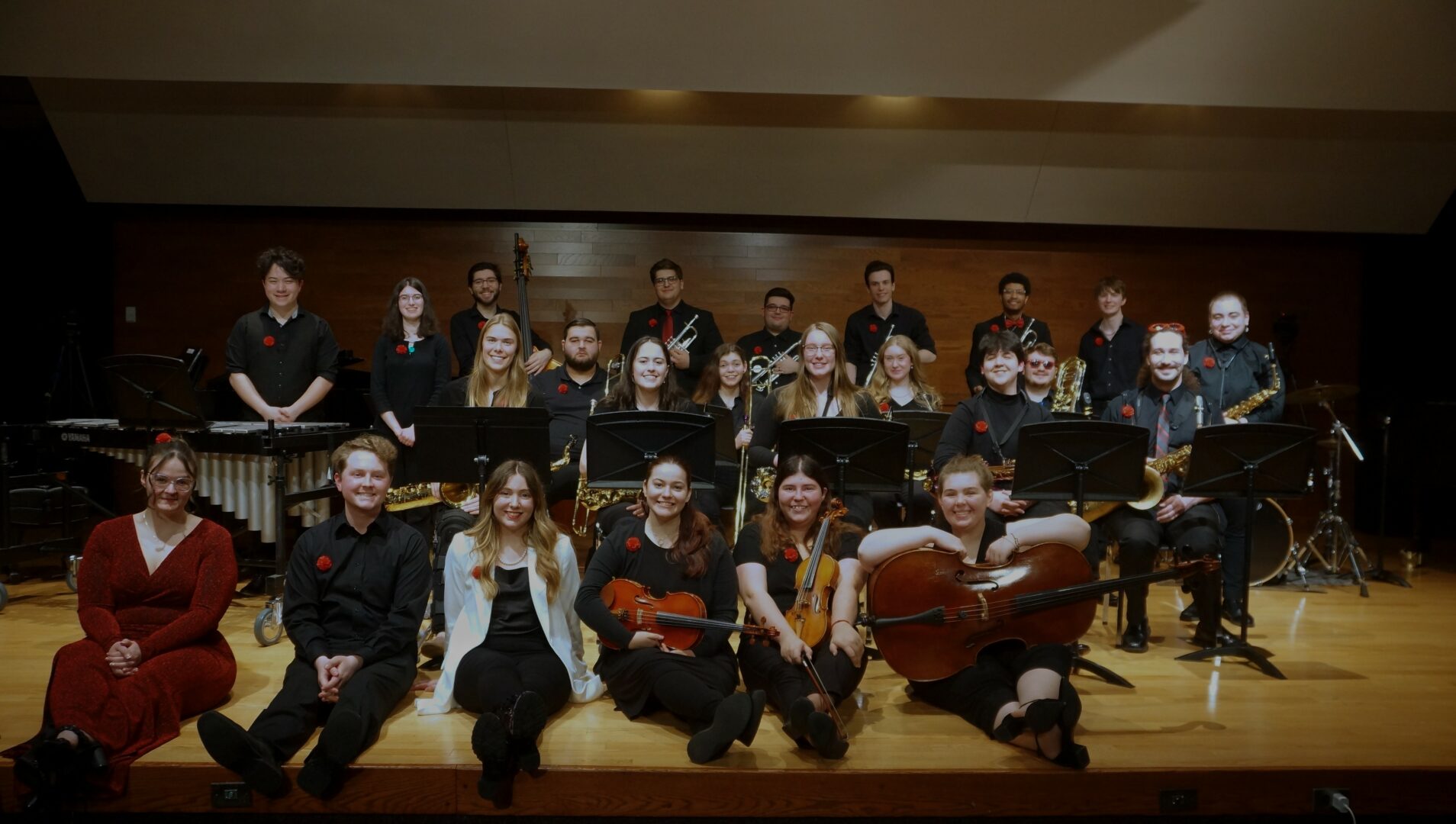
Image Credits
Alan Tirré – Samba Fotography
Paul H. Gaston
Ryan C. McNally
so if you or someone you know deserves recognition please let us know here.