Alright – so today we’ve got the honor of introducing you to Melissa Blunkall. We think you’ll enjoy our conversation, we’ve shared it below.
Hi Melissa, really happy you were able to join us today and we’re looking forward to sharing your story and insights with our readers. Let’s start with the heart of it all – purpose. How did you find your purpose?
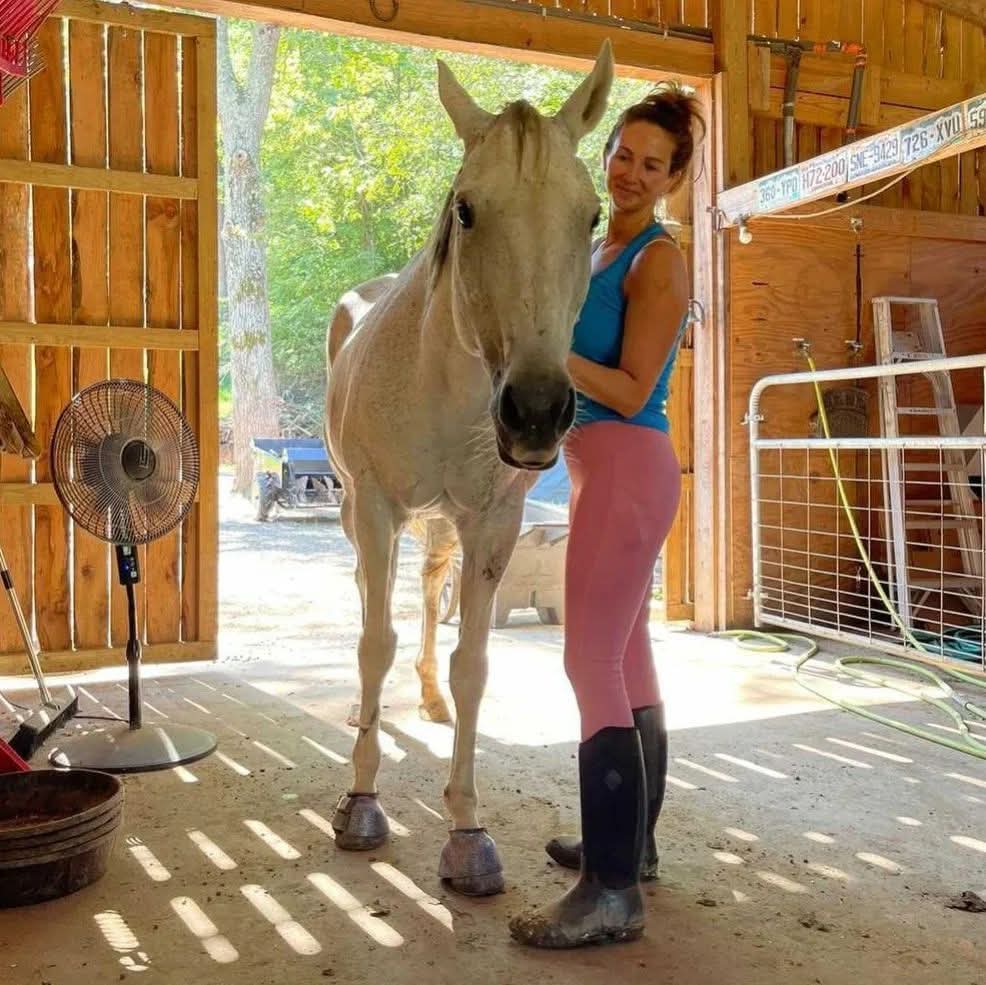
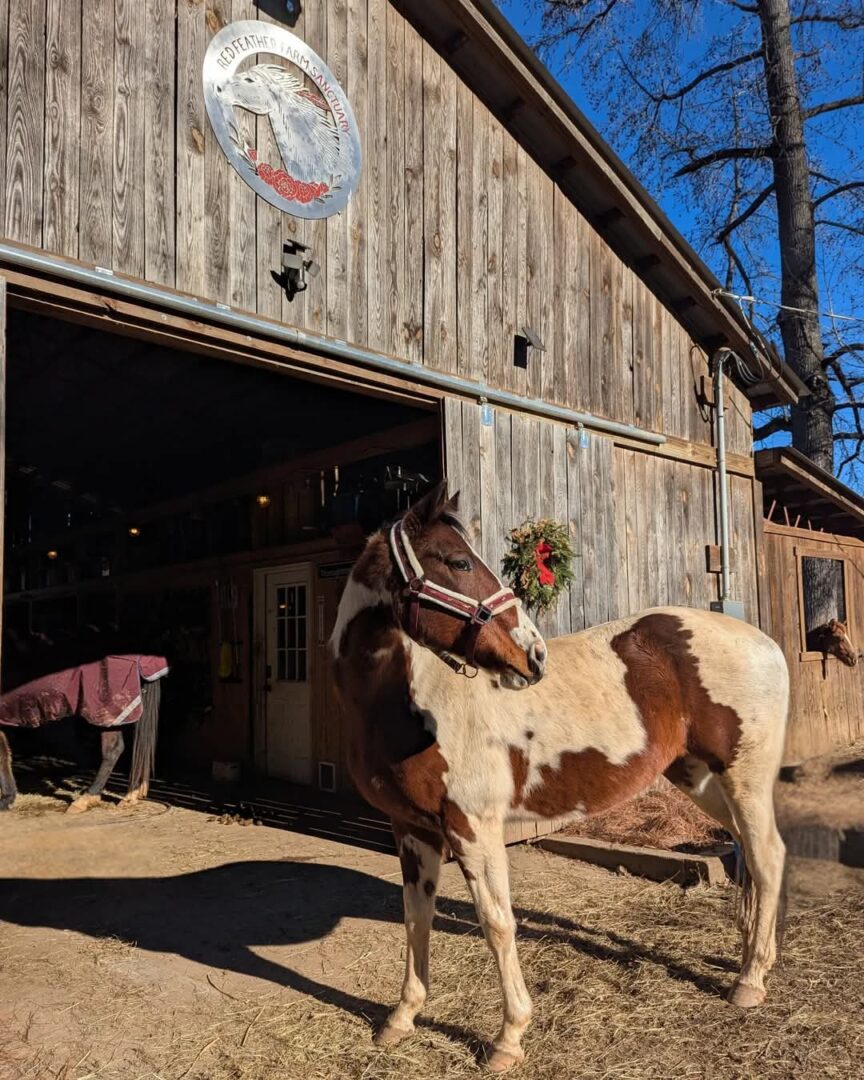
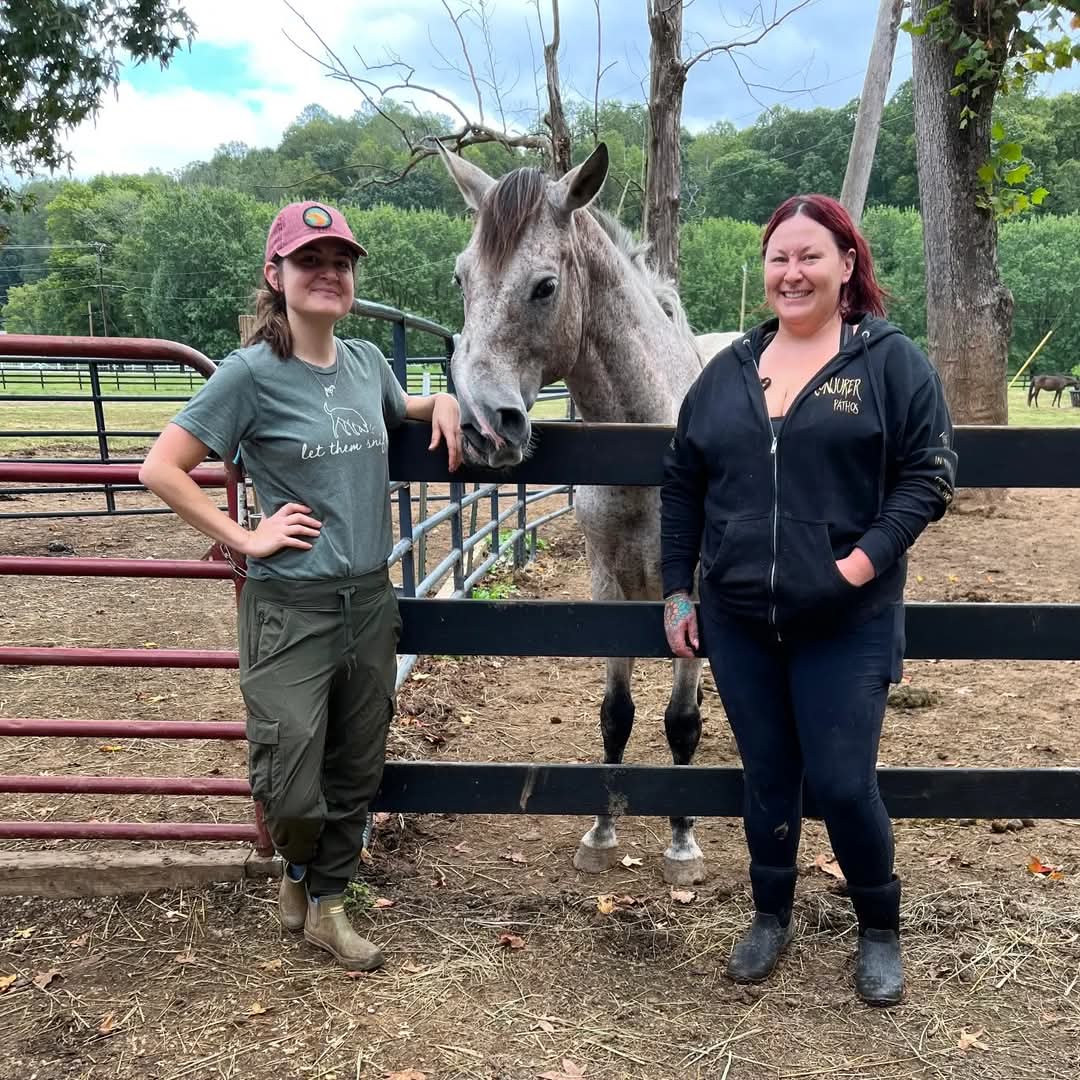
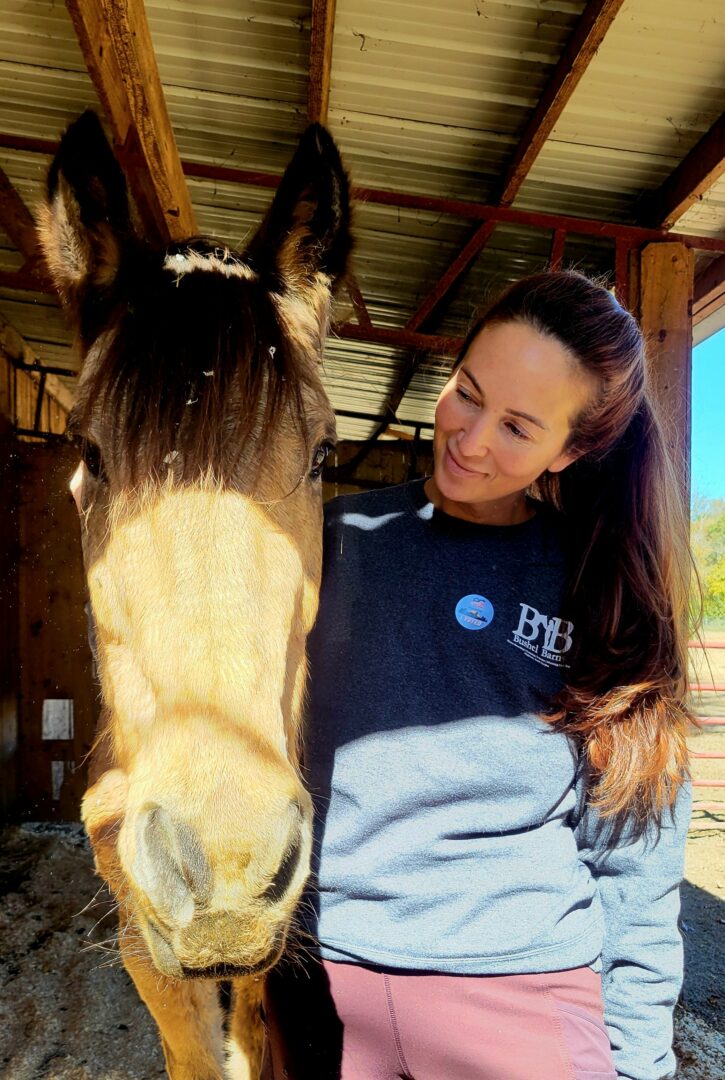
Often, passion and purpose are viewed as one in the same, but they are actually two distinct concepts. Passion determines what excites or motivates you – it’s the emotional driving force; whereas, purpose is the reason behind the action. I’m very fortunate in that my passion and my purpose are in alignment and deeply connected. I endeavor to create a kinder, more compassionate world for equines. I have always felt a more intuitive love towards all animals – not to say that I don’t love humans, but my love for animals is immediate and without prerequisites. I found Red Feather Equine Sanctuary (RFES) on Instagram and, after following the page for a few weeks, decided to attend a New Volunteer Orientation. I was hooked from the jump. Having little experience with hands-on work with horses, I was keen to learn all I could and was lucky to study under the leadership of our Founder, Allison Bowling, and our Trainer, Laura Hebbard, from Bushel Barns Boarding & Horsemanship. Every day at the Barn deepened my connection to the horses and the people who love and care for them. I have known many “horse people” in my life, but it wasn’t until I observed and learned natural horsemanship methods (used exclusively at RFES) that I came to realize that all “horse people” are not the same.
Let’s take a small detour – maybe you can share a bit about yourself before we dive back into some of the other questions we had for you?
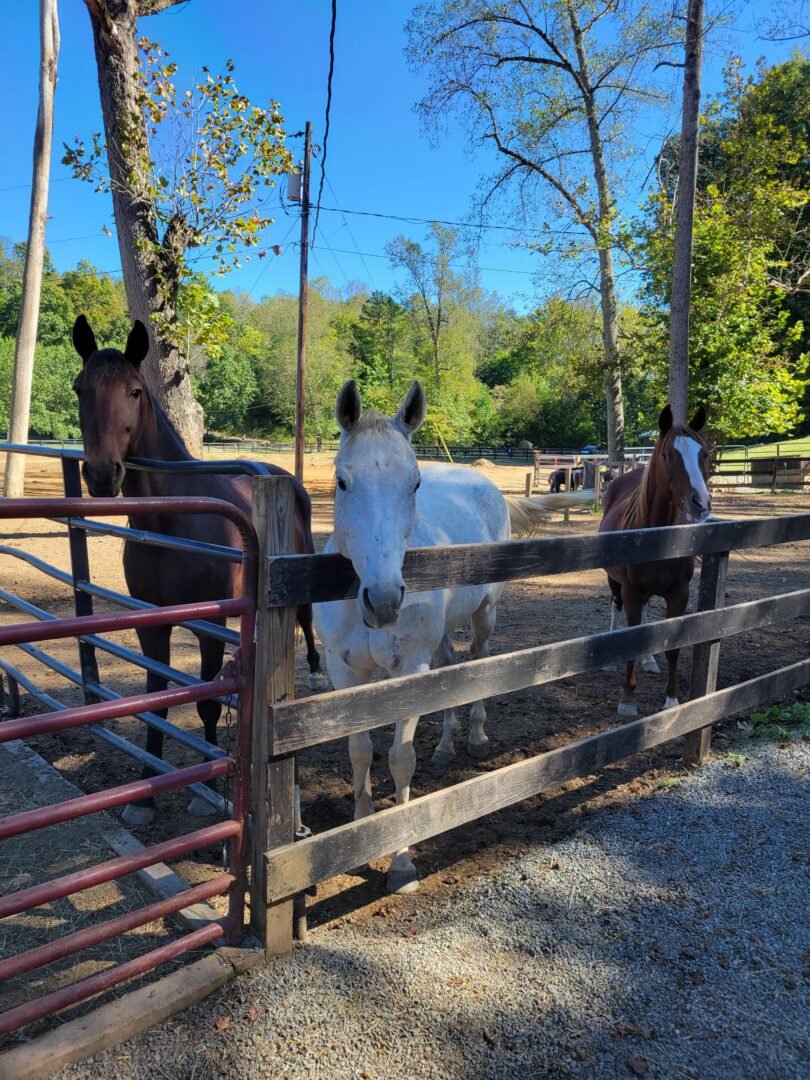
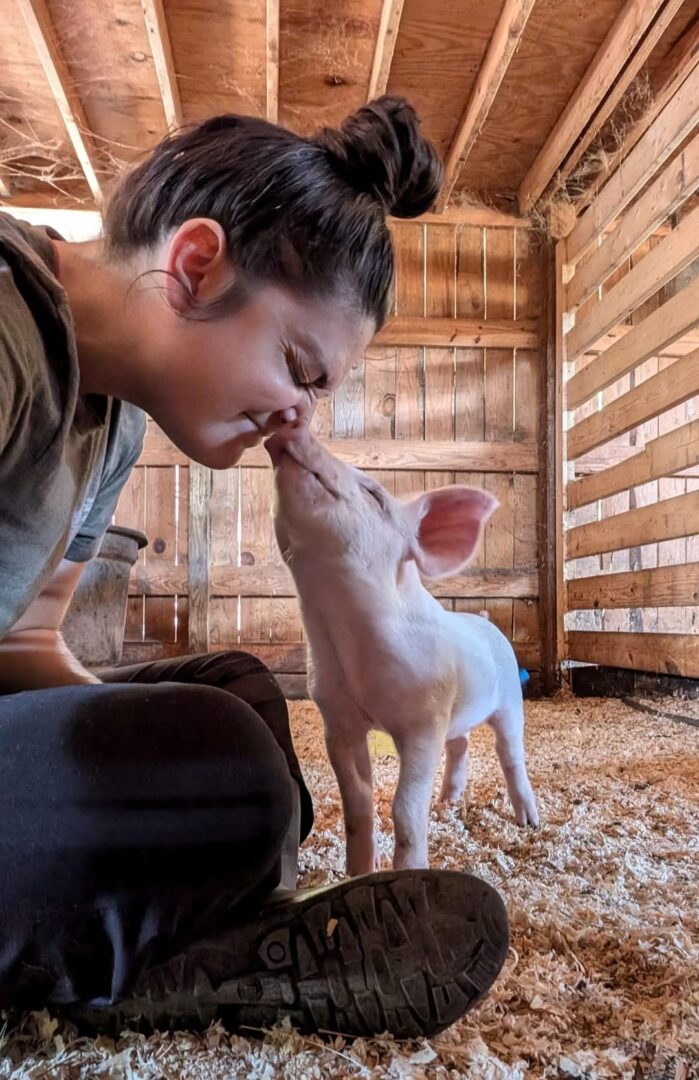
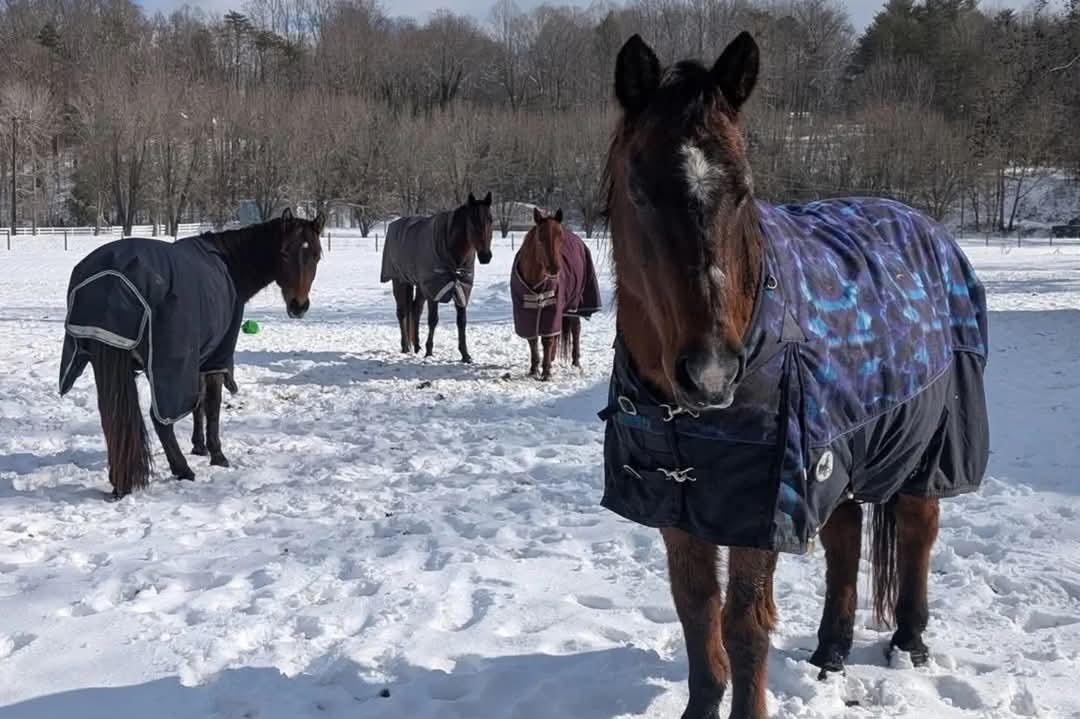
As a volunteer at RFES, I help care for over 50 rescue animals, the majority being horses. Our Sanctuary is home to horses who are no longer rideable, making them among the most at risk for neglect, abuse, and abandonment. Our residents come from a variety of places and for a number of reasons including, but not limited to: animal cruelty/seizure cases involving law enforcement, kill buyer auctions where they would have been shipped to Canada or Mexico for slaughter, owner surrenders, and even medical testing facilities.
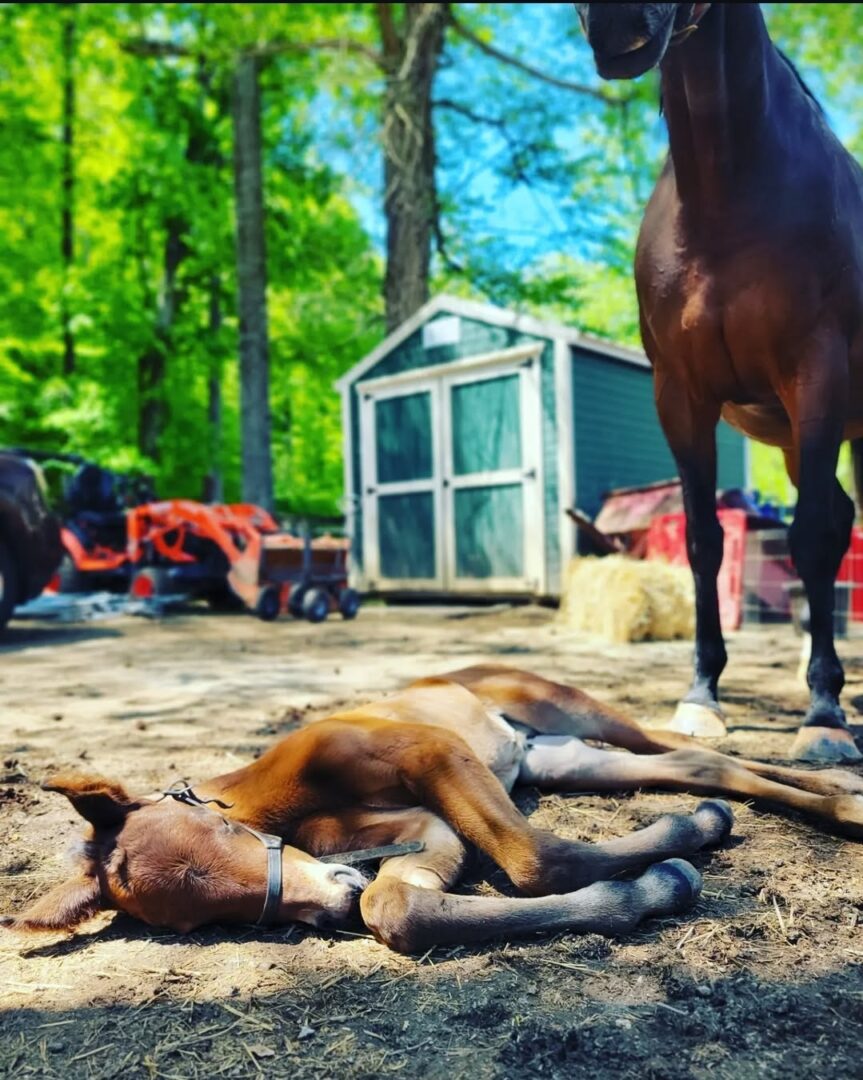
Each new intake arrives with a combination of physical and/or emotional trauma, the extent of which is often unknown to us at the outset. Many present with obvious and extensive medical needs (which can be extremely expensive and include long, arduous recoveries), some require ongoing care and attention, and some are simply past their prime having been worked until their bodies can work no more. Even if no physical injury or illness is present, they are almost always emotionally shut down (made visible by how they hold and move their body). For equines, family is everything and the bonds they form with other horses (and sometimes humans) is deep and, if given the opportunity, lifelong. The average horse has a lifespan of 25-30 years (donkeys average even longer), and in that lifetime, statistically speaking, they will have seven different owners – imagine being taken away from your family and friends and being forced to perform or serve a utilitarian purpose in a strange, new place every few years – you probably can’t. For the new arrival, RFES threatens to be just another scary leap from a trailer until one day the horse realizes this place feels different, these people treat me differently, maybe I can relax here. When a horse finally raises their head proudly, or feels safe enough to lay down in the field to sunbathe, or seeks you out for affection, it is undeniably the most spectacular feeling. Bearing witness to this full body (and mind) transformation is the only “payment” we at RFES receive, and it’s the reason we show up every day and continue to advocate, educate, and rescue equines in need.
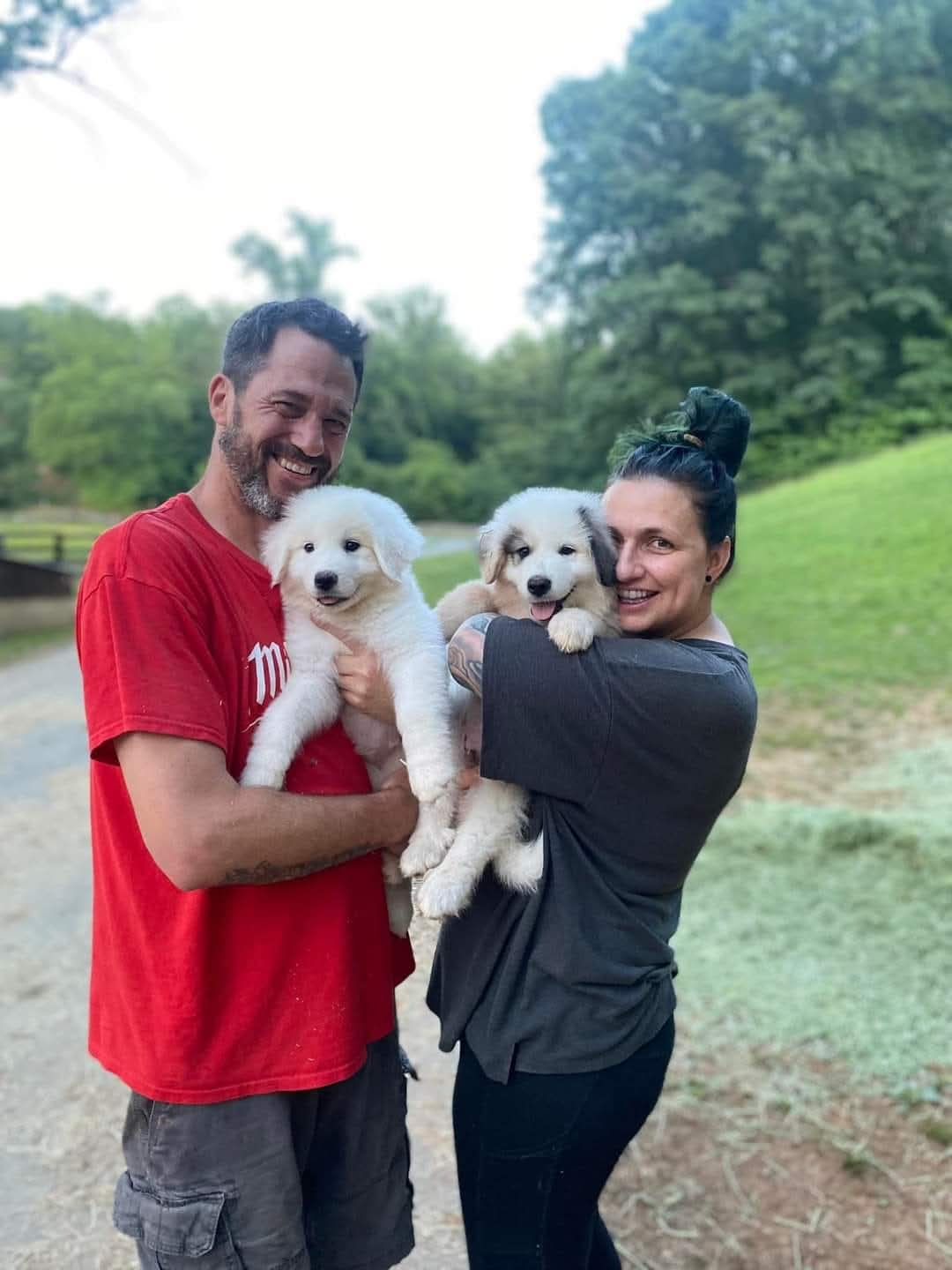
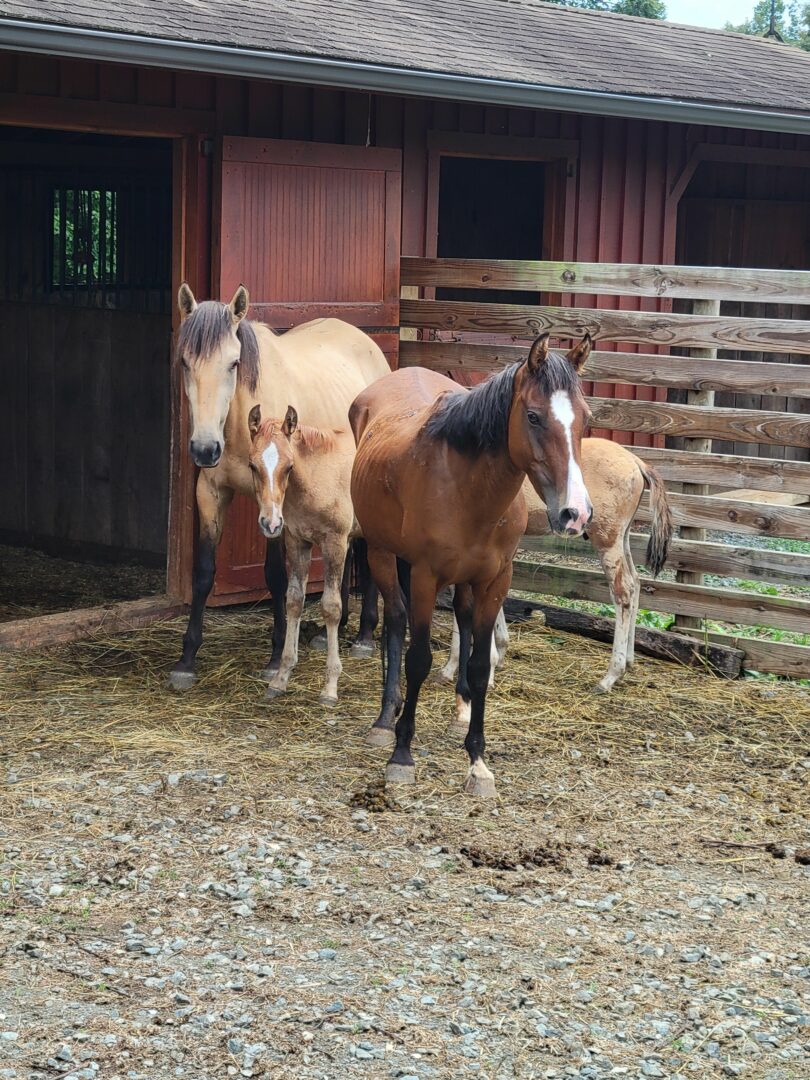
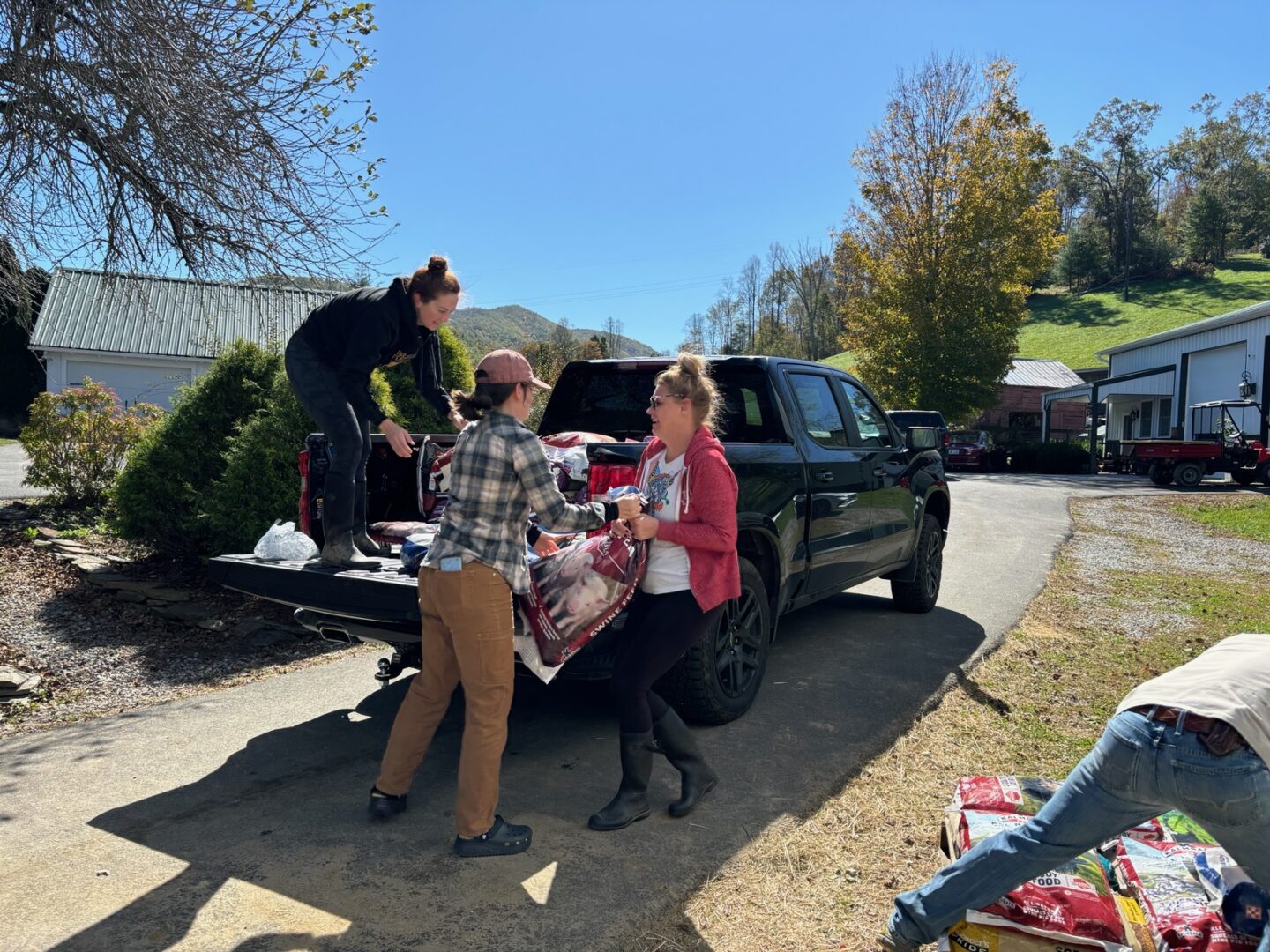
Red Feather, a 501(c)(3), was founded less than five years ago, and in that time has: come to the aid of more than 100 equines in need, offered natural horsemanship clinics to the public to foster the human-horse connection, participated in youth workshops with our local restorative justice center, met with state legislators to encourage participation in several priority equine bills which make up the 2024 Horse Protection Platform, joined other rescues in a large scale relief effort following Hurricane Helene in Western North Carolina (including rescuing two horses and eight puppies), received the EQUUS Foundation Guardian Award for the second year in a row (this program is to promote equine organizations that demonstrate transparency and accountability to the public through disclosure of equine care and use practices), rescued four Alpine wild horses (two mares and two foals) from Arizona’s Apache National Forest (the herd had been rounded up and sold at Texas auctions, but the foals were too young to ship in stock trailers, so they were held back and later auctioned off online), and are currently planning our Second Annual Rescue for the Roses event to take place ahead of the dreaded Kentucky Derby.
The Derby (and horse racing in general) is a significant event for RFES and it’s platform because, despite the overwhelming belief that Off The Track Thoroughbreds (OTTB) are treated like royalty, our pasture and our work showcases a very different story. The reality is that a very small percentage of retired racehorses go on to live a peaceful retirement. The vast majority are used in forced breeding programs (i.e., embryo transfer mares, broodmares, stud horses, etc.), are trained for second careers in jumping, dressage, or trail riding, or they are sold at auction resulting in many ending up on transfer trucks bound for slaughter.
We have many OTTBs at RFES and they all have a combination of conditions and injuries from their days training for or on the track – osselets (arthritis of the fetlock), laminitis (weakness between the hoof wall and the internal hoof structure), chronic hoof abscess/thrush, white line disease (separation of the hoof wall), bone chips, and the list goes on. This is why we choose to hold an Alternative Derby Day called Rescue for the Roses the week before the Kentucky Derby.
There is so much advice out there about all the different skills and qualities folks need to develop in order to succeed in today’s highly competitive environment and often it can feel overwhelming. So, if we had to break it down to just the three that matter most, which three skills or qualities would you focus on?
Being fearless in my advocacy – It’s not in our nature to go against the norm or say the unpopular thing, but I firmly believe that when we know better, we do better (and we don’t know what we don’t know). I’m not afraid to speak my truth, even when facing someone with a, sometimes spirited, opposing viewpoint. I share the facts, provide my own personal experience and even extend an invitation to those who want to learn more about what we do and why ethical equine rescues and sanctuaries are vital and deserve more consideration when it comes to funding by way of donations and sponsorships. I recognize that I will not always be successful in my persuasion, but I will, at the very least, leave the conversation knowing that I planted a seed and that I remain available and hopeful for the opportunity to see it grow.
More hands make light work – Leave your ego at the door and, instead, celebrate the diverse strength within your organization. Our volunteers are the backbone of RFES and they are some of the most amazing people in the world – we all come from different backgrounds with varying experiences, but when we collaborate and welcome the expression of new ideas, that’s when the magic really happens. (“If everyone is thinking alike, then someone isn’t thinking.” -General Patton)
Don’t be afraid to change course – Evolution is a certainty and success requires us to check in occasionally and take stock of our methods and the results they produce. If you dig your heels in on a singular course of action, you may miss out on amazing opportunities. As long as your Mission is at the center, being open to new ideas can only serve to strengthen your purpose and impact. If you lock yourself in to a lone path, you risk missing the forest for the trees.
Any advice for folks feeling overwhelmed?
Working in animal rescue isn’t always a joyous walk in the park. It’s extremely hard work and can really take a toll. As a non-profit, we are always considering our bottom line and seeking new ways to raise funds so that we can continue the work we do. Fortunately, our founders live on-site and work full-time jobs (covering the gap between money in and money out), but not a month passes that we don’t work hard to increase regular monthly donations through our website, fundraisers on Instagram/Facebook, and our Patreon Subscriptions.
Then, there’s the emotional and physical impact on each of us. With great love comes great sorrow and, regardless of the number of times we celebrate the life of a resident as we gently usher them across the Rainbow Bridge, it will never get easier or hurt less.
Prioritizing your mental health is paramount, and ignoring it can severely impact your abilities and overall life. It is important to recognize when you’re starting to feel less grounded or less like yourself and have a self-love routine to follow. Whether you need quiet and stillness, or to be surrounded by others, do not be afraid to reach our for a little or a lot of support. I have been known to journal, take solitary drives, draw my Tarot cards for guidance, read a book, or mindlessly scroll social media – we are all unique in what helps, but we are not unique in needing help from time to time. It’s okay to not be okay – the good times don’t last forever, but neither do the bad.
Contact Info:
- Website: https://www.redfeatherfarmnc.org
- Instagram: @redfeatherfarmnc @mlblunkall
- Facebook: @redfeatherfarmnc
- Other: Patreon – Red Feather Equine Sanctuary
Venmo – @redfeatherequine
PayPal – [email protected]
so if you or someone you know deserves recognition please let us know here.