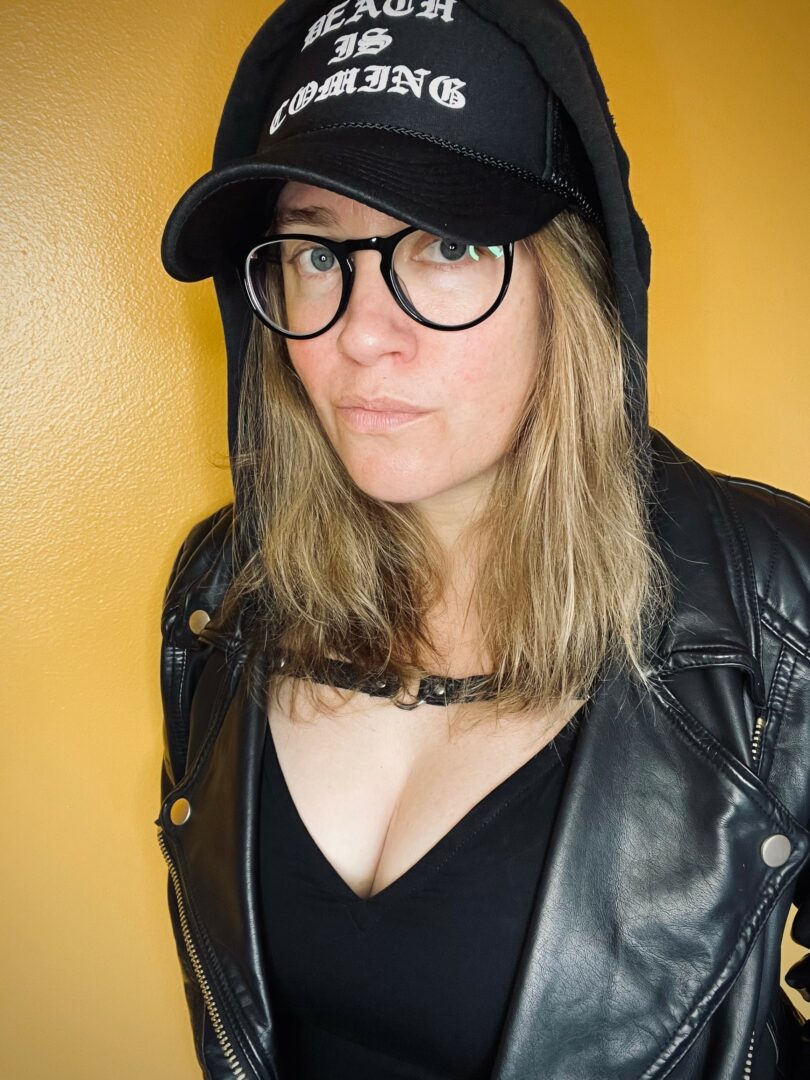
We were lucky to catch up with Jerry J Sampson recently and have shared our conversation below.
Jerry J, so good to have you with us today. We’ve always been impressed with folks who have a very clear sense of purpose and so maybe we can jump right in and talk about how you found your purpose?
I have been a genre screenwriter, fiction writer, and film critic covering the horror world for ten years and the most common reaction I get when talking about film and the genre in which I write is “WHY?” There’s a common misconception that all horror is the same, when in reality the genre is vast, includes many sub-genres, and is, I truly believe, for everyone. My purpose is to entice a larger audience to the horror genre, specifically women and those who identify as women.
Horror is a way to release inhibitions, it’s fantasy, it’s freedom. I was raised to fear everything, locked in phantom cage by a mother whose only means of protecting me was to instill terror and suspicion in everyone around me. By my mother’s calculations, the father of my best friend is just as dangerous as the stranger in the white van, and so I was taught to fear them both equally. This led to my inability to connect, not just with men, not just with adults, but with everyone around me. I was isolated and my imagination conjured the worst possibilities, making it easy to be alone, realizing too late how lonely I was.
Through my formative years, my coping method was reading, and thanks to my grandmother, I found Stephen King. As I read the characters on the page, I realized that there were others who felt the fear, the paralyzing grip of the unknown, the heavy, oppressive weight of terror. But instead of running, they faced their fears, they turned and looked head-on into the shadows, challenged the monsters lurking therein, and they emerged bruised and battered, but alive, and stronger. I connected with so many of the characters Stephen King wrote that I began to explore writing as a means of coping with my everyday life.
I was young, and what I wrote was grim and depressing, but the more I wrote, the lighter I felt. I began watching horror films and finding more horror fiction, and the deeper I went, the more I came out of my tightly wound shell. I didn’t feel so alone, and didn’t feel so afraid. This is what horror did for me. It helped me realize that I was stronger than I thought, than I was taught – when my mother insisted I was too small or weak to ever be more than a victim, I wrote a small, weak girl who overcame her monsters, or, better yet, manifested her own big, strong creature to fight for her.
My goal with my writing is to reach that young girl who feels trapped in her mind. Whose imagination weakens her instead of makes her strong, and who is told that she simply can’t, can’t, can’t. I write supernatural and psychological horror that explores generational trauma and defies societal norms. I build worlds where women are allowed to unleash their rage and burn everything around them. If we can’t face the darkness and spit in its face in storytelling, where in hell can we?
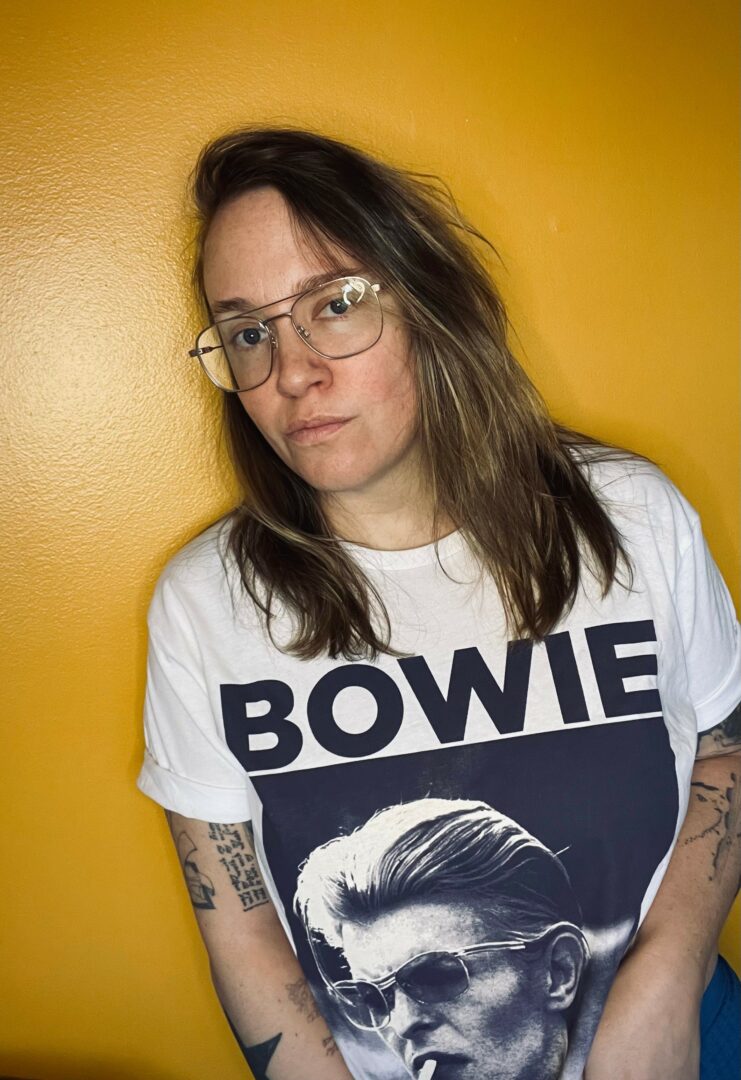
Appreciate the insights and wisdom. Before we dig deeper and ask you about the skills that matter and more, maybe you can tell our readers about yourself?
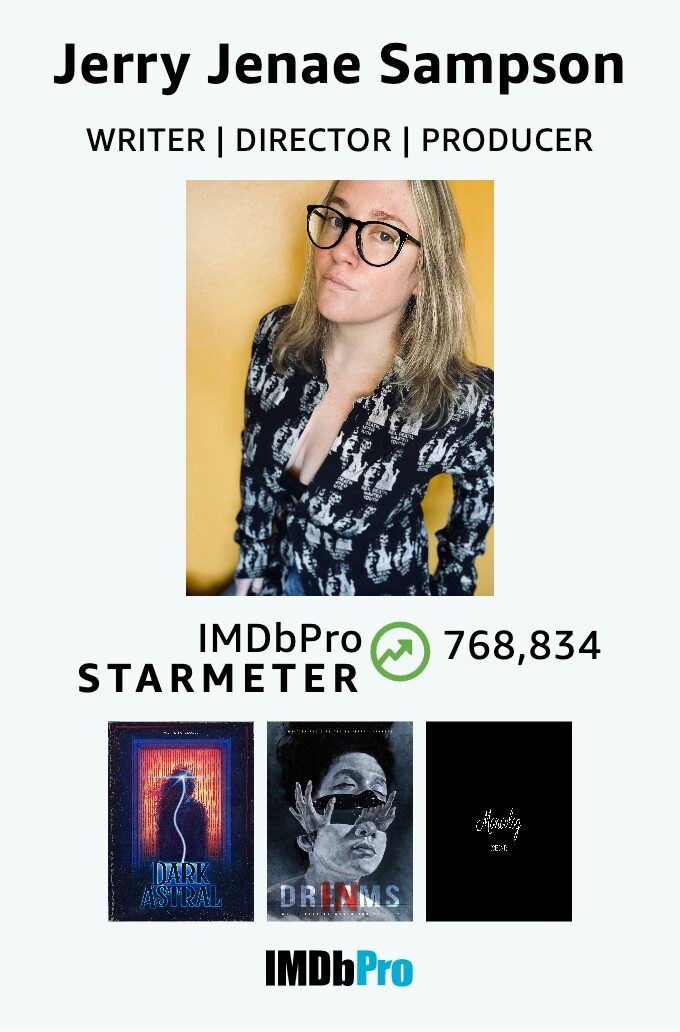
I am a woman in horror, a screenwriter and fiction short story writer whose main thematic focus is on generational trauma and the effects of repression on the psyche. I have four feature screenplays in various forms of financing and production, including one psychological horror script in development. I am currently in pre-production on my directorial film debut, “Hypnagogia”, a segment I also wrote for a Pacific NW-themed anthology feature film.
In addition to being a full-time screenwriter, I am a film critic for such online publications as Ghouls Magazine, Rue Morgue, Moving Picture Film Club, and others, offering deep dives and editorials on current and classic horror films. I feature on podcasts and panels, attend film festivals as both a creative and as press, garnering strength and joy from my filmmaking peers.
I aim to offer a different voice in the horror sphere, always striving to prove the value of the horror genre as a means of catharsis and social commentary. The genre is so often overlooked, but I believe that through horror we, especially women, can safely explore the dark corners of the world, of our communities, and our homes. And during the unrest America is facing post-election, I believe the horror genre is needed more than ever, as a means of releasing fear and dread into creative outlets.
My short script “The Safety Games” was recently shot in upstate New York and is being released into the film festival world in 2025 as a proof-of-concept for my current work in process, the feature screenplay for the short film, a challenge indeed as the short script was one of the more personal stories I’ve written. I am also writing a book of short horror fiction titled She Did a Terrible Thing, a cathartic release of feminine rage.
I have spent over a decade cultivating my thematic presence and aesthetic through a clear voice and honest storytelling and have found that my work appeals to a wide audience while delving into darker narratives while shining a light on the shadowy corners of the psyche.
Looking back, what do you think were the three qualities, skills, or areas of knowledge that were most impactful in your journey? What advice do you have for folks who are early in their journey in terms of how they can best develop or improve on these?
When it comes to screenwriting, there was no better way to hone my craft than watching films and reading produced screenplays. There’s a huge collection of online resources that help with learning how to write a script, but when I was growing up I relied on the rare screenplay book published and sold in bookstores.
I read books on how to develop a script, from idea to the page, and practiced several methods before I found my own unique voice and way of writing. It didn’t stop me from thinking I had forgotten how to write every time I started a new project, but that was my own unique sense of impostor syndrome that I was forced to overcome. As technology developed, I found scripts online and read along with the produced film in order to figure out the real changes that happen between the screenplay and movie. I spent years learning the craft, and now I know how to begin without doubt and finish with flourish.
No matter the medium, writers will always experience fear and doubt. The value of creativity is constantly under interrogation; no one takes a second’s pause to turn on their favorite show or read their favorite book, but the writers behind these works likely had to fight to validate their path to friends and family. The most important quality any writer will have is an inherent belief that what they have to say matters.
Looking back over the past 12 months or so, what do you think has been your biggest area of improvement or growth?
Over the past 12 months I’ve faced great highs and lows in my career. I’ve been offered work, and had projects fall apart; green light, red light, consistent flux that has caused waves of hope and dashes of dread, all the while sucking it up and developing and writing new projects without any assurance they’ll be seen. There have been times where I might have gone dark, stopped writing altogether, the pressure of producing profitable work overtaking my inspiration. But in the past year I’ve learned to really accept the unprecedented times my industry is facing, and have embraced the passion of the craft over the concept of security. I am lucky to have a supportive husband who believes in my work, and that helps when I begin doubting myself and my voice, but overall it’s the choice to pick up my pen every day and create something from nothing.
Contact Info:
- Website: https://www.jerryjsampson.com/
- Instagram: https://www.instagram.com/thesleepermustawaken/
- Linkedin: https://www.linkedin.com/in/jerry-sampson/
- Other: https://whiskeyandhorror.com/
Image Credits
N/A
so if you or someone you know deserves recognition please let us know here.