We were lucky to catch up with Jarell Rochelle recently and have shared our conversation below.
Jarell, we are so appreciative of you taking the time to open up about the extremely important, albeit personal, topic of mental health. Can you talk to us about your journey and how you were able to overcome the challenges related to mental issues? For readers, please note this is not medical advice, we are not doctors, you should always consult professionals for advice and that this is merely one person sharing their story and experience.
YO! Mental health is a serious business, and my goal is to address it with sensitivity, truth, and hope. Growing up in a childhood shaped by trauma, I’ve learned the importance of understanding not only my healing journey but also the struggles others face. That perspective keeps me grounded in empathy while staying honest about the realities of mental health.
Too often, people rush to label behaviors, — calling someone angry, promiscuous, or a “druggie”—without digging deeper, and like Uncle Dave Chappelle told us, labeling is dismissive. These behaviors are symptoms of larger, unresolved issues that began in childhood. Research supports this idea, showing that unprocessed trauma often shows up in destructive ways (American Psychological Association, 2021). While some folks don’t want to face their challenges, let’s equally acknowledge the massive systemic barriers that make healing hard, especially for BIPOC people. CRAZY FACT: in America, only 4.7% of psychologists identify as African American (APA, 2020). That means, even when I’ve sought help, and climbed the social and economic ladder enough to afford help – I’ve STILL had to explain cultural barriers, systemic racism, and how those realities impact my mental health, often feeling frustrated because THEY don’t come from where I come from, and not that they cannot help but boy it makes a difference when the person across from you LOOK like you and can relate. That’s exhausting—and it highlights how much mental health care fails to reflect the communities it serves.
Let’s add another layer. Since 2020, who’s had time to process the pandemic!?!? Raise a hand – Katt Williams Voice “I’ll wait.” We went through isolation, disconnection, and massive cultural shifts with no clear space to grieve, What about the police brutality that also took place during 2020!? What about the California wildfires or countless other collective traumas happening even now? The problem isn’t just mental health struggles—it’s the absence of safe spaces to work through the emotional chaos we all carry and time. We as Americans never created time to heal, we HAVE TO JUST KEEP GOING without thought and that is dangerous for so many reasons.
For me, the issue concerning healing comes down to access. Growing up in the commercial dance, film, and academic worlds, I saw too many peers walking around with a polished exterior and shaky self-esteem underneath. Our culture teaches us to live performatively—as if life is a stage, and we’re always “on.” That mindset is exhausting and destructive and we learned how to live that way through peer influence and culture.
I found my answers to trauma in dance. In high school, I realized movement (street dance: Poppin) helped me process my emotions. When I felt anger, I’d channel it into sharp, bold movements. When I felt joy, I’d share it with others through dynamic exuberance. Dance became my therapy before I even knew that’s what I was doing. Over time, I turned this practice into something bigger. I launched Xpress VIBE est 2015, a platform where dance and art help people explore the five primary emotions: joy, anger, sadness, fear, and love (Eckman.) I built this pedagogy from personal experience, trial and error, and deep research into how creative expression aids mental health.
Here’s the twist: I’m not certified, and I’m proud of that. My audience isn’t people who already have access to therapy or resources. I’m here for the youth high school & college students, and underserved street dance communities who don’t feel seen or supported mentally. These are the folks who’ve been left behind by traditional systems i.e “access” or “representation.” My mission is to give them the tools to process their emotions, find healing, and rewrite their stories on their own and I have seen quite a bit of success in this throughout the years of being an educator.
This is how I persist despite my mental health struggles: by turning pain into purpose, using art to build bridges, and creating spaces for healing where none existed before.
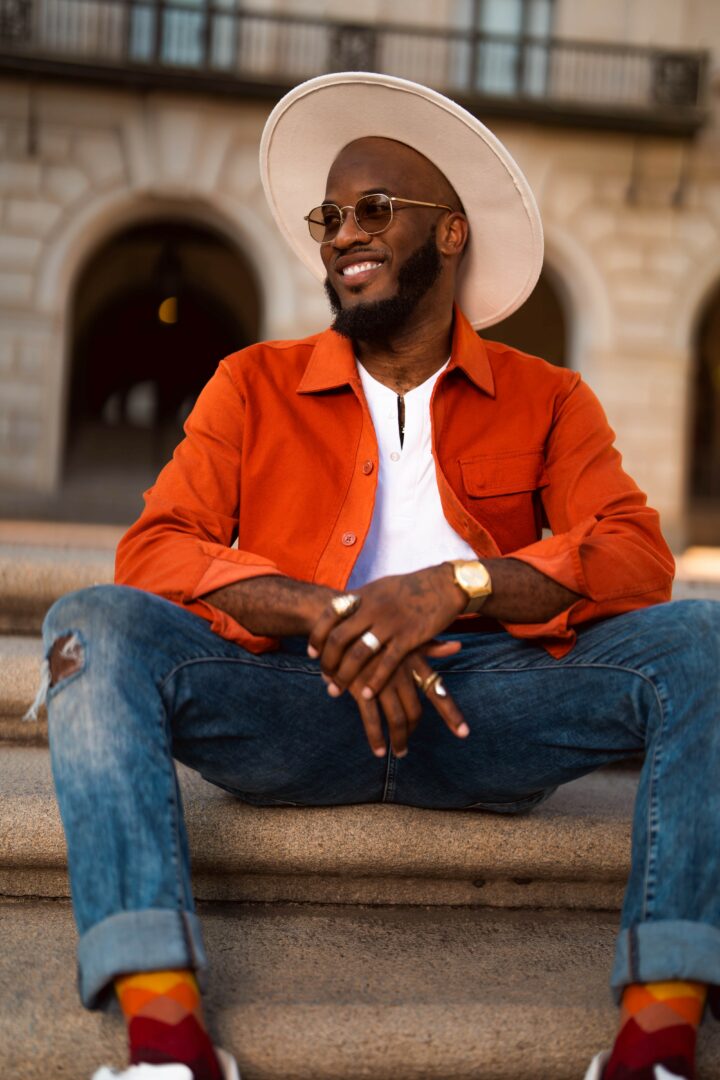
Great, so let’s take a few minutes and cover your story. What should folks know about you and what you do?
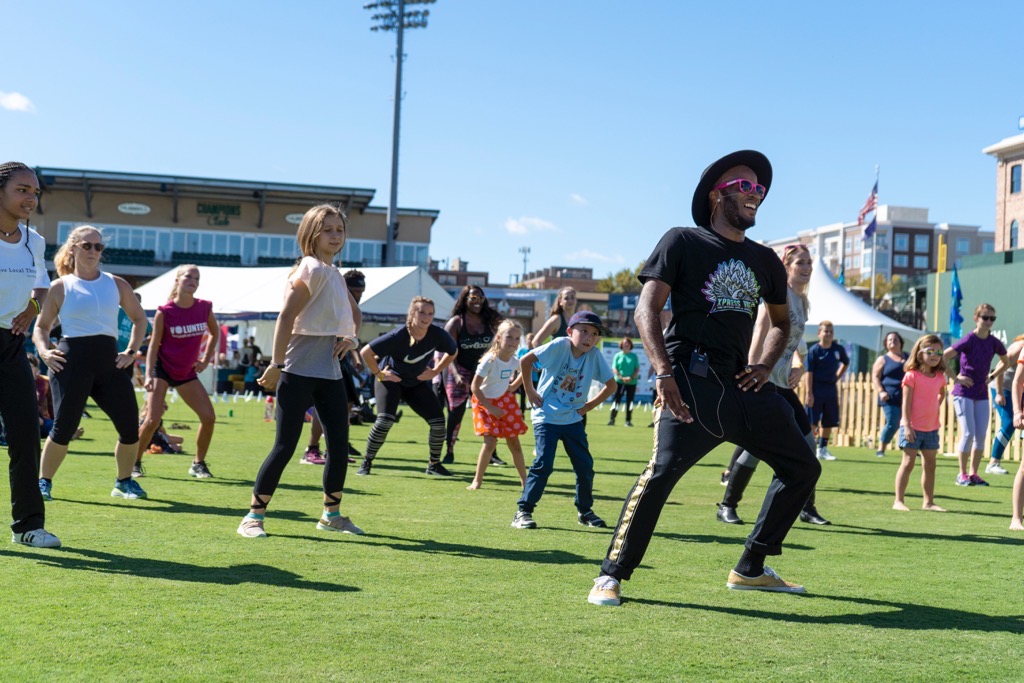
First off, I appreciate the chance to share my story because everything I do stems from my personal experiences and the desire to make a REAL impact. I along with my wife, Madeline Rochelle are the founders of Xpress VIBE, a multidisciplinary arts platform designed to help people connect with their emotions and kickstart their healing journeys. We use dance, speaking, music, storytelling, theater, and educational events to create transformative spaces for self-discovery and to identify primary emotions through art. And we do it with our two amazing kids right at our side 😀
What makes Xpress VIBE special is that it’s not just about dance or performance—it’s about processing. Life throws so much at us, and often, we don’t have the time, tools, or safe spaces to deal with it. Xpress VIBE lets people express themselves unapologetically, whether it’s joy, anger, sadness, fear, or love. These emotions live in our bodies, and through movement and creativity, we release them. I’ve seen people leave our sessions/events lighter, freer, and ready to face life with fresh energy. Also, because I am a speaker, I train people how to communicate their stories in a powerful way that resonates.
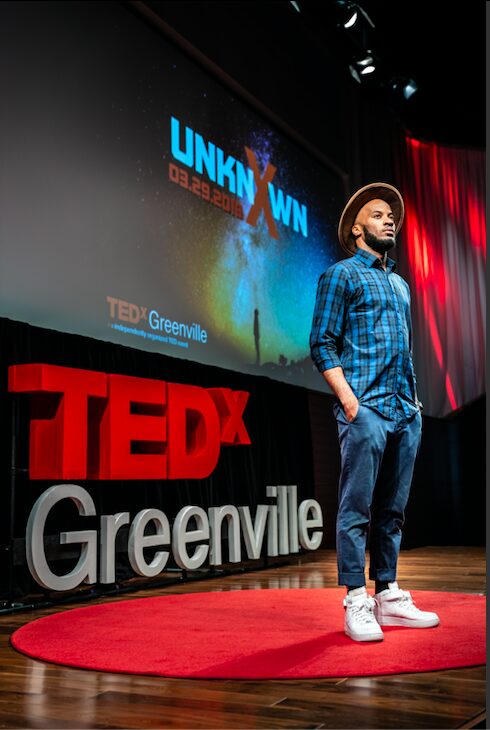
Beyond running Xpress VIBE, I’ve been fortunate to compete globally in street dance battles and festivals, connecting with communities around the world. What’s even more special is that I get to do this as a professor at Salem State University. My work allows me to bridge academia and street dance culture, showing youth from underrepresented communities that college isn’t just an institution—it’s an opportunity to change. Through my role, I actively encourage young dancers to see higher education as a viable, game-changing life path. I am working on opening up different channels of recruitment. So far in the dance world, collegiate recruiters only go to high schools, and performing arts schools for prospective students; BUT what stops us from going to street jams or Hip-Hop dance events? Those children need education just as much!
I desire to reshape how the street dance community views education. While you don’t need school to be educated, it frames a life where you better understand how the world operates. Admittedly, there is a ton of resistance around higher-ed, and I understand – if I didn’t have my sister Tia Rochelle walking me through the process, I do not know that college would be an option. Let’s not even begin to speak about the cultural barriers and racial insensitive undertones that plague colligate classrooms at PWIs and beyond. If I can help students get beyond that, I can help them discover that college IS a place to hone their craft, build people skills, explore new ideologies, and form professional relationships that can last a lifetime. Many in the street dance community grow up in families that have lived in the same area for generations. Expansion can feel impossible to imagine. But as Jamal King says, “Your level of exposure determines your success.” When I started focusing on what I was exposed to, my vision changed. I saw that there was more to do, more to see, and more to experience!
That’s the message I want to pass on to my students and the street dance community. There’s more to life than the four walls we exist in. Education—formal or otherwise—opens doors to understanding, growth, and opportunities we might never have imagined.
Right now, I’m focused on expanding Xpress VIBE’s reach, bringing it to more schools, libraries, community centers, and organizations. I’m also working on launching a digital platform, so even more people can access our resources and connect with this work no matter where they are. I’m collaborating with mental health advocates, artists, and educators to create workshops that blend creative arts with trauma-informed practices.
At the heart of everything I do is a desire to create spaces where people feel seen, heard, and authentically Xpressed. Dance saved me when I was struggling, and education showed me the beauty of what’s possible. My mission is to use these tools to help others expand their horizons and build a life that reflects their fullest potential.
There is so much advice out there about all the different skills and qualities folks need to develop in order to succeed in today’s highly competitive environment and often it can feel overwhelming. So, if we had to break it down to just the three that matter most, which three skills or qualities would you focus on?
Looking back, three key qualities and areas of knowledge have been the most impactful in my journey: self-advocacy, hard work, and focus, and having a clear vision for my life. These principles didn’t just guide me—they shaped the path I’m on today.
1. Self-Advocacy: Closed Mouths Don’t Get Fed:
This one’s simple: if you don’t speak up for yourself, who will? The world isn’t going to hand you opportunities, and waiting for someone to notice your potential will leave you waiting forever. You have to find those moments to advocate for yourself, to ask for what you want and what you need.
One of my favorite examples of this is how I landed an opportunity on PBS’s Blackademics. It started in a meeting with UT’s Black Student Organization S.W.E.A.T.T, where PhD Professor Kevin Foster (shout out to my guy!) mentioned they were creating a show about Black students’ academic experiences. Right then and there, I knew I had a story to share—being the first Black male graduate in Hip Hop/street dance from The University of Texas, I had a unique perspective. So I spoke up and said, “Can I be a part of this?” Just like that, I was in…
But here’s the thing: the week before, a mentor had told me, “Closed mouths don’t get fed.” That advice hit me hard. If I hadn’t asked, that opportunity would’ve passed me by. So my advice? Don’t be afraid to speak up. The worst thing someone can say is “no,” and even then, you’ve lost nothing but gained the confidence to advocate for yourself the next time.
2. Hard Work and Focus: Stay the Course:
In this life, talent isn’t everything. There will always be people who seem more talented, more decorated, or more celebrated at the moment. But let me tell you something—hard work and focus beat raw talent whenever paired with consistency.
Success is about staying the course. You can’t just sit back and wait for your moment to come; you have to work for it, day in and day out. Be singular and laser-focused on the idea you want to bring to life and don’t let distractions pull you off track. Most importantly, keep faith and believe in yourself, even when it feels like no one else does.
For me, staying focused has been a game-changer. There were countless times when I felt overlooked or underestimated or my work was stolen from the very community I was attempting to help, but I kept putting in the work, regardless. Eventually, the moment came when preparation met opportunity, and I was ready. That’s the reward of focus—it positions you to win when the time is right.
3. Vision: Without It, You Perish:
The most critical lesson I’ve learned is the power of having a vision for your life—one that goes beyond influence or external validation. One of my favorite Bible verses is, “Where there is no vision, the people perish” (Proverbs 29:18). Over time, I’ve realized that perishing doesn’t just mean physical death—it’s spiritual. Without a vision, you lose the spark, the excitement, the reason to wake up and keep pushing forward.
Discovering your vision takes reflection. That may mean stepping back to reframe your focus and identity. Sometimes, it starts with identifying what you don’t want. For me, I knew I didn’t want my life to look like the generational cycles of poverty, pain, and dysfunction I’d seen growing up. I didn’t want a broken marriage, disconnected kids, or a life without purpose. Once I knew what I didn’t want, I could start building the opposite of what I wanted and just put energy into creating it.
Having a vision is especially crucial for men because it creates structure. A clear vision helps you prioritize, stay disciplined, and make decisions that align with your goals. Without it, you’re just drifting, reacting to life instead of actively shaping it. A vision gives you something to chase, something to build towards, and something to protect.
Advice for Those Starting Out
If you’re early in your journey, here’s how to develop these three areas:
Practice speaking up. Start small—advocate for yourself in everyday situations. Over time, it becomes second nature, and you’ll find yourself stepping into opportunities you once thought were out of reach. Don’t just pop off, but handle things with as much class decorum (or demure as the kids say) and respect as you can – even when done wrong. Remember, good character always leaves the door open, and sometimes, energetically, people aren’t in the same place despite even the best efforts. MAKE ROOM FOR THAT. Washing relationships over with grace always adds equity to whatever relationship, and it’s taken me years to understand this. Leave things better when you find them…or at least try.
Stay consistent. Talent fades without hard work. Set clear goals and show up every day to work toward them. Remember, progress is progress, no matter how small. Write goals on your mirror – journal – and get rid of distractions that keep you from doing you!
Reflect and dream big or as small as you want. I hate that society has become BIGGER IS BETTER, and it is a pile of s**t that misleads so many people to think if your dream isn’t some global viral sensation, it has no value, and it’s just not true. Dream in proportion to your capacity to handle what your dream comes with. I just said something you might want to read 2x;s. Also, dream as much as you can without public opinion and influence so you know the dream is what YOU want; not social media influencers’ dreams or talking heads’ dreams, but YOUR dream. Take time to think about what you truly want from life. Write it down, map it out, and revisit it often. Your vision will evolve, but the act of dreaming and planning keeps you moving forward.
At the end of the day, these three principles—self-advocacy, hard work, and vision—are the foundation for turning potential into success. Speak up, stay focused, and never stop dreaming about the life you want to create.
How would you spend the next decade if you somehow knew that it was your last?
One of the biggest challenges I’m currently facing is navigating plagiarism and the lack of credit for my contributions to the street dance community, particularly within the Texas/Houston scene (as this is where Xpress VIBE was birthed & where I began adding ballet into my poppin’ street dance style.) It’s a sensitive topic because it’s not just about me—it’s about the broader issues of respect, acknowledgment, and systemic gaps in how the street dance community treats its creators at large. I’ll be honest – it stinks, and in comparison to our white counterparts – something NEEDS to change or we’ll ALL be erased from history altogether (the same way black dance creators got wiped from Tik Tok & there aren’t any more viral dance challenges as a result – which came from black creators.)
For context, my Xpression pedagogy”—a method that integrates emotional processing with street dance—has been misused and rebranded by others in the scene without credit or spelled incorrectly (with an X). I’ve also seen the incorporation of contemporary and classical dance forms into street dance battles, an approach I pioneered during events like Freestyle Session with my battle with Mr. Wiggles (viral many times over) or at all-styles competitions like Memphis Vs Everybody 2 or even my debut on So You Think You Can Dance where I used street dance to flip contemporary styles along with musical theater.
The community mocks and says stuff like, “Ah, what was he thinking challenging a great? It’s laughable! The jokes are on me! What’s this N***a doing? Why did he do ballet? Ballet doesn’t belong in street dance. You can’t have all styles in battle how do you judge tap or ballet, etc?” All of these are social media comments over the last few years…
Despite this take, look at the overwhelming response it has had on the dance world or even individuals. Suddenly, incorporating shoeless dance or ballet has become acceptable in the culture; amazing dancers like Shawn Lew, Prince Wayne, & many other battlers around the U.S. have all followed suit. Personal Xpression has been accepted even on platforms such as Red Bull Dance Your Style; even though I was one to first platform this idea in 2015 out of frustration that “all styles” competitions didn’t actually mean all styles at these battle events, often leaving out contemporary, jazz ballet, and tap. While it’s amazing to see how my ideas and style has influenced the culture, it’s equally disheartening to witness people replicating them without acknowledgment, especially when I have either trained/mentored them in dance or they were friends who watched me build my platform only to replicate X.V. similarly.
Contrastingly, this situation also helped me see the areas in my youth where I pirated other people’s ideas in ignorance. Since realizing my errors, I have attempted to cite my sources NOT because I have to anymore, but if I choose not to be the example, NOTHING changes. So, in hindsight – shout out to Reem of BattleFest NYC, Jojo Diggs of Diggs Deeper, Baby Girl for Bgirl City/H.H.V.F.M, and so many more pioneers in the dance spaces who are event creators or just amazing dancers!
To continue, plagiarism from my community hurts for two main reasons:
***(caveat through my healing process I discovered anger is NOT a primary emotion, but it only points to the origin of it which is sadness, and finally, I can face that hurt versus wanting to get even and hurt others in the same way through retaliation. It took YEARS to get here.)***
1. It’s a Missed Opportunity for Growth
When someone takes without giving credit, it shows a lack of understanding of the creative process and the importance of honoring the source. For me, this isn’t about ego—it’s about education and community encouragement. I genuinely want to help the people who are plagiarizing my work because I recognize that often, they don’t know any better. It’s a colligate formality to cite your sources, not a street dance value. We are just now, as a community, tapping into recording the history through text in the last 5 years, and that is primarily Hip Hop, not street dance history. Trust me; I found very little work recorded in graduate school that was just about the street dance community. Thus, the culture of credit and respect for innovation within the street dance community has historically been weak unless information was passed orally or through video, and part of my mission as an academic is to change that.
Giving credit isn’t just about me—it’s about ensuring that we build a culture of respect and learning. When credit is given, it creates opportunities for mentorship, collaboration, and a deeper understanding of the art form. Stealing ideas closes that door, perpetuating ignorance and robbing everyone of the chance to grow. And it makes creators bitter and isolated from the community they have helped build.
2. It Undermines the Culture and Its Legacy
The street dance community, unlike its white counterparts in contemporary or classical dance, lacks systems to celebrate, document, and protect its living creators. Very seldom do you hear about people being brought into question as far as creation. They have their names and titles, and that is that. Street dance; however, I’ve noticed it’s always a contentious battle for equity. As an academic, I’ve studied how foundational figures in white-dominated dance forms are celebrated, sourced, and cited, ensuring their contributions are written into the canon of research and history. Even if they do not like one another, Bob is going to get on that stage and acknowledge Bill for his contributions to dance and diss him right after he announces it. Street dance deserves that same recognition even when we disagree or don’t like one another. It adds value to what we do instead of allocating out to other platforms and getting exploited (which is another conversation in itself.)
By failing to credit creators, we diminish the value of their contributions and risk erasing their names from history.
When these innovations are adopted without credit, it not only disrespects the creator but also sets a harmful precedent. It sends the message that contributions to the culture are disposable and that the community doesn’t value its innovators. This isn’t just a me problem—it’s a systemic issue in street dance. We’ve lost too many creators whose names are unknown because we’ve never had the structures to properly acknowledge their successes and contributions.
At the end of the day, my goal isn’t just to be acknowledged—I want to build systems that ensure all contributors to street dance are recognized and celebrated, from jams to people to historical events. The community deserves its creators to be uplifted, just as creators in other art forms are. If we don’t start prioritizing this, we risk losing the very essence of what makes street dance so powerful: its originality, its innovators, and its stories alike. My boy King Baldwin told me – most people might want to give the credit, but they are misinformed. Well, here is the correct information. Right here. Right now.
This challenge is deeply personal, but it’s also a call to action for the community and myself. We must do better—for the past, the present, and the future of street dance.
Contact Info:
- Website: https://www.jarellrochelle.com
- Instagram: @jarellrochelle
- Facebook: jarell.rochelle
- Linkedin: @jarellrochelle
- Twitter: @jarellrochelle
- Youtube: jarellrochelle1
- Other: To book me for your next event:
Professor email account
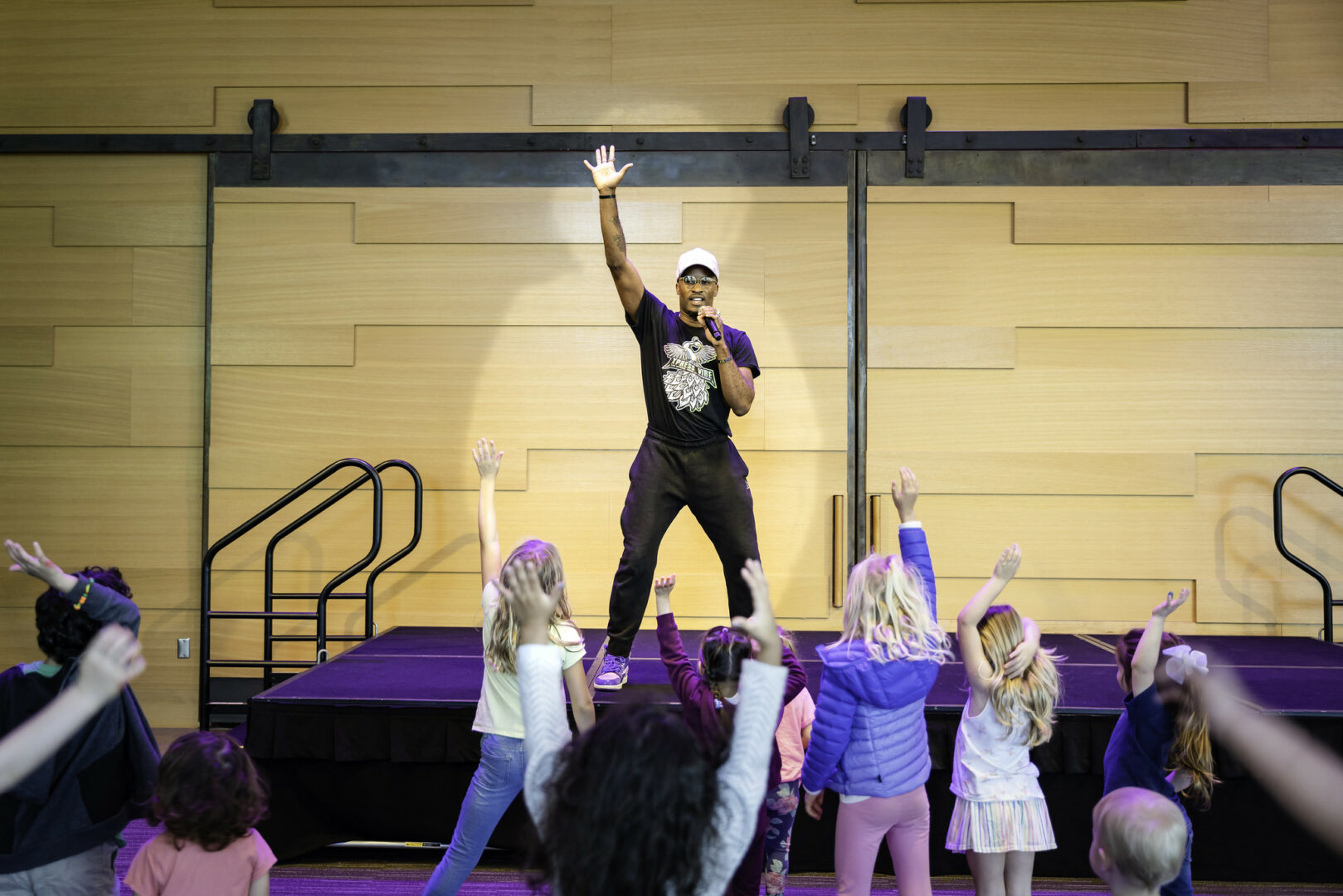
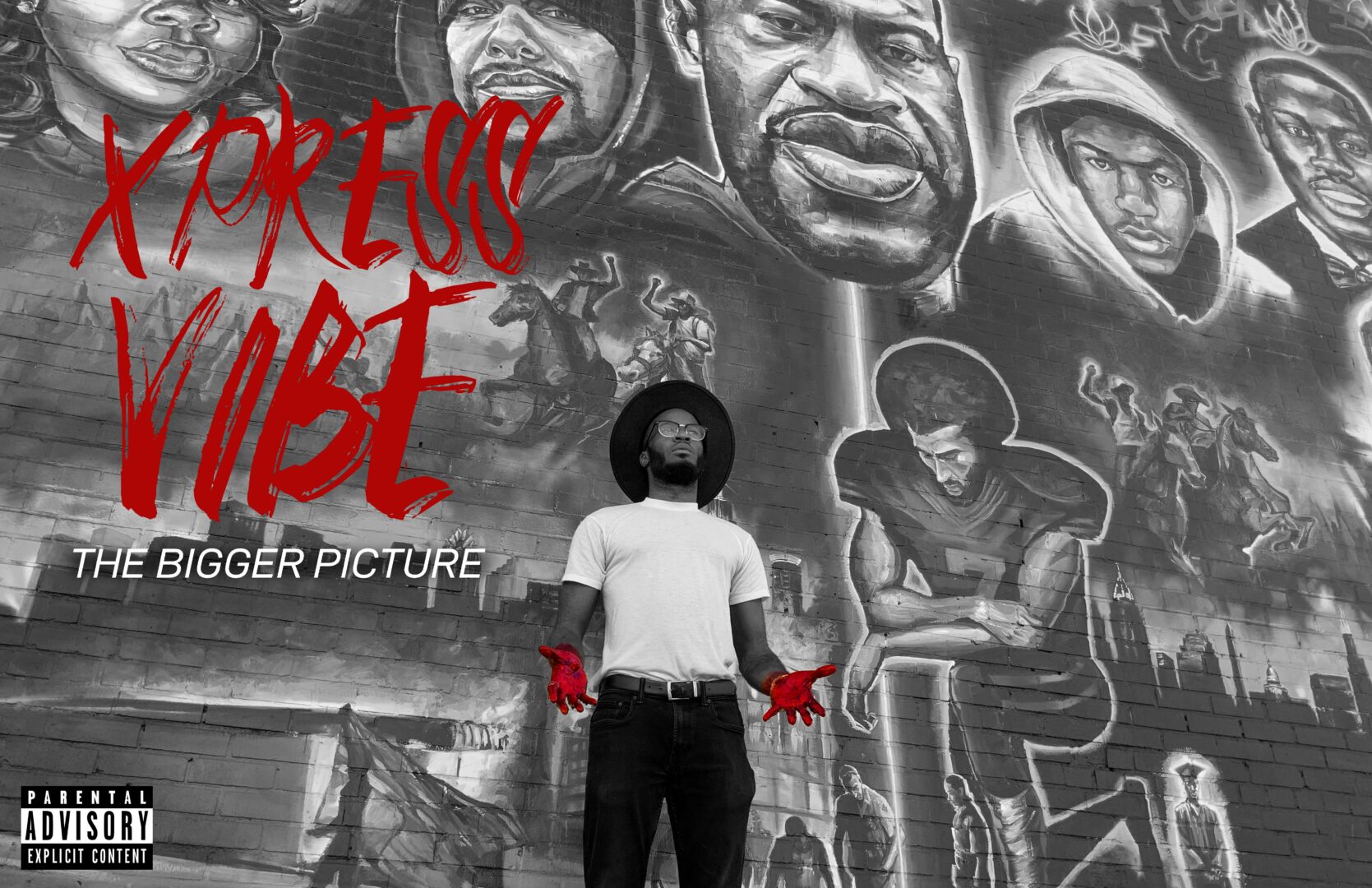
Image Credits
@Theviiisionary on Instagram
@Theempowermentcoach
so if you or someone you know deserves recognition please let us know here.