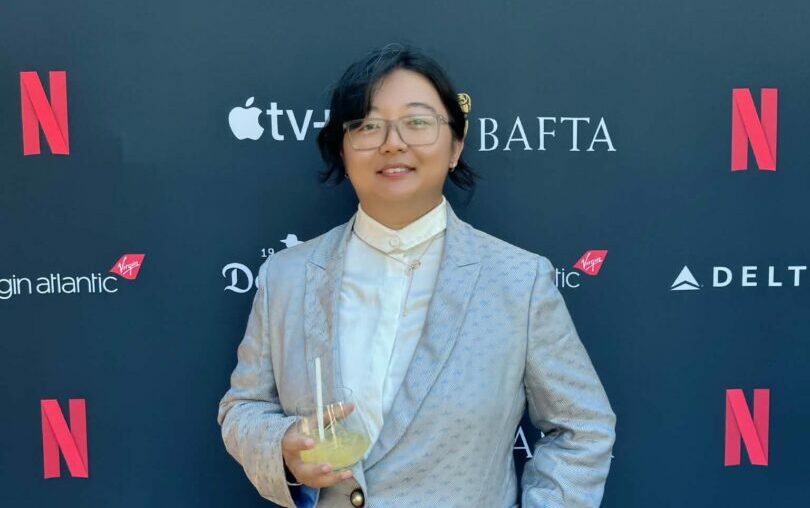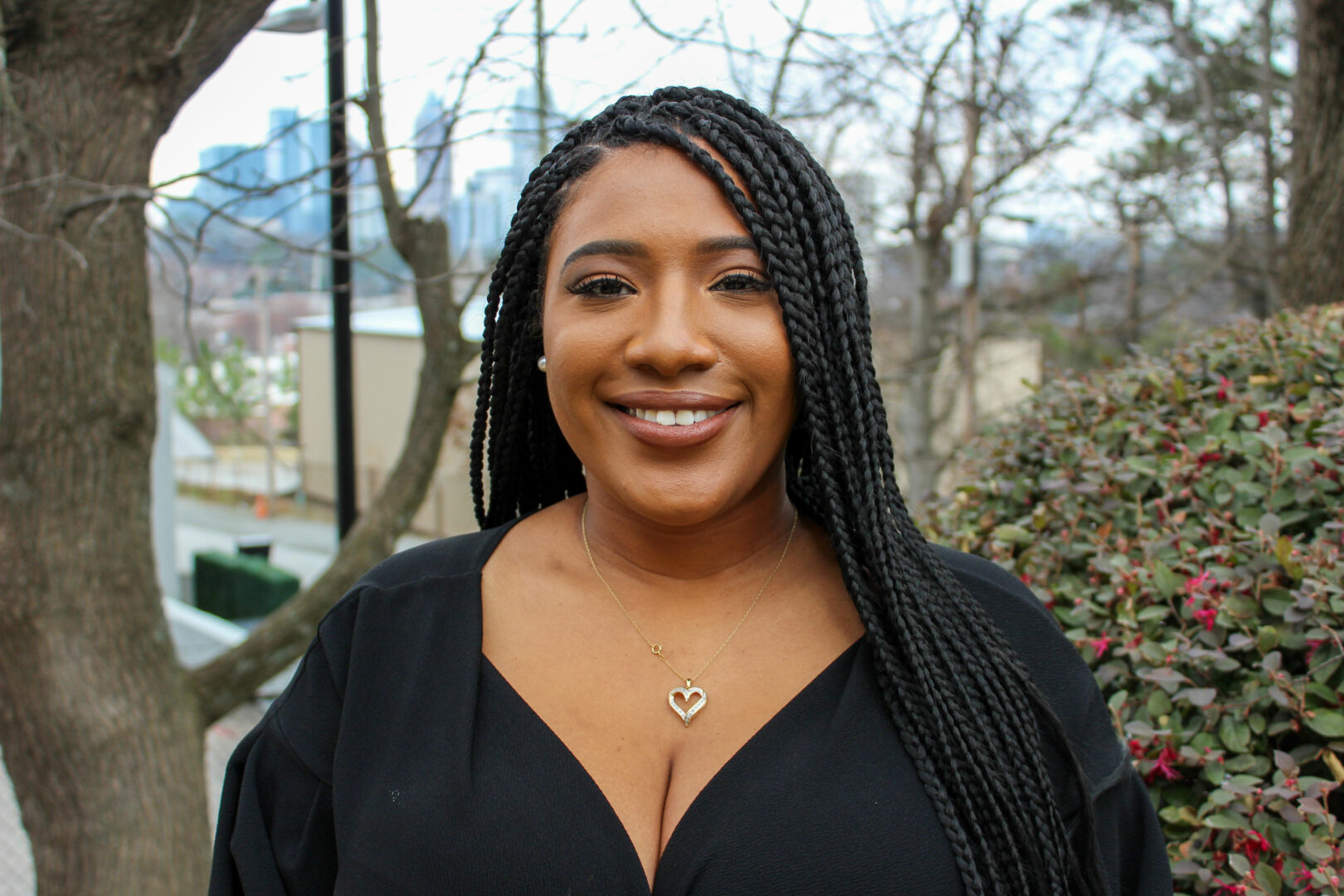
We caught up with the brilliant and insightful Junichiro Mataga a few weeks ago and have shared our conversation below.
Junichiro, we’re thrilled to have you sharing your thoughts and lessons with our community. So, for folks who are at a stage in their life or career where they are trying to be more resilient, can you share where you get your resilience from?
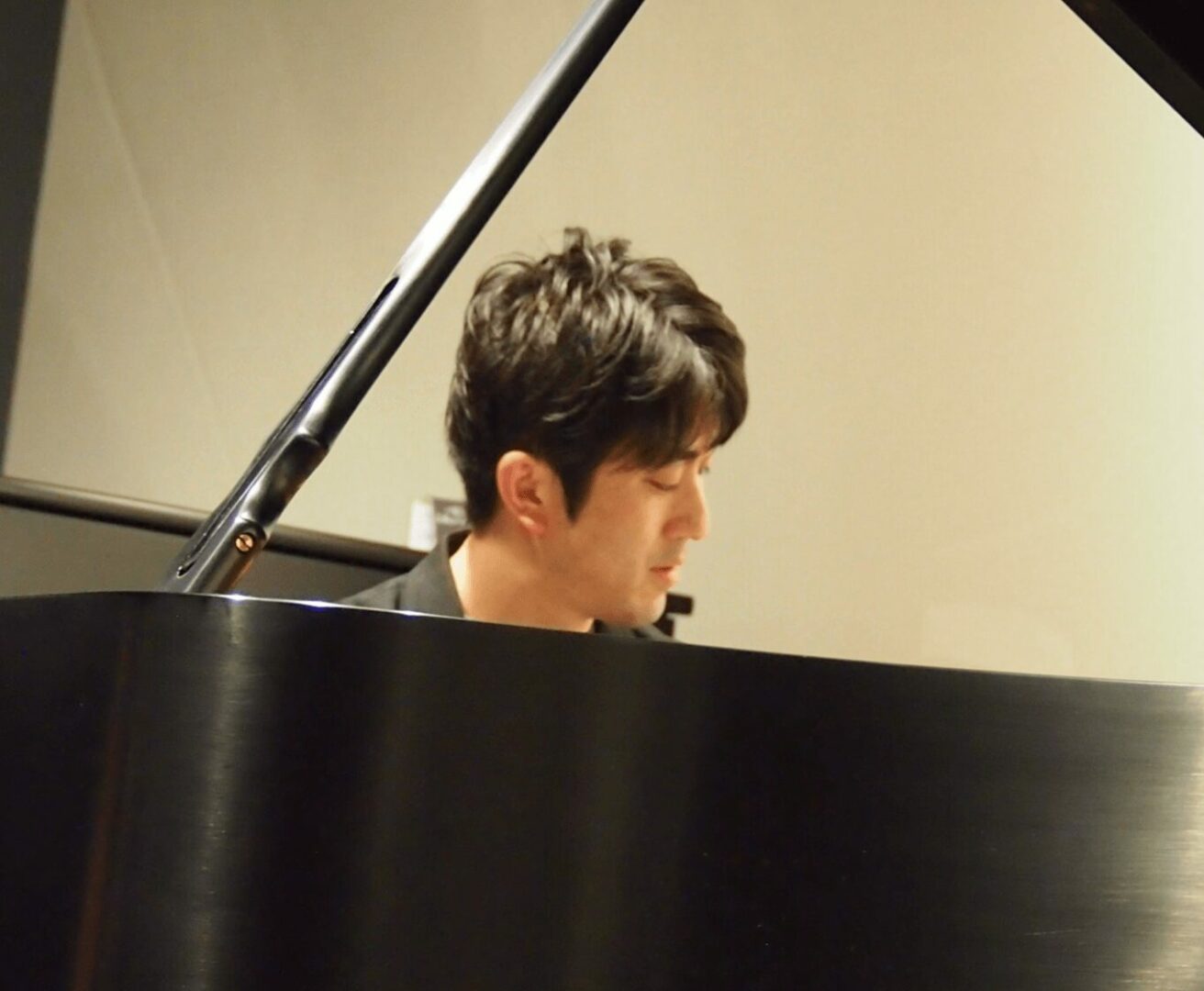
I am a jazz pianist and composer/arranger based in New York. Before becoming a jazz pianist, I worked as a researcher for 9 years at an electronics company in Japan, where I am originally from. Before completing my master’s degree in music at a graduate school in New York, I had graduated from a graduate school of engineering in Japan. I feel that my resilience was cultivated through my experiences as a researcher. Research is a field that constantly requires taking on new challenges. In particular, corporate researchers are not only expected to challenge themselves with new ideas but also to deliver research outcomes that can be developed into products and generate revenue. During my 9 years in this field, I gained experience in everything from generating new ideas to developing products and services. This ongoing challenge of tackling new and difficult tasks has formed the foundation of my resilience.
Great, so let’s take a few minutes and cover your story. What should folks know about you and what you do?
I have released two albums under my name, “Sketches” and “Landscape”. Many of the tracks included in these albums are my original compositions, and even the covered songs feature my arrangements. These works are available not only as CDs but also on all major streaming platforms.
My first album, “Sketches”, released in 2021, was selected as one of the Top Albums of the Year 2021 in the Global Music Awards and received praise from the legendary bassist Maestro Ron Carter. Additionally, my second album, “Landscape”, released in 2024, includes my composition “Escher’s Staircase,” which won the Grand Prize in the Jazz Category of the 2024 John Lennon Songwriting Contest (JLSC). I am deeply honored that both albums have been highly regarded, not only by myself but also by the public. Having my original compositions and arrangements, which I believe in, resonate with a wider audience is the most exciting and special experience for me. This year in April, the JLSC will hold an online voting to decide the Lennon Award in the Jazz Category. I would greatly appreciate your support!
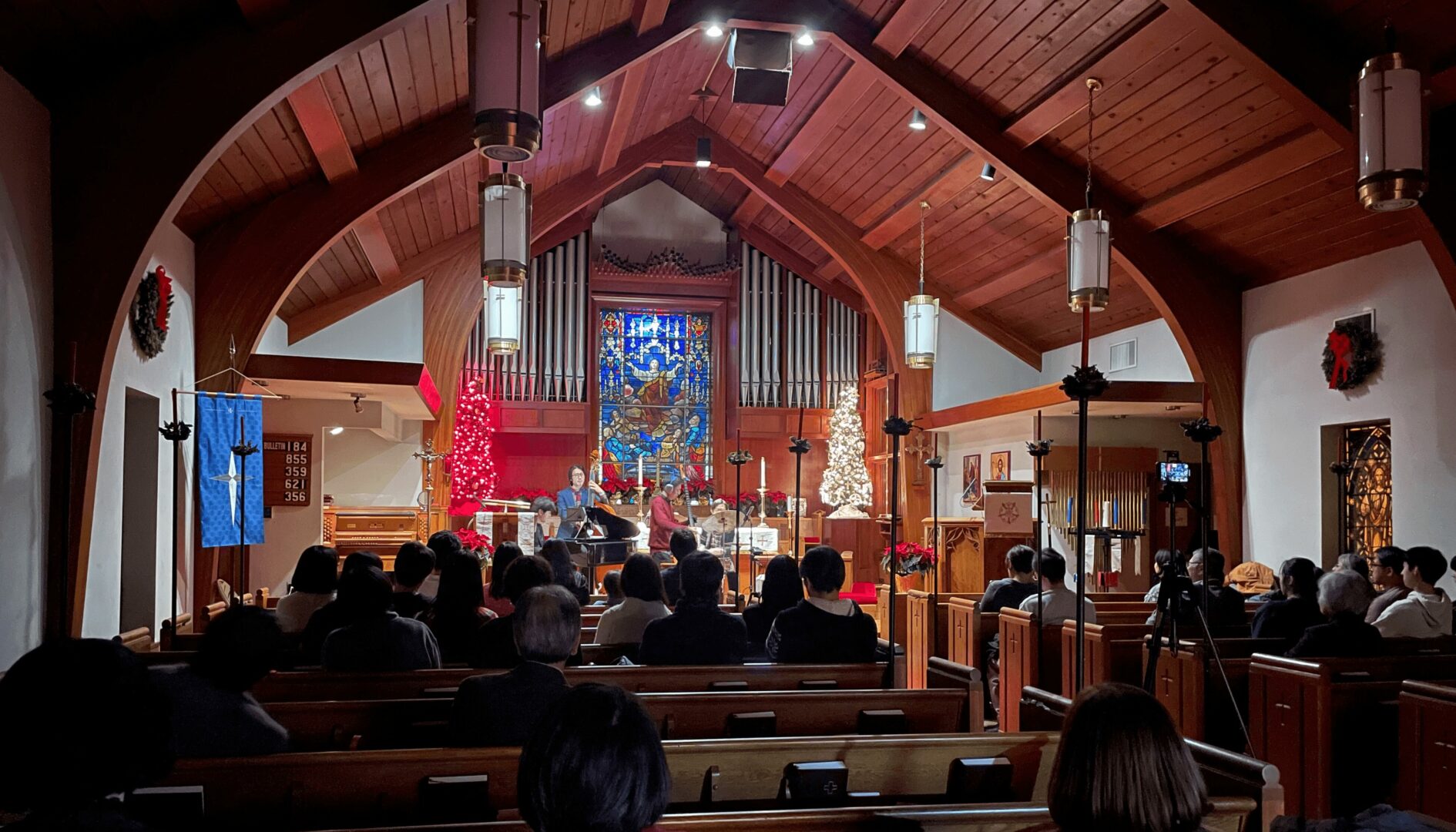
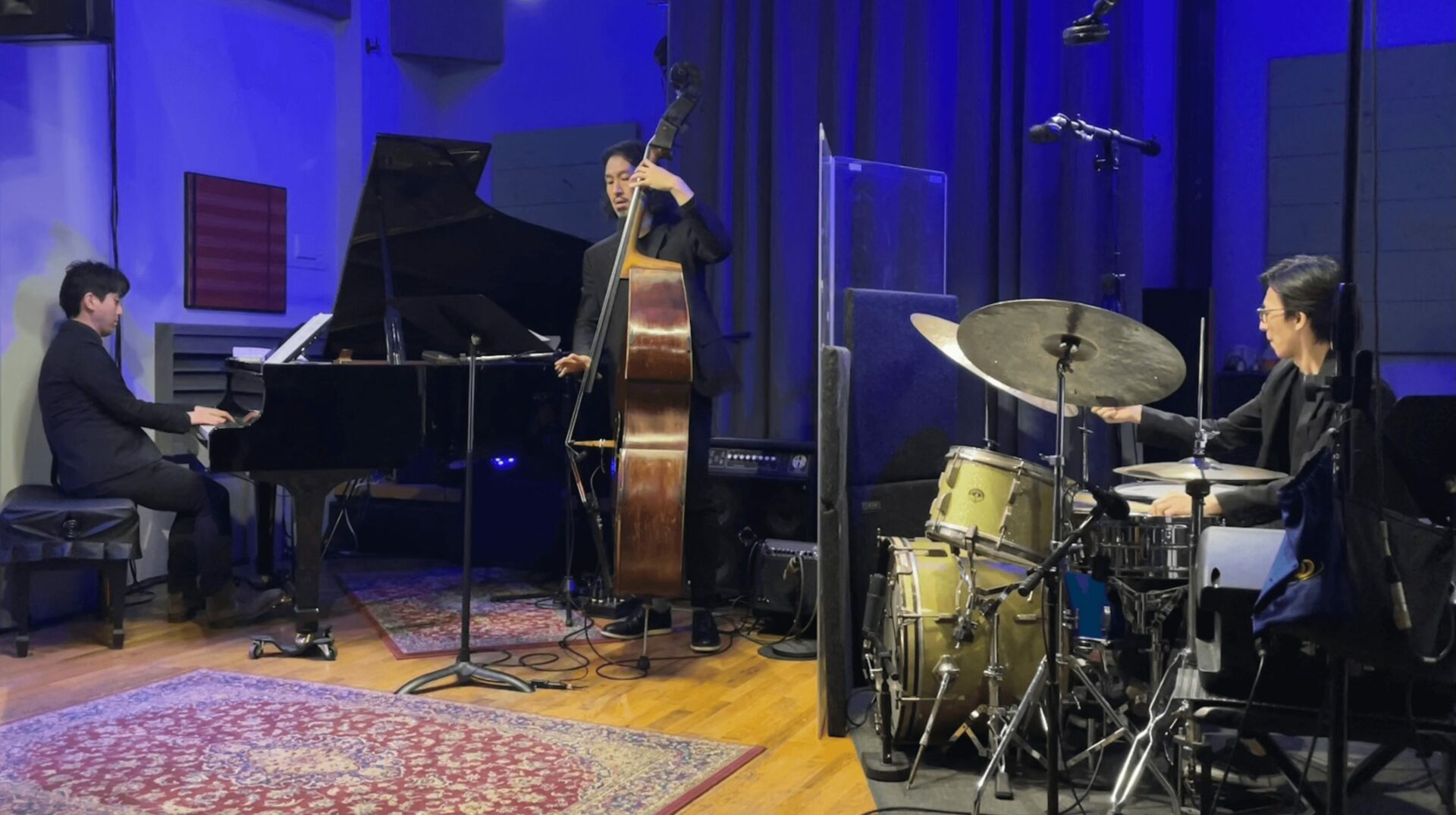
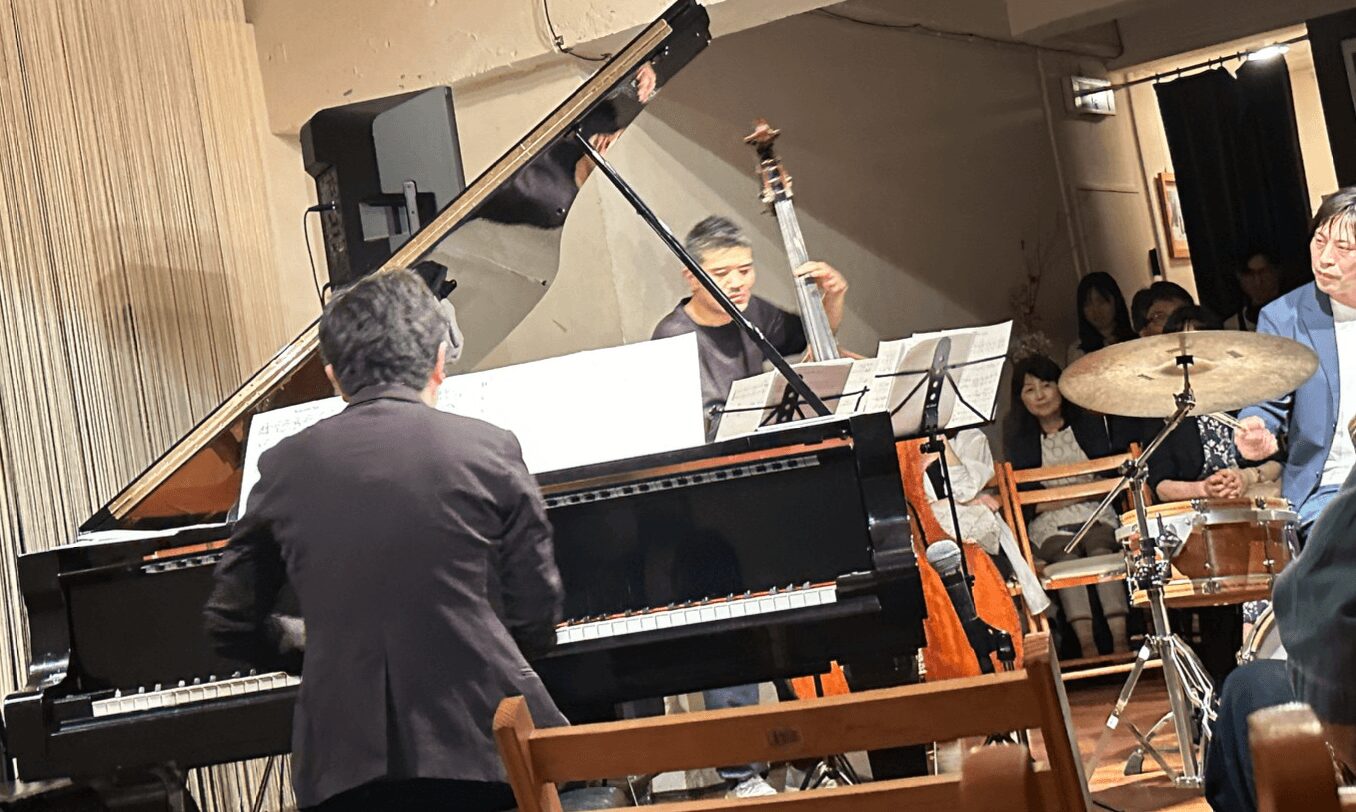
I also perform at various venues across New York, including live music clubs, restaurants, and events. Among these experiences, the moments when I receive enthusiastic applause and positive feedback from the audience are particularly special to me as a jazz pianist and artist. In late 2024, I recorded a live performance, which was a highlight of the year. I am thrilled not only that so many people were able to hear my music live but also that I can look forward to sharing this performance as a recorded work in the future.
There is so much advice out there about all the different skills and qualities folks need to develop in order to succeed in today’s highly competitive environment and often it can feel overwhelming. So, if we had to break it down to just the three that matter most, which three skills or qualities would you focus on?
The most important factor, in my opinion, is “curiosity” and/or “interest” in the field. While these might be considered part of one’s qualities, they are essential drivers of growth. For example, in the context of music, it is curiosity and interest that lead us to explore a wide range of music and genres, discover songs we love, and aspire to play them. This desire motivates practice, which in turn hones our skills. Furthermore, diving deeper into a piece of music naturally leads to studying its history, the context in which it was composed, and the music theory that underpins its structure.
This process is universal and applies to any field. Having worked as a researcher exploring engineering before delving into music as a job, I am confident in the analogy. Curiosity and interest serve as the starting point for exploration, learning, and ultimately, mastery.
Do you think it’s better to go all in on our strengths or to try to be more well-rounded by investing effort on improving areas you aren’t as strong in?
Unless one’s strengths overwhelmingly surpass others, I believe it is important to focus on balance. Our strengths are often areas where we naturally develop an interest, and these will continue to grow without requiring excessive effort or intentional focus. However, areas where we are not as strong need concentrated effort and improvement. This process might bring some discomfort, but when aiming to be a professional, it’s essential to meet a minimum standard in those areas.
When I enrolled in a music conservatory in New York, I felt that I had an edge in terms of knowledge. This was because, prior to my admission, I had spent nine years working as a researcher, during which I acquired a vast amount of knowledge learning by myself. However, when it came to learning jazz, the most crucial aspect—feel, especially the foundational rhythm, especially swing feel—was something I struggled with. I dedicated a significant portion of my two years in graduate school to mastering that feel. As a result, while I’m not my strength, I believe I’ve gained a reasonable level of proficiency. If I had only continued expanding my knowledge, I might not have found other musicians to collaborate with. In music, performing is the most important factor, and with only knowledge, I may have been confined to working as an arranger or composer. Today, I believe my ability to work as a performer in New York stems from the fact that I worked hard to strengthen that weakness.
Contact Info:
- Website: https://j-mataga.com/
- Instagram: https://www.instagram.com/jn.mataga_pf3/
- Facebook: https://www.facebook.com/junichiro.mataga/
- Linkedin: https://www.linkedin.com/in/junichiro-mataga-20ab36170/
- Twitter: https://x.com/jun_mtg
- Youtube: https://www.youtube.com/@s570820
- Soundcloud: https://soundcloud.com/j_mataga
- Other:
https://www.allaboutjazz.com/musicians/junichiro-mataga/
https://junichiromataga.bandcamp.com/
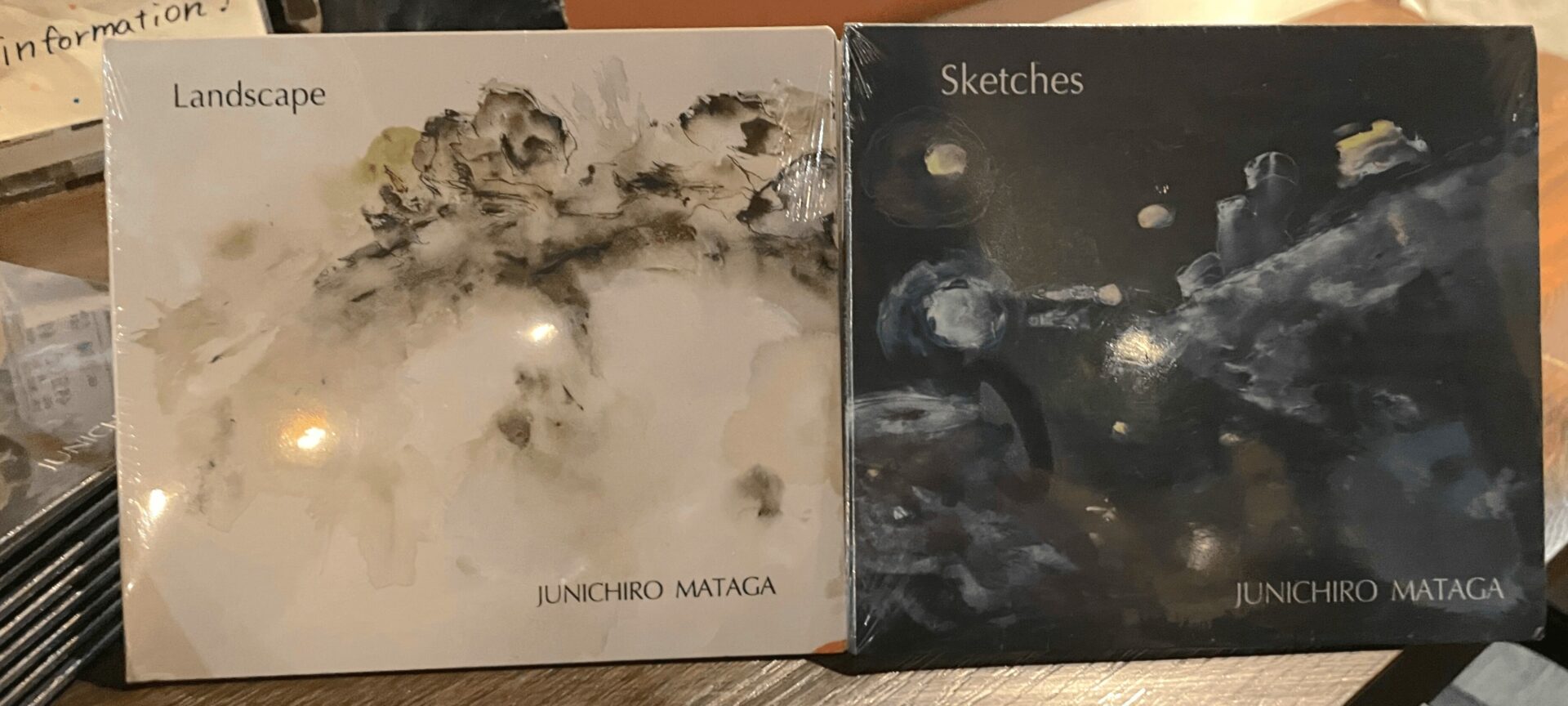
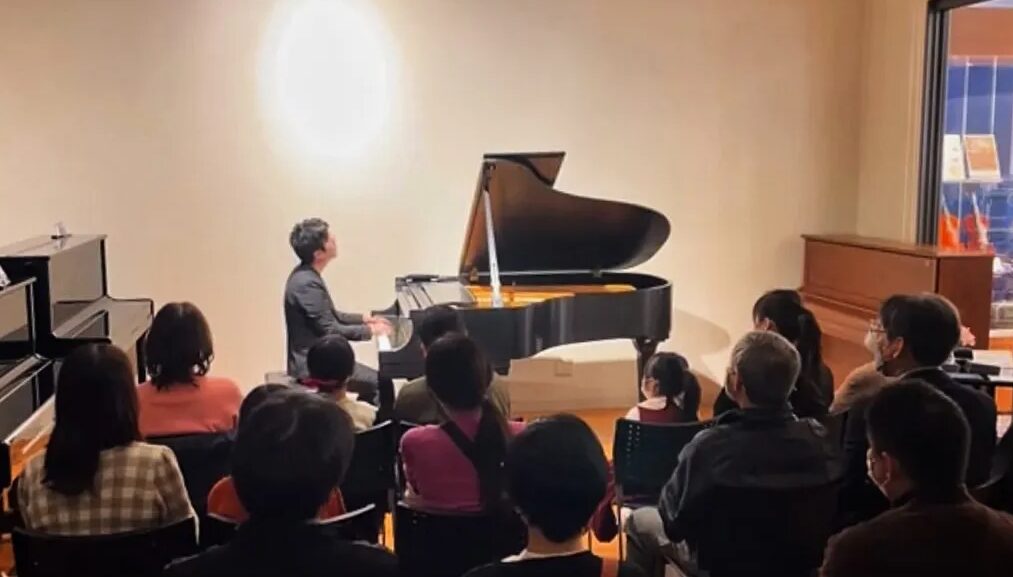
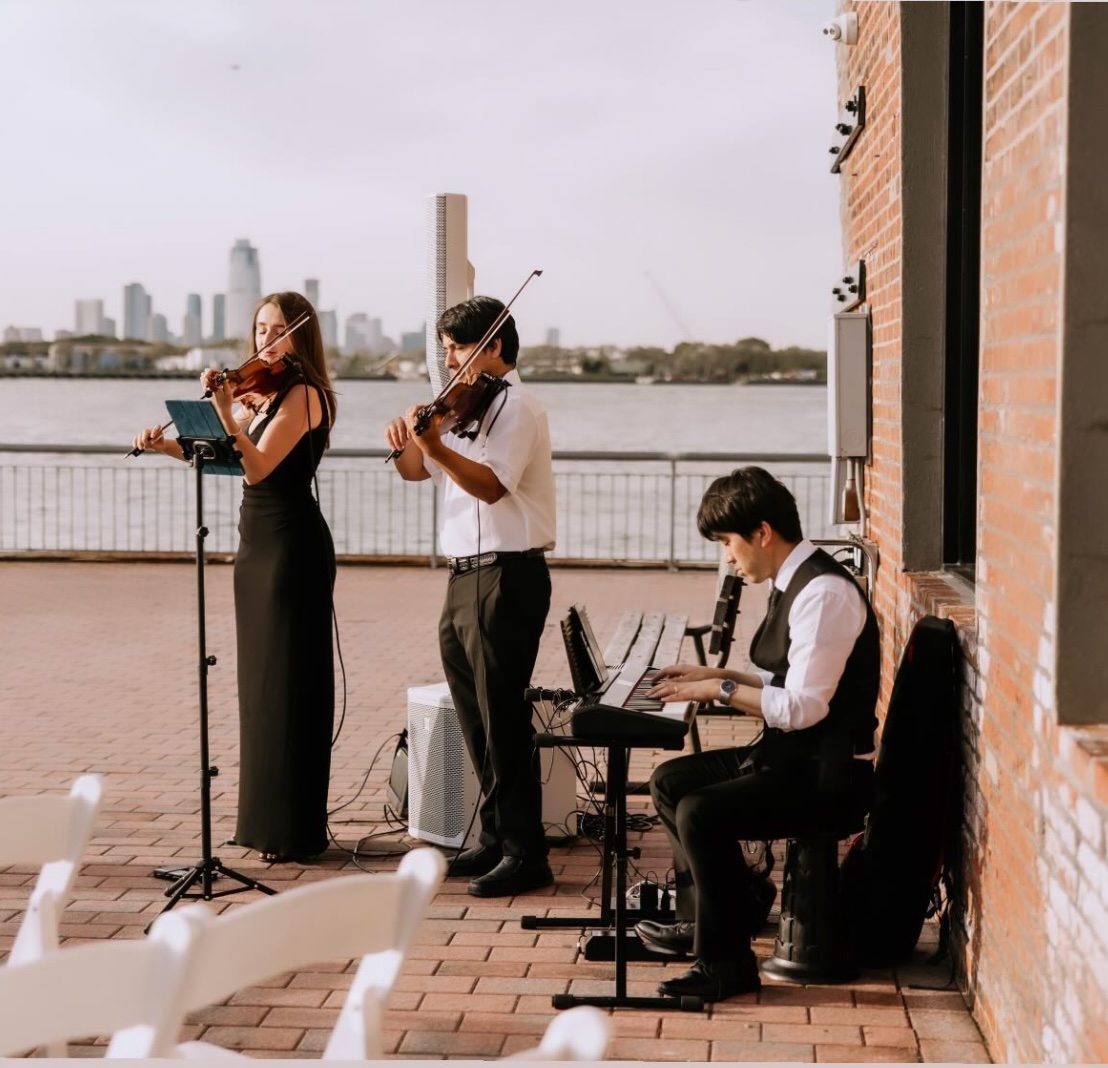

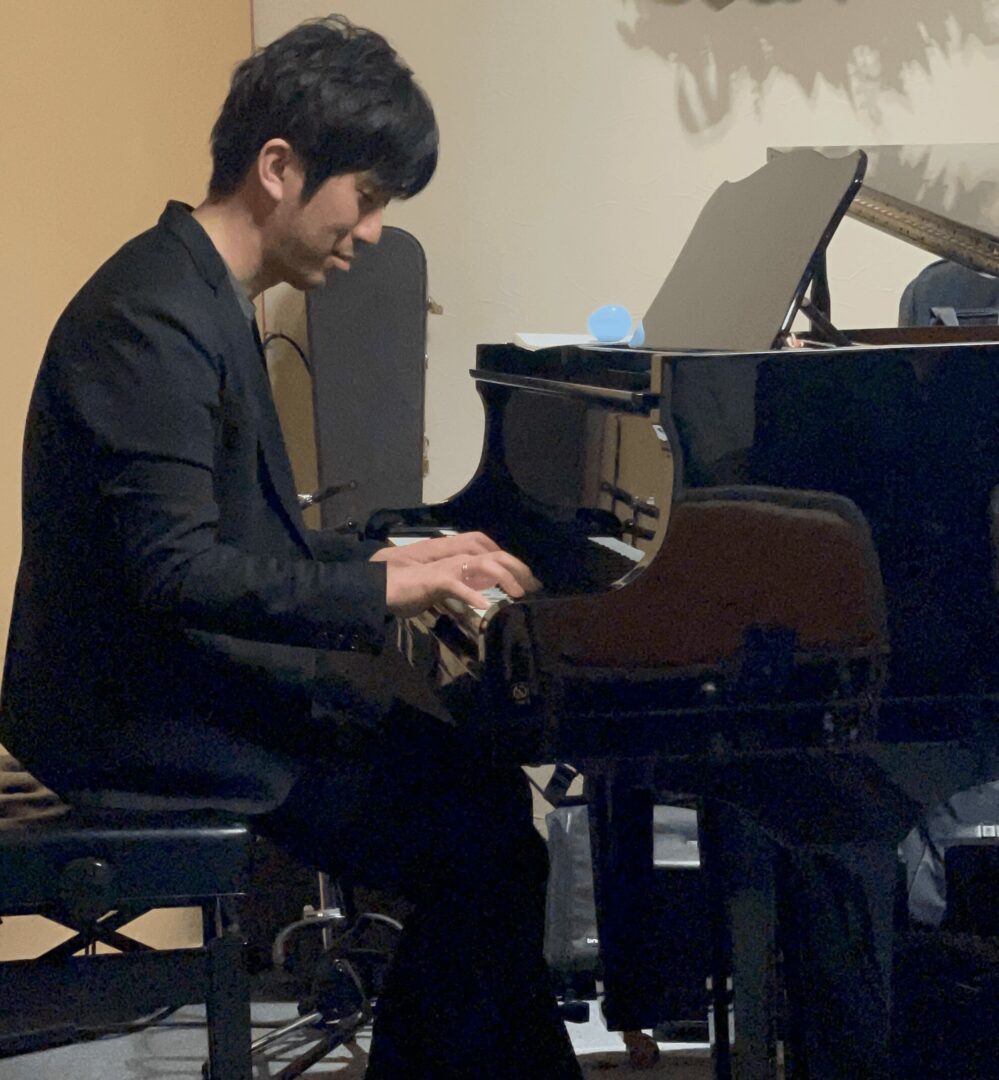
Image Credits
Natsumi Mataga
so if you or someone you know deserves recognition please let us know here.