We recently connected with Ali Arshi and have shared our conversation below.
Ali, thank you so much for taking the time to share your lessons learned with us and we’re sure your wisdom will help many. So, one question that comes up often and that we’re hoping you can shed some light on is keeping creativity alive over long stretches – how do you keep your creativity alive?
For me, creativity is deeply tied to human interaction and the world around me. The stories, emotions, and dynamics of people whether strangers on the subway or close friends are my greatest sources of inspiration. I observe how people communicate, react, and connect, and this awareness fuels my artistic vision. I also believe creativity is not purely innate; it is something that can be cultivated through practice and understanding. Each artist has their own source of inspiration, and once we recognize what drives us, we can refine and expand it.
Like any artist, I have faced creative blocks. When that happens, I step away from my workspace rather than forcing something uninspired. I go out, immerse myself in the city, and let life unfold around me. Conversations, whether with a friend or a stranger, often spark new ideas. But if I’m honest, a significant part of my creativity comes from pain not just personal struggles but the collective weight of human experience and responsibility.
Improvisation is another essential part of my process. Iranian classical music is inherently rooted in improvisation, yet it exists within a defined structure. I believe that all art begins with improvisation to some degree, but refining and shaping an idea into a finished piece requires skill and an understanding of form. Improvisation allows for spontaneity, but structure gives it meaning.
My cultural background has always been a strong influence. Studying and performing Persian music, poetry, and traditional singing has shaped my musical identity, while my openness to different genres and new sonic experiences keeps my artistry evolving. I am constantly seeking new collaborations, not just for technical growth but for cultural exchange learning about other musicians’ traditions, values, and even the music they enjoy listening to. These experiences expand my creative perspective in ways that theory alone never could.
In terms of environment, I find inspiration in both solitude and movement. Nature is a place of peace for me, but I also love walking through the city at night. There’s something about the quiet energy of nighttime less chaotic than the day but still alive that allows my thoughts to flow freely. Many of my best ideas have emerged in those late hours.
Balancing artistic integrity with industry demands is always a challenge. I try to choose projects that align with my artistic values while maintaining the space for independent work. Interestingly, I’ve noticed that some of my most productive creative breakthroughs happen just before deadlines. The mental pressure forces me into a state of focus where everything suddenly comes together. Deadlines, while stressful, sometimes act as an unexpected catalyst for creativity.
Ultimately, keeping my creativity alive is about staying engaged with the world, embracing spontaneity, and continuously seeking new perspectives whether through music, people, or personal reflection.
Let’s take a small detour – maybe you can share a bit about yourself before we dive back into some of the other questions we had for you?
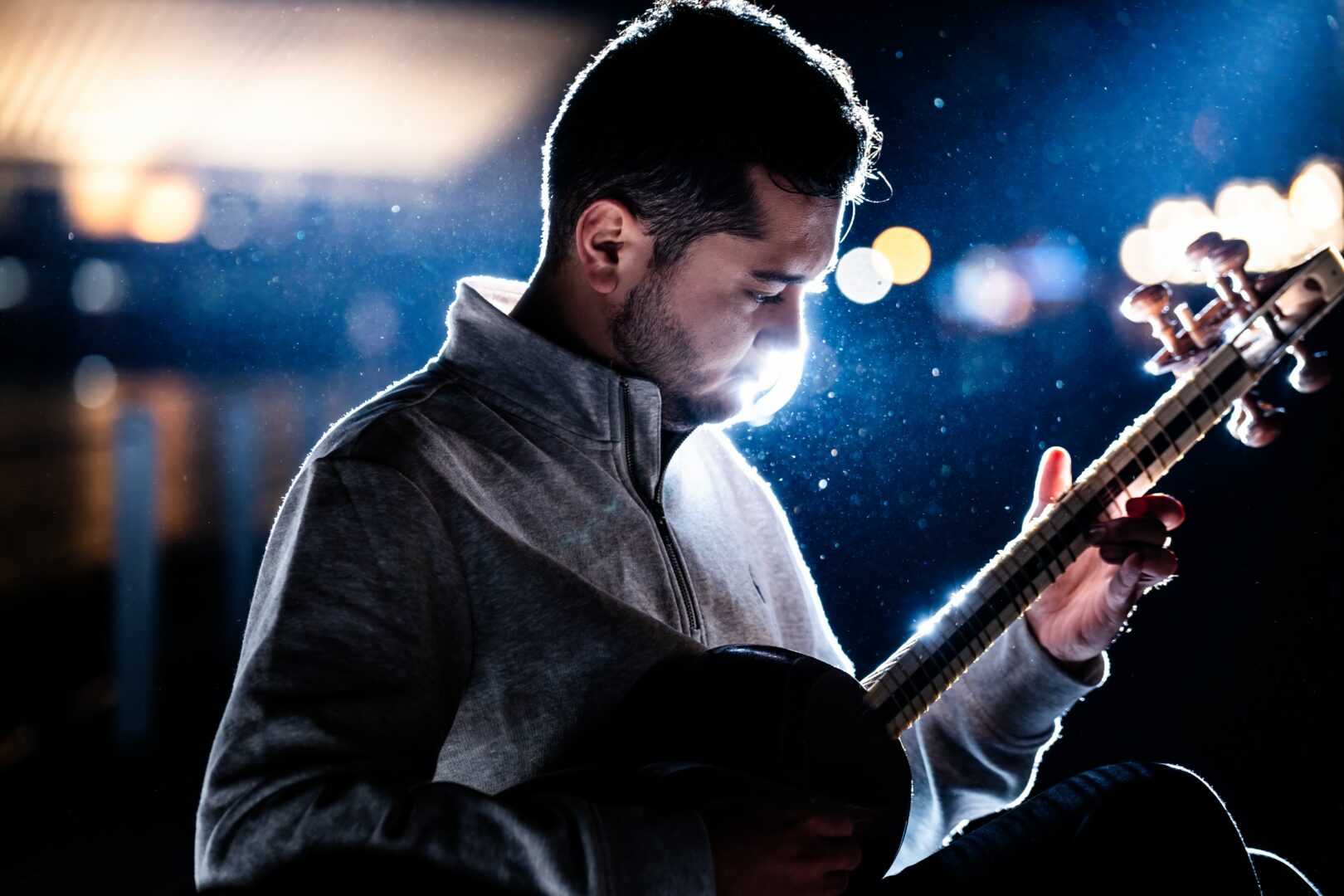
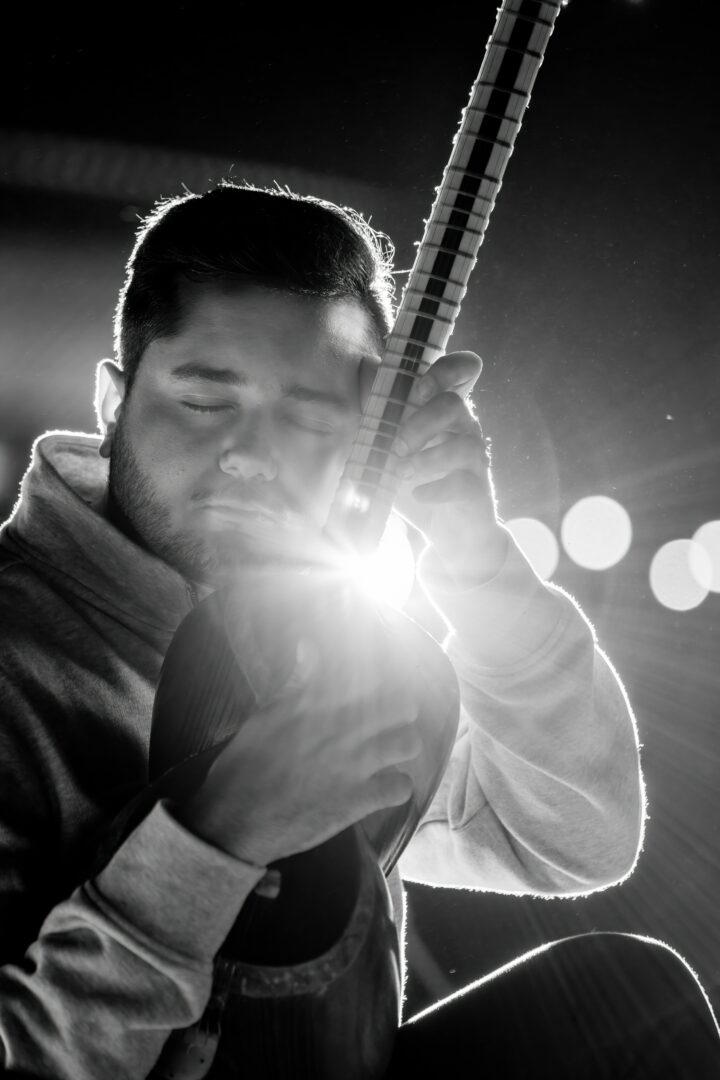
I am a musician, multi-genre composer, media composer, and performer exploring the intersection of tradition and innovation. My work is deeply rooted in Persian classical music while embracing contemporary and experimental sounds. As a composer, I create for film, media, and interactive projects, always seeking to tell compelling stories through sound. As a performer, I integrate the tar—one of Iran’s most expressive instruments—into new musical landscapes, bridging cultural heritage with modern expression.
What excites me most about my work is the ability to create sonic worlds that transcend boundaries. Whether composing for visual media, leading live performances, or collaborating with artists from different disciplines, I’m always looking for ways to push creative limits. I believe music is a universal language, and my goal is to craft experiences that resonate deeply with listeners, regardless of background.
Currently, I’m focused on expanding my work in film and game scoring, bringing a unique voice to these industries by incorporating microtonal music, improvisation, and rich textures that go beyond conventional Western approaches. I’m also continuing to develop my band RazAvaz, which fuses Persian poetry and traditional scales with contemporary musical elements.
Looking ahead, I’m excited about upcoming collaborations, performances, and scoring projects that challenge me artistically. I’m always open to new creative opportunities, and I love working with filmmakers, game developers, and musicians who share a vision for pushing artistic boundaries.
For those interested in my work, I’d love to connect and explore meaningful collaborations. Whether through music, storytelling, or performance, my mission remains the same: to create something honest, immersive, and timeless.
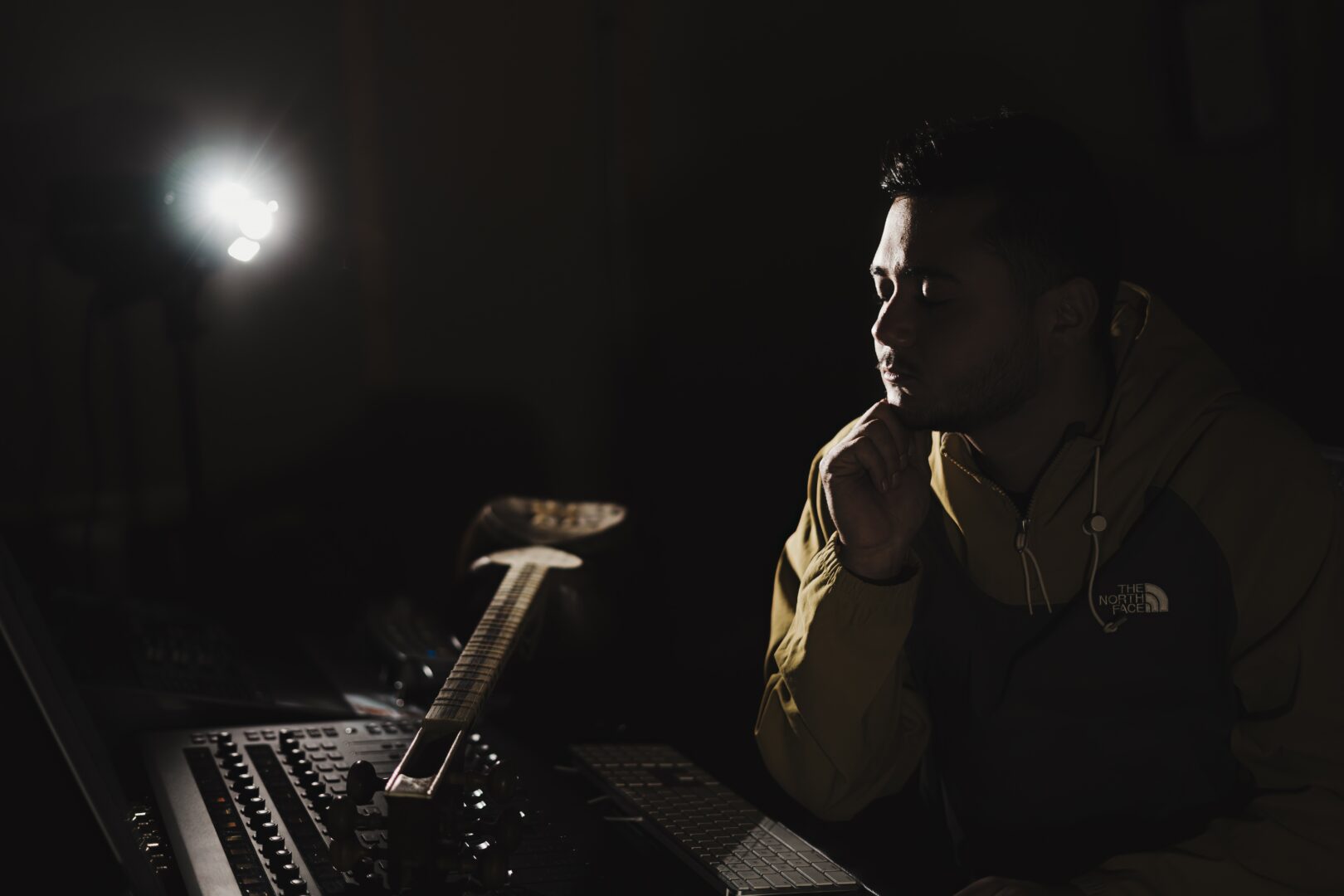
There is so much advice out there about all the different skills and qualities folks need to develop in order to succeed in today’s highly competitive environment and often it can feel overwhelming. So, if we had to break it down to just the three that matter most, which three skills or qualities would you focus on?
Looking back on my journey, three key qualities have played a crucial role in shaping my career: adaptability, deep listening, and perseverance. As a multi-genre composer, media composer, and performer, I’ve had to constantly navigate different musical traditions, collaborate with artists from diverse backgrounds, and evolve my creative approach. Being adaptable has allowed me to explore new sonic landscapes while staying true to my artistic voice. At the heart of my work is deep listening—not just to music but to the world around me. Whether composing for film, games, or live performances, I see music as a form of storytelling, where every sound carries meaning. Understanding how different cultures approach music and how sound interacts with emotion has shaped my artistic perspective.
Beyond creativity, perseverance has been just as important. The path of an artist is filled with uncertainty and challenges, and self-discipline has been key to pushing forward, meeting deadlines, and ensuring that inspiration turns into tangible work. Another crucial aspect of my journey has been my knowledge of technology and my commitment to staying updated. As a media composer, working with cutting-edge tools, software, and interactive music techniques is essential. I constantly seek new ways to integrate technology into my creative process, ensuring that my work remains innovative and relevant in an ever-evolving industry.
For those early in their journey, my biggest advice is to train your ears. More than any plugin, instrument, or software, ear training is the most essential tool a musician can develop. The ability to recognize timbre, harmony, microtones, and the emotional weight of sound is what truly sets a composer or performer apart. Good ears allow you to break down music, understand its essence, and develop your own unique voice. Alongside this, stay patient and committed to the process. Growth happens over time, and the more you engage with your craft, the more you refine your artistic identity. Be adaptable, listen deeply, keep learning, embrace technology as a tool to expand creative possibilities, and most importantly—keep creating, regardless of the obstacles.
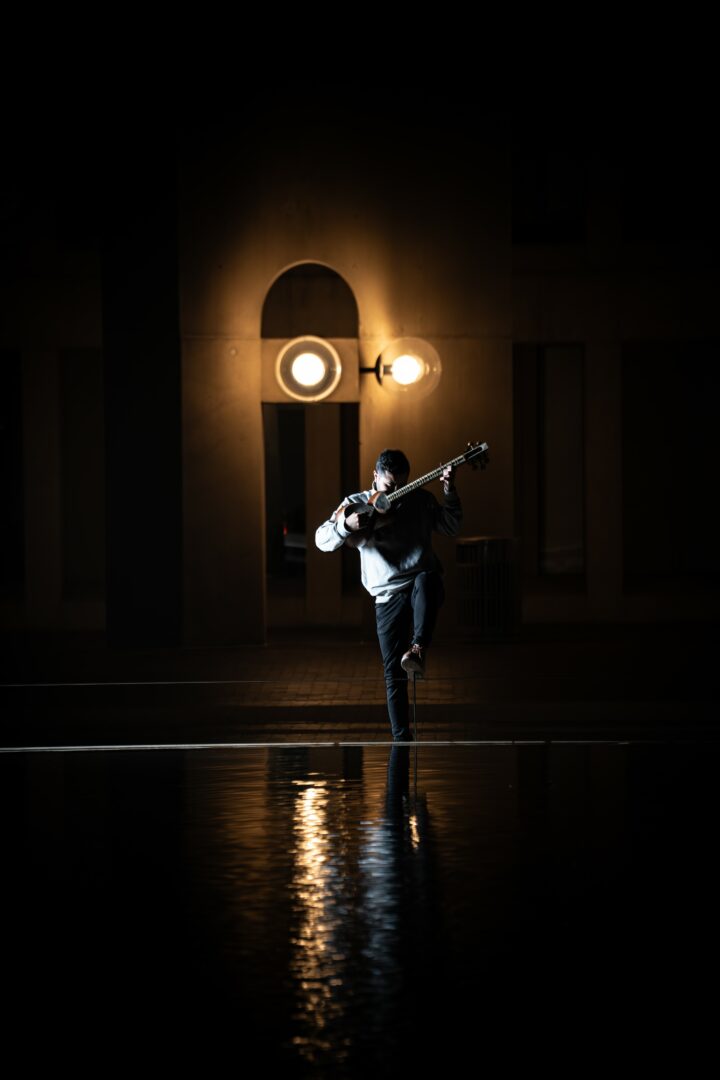
To close, maybe we can chat about your parents and what they did that was particularly impactful for you?
One of the most impactful things my parents did for me was fostering a deep respect for culture, music, and artistic expression from an early age. Growing up in Iran, I was surrounded by the richness of Persian music and poetry, and my parents never discouraged my passion for exploring it. Instead, they supported my artistic growth, even when choosing a path in music was not the most conventional or easiest option. Their encouragement allowed me to embrace my identity as a musician, blending the deep traditions of Persian classical music with contemporary and experimental approaches.
Beyond emotional support, they also taught me resilience—something that became essential when I had to navigate my journey as an artist in a new country. Leaving Iran and establishing myself as a composer and performer in the U.S. was a huge transition, and without the perseverance and adaptability I learned from them, it would have been much harder. Even from a distance, their belief in me remains a driving force, pushing me to stay committed to my artistic vision and keep evolving in my career.
Contact Info:
- Website: https://www.aliarshi.com
- Instagram: aliarshi
- Facebook: https://www.facebook.com/share/19tPwKuV9N/?mibextid=wwXIfr
- Linkedin: Ali Arshi
- Youtube: https://youtube.com/@aliarshi_mus?si=A6-Au1Ue91PsjPgy
- Soundcloud: https://on.soundcloud.com/He9JcgAjGFCM7YDh6
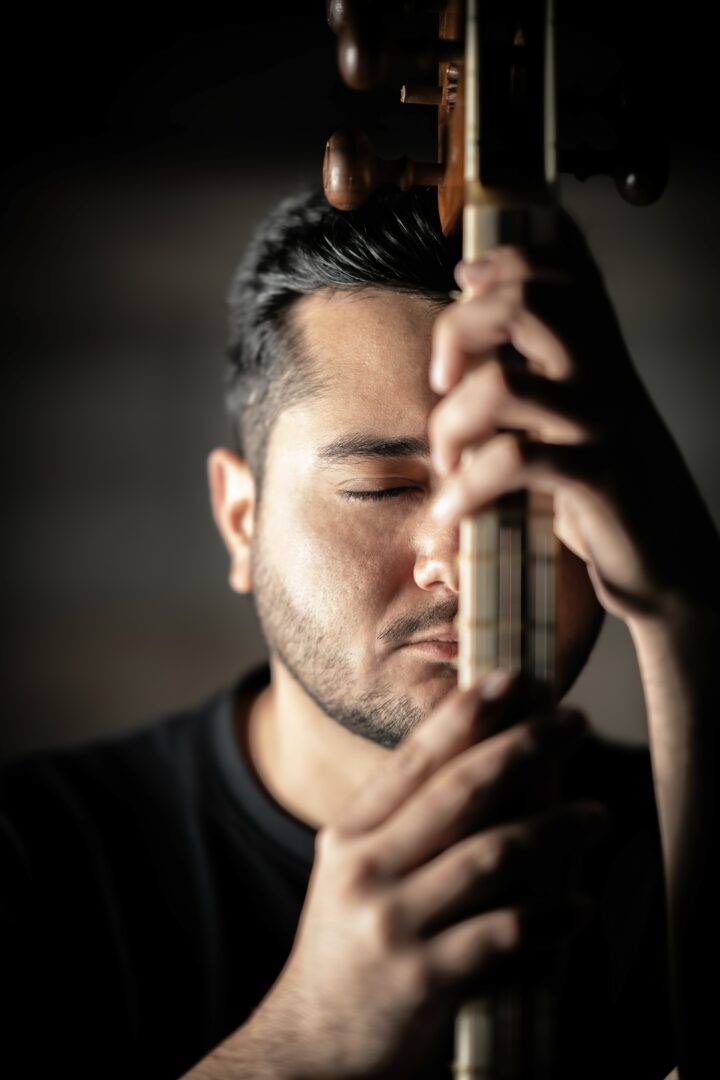
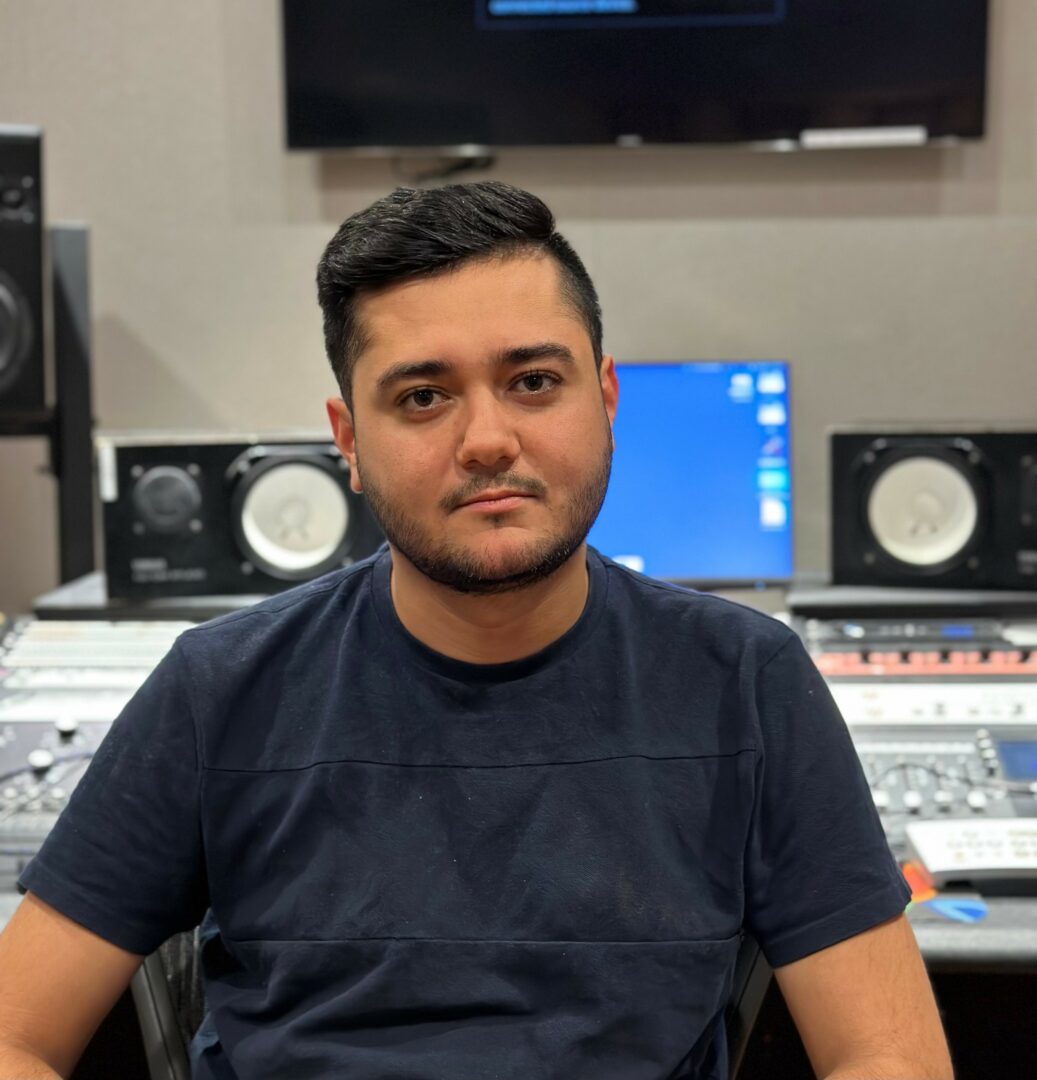
Image Credits
Nima Nazemi
so if you or someone you know deserves recognition please let us know here.